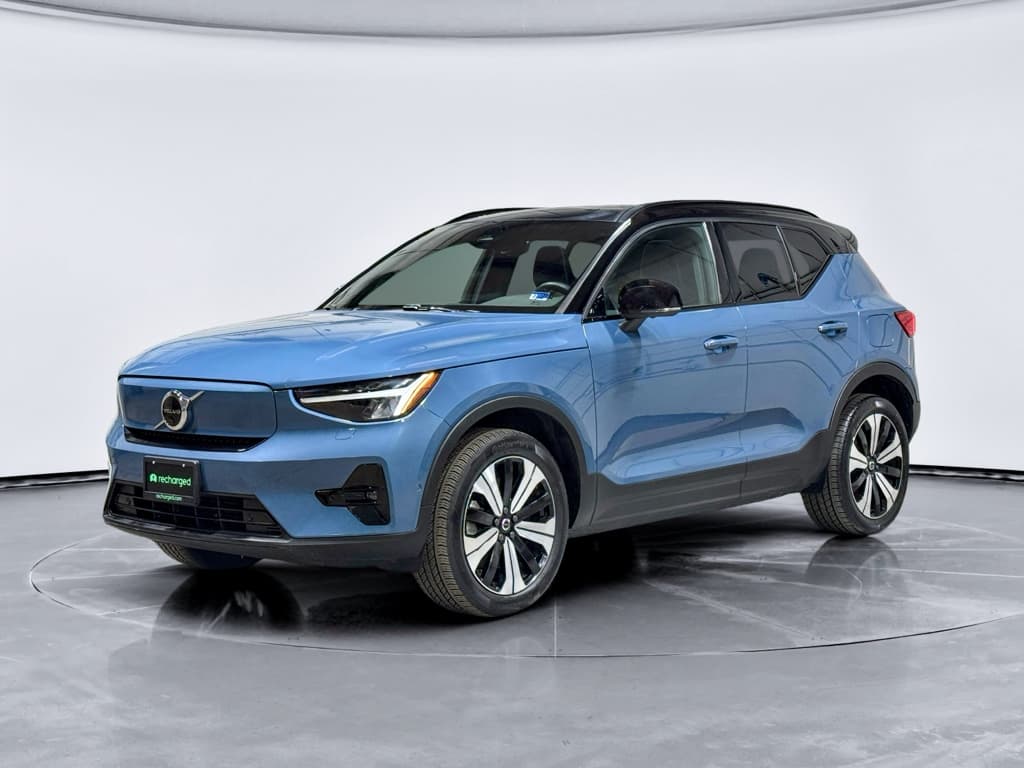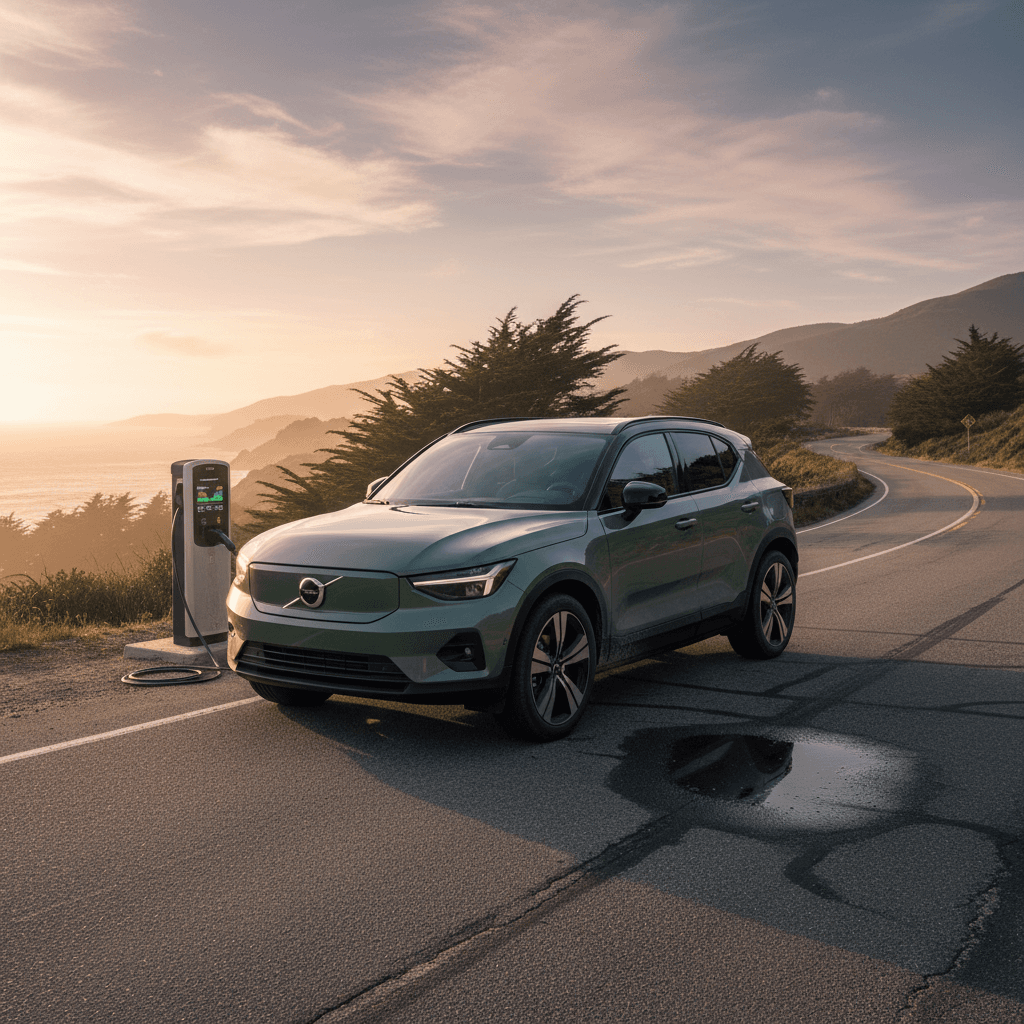
If you’re eyeing the 2025 Volvo EX30, you’ve probably seen the glossy **261‑mile EPA range** headline and wondered what you’ll *actually* see on the dash. This 2025 Volvo EX30 range test deep‑dives real‑world results, especially at U.S. highway speeds, so you know how far you can go on a charge, whether you’re commuting, running errands, or planning a weekend road trip.
Quick takeaway
2025 Volvo EX30 range at a glance
Key Volvo EX30 range and battery numbers
Volvo sells the EX30 with two main battery pack configurations. In the U.S., the headline trims for 2025–2026 use a **69 kWh pack (about 64 kWh usable)** paired either with a rear‑drive Single Motor Extended Range setup or a dual‑motor all‑wheel‑drive Performance system. The same pack is shared by the off‑road‑styled Cross Country variant, though its extra ride height and tires nibble at range.
Note on 2025–2026 EX30 timing
EPA range vs real‑world tests
EPA ratings vs early real‑world range tests
How official EPA numbers for the EX30 compare with independent highway testing at U.S. speeds.
| EX30 variant | Drivetrain | Battery (usable) | EPA est. range (mi) | Typical real‑world mixed | 75‑mph highway test* |
|---|---|---|---|---|---|
| Single Motor Extended Range | RWD | ~64 kWh | Up to 261 | ~210–230 | Not widely published yet |
| Twin Motor Performance | AWD | ~64 kWh | Up to 253 | ~190–210 | ~160 (Car and Driver) |
| Cross Country Twin Motor | AWD | ~64 kWh | Up to 227 | ~170–190 | Likely ~150 or less |
Expect to get close to EPA in mixed driving, but less at 70–75 mph, especially with the Twin Motor.
EPA numbers are helpful, but they’re derived from a mix of lower‑speed and city‑heavy test cycles. In the real world, **steady interstate cruising at 70–75 mph** is much tougher on range than the combined cycles suggest. That’s exactly why a prominent 75‑mph test saw the **EX30 Twin Motor Performance manage only about 160 miles** before needing a recharge, well below its roughly 250‑mile EPA estimate.
How to interpret the 160‑mile result
Single Motor vs Twin Motor: which EX30 goes farther?
Range trade‑offs: Single Motor ER vs Twin Motor Performance
Same battery pack, very different priorities.
Single Motor Extended Range (RWD)
Best choice if you care about range.
- EPA up to ~261 miles on 19-inch wheels
- Rear‑wheel drive, lower power draw
- Real‑world mixed driving: roughly 210–230 miles in mild weather
- More efficient in city traffic and at moderate speeds
Twin Motor Performance (AWD)
Best choice if you care about speed.
- EPA up to ~253 miles, Cross Country as low as 227 miles
- 0–60 mph in the low‑3‑second range, but that power eats range
- Independent 75‑mph test: about 160 miles before empty
- Great for traction, but expect more frequent fast‑charge stops
Because both drivetrains share the same battery, the **more efficient motor wins the range game**. The Single Motor Extended Range model gives up jaw‑dropping acceleration, but it rewards you with a noticeably bigger real‑world buffer, especially on cooler days and long interstate drives.
Which EX30 should you pick for range?
City commute vs highway road trip range
City & suburban commuting
In lower‑speed, stop‑and‑go use, the EX30 can feel like it “beats” its EPA number. Regenerative braking recovers a lot of energy, and you’re rarely fighting aerodynamic drag.
- Single Motor ER: many owners can expect ~230+ miles in mild weather.
- Twin Motor: roughly ~200+ miles is realistic if you’re gentle with the throttle.
- Short hops with frequent charging often hide how far the pack could actually go.
Highway & road‑trip driving
Jump on the interstate at 70–75 mph and the EX30’s compact shape helps, but aero drag still ramps up consumption quickly.
- At 75 mph, the Twin Motor’s independent test result of ~160 miles is a good planning baseline.
- The Single Motor ER should stretch noticeably farther, but you still shouldn’t count on full EPA range at that pace.
- Running climate control, carrying passengers, and climbing grades can each chip away at range.
Cold‑weather penalty
How weather, speed and load change EX30 range
- Speed: Above about 60 mph, aerodynamic drag rises sharply. Driving at 75 mph instead of 65 mph can easily cost you 10–15% of your range.
- Temperature: Cold batteries are less efficient, and heating the cabin is energy‑intensive. Short winter trips are the toughest scenario for any EV, including the EX30.
- Terrain: Long climbs consume more energy than descents can fully recapture, even with strong regen.
- Weight: Passengers, cargo, roof boxes and bike racks all add drag or mass, trimming range at the margins.
- Wheels and tires: The EX30’s standard 19‑inch wheels are the sweet spot. Larger or more aggressive tires (like on Cross Country trims) chip away at range.
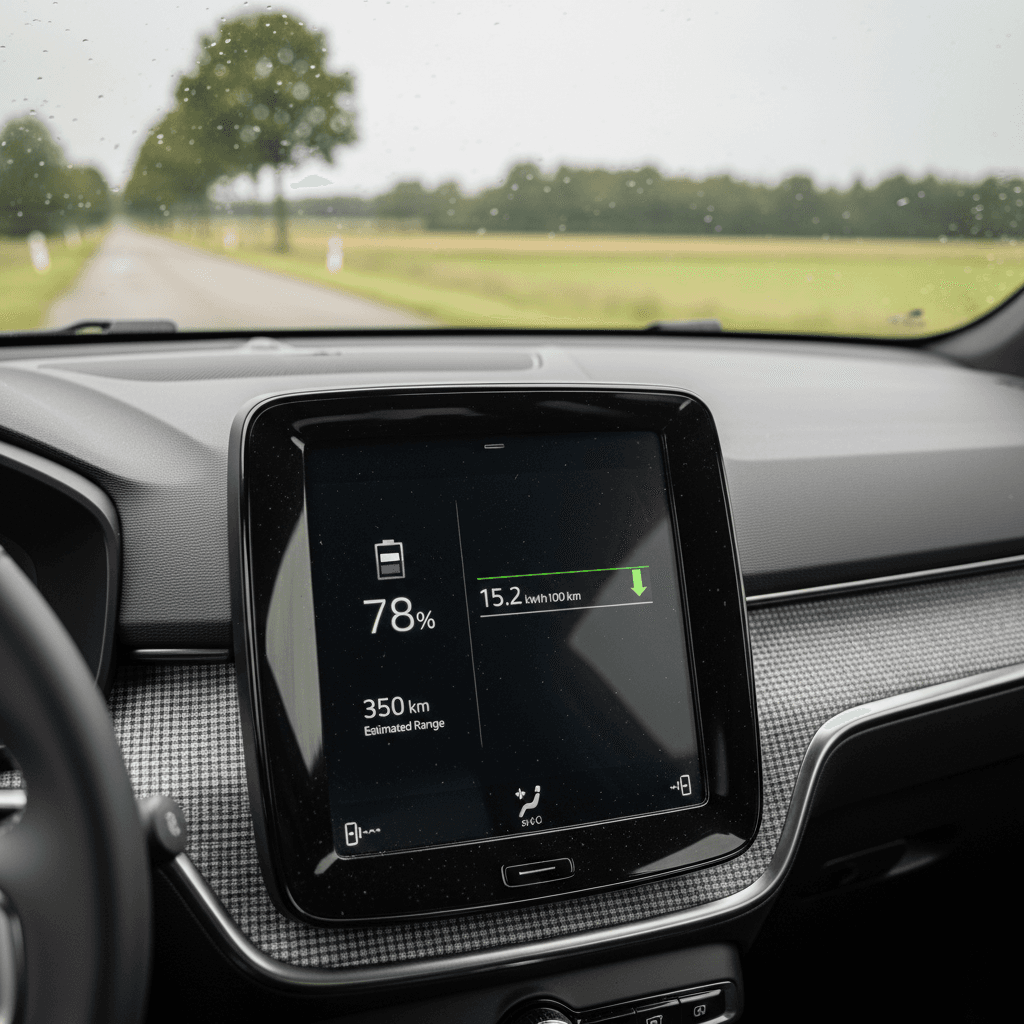
What the efficiency numbers really mean
Charging stops and road trip planning in an EX30
Range only matters in context: how often you have to stop, and for how long. On that front, the EX30 does well. With DC fast‑charging capability around **150 kW peak** and a typical **10–80% time of roughly 26–30 minutes**, you can add well over 100 miles of range in the time it takes to stretch, use the restroom, and grab a snack.
Example EX30 road‑trip scenarios
Illustrative planning numbers for an EX30 with a healthy battery on a long‑distance drive in mild weather.
| Scenario | Trim | Cruising speed | Usable SOC window | Realistic leg length | Typical DC stop (10–80%) |
|---|---|---|---|---|---|
| Conservative family trip | Single Motor ER | 70 mph | 15–80% | ~150–170 mi | 25–30 minutes |
| Aggressive pace | Twin Motor | 75 mph | 10–80% | ~130–150 mi | 25–30 minutes |
| Winter highway trip | Any EX30 | 70 mph in freezing temps | 20–80% | ~110–130 mi | 30+ minutes (pack warms more slowly) |
These are conservative planning targets; your exact results will vary based on conditions and how far you’re willing to push down to 0%.
Plan around 10–80%, not 0–100%
Practical range‑boosting tips for EX30 drivers
Seven easy ways to stretch your EX30’s range
1. Use the car’s Eco or efficient drive mode
The EX30’s drive modes can soften throttle response and optimize climate control. For longer trips, switching to a more efficient mode can keep you from wasting energy on unnecessary bursts of acceleration.
2. Precondition while plugged in
Pre‑heat or pre‑cool the cabin while the car is still charging at home. That way, you’re pulling energy from the grid instead of the battery, and the pack is closer to its ideal temperature when you set off.
3. Watch your speed
Dropping from 75 mph to 68–70 mph has an outsized impact on efficiency. Over a full charge, that small change can mean arriving with 10–20% more battery left in an EX30.
4. Use seat heaters instead of blasting the HVAC
Heated seats and steering wheels use less power than raising the cabin temperature by several degrees. In winter, they’re an efficient way to stay comfortable without hammering range.
5. Travel light and mind your roof
Roof boxes, bike racks and heavy cargo all hurt range. If you don’t need rooftop accessories for a trip, consider removing them, especially on highway drives where aerodynamic drag matters most.
6. Learn your local fast chargers
Not all fast chargers are equal. Make note of the sites that reliably deliver high power to the EX30 and build your longer routes around them. Apps like A Better Routeplanner can help model your exact car.
7. Keep software and tires in good shape
Regular software updates can tweak charging and efficiency behavior, and properly inflated low‑rolling‑resistance tires will keep the EX30 closer to its rated range.
Shopping used? What to ask about EX30 range
Because the EX30 is still new to the U.S. market, early used examples will be low‑mileage, but you should still treat range as a key inspection point. Over time, batteries lose some capacity, and software updates or recalls can change how the car manages charging and usable state of charge.
Battery‑related recalls and software limits
- Ask the seller what typical real‑world range they see at 70 mph with the cabin set to a normal temperature.
- Check the car’s projected range at ~80–90% charge and compare it against EPA ratings to see if there’s obvious degradation.
- Look for any charging‑related warnings or limits in the infotainment system.
- If possible, test‑drive on a known route and track energy use (kWh/100 mi) rather than just the guess‑o‑meter.
- Have a trusted EV‑savvy shop or marketplace perform a battery health scan before you sign.
How Recharged helps with used EX30s
Ready to find your next EV?
Browse VehiclesFAQ: 2025 Volvo EX30 range and efficiency
Frequently asked questions about the EX30’s range
Bottom line: is the EX30’s range enough?
For most drivers, the 2025 Volvo EX30 offers **more than enough real‑world range**, especially in Single Motor Extended Range form. Expect EPA‑matching numbers only in ideal conditions, but plan around ~210–230 miles of mixed driving and ~150–170‑mile legs on the highway with smart fast‑charge stops. The Twin Motor car trades some of that cushion for serious performance, so it’s best if you value acceleration more than stretching each kilowatt‑hour.
If you’re considering a used EX30, treat range like you would an engine and transmission on a gas car: central to the deal. Verified battery health, up‑to‑date software, and honest real‑world range expectations will tell you whether the EX30 fits your lifestyle. That’s exactly what Recharged is built for, using data, not guesswork, to help you find a used EV that goes as far as you actually need, with total transparency about how it got there.