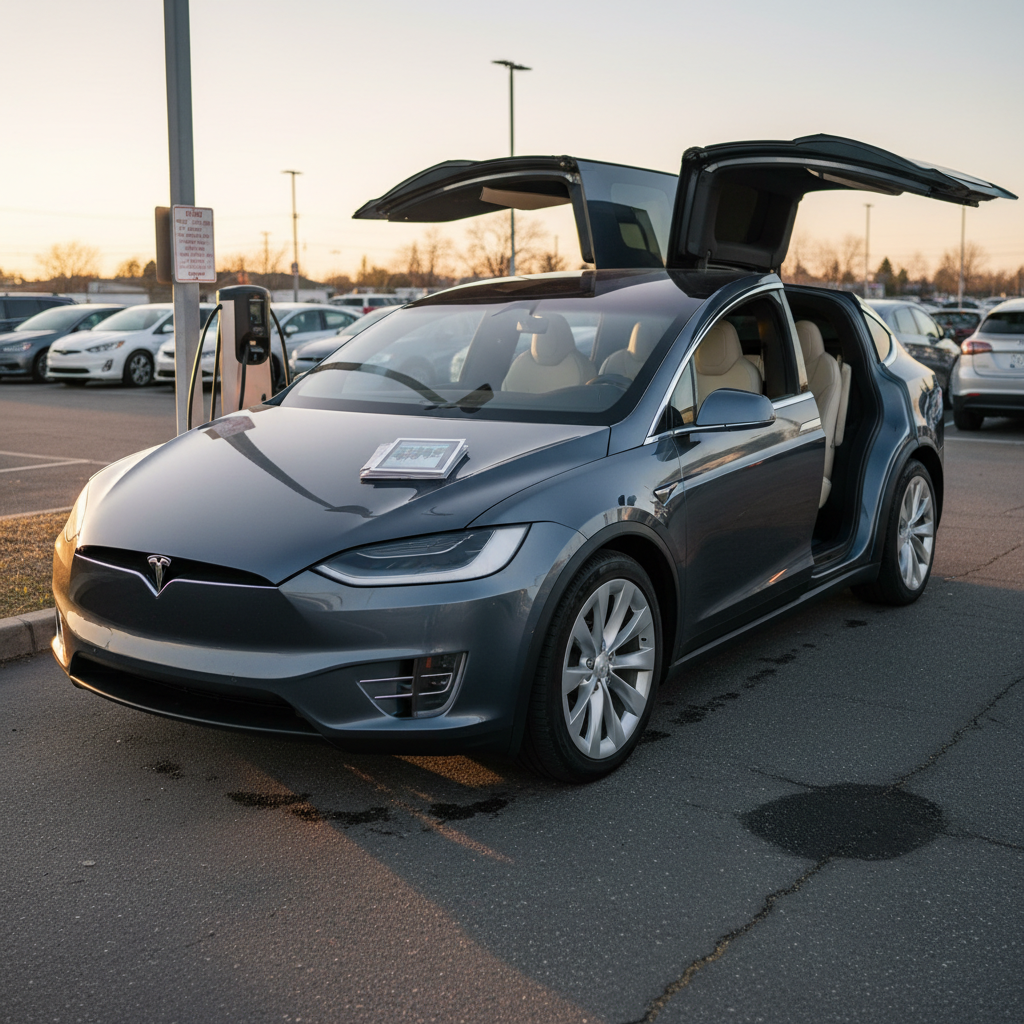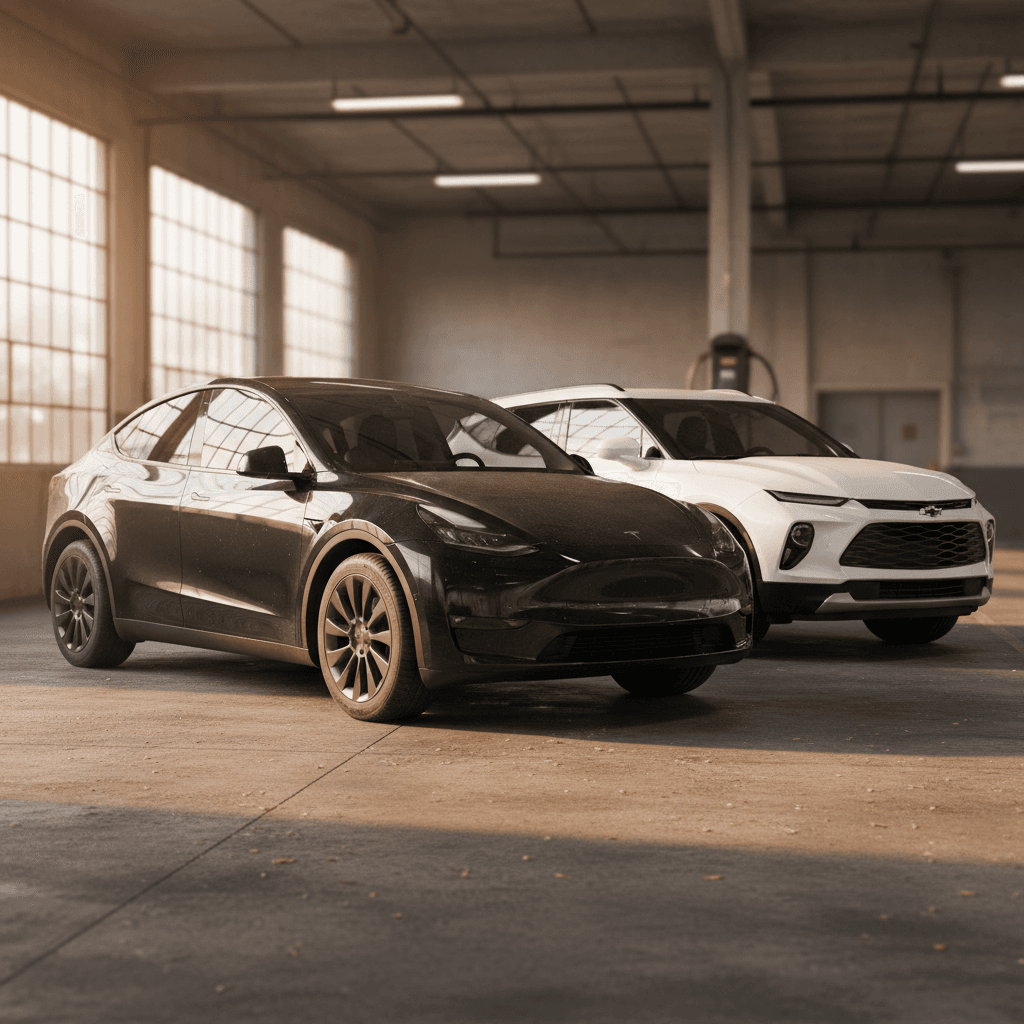
You’re comparing a used Tesla Model Y vs. Chevy Blazer EV because you want a practical electric SUV, not a science experiment. Both are stylish, 5-seat crossovers with solid range and modern tech, but they come with very different histories, charging experiences, and used-market realities. Let’s walk through what actually matters before you sign anything.
Context: New vs. Used Availability
Overview: Used Tesla Model Y vs. Chevy Blazer EV
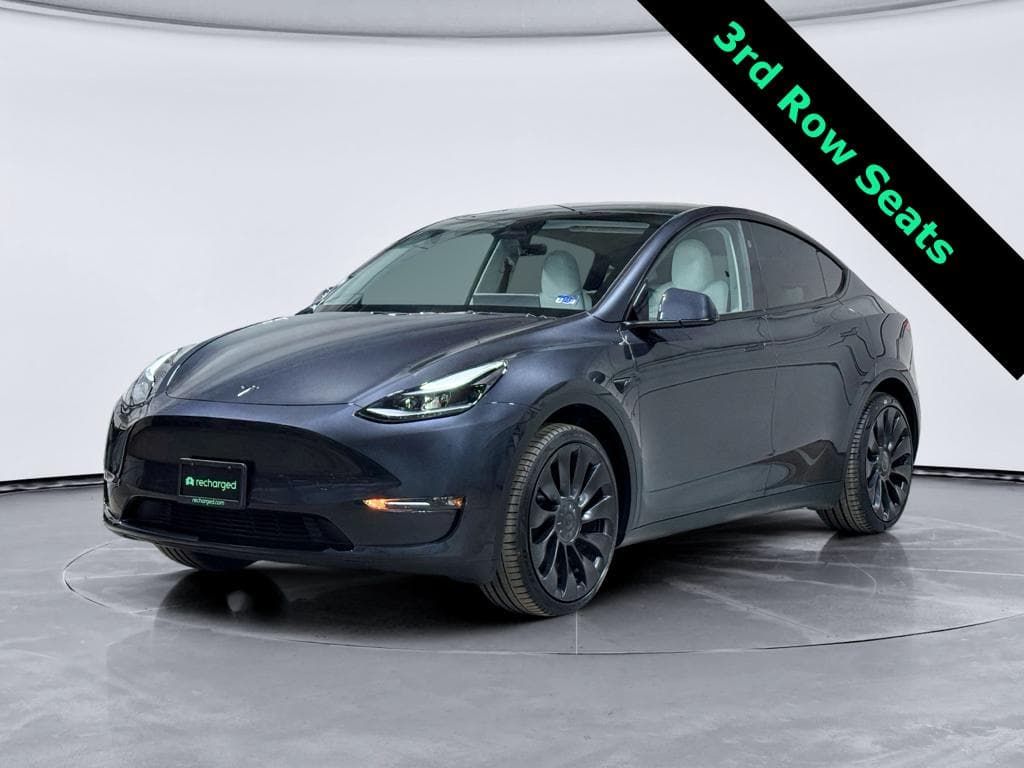
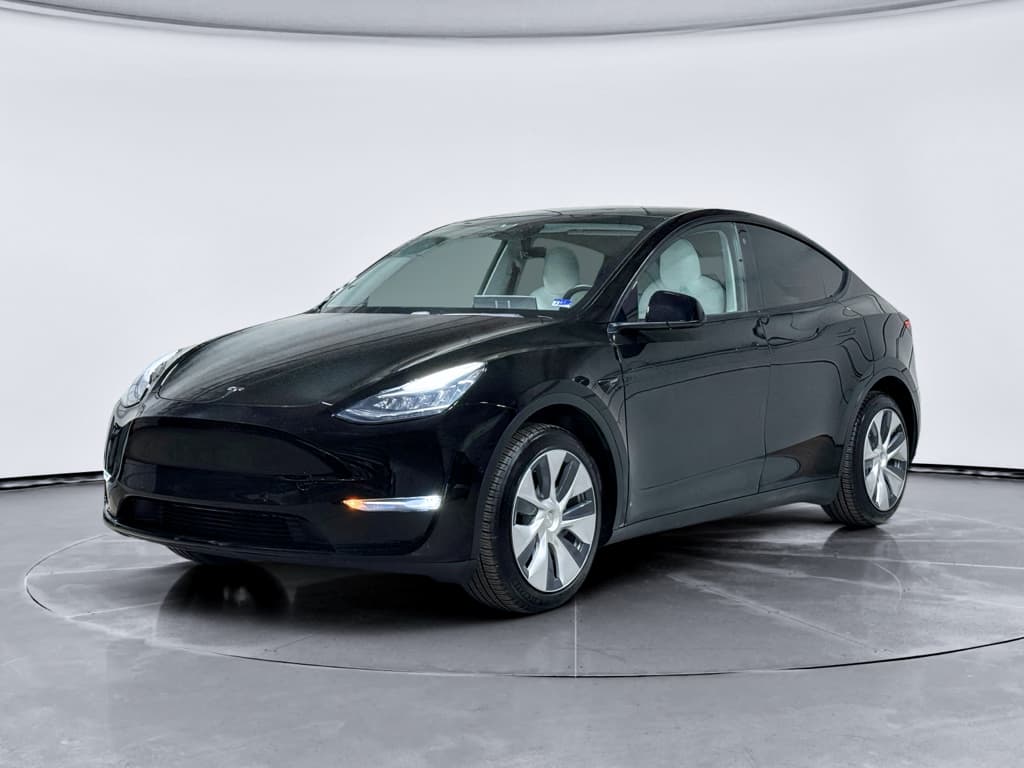
Think of the used Tesla Model Y as the known quantity: excellent range, access to Tesla’s Supercharger network, lots of real-world data, and strong resale value. The Chevy Blazer EV is the newer, bolder choice: eye-catching styling, roomy cabin, GM’s available Super Cruise hands-free driving, but also early software gremlins and a shorter track record. On the used market, your decision comes down to how much you value charging convenience, tech maturity, and long-term confidence versus fresh design and traditional-brand familiarity.
At-a-Glance: Used Model Y vs. Blazer EV Highlights
Quick Specs: Used Model Y vs. Blazer EV
Core Specs Comparison (Typical U.S. Trims)
Approximate specs for commonly found trims on the used market. Always verify specifics for the exact VIN you’re considering.
| Model | Typical Years on Used Market | Drivetrains | EPA Range New (mi) | 0–60 mph (approx.) | DC Fast-Charge Peak |
|---|---|---|---|---|---|
| Tesla Model Y RWD | 2023–2025 | RWD | Up to ~357 | ~5.4 sec | 170–250 kW (varies by year) |
| Tesla Model Y Long Range AWD | 2020–2025 | AWD | Around 310 | ~4.6 sec | 170–250 kW |
| Tesla Model Y Performance | 2020–2025 | AWD | Around 285 | ~3.5 sec | 170–250 kW |
| Chevy Blazer EV LT FWD | 2024–2026 | FWD | Up to ~312 | ~6.0–7.0 sec | Up to ~190 kW |
| Chevy Blazer EV RS (FWD/AWD) | 2024–2026 | FWD or AWD | ~279–312 | ~4.7–6.0 sec | Up to ~190 kW |
| Chevy Blazer EV SS AWD | 2024–2026 | AWD | ~302 | ~3.4 sec (est.) | Up to ~190 kW |
Specs will vary by year, wheels, and configuration; treat this as a directional guide, not a build sheet.
Spec Sheets vs. Real Life
Pricing & Value in the Used Market
On today’s used market in the United States, a used Tesla Model Y usually gives you more choice and clearer pricing benchmarks than a used Blazer EV. There are thousands of Model Ys in circulation from 2020 onward, and price guides already track fair-market values closely. The Blazer EV, by contrast, is a much younger product with fewer used examples and a more volatile price story due to recalls and software updates.
Typical Used Price Ranges (U.S. – Early 2026 Snapshot)
Always check live market listings and condition reports; these are directional brackets, not offers.
Used Tesla Model Y
- 2020–2021 Long Range AWD: Commonly in the low-to-mid $30,000s depending on miles and options.
- 2022–2023 Long Range or RWD: Often mid‑$30,000s to low‑$40,000s.
- Performance trims: Typically a few thousand more when condition is equal.
- Upside: Deep used supply and strong brand demand help support values.
Used Chevy Blazer EV
- 2024–2025 LT/RS: Early used units are still relatively scarce; pricing often overlaps with similarly new Model Ys.
- Recall history and software-update status can materially affect value and buyer confidence.
- Performance SS models command a premium and may be harder to find used.
Where Recharged Fits In
Real-World Range & Efficiency
If you’re cross-shopping a used Model Y vs. Blazer EV, range is probably high on your list. In broad strokes, both can easily cover a typical American commute and weekend errands on a single charge, but Tesla still tends to hold an edge in efficiency and long-distance predictability.
Tesla Model Y (used)
- Real‑world range on a healthy Long Range AWD often lands in the 250–290 mile window in mixed driving.
- The newer RWD variants with larger rated range can exceed 300 miles in moderate weather when driven gently.
- Tesla’s software does a good job predicting remaining range, especially on navigation‑guided routes.
- Even with some battery degradation over 3–5 years, many owners still see well over 80–90% of original usable range.
Chevy Blazer EV (used)
- EPA numbers show around 300–312 miles for many FWD trims when new, which is broadly competitive with Model Y.
- Real‑world reports suggest efficiency can trail Tesla slightly, especially at highway speeds or in cold weather.
- As a newer model, we have less long‑term data on degradation; so far, most concerns center on software behavior rather than outright battery failure.
- Make sure any used Blazer EV has the latest software updates; they can affect how range and charging are displayed and managed.
Climate Matters More Than Spec Sheets
Charging Experience & Networks
Charging is where a used Tesla Model Y pulls away from the pack for most U.S. drivers. Tesla’s own Supercharger network has long been the gold standard for reliability and ease of use, and more non‑Tesla EVs are slowly getting access, but it’s still Tesla owners who enjoy the most seamless plug‑and‑go experience today.
Charging: Where Each SUV Shines
Consider where you’ll charge 90% of the time, home, work, or on the road, before you choose.
Used Tesla Model Y
- Home charging: Simple Level 2 setup with Tesla Wall Connector or compatible J1772 charger via adapter.
- Road trips: Direct, frictionless access to the Supercharger network with high uptime and clear pricing.
- Apps & planning: Tesla’s in‑car navigation automatically routes you through fast chargers and shows real‑time stall availability.
- Adapters: Increasing support for non‑Tesla fast chargers as the industry adopts the NACS standard.
Used Chevy Blazer EV
- Home charging: Uses the CCS/SAE combo port for DC fast‑charging and J1772 for Level 2 via onboard hardware, any standard home Level 2 solution will work.
- Public networks: Relies on third‑party networks (Electrify America, EVgo, etc.), where station reliability and ease of use can vary more than Tesla’s network.
- Super Cruise mapping: For models equipped with Super Cruise, some routes are optimized along compatible highways, not necessarily around the best charging locations.
- Future access: As NACS spreads, expect more adapter or native‑port solutions, but check what’s actually supported for your model year.
Don’t Assume Every Fast Charger Works Well
Technology, Comfort & Interior Space
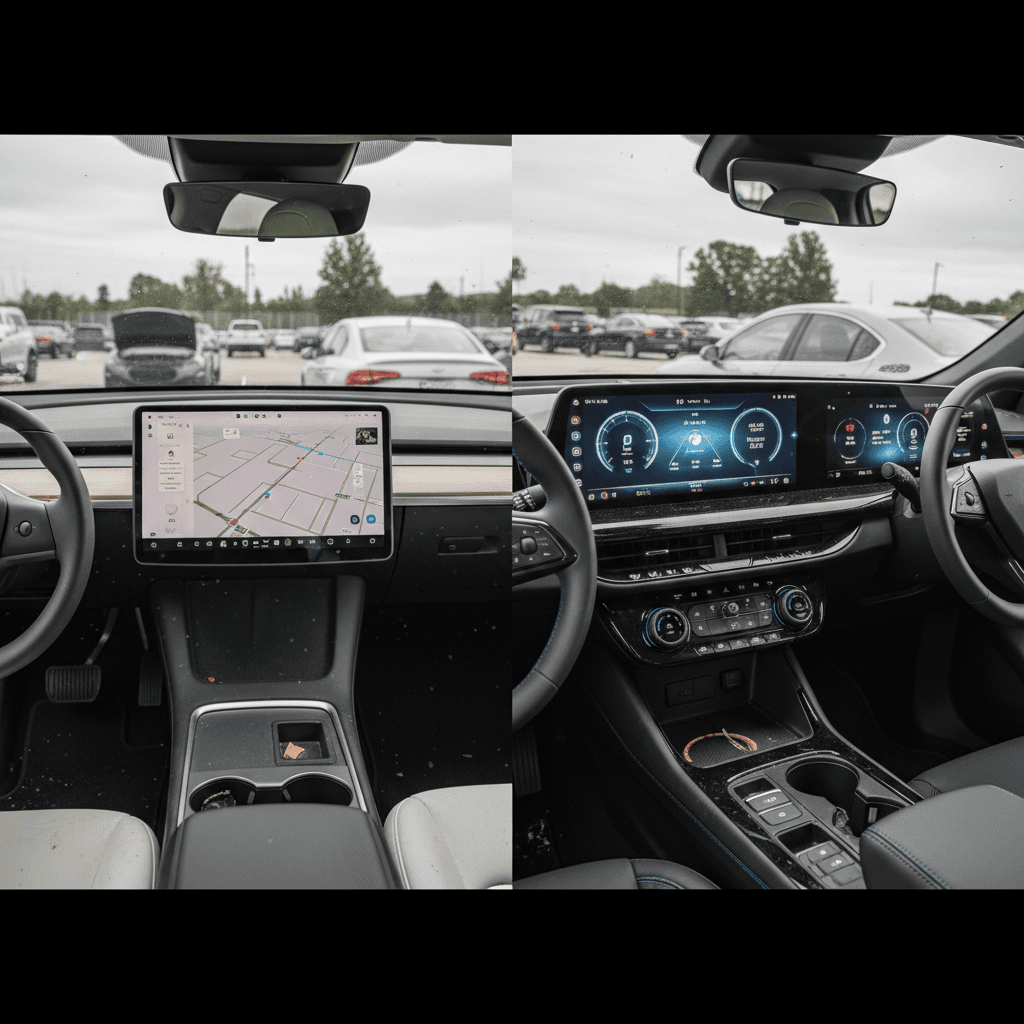
Both SUVs seat five and offer generous cargo room, but they deliver very different experiences behind the wheel. The Model Y is clean and minimalist, with nearly everything run through a central touchscreen. The Blazer EV, by contrast, feels more like a traditional SUV with a tech twist, physical controls, bold styling, and in higher trims, GM’s impressive Super Cruise hands‑free system.
Tesla Model Y Interior & Tech
- Minimalist cabin with a single center screen controlling most functions.
- Over‑the‑air (OTA) software updates add features and refine behavior over time.
- Excellent cargo space thanks to flat floor and front trunk (frunk).
- Some shoppers find the ride a bit firm, especially on 20‑inch wheels.
- Autopilot and available Enhanced Autopilot/FSD provide advanced driver‑assist features, though they still require active supervision.
Chevy Blazer EV Interior & Tech
- More conventional cockpit with instrument cluster plus infotainment screen, and more physical buttons and knobs.
- Available Super Cruise on certain trims enables hands‑free driving on many mapped highways when conditions allow.
- Cargo space is competitive, with a useful rear hatch and split‑folding rear seats, though no frunk.
- Cockpit design is sportier and more expressive, which some buyers prefer over Tesla’s stark minimalism.
- Relies heavily on integrated Google built‑in services and OnStar connectivity for some features.
Comfort Check: Don’t Skip the Long Test Drive
Reliability, Warranty & Ownership Risks
Both the used Model Y and Blazer EV give you an 8‑year/100,000‑mile battery warranty from the factory, which is a big safety net on a used electric. Beyond that, reliability stories diverge: the Model Y has typical Tesla quirks but a mature powertrain, while the Blazer EV has battled high‑profile early software and infotainment issues that required extensive updates.
Reliability Picture: What We Know So Far
No EV is trouble‑free; the key is understanding the pattern of issues and how well they’re being addressed.
Used Tesla Model Y
- Powertrain has generally proven robust; most owner complaints focus on trim, paint, or minor electronics.
- Tesla’s service network can be stretched in some regions, but parts availability for Model Y is typically good.
- OTA updates frequently fix bugs and add features without a service‑center visit.
- Because there are so many Model Ys on the road, independent shops and mobile technicians are increasingly familiar with them.
Used Chevy Blazer EV
- Early production units faced software glitches, infotainment freezes, and telematics issues that sidelined some vehicles for extended repairs.
- GM has rolled out large software campaigns and OTA updates aimed at stabilizing the platform; more recent builds and fully‑updated vehicles tend to behave better.
- Fewer Blazer EVs on the road means less long‑term data and fewer independent repair options, at least for now.
- Before you buy used, verify that all recalls and software campaigns have been completed for that specific VIN.
Hidden Risk: Incomplete Software Updates
Driving Experience & Performance
If you care about how an SUV feels when you push the accelerator, both candidates deliver, in different flavors. The Model Y, especially in Performance trim, is quick and responsive in a straight line. The Blazer EV counters with strong performance in SS form and a more traditional, planted SUV feel that some drivers prefer.
- Most used Model Y Long Range AWDs feel brisk, with sub‑5‑second 0–60 mph times and instant torque that makes highway merging effortless.
- Performance models can feel downright sports‑car quick, though at the cost of some range and ride comfort.
- Blazer EV LT and RS trims are still more than quick enough for daily duties, with responsive acceleration and a solid, heavy feel befitting a midsize SUV.
- The high‑output Blazer EV SS, when you can find one, adds serious punch and a sportier ride/handling balance, though it’s overkill for many commuters.
Performance Sweet Spots
Which Electric SUV Fits Which Buyer?
Rather than asking, “Which is better?” ask, “Which is better for me?” A used Tesla Model Y vs. Chevy Blazer EV comparison comes down to your priorities: charging, styling, tech philosophy, and risk tolerance.
Match Yourself to the Right Electric SUV
You Want the Easiest EV Life Possible
Frequent road‑tripper or rely on public fast‑charging.
You value a mature, largely plug‑and‑go charging network.
You’d rather live with a minimalist cabin than chase the latest flashy interface.
You like strong resale value and deep used‑market supply.
→ A <strong>used Tesla Model Y Long Range</strong> is usually your safest bet.
You Want Bold Styling & Traditional Cabin
You prefer physical controls and a cockpit that feels like a conventional SUV, just electric.
You’re drawn to the Blazer EV’s exterior design and brand familiarity with Chevy.
Most of your driving is local, and you have reliable home charging, so network variance matters less.
You’re comfortable verifying that software updates and recalls are current.
→ A <strong>used Chevy Blazer EV LT or RS</strong> could be the more satisfying choice.
You Crave Maximum Performance
You prioritize acceleration and fun over maximum efficiency.
You accept higher tire and brake costs as part of the deal.
You’re likely to enjoy track‑mode features or sportier tuning.
→ Cross‑shop <strong>Model Y Performance</strong> against a <strong>Blazer EV SS</strong>, but be honest about how often you’ll use that extra power.
You’re Risk‑Averse and Plan to Keep It 8–10 Years
You want the longest, most proven track record you can get.
You care deeply about long‑term parts and service access, including independent shops.
You’re not interested in being an early adopter of a still‑maturing platform.
→ Lean toward a <strong>used Model Y</strong>, ideally with detailed service history and a strong battery‑health report.
How to Shop Smart for a Used Model Y or Blazer EV
Whether you end up in Tesla’s camp or Chevy’s, buying a used EV is different from buying a used gas SUV. Battery health, software status, and charging behavior matter more than oil‑change records. Here’s how to approach the process methodically.
Used EV Shopping Checklist
1. Get a Battery Health Report
For either SUV, ask for quantitative battery‑health data, not just “it seems fine.” On Recharged listings, the <strong>Recharged Score</strong> includes verified battery diagnostics so you can see how much capacity remains compared with new.
2. Verify Recalls & Software Updates
Especially critical for the Blazer EV. Ask a Chevrolet dealer to pull a recall and campaign history by VIN, and confirm all recommended updates are complete. For a Model Y, check that it’s running current Tesla firmware and that major recalls have been addressed.
3. Test Fast-Charging Before You Buy
If possible, meet the seller near a DC fast‑charger. Observe how quickly each SUV ramps up charging, whether the session starts easily, and whether the displayed range gain per minute aligns with expectations.
4. Inspect Tires, Brakes & Suspension
Both SUVs can be heavy and fast, which is hard on consumables. Uneven tire wear or vibration at speed can indicate alignment or suspension issues, especially on performance‑oriented trims with big wheels.
5. Review Driver-Assist Features Live
Don’t just read the window sticker. On a test drive, verify that Autopilot (Tesla) or Super Cruise and other assists (GM) engage as expected, track lanes properly, and don’t generate constant nuisance alerts or faults.
6. Understand Charging Hardware Included
Confirm which charging cables, adapters, and wall units are included in the sale. Replacing missing hardware can cost hundreds of dollars and quickly erase what looked like a good deal.
Leverage a Specialist Marketplace
FAQ: Used Tesla Model Y vs. Chevy Blazer EV
Frequently Asked Questions
Bottom Line: Should You Pick a Used Model Y or Blazer EV?
If you prioritize charging convenience, proven tech, and long‑term confidence, a used Tesla Model Y, especially a Long Range AWD, remains the safer, more predictable choice for most shoppers. Its blend of range, efficiency, and charging‑network access is hard to beat in the real world.
If, on the other hand, you’re drawn to the Chevy Blazer EV’s design, more traditional cabin, and available Super Cruise, and you’re willing to do the extra homework on software updates and recall history, a well‑vetted used Blazer EV can be a satisfying, distinctive alternative.
Whichever way you lean in the used Tesla Model Y vs. Chevy Blazer EV debate, don’t treat it like a typical used‑SUV purchase. Demand hard data on battery health, confirm software and recall status, and test the charging experience before you commit. Shopping through a specialist like Recharged, with Recharged Score battery diagnostics, transparent pricing, EV‑savvy support, and nationwide delivery, can turn what feels like a gamble into a confident, well‑informed decision.