Search interest around a “2025 Toyota bZ4X range test” has spiked for a reason. On paper, Toyota’s compact electric SUV posts competitive EPA numbers. On the highway and in winter, though, some tests tell a different story. If you’re trying to decide whether a new or used bZ4X has enough range for your life, or you already own one and want to stretch every kWh, understanding the gap between ratings and reality is critical.
Quick take
Why 2025 Toyota bZ4X range tests matter
Toyota trimmed pricing and added a Nightshade edition for the 2025 bZ4X, but the basic battery and drivetrain carry over from earlier years. That means the same strengths, efficiency around town and Toyota’s conservative approach to battery longevity, and the same weak spots, especially fast‑charging speed and highway range. For shoppers comparing the bZ4X with a Hyundai Ioniq 5, Tesla Model Y, or Subaru Solterra, unbiased range testing is one of the best ways to cut through the spec‑sheet noise.
There’s another wrinkle: starting with the 2026 model year, Toyota’s U.S. EV gets a substantial refresh and a shorter name, the bZ, with more power, faster charging, and longer range. If you’re cross‑shopping a discounted 2025 bZ4X with an incoming 2026 bZ, or a used 2023–2024 model, understanding real‑world range will tell you whether the savings are worth the trade‑offs.
2025 Toyota bZ4X range at a glance
2025 Toyota bZ4X EPA range ratings explained
As of early 2026, final EPA window‑sticker numbers for the 2025 bZ4X mirror the 2024 model’s estimates. The lineup offers two powertrains and trims that slightly change the range:
Approximate EPA range estimates for 2025 Toyota bZ4X
These figures are based on 2024 ratings; Toyota has not indicated major efficiency changes for the 2025 model year.
| Trim / Drivetrain | Battery (usable) | Drive | Approx. EPA range |
|---|---|---|---|
| XLE FWD | ~63.4 kWh | Front-wheel drive | Up to ~252 miles |
| Limited FWD | ~63.4 kWh | Front-wheel drive | Slightly lower than XLE, around mid‑240s |
| XLE AWD | ~65.5 kWh | All-wheel drive | Low‑ to mid‑220s |
| Limited AWD | ~65.5 kWh | All-wheel drive | About 222 miles (lowest in lineup) |
Exact EPA numbers can vary slightly by wheel size and trim, but this table reflects what most 2025 shoppers will see.
In plain English, the most efficient 2025 bZ4X can deliver roughly 250 miles in the EPA’s blended test cycle, while the least efficient dual‑motor Limited hovers just above 220 miles On the highway, the 2025 Toyota bZ4X’s weaknesses are exposed. Independent 75‑mph range testing of the dual‑motor Limited has produced results around 160 miles on a full charge. That’s one of the lowest highway figures in the segment and roughly 25–30% below its official estimate. Why the gap? At sustained interstate speeds, the bZ4X’s relatively modest battery size and conservative aerodynamics mean the pack works harder than in city driving. The all‑wheel‑drive system also adds weight and parasitic losses, while the smaller motor’s efficiency advantage at light loads evaporates once you settle in at 75 mph. Shift the same bZ4X into urban or suburban duty and the story gets noticeably better. In stop‑and‑go driving and lower‑speed commutes, the Toyota can track much closer to its EPA estimates because its regenerative braking and relatively efficient motors shine at modest speeds. Cold weather is hard on every EV, and the bZ4X is no exception. As temperatures drop below freezing, the battery’s internal resistance rises and the cabin’s heat pump and resistive elements have to work much harder. In independent tests and owner reports, that typically translates to a 20–35% range hit in sustained sub‑freezing conditions, especially on the highway. Adding to that, 2023–2025 bZ4X models were part of a HVAC software recall addressing situations where the climate system could go into failsafe and reduce heater output, hurting defrost performance. Dealers are flashing updated software at no cost, but it’s important to verify this has been done on any used example you’re considering. Ask the seller or your Toyota dealer to confirm the HVAC software recall has been completed; it improves reliability of heat and defrost performance in cold weather. Use the Toyota app to warm the cabin and battery while the car is still on the charger. You’ll start your trip with a warmer pack and full cabin comfort without sacrificing as much range. Seat and steering‑wheel heaters use less energy than blasting cabin heat. Start with those and lower the cabin setpoint a few degrees to save range. Tire pressure drops in cold weather, which increases rolling resistance. Verify pressures against the door‑jamb label at least once a month in winter. Range testing isn’t just about miles per charge; it’s also about how quickly you can recover that range. The 2025 Toyota bZ4X uses a 6.6‑kW onboard AC charger and DC fast‑charging hardware that tops out around 150 kW for FWD trims and roughly 100 kW for earlier AWD versions. In practice, that puts it behind newer rivals, though Toyota has progressively tuned the charging curve since launch. Approximate real‑world times under good conditions, starting near 10% state of charge. Toyota’s own roadmap underscores where the 2025 bZ4X comes up short. For the 2026 model year, the automaker shortens the name to bZ and fits a larger 74.7‑kWh pack on some trims, plus revised motors and a redesigned thermal and charging system. Toyota is targeting up to 314 miles of range on certain FWD configurations, a roughly 25% jump over today’s best bZ4X figures, along with stronger acceleration and improved DC fast‑charging behavior. High‑level comparison to give context to 2025 bZ4X range test results. All figures are manufacturer or EPA estimates as of early 2026 and may vary by trim. Sport mode sharpens throttle response but can encourage wasteful driving. Eco or Normal mode, combined with smoother inputs, helps keep efficiency high. Use the Toyota app to bring the cabin to temperature before you leave while still plugged in. You’ll start with a warmer battery and avoid early trip range penalties. Above 65 mph, aerodynamic drag ramps up quickly. Dropping from 75 to 68 mph can claw back double‑digit miles of range on a long leg. While the bZ4X doesn’t offer the most aggressive one‑pedal mode, using maximum regenerative braking and planning ahead lets you recapture more energy around town. Roof racks, cargo boxes, and extra weight in the cargo area all increase drag and rolling resistance. Remove them when you’re not using them. If your utility offers time‑of‑use rates, schedule charging right before departure. That keeps the pack warmer and can slightly improve early‑trip efficiency. Reset a trip meter and watch your mi/kWh over several days. That tells you far more about your true range than any single estimate on the dash. The 2025 Toyota bZ4X is already showing up on used lots alongside 2023–2024 models. Because the basic powertrain hasn’t changed much, used shoppers should look beyond the model year badge and focus on how the car has been driven and charged, that’s what really shapes real‑world range over time. The 2025 Toyota bZ4X is a tale of two range stories. In city and mixed commuting, its efficiency and Toyota’s conservative battery strategy make it an easy EV to live with, especially if you’re charging at home and logging 30–60 miles a day. In sustained highway and winter use, though, real‑world tests confirm that its range and charging performance trail newer rivals and even Toyota’s own 2026 bZ update. If you’re shopping new, a discounted 2025 bZ4X can still pencil out for the right driver profile. If you’re looking at a used bZ4X, pairing a thorough range test with independent battery‑health data is the smart move. That’s exactly the gap Recharged aims to close, with verified battery diagnostics, transparent pricing, and EV‑specialist guidance built into every transaction, so your next bZ4X, or any used EV, delivers the range you’re counting on in the real world.Don’t over‑interpret the EPA label
Real‑world highway range tests: what drivers are seeing
Rule of thumb for trip planning
City and mixed driving: where the bZ4X does better
City & suburban driving
Mixed commuting
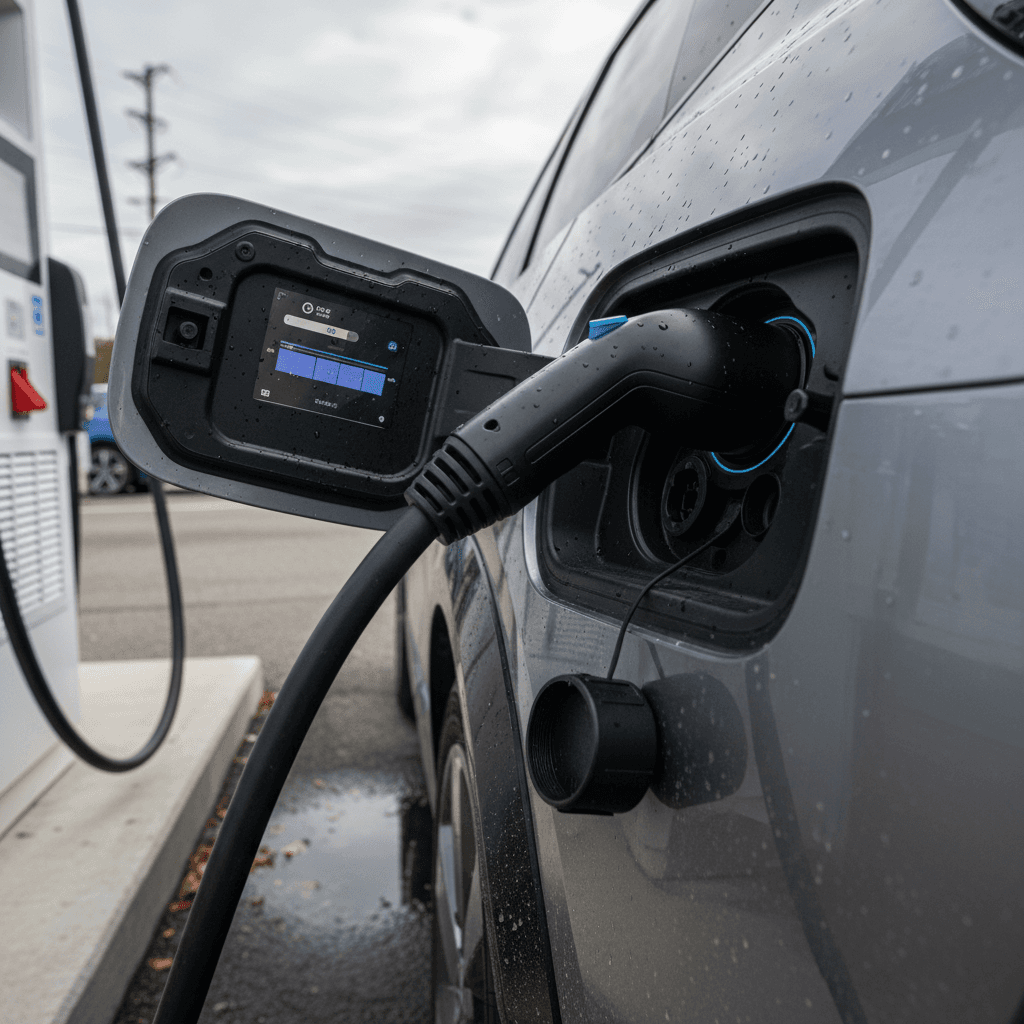
Winter range, HVAC recalls, and climate-control penalties
Cold‑weather reality check
Winter driving checklist for bZ4X owners
1. Confirm HVAC software recall
2. Precondition while plugged in
3. Use seat and wheel heaters first
4. Watch tire pressures
Charging speeds and how they affect usable road-trip range
What to expect when you plug in a 2025 bZ4X
Level 1 (120V outlet)
Level 2 (240V home or public)
DC fast charging
Why this matters for range tests
How the 2025 bZ4X compares with the 2026 bZ and rivals
2025 Toyota bZ4X vs 2026 Toyota bZ and key rivals
Model Max EPA range Battery (approx.) Notable range/charging notes 2025 Toyota bZ4X ~252 miles ~63.4 kWh FWD Solid in city; relatively weak highway range and average DC charging curves. 2026 Toyota bZ Up to ~314 miles 74.7 kWh on long‑range trims More power, longer range, battery preconditioning, and NACS fast‑charge port. Hyundai Ioniq 5 Up to ~303 miles 77.4 kWh Stronger highway results and faster 800‑V DC charging than 2025 bZ4X. Tesla Model Y RWD Mid‑260s to ~300 miles (varies) High‑60s kWh Typically outperforms EPA on highway at moderate speeds; robust Supercharger access. Subaru Solterra (pre‑facelift) Low‑ to mid‑220s miles ~65 kWh Shares platform with bZ4X; similar range story, with 2026 facelift improving range and charging. Where the 2025 bZ4X still makes sense
7 practical range‑boosting tips for bZ4X owners
Everyday strategies to get more miles from your bZ4X
1. Favor Eco and Normal drive modes
2. Precondition on the plug
3. Keep highway speeds in check
4. Run one‑pedal‑style when possible
5. Lighten the load and remove racks
6. Use scheduled charging
7. Monitor real‑world efficiency
Range considerations if you’re buying a used bZ4X
What to check on a used bZ4X
How much degradation to expect
Leaning on expert diagnostics
FAQ: 2025 Toyota bZ4X range questions answered
Frequently asked questions about 2025 Toyota bZ4X range
Bottom line: Is the 2025 Toyota bZ4X’s range good enough?