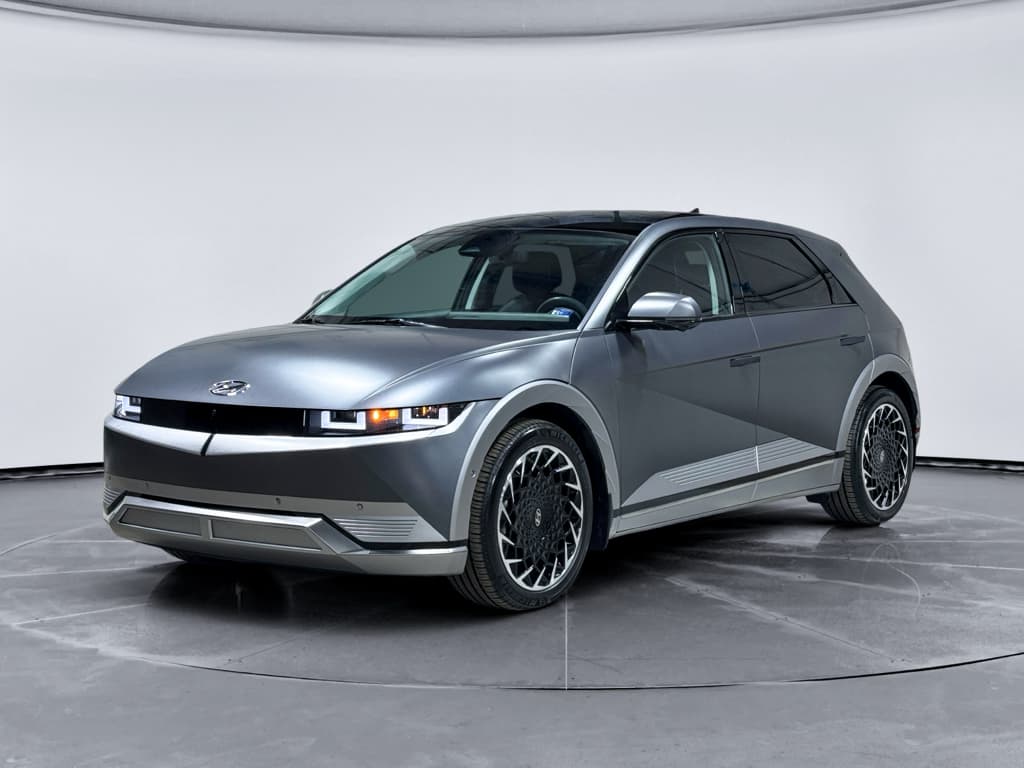
The 2023 Genesis GV60 is Genesis’s first dedicated electric SUV and one of the most distinctive-looking EVs on the road. Underneath the quirky styling, it shares the same E-GMP platform as the Hyundai Ioniq 5 and Kia EV6, but it wraps that hardware in a more luxurious package, and a higher price tag. This review breaks down range, charging, performance, comfort, and reliability so you can decide if a 2023 GV60 fits your needs, especially as a used EV.
Quick Take
Overview: What the 2023 Genesis GV60 Is (and Isn’t)
Genesis pitched the 2023 GV60 as a premium compact electric SUV, think Tesla Model Y size, but with a more design-forward, almost concept‑car aesthetic. It’s built on Hyundai Motor Group’s E‑GMP platform, which means an 800‑volt electrical architecture, strong DC fast‑charging performance, and shared battery and motor tech with the Ioniq 5 and EV6.
- Two trims in the U.S. for 2023: Advanced AWD and Performance AWD
- Single 77.4 kWh usable battery pack on all 2023 models
- Standard all‑wheel drive with dual motors (no RWD option in the U.S. for 2023)
- Positioned as a design‑ and comfort‑led alternative to more clinical rivals like the Model Y
Tip for used shoppers
2023 Genesis GV60 Key Numbers
Key Specs: Range, Battery, and Charging
For 2023, every GV60 uses a 77.4 kWh lithium‑ion battery paired with dual motors and all‑wheel drive. The difference between trims comes down to power output, wheels, and efficiency.
2023 Genesis GV60 Range and Powertrain Specs
Both trims share the same battery but differ in power and range.
| Trim | Drive | Battery | Horsepower | Torque | EPA Range | EPA MPGe (combined) |
|---|---|---|---|---|---|---|
| Advanced AWD | Dual‑motor AWD | 77.4 kWh | 314 hp | 446 lb‑ft | 248 miles | 95 MPGe |
| Performance AWD | Dual‑motor AWD | 77.4 kWh | 429 hp (483 hp w/ Boost) | 516 lb‑ft | 235 miles | 90 MPGe |
EPA range figures are for 2023 U.S. models with factory wheel sizes.
Range is competitive with other luxury compact EVs, but not class‑leading. As independent testing has shown, the Performance model can realistically deliver around 200–240 miles on the highway depending on speed, weather, and wheel size. In everyday mixed driving, many owners report doing their weekly routines without range anxiety, but frequent long‑distance drivers may find the GV60’s range limiting compared to a long‑range Model Y.
Charging capability highlights
Performance and Driving Experience
If you care about how an EV feels rather than just what it does on paper, the 2023 GV60 is one of the more characterful options in this class. Even the Advanced AWD model at 314 hp is properly quick, with effortless passing power and instant torque. Step up to the Performance trim and you get a dedicated Boost button on the steering wheel that unleashes up to 483 hp and 516 lb‑ft for ten seconds at a time, enough to push 0–60 mph into the low‑4‑second range in independent tests.
How the 2023 GV60 Drives
Comfort‑biased, with flashes of hot‑hatch energy
Ride and handling
The GV60 is tuned more for comfort than hard cornering. It feels planted and quiet, with well‑damped body motion, but it doesn’t chase the sharp, sporty feel of a Porsche Macan EV or even a Model Y Performance.
Acceleration
Even the Advanced pulls hard from a stop. The Performance’s Boost Mode delivers a dramatic shove that makes highway merges and on‑ramps almost comically easy.
Noise and refinement
The cabin is very quiet by segment standards. Wind and road noise are well suppressed, and synthetic motor sounds can be adjusted or turned off if you don’t want them.
Performance vs. range trade‑off
Interior, Comfort, and Tech
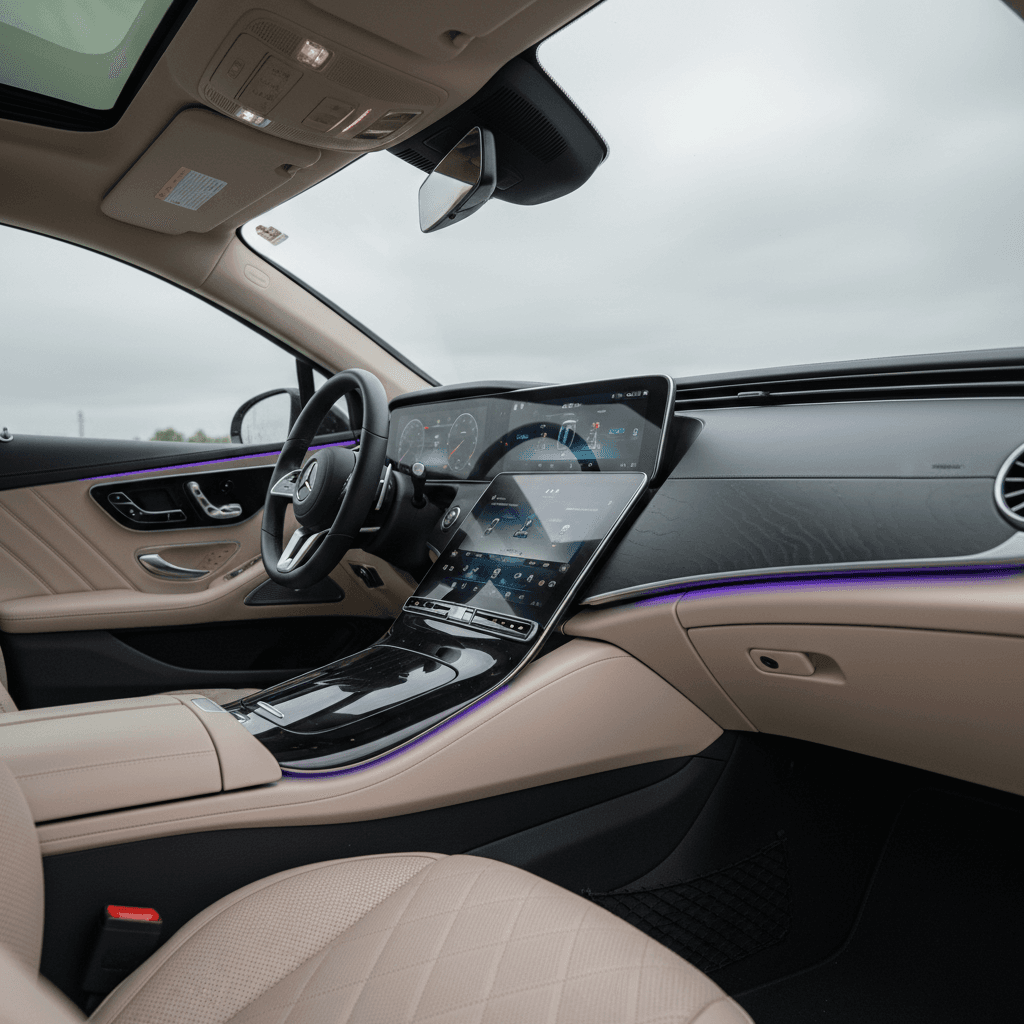
If there’s one area where the 2023 GV60 clearly distances itself from its Hyundai and Kia siblings, it’s the cabin. The design is playful, dominated by a floating center console and the now‑famous crystal sphere shifter that rotates into place when you start the car, and material quality is closer to what you’d expect from German luxury brands than a mass‑market crossover.
Space and practicality
- Passenger room: Two rows with generous front legroom and adequate space for adults in the back, though tall passengers may find the sloping roofline tight.
- Cargo: About mid‑pack for a compact SUV: roughly 24 cubic feet behind the rear seats and ~55 cubic feet with them folded, enough for road‑trip luggage or a Costco run.
- Small‑item storage: Good use of the floating console and under‑console space, but less clever than some rivals’ huge front bins.
Tech and UX
- Displays: Dual 12.3‑inch screens for the gauge cluster and infotainment, plus a crisp head‑up display on most trims.
- Controls: A mix of touch and physical buttons. Steering‑wheel controls and a rotary controller on the console make the system less distracting than many touchscreen‑only rivals.
- Assistance systems: Highway assist, smart cruise, 360‑degree cameras, and lane‑keeping systems that are among the smoother, more confidence‑inspiring options in the segment.
Luxury where it counts
Charging Experience and Road Trips
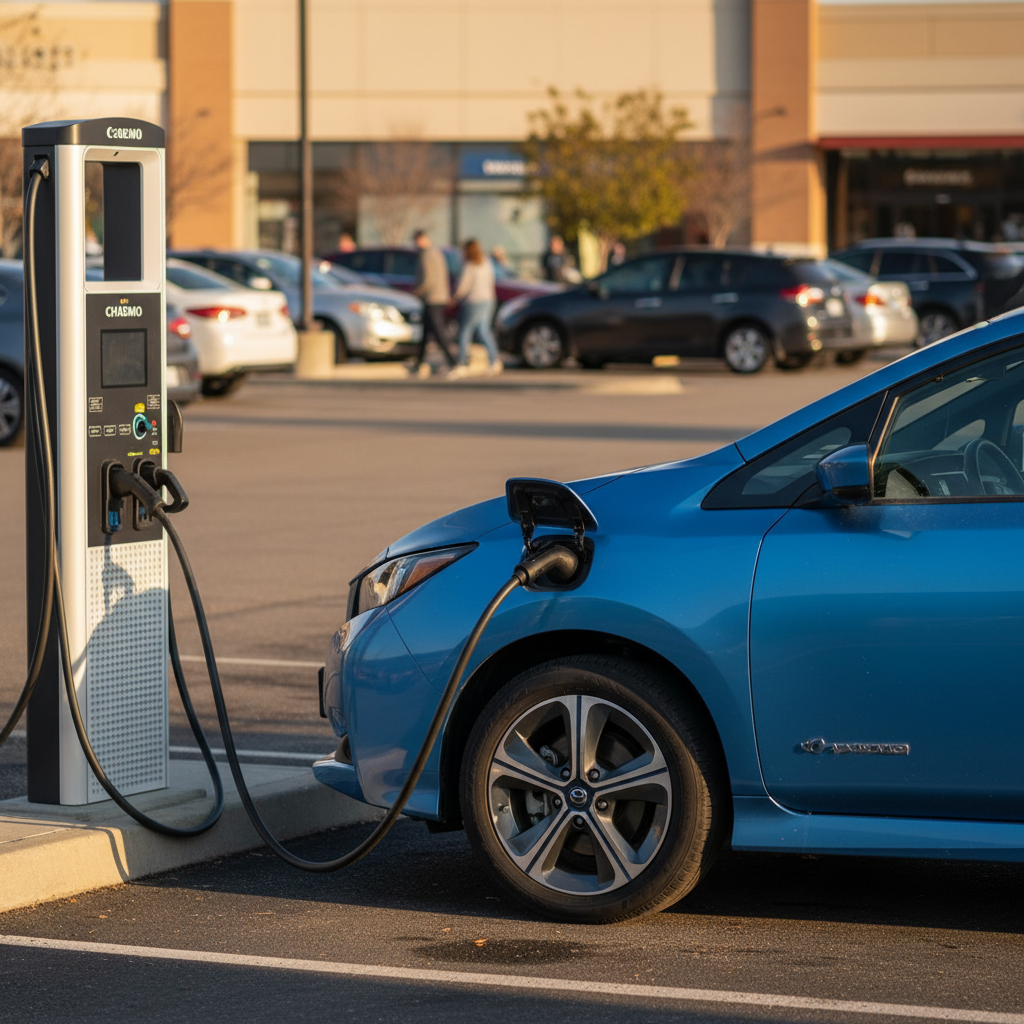
On paper, the GV60 is one of the best‑charging EVs in its class, capable of taking advantage of 350 kW ultra‑fast chargers in a way many competitors still can’t. In the real world, that means going from 10–80% in roughly 18 minutes when everything lines up, charger, battery temperature, and state of charge.
Real‑World Charging: What to Expect
1. At home on Level 2
With a 10.9 kW onboard charger, a typical 40‑amp Level 2 home unit can add about 30–35 miles of range per hour. A full charge from a low state of charge takes around 7 hours.
2. On 150–350 kW DC fast chargers
On a modern high‑power station, you can realistically add 150–180 miles of range in under 20 minutes if you start around 10–20% and stop around 70–80%.
3. On older 50 kW DC stations
At legacy 50 kW chargers, expect 10–80% to take over an hour. The car can’t overcome a slow station, so road‑trip planning still matters.
4. Vehicle‑to‑load (V2L) capability
The GV60 supports powering external devices through an available V2L adapter. That’s handy for camping, tailgating, or emergency power, but it does eat into your driving range.
Planning road trips
Reliability, Recalls, and Warranty Coverage
Early owner‑survey data hasn’t been kind to the 2023 Genesis GV60. Reliability scores for this model year are below average compared with other 2023 vehicles, with problem spots clustering around in‑car electronics and charging behavior, things like intermittent charging failures, charge‑port door quirks, and glitchy infotainment or cameras.
Known issues to research
2023 Genesis GV60 Warranty Coverage
Strong factory coverage helps offset early‑adopter risk
Basic warranty
5 years / 60,000 miles bumper‑to‑bumper coverage from in‑service date, transferable to subsequent owners.
Powertrain & EV components
10 years / 100,000 miles on powertrain and high‑voltage battery pack, which is especially valuable for used‑EV buyers.
Complimentary maintenance
Complimentary maintenance for the first 3 years / 36,000 miles, which many original owners will have partially or fully used by the time the car hits the used market.
The upside is that Hyundai/Genesis’s long EV warranty means a 2023 GV60 bought in 2026 usually has years of battery and powertrain coverage left. That matters both for peace of mind and resale value, and it’s one reason this platform is attractive on the used market despite early glitches.
How the 2023 GV60 Compares to Rivals
The 2023 GV60 lives in a crowded space: compact luxury EV crossovers where buyers are cross‑shopping Tesla, Volvo, Audi, and Korean siblings. It doesn’t win every spec battle, but it does carve out a clear niche.
2023 GV60 vs. Key Compact Luxury EV Rivals
High‑level comparison for typical AWD configurations available around the 2023 model year.
| Model & Trim (2023) | Battery (usable) | EPA Range (AWD) | DC Fast Charge Peak | Character Highlight |
|---|---|---|---|---|
| Genesis GV60 Advanced AWD | 77.4 kWh | 248 mi | ~235 kW | Distinctive design, plush interior, strong fast‑charging |
| Tesla Model Y Long Range AWD | ~75–80 kWh | up to 330 mi | ~250 kW | Class‑leading range and Supercharger access, simpler interior |
| Hyundai Ioniq 5 AWD (77.4 kWh) | 77.4 kWh | 256 mi | ~235 kW | Roomier, more value‑oriented, less premium cabin |
| Volvo XC40 Recharge Twin | ~75 kWh | 223–254 mi | 150 kW | Scandinavian design, comfortable ride, slower charging |
| Audi Q4 e‑tron Quattro | ~77 kWh | 241 mi | 150 kW | Traditional luxury feel, conservative styling |
Pricing shown reflects original MSRPs; used‑market prices will vary widely by mileage and region.
Where the GV60 stands out
Buying a Used 2023 GV60: What to Look For
Because the 2023 model year was the GV60’s U.S. debut and sales were limited to certain states, many examples on the used market today are low‑mileage, first‑owner vehicles. That’s good news, but as with any first‑generation EV, you’ll want to be methodical in your due diligence.
Used 2023 GV60 Checklist
1. Verify software and recall history
Ask for service records and confirm all campaigns and over‑the‑air or dealer software updates have been applied, especially for infotainment, cluster, and charging issues.
2. Check charging behavior in person
If possible, test the car on both Level 2 and DC fast charging before you buy. Watch for inconsistent connection, charge‑port door malfunctions, or public chargers the car refuses to talk to.
3. Get a professional battery‑health assessment
Battery degradation on 77.4 kWh E‑GMP packs has generally been modest so far, but real‑world health varies by usage and climate. A tool like a <strong>Recharged Score</strong> battery report can quantify remaining capacity rather than guessing from the dash gauge.
4. Inspect tires and wheels carefully
Performance models on 21‑inch wheels wear tires faster and are more vulnerable to curb rash and pothole damage. Uneven wear can also hint at alignment issues.
5. Evaluate dealer access and support
Genesis’s dealer footprint is smaller than mainstream brands. Make sure you have a convenient service point for warranty work and software updates before you commit.
Where Recharged fits in
Pros and Cons of the 2023 Genesis GV60
2023 GV60 Pros
- Premium interior with distinctive design and high‑quality materials.
- Very fast DC charging thanks to 800‑volt architecture.
- Strong acceleration even in Advanced trim; seriously quick Performance model.
- Refined ride and quiet cabin make it relaxing on commutes.
- Long battery and powertrain warranty, helpful for used buyers.
- Useful tech features like V2L power export and excellent 360° cameras.
2023 GV60 Cons
- Range trails class leaders like the Model Y Long Range.
- Below‑average early reliability, especially for electronics and charging behavior.
- Limited dealer network and initial state‑by‑state availability.
- Performance trim’s 21‑inch wheels hurt range and ride quality.
- Pricing when new was high relative to Hyundai/Kia siblings with similar hardware.
FAQ: 2023 Genesis GV60
Frequently Asked Questions About the 2023 GV60
Bottom Line: Should You Buy a 2023 GV60?
The 2023 Genesis GV60 is not the range king, the cheapest option, or the obvious default choice, and that’s precisely what makes it interesting. It’s a characterful, comfortable, and quick luxury EV that borrows excellent hardware from Hyundai and Kia, then layers on distinctive design and a genuinely premium cabin.
If your priorities are long‑distance range above all else, or you live hours from the nearest Genesis service point, you may be better served by a Tesla Model Y or a more mainstream E‑GMP sibling. But if you want an EV that feels special to sit in and live with, charges very quickly on modern DC infrastructure, and you’re willing to be diligent about software and warranty history, a well‑vetted 2023 GV60 can be a smart used buy.
Working with an EV‑focused retailer like Recharged can remove much of the uncertainty. With a Recharged Score battery‑health report, transparent pricing, financing and trade‑in options, and nationwide delivery, you can focus on whether the GV60’s particular blend of style, speed, and comfort fits your life, rather than worrying about what’s happening inside its pack and software.