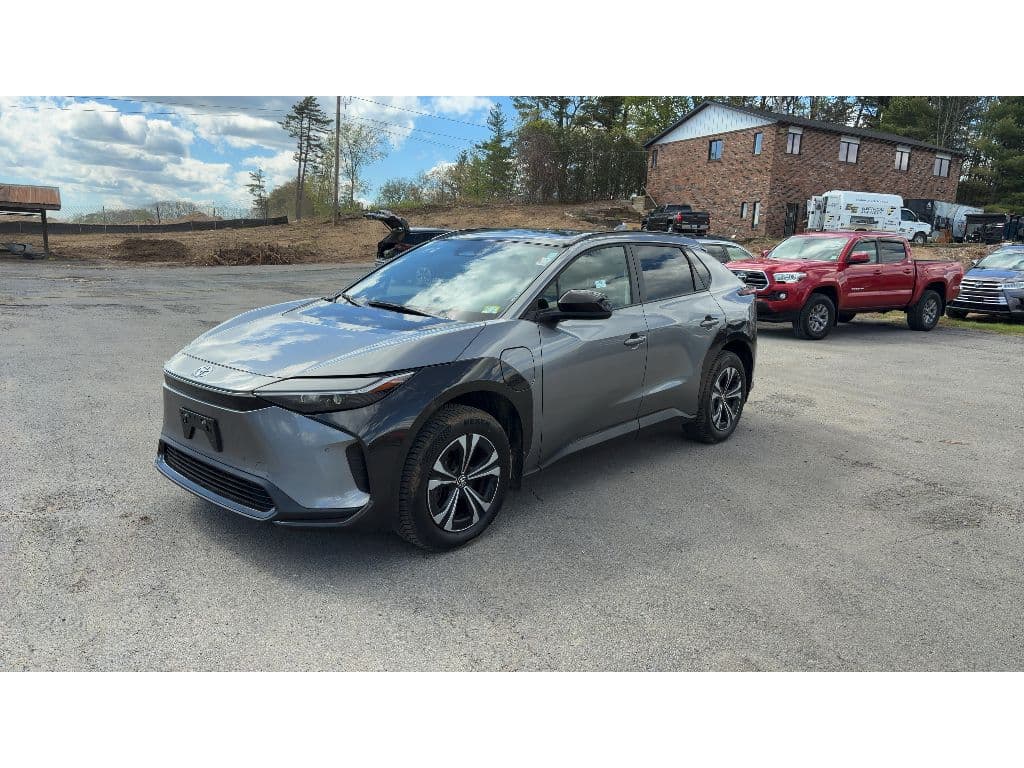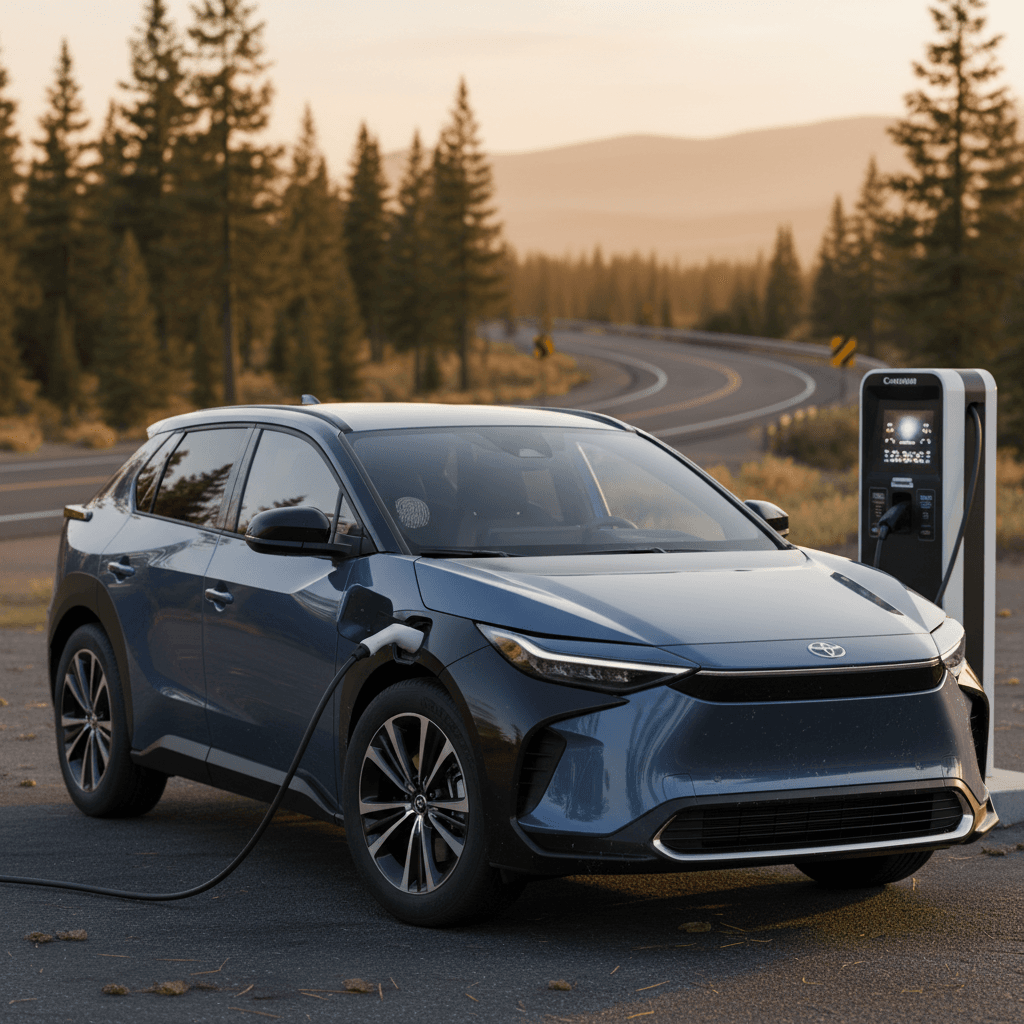
If you’re looking at a 2025 Toyota bZ4X, you’ve probably heard about early model issues, from recalls to charging quirks, and you’re wondering how many of those problems still apply. The good news: by 2025, Toyota had ironed out the headline-grabbing wheel hub recall and cut prices. The bad news: some real-world issues around HVAC, software and charging still matter if you’re buying or leasing, especially as a used EV shopper.
Quick snapshot of 2025 bZ4X
Overview: 2025 bZ4X and its problem history
Toyota launched the bZ4X for the 2023 model year as its first modern dedicated battery-electric SUV. Reception was lukewarm: range and DC fast‑charging performance lagged key rivals, and an early wheel hub recall forced Toyota to stop sales for months. By 2025, Toyota responded with a significant price cut, up to about $6,000 off some trims, and a new Nightshade edition, but the core hardware remained the same.
When people talk about 2025 Toyota bZ4X problems, they’re usually referring to four buckets of issues: safety recalls (especially HVAC/defroster), battery and range performance, charging speed and network hassles, and software/App quirks. There are also a handful of everyday complaints about interior ergonomics and visibility that matter more in daily use than on a spec sheet.
bZ4X problem snapshot (2023–2025 experience)
Major known 2025 Toyota bZ4X problems
The main problem areas owners report
Most 2025 bZ4X complaints fall into these five buckets
HVAC & defroster issues
Software fault in the HVAC control unit can disable heating/defrost in certain failure modes. Covered by a recall; some owners also report intermittent A/C or heat problems in real‑world use.
Range in tough conditions
Like many EVs, the bZ4X sees large range drops in cold weather or at highway speeds. Taxi and rideshare drivers who rack up miles notice this most.
Charging speed & compatibility
DC fast‑charging curve is conservative, which makes road trips slower than in rivals. Some owners also see inconsistent speeds at different public networks.
App & software glitches
Home‑charge sessions not always logging, random disconnects, and occasional trouble activating free EVgo charging through the Toyota app.
Comfort & visibility quirks
Unconventional instrument cluster placement and low steering‑wheel position don’t work for everyone. Some drivers struggle to find a comfortable seating/visibility combo.
Resale & value concerns
Price cuts on new models, plus the stronger 2026 bZ refresh, create steeper depreciation, relevant if you’re buying, not leasing.
Why model year matters less with bZ4X
bZ4X recalls: what 2025 owners need to know
The scary wheel‑hub recall that sidelined early 2023 bZ4X production doesn’t apply to fresh‑built 2025s. But there is a newer recall that absolutely does: an HVAC/defroster problem that sweeps in 2023–2025 bZ4X models along with the Lexus RZ and Subaru Solterra. A software fault in the HVAC control unit can put the system into failsafe if a particular compressor failure occurs, shutting down the heater and weakening defrosting performance, especially dangerous in cold, humid conditions where you need the windshield cleared quickly.
Key bZ4X recall themes affecting 2025 models
Always verify recall status on any 2025 bZ4X by running the VIN through Toyota or NHTSA before you sign paperwork.
| Recall theme | Model years impacted | Risk in real life | Typical dealer fix |
|---|---|---|---|
| Early wheel hub / wheel detachment | Primarily early‑build 2023 | High risk if not repaired; wheels could loosen or detach | Stop‑drive, hardware replacement and inspection. Generally not an issue for later‑build 2025s. |
| HVAC / defroster software fault | 2023–2025 bZ4X, plus Lexus RZ & Subaru Solterra | Reduced windshield defog/defrost performance; visibility risk in cold or wet weather | HVAC control software update; compressor replacement in some cases for customer satisfaction. |
| Misc. software updates | 2023–2025 | Potential glitches in warning lights, drive‑assist behavior, or infotainment | ECU flashes and software updates during dealer visits. Often bundled with other service. |
Recall coverage can change over time; use this table as a directional guide and confirm details with an official source.
Don’t skip the HVAC recall check
Battery health and range issues
So far, there’s no hard evidence that the bZ4X battery pack is failing at an abnormal rate across the fleet. Many owners report very stable capacity over the first 20,000–30,000 miles. But heavy‑use drivers, think taxi and rideshare duty, have posted stories of noticeable range loss in just a few months, along with slow‑charging behavior compared to competing EVs. In other words, like most EVs, how and where you drive a 2025 bZ4X has a big impact on perceived battery health.
- Cold weather sensitivity: Expect significant winter range loss, especially on short trips where the pack never fully warms up.
- Highway vs. city: The bZ4X is more efficient in city and suburban driving than at 70–80 mph highway speeds.
- Heavy use patterns: High mileage in a short time window, frequent DC fast charging, and sustained high speeds can make degradation more obvious, even if the battery is technically within spec.
How Recharged evaluates bZ4X battery health
Charging problems: slow speeds and network quirks
From the start, one of the biggest knocks on the bZ4X has been its DC fast‑charging performance. The hardware is conservative, and the charging curve doesn’t hang at high kW rates for long. For 2025 buyers, that translates into longer road‑trip stops versus rivals like Hyundai’s Ioniq 5/6 or a Tesla Model Y, even when everything is working perfectly.
1. Slow DC fast‑charging curve
- Perception vs. reality: Owners often feel like the car "never hits" its advertised peak kW or only holds it for a couple of minutes.
- Impact: Road‑trip legs from 10–80% take noticeably longer than many newer EVs.
- Best practice: On trips, charge in the middle of the pack (20–70%) instead of forcing 80–100% where the curve slows dramatically.
2. Network and compatibility quirks
- Non‑Tesla networks: The bZ4X relies on CCS public infrastructure in the U.S. for 2025. Reliability varies by provider and location.
- EVgo integration: Some owners have reported glitches when using Toyota’s integrated EVgo offer, from VIN recognition errors to failed session starts.
- Future‑proofing: The refreshed 2026 "bZ" adopts NACS (Tesla) ports in some markets, which highlights that the 2025 bZ4X is a step behind on connector convenience.
Charging‑speed expectations check
Software and app frustrations
EV shoppers tend to focus on range and charging, but ownership tech can make or break the experience. Here, the 2025 bZ4X shows its age compared to newer entrants. Many owners report that the Toyota app is inconsistent about logging home‑charging sessions, drops connection to the car without explanation, or only sporadically shows accurate charge history. Others have hit snags when trying to activate free EVgo charging through the app, with VIN‑already‑registered messages and confusing error screens even when the account is set up correctly.
- Home Level 2 charging sessions occasionally missing or delayed in the app history.
- Inconsistent reporting of state of charge or estimated time to full, especially if cell coverage is weak where the car is parked.
- Glitches when handing off from the Toyota app to EVgo for promotional charging, forcing some owners to use the EVgo app directly instead.
- General lag and occasional freezes in the infotainment system, especially when juggling Bluetooth audio, navigation and phone calls.
The upside: fixes are mostly software
Interior, comfort and visibility complaints
On test drives, the 2025 bZ4X cabin comes across as quiet and comfortable, with generous space for a compact SUV. Over time, though, a few ergonomic quirks stand out. The instrument cluster sits high and far away, designed to be viewed over the steering wheel rather than through it. That works for some body types and driving positions, but not others, especially taller drivers who end up choosing between seeing the gauge cluster and having a comfortable wheel height.
Everyday comfort complaints you’ll only notice after living with it
None of these are deal‑breakers alone, but they add up for some owners
Steering wheel vs. gauge clash
Drivers with longer torsos or specific seating preferences sometimes find the wheel blocks the top of the digital cluster, or they must set the wheel lower than they’d like to keep the gauges visible.
Forward visibility and reflections
The combination of dash design and glass angle can create reflections on sunny days. Not unique to the bZ4X, but mentioned often enough to note if you’re sensitive to glare.
Seat comfort over distance
Seats feel fine around town but may feel flat on long highway drives for some owners. As always, comfort is subjective, test on a genuine long loop if you commute far.
Cargo space vs. rivals
Usable, but not class‑leading. The bZ4X trades some cargo versatility and towing capability compared with newer EV SUVs. That matters if you road‑trip or haul gear often.
How worried should you be about 2025 bZ4X reliability?
Context is everything. On one hand, the bZ4X’s early missteps, especially the wheel‑hub recall and underwhelming charging performance, hurt its reputation. On the other, Toyota’s long‑term reliability track record still appeals to cautious buyers, and many owners report thousands of trouble‑free miles aside from software quirks and predictable EV winter‑range losses.
Who should (and shouldn’t) worry about 2025 bZ4X problems
Daily commuters with home charging
If you mostly charge at home, drive predictable routes, and live in a mild climate, the main bZ4X weaknesses, slow fast‑charging and winter range loss, are unlikely to bite you often. The car’s quiet ride and Toyota‑like feel become bigger positives.
Frequent road‑trippers
If you plan regular highway trips where you’ll rely on public DC fast chargers, you’ll feel the slow charging curve and patchy CCS network reliability. In that case, cross‑shop carefully before committing.
Cold‑climate drivers
If you live where winter is serious, make sure the HVAC recall work is completed and budget for more dramatic winter range swings. Preconditioning, heated seats and realistic planning become part of your routine.
Value‑driven used EV shoppers
Because of price cuts and the stronger 2026 refresh, the 2025 bZ4X can be a value play on the used market, as long as you verify battery health, recall status and charging behavior on the specific vehicle you’re buying.
Shopping used 2025 bZ4X: what to check
With Toyota cutting MSRP for 2025 and then evolving the model again for 2026 (with more power, better charging and NACS access on the horizon), depreciation on earlier bZ4Xs has accelerated. That’s painful for first owners, but it’s a real opportunity if you’re considering a used 2025 bZ4X, provided you go in with eyes open and check the right items.
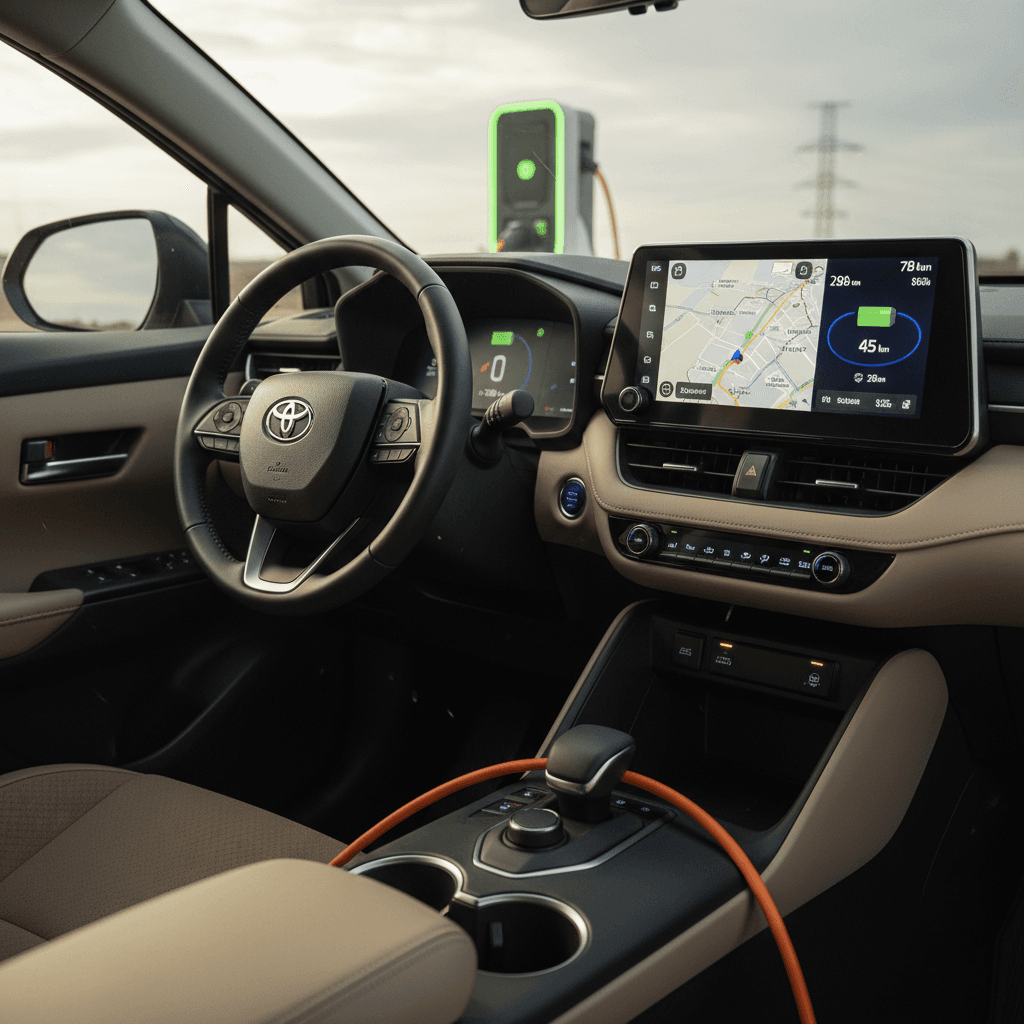
Pre‑purchase checklist for a used 2025 bZ4X
1. Confirm all recalls are complete
Ask for service records and run the VIN through Toyota and NHTSA tools. Make sure the HVAC/defroster recall has been addressed, and verify any software campaigns are up to date.
2. Get a battery‑health report
Don’t rely solely on the dash range estimate. A <strong>Recharged Score battery health report</strong> pulls data from the car and compares it to expected values for that age and mileage, giving you a clearer picture of usable capacity.
3. Test fast‑charging behavior
If possible, plug into a reputable DC fast charger and time a 20–70% session. Note the peak and average speeds. Slow but consistent is one thing; wildly inconsistent or unusually low numbers may justify deeper diagnostics.
4. Drive it in your real conditions
If you live in a cold region, test the HVAC system on a chilly day. If you have a tricky commute with lots of glare or tight parking, pay attention to visibility, seat comfort and the camera systems.
5. Evaluate total cost of ownership
Factor in insurance, potential future software updates, and the likelihood that 2026+ bZ models with NACS support may put additional pressure on used‑bZ4X prices. That’s bad for resale, but can be good for you if you buy at the right discount.
6. Use an EV‑focused seller
Platforms like <strong>Recharged</strong> specialize in used EVs. You get transparent pricing, verified battery health through the Recharged Score, and EV‑savvy guidance on financing, trade‑ins and delivery, which is especially useful with a model that has a complicated early history.
FAQ: 2025 Toyota bZ4X problems
Frequently asked questions about 2025 bZ4X problems
Bottom line: Is the 2025 Toyota bZ4X a good buy?
The 2025 Toyota bZ4X is not a perfect EV, and if you judge it purely on charging‑speed charts or headline specs, it will come up short against newer competitors. Its main problem areas, HVAC recall coverage, modest fast‑charging performance, software/app quirks and some ergonomic complaints, are real, but they’re also manageable if you understand them going in.
Where the 2025 bZ4X starts to look compelling is on the used market. Price cuts on new inventory and the arrival of the stronger 2026 refresh mean you can often find a 2025 at an aggressive discount. If you confirm recall completion, verify battery health and charging behavior, and accept that road‑trip charging will be slower than in some rivals, the bZ4X can deliver exactly what many shoppers want: a quiet, comfortable, brand‑name EV that’s finally priced in line with its capabilities.
If you want help sorting through that trade‑off, a used‑EV specialist like Recharged can make the difference. Every car comes with a battery‑focused Recharged Score, transparent pricing, EV‑savvy financing options and nationwide delivery. That kind of transparency matters with a model like the 2025 bZ4X, where the right example can be a smart buy, and the wrong one can leave you chasing problems you didn’t sign up for.