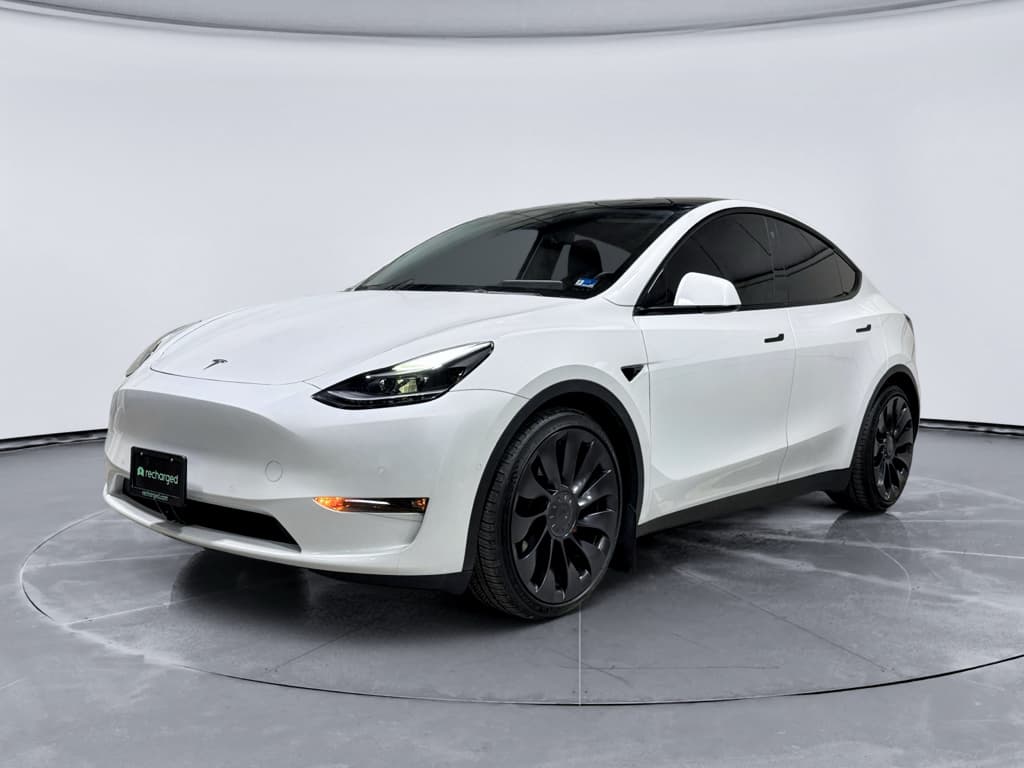
If you’re eyeing a 2025 Tesla Model Y, you’re probably wondering how reliable it really is, especially as a family hauler or daily commuter you plan to keep for years. The refreshed 2025 Model Y brings meaningful improvements, but it also inherits Tesla’s mixed history on quality control and software-driven recalls. Let’s unpack what that means for you, whether you’re buying new or shopping the used market.
Quick reliability snapshot
2025 Tesla Model Y reliability at a glance
2025 Model Y reliability by the numbers (context from recent years)
On paper, the 2025 Tesla Model Y is a better product than the crossover that launched in 2020. The refresh focuses on refinement, less wind and road noise, better suspension tuning, higher-quality interior materials, and those changes should help with perceived reliability day to day. Under the skin, though, the basic EV platform and battery tech haven’t radically changed, which is actually good news from a durability standpoint.
How to read the reliability story
What’s new for the 2025 Model Y, and why it matters for reliability
Tesla’s 2025 Model Y refresh (often referred to internally as “Juniper”) keeps the basic platform but makes targeted updates that can influence reliability, especially around noise, comfort and electronics. Highlights include a stiffer body structure, revised suspension geometry, acoustic glass and additional sound-deadening, plus a redesigned interior that borrows heavily from the updated Model 3.
- New front and rear styling with a full-width light bar and aero tweaks for less drag and wind noise.
- Revised chassis hardware for better ride comfort and handling, which should also reduce suspension noise complaints.
- More acoustic glass and improved sealing to cut road, wind and impact noise.
- Updated interior materials and fitment, with more wrapped surfaces and aluminum trim designed to reduce squeaks and rattles.
- 15.4-inch center touchscreen plus an 8-inch rear screen for climate and media controls on newer trims.
- 5% efficiency gain (range) on some trims without changing the battery pack, thanks to drivetrain and tire refinements.
From a reliability standpoint, these changes cut both ways. Better sealing and re-tuned suspension can reduce the sort of rattles and harshness that owners often mistake for “mechanical problems.” At the same time, more screens, more ambient lighting and more powered features mean more electronic components that can fail, an area where Tesla has already seen issues in previous years.
More tech, more potential failure points
Owner and expert data: How reliable is the Model Y today?
Independent reliability data for the 2025 Model Y is just starting to emerge, but we have solid information from the 2023–2024 model years, which share the same basic hardware. Consumer-focused outlets rate the 2024 Model Y’s reliability as about average, while owner-review platforms like Kelley Blue Book show high satisfaction scores, especially on performance and reliability, despite scattered complaints about build quality and service delays.
What testing labs see
- Overall reliability around the middle of the pack versus all 2024 vehicles.
- Most issues are not catastrophic failures but nuisance problems: trim pieces, misaligned panels, squeaks and interior rattles.
- Several safety-related recalls in 2024–2025, but many were resolved by OTA software updates rather than physical repairs.
What owners report
- Strong ratings for performance, efficiency and day-to-day usability.
- Many owners say they’d buy a Model Y again, even after dealing with minor issues.
- Top complaints tend to be service availability, communication and repair timelines, not the vehicle’s core hardware failing.
For many owners, the question isn’t whether the Model Y will keep driving, it’s how many trips to the service center they’ll have to make for minor fixes.
Key recalls and software fixes affecting 2024–2025 Model Y
Tesla’s recall record is a crucial part of any 2025 Tesla Model Y reliability conversation. The brand leans heavily on software, and that means regulators often push Tesla to issue formal recalls for issues that other automakers might handle with a service campaign. The upside: many of these can be fixed overnight in your driveway via an over‑the‑air update. The downside: you’re relying on timely software updates for core safety functions.
Recent recalls impacting 2024–2025 Model Y
This is not a full list, but it covers several high-visibility campaigns shoppers should know about.
| Issue | Model years involved | What went wrong | Typical fix |
|---|---|---|---|
| Rearview camera circuit board | 2024–2025 | Computer board can short and cause the camera feed to cut out, violating rear-visibility rules. | OTA update plus hardware replacement for vehicles showing faults. |
| TPMS warning light behavior | 2017–2025 (incl. Model Y) | Tire pressure monitoring light might not stay on across drive cycles when pressure is low. | OTA update to correct warning logic. |
| Front hood latch logic | 2020–2024 Model Y | System may not correctly detect an unlatched front trunk, risking it flying up while driving. | OTA update to adjust detection and warnings. |
| Brake/ABS warning light font size | 2019–2024 Model Y | Warning light text displayed too small, violating federal standards. | OTA update revising font size and layout. |
| Front-seat back welds (select 2024 builds) | 2024 Model Y | Improper weld on seat recliner mechanism could weaken occupant restraint. | Service visit to replace the affected seat assembly. |
Always run a VIN-specific recall check before you buy any used Tesla.
Don’t ignore recall history
Common Model Y problem areas to watch
No EV is trouble-free, and Tesla’s volume means you’ll hear about problems quickly online. For the 2023–2025 Model Y, patterns have emerged in a few key areas. Most aren’t dealbreakers, but they’re exactly the items you want to probe on a test drive or inspection.
Typical Model Y trouble spots
Focus here when you inspect a 2025 Model Y, especially if it’s used.
Build quality & trim
- Panel gaps and misaligned doors or liftgate.
- Loose interior trim, buzzing or rattling over rough pavement.
- Weatherstripping not fully seated, causing wind noise or water leaks.
Electronics & infotainment
- Glitches with the center screen or rear screen (blank, laggy or random reboots).
- Bluetooth or audio handoff issues, especially with multiple devices.
- Sporadic bugs with Autopilot/FSD visuals or alerts after software updates.
HVAC & comfort features
- Cabin-heater or A/C performance quirks, sometimes tied to heat pump hardware or software.
- Seat heaters or ventilated seats not working on individual positions.
- Occasional issues with window calibration or one‑touch operation.
Charging hardware
- Charge-port door sticking or failing to close cleanly.
- Occasional onboard charger or charge-port errors, often solved with software.
- Public fast-charging hiccups that trace back to station issues, not the car.
Suspension & noise
- Clunks or knocks over speed bumps from control-arm bushings or links.
- Complaints about ride harshness on earlier models, eased on 2025 refresh.
- Occasional axle-click noises under hard acceleration or tight turns.
Software regressions
- New bugs introduced after OTA updates (e.g., random warnings, UI quirks).
- Temporary changes in charging behavior or range estimation.
- Issues usually resolve with follow-up patches, but may cause short-term frustration.
Use your test drive as a stress test
Battery life and drive-unit durability
If there’s one bright spot in the 2025 Tesla Model Y reliability story, it’s the core EV hardware. The high‑voltage battery and dual motors in the Model Y have now been in wide circulation for years, and large fleets, from private owners to rideshare operators and now Tesla’s own Robotaxi Model Y fleet, have racked up serious mileage without widespread catastrophic failures.
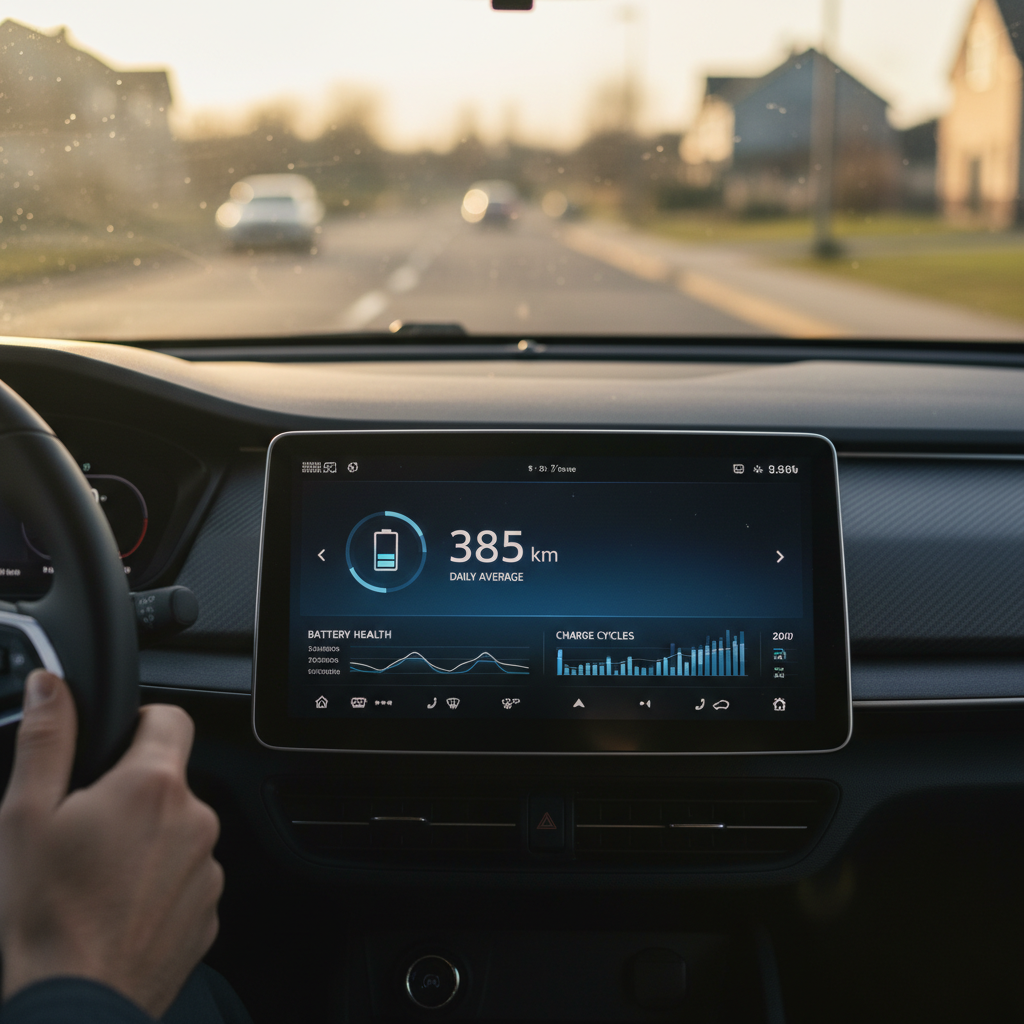
- Most real-world data points to modest battery degradation, often in the 5–15% range after well over 100,000 miles, depending on climate and charging habits.
- Tesla’s battery warranty (typically 8 years / 120,000–150,000 miles, depending on trim) covers excessive capacity loss and certain failures.
- Drive units (motors and inverters) have proven robust, with failures far less common than cosmetic or electronic issues.
- Thermal-management systems are key to longevity, and Model Y’s liquid cooling and battery preconditioning have held up well in field use.
How battery health is measured
Maintenance costs: Model Y vs. gas SUVs
Reliability isn’t just about whether a vehicle breaks. It’s also about what it costs you to keep it on the road. Compared with a similarly quick compact luxury SUV, a BMW X3, Mercedes GLC or Audi Q5, the Model Y generally runs cheaper to maintain, even if you budget extra for tire wear and the occasional trim or electronics fix.
Where the Model Y saves you money
- No oil changes, spark plugs, timing belts or exhaust system.
- Regenerative braking means slower brake wear, especially in city driving.
- Fewer fluid services and no multi-speed transmission to service or replace.
- Software updates can fix some issues without a service visit.
Where costs can creep up
- High-performance tires wear faster, especially on Performance trims.
- Out-of-warranty electronic module replacements (screens, sensors) can be pricey.
- Collision repairs and glass replacement tend to be more expensive than on mainstream SUVs.
- Service capacity in some regions is still catching up with Tesla’s growing fleet.
What many used buyers actually see
Reliability checklist for buying a used Model Y
If you’re shopping a 2025 Model Y, or a 2021–2024 example that’ll live alongside 2025 models on the used market, your goal is to separate normal Tesla quirks from signs of a hard life or sloppy repairs. Here’s a structured way to do it.
Used Tesla Model Y reliability checklist
1. Scan for recall completion
Use the VIN to check for open recalls and OTA campaigns. Ask for proof that any seat, camera or hood-latch recalls have been completed. At Recharged, this is documented in the vehicle file.
2. Inspect build quality carefully
Walk around the vehicle and look at panel gaps, door alignment and hatch operation. Check for overspray or mismatched paint that might indicate a low‑quality body repair.
3. Stress-test screens and controls
On your test drive, run the center display and rear display (if equipped) through navigation, streaming, climate controls and camera views. Make sure all seat adjustments, heaters and window switches work smoothly.
4. Listen for suspension and cabin noise
Drive over speed bumps and rough pavement at low and moderate speeds. Listen for clunks, knocks or persistent rattles. A quiet 2025 refresh should feel more refined than earlier years.
5. Check charging behavior
Plug into Level 2 if possible. Confirm the charge port opens and closes properly, the car reaches expected charging rates and there are no recurring error messages.
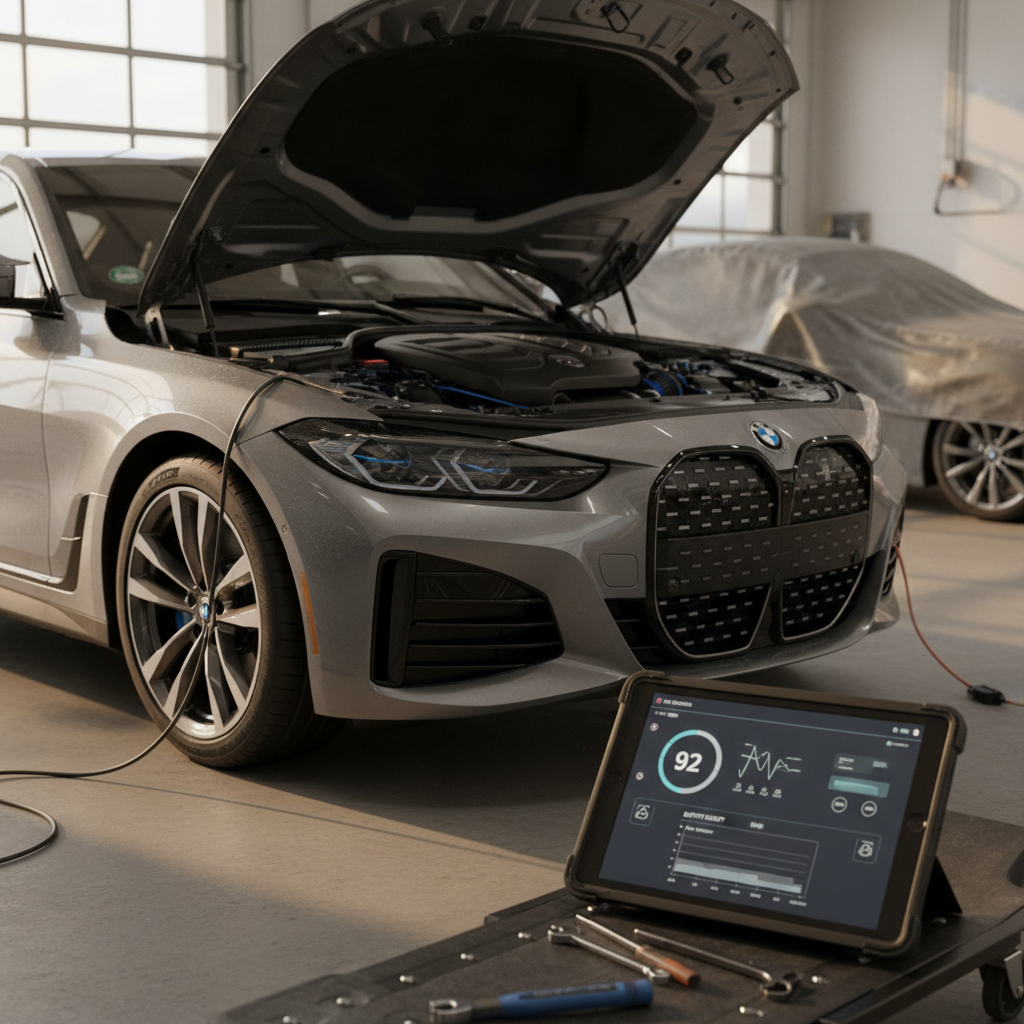
6. Review battery health data
Ask for a battery health report, range at a given state of charge, or a formal test. Every vehicle on Recharged includes a Recharged Score with quantified battery state of health and charging history patterns.
7. Confirm software status
Check that the car is on a current software version, with no persistent warnings or Autopilot/FSD error messages. Verify features like cruise control and lane-keeping operate as expected if equipped.
8. Look at service and repair history
Service records tell you whether early issues were resolved correctly. Multiple repeat visits for the same problem are a red flag you’ll want to investigate.
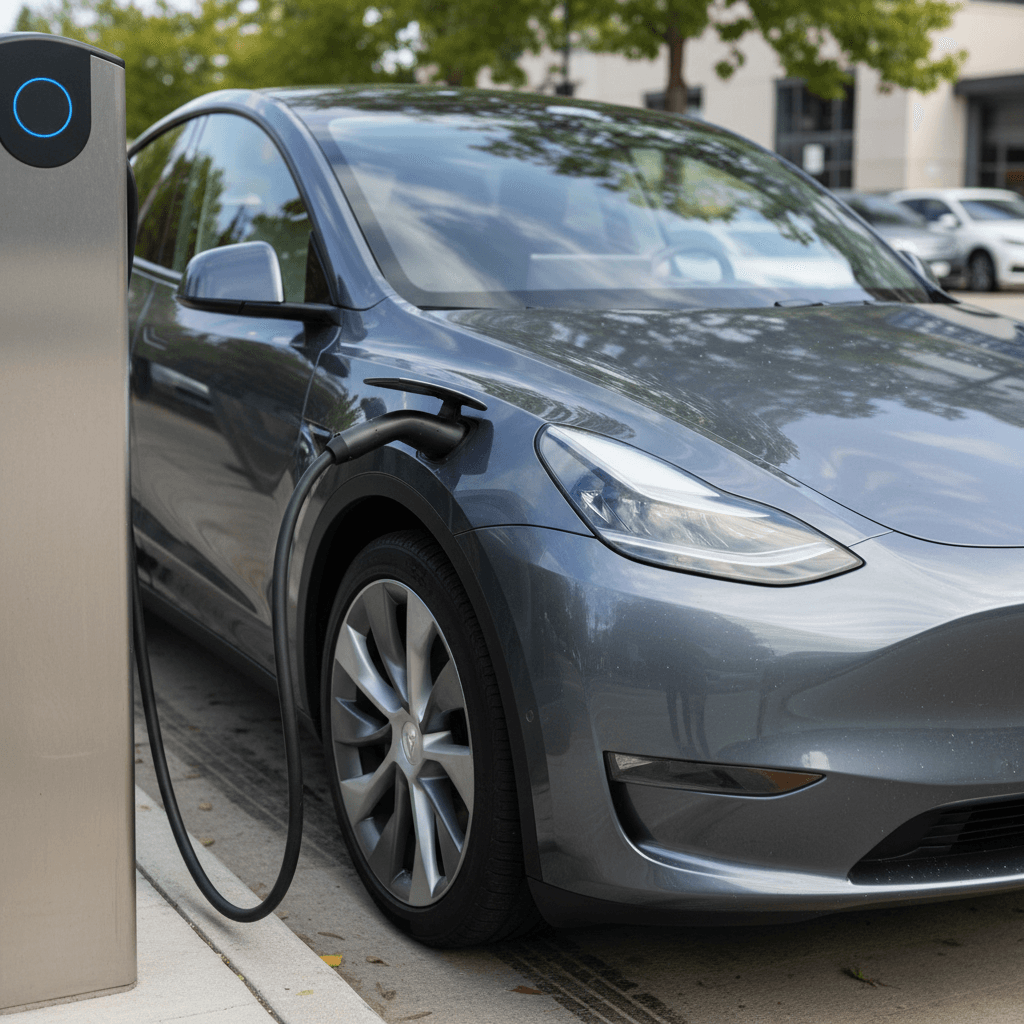
How Recharged evaluates Model Y battery health and condition
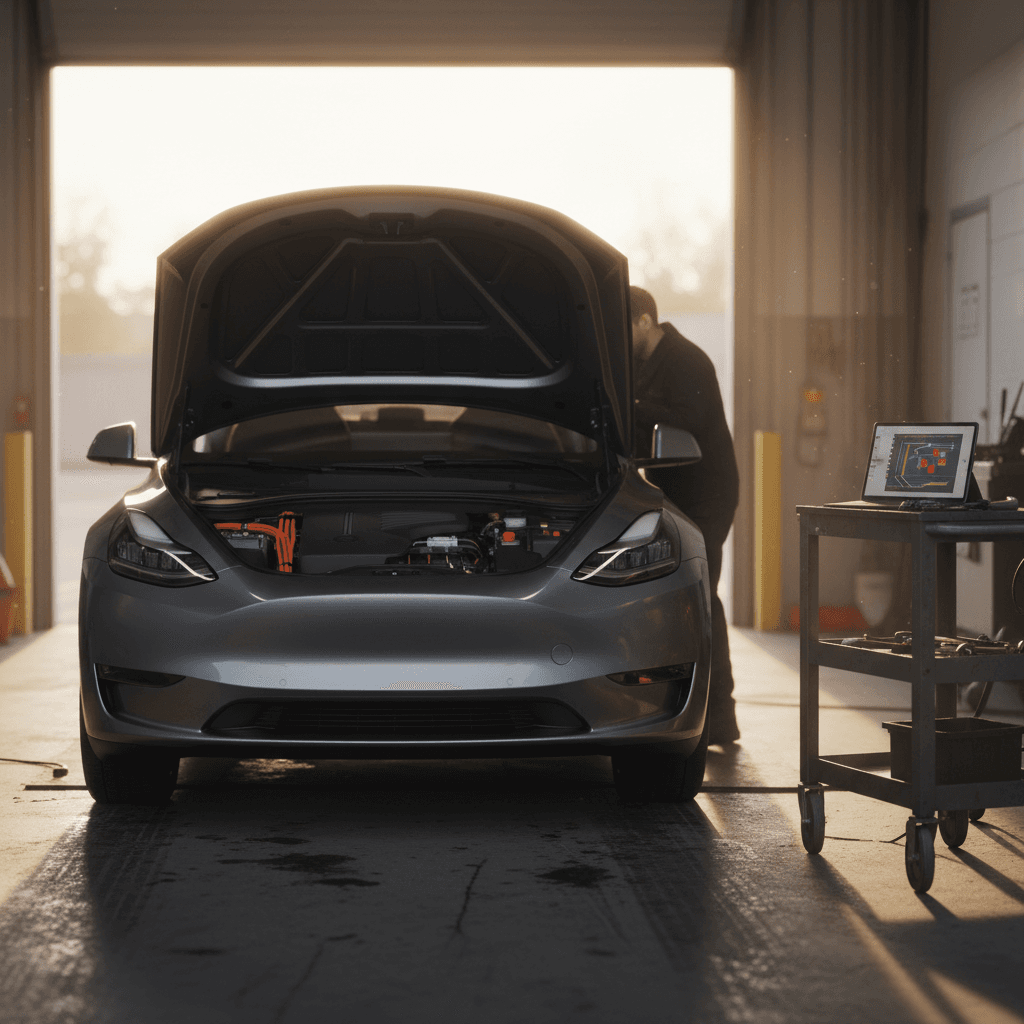
Because the Model Y’s core value lives in its battery and software, a basic walk‑around doesn’t cut it. That’s why every Tesla sold through Recharged comes with a Recharged Score Report, a standardized, data‑driven look at how the car has actually lived, not just how it looks on the lot.
Inside the Recharged Score for Tesla Model Y
What we look at before a Model Y ever hits the marketplace.
Battery health diagnostics
Software & feature check
Road test & noise evaluation
Cosmetic & structural inspection
Title, recall & history review
Financing & ownership support
Ready to find your next EV?
Browse VehiclesWhy this matters for reliability
FAQ: 2025 Tesla Model Y reliability
Frequently asked questions about 2025 Model Y reliability
Bottom line: Should you trust a 2025 Model Y long term?
The 2025 Tesla Model Y isn’t the bulletproof, never‑needs-service crossover some fan chatter might suggest. But it’s also not a reliability disaster. The refreshed model builds on a maturing platform with solid battery and motor durability, while continuing to wrestle with the same themes that have defined Tesla ownership for years: quality-control nitpicks, software recalls and uneven service experiences.
If you value low running costs, strong performance and a nationwide fast‑charging network, the Model Y remains one of the most compelling EV crossovers on the market. Just treat it like what it is: a sophisticated piece of rolling tech. Insist on a thorough inspection, demand visibility into battery health and recall status, and consider buying through an EV‑focused retailer like Recharged that bakes those checks into every transaction.
Do that, and a 2025 Model Y can be a dependable, efficient and thoroughly modern daily driver, with reliability that, while not perfect, should be more than good enough for most owners who know how to shop and maintain it smartly.