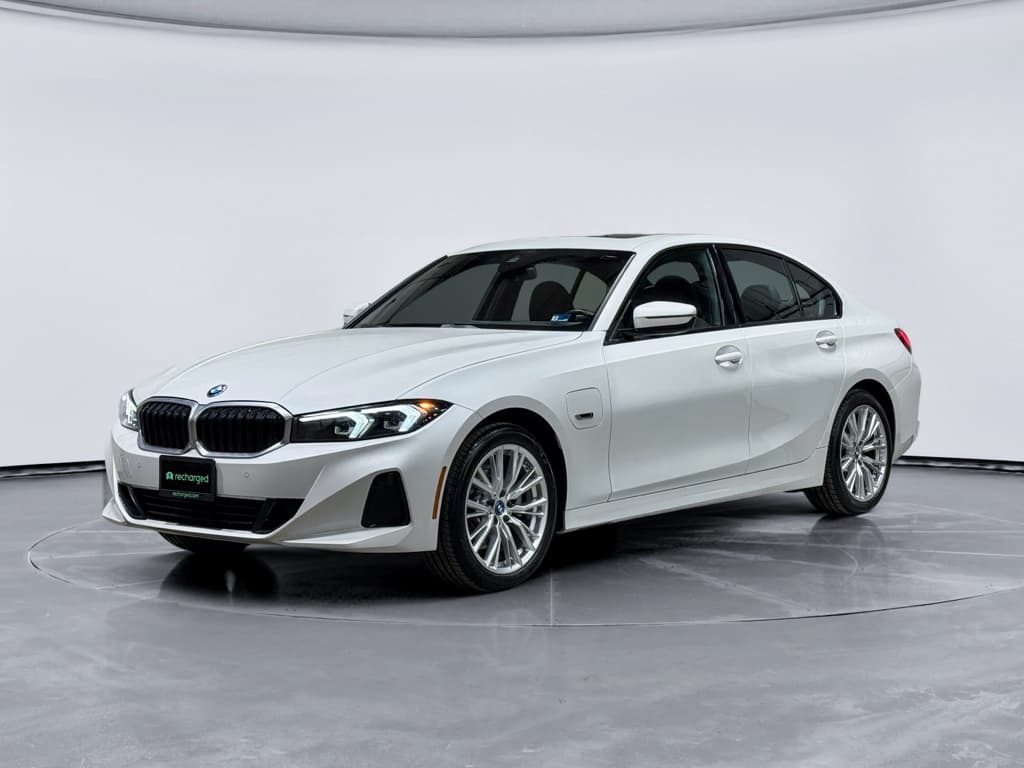
If you live in a cold climate and drive, or are thinking about buying, a BMW i4, you’ve probably heard about winter range loss. The good news is that the i4 remains one of the more efficient premium EVs in its class, even when temperatures drop. The less-good news: like every EV, you will see meaningful range reduction in freezing weather, and how you drive (and charge) matters a lot.
Key takeaway on BMW i4 winter range loss
BMW i4 winter range loss: overview
The BMW i4 is sold in several trims, eDrive35, eDrive40, xDrive40, and M50, with EPA ranges from the mid‑200s to just over 300 miles on a full charge. In mild conditions, many owners report real‑world results that closely track those EPA numbers. In cold weather, though, you’re effectively driving a different car: cabin heating, battery warming, wet roads, and winter tires can all combine to shave dozens of miles off your indicated range.
BMW i4 EPA range snapshot (baseline before winter loss)
Keep those baseline numbers in mind. Winter range loss isn’t on top of a bad rating, it’s a temporary haircut applied to an already efficient platform. Your job as a driver is to understand how big that haircut is likely to be and what you can do to minimize it.
BMW i4 official range by trim (baseline before winter)
Before we talk about how much winter takes away, you need a clear picture of what you’re starting with. Below are representative EPA combined ranges for recent BMW i4 trims on common wheel options in the U.S. market.
BMW i4 EPA combined range by trim (recent model years)
Approximate U.S. EPA combined range ratings – actual numbers vary slightly by model year and wheel option, but this gives a solid baseline before winter effects.
| Trim | Battery (usable) | Drive | Typical EPA range (18" wheels) | Typical EPA range (larger wheels) |
|---|---|---|---|---|
| i4 eDrive35 | ~66 kWh | RWD | ~276 mi | ~252 mi |
| i4 eDrive40 | ~81 kWh | RWD | ~301 mi | ~283 mi |
| i4 xDrive40 | ~81 kWh | AWD | ~307 mi | ~279 mi |
| i4 M50 | ~81 kWh | AWD | ~270 mi | ~227 mi |
Use this as your warm‑weather reference; winter range will be some percentage of these values.
Wheel size matters more than most people think
How much range does a BMW i4 lose in winter?
There isn’t a single magic number, because winter range loss depends on temperature, speed, wind, road conditions, and how you use the heater. That said, we can triangulate from fleet‑wide EV data, BMW i4 owner reports, and independent testing to get realistic bounds.
Typical BMW i4 winter range loss bands
What you can expect at different temperatures with normal driving
Cool (40–50°F / 4–10°C)
Expected loss: ~5–15% vs EPA
- Short trips: heater overhead hurts more
- Highway cruising still efficient
- Most i4s feel close to rated range
Cold (20–32°F / -6–0°C)
Expected loss: ~15–30%
- Battery and cabin heating both active
- Lots of 10–20 mile errands amplify losses
- 300‑mile i4 behaves like ~210–255 mi
Severe cold (<10°F / -12°C)
Expected loss: ~25–35% (or a bit more)
- Heater draws big power on every trip
- Snow, slush, and winter tires add drag
- Plan around ~180–220 mi for long‑range trims
Those ranges line up with broader EV studies that show an average winter penalty around 20% across models at freezing temperatures, with outliers doing better or worse. The i4 tends to land in the "pretty good" camp: efficient motors and a well‑insulated cabin help offset the lack of a frunk and the heavier 4‑Series‑derived body.
Why the BMW i4 loses range in cold weather
1. Heating the cabin, not the coolant
In a gasoline car, engine waste heat warms the cabin “for free.” In the i4, every BTU of warmth comes from the battery. Crank up the climate control on a cold morning and you’ll see a clear hit to efficiency, especially on short trips where the car never truly warms through.
- Short, frequent trips are worst-case: you keep paying the initial warm‑up cost.
- Seat and steering wheel heaters use far less energy than blasting HVAC.
2. Cold chemistry and drivetrain losses
Lithium‑ion cells don’t like the cold. Below freezing, internal resistance rises, which means:
- Lower available power until the pack warms up
- Reduced regen braking, especially at the start of a drive
- More energy lost as heat in the pack itself
Add thicker gear oil, cold tires, and snow or slush on the road, and every mile takes more energy.
3. Aero, speed, and winter tires
The i4 has a sleek shape, but winter still penalizes it:
- Denser cold air increases drag, especially at highway speeds.
- Roof racks, ski boxes, and bike carriers can eat 5–15% more range.
- Winter or all‑terrain tires typically roll worse than summer or all‑season rubber.
4. Software, preconditioning, and route planning
BMW’s thermal management will preheat the pack when you navigate to a DC fast charger, but only if you use BMW’s native navigation. If you rely purely on Apple CarPlay or Android Auto, you may arrive with a cold pack and experience slower fast‑charging speeds, stretching your trip time and charge energy.
Think in kWh per 100 miles, not just “range”
Real-world winter driving scenarios for the i4
To make these numbers more concrete, let’s walk through a few realistic winter use cases and what they mean for an i4 driver in, say, the Midwest or Northeast U.S.
BMW i4 winter range examples you can actually picture
Rough expectations, assuming a healthy battery and typical driving
Urban commuter, cold but not brutal
Scenario: i4 eDrive40, 20–35°F, mostly 35–55 mph, lots of stop‑and‑go.
What you’ll see:
- Consumption up maybe 15–25% vs summer
- Practical range ~220–255 mi from a 301‑mile EPA rating
- Short trips hurt more than one long commute
Interstate ski weekend
Scenario: i4 xDrive40, 10–25°F, 70–75 mph, family and gear, winter tires.
What you’ll see:
- Highway + heater + cargo: 25–35% hit
- Plan around 190–230 mi between fast charges
- Battery preconditioning critical for fast charging at mountain towns
Subzero morning errands
Scenario: i4 M50, 0–10°F, several 5–10 mile trips with long park times in between.
What you’ll see:
- Heater dominates; efficiency can nearly double vs summer
- Effective range may feel cut by a third or more
- Preheating while plugged in and using seat heat helps a lot
Not every winter day is a worst‑case scenario, and many i4 owners report days where their "guess‑o‑meter" is conservative and they arrive with more range left than expected. The point is to plan around the worst 10–20% of days, not the best ones.
12 ways to cut BMW i4 winter range loss
You can’t beat physics, but you can work with it. Here are practical, owner‑tested ways to make your BMW i4 far more winter‑friendly, without turning off the heat and freezing yourself.
Practical BMW i4 winter efficiency checklist
1. Always precondition while plugged in
Use the BMW app or in‑car scheduling to preheat the cabin and, when it’s very cold, the battery while you’re still connected to home power. That way, the grid, not your battery, pays most of the warm‑up cost.
2. Navigate to fast chargers in BMW’s system
If you’re taking a winter road trip, set DC fast chargers as destinations using BMW’s native navigation, not just CarPlay/Android Auto. This prompts battery preconditioning so you arrive with a warm pack and get closer to the advertised 150–200 kW peaks.
3. Lean on seat and steering wheel heaters
For comfort per watt, <strong>seat and wheel heaters beat HVAC</strong>. Try setting cabin temperature a few degrees lower than usual and compensating with localized heating instead of blasting hot air.
4. Combine trips when you can
The i4 is much more efficient once the battery and cabin are warm. Five separate 5‑mile winter trips will cost far more energy than one 25‑mile loop. Batch errands when possible.
5. Keep highway speeds in check
Above ~65 mph, aerodynamic losses climb quickly, especially in dense cold air. On a long winter highway leg, even dropping from 75 to 68 mph can be the difference between an extra charging stop or making it straight through.
6. Manage roof racks and cargo boxes
If you’re not actively using your roof box or rack, take it off. On an already aero‑sensitive EV coupe like the i4, a year‑round ski box can eat a surprising chunk of winter range.
7. Use Eco Pro or efficient drive modes
BMW’s efficiency‑focused modes soften throttle response, tweak climate settings, and can remind you to drive more smoothly. You’re not required to use them, but they provide a helpful default winter baseline.
8. Check tire pressure regularly
Cold air drops tire pressure, often 3–5 psi between seasons. Under‑inflated tires increase rolling resistance and hurt range. Set pressure to BMW’s door‑jamb spec when tires are cold, and recheck when temperatures swing.
9. Choose winter tires strategically
If you live where snow is occasional, consider a high‑quality all‑weather or low‑rolling‑resistance winter tire. Hardcore studded or aggressive tread patterns add grip but can significantly increase energy use.
10. Park indoors or in sheltered spots
Parking in a garage, even an unheated one, keeps the i4 noticeably warmer than street parking. That means less energy spent reheating the pack and cabin on every start.
11. Watch consumption, not just range guesses
The BMW i4’s trip computer is generally conservative, but the "miles remaining" number is still a prediction. Track your average kWh/100 mi over a few winter weeks so you know what your personal cold‑weather baseline looks like.
12. Charge more often on the coldest days
When it’s truly bitter outside or you’re heading into remote areas, start the day with a higher state of charge and plan more frequent top‑ups. In winter, energy is optional, but margin is priceless.
Good news for i4 owners
Winter range loss vs permanent battery degradation
One of the biggest misconceptions new EV drivers have is that winter range loss means their battery is wearing out faster. In reality, those are two different phenomena.
- Winter range loss is temporary. It’s mostly driven by temperature, heater use, and road conditions. As soon as the weather warms up, or the car and battery warm up on a long drive, range rebounds.
- Battery degradation is long‑term, cumulative wear. Over years and tens of thousands of miles, your i4’s pack will slowly lose a slice of its usable capacity, just like your phone battery. That shows up as a permanent loss of range, summer and winter.
- Cold actually slows chemical aging. High temperature, high state of charge, and fast charging are the big long‑term battery stressors. Winter’s inconvenience is felt in daily use, not in accelerated degradation.
Real risk isn’t the cold itself, it’s being unprepared
Shopping for a used BMW i4 you’ll drive in winter
If you’re considering a used BMW i4, winter performance should be part of your shopping criteria, not an afterthought. The right trim, wheels, and battery health can make the difference between a car you love year‑round and one that stresses you out every January.
Key winter questions when buying a used i4
Ask these before you sign anything
Is the base range enough for your worst days?
Start from the EPA range of the specific trim and wheel combo, then mentally subtract 25–30% for cold‑weather worst case. If that number is still comfortably above your typical daily mileage, you’re in good shape.
What’s the actual battery health?
Not all used EVs age the same. Look for an objective battery health assessment, not just the dash’s range estimate on one day. That’s exactly what a Recharged Score battery health report is designed to provide.
Does the car already have a winter wheel/tire setup?
A second set of wheels with quality winter or all‑weather tires can be a big perk if you live with regular snow. Just remember that very aggressive tread patterns may cost efficiency.
How and where will you charge in winter?
Home Level 2 charging makes winter life dramatically easier: you can precondition while plugged in and always start with a warm pack. If you rely heavily on public charging, prioritize i4 trims with the biggest packs and learn where your fastest local DC chargers are.
How Recharged helps on the winter front
BMW i4 winter range loss: FAQs
Frequently asked questions about BMW i4 winter range
Bottom line: is the BMW i4 a good winter EV?
If you go into BMW i4 ownership expecting a 300‑mile EPA number to hold at 0°F with a roof box and a full cabin, you will be disappointed. But if you understand that winter range loss in the 15–30% range is normal, plan your charging around that, and use the tools BMW gives you, preconditioning, intelligent drive modes, decent insulation, the i4 becomes a very livable winter car.
From an analyst’s perspective, what matters isn’t whether winter costs you 40 versus 50 miles on one particular day. It’s whether the car, the charging network you rely on, and your own routines line up so that those miles don’t create anxiety. A well‑specced i4, driven by someone who knows how to work with the seasons, fits that bill nicely.
And if you’re shopping used, that’s where a transparent marketplace like Recharged earns its keep. Verified battery health, fair pricing, and EV‑savvy guidance mean you’re not guessing how much of that original i4 range you still have, winter or summer.