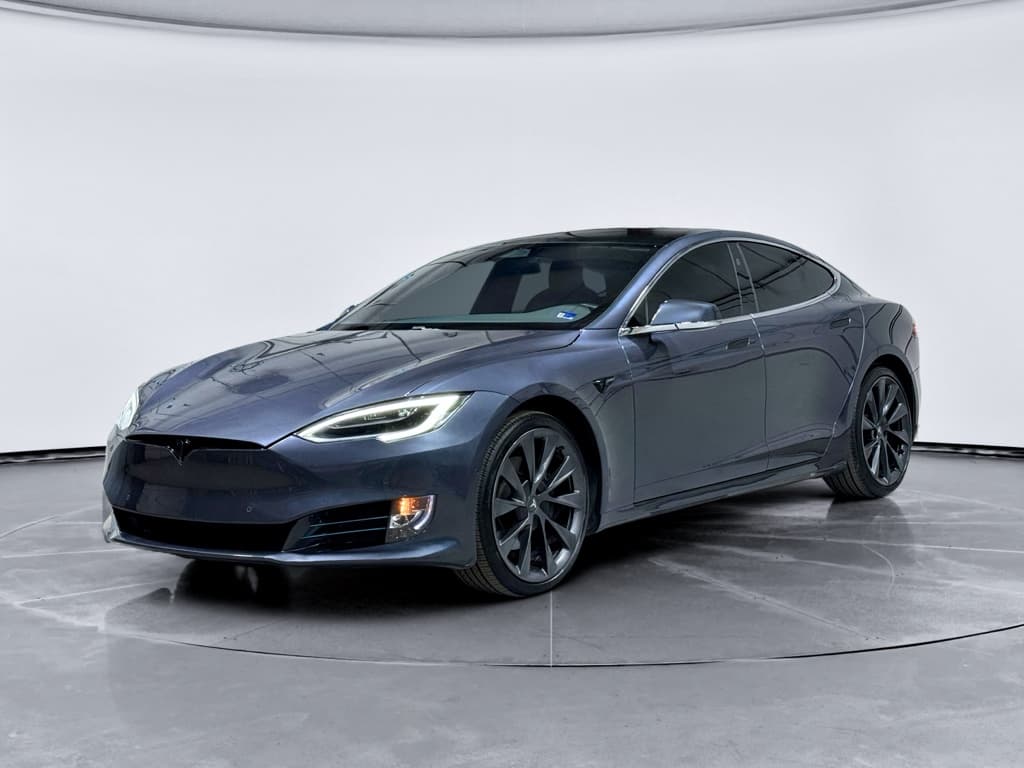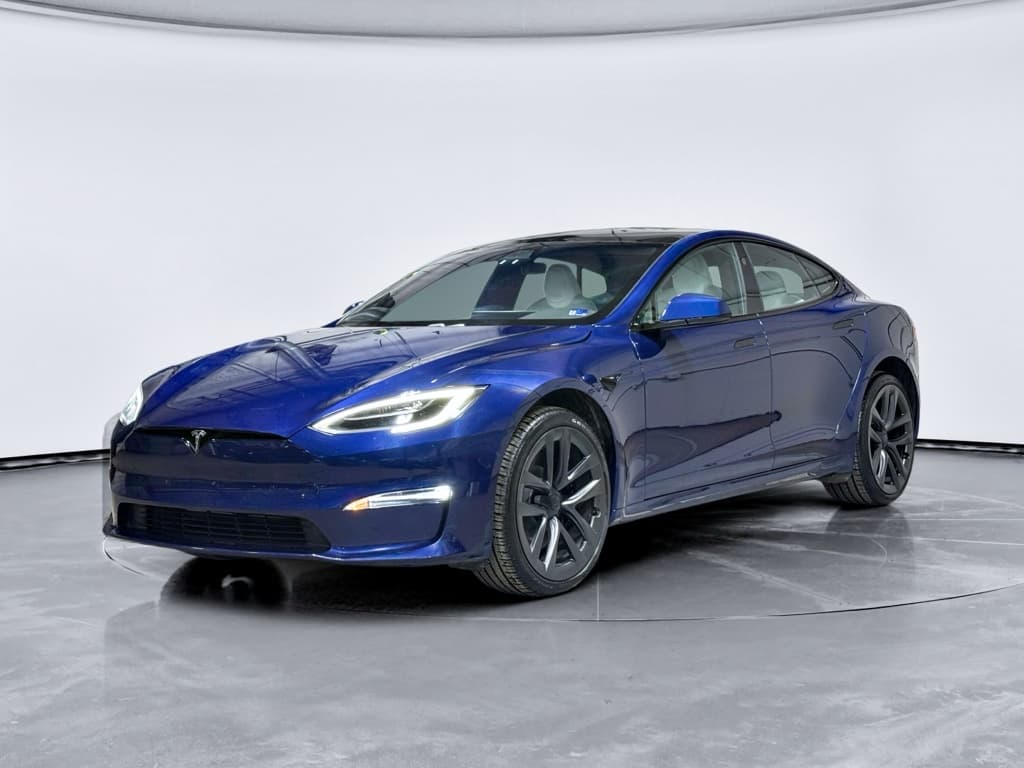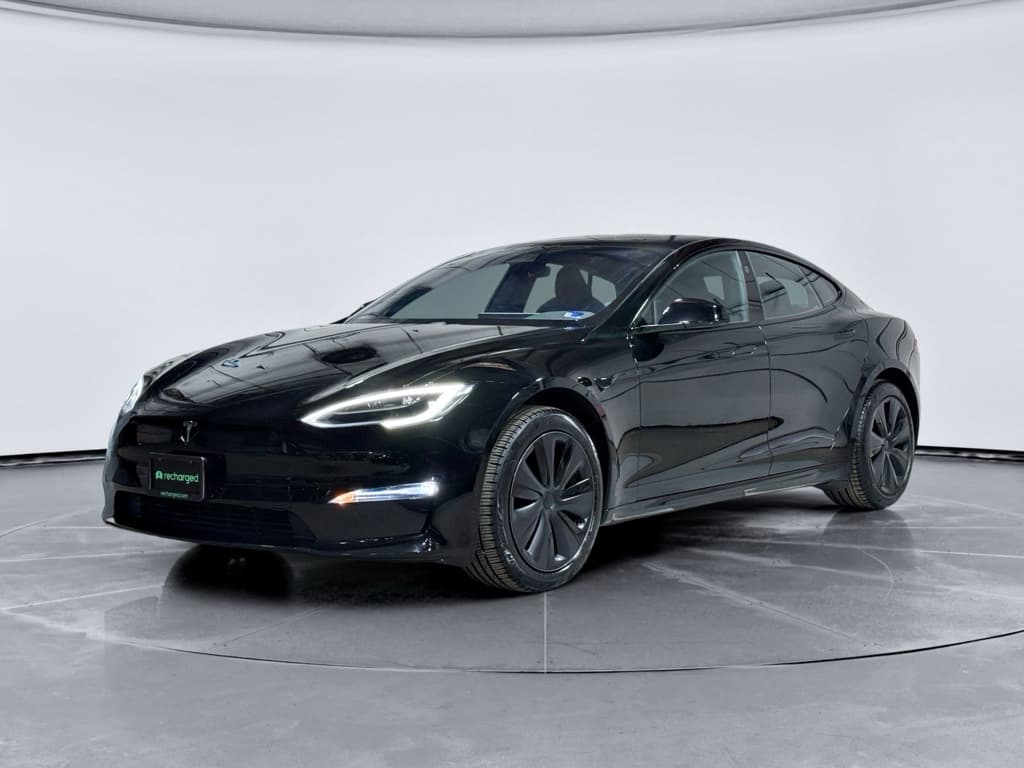
If you bought a 2025 Tesla Model S, you’ve lived through the wildest depreciation roller coaster in modern car history. List prices jumped, used prices crashed, and then late in 2025–early 2026 the Model S quietly started climbing again. So what is a fair 2025 Tesla Model S trade in value right now, and how do you avoid the lowball offers?
Quick context: the 2025 Model S market
2025 Tesla Model S trade-in value at a glance
2025 Model S value snapshot (early 2026)
Let’s start with framing. As of early 2026, pricing tools and used-market data suggest a 2025 Tesla Model S in good shape will generally show a **resale (retail) value** in the mid‑$50,000s to mid‑$70,000s depending on trim, mileage, and options. Dealer trade-in offers will usually sit below that by 5–15%, and sometimes more if they’re being conservative on EVs or skittish about luxury sedans.
Don’t anchor on the first online number
How much is a 2025 Tesla Model S worth today?
A new 2025 Model S dual-motor car in the U.S. has been listing around the mid‑$70,000s to low‑$80,000s depending on equipment, with a Plaid comfortably in the high‑$80,000s or more. Market data from pricing guides and listing aggregators suggests that as of early 2026:
2025 Tesla Model S early‑2026 value ranges (U.S.)
Approximate real-world value bands assuming clean title and no major damage. Trade-in values typically fall toward the lower end of each band.
| Trim & condition | Typical mileage (2025 MY) | Realistic retail asking price | Likely dealer trade-in band |
|---|---|---|---|
| Model S Dual Motor, clean | 8,000–18,000 miles | $58,000–$68,000 | $50,000–$62,000 |
| Model S Dual Motor, higher miles | 20,000–30,000 miles | $52,000–$60,000 | $45,000–$55,000 |
| Model S Plaid, clean | 6,000–15,000 miles | $72,000–$85,000 | $62,000–$75,000 |
| Model S Plaid, higher miles | 18,000–28,000 miles | $65,000–$78,000 | $58,000–$70,000 |
These are directional ranges, not quotes. Local demand, color, options, and battery health can move a specific car above or below these numbers.
Those ranges are broad on purpose. A **pristine, low‑mile Plaid in a desirable color** can still command strong money. A high‑mile dual‑motor that lived on Superchargers and needs tires will sit at the lower end of the band, sometimes well under what generic pricing guides suggest.
Use 2–3 sources, not just one
Why 2025 Model S trade-in values are all over the map
The 2025 Model S sits at the intersection of three volatile trends: **EV price wars, luxury-sedan fatigue, and Tesla’s own whiplash pricing.** Between 2023 and 2025, Tesla repeatedly cut and then raised new-car prices on the S and X, while competitors flooded (and then partially retreated from) the luxury EV space. Used buyers got cautious; dealers got nervous.
- Several studies of 2024–2025 transactions found the Model S among the worst five‑year depreciators in the entire market, with value losses north of 60% after five years for older cars.
- By early 2025, used Teslas broadly were losing value roughly twice as fast as the average used vehicle, before stabilizing later that year.
- At the same time, late‑2025 and early‑2026 data show the Model S rebounding, with average used prices rising several thousand dollars over a few months as Tesla trimmed S and X production and new EV options shrank.
All of that feeds directly into trade-in offers. Some mainstream dealers still treat a Model S like a radioactive asset that will be worth less every week it sits on their lot. Others, especially EV‑focused buyers, see the same data and recognize that well‑specced 2025 cars are now **undervalued relative to their performance and tech**.
Key factors that change your 2025 Model S trade-in value
What actually moves your offer up or down
Every 2025 Model S is different. These levers matter more than most owners realize.
Mileage & usage pattern
Lower miles nearly always help, but how the car was used matters too.
- Lots of highway commuter miles on Autopilot can look better than short‑trip abuse.
- Heavy ride‑share or delivery use, even at modest miles, can drag the number down.
Battery & charging history
Dealers don’t see your charging history, but battery health shows up in range and diagnostics.
- Consistent range close to original EPA estimates is a value booster.
- Evidence of heavy DC fast‑charging and accelerated degradation can knock $3k–$10k off what an EV‑savvy buyer will pay.
Trim, options & color
A 2025 Plaid in a popular color with the right wheels and premium interior will always appraise differently than a base car.
- Desirable options: premium paint, interior, wheels, and software features.
- Polarizing colors or wheel choices can shrink your buyer pool.
Accident history & cosmetic condition
Clean Carfax still matters.
- Structural or airbag deployments are trade‑in poison.
- Even minor dings, curbed wheels, and worn tires give appraisers leverage to subtract thousands.
Software, service & recalls
Keeping your 2025 Model S up to date and documented pays off.
- Completed recalls and recent service history build confidence.
- Outstanding software issues or warnings spook traditional dealers.
Local demand & timing
Luxury EV demand is hyper‑regional.
- Dense EV markets with plenty of fast charging will bid stronger.
- Trying to trade a Model S in a truck‑heavy rural market? Expect softer numbers.
Good news for careful owners
Tesla trade-in vs selling to an EV specialist or privately
Trading in to Tesla or a mixed-brand dealer
- Pros: One-stop convenience when you’re buying another car; tax savings in many states because you only pay sales tax on the price difference between the new car and trade-in.
- Cons: Offers often sit at the low end of market values for EVs, and some stores are still bearish on high-dollar electric sedans.
- Reality check: Tesla itself is known for aggressive trade-in pricing; some owners have seen offers drop thousands as the market moves or as their car flips into a “new model year” bucket.
Selling to an EV specialist or private party
- Pros: EV‑focused buyers like Recharged actually value battery health, software, and equipment, which can translate into a materially higher offer. Private sale usually brings the most money if you’re patient.
- Cons: More time and paperwork. With private sales, you’re handling listing, test drives, and payment risk yourself.
- Best fit: If you’re not in a rush and care about squeezing an extra $3k–$7k out of a $60k‑class car, EV‑savvy buyers and private sales are worth the effort.
Where Recharged fits in
How battery health and the Recharged Score affect value
On paper, every 2025 Model S left the factory with roughly 400 miles of EPA‑rated range in dual‑motor form and slightly less in Plaid trim. In the real world, a year or two later, your car’s **usable battery capacity** is the single most consequential, yet most misunderstood, driver of value.
How your 2025 Model S battery shows up in pricing
1. Realistic range on a full charge
If your 2025 Model S still shows range close to its original rating at 90–100% state of charge, that’s a powerful signal. A buyer who understands EVs will pay more for a pack that looks “young” for its age.
2. Fast-charging vs home-charging mix
Vehicles that lived on DC fast chargers tend to show more degradation over time than those that mostly trickle charge at home on Level 2. A Recharged Score pulls this out of the shadows and quantifies the difference.
3. Temperature and storage habits
Cars that spent their lives in temperate climates and garages usually age better than those baking in desert sun or freezing outdoors. Battery analytics can often infer that story, and serious buyers will price it in.
4. Verified battery health report
A third‑party battery report, like the <strong>Recharged Score</strong>, is increasingly becoming table stakes for top‑dollar EV resale. It gives buyers the confidence to offer more, and gives you evidence to push back on lowballs.
The spread here is real. Take two identical‑spec 2025 dual‑motor cars, both with 15,000 miles. One shows an excellent battery profile and strong Recharged Score; the other has noticeable degradation and a history of heavy DC fast‑charging. An EV‑savvy buyer might reasonably put **a $5,000–$10,000 gap** between them.
How to prepare your 2025 Model S for a better trade-in offer
Pre‑trade checklist for your 2025 Model S
1. Document everything you can
Pull service invoices from your Tesla app, note any warranty work, and keep receipts for tires or glass. Organized documentation tells the appraiser this isn’t a mystery car, and gives you leverage when they reach for the “unknown risk” discount.
2. Fix the cheap stuff first
Lightly curbed wheels, scuffed bumpers, and worn wiper blades are classic excuses to shave the offer. Spending a few hundred dollars on smart detailing and minor cosmetic fixes can preserve thousands of dollars in trade-in value.
3. Address warning lights and obvious issues
If your car shows any alerts, tire pressure, sensors, charging errors, get them resolved before an appraisal. A clean dash cluster is one of the easiest ways to keep a dealer from assuming the worst.
4. Charge to a healthy, realistic level
Show the car with a sensible state of charge (60–80%) and demonstrate that charging works normally at home. If you have a long‑range highway trip log that shows typical consumption, even better.
5. Clean it like you’re selling photos
A professional‑grade interior and exterior detail changes the perceived age of the car more than you think. Appraisers are human; a spotless Model S feels like a safer bet and often gets a softer pencil.
6. Get at least one EV‑specialist offer first
Before you walk into a generic dealership, get a number from an EV‑only buyer like Recharged. Even if you end up trading somewhere else, that quote is a valuable reference point for what a knowledgeable buyer thinks your car is worth.
Don’t hide serious issues
Example scenarios: what different 2025 Model S trims might bring
These simplified scenarios assume a clean title, no major accident history, and a cooperative market. They’re not offers, just a way to sanity‑check the ballpark of a quote you’ve received.
Scenario A: Low-mile dual motor
Car: 2025 Model S Dual Motor, 9,000 miles, clean history, solid battery health, common color.
- Retail listing range: ~$60,000–$66,000
- Strong EV-specialist offer: ~$56,000–$62,000
- Typical dealer trade-in: ~$52,000–$58,000
If you’re being shown numbers in the low‑$40,000s for this car, something is off, either the buyer doesn’t want it, or they’re assuming worst‑case market risk.
Scenario B: High-mile commuter Plaid
Car: 2025 Model S Plaid, 24,000 miles, mostly highway, decent but not perfect cosmetics.
- Retail listing range: ~$68,000–$78,000
- EV-specialist offer: ~$62,000–$70,000
- Typical dealer trade-in: ~$56,000–$64,000
Here the spread is wider because not every dealer wants a six‑figure‑MSRP rocket ship. The more performance‑oriented and niche your spec, the more it pays to shop buyers.
Scenario C: Great car, weak battery story
Car: 2025 Model S Dual Motor, 16,000 miles, lived on DC fast‑charging with noticeable range loss.
- Retail listing range: ~$54,000–$60,000
- EV-specialist offer: ~$48,000–$55,000
- Typical dealer trade-in: ~$44,000–$50,000
A buyer who understands the battery will price in the future risk. This is exactly where a transparent Recharged Score can soften the hit, by distinguishing “normal” wear from a truly problem pack.
When to trade in your 2025 Model S, and when to wait
Timing matters much more for a 2025 Model S than for a run‑of‑the‑mill crossover. EV policy shifts, Tesla pricing decisions, and interest-rate moves can each yank values around. That said, you don’t need a crystal ball, just a rough sense of the cycle you’re in.
Two common timelines for 2025 Model S owners
1–3 year flip (2026–2028)
Trade while the car is still perceived as “nearly new,” ideally under ~30,000 miles.
This strategy shines if you want to stay under factory warranty coverage and keep a newer Autopilot hardware/software stack.
Best paired with buying your next EV via favorable financing or a manufacturer incentive that sweetens the deal, even if the trade-in itself is only average.
4–6 year keep (2029–2031)
Ride out early, steep depreciation and harvest the most value from years 3–6 when payment vs. value is often most favorable.
Plan on battery health documentation becoming even more important; a clean Recharged Score in year 5 can be the difference between “auction fodder” and a desirable used luxury EV.
Consider selling privately or through EV‑focused marketplaces once the car is out of warranty and mainstream dealer appetite cools.
Watch for three inflection points
FAQ: 2025 Tesla Model S trade-in value
Frequently asked questions about 2025 Model S trade-ins
Bottom line on 2025 Model S trade-in values
The 2025 Tesla Model S has lived several lives in just a couple of years: new‑car darling, depreciation horror story, and now, quietly, one of the more compelling used‑EV buys if you know what you’re looking at. For you as an owner, that means a well‑kept 2025 car can be worth more on trade than last year’s headlines would suggest, but only if you bring evidence, options, and patience to the table.
Do your homework with multiple value sources, get your car into its best possible shape, and line up at least one offer from an EV‑focused buyer like Recharged before you step into a traditional showroom. In a market this jumpy, the difference between a lazy trade-in and a smart, well‑documented sale isn’t a rounding error, it’s thousands of dollars back in your pocket.