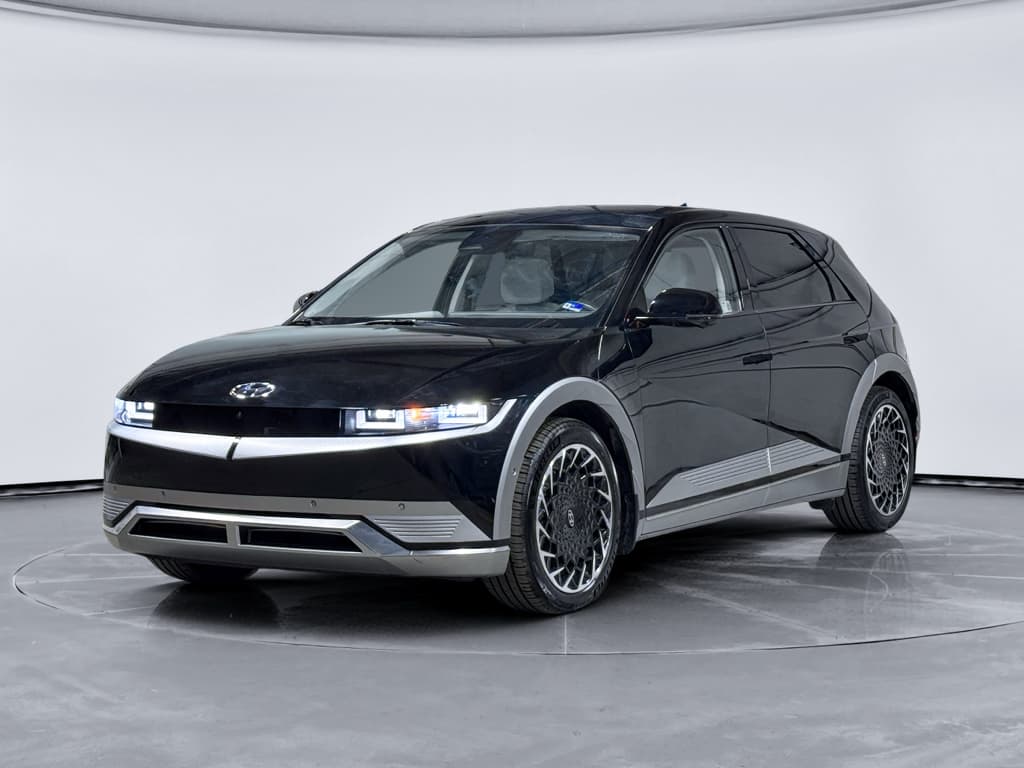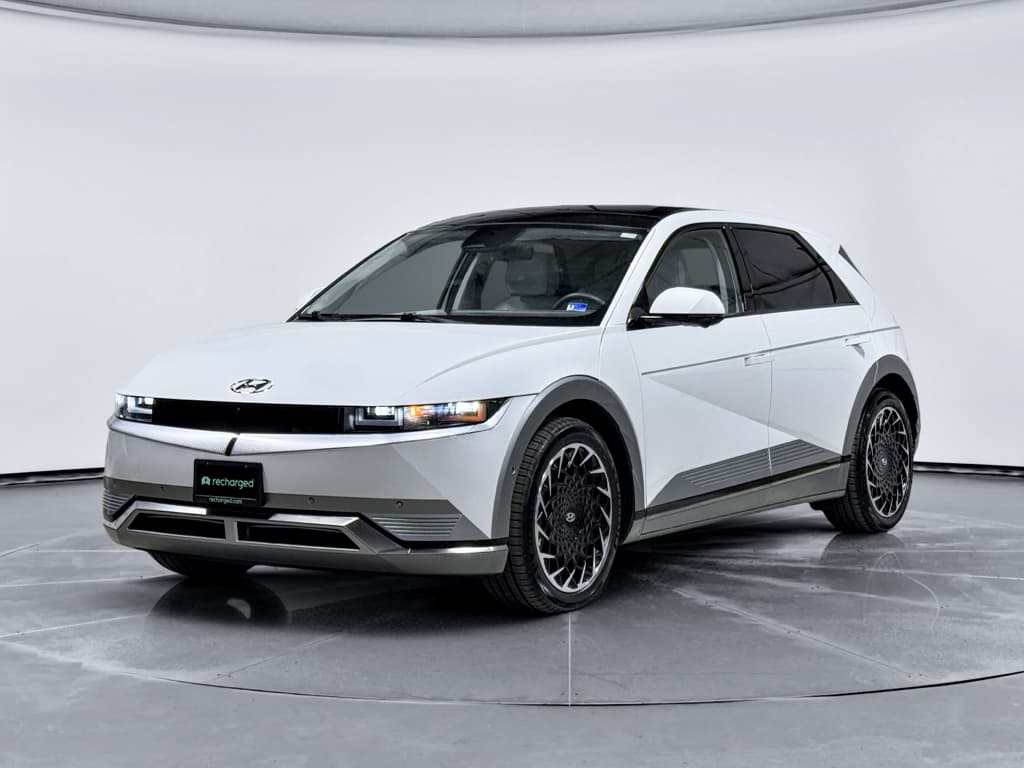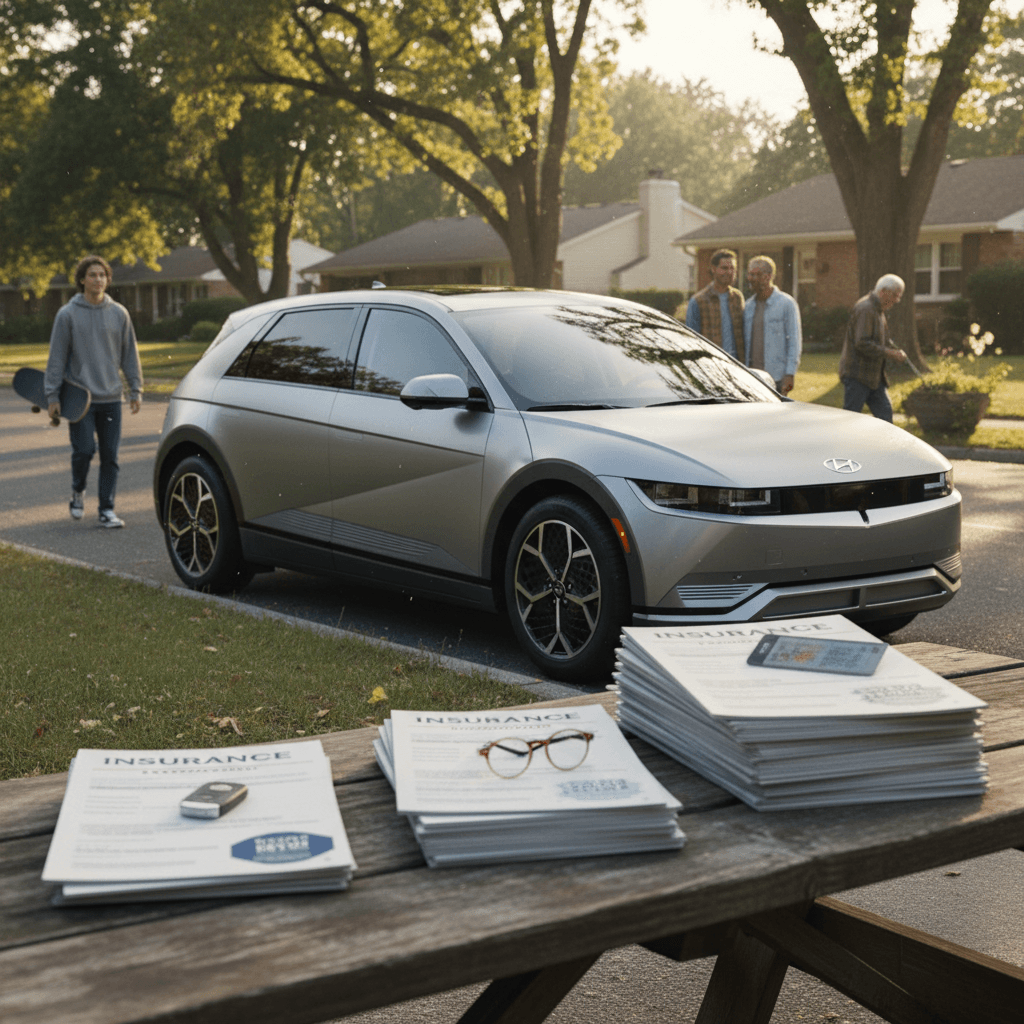
If you’re shopping for a Hyundai Ioniq 5, you’ve probably already compared battery range, trims, and prices. The next big question is insurance, especially how Hyundai Ioniq 5 insurance rates change by age. Whether you’re a first‑time EV buyer in your 20s or downsizing to an electric SUV in retirement, age plays a major role in what you’ll pay each year to insure an Ioniq 5.
Quick context on EV insurance
Why Hyundai Ioniq 5 insurance is different from a gas SUV
Before we break down Hyundai Ioniq 5 insurance rates by age, it helps to understand why insuring an electric crossover like this can feel different from insuring, say, a Tucson or CR‑V. Age is a huge factor, but insurers are also reacting to the specifics of modern EVs.
3 reasons EVs like the Ioniq 5 can cost more to insure
Age matters, but so do repair costs and tech
Expensive battery & parts
High‑tech body & sensors
Very safe, but newer
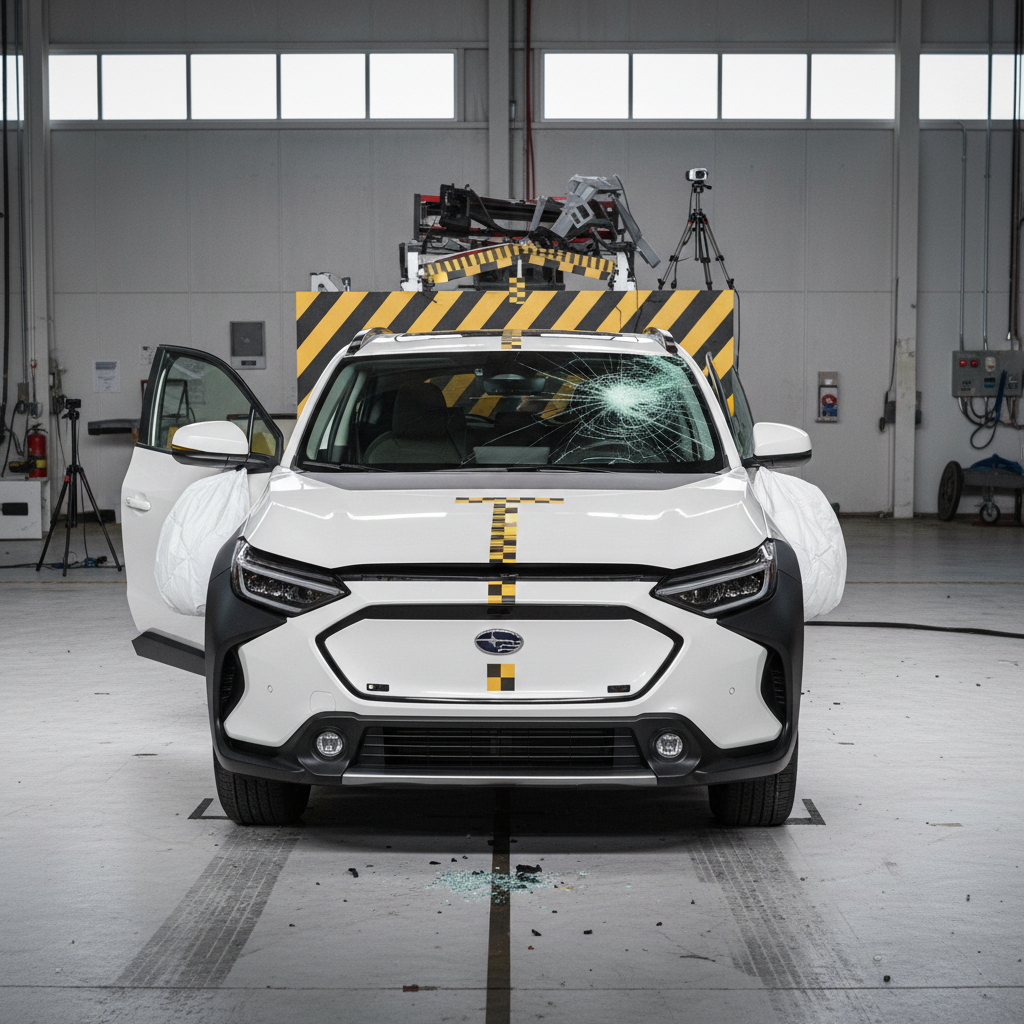
On the plus side, the Ioniq 5’s safety credentials are excellent. Recent IIHS awards list the 2025 Ioniq 5 as a TOP SAFETY PICK+, their highest rating, which tells insurers this is a structurally sound EV with strong crash performance and advanced safety features. That safety story can help temper higher repair costs for many age groups.
How age changes Hyundai Ioniq 5 insurance rates
Insurers price policies around risk, and age is one of the most powerful predictors of that risk. The pattern is the same whether you’re driving a gas SUV or an Ioniq 5:
- Teens and early 20s: Highest rates of crashes and claims, so premiums are steep, especially on a newer EV.
- Mid‑20s to late 30s: Rates drop quickly as you build driving history and claims data, assuming a clean record.
- 40s and 50s: Often the lowest average premiums per driver, this is the "insurance sweet spot" for many Ioniq 5 owners.
- 60s and early 70s: Still favorable, but rates may stop falling and can creep up slowly.
- Late 70s and 80s: Some insurers raise rates again or tighten underwriting as reaction times, vision, and claim severity become concerns.
Your age ≠ your exact price
Estimated Hyundai Ioniq 5 insurance rates by age group
Every insurer prices policies differently, and the Ioniq 5 doesn’t have a single nationwide rate table. But based on recent EV insurance studies, broad U.S. averages by age, and what we’re seeing from Ioniq 5 owners, you can sketch a ballpark range for full‑coverage premiums. Think of these as directional estimates for a driver with a clean record, typical annual mileage, and standard deductibles in a medium‑cost state.
Ballpark annual full‑coverage Hyundai Ioniq 5 premiums by age
Approximate ranges for a typical driver, combining general age‑based insurance data with EV pricing trends. Your quote may be higher or lower based on state, coverage, and personal history.
| Driver age | Typical Ioniq 5 premium range* | How it compares to a similar gas SUV |
|---|---|---|
| 16–19 (on own policy) | $4,000–$6,500 | Often 40–80% higher than a compact gas SUV for the same teen |
| 16–19 (added to parents) | + $1,800–$3,000 to parents’ policy | Still expensive, but cheaper than a solo teen policy |
| 20–24 | $3,000–$4,500 | Roughly double what a 40‑year‑old might pay for the same Ioniq 5 |
| 25–29 | $2,400–$3,600 | Dropping quickly if you keep your record clean and avoid lapses |
| 30–39 | $2,000–$3,000 | Starting to normalize; often 10–30% more than a gas SUV |
| 40–54 | $1,800–$2,700 | Frequently the lowest age‑based pricing for Ioniq 5 owners |
| 55–69 | $1,900–$2,900 | Still favorable; discounts for long, clean histories are common |
| 70–79 | $2,200–$3,400 | Some carriers begin nudging rates upward again |
| 80+ | $2,800–$4,000+ | Fewer carriers will write new policies; rates and underwriting can be tighter |
These ranges assume a relatively new Ioniq 5 and full‑coverage limits in line with many lenders’ requirements.
How to use these ranges
Other factors that move Ioniq 5 insurance up or down
Age is one of the big levers, but it’s not the only one. Two Ioniq 5 drivers the same age can see very different premiums depending on where and how they drive.
Factors that usually raise your rate
- High‑risk ZIP codes: Dense traffic, higher theft or vandalism, and frequent severe weather claims.
- Long commutes and high annual mileage: More time on the road means more exposure to risk.
- Lower deductibles: A $250 comprehensive/collision deductible can cost noticeably more than $1,000.
- Prior at‑fault crashes or tickets: Especially within the last three to five years.
- Lapses in coverage: Going uninsured, even briefly, can spook underwriters.
Factors that often lower your rate
- Bundling policies: Combining auto and home/renters with one carrier can trim 10–25% in some cases.
- Higher deductibles: If you can comfortably handle a $1,000 claim, raising deductibles can cut annual costs.
- Telematics/"safe driver" programs: Letting your insurer track driving habits can unlock discounts if you drive smoothly and at lower‑risk times.
- Strong credit where allowed: In many states, credit‑based insurance scores still matter.
- Shopping around: Different carriers treat Hyundai and Kia EVs very differently; quotes can vary by over $1,000 a year.
Watch for carrier limits on Hyundai/Kia
Tips for teens and 20‑somethings insuring an Ioniq 5
Younger drivers, especially those under 25, see the biggest insurance penalty on an Ioniq 5. You’re combining a relatively new, high‑value EV with limited driving history. That doesn’t mean insuring one is impossible, but you need to be strategic.
Smart moves for younger Ioniq 5 drivers
1. Stay on a parents’ policy if possible
For teens and many 20‑somethings living at home, being added as a driver on a parents’ multi‑car policy is usually far cheaper than a solo policy, especially on an Ioniq 5.
2. Choose higher deductibles you can actually afford
If you’ve built some savings, bumping deductibles from $500 to $1,000 can materially lower your premium. Just be honest about what you could pay out of pocket after an accident.
3. Consider trim and wheel choices
An Ioniq 5 with the largest wheels and most expensive trim can cost more to repair, and more to insure, than a simpler SE/SEL with smaller wheels and fewer cosmetic extras.
4. Ask about good‑student and training discounts
Many carriers offer discounts for GPA thresholds, defensive‑driving courses, or clean driving programs. These stack on top of EV and multi‑car discounts.
5. Log miles accurately
If you mostly work from home and drive fewer miles than average, make sure your quote reflects that. Some telematics apps reward low‑mileage, daytime driving.
6. Get quotes before you buy
Don’t fall in love with a specific Ioniq 5 until you’ve priced insurance on it. Changing from a different EV or gas compact SUV can push your premium up or down more than you expect.
Lowering Ioniq 5 insurance in your 30s and 40s
If you’re in your 30s or 40s, you’re in the demographic sweet spot for Ioniq 5 insurance. You’ve usually built up years of driving data, maybe own a home, and often qualify for the best multi‑policy discounts. At this stage, you’re fine‑tuning, not fighting against the tide.
Dialing in your Ioniq 5 policy in midlife
You’re in a good age bracket, make the most of it
Right‑size your coverage
Optimize deductibles vs. savings
Shop at renewal, not just at purchase
How the Ioniq 5’s safety record can help your premium
One of the Ioniq 5’s best arguments at any age is its safety story. Recent IIHS testing gives the 2025 Ioniq 5 a TOP SAFETY PICK+ award under stricter criteria, and earlier model years have also earned strong crash scores and praise for their advanced driver‑assistance systems.

- Structural integrity: A strong passenger cell and well‑designed crumple zones help reduce injury severity in real‑world crashes.
- Standard ADAS features: Forward collision‑avoidance assist, lane‑keeping assist, blind‑spot monitoring, and more come on most trims and can prevent accidents outright.
- Good visibility and braking: The Ioniq 5’s braking and visibility scores give underwriters confidence that drivers can avoid or lessen many impacts.
Use safety to your advantage
Insuring a used Hyundai Ioniq 5 vs. new
If you’re looking at a used Hyundai Ioniq 5, exactly the kind of vehicle you’ll find on Recharged, your insurance picture can look slightly different from a brand‑new one rolling off the lot. The age of the car interacts with your age to shape the premium.
Why a used Ioniq 5 can cost less to insure
- Lower vehicle value: As the purchase price drops, the maximum potential claim usually falls too, especially for collision and comprehensive.
- More real‑world data: By 2026, insurers have multiple model years of Ioniq 5 claims to study, which can stabilize pricing.
- Flexible coverage choices: On an older Ioniq 5 with no loan, some owners raise deductibles or even drop certain coverages to match the car’s value.
When a used Ioniq 5 might not save much
- High‑risk driver or location: If your age, record, or ZIP code dominate the risk profile, vehicle age matters less.
- High trim levels: A used Limited or high‑feature spec can still be expensive to fix, keeping premiums elevated.
- Older driver bands: For 70‑plus drivers, age‑related pricing can overshadow the small savings from a used vehicle.
How Recharged can help here
Step‑by‑step: getting the best Ioniq 5 quote for your age
Regardless of whether you’re 22 or 62, the process of finding a solid Ioniq 5 rate looks similar. The key is being organized and comparing the right details across insurers.
Step‑by‑step Ioniq 5 insurance shopping checklist
1. Decide on coverage before you quote
Know your desired liability limits, comprehensive/collision deductibles, and whether you need extras like rental reimbursement. That way, each quote is apples‑to‑apples.
2. Gather your driving details
Have your license number, annual mileage estimate, prior insurance history, and any tickets or claims for the past five years ready to go.
3. Get at least 3–5 quotes
Include a mix of big national carriers and a few regional or mutual insurers. Some are particularly EV‑friendly; others aren’t yet.
4. Quote multiple vehicles if you’re still shopping
If you’re torn between an Ioniq 5 and another EV, or a gas SUV, quote them all. For some age bands, the EV premium gap is surprisingly small; for others it’s larger.
5. Ask directly about EV and safety discounts
Some insurers now offer explicit EV discounts or reward specific safety packages. Don’t assume they’re applied automatically.
6. Re‑quote after big life changes
Marriage, homeownership, a move to a new ZIP code, or paying off your Ioniq 5 loan can all justify re‑shopping your policy.
Hyundai Ioniq 5 insurance by age: FAQs
Frequently asked questions about Ioniq 5 insurance rates by age
Bottom line: what to expect from Ioniq 5 insurance at your age
When you zoom out, Hyundai Ioniq 5 insurance rates by age follow the same curve as any car: very high for teens and early 20‑somethings, improving steadily into your 30s and 40s, and then flattening or creeping up in later decades. What’s different is the Ioniq 5’s position as a high‑tech electric SUV with strong safety scores and above‑average repair costs.
If you’re young, your best tools are sharing a policy with family, driving clean, and choosing deductibles wisely. In your 30s–50s, it’s about fine‑tuning coverage, bundling, and shopping at renewal. For older drivers, it’s often balancing coverage with realistic annual mileage and considering slightly lower‑value used examples.
Wherever you sit on the age curve, don’t guess. Grab a few real quotes on the Ioniq 5s you’re considering, and compare them to other EVs and gas SUVs on your shortlist. If you’re leaning toward a used Hyundai Ioniq 5, Recharged can help you see not just the vehicle’s battery health and fair price, but also how its total cost of ownership, including insurance, fits your budget today and as your life changes.