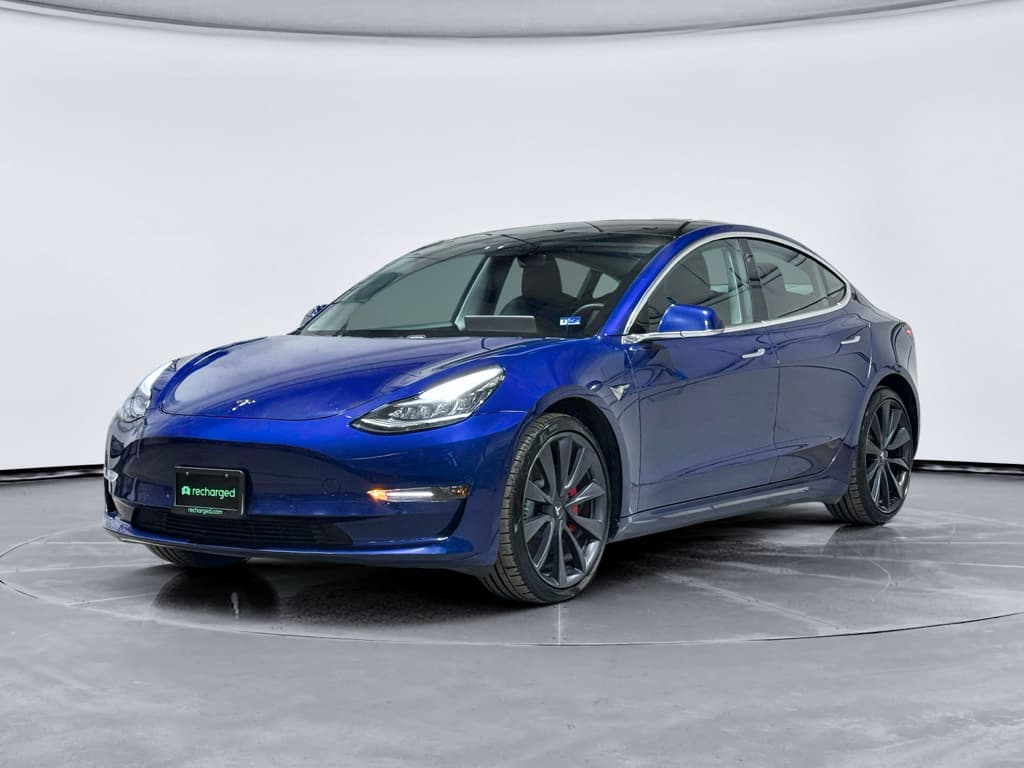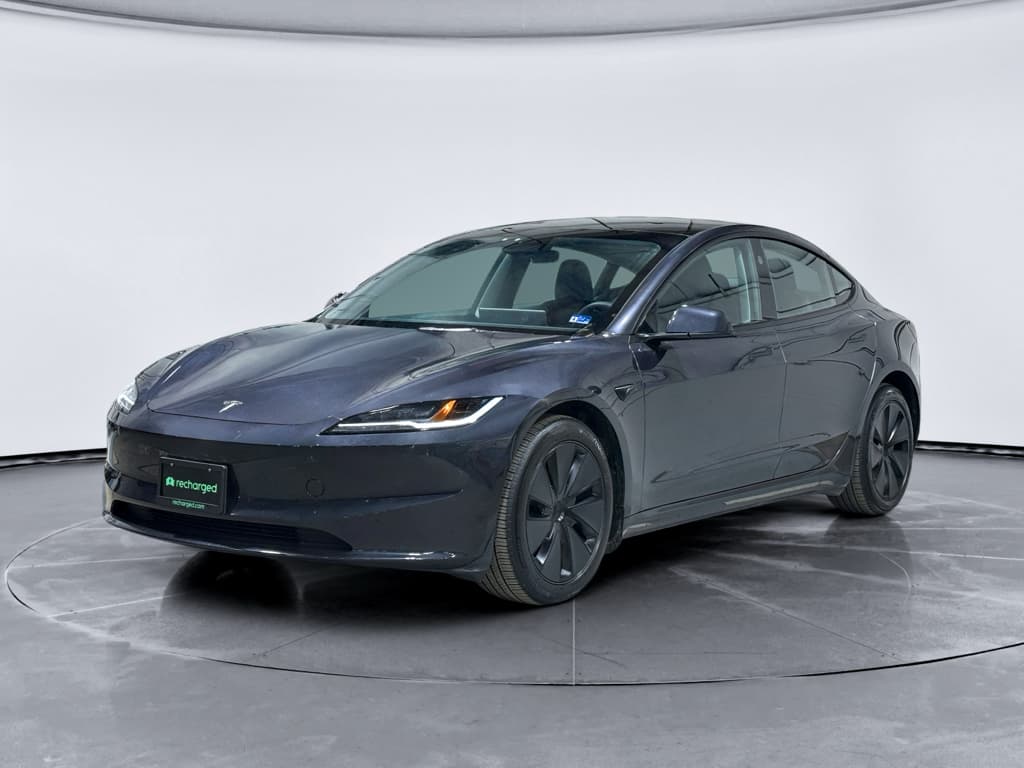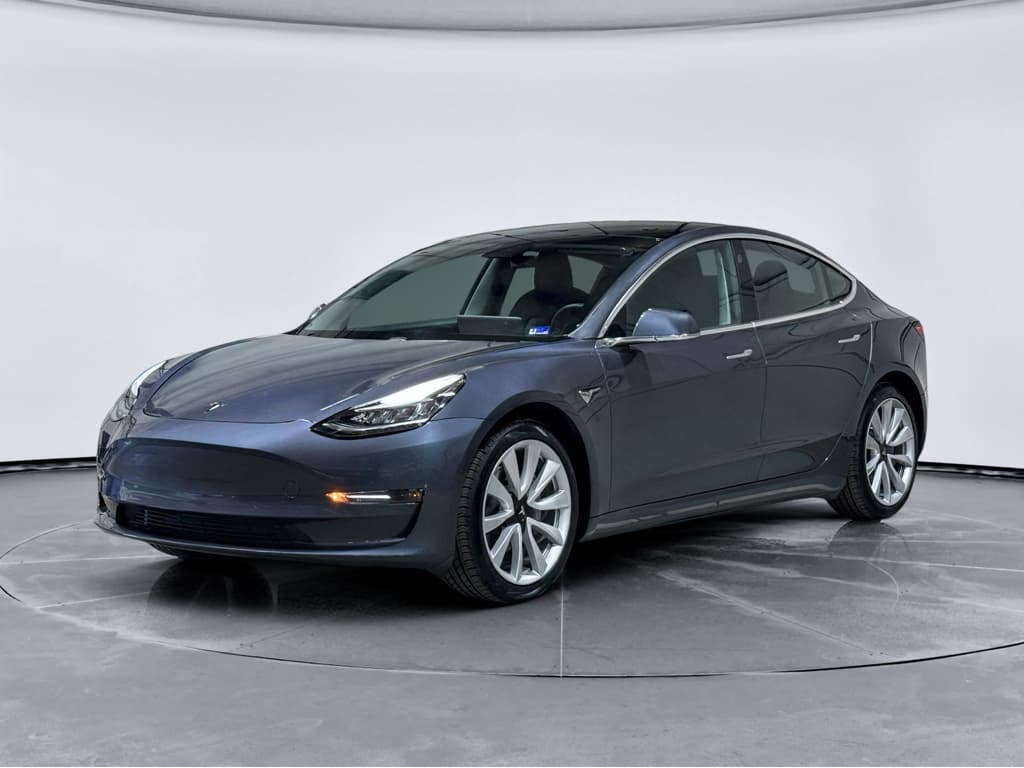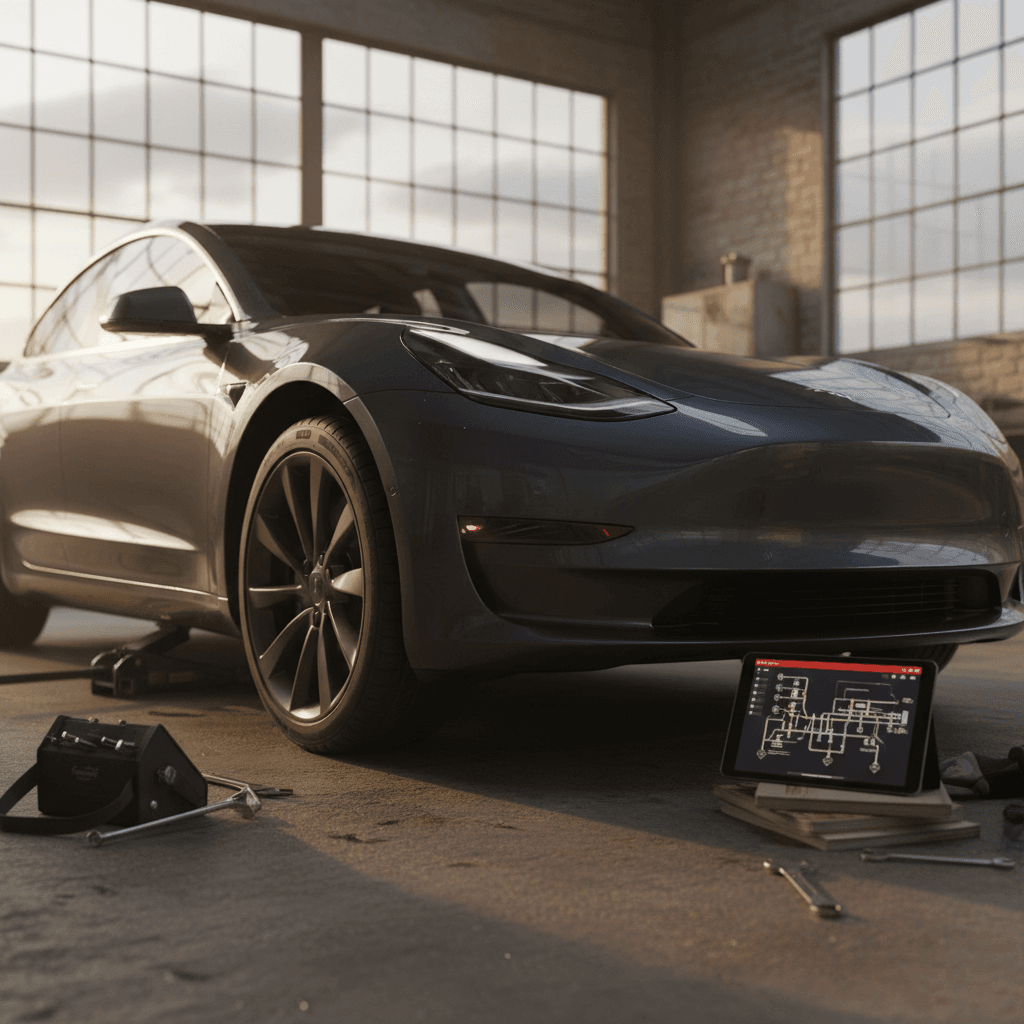
If you own, or are eyeing, a 2025 Tesla Model 3, you’ve probably heard about recalls popping up in the news. The good news: recalls are fixes, not death sentences. This guide pulls together the current 2025 Tesla Model 3 recalls list, explains what each one does in plain English, and helps you understand what it means for ownership or for buying a used Model 3.
First things first: recall info changes
Overview: 2025 Tesla Model 3 recalls so far
By the 2025 model year, the Tesla Model 3 was no stranger to the National Highway Traffic Safety Administration (NHTSA). For 2025‑vin Model 3s built for the U.S. market, two high‑profile federal safety recalls stand out:
- A software‑related recall that can cause the rearview camera image not to display when you shift into Reverse.
- A hardware/software recall involving the high‑voltage battery pack contactor that can cause an unexpected loss of power while driving.
On top of those, there are a few regional or limited campaigns (like restraint‑control calibrations in the UAE) and service bulletins that might not show up as full U.S. safety recalls but can still matter if you’re importing or looking at cars that have spent time abroad.
2025 Tesla Model 3 safety picture at a glance
Quick 2025 Tesla Model 3 recalls list
Here’s a quick side‑by‑side look at the major U.S. safety recalls that include the 2025 Tesla Model 3 as of early 2026.
Major 2025 Tesla Model 3 recalls (U.S.)
Always confirm the latest details using your VIN on Tesla’s recall page or NHTSA’s lookup tool, as eligibility can depend on build date, hardware, and software version.
| NHTSA campaign | Tesla campaign ID | Issue | Model years affected (incl. Model 3) | Approx. affected 2025 Model 3s | Remedy type |
|---|---|---|---|---|---|
| 25V002 | SB-25-00-0xx* | Rearview camera image may fail to display due to onboard computer short / software fault | 2024–2025 Model 3 (plus certain S, X, Y) | Subset of 2024–2025 cars with specific computers & software | Over‑the‑air (OTA) software update; no parts needed |
| 25V690 | SB-25-16-005 | High‑voltage battery pack contactor can fail, causing sudden loss of drive power | 2025 Model 3, 2026 Model Y | About 5,038 2025 Model 3 sedans | Service visit for inspection and battery‑pack contactor repair or replacement |
| Regional / limited | SB-25-20-002 (example) | Restraint Control Module (RCM) reconfiguration and recalibration | Certain 2025 Model 3 vehicles in specific markets (e.g., UAE) | Small, market‑specific population | Service visit; typically software reconfiguration and calibration |
Key U.S. safety recalls that explicitly list the 2025 Tesla Model 3 model year.
About those campaign IDs
Recall 25V002: Rearview camera image may not display
The first big 2025 Model 3 recall landed in early 2025 and centered on something you don’t think about until it fails: your backup camera. Certain 2024–2025 Model 3s (plus S, X, and Y) left the factory with a combination of specific onboard computer hardware and early software that could allow the computer to short out. When that happened, one of the first symptoms could be a lost rearview camera image when you shift into Reverse.
The recall itself is straightforward. Tesla filed it with NHTSA under campaign number 25V002. Not every 2025 Model 3 is swept in, only a subset with the affected computer hardware that had not yet been updated to later software releases.
Rearview camera recall: the essentials
What it is, how it shows up, and how Tesla fixes it.
The defect
The vehicle’s central computer can experience an overvoltage condition and short internally. When that happens, the rearview camera image may not appear when you select Reverse, and other safety functions tied to that computer can be affected.
Why it matters
Federal standards require a working rearview image when you back up. If the camera feed is blank or delayed, it can increase crash risk, especially in tight parking or with kids and pedestrians behind the car.
The fix
Tesla rolled out an over‑the‑air software update that changes how the system handles power to that computer and reduces the chance of a short. If your car is in the affected VIN range, installing the specified software release completes the recall.
- Symptoms you might notice: black or frozen backup‑camera display; other infotainment or driver‑assistance functions acting up at the same time.
- Risk window: greatest before you install the updated software; once the recall software is applied, the risk is dramatically reduced.
- Owner cost: none. If your car needs anything beyond the OTA update, Tesla covers that under the recall.
Pro tip: don’t ignore software updates
Recall 25V690: Battery pack contactor can cause power loss
The second major 2025 Model 3 recall is the one that makes headlines: a possible loss of drive power while you’re on the road. In fall 2025, Tesla filed a safety recall covering roughly 12,963 vehicles, about 5,038 of them 2025 Model 3 sedans and the rest 2026 Model Y crossovers.
At the heart of it is the high‑voltage battery pack’s contactor, the heavy‑duty switch that connects and disconnects the battery from the rest of the car. Some packs built with a specific supplier’s solenoid parts were found to be vulnerable to internal breakdown, which could cause the contactor to open unexpectedly.
Battery contactor recall: what 25V690 actually means
A closer look at a scary‑sounding recall.
What can happen
If the contactor fails while you’re driving, the car can suddenly lose propulsion. Steering and braking remain, but you won’t have power to accelerate. In some cases, warning messages may appear before the loss of power; in others, it may be abrupt.
What Tesla does about it
Unlike the camera recall, this one is not just a software push. Affected cars are called into service centers where technicians inspect the battery pack contactor and related hardware. If your pack is built with the suspect components, Tesla repairs or replaces parts as necessary under the recall.
- Campaign identifiers: NHTSA campaign 25V690; Tesla internal campaign reference SB‑25‑16‑005 for the Model 3 population.
- Build range: 2025 Model 3s built during a specific production window with the InTiCa‑supplied contactor components (Tesla and NHTSA list exact build dates and VIN ranges in campaign documents).
- Driving reality: Most owners will never experience a failure, but the consequences are serious enough that NHTSA pushed for a formal safety recall rather than an informal service campaign.
If your car starts warning you
Regional or limited campaigns affecting 2025 cars
Beyond the big federal recalls, Tesla also issues market‑specific service bulletins and campaigns. One example: a bulletin covering certain 2025 Model 3s in the United Arab Emirates that needed their Restraint Control Module (RCM) reconfigured and recalibrated. That one appears under an internal bulletin number (SB‑25‑20‑002) and isn’t a broad U.S. safety recall at all.
Why this matters to U.S. shoppers
If you’re buying a 2025 Model 3 that has spent its life in the U.S., most regional bulletins won’t touch you. But with EVs crossing borders more often, it’s smart to ask for full service history on any imported or re‑registered car.
Where to look
- Ask the seller for a service history printout from Tesla.
- Run the VIN through both U.S. NHTSA and your local regulator if the car has foreign plates in its past.
- Have a trusted EV specialist review any outstanding international campaigns.
Service bulletins vs. recalls
How to check if your 2025 Model 3 is under recall
The internet is full of recall headlines, but what matters is your specific car. Every 2025 Model 3 has a unique VIN and build configuration, and Tesla tracks recalls at that level.
Step-by-step: confirm open recalls on your 2025 Model 3
1. Grab your VIN
You’ll find the 17‑digit VIN at the base of the windshield, on the driver’s door jamb, in the Tesla app, or in the "Software" section of the car’s touchscreen.
2. Check Tesla’s recall page
Go to Tesla’s official Support → Recall Information page and enter your VIN. This will show any <strong>open safety recalls</strong> and often links to details about each campaign.
3. Run an NHTSA VIN lookup
Visit the NHTSA recall lookup site and plug in the same VIN. This is a good cross‑check and will show federal safety recalls that haven’t yet been marked complete for your car.
4. Review your software version
For campaigns like the rearview camera recall, the fix may be a <strong>specific software release</strong>. Compare your version to the one listed in the recall notice or Tesla’s support article.
5. Check the Tesla app for messages
Tesla often pushes <strong>recall messages and scheduling prompts</strong> directly through the app. If you see a recall banner, tap through and follow the instructions to book service.
6. Ask for a service history printout
If you’re buying a used 2025 Model 3 from a dealer or private seller, ask them to provide a <strong>recent service history report</strong>. Open recalls or campaigns should be obvious there.
Good news for owners and buyers
What it’s actually like to live with a recalled Tesla
If you’re new to EVs, or Tesla specifically, the word “recall” can sound catastrophic. In practice, most Tesla recalls feel more like extended software updates than a traditional wrench‑and‑lift saga at your local dealer. That’s especially true for the camera‑and‑computer campaigns, where the remedy is an over‑the‑air update you install in your driveway.
Day-to-day with a software recall
For the 25V002 camera recall, many owners simply woke up to a notice that a new software version was available. Install it, and the recall is logged as complete. No loaner car, no lost Saturday, no stack of paperwork.
When hardware is involved
For 25V690 and similar hardware‑heavy recalls, you’ll schedule a visit to a Tesla Service Center or mobile service appointment. Expect a more traditional experience here: drop‑off, inspection, and parts replacement if needed. The difference is that Tesla service history is digital and easy to verify later.
Don’t normalize warning lights
Shopping used? How recalls affect 2025 Model 3 buyers
If you’re hunting for a used 2025 Model 3, you’re doing the right homework by looking up recalls. A well‑documented recall history can actually be a green flag: it means issues were identified and fixed under factory control, not ignored in someone’s driveway.
Reading recalls the right way when you’re buying used
What matters, and what doesn’t, on a 2025 Model 3.
Look for completion, not perfection
A car with a couple of closed recalls often looks better than one with no service history at all. What you want is a clean, completed record for 25V002, 25V690, and any later safety campaigns.
Ask for documentation
Dealers and private sellers should be able to show service invoices or Tesla app screenshots confirming recall work is done. If they can’t, assume you’ll be the one scheduling the fix.
Watch for deeper patterns
Recalls fix design‑level issues. But if the car also shows frequent unscheduled repairs, especially around the battery, high‑voltage system, or driver‑assist hardware, factor that into your offer.
At Recharged, every used EV we sell comes with a Recharged Score Report that covers battery health, fair market pricing, and a review of open recalls and major campaigns. That means you’re not squinting at a VIN and guessing, you’re seeing how this specific 2025 Model 3 stacks up against the broader fleet.
When a recall can help your negotiation
Owner checklist: What to do if your 2025 Model 3 has a recall
Practical to‑do list for 2025 Model 3 owners
Confirm exactly which campaigns apply
Run your VIN through Tesla’s recall page and NHTSA’s lookup. Note the campaign numbers (25V002, 25V690, etc.) and whether they’re open or already marked complete.
Prioritize safety-critical issues
If you’re under the battery contactor recall or seeing high‑voltage warnings, <strong>book service immediately</strong>. Camera‑only issues are important too, but power‑loss risks go to the front of the line.
Keep your software current
Don’t postpone updates for weeks. Set aside time to install new releases, especially if they’re tied to recall campaigns. It’s the EV equivalent of changing your oil when the light comes on.
Document everything
Save screenshots of recall notices, service appointments, and completion notes in the Tesla app. If you ever sell the car, this paper trail helps reassure the next owner.
Coordinate around your schedule
For hardware campaigns, ask Tesla about <strong>loaners, Uber credits, or mobile service</strong>. You may have more options than you think, especially if the recall is time‑sensitive.
If you’re selling, fix recalls first
A 2025 Model 3 with no open recalls, and documentation to prove it, is easier to sell and often commands stronger offers, whether you’re listing it yourself or trading to a marketplace like <strong>Recharged</strong>.
2025 Tesla Model 3 recall FAQ
Common questions about 2025 Model 3 recalls
The 2025 Tesla Model 3 is a thoroughly modern electric sedan living in a very modern regulatory world, one where recalls are announced, tracked, and (in many cases) fixed without owners ever setting foot in a service bay. Knowing the current 2025 Tesla Model 3 recalls list, how each campaign works, and how to verify repairs puts you in control, whether you’re already driving one or shopping used. If you want a second set of eyes on battery health, open recalls, and pricing before you commit, a marketplace like Recharged can help you line up the numbers, the safety record, and the story behind the car long before you ever hit "Buy."