A five-figure original sticker price doesn’t guarantee that a used luxury EV is a good buy. The smart purchase combines a comfortable, well-equipped car with a healthy battery and ownership costs you can sustain. Start with the model’s condition and a verified battery-health report, then decide how much the badge and features are worth to you.
The Mercedes-Benz EQS is the strongest documented value
The Mercedes-Benz EQS 450+ is the clearest sub-$50,000 luxury choice in Recharged’s supplied vehicle coverage. Recharged featured an example for under $40,000 after an original price of $114,000, presenting it as a large luxury sedan with almost 400 miles of range. Its roomy cargo area, comfortable cabin, driver-assistance features, heated and cooled seats, and head-up display make it feel like a flagship rather than an economy EV wearing expensive trim.
At under $40,000, the EQS 450+ brings together the range, comfort, space, and luxury equipment buyers expect from a far more expensive car.
That striking price drop is also a reminder to shop the vehicle in front of you, not its old window sticker. Test every cabin feature, review the battery report, confirm service access, and get an insurance quote before committing. The broader process in our used-EV buying guide applies even more strongly when the car has complex luxury equipment.
Which luxury EVs belong on your shortlist?
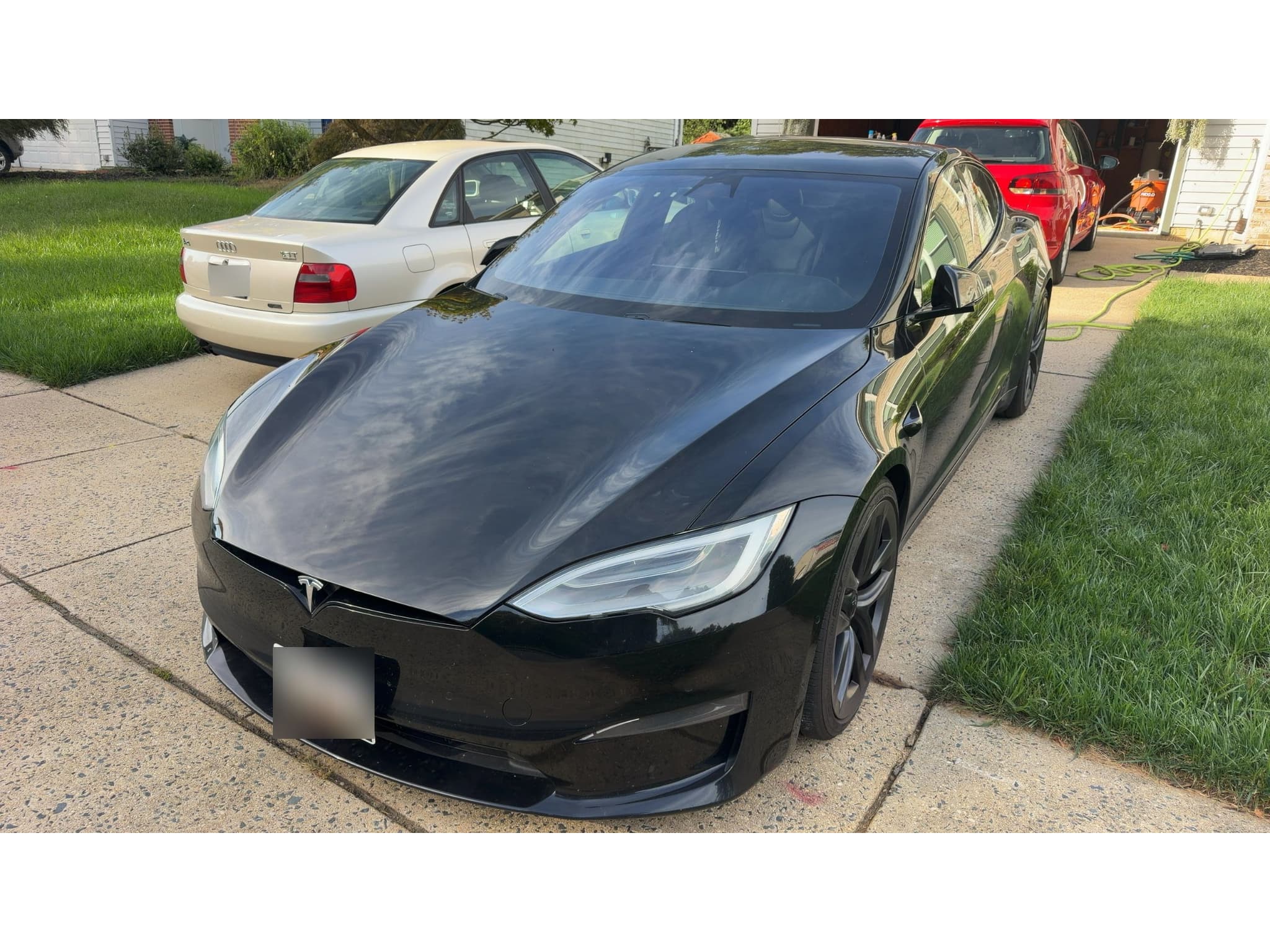
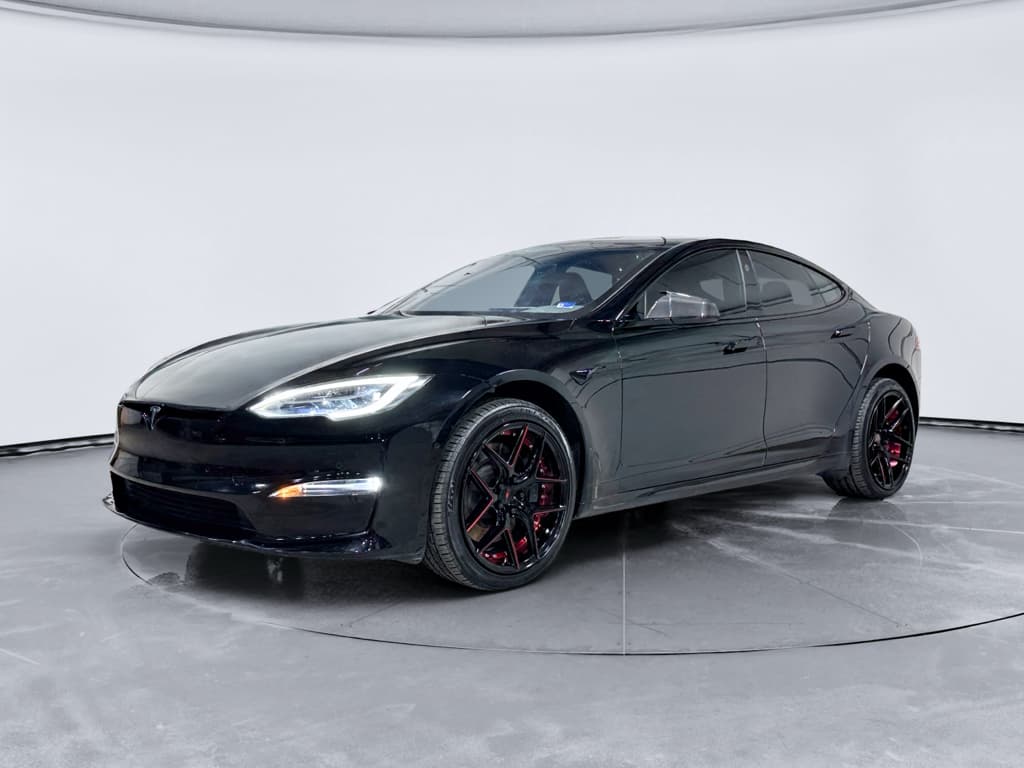
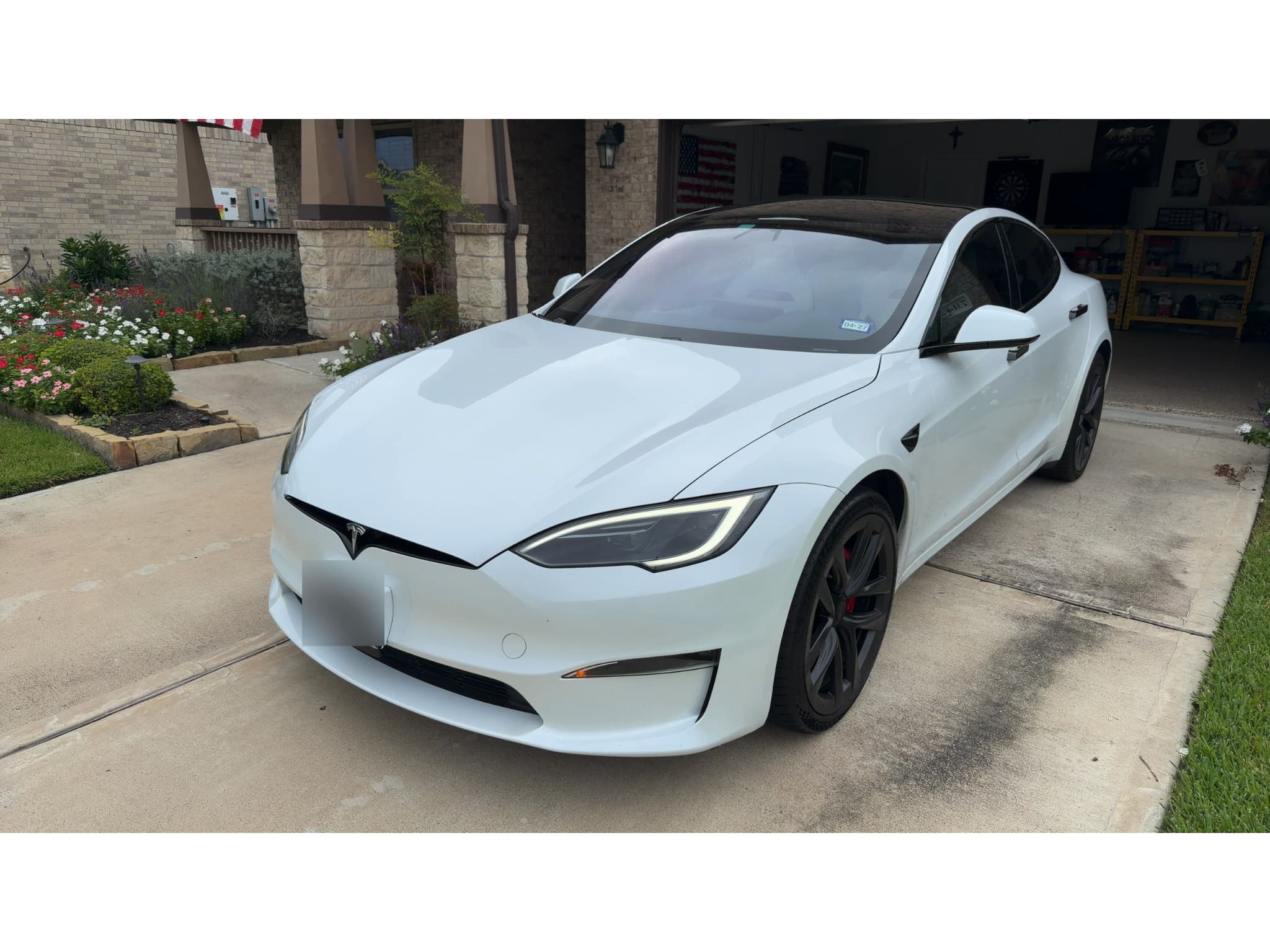
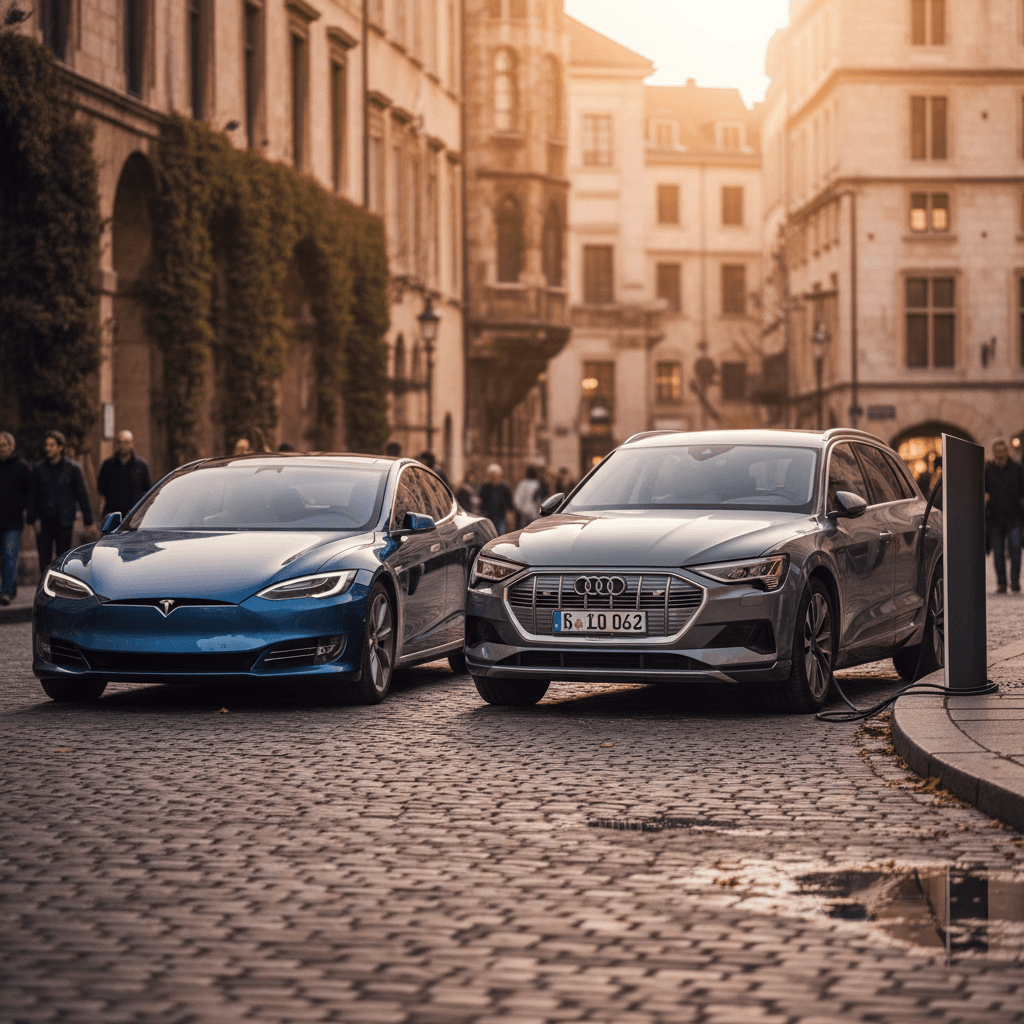
The EQS is the only model in the supplied Recharged context with a documented price below $50,000, while the other models are sensible watch-list candidates whose live prices require verification. Recharged team members also named Lucid, Lexus EVs, and the Tesla Model S among their favorite luxury electric vehicles. Availability, mileage, condition, and configuration can move an individual listing into or out of your budget.
Luxury-EV candidates to compare
Only the EQS has a sub-$50,000 price documented in the supplied Recharged context. Check current listings for every individual vehicle.
| Model | Why shortlist it | Budget evidence | Verify first |
|---|---|---|---|
| Mercedes-Benz EQS 450+ | Range-luxury balance | Recharged: under $40K | Battery and electronics |
| Tesla Model S | Team performance favorite | Check live listing | Battery and condition |
| Lucid | Team luxury favorite | Check live listing | Battery and service access |
| Lexus electric vehicle | Team praised its appeal | Check live listing | Range and charging fit |
Price evidence reflects Recharged coverage, not a guaranteed market price.

Don’t assume every heavily depreciated luxury EV has crossed below $50,000. For comparison, Recharged featured a 2023 Audi RS e-tron GT with 19,000 miles in the $60,000s, even though its original price was just under $146,000. A dramatic drop from the original price can still leave a car outside your budget.
What Recharged data says about price and battery health
Recharged’s data shows that a $50,000 ceiling gives you considerable room in the broader used-EV market, but the averages aren’t specific to luxury vehicles. Across 417 EVs listed on Recharged at the snapshot date, the median asking price was $30,997 and the average was $34,803. That means your budget can accommodate many used EVs, but a luxury model’s exact price still depends on its age, mileage, equipment, and condition.
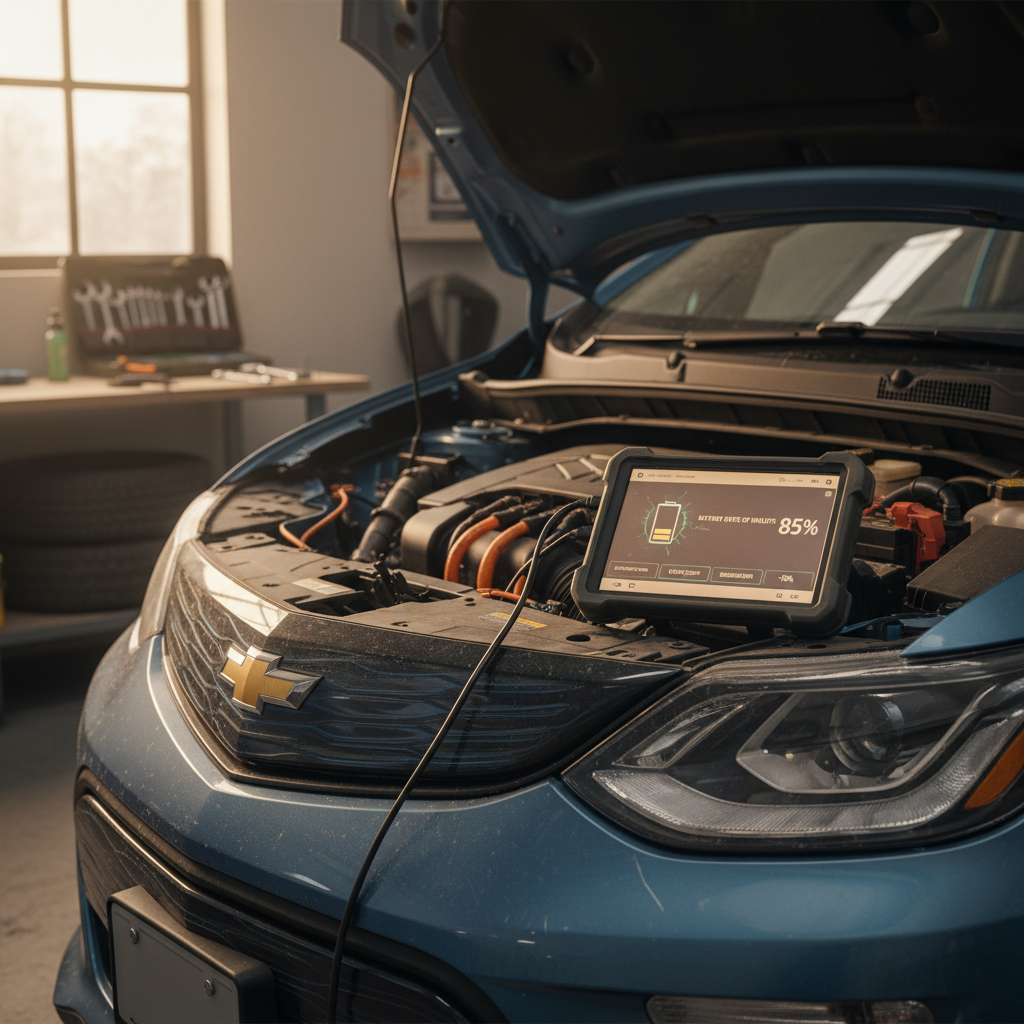
Battery results are reassuring at the fleet level, but they don’t replace an inspection of the car you’re buying. Across 2,242 Recharged Score battery inspections, tested remaining capacity averaged 93.9% of original capacity, with a 94.9% median. Tested real-world range averaged 266 miles and had a 268-mile median, although these figures cover Recharged’s inspected EV fleet rather than luxury models alone. The takeaway is simple: healthy used batteries are common in Recharged’s data, but you should still verify the individual vehicle.
A luxury badge and a low asking price can get your attention, but the battery diagnostics tell you whether the specific EV deserves to stay on your list.
Recharged data
Used EV battery health
94%
avg remaining capacity
From Recharged battery inspections, not manufacturer estimates.
- Lowest
- 63%
- Median
- 95%
- Highest
- 100%
- Est. range
- 266 mi avg
- Cell balance pass
- 100%
- Quick charges
- 18 avg
- Slow charges
- 65 avg
Average cell imbalance: 7.3 mV
Based on vehicles Recharged tested
Recharged data
Used EV prices at Recharged
$30,997
median list price
Current list prices for matching inventory at Recharged.
- Lowest
- $12,996
- Average
- $34,803
- Highest
- $146,998
Average Recharged Score on these listings
4.8 / 5
Range
3.7 – 5.0
Based on available listings
Every EV is battery-tested with a Recharged Score. Nationwide delivery.
What should you inspect before buying?
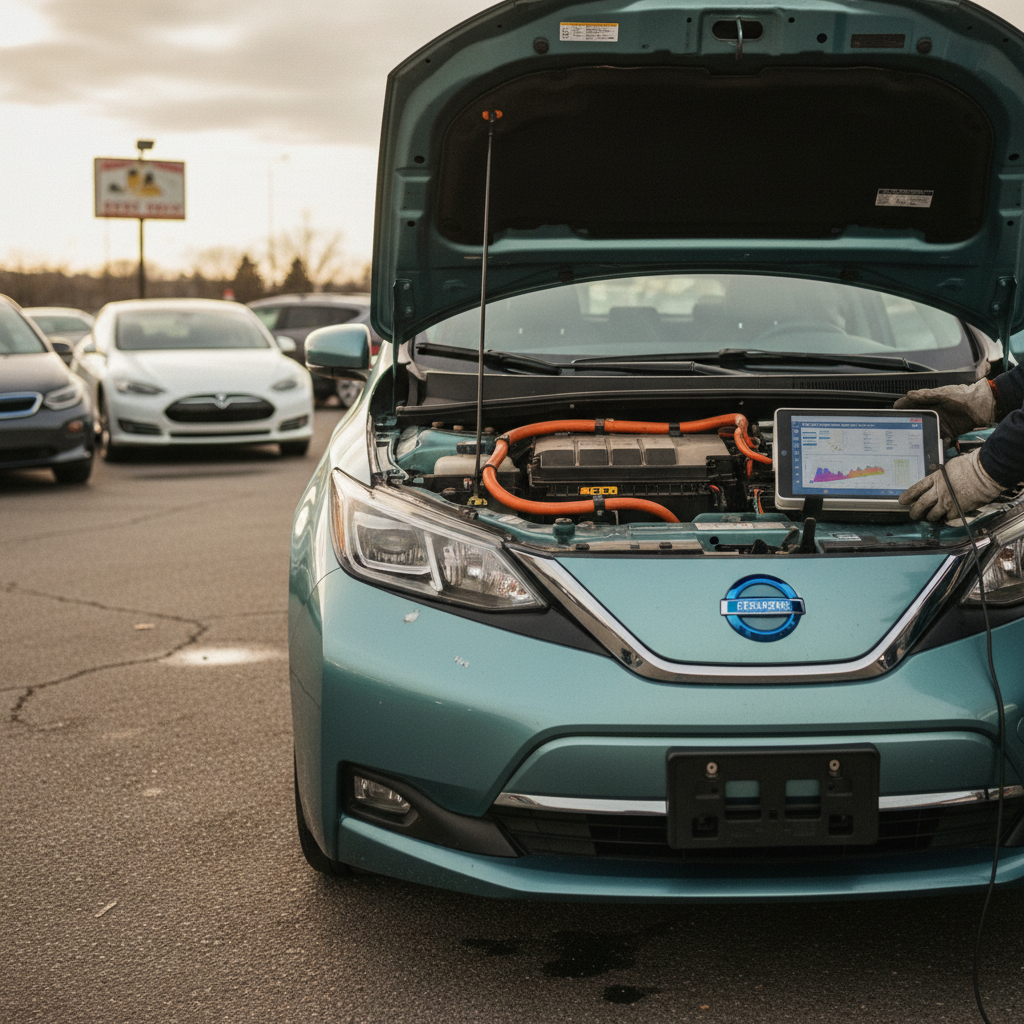
You should inspect the battery, electronics, service history, charging setup, and warranty status before buying a used luxury EV. Expensive cabin hardware and driver-assistance technology deserve the same scrutiny as the high-voltage battery. Use the following checks alongside a professional inspection and vehicle-history review.
Used luxury EV inspection checklist
Verify battery health
Review tested remaining capacity and estimated real-world range, preferably through a diagnostic report such as the Recharged Score.
Test every feature
Operate the displays, cameras, seats, climate controls, liftgate, driver-assistance functions, and charging equipment.
Confirm warranty coverage
Check which vehicle and battery warranties remain, when they expire, and whether they transfer to you.
Plan for service
Identify a qualified repair location and ask how parts, diagnostics, and routine service are handled locally.
Check your charging fit
Confirm that the car, included cables, home equipment, and regular road-trip routes work together.
Review history and condition
Examine prior damage, tires, wheels, brakes, software status, and maintenance records before agreeing to the price.
Battery capacity matters more than mileage alone
Budget beyond the purchase price
Your real budget must cover more than the advertised price. Get an insurance quote for the exact vehicle, check tire condition and replacement specifications, investigate local repair access, and determine whether you need home charging equipment. Our home EV charging guide can help you understand the installation questions before the car reaches your driveway.
Financing terms can also determine whether a lower-priced luxury EV is genuinely affordable. Compare the down payment, annual percentage rate, loan length, total interest, and any optional protection products rather than focusing only on the monthly payment. If you plan to finance, review an EV financing guide before choosing the car and loan together.
Don’t budget for a federal EV tax credit
Instant offer, trade-in, or consignment. Pickup available.
Frequently asked questions
The verdict
The Mercedes-Benz EQS 450+ is the most compelling data-backed luxury EV under $50,000 in this comparison. Its featured sub-$40,000 price shows how much comfort, equipment, space, and range can reach the used market at a fraction of the original price. Still, the best purchase is the one that combines a verified battery, fully functioning equipment, reasonable insurance, accessible service, and a payment you can comfortably manage.