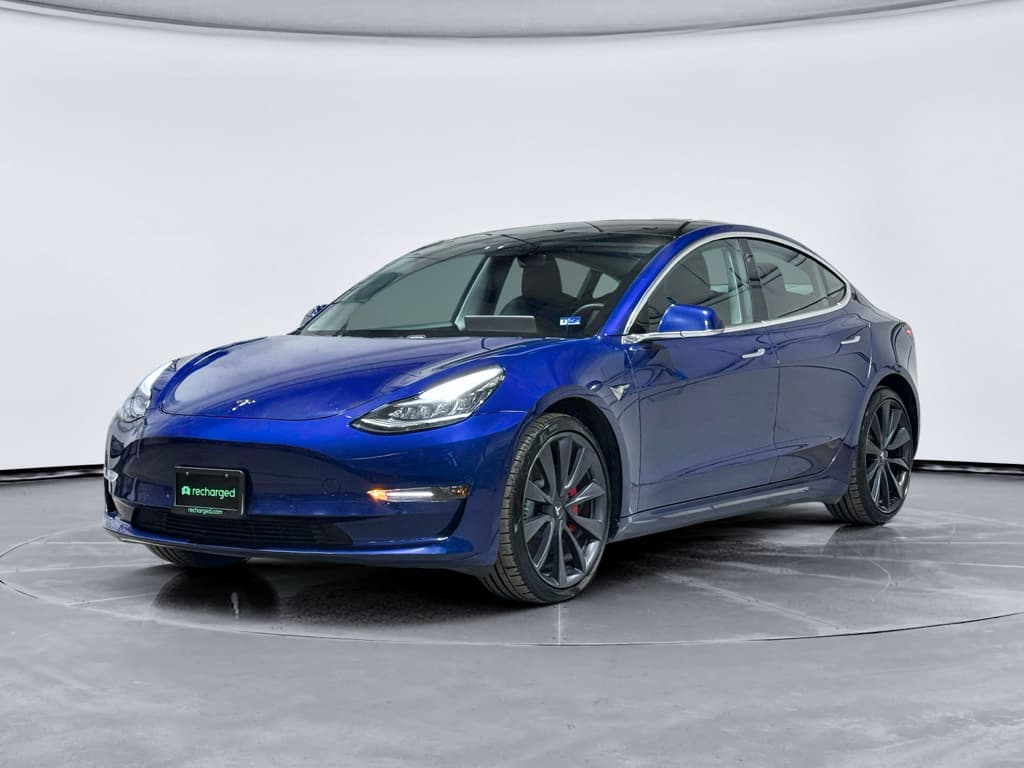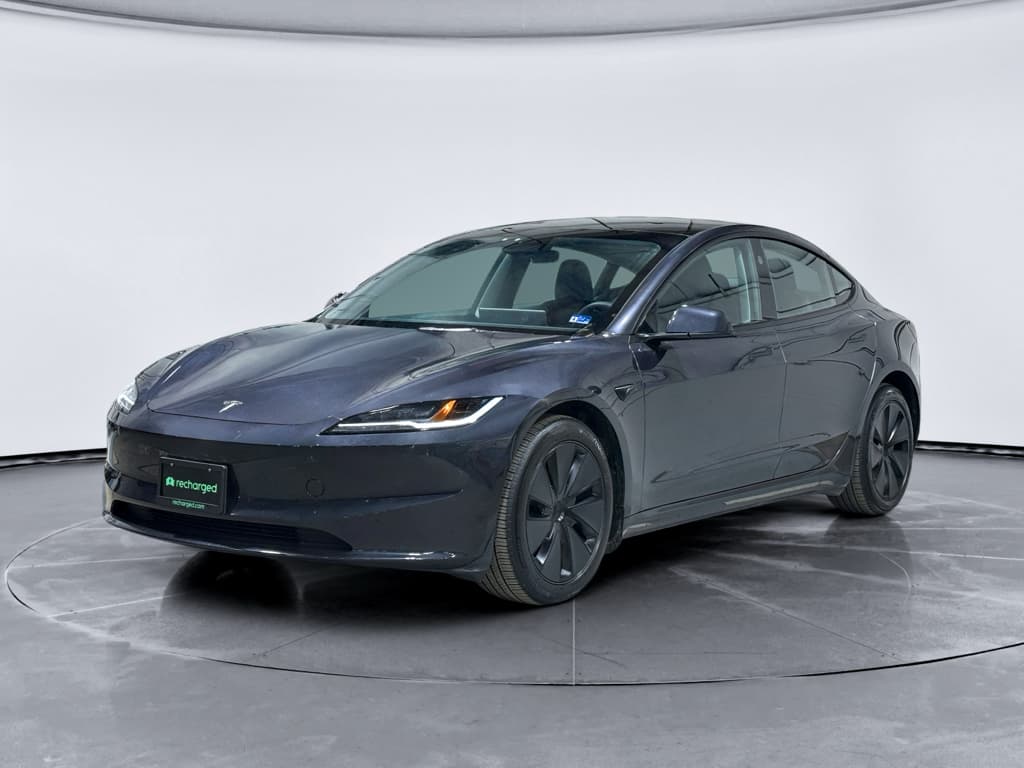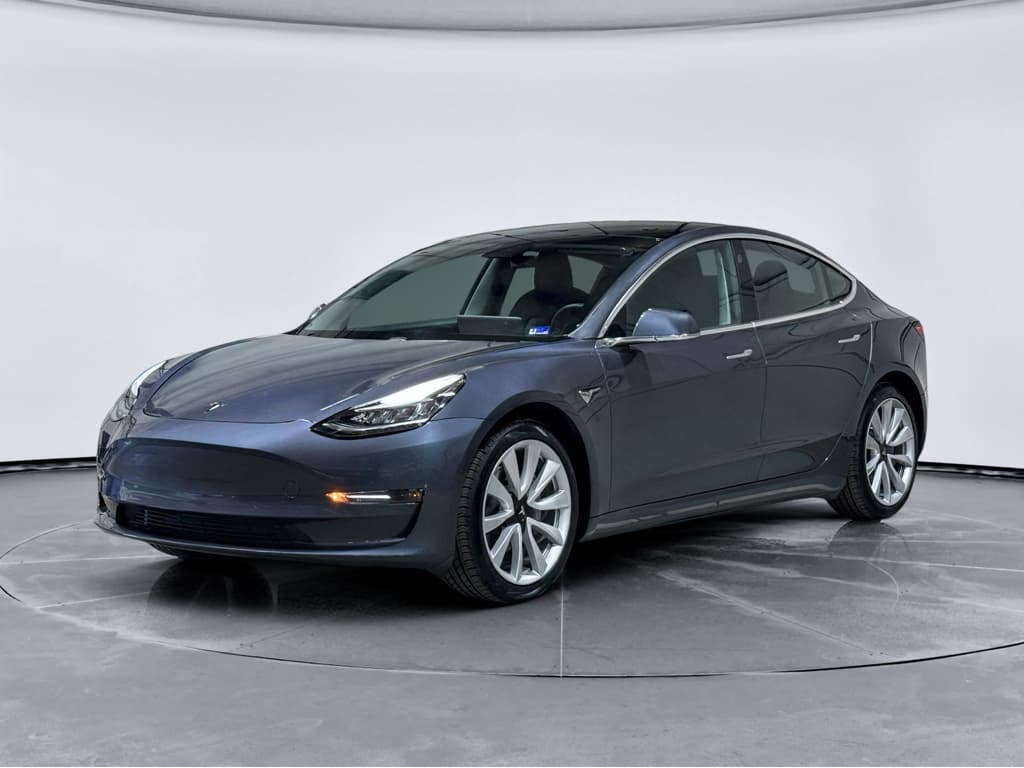
You’ve seen the window-sticker numbers, the YouTube hypermiling videos, and maybe that friend who swears their 2025 Tesla Model 3 can do "400 miles easy." But when you’re planning a real road trip at 70–75 mph, in real weather, with real traffic, the number you care about is simple: How far will a 2025 Tesla Model 3 actually go on a charge? This guide pulls together the latest independent range tests and explains how to run your own 2025 Tesla Model 3 range test so you know exactly what to expect, whether you’re buying new or shopping used with Recharged.
Why range tests matter more in 2025
2025 Tesla Model 3 range test basics
For 2025, the Model 3 family in North America is essentially the refreshed "Highland" car that arrived for 2024, with the same underlying battery tech and efficiency improvements carrying over. That means quieter cabins, more aerodynamically slippery bodywork, and new low‑rolling‑resistance tires, all of which help in real‑world range tests, not just in labs.
Key 2024–2025 Model 3 range figures to know
Those numbers give you the ballpark. But they’re built on tightly controlled test loops. Your own results will swing, sometimes dramatically, based on speed, temperature, elevation, and how you drive. That’s why it’s worth understanding the difference between EPA range, independent highway tests, and what you can reproduce yourself.
EPA range vs real‑world: what the numbers really mean
Tesla’s 2024–2025 Model 3 lineup carries some eye‑catching EPA figures. Long Range versions sit in the mid‑300‑mile range on paper, while the Standard/Rear‑Wheel‑Drive and Performance trims trail slightly behind. But for road‑trip planning, you’re better off translating those labels into a realistic working number.
Turning EPA ratings into real‑world expectations
Use these rules of thumb to sanity‑check any 2025 Tesla Model 3 range test.
Know the EPA test
Since the 2024 model year, EPA rules require automakers to average best‑ and worst‑case drive modes. Tesla’s updated Model 3 numbers reflect this, but they still assume gentle driving and modest speeds compared with real‑world 75‑mph cruising.
Highway adjustment
Independent testers running 70–75 mph highway loops typically see about 15–25% less range than the EPA label. For the latest Long Range cars, that still means crossing the 300‑mile mark in ideal conditions.
Weather & conditions
Cold temperatures, wet roads, and headwinds can chop another 10–30% off. Your winter range at 75 mph might land at 60–70% of EPA, even in a very efficient Highland‑era Model 3.
Don’t plan to 0%
Highway range tests at 70–75 mph
Highway tests are where expectations and reality tend to clash. Set the cruise at 75 mph, load up the car, turn on the climate control, and you’re asking the battery to work much harder than it did on the EPA cycle.
What 2024–2025 Model 3 highway tests are showing
Representative real‑world 70–75 mph results for the updated "Highland" Model 3, based on independent instrumented tests and aggregated data.
| Model/Year | Test Type | Speed & Conditions | Observed Range (100→0%) | Approx. % of EPA |
|---|---|---|---|---|
| 2024–2025 Long Range (RWD or Dual Motor) | Instrumented 75‑mph loop | 75 mph, mild temps, mostly flat | ~300–310 mi | ~85% |
| 2024–2025 Performance | Instrumented 75‑mph loop | 75 mph, mild temps | ~260 mi | ~80–85% |
| 2025 RWD / Standard Range | Simulated & aggregated 70–75 mph data | 70–75 mph, 65°F, light A/C | ~210–230 mi | ~75–82% |
Use these as ballpark figures for a healthy battery in mild weather at U.S. highway speeds.
If you translate those numbers into trip‑planning terms, a healthy 2025 Model 3 Long Range can comfortably knock out 220–250 miles between fast‑charges at 75 mph with a safety buffer. The RWD/Standard car is more like 160–190 comfortable miles at the same speed, and the Performance model falls in between.
Highway test shortcut
City and mixed driving: where the Model 3 really shines
Range headlines usually focus on all‑day highway slogs, but most Model 3 owners live in the 30–60‑mph world of suburban arterials and stop‑and‑go commutes. That’s where the 2025 Model 3’s updated aero, motor efficiency, and low‑rolling‑resistance tires really pay off.
Mixed driving tests
Independent mixed‑cycle tests that blend about 60% city with 40% highway often beat EPA or land very close to it. Recent Standard/"base" Model 3s have cleared the 330‑mile mark in mixed use on a full charge when driven gently in mild weather, and Long Range cars can stretch farther.
For daily life, that means a lot of owners can comfortably go several days between charges without thinking about it, especially if you’re plugging in at home overnight.
Regen is your superpower
Every time you lift off the accelerator in town, the Model 3’s strong regenerative braking is putting energy back into the pack. That’s why you’ll often see better efficiency around town than on the freeway. If your commute is 45–55 mph with traffic lights, don’t be surprised if your projected range looks rosier than any 75‑mph test.
Good news for used‑EV shoppers
Ready to find your next EV?
Browse VehiclesRWD vs Long Range vs Performance: which goes farthest?
Trim choice matters. The 2025 Model 3 lineup shares the same basic body, but battery size, motor count, and tire choices change how far you’ll actually go on a charge, and how much fun you’ll have getting there.
How each 2025 Model 3 trim behaves in range tests
Pick your poison: maximum distance, all‑weather traction, or outright speed.
RWD / Standard
- Battery: Smaller pack, most efficient per kWh.
- Highway range: Roughly 210–230 miles from 100→0% at 70–75 mph in good conditions.
- Best for: Mild climates, shorter road‑trip legs, daily commuting with easy charging access.
Long Range (Dual Motor)
- Battery: ~79–80 kWh usable, dual‑motor traction.
- Highway range: ~300–310 miles in 75‑mph tests; 230–260 miles is a realistic 90→10% planning window.
- Best for: Road‑trippers, colder climates, drivers who want AWD without sacrificing distance.
Performance
- Battery: Similar size to Long Range but tuned for power.
- Highway range: Around 260 miles at 75 mph from full to near empty in tests, thanks to stickier tires and punchier tuning.
- Best for: Drivers who care more about 0–60 times than squeezing out the last 30 miles of range.
RWD vs AWD in the real world
5 big factors that shrink your real‑world range
When you read any 2025 Tesla Model 3 range test, look closely at the fine print. Two Model 3s on the same road can return very different numbers depending on the conditions. Here are the culprits that matter most.
Range killers to watch for
1. Speed above 70 mph
Aerodynamic drag rises exponentially with speed. Bump your cruise from 70 to 80 mph and you can easily lose 10–20% of your usable range compared with the test numbers you’ve seen.
2. Cold weather & HVAC use
Below about 45°F, the battery is less efficient and the cabin heater draws serious power. A winter road trip at 75 mph can bring total range down to 60–70% of EPA, even on the latest Highland‑era cars.
3. Headwinds and hills
That endless Midwestern headwind or a long climb into the mountains can mimic another 5–15 mph of speed in energy use. Descending later helps, but don’t expect to win it all back.
4. Big wheels & sticky tires
Performance‑oriented 20‑inch wheels and grippier rubber look great and help on a track, but they increase rolling resistance. If maximum range matters, seek out cars on more efficient wheel/tire packages.
5. Roof racks & cargo boxes
Anything that interrupts the Model 3’s carefully honed aero will cost you. A bulky roof box can shave another 5–15% off your highway range depending on its size and shape.
Don’t ignore state of charge in the cold
How to run your own 2025 Model 3 range test
The best way to cut through the noise is to test your own car on your own roads. You don’t need a closed track or fancy equipment, just a little discipline and a clear plan. This is exactly the kind of simple, repeatable test we like to see when we’re evaluating used Teslas for sale at Recharged.
DIY range test: simple 90‑minute procedure
1. Pick a repeatable route
Choose a mostly flat highway loop you can drive at a steady 70–75 mph with minimal congestion. Out‑and‑back is better than one‑way, because it averages out wind and grade.
2. Start with a known state of charge
Charge to a specific level, say 90%, before you leave. Note battery percentage and odometer. Set the car to its most efficient drive mode and tire‑pressure spec.
3. Stabilize at your target speed
Merge onto the highway, set cruise control to your real‑world trip speed (not a fantasy number), and let the car settle in. Keep climate on Auto at a comfortable temp so the test reflects your life.
4. Drive at least 50–80 miles
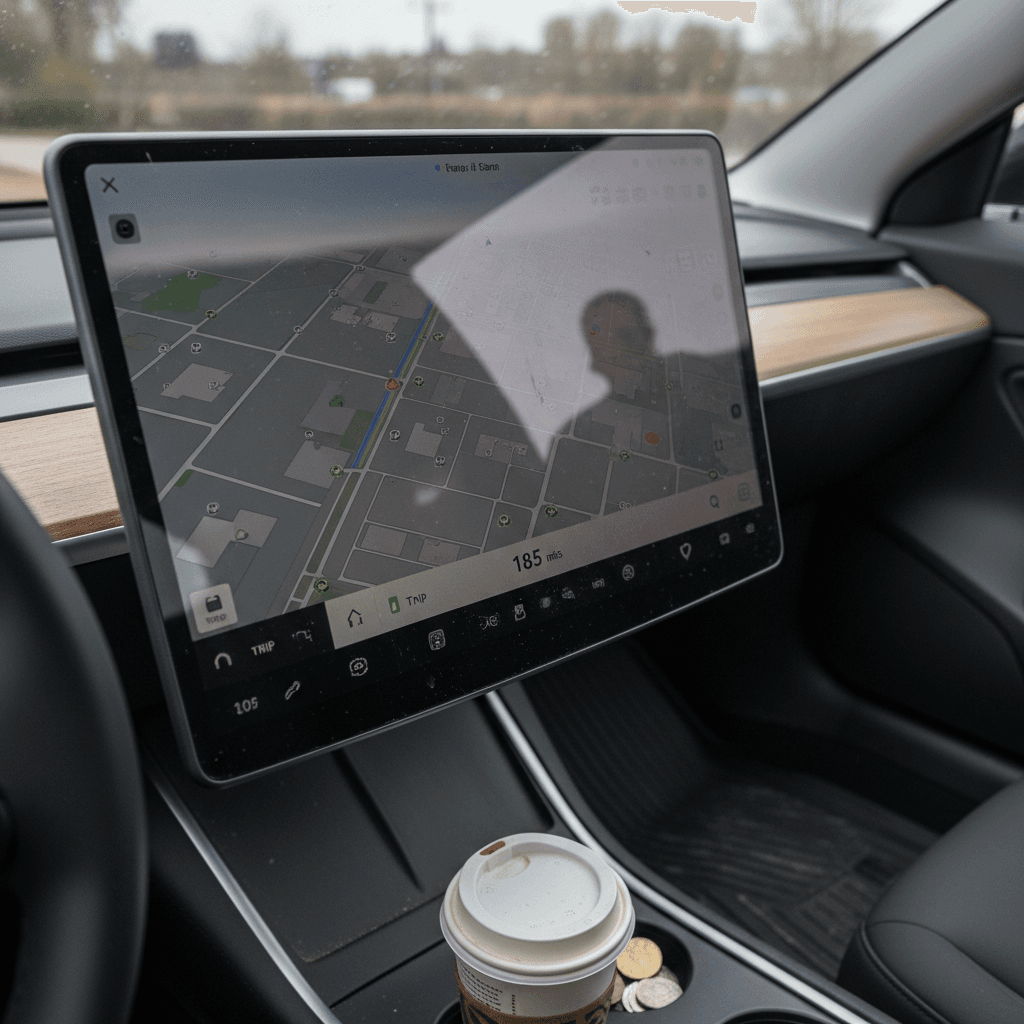
The longer the sample, the better. When you return to your starting point, record total miles driven, remaining battery percentage, and your average Wh/mi from the trip screen.
5. Do the math
If you used 30% of the battery to go 75 miles, then 100% would equal 75 ÷ 0.30 ≈ 250 miles under those exact conditions. Subtract a 10–15% safety buffer to find a comfortable real‑world planning number.
6. Repeat in different seasons
Run the same loop in summer and winter. You’ll see instantly how much weather moves the needle, and you’ll know how conservative to be when snow is in the forecast.
Use energy graphs, not just the guess‑o‑meter
Buying a used Model 3: what range should you expect?
If you’re shopping for a used 2024 or 2025 Model 3, the million‑dollar (or at least several‑thousand‑dollar) question is how much range you’ve lost versus new. The good news: modern Tesla packs tend to lose capacity slowly after an initial drop. The tricky part: it’s hard to see what’s under the skin without good data.
Typical degradation patterns
Most Model 3s see a small hit, around 5–10%, in the first few years, then degradation slows. For a Long Range car that originally offered roughly 300 miles at 75 mph, a healthy used example might realistically do 260–280 miles in the same test, and still more in mixed driving.
Abuse, extreme climates, or lots of fast‑charging can tilt that curve, which is why you want evidence, not guesses.
How Recharged measures battery health
Every Tesla Model 3 listed on Recharged includes a Recharged Score Report. We run advanced battery diagnostics to estimate usable capacity, cross‑check that against odometer and charging history when available, and convert it into practical range estimates you can compare across cars.
That way, when you look at two 2024 Long Range cars with similar miles but different prices, you’ll know whether the cheaper one actually carries a hidden range penalty.
Bonus: transparent pricing and trade‑ins
Practical tips to maximize range on any Model 3
You can’t control the weather or the EPA, but you have more influence over your real‑world range than you might think. These are the same tricks that help get the most out of a 2025 Model 3 in any range test, and they pay dividends for day‑to‑day driving too.
Quick wins for better real‑world range
Small habits that add up over thousands of miles.
Tame your speed
On a long trip, dropping from 78 to 70 mph can claw back 10–15% more range, often saving you a charging stop. Watch how your Wh/mi falls as you slow down; the difference is dramatic.
Precondition smartly
Use scheduled departure or preconditioning while plugged in so the cabin and battery are at temperature before you leave. That shifts energy use from the pack to the grid, especially in winter.
Check your tires
Keep tire pressures at spec, ideally checked cold. Underinflated tires quietly steal range, and the effect grows with speed. If you don’t need track‑day grip, stick with efficient all‑season rubber.
Plan efficient legs
On road trips, plan charging stops where you’ll arrive around 10–20% and leave around 60–80%. The Model 3 charges fastest in the middle of the pack, so short, efficient stops beat full charges.
Warm it up before you go
In cold climates, give the car a few extra minutes to warm the pack and cabin while plugged in. You’ll see more consistent regen and better consumption numbers once you hit the highway.
Use home charging as your anchor
For most owners, topping up overnight on Level 2 makes range tests academic. If you’re still driving a gas car and range anxiety is holding you back, learn more about home charging basics.
FAQ: 2025 Tesla Model 3 range tests
Frequently asked questions about 2025 Model 3 range
The 2025 Tesla Model 3 earns its reputation the hard way: not just with big EPA numbers, but with genuinely strong real‑world range. A Long Range car that can crack 300 miles in a 75‑mph test is a serious cross‑country tool; even the RWD and Performance trims deliver enough distance that road‑trip stops become about stretching your legs, not nursing a low battery. The trick is understanding how those test results translate to your life, and, if you’re shopping used, how a particular car’s battery has aged. That’s exactly the gap a Recharged‑inspected Model 3 and its detailed battery‑health report are built to fill, so the next time you plan a long drive, range is just another number you already understand.