If you’re eyeing a Rivian R1T or already have one in the driveway, you’re probably asking a simple question with big financial implications: what will a Rivian R1T be worth after 5 years? With EV prices whipsawing and new Rivian models on the way, understanding 5‑year value isn’t just curiosity, it can easily mean a five‑figure swing in your total cost of ownership.
Quick take
Why Rivian R1T 5‑Year Value Matters Now
The R1T is still a relatively young model (first deliveries in 2021–2022), so we don’t yet have a full cohort of 5‑year‑old trucks on the market. But depreciation is front‑loaded: by year five you’ve usually taken most of the hit, especially on a high‑MSRP electric truck. With Rivian launching the next‑generation R1T and more affordable R2 and R3 models, buyers are rightly focused on how today’s truck will hold up in value through 2030 and beyond.
Rivian R1T & EV Depreciation at a Glance
Those numbers are estimates, but they give you a frame of reference: the R1T is expected to depreciate more than a typical gas pickup, but less than the average EV. That’s a key nuance if you’re cross‑shopping a Rivian against a Silverado, F‑150, or a different electric truck.
How Much Does a Rivian R1T Depreciate in 5 Years?
Third‑party analysts that model future resale values paint a fairly consistent picture. Using iSeeCars projections as a baseline, a new Rivian R1T is expected to lose about 54–55% of its value in five years, leaving you with roughly 45% of MSRP as resale value under typical mileage and condition assumptions.
Illustrative 5‑Year Rivian R1T Depreciation
Approximate forecasted values based on a simplified iSeeCars‑style curve and realistic MSRPs. These are estimates, not offers.
| Original MSRP | Year 1 Est. Value | Year 3 Est. Value | Year 5 Est. Value | 5‑Year Depreciation |
|---|---|---|---|---|
| $80,000 | $60,000–$64,000 | $48,000–$50,000 | $34,000–$38,000 | ~$42,000–$46,000 (53–57%) |
| $90,000 | $67,000–$72,000 | $54,000–$56,000 | $38,000–$42,000 | ~$48,000–$52,000 (53–58%) |
| $100,000 | $74,000–$80,000 | $60,000–$62,000 | $42,000–$46,000 | ~$54,000–$58,000 (54–58%) |
Assumes 12,000–15,000 miles per year, clean condition, and a stable EV market.
These ranges line up with what many early owners are already seeing: some 2022–2023 R1Ts that stickered in the $90,000–$100,000 range have traded in around the low‑to‑mid $40Ks after roughly two years, implying a very steep early‑years hit and a slower slide after that.
Forecasts aren’t guarantees
7 Factors That Shape 5‑Year Rivian R1T Value
Key Drivers of 5‑Year R1T Resale Value
Why two seemingly similar trucks can be worth wildly different amounts in year five.
1. Your Actual Purchase Price
Two owners with identical trucks can have very different 5‑year outcomes if one paid full launch‑era MSRP and the other bought at a discount or used. The lower your starting point, the less painful a 50% paper loss feels, and the more likely you are to come out ahead on a cost‑per‑mile basis.
2. Trim, Motors & Options
Higher‑end quad‑motor, Max Pack, and heavily optioned builds start with bigger MSRPs and can shed more absolute dollars. Over 5 years, well‑equipped trucks usually remain more desirable, but some niche options don’t move the needle at resale the way they did on the window sticker.
3. Mileage & Usage Pattern
A 5‑year‑old R1T with 35,000 miles and one owner will command a very different price than the same truck with 90,000 miles and hard towing history. Buyers still think in terms of “miles per year,” even with EVs.
4. Battery Health
Battery degradation is slow so far on most Rivians, but verified battery state‑of‑health is a huge plus at resale. Deep fast‑charging cycles, constant 100% charges, and extreme climates can all influence how your pack ages.
5. Warranty Remaining
Rivian’s battery and drivetrain warranty runs up to 8 years and high mileage thresholds. A truck sold in year five with several years of factory coverage left will feel “safer” to many buyers and can justify a stronger price.
6. EV Market & Rivian’s Reputation
If EVs continue to face soft demand, or Rivian struggles financially, used values can sag. If Rivian’s trucks earn a reputation for durability and the brand stabilizes, your R1T could outperform today’s conservative 5‑year forecasts.
7. Incentives & Policy Changes
Changes to federal or state EV incentives can shift demand from new to used (or vice versa), nudging 5‑year values up or down. If new EV credits disappear or tighten, well‑priced used trucks often look more appealing.
Think in cost‑per‑year, not just resale
Rivian R1T vs Other EVs and Gas Trucks on Resale
Against other EVs
- Recent studies show EVs losing about 58.8% of their value in 5 years on average.
- Forecasts for the R1T are slightly better, around 54–55% depreciation, meaning it’s expected to hold value a bit better than the typical EV.
- Truck and SUV‑shaped EVs (R1T, R1S, Model Y) generally do better than small EV hatchbacks that flooded the market with big discounts.
Against gas pickups
- Full‑size gas trucks average roughly 40% depreciation over five years. In other words, they keep more of their original price than the average EV.
- However, fuel and maintenance costs are higher. Over a 5‑year window, you may recoup some of the extra R1T depreciation with lower running costs.
- Heavy fleet leasing and incentives on gas trucks can also distort used prices in certain regions and model years.
The short version
Battery Health & Warranty: Hidden Drivers of Value
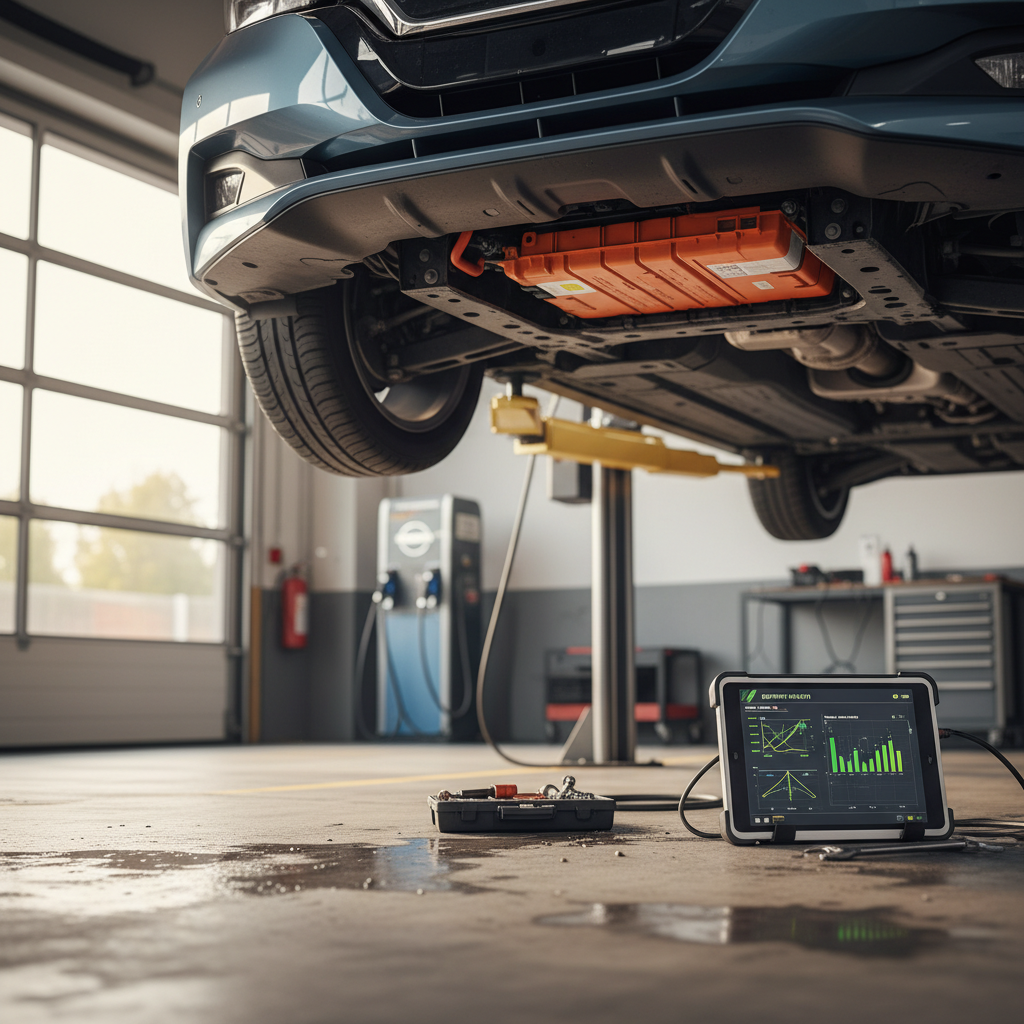
For any used EV, the battery is the whole ballgame. The R1T’s large pack is expensive to replace, but Rivian backs it with an 8‑year, high‑mileage battery and drivetrain warranty (exact mileage limits depend on pack and region). That means a 5‑year‑old truck still carries years of factory coverage, something shoppers increasingly look for when they compare used EVs.
Battery & Drivetrain Checks That Protect 5‑Year Value
Verify battery state‑of‑health (SoH)
Whenever possible, get a quantified read on the pack’s health instead of guessing from range alone. Recharged’s <strong>Score Report</strong> includes independent battery diagnostics on every Rivian we list.
Keep fast‑charging reasonable
Occasional DC fast charge sessions are fine, but using them as your primary fueling source can accelerate degradation. Home Level 2 charging is still the gold standard for long‑term battery health.
Avoid chronic 100% parking
Topping to 100% for road trips is normal; letting the truck sit at 100% for days is not. Aim to park between roughly 30–80% for daily use when you can.
Track and document service
A clean record of software updates, recall campaigns, and any warranty work helps reassure the next owner that the truck has been cared for and stays current with Rivian’s improvements.
Know your warranty end date
If you’re planning to sell, listing the exact battery and drivetrain warranty expiration by date and mileage is a simple way to stand out in used‑truck listings.
Real‑World Scenarios: What Your R1T Could Be Worth
To make 5‑year Rivian R1T value more concrete, it helps to play out a few realistic scenarios. These aren’t appraisals, just grounded examples using current pricing data and typical depreciation curves.
Three Sample 5‑Year Value Scenarios
Your numbers will vary, but the patterns are instructive.
Conservative scenario
New 2026 R1T with $85,000 MSRP. You drive 12,000 miles per year, keep up with service, and the EV market stays soft but stable.
- Year 3: ~$50,000 resale
- Year 5: ~$38,000 resale
- Total depreciation: ~$47,000 over 5 years
Bearish scenario
Same truck and mileage, but Rivian faces headwinds, and EV prices slide further as newer tech arrives quickly.
- Year 3: ~$45,000 resale
- Year 5: ~$32,000 resale
- Total depreciation: ~$53,000 over 5 years
Optimistic scenario
Rivian proves durable, demand for used EV trucks grows, and incentives shift toward used vehicles.
- Year 3: ~$55,000 resale
- Year 5: ~$42,000 resale
- Total depreciation: ~$43,000 over 5 years
Why used buyers have the edge
How to Protect Your R1T’s Value Over 5 Years
Practical Ways to Defend Your 5‑Year R1T Value
1. Buy at a rational price
Avoid paying well over prevailing market prices just to get a specific color or option package. The more “normal” your buy‑in, the easier it is to come out whole when you sell or trade.
2. Prioritize timeless specs
Neutral colors, popular wheel choices, and practical options (like tow packages and protection packages) age better than niche builds. Off‑the‑wall specs can narrow your buyer pool later.
3. Keep miles and wear reasonable
EV buyers notice curb rash, bed damage, and interior wear. Regular detailing and basic paint protection can pay back more than they cost when you decide to sell.
4. Stay current on software
Rivian trucks evolve rapidly through over‑the‑air updates. Keeping your truck updated and documenting feature additions can justify a stronger price versus similar‑year trucks that feel “stale.”
5. Sell at the right moment
Selling just before a big powertrain refresh, a known warranty cutoff, or a flood of off‑lease inventory can improve your net. If Rivian launches a dramatically upgraded R1T, early adopters who move quickly will typically see the best values.
6. Get a professional valuation
When you’re ready to move on, get offers from multiple sources, including digital buyers. Recharged can provide a <strong>data‑driven instant offer or consignment plan</strong> for your R1T based on real‑time EV market conditions.
Is a Used Rivian R1T a Good Value Buy Today?
From a pure 5‑year value perspective, a used R1T that’s already absorbed 30–40% depreciation can be a compelling play. You’re stepping into a premium truck at a mid‑tier price, and your remaining downside is smaller, as long as you choose carefully.
Why a used R1T can be smart
- Much of the early depreciation is already “baked in.”
- You can target trucks with years of battery and drivetrain warranty remaining.
- Real‑world issues and recalls are more visible for earlier build years.
- Software updates often bring newer‑truck features to earlier hardware.
What to watch out for
- Early‑build quirks and quality issues that haven’t been fully sorted.
- Trucks used heavily for towing or frequent DC fast charging.
- Unverified battery health and spotty service records.
- Overpriced listings anchored to old market conditions.
How Recharged tilts the odds in your favor
FAQ: Rivian R1T Value After 5 Years
Frequently Asked Questions
Bottom Line: Who the 5‑Year R1T Story Favors
Looking ahead, the Rivian R1T’s value after 5 years is likely to land in the middle ground: not the bulletproof resale champ that some gas pickups are, but stronger than many EVs that saw prices slashed and incentives piled on. If you’re the first owner paying near‑MSRP, you should be prepared for a sizable five‑year hit in dollar terms. If you’re shopping used, the R1T can be a savvy buy, especially when you let someone else take those early‑years lumps.
Either way, the levers that matter most are the ones you control: what you pay going in, how you treat the truck and its battery, and when, and where, you choose to sell. If you want help timing that move or finding a used R1T whose numbers truly pencil out, Recharged was built for exactly that: transparent battery health, fair‑market pricing, and EV‑savvy support from first search to final signature.