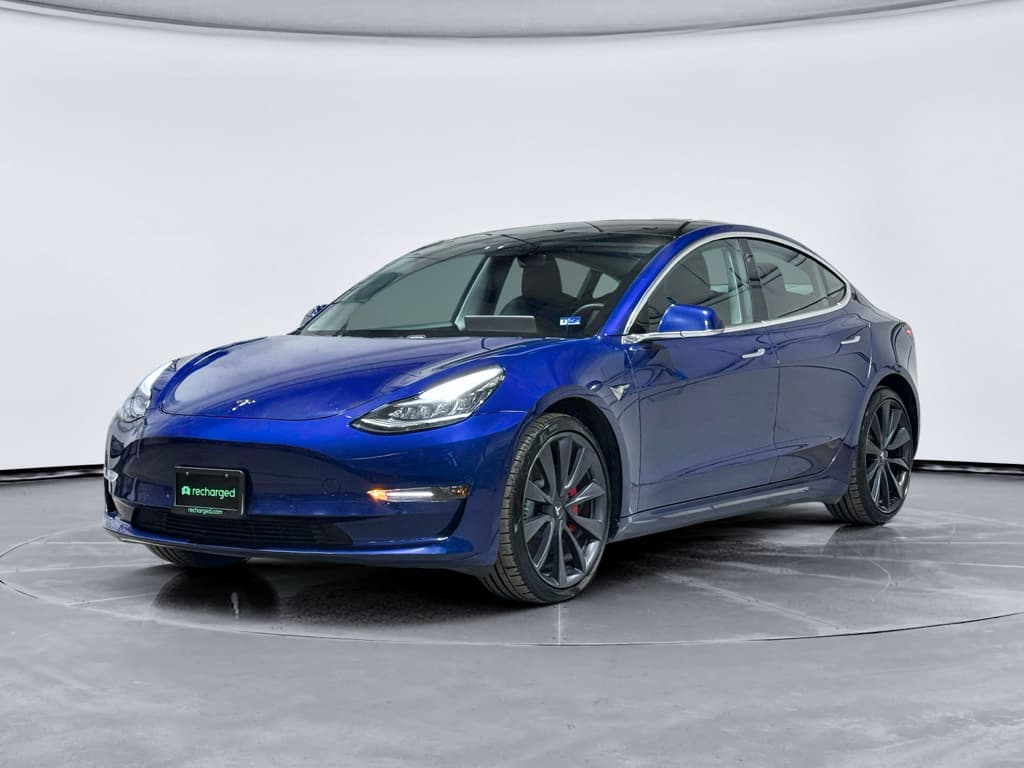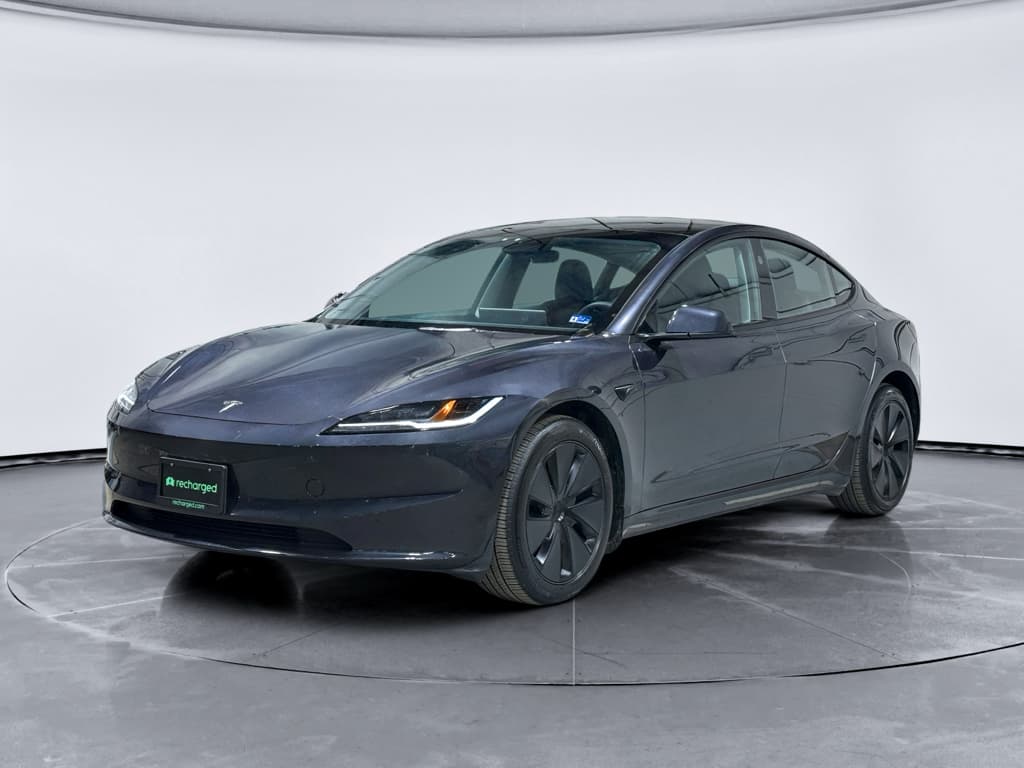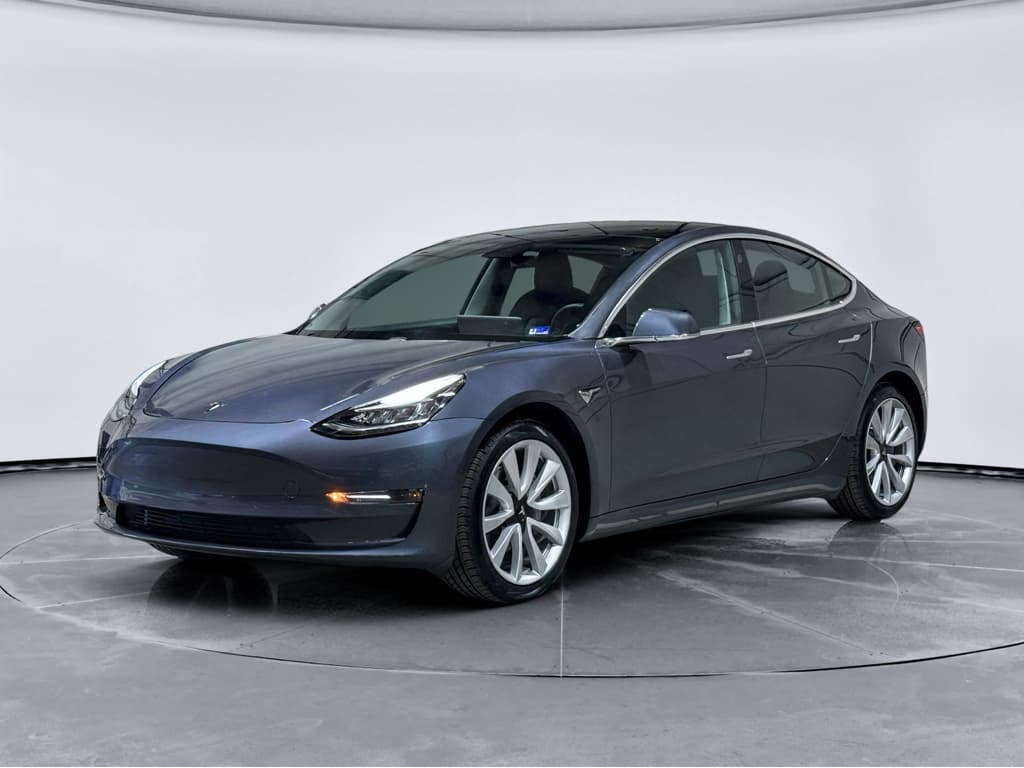
If you’re shopping for a 2025 Tesla Model 3, you’re in the sweet spot of the EV market: the updated “Highland” design, the latest tech and safety upgrades, and, finally, a maturing used market with real choices. This 2025 Tesla Model 3 buying guide walks you through trims, range, pricing, options, and whether you’re better off buying new or used, so you can pick the right car, not just the right badge.
Quick context: what “2025” really means
Overview: Why the 2025 Model 3 is a Big Deal
2025 Tesla Model 3: key numbers at a glance
The 2025 Model 3 is essentially the refined version of the original game‑changer. The “Highland” refresh brought sleeker styling, better sound insulation, updated lighting, a reworked suspension and a thoroughly modernized interior. In 2025, Tesla focuses the lineup on fewer, better‑equipped trims, while software updates continue to add features over time. For U.S. shoppers, it’s one of the strongest values if you want long range, access to the Supercharger network, and sports‑sedan dynamics all in one package.
2025 Tesla Model 3 trims at a glance
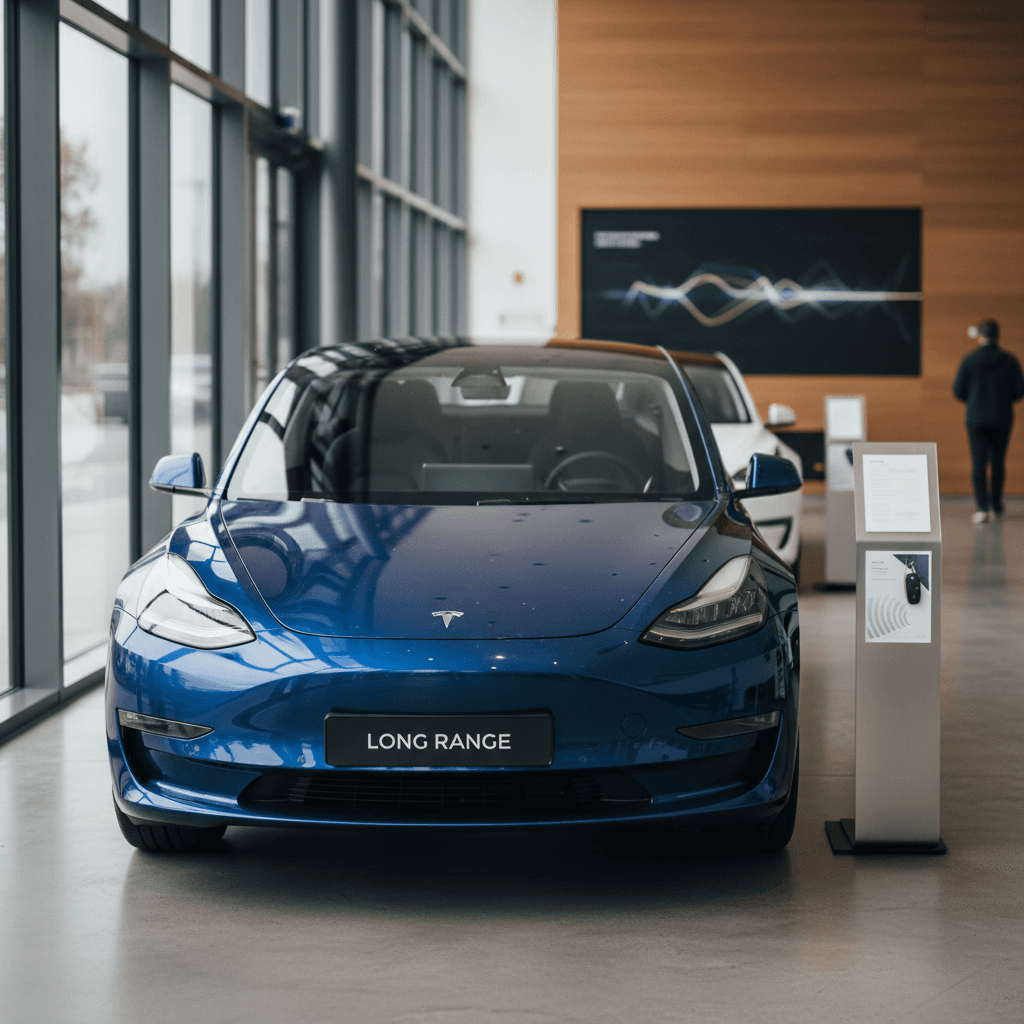
Tesla shuffles trim names often, but for 2025 most U.S. buyers will see three core versions: a Long Range rear‑wheel drive (RWD), a Long Range dual‑motor all‑wheel drive (AWD), and the dual‑motor Performance. Exact names on the website may change, but these are the configurations you’re really choosing between.
2025 Tesla Model 3 trims: simplified comparison
Approximate specs for U.S. 2025 Model 3 trims. Always confirm the exact configuration on the car you’re buying, especially if it’s used or late‑availability.
| Trim (2025 US) | Drivetrain | EPA est. range* | 0–60 mph (approx.) | Who it fits best |
|---|---|---|---|---|
| Long Range RWD | Single motor, rear‑wheel drive | ~320–360 mi | ~5.8 s | Drivers prioritizing maximum range and efficiency at the lowest cost. |
| Long Range AWD | Dual motor, all‑wheel drive | ~310–340 mi | ~4.1–4.4 s | All‑weather commuters and families who want extra traction and punch. |
| Performance AWD | Dual motor, performance tune | ~290–310 mi | ~2.9–3.2 s | Enthusiasts who value acceleration and handling over every last mile of range. |
Numbers are rounded and may vary slightly with wheel choice and later EPA updates.
Spec sheet trap
Which 2025 Model 3 trim should you buy?
Match the trim to how you actually drive, not just what looks good on paper.
Daily commuter & road‑trip planner
Best bet: Long Range RWD or AWD
- Max range per dollar
- Enough power for confident passing
- Lower wheel sizes available for efficiency and ride comfort
Snow, rain, mixed conditions
Best bet: Long Range AWD
- Instant torque to all four wheels
- More stable in bad weather
- Still very efficient for long drives
Performance junkie
Best bet: Performance AWD
- Supercar‑quick 0–60 mph launches
- Adaptive suspension, bigger brakes, stickier tires
- Some range sacrificed for speed and grip
Range and efficiency: what you’ll get in the real world
The 2025 Model 3 is one of the most efficient EVs on sale. EPA ratings put most trims roughly in the high‑200s to mid‑300s for miles of range, depending on battery, drivetrain and wheels. In Recharged’s own highway testing of the refreshed Long Range cars, we’ve seen real‑world 75‑mph results flirting with 300 miles on a charge when specced with sensible wheels and driven reasonably.
What EPA range really means
- EPA figures assume mixed driving, gentle acceleration and mild weather.
- Expect 70–85% of EPA range on steady 70–75 mph highway trips.
- Larger 19–20 inch wheels and stickier tires can shave 20–30 miles off the rating.
How most owners actually charge
- Daily charging at home to 70–90% keeps the battery happy.
- Plan your life around home or workplace Level 2, not constant fast charging.
- Use Superchargers mainly for road trips or rare long days.
Pro tip: pick wheels with your head, not your heart
If you’re a heavy highway driver, the Long Range trims are where the Model 3 really shines. Our internal data plus third‑party tests show that a 2024–2025 Long Range Model 3 can realistically cover about 260–310 miles at 75 mph before you’re down to very low state of charge. That’s enough to make two‑stop cross‑country days feel almost easy.
Performance and driving feel
Even the “slow” 2025 Model 3 is quick. The Long Range RWD scoots to 60 mph in under six seconds, the AWD trims slice that closer to four seconds, and the Performance can dip into the high‑2‑second range with launch mode on a prepped surface. But the real story is how controllable and confidence‑inspiring the car feels in everyday driving.
How the trims feel from the driver’s seat
Same basic chassis, three different personalities.
Long Range RWD
- Light, nimble feel thanks to single motor and lower weight.
- Rear‑drive balance is playful but still secure with stability control.
- Best mix of ride comfort, efficiency and fun.
Long Range AWD
- More planted and secure in all weather.
- Stronger mid‑range shove for highway passing.
- Slight efficiency penalty versus RWD, but still excellent.
Performance
- Explosive acceleration that never really gets old.
- Adaptive suspension and bigger brakes for track days.
- Harsher ride, more tire noise, and shorter range.
Regen and one‑pedal driving
Interior, tech and comfort: what changed with “Highland”
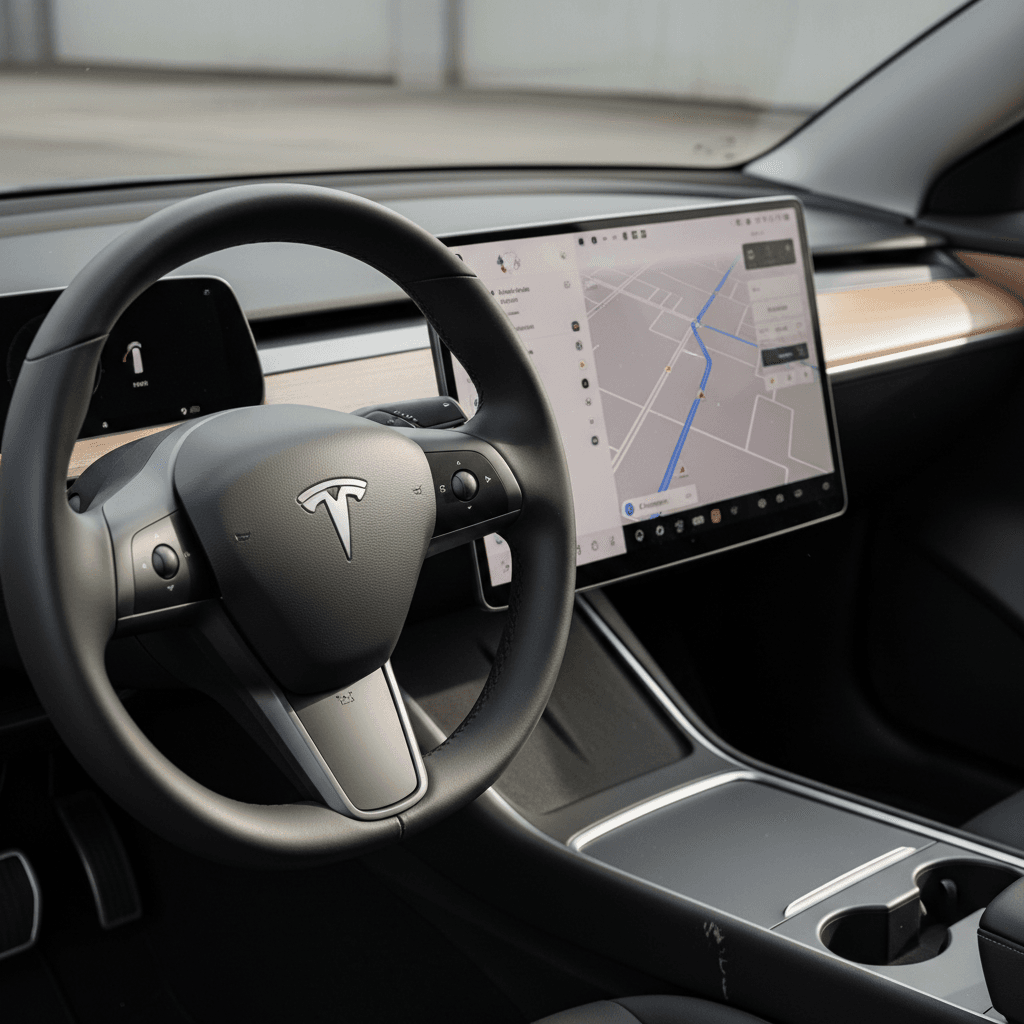
Early Model 3s were minimalist to a fault. The 2025 Highland update keeps the clean design but fixes many of the day‑to‑day complaints: better materials, improved sound insulation, reworked seats, and a more polished software experience. You still live mostly on the 15.4‑inch center screen, but owners report a quieter, more grown‑up cabin than 2018–2022 cars.
- Updated front and rear lighting with a sharper, more upscale look.
- Quieter cabin thanks to extra insulation and acoustic glass on more surfaces.
- Revised seats with better bolstering and long‑trip support.
- Rear passengers get an improved 8‑inch screen for climate and media.
- Ventilated front seats and ambient lighting on many 2025 builds.
- No traditional gauge cluster, speed and nav live on the center screen.
What tech shoppers love
- Clean UI and fast responses on the main touchscreen.
- Excellent integrated navigation with Supercharger routing.
- Over‑the‑air updates that can genuinely change the car over time.
- Phone‑as‑key works well once you’re set up.
What may drive you crazy
- Almost all controls, including wipers and vents, live in menus.
- Voice commands are good but not perfect.
- Some drivers never warm up to the lack of a traditional instrument cluster.
- Fit and finish vary, always inspect panel gaps and interior trim closely.
Stalkless controls and muscle memory
Safety, reliability and known issues
On crash safety, the 2025 Model 3 is excellent. It continues to earn top scores from major agencies, thanks to a strong structure, multiple airbags and effective active safety tech like automatic emergency braking and lane keeping. Where things get more complicated is long‑term durability and build quality, which have improved but still vary car to car.
Safety & reliability snapshot
What’s reassuring, and what to watch for, on a 2025 Model 3.
The good news
- Top crash‑test ratings and strong occupant protection.
- Standard advanced driver‑assistance suite on every trim.
- Recent reliability data shows newer Model 3 years, including 2025, scoring better than early builds.
- Battery and drive units have historically aged well when not abused by constant DC fast charging.
What to look out for
- Panel alignment, paint imperfections and trim fit on delivery or at inspection.
- Wind noise or rattles from doors, dash or B‑pillars on a test drive.
- Uneven tire wear, Performance cars especially can be hard on rubber.
- Software quirks and alerts; make sure there are no persistent warnings on the screen.
Always check for recalls and campaigns
If you’re considering a used 2025 Model 3, remember that this is still a relatively young model year. That’s good news for wear items, but it also means many cars were driven hard early in life. A battery‑health report, service history and a careful test drive on rough pavement will tell you much more than a glossy listing.
New vs used 2025 Model 3: which makes sense?
By mid‑2026, early‑build 2025 Model 3s are just starting to hit the used market in meaningful numbers. That creates an interesting fork in the road: do you order a new car from Tesla, or hunt for a used 2025 (or slightly older) Model 3 from a third‑party seller or marketplace like Recharged?
Why buy new
- Full new‑car warranty and the latest hardware/software bundle.
- You can spec the exact trim, wheels and color you want.
- No mystery about previous charging or accident history.
- Direct access to Tesla financing and trade‑in, if desired.
Why buy used (2023–2025)
- Significant savings once the first owner takes the depreciation hit.
- Plenty of lightly‑used Highland cars with low miles by 2026.
- Access to detailed third‑party inspections and battery‑health reports.
- More flexibility on financing and add‑on protections.
How Recharged fits in
Ready to find your next EV?
Browse VehiclesIn plain terms: if you crave the latest trim, color and options, ordering new is easy. If you care more about value and are willing to let someone else eat the first year of depreciation, a vetted used Model 3, especially with a documented battery report, can be the smart play.
Pricing, incentives and total cost
Tesla pricing moves around like a cat in a sunbeam, but in 2025–2026 most U.S. shoppers will see the Long Range trims sitting comfortably in the mid‑$40,000s to mid‑$50,000s before incentives, with the Performance stretching higher depending on paint, wheels and interior. Used 2023–2025 Model 3s undercut that by several thousand dollars, depending on mileage and condition.
2025 Model 3: big‑picture cost comparison
How a 2025 Model 3’s total cost of ownership stacks up against a similar gas sedan, very roughly, over five years.
| Cost area (5 years) | Typical gas sport sedan | 2025 Tesla Model 3 |
|---|---|---|
| Fuel / energy | High, especially if you commute | Much lower with home charging and off‑peak rates |
| Maintenance | Oil changes, brakes, transmission service | Tires and brake fluid, cabin filters, occasional alignment |
| Insurance | Baseline for your profile | Can be slightly higher; shop around and ask about EV discounts |
| Depreciation | Significant in first 3 years | Similar pattern, but strong demand helps later resale |
| Incentives | Rare beyond dealer rebates | Potential federal and state EV incentives if you qualify |
Use this as a way to frame your budget, not as a precise quote. Energy rates, insurance and resale values vary by state and by driver.
Don’t forget financing and taxes
Also keep an eye on federal and state EV incentives. Eligibility for a new 2025 Model 3 can change with battery sourcing and IRS rules, and many states offer separate rebates or HOV lane perks. For used buyers, some programs now include previously owned EV credits, which can make a lightly‑used Model 3 even more compelling.
2025 Tesla Model 3 buying checklist
Essential steps before you sign
1. Define your real range needs
Write down your longest regular round‑trip drive and your dream road trip. If you’re under ~200 miles most days, any 2025 Model 3 trim will work; frequent 250+ mile days push you toward Long Range.
2. Choose the right drivetrain
If you live with snow, steep hills or unpaved roads, put a thumb on the scale for <strong>Long Range AWD</strong>. Otherwise, a Long Range RWD may save money and energy without sacrificing much real‑world usability.
3. Decide on wheels and tires
If you care about comfort and range, start with the smaller aero wheels. If you care about grip and looks more than range, consider the larger wheels, but budget for quicker tire replacement.
4. Check battery health and charging history
On a used 2025 Model 3, ask for a <strong>battery‑health report</strong> (like the Recharged Score) and look for signs of heavy DC fast‑charging. On a new car, avoid living at 100% charge and hammering Superchargers daily.
5. Inspect build quality and test drive thoroughly
Look closely at panel gaps, paint and interior trim. On a long test drive, listen for rattles and wind noise at highway speeds, and try common controls (wipers, climate, audio) to see if the UI fits you.
6. Confirm software, options and warranty
Verify which driver‑assistance features are enabled, whether premium connectivity is included or on trial, and how much factory warranty is left. Get screenshots or documentation, not just verbal assurances.
7. Run the VIN for recalls and history
Use a vehicle history report to check for accidents or title issues, and check NHTSA plus Tesla’s own systems for outstanding recalls. If anything is open, get a clear plan for repairs before you buy.
8. Get your home charging sorted first
Before delivery day, confirm where and how you’ll charge. That might mean a 240‑volt outlet, a wallbox, or making sure you have convenient access to public Level 2 or Tesla Superchargers near home and work.
FAQ: 2025 Tesla Model 3 buying questions
Frequently asked questions about buying a 2025 Model 3
Bottom line: Is the 2025 Model 3 right for you?
If you want an EV that still feels a little bit like the future every time you drive it, the 2025 Tesla Model 3 deserves to be on your short list. The Highland updates fixed many early‑car annoyances, range and efficiency are outstanding, and access to the Supercharger network makes road trips far less stressful than they are in many rivals.
The key is to buy with clear eyes: pick the trim that matches your driving, be honest about how much performance you’ll really use, and insist on hard data about battery health and history if you’re buying used. That’s exactly where Recharged comes in, with Recharged Score battery diagnostics, transparent pricing, EV‑savvy financing and nationwide delivery, we can help you turn all the specs and opinions into the right 2025 Model 3 in your driveway.