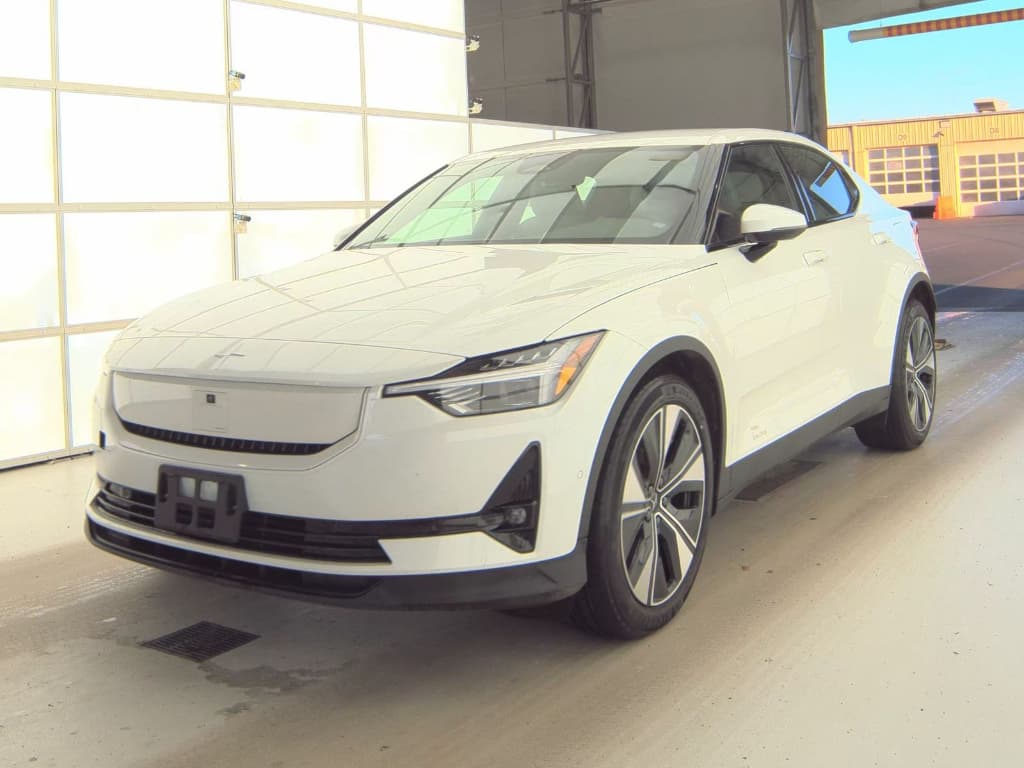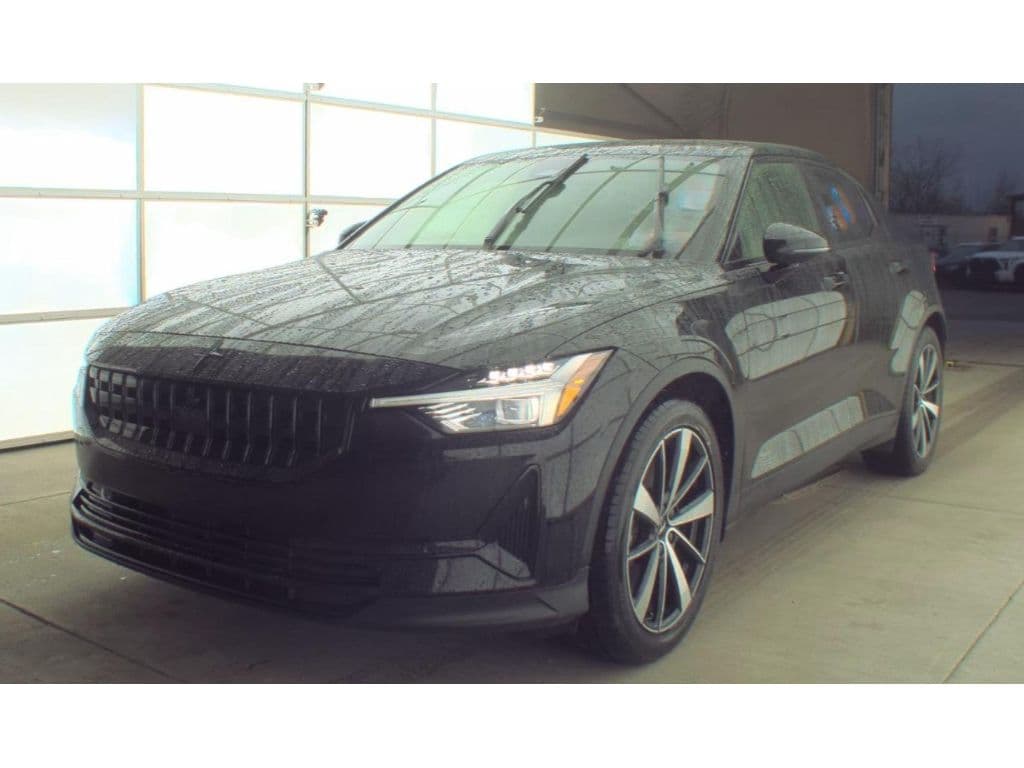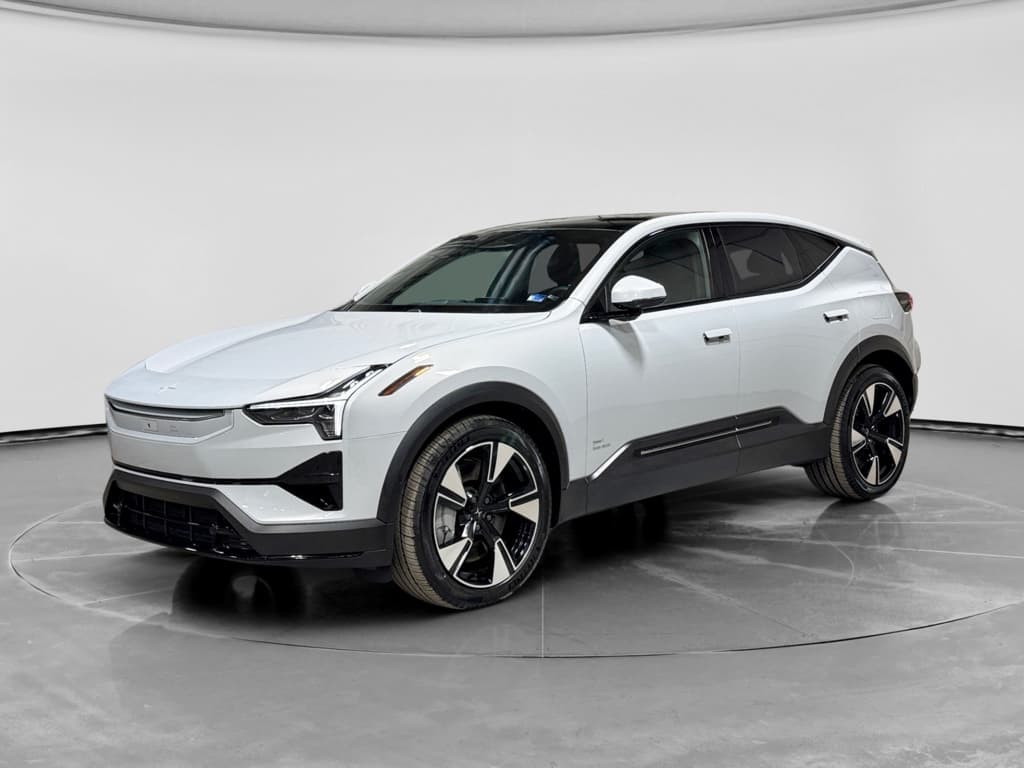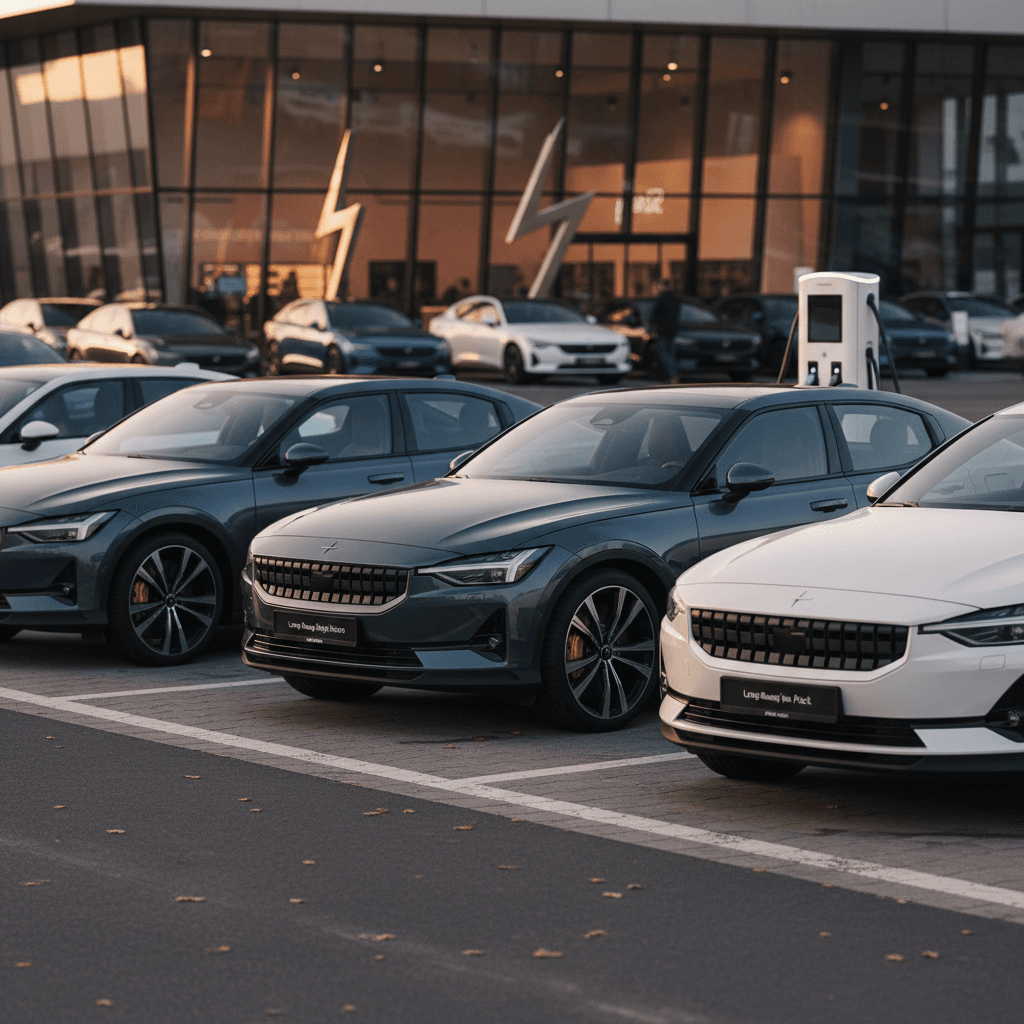
If you’re shopping the 2025 compact EV market and want something that *isn’t a Tesla*, the 2025 Polestar 2 is one of the most interesting options on the road. But Polestar’s fast-moving updates, changing trims, and evolving pricing can make it hard to know if you should buy new, find a late‑model used car, or wait for the next thing.
Model year context
Who the 2025 Polestar 2 Is (and Isn’t) For
Is the 2025 Polestar 2 a Good Fit for You?
Match the car to your use case before you start comparing options
Great fit if…
- You want a premium, design‑forward EV but don’t love Tesla’s ecosystem.
- You drive under ~60–80 miles per day and fast‑charge mainly on trips.
- You value strong performance more than maximum efficiency.
Maybe, if…
- You take frequent long road trips and are willing to plan charging on mixed networks.
- You’re cross‑shopping a Tesla Model 3 or Hyundai Ioniq 6 and care about styling and feel as much as specs.
Probably not ideal if…
- You need maximum back‑seat space or a totally flat rear floor.
- You want the very cheapest kWh per mile, there are thriftier choices.
- You live far from a Polestar service partner and want traditional dealer coverage.
If that sounds like you, the rest of this 2025 Polestar 2 buying guide will walk through trims, range, pricing, used‑market strategy, and how to sanity‑check battery health before you sign anything.
2025 Polestar 2 at a Glance: Key Specs
2025 Polestar 2 (U.S.) – High-Level Numbers
Spec sheet fine print
Trim and Packages: How the 2025 Lineup Really Works
Earlier Polestar 2 model years gave you a choice of single‑motor and dual‑motor powertrains, with the Performance pack layered on top. For 2025, Polestar simplifies things: in the U.S. the Performance Pack powertrain becomes effectively standard, and the configuration game is mostly about option packs rather than core hardware.
2025 Polestar 2 Lineup – How It’s Structured
Rough guide to how 2025 Polestar 2 trims and packs compare to recent model years in the U.S. market.
| Model year | Powertrain choices (U.S.) | Performance Pack | Battery | Headline output |
|---|---|---|---|---|
| 2023 | Single‑motor FWD, dual‑motor AWD | Optional on dual‑motor | Long‑range pack optional | Up to 455 hp (PP) |
| 2024 | Single‑motor RWD, dual‑motor AWD (rear‑biased) | Optional on dual‑motor | Larger long‑range pack standard in U.S. | Up to ~455–469 hp |
| 2025 | Dual‑motor AWD only (Performance tune) | Effectively standard | Long‑range pack only | 469 hp, ~500+ lb‑ft |
Exact naming, standard equipment, and pricing can vary by market and over time; always confirm on the latest Polestar configurator or with your seller.
On top of that single hardware spec, Polestar sells the 2025 car with familiar pack bundles you’ll see across Polestar 2, 3, and 4:
- Plus Pack – panoramic roof, upgraded audio, electric seats, and comfort/tech niceties many buyers consider "must‑have".
- Pilot Pack – extra driver‑assist tech and active safety features beyond the standard set.
- Climate Pack – heat pump and additional cabin/steering‑wheel heating; helpful in colder climates for efficiency and comfort.
- Performance Pack – gold‑accented seatbelts, adaptive Öhlins dampers, bigger brakes, and sticky tires on earlier cars; for 2025 in the U.S., the core power increase is baked into every car, with suspension and wheel tuning depending on how the market packages it.
How to prioritize packs
Range, Battery and Charging: What to Expect Day to Day
The Polestar 2 has quietly evolved from a stylish niche EV into a much more competent all‑rounder. The key hardware upgrades came in 2024, bigger battery, more efficient rear‑biased drivetrain, and improved electronics, and the 2025 model builds on that foundation with incremental efficiency adjustments and software tuning.
Real‑world range
- Expect roughly 230–260 miles of usable highway range from a healthy 2025 Polestar 2 Performance at typical U.S. freeway speeds.
- In mixed city/suburban driving, many owners see 260–290 miles per charge depending on climate and driving style.
- Cold weather, high speeds, and 20‑inch performance tires can cut that noticeably; budget a conservative margin for winter road trips.
Charging behavior
- Long‑range pack supports DC fast charging at up to roughly 150–200 kW on compatible stations, with the fastest rates from ~10–50% state of charge.
- On Level 2 (240V) at home, a typical 40‑ to 48‑amp charger will add 30–35 miles of range per hour, fully recharging overnight.
- The car uses the CCS fast‑charging standard for now; future NACS support in North America will depend on adapter rollout and any hardware updates.
Network reality check
Driving Experience: Performance and Ride
The 2025 Polestar 2 leans into performance. Dual motors, a rear‑biased drivetrain, and robust torque make it feel more like a compact sports sedan than a traditional eco EV.
- Acceleration – Around 4.0 seconds 0–60 mph with the Performance tune. That’s squarely in "quick luxury sedan" territory and on par with many Model 3 and i4 variants.
- Ride and handling – With the Performance‑oriented setup, expect a firmer ride than a Model 3 RWD or Hyundai Ioniq 6. The upside is composed high‑speed stability and confident cornering; the downside is that broken pavement can feel busy, especially on 20‑inch wheels.
- Steering and feel – Heavier, more Germanic steering than Tesla, with multiple modes in the settings menu. If you like a planted, substantial feel, this will work in your favor.
- Noise and refinement – Good wind and road‑noise isolation for the class, but performance tires can introduce more roar on coarse surfaces.
Performance Pack ride trade‑offs
Pricing, Cost of Ownership and Incentives
Polestar has nudged the 2 steadily upmarket. For the 2025 model year, the decision to go all‑in on the high‑output dual‑motor setup means the entry price climbs compared with older single‑motor cars, but you’re also getting more performance and tech as standard.
- MSRP trends – New 2025 Polestar 2 Performance models in the U.S. generally land well into the mid‑ to upper‑$50,000s with popular packs. Exact pricing shifts with options and regional fees.
- Discounts and inventory – Polestar has used aggressive leasing and incentives in the past to move inventory. In late model years, you can sometimes find dealer or captive‑finance support that doesn’t show on the headline MSRP.
- Energy costs – Expect real‑world efficiency in the ballpark of 2.7–3.3 miles per kWh depending on climate and driving. Home charging is dramatically cheaper than gas; public DC fast charging can approach or exceed gas prices on a per‑mile basis.
- Insurance – As a premium compact EV with strong performance, insurance can be higher than for a mainstream compact sedan. Get quotes for your exact ZIP and VIN before finalizing a deal.
Leasing vs. buying
New vs Used: 2025 Polestar 2 vs 2021–2024 Models
The Polestar 2 has changed quickly since its launch, which is both an opportunity and a trap in the used market. Early cars look cheap, but you give up meaningful hardware and software improvements. Later cars cost more, but age better.
2025 vs Earlier Polestar 2s – Where Each Shines
Use this to decide whether to hunt for a late‑model used car instead of a 2025.
Why consider a 2025
- Strongest performance: dual‑motor Performance tune standard, with very quick acceleration.
- Simpler configuration: fewer trim permutations reduce confusion when comparing cars.
- Newest software and hardware: latest infotainment, safety updates, and subtle efficiency tweaks.
- Full remaining battery and EV drivetrain warranty term.
Why look at 2022–2024 used
- Lower purchase price: depreciation hits fast on premium EVs.
- 2024 cars already have the rear‑biased drivetrain, larger battery, and range boost.
- Single‑motor 2022–2024 cars can be more efficient and cheaper if you don’t need AWD power.
- Plenty of warranty left if you buy a low‑mileage example.
How to think about value curves
Battery Health, Warranty and Long-Term Durability
The main asset in any used EV is the battery. Polestar, like most premium brands, backs the pack with a long warranty and has published detailed life‑cycle assessment work for model‑year 2023–2025 vehicles, reflecting confidence in the chemistry and thermal management.
- Battery warranty – U.S. Polestar 2s carry an EV battery warranty of roughly 8 years / 100,000 miles against defects and excessive capacity loss, starting from original in‑service date. Always confirm exact terms for the car you’re considering.
- Drivetrain and bumper‑to‑bumper coverage – The electric drivetrain is covered under a separate powertrain warranty, and there’s a shorter comprehensive warranty for the rest of the vehicle. Late‑model used cars often retain several years of coverage.
- Degradation patterns – Owner reports so far suggest modest, predictable degradation when the car is charged reasonably (avoiding constant 100% fast charging, living mostly in the middle of the pack).
- Software updates – Over‑the‑air software has brought incremental improvements and bug fixes to 2021–2025 cars. That’s good for longevity, but it also means two identical‑year cars might behave slightly differently depending on update history.
Out‑of‑warranty caution
2025 Polestar 2 Inspection and Test-Drive Checklist
Whether you’re looking at a brand‑new 2025 Polestar 2 on a showroom floor or a used 2023–2024 car online, you should be systematic about evaluating it. Use this checklist as a starting point; a good seller or platform will help you go even deeper.
Key Checks Before You Commit to a Polestar 2
1. Verify build year and packs
Confirm the <strong>model year</strong>, VIN, and which <strong>packs</strong> are installed (Plus, Pilot, Climate, Performance). Photos of the window sticker or original order sheet help you avoid guessing based on appearance alone.
2. Check battery health and warranty start date
Ask for documentation of <strong>state of health</strong> (SOH) or an independent battery diagnostic. Note the original in‑service date so you know exactly how much of the 8‑year battery warranty is left.
3. Inspect tires and wheels
Performance‑oriented EVs eat through tires. Check for <strong>uneven wear</strong>, curb rash on wheels, and mismatched tire brands or load ratings. Replacing a full set of 20‑inch performance tires is not cheap.
4. Scan for software and infotainment issues
On a test‑drive, pay attention to <strong>infotainment responsiveness</strong>, camera behavior, and driver‑assist systems. Confirm that any open recalls or software campaigns specific to 2023–2025 cars have been addressed.
5. Test charging on Level 2 and DC fast, if possible
If the seller allows it, plug into a <strong>Level 2 charger</strong> to confirm normal onboard charger behavior. For used cars, a quick DC fast‑charge session can reveal abnormal tapering or fault codes.
6. Evaluate practicality for your life
Sit in the rear seats, check headroom, look at the <strong>trunk and rear floor hump</strong>, and load any bulky items you regularly carry. The Polestar 2 is a stylish fastback, not a crossover; make sure it suits your real cargo needs.
How Recharged Helps You Buy a Polestar 2 Smarter
If you’ve decided the Polestar 2 fits your life, the next challenge is finding the right car at the right price, and knowing the battery you’re buying is as healthy as the photos look. That’s where a purpose‑built EV marketplace like Recharged changes the equation.
Why Shop for a Polestar 2 on Recharged
Purpose‑built for used EVs, with battery health and pricing transparency baked in.
Recharged Score battery diagnostics
Fair, data‑driven pricing
Financing, trade‑ins & delivery
Ready to find your next EV?
Browse VehiclesBuy with more confidence
FAQ: 2025 Polestar 2 Buying Questions
Frequently Asked Questions About the 2025 Polestar 2
Bottom Line: Should You Buy a 2025 Polestar 2?
The 2025 Polestar 2 is a polished, performance‑leaning compact EV that appeals to drivers who care as much about design and feel as they do about raw efficiency numbers. It’s quick, distinctive, and backed by a maturing software and charging ecosystem, even if it doesn’t match Tesla’s network integration.
If you value the latest hardware, strongest acceleration, and maximum remaining warranty, a new or nearly new 2025 car makes sense. If you’re more value‑driven, a well‑optioned 2023 or 2024 Polestar 2 with verified battery health can deliver 90% of the experience for noticeably less money, especially when you buy through a platform that specializes in EVs.
Either way, the smartest move is to treat the battery as the centerpiece of the purchase, not an afterthought. That’s exactly what Recharged is built for: combining transparent Recharged Score battery health reports with fair market pricing, EV‑savvy support, and digital‑first financing and trade‑in options. If the Polestar 2 fits your life, those tools make it much easier to find the right one, and to know what you’re really buying.