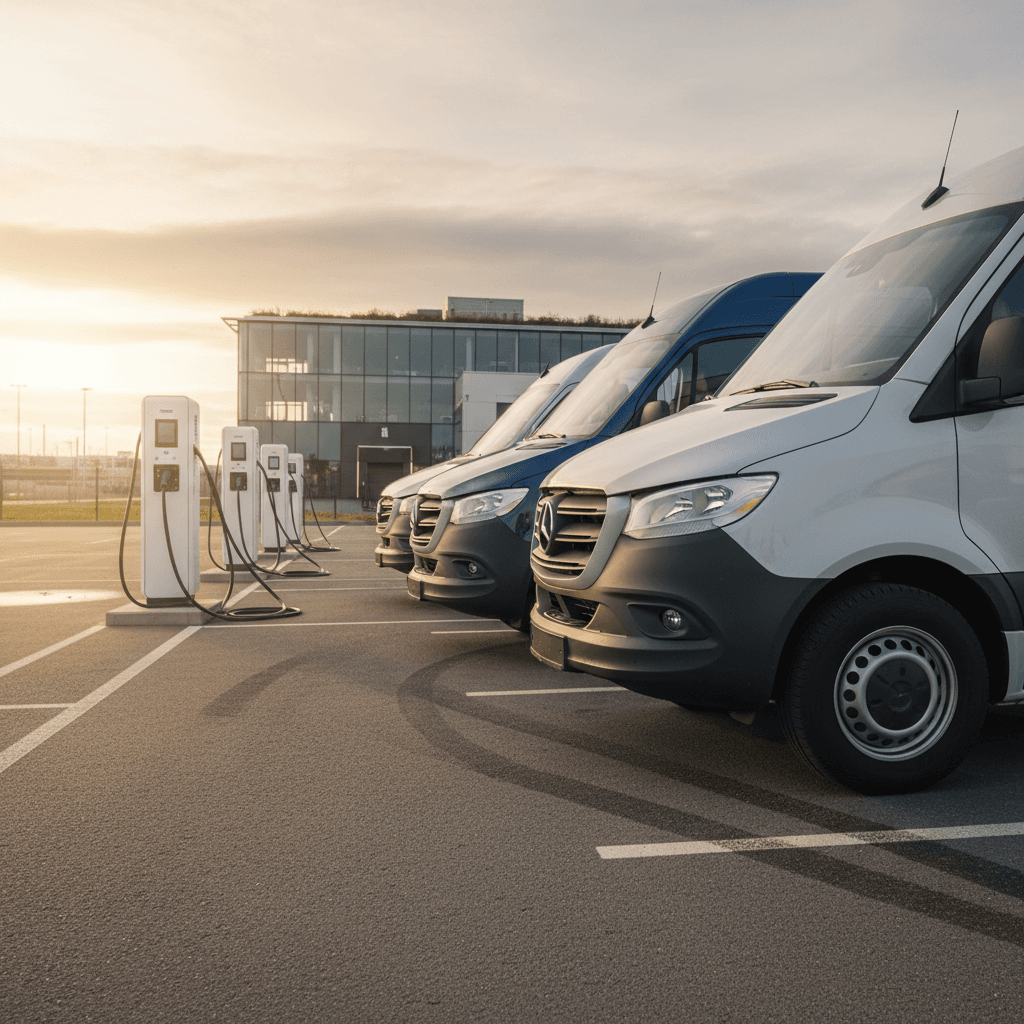
If you run routes in town or dream about a fully electric camper build, the 2025 Mercedes‑Benz eSprinter is probably on your radar. Mercedes has finally given its electric cargo van more configuration choices and a lower entry price, but it’s still a very specific tool. This guide walks you through range, batteries, charging, pricing, and real‑world use cases so you can decide whether the 2025 eSprinter fits your business, or your vanlife plans.
Quick take
2025 Mercedes‑Benz eSprinter overview
What the 2025 eSprinter is
- All‑electric cargo van based on the familiar Sprinter platform
- Rear‑wheel drive with a single electric motor
- Available as high‑roof 170" wheelbase or new 144" standard roof for 2025
- Two battery sizes: about 81 kWh and 113 kWh usable capacity
Who it’s built for
- Urban and regional delivery fleets that know their daily routes
- Trades who operate mostly in metro areas (plumbers, electricians, mobile services)
- Upfitters and vanlife builders willing to live within its range envelope
- Businesses looking to cut fuel and maintenance costs and hit sustainability targets
Key 2025 eSprinter numbers (U.S. estimates)
Remember: these are working estimates
What’s new for the 2025 eSprinter?
The original U.S. eSprinter launch focused on a single long‑wheelbase, high‑roof configuration with a big 113 kWh battery. That was great for range but limited for buyers who wanted a smaller, cheaper van. For 2025, Mercedes has quietly addressed some of the biggest complaints.
2025 updates that actually matter
More choice, better pricing, and small tweaks to driver‑assist tech.
New shorter wheelbase
Smaller battery option
Safety & tech tweaks
Fleet angle
2025 eSprinter range, battery sizes & efficiency
Range is the headline for any electric van, and the 2025 Mercedes‑Benz eSprinter leans on a large, efficient battery pack to keep anxiety at bay. Instead of chasing maximum power, Mercedes prioritized usable miles and predictable performance under load.
2025 eSprinter battery & range overview (manufacturer estimates)
Two battery sizes give you a choice between maximum range and lower upfront cost.
| Battery | Wheelbase/Roof | Estimated Max Range | Best For | Trade‑offs |
|---|---|---|---|---|
| ~81 kWh | Short 144" / standard roof | ≈150–200 miles | Dense urban routes, service calls, local trades | Lower price and weight, but less margin for detours, cold weather, or highway speeds. |
| 113 kWh | Long 170" / high roof | ≈230–250 miles | Regional routes, mixed highway/city, camper builds | More expensive and heavier; charging from empty to full takes longer. |
Always treat published range as a best‑case starting point, not a guaranteed number on a cold January morning with a full load.
- Both packs use lithium iron phosphate (LFP) chemistry, which trades a bit of energy density for durability and the ability to handle frequent DC fast‑charging better than many older chemistries.
- Real‑world range in a loaded cargo van is often 20–30% lower than the spec sheet once you add weight, stop‑and‑go traffic, HVAC use, and higher speeds.
- The eSprinter’s top speed is capped at 75 mph, which helps preserve range on the highway but also limits how fast you can run in 75–80 mph zones.
Cold‑weather reality check
Power, payload & towing: can it do the job?
Electric vans live or die on how they behave when they’re full of ladders, shelving, and a day’s worth of parcels. On paper, the 2025 eSprinter won’t out‑muscle a diesel Sprinter, but it does deliver instant torque and a calm, quiet drive that many drivers will prefer.
2025 eSprinter powertrain & capability snapshot
Key mechanical specs that matter when you’re hauling cargo instead of kids.
| Spec | Standard Output | High Output |
|---|---|---|
| Motor power | ≈134 hp | ≈201 hp |
| Torque | 295 lb‑ft (rear‑drive) | 295 lb‑ft (rear‑drive) |
| Drive | RWD only | RWD only |
| Top speed | 75 mph (limited) | 75 mph (limited) |
| Max payload (approx.) | Up to ~2,600–3,500 lbs* | Similar, depending on trim |
| Max towing (approx.) | Around 4,200–4,300 lbs | Around 4,200–4,300 lbs |
Exact figures can vary slightly by configuration; check the specific van you’re shopping.
How it compares to diesel
How the eSprinter feels on the road
Less roar, more serenity, especially in town.
Calm but not quick
Quiet by default
Surprisingly composed
Charging the 2025 eSprinter: home, depot & fast charging
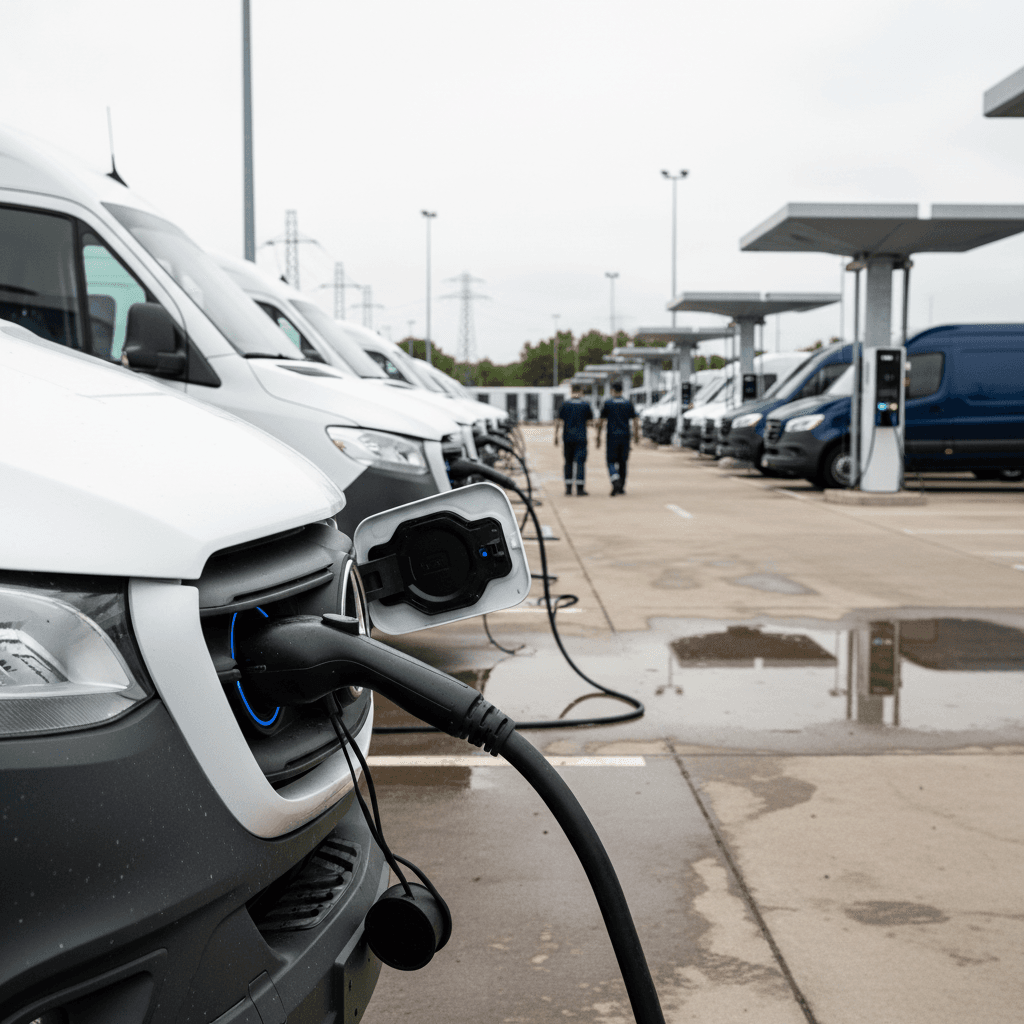
Charging strategy is where the 2025 eSprinter either clicks for your use case or doesn’t. If you can plug in every night, at home, at a depot, or both, the van’s big battery becomes an asset. If you’re hoping to fast‑charge like a passenger EV several times a day, you’re asking it to play a game it wasn’t built for.
Approximate 2025 eSprinter charging times
Times assume healthy hardware and mild temperatures; your results will vary.
| Charging Type | Power | 10–80% (113 kWh) | 0–100% (Level 2) | Best Use Case |
|---|---|---|---|---|
| Level 1 (120V) | 1–2 kW | Too slow for practical use | Over 40 hours | Emergency or occasional top‑off only. |
| Level 2 (240V, ~40A) | 9–11 kW | ~8–9 hours equivalent | ~10–12.5 hours | Overnight charging at home or depot. |
| DC Fast Charging | Up to ~115 kW | ≈32–42 minutes | Not typically done | Quick mid‑day boost on long routes. |
For fleet planning, think in terms of overnight replenishment and mid‑day top‑ups, not constant 10–100% fast‑charge cycles.
Plan around 10–80%
Checklist: does the 2025 eSprinter fit your charging reality?
1. Do you have overnight parking with power?
A dedicated 240‑volt circuit, at home, at a shop, or in a secured lot, turns the eSprinter into a "full tank every morning" vehicle.
2. Are DC fast chargers on your routes?
If you occasionally need to stretch range, make sure there are reliable DC fast chargers along your main corridors and near your delivery zones.
3. Who manages charging schedules?
For fleets, someone needs to own plug‑in discipline and scheduling. For solo owners, you just need to be willing to plug in consistently.
4. Will you share chargers with other vehicles?
If multiple vans or personal EVs use the same chargers, map out a schedule so the eSprinter isn’t left unplugged when it needs juice.
Pricing, trims & incentives for U.S. buyers
Mercedes positions the 2025 eSprinter as a premium electric work van, but the new smaller battery and shorter wheelbase bring the entry price down. That matters if you’re comparing it to diesel Sprinters, Ford’s E‑Transit, or simply deciding whether electrification pencils out at all.
2025 Mercedes‑Benz eSprinter U.S. pricing (early estimates)
Exact MSRPs vary by configuration and destination; always confirm with a dealer or fleet sales rep.
| Configuration | Battery | Approx. Starting Price | Notes |
|---|---|---|---|
| 144" WB, standard roof | ~81 kWh | ≈$63,000+ | New, more affordable entry point for 2025. |
| 170" WB, high roof | 81 or 113 kWh | ≈high‑$60Ks to mid‑$70Ks | Long‑range, high‑roof workhorse with big cargo volume. |
Fair‑market prices can be several thousand dollars under MSRP once incentives and fleet deals are factored in.
Factor in incentives & total cost of ownership
Who the 2025 eSprinter actually works for
Great fit
- Urban delivery fleets running repeatable routes of 80–150 miles per day with depot charging.
- Trades and mobile services working mainly in a metro area, plumbers, electricians, IT service, mobile dog grooming.
- Vanlife and camper builds for people who move slowly, plug in at campgrounds, and are comfortable planning around range.
- Corporate and municipal fleets with sustainability goals and route density that favors electric.
Challenging fit
- Owners who regularly tow at or near the van’s max rating, especially in hilly terrain.
- High‑speed interstate haulers who spend all day at 75–80 mph with long gaps between chargers.
- Rural operators with limited access to reliable Level 2 or DC fast charging.
- Buyers who need all‑wheel drive, the eSprinter is rear‑drive only.
When it’s a home run
2025 eSprinter vs. other electric vans
The 2025 eSprinter isn’t alone anymore. Ford’s E‑Transit and other incoming electric vans give you alternatives, especially if you’re more price‑sensitive than brand‑loyal. Here’s how the eSprinter stacks up in the areas most buyers care about.
High‑level comparison: eSprinter vs. typical rivals
Exact numbers vary by configuration; this is a directional snapshot for shoppers starting their research.
| Van | Range (max, est.) | Drive | Notable Strengths | Potential Drawbacks |
|---|---|---|---|---|
| Mercedes‑Benz eSprinter (2025) | Up to ~249 mi | RWD | Excellent range for an electric van, LFP battery durability, Mercedes build quality. | Higher upfront price, no AWD, modest towing and payload vs. diesel. |
| Ford E‑Transit | ≈126–159 mi | RWD | Strong dealer network, familiar transit platform, attractive pricing. | Shorter range, battery chemistry less tolerant of constant DC fast‑charging. |
| Smaller electric vans (where available) | Typically 120–180 mi | FWD/RWD | Lower price, easier to maneuver and park. | Less cargo volume, may feel cramped with shelves and equipment. |
Always compare specific trims and upfit needs before you sign anything.
Match the van to the job, not the spec sheet
Buying new vs. used eSprinter (and how Recharged helps)
The 2025 Mercedes‑Benz eSprinter will mostly show up new at first, but the earlier 2024 vans are already starting to trickle into the used market. That opens up options if you’d rather let someone else take the big first‑year depreciation hit.
New vs. used eSprinter: quick comparison
The right choice depends on your risk tolerance and your routes.
Buying new
- Full new‑vehicle warranty and battery coverage.
- Choice of 2025‑specific options (like the smaller battery and shorter wheelbase).
- Ideal for fleets standardizing on one build spec across dozens of vans.
Buying used
- Lower purchase price, with early depreciation already baked in.
- Great for smaller businesses testing whether an electric van fits their workflow.
- Access to 2024–2025 models as they come off short‑term leases or demos.
Where Recharged fits in
What to check before buying a used eSprinter
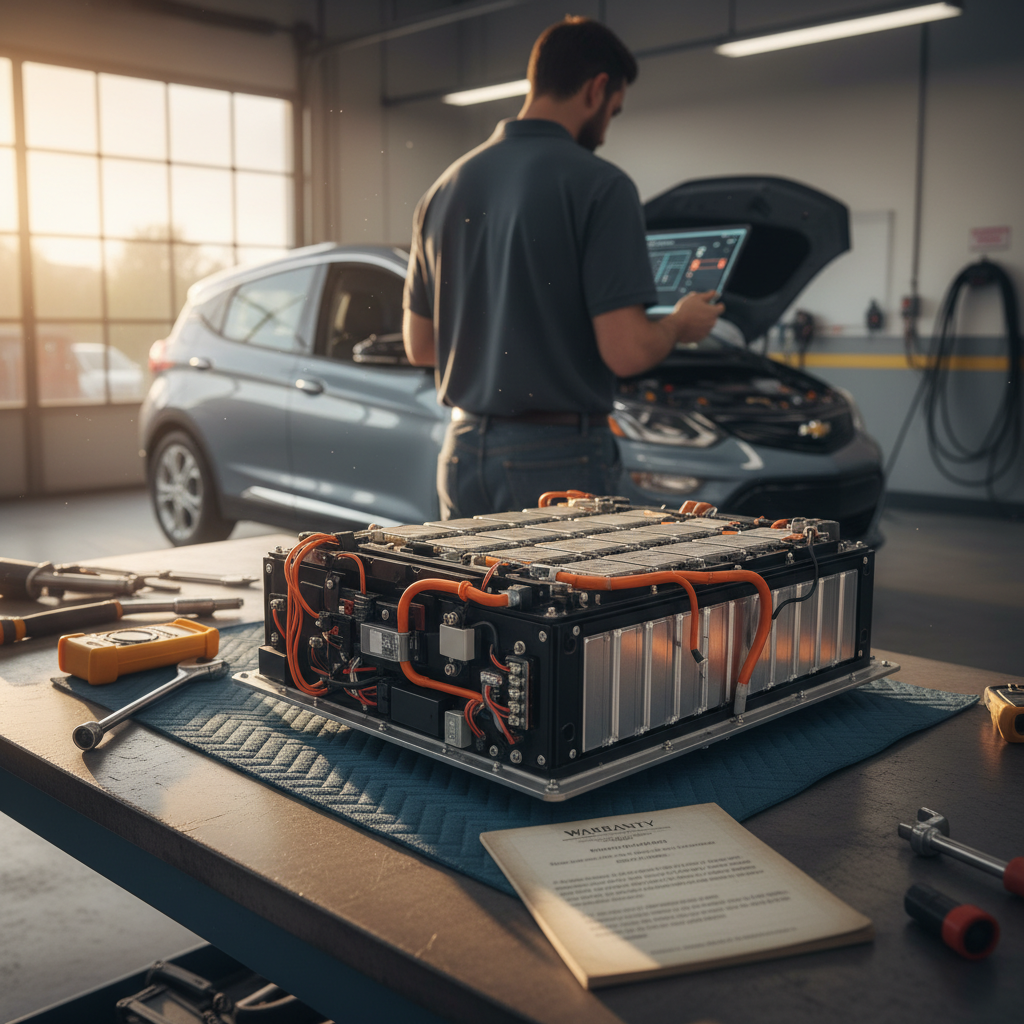
1. Battery health & fast‑charge history
Ask for data on long‑term state of health (SOH) and how often the van has been DC fast‑charged. Tools like the Recharged Score give you this in plain English.
2. Usage profile
A van that spent its life on short urban routes with depot charging often ages better than one that lived at highway speeds and fast‑chargers.
3. Upfit quality
Shelving, wiring, and any aftermarket electrical gear should be cleanly installed, fused correctly, and not overloaded. Sloppy upfits can cause headaches, and drain batteries.
4. Software & recalls
Make sure all software updates and any recalls have been handled. That’s especially important for systems like stability control and charging management.
2025 Mercedes‑Benz eSprinter FAQ
Frequently asked questions about the 2025 eSprinter
Bottom line: is the 2025 eSprinter right for you?
The 2025 Mercedes‑Benz eSprinter is not a one‑size‑fits‑all replacement for every diesel van, and that’s okay. It’s a purpose‑built electric tool that shines when you give it predictable routes, nightly charging, and work that plays to its strengths: quiet torque, low running costs, and a cabin that’s a much nicer office than a rattly box truck.
If that sounds like your world, the new shorter wheelbase and smaller battery option make it easier than ever to spec the right eSprinter for the job. And as 2024–2025 vans filter into the used market, platforms like Recharged give you a way to shop with real data on battery health instead of guesswork. Take a clear look at your routes, your charging options, and your payload needs. If they line up with what the 2025 eSprinter does best, it can be a quietly brilliant workhorse for years to come.