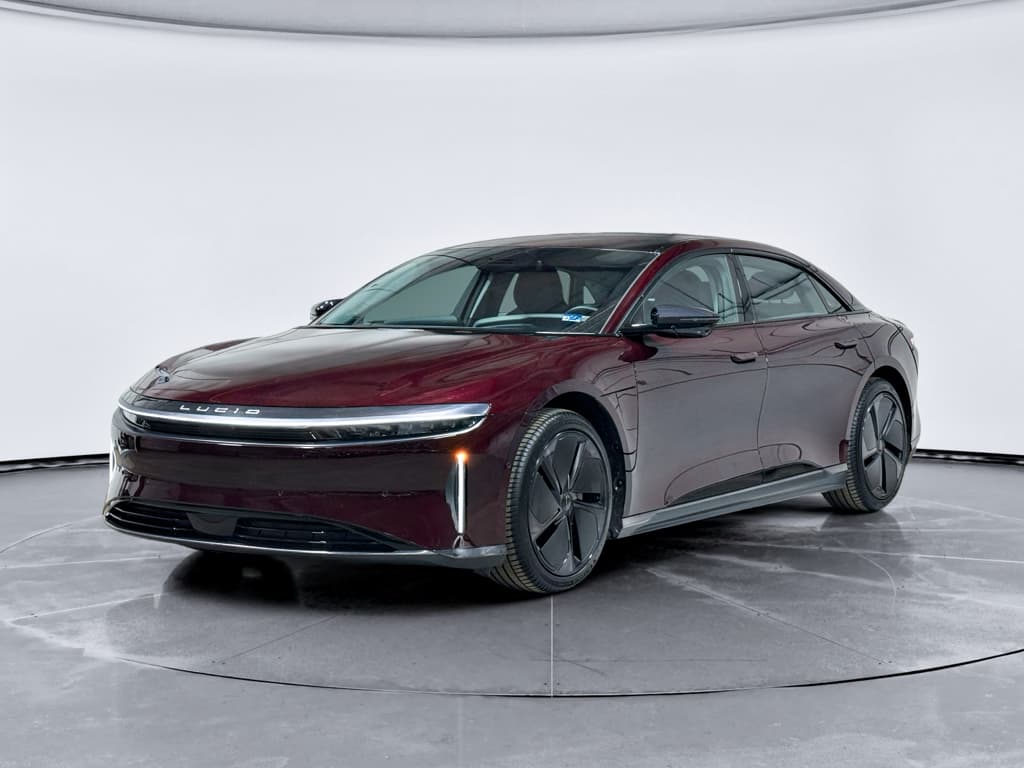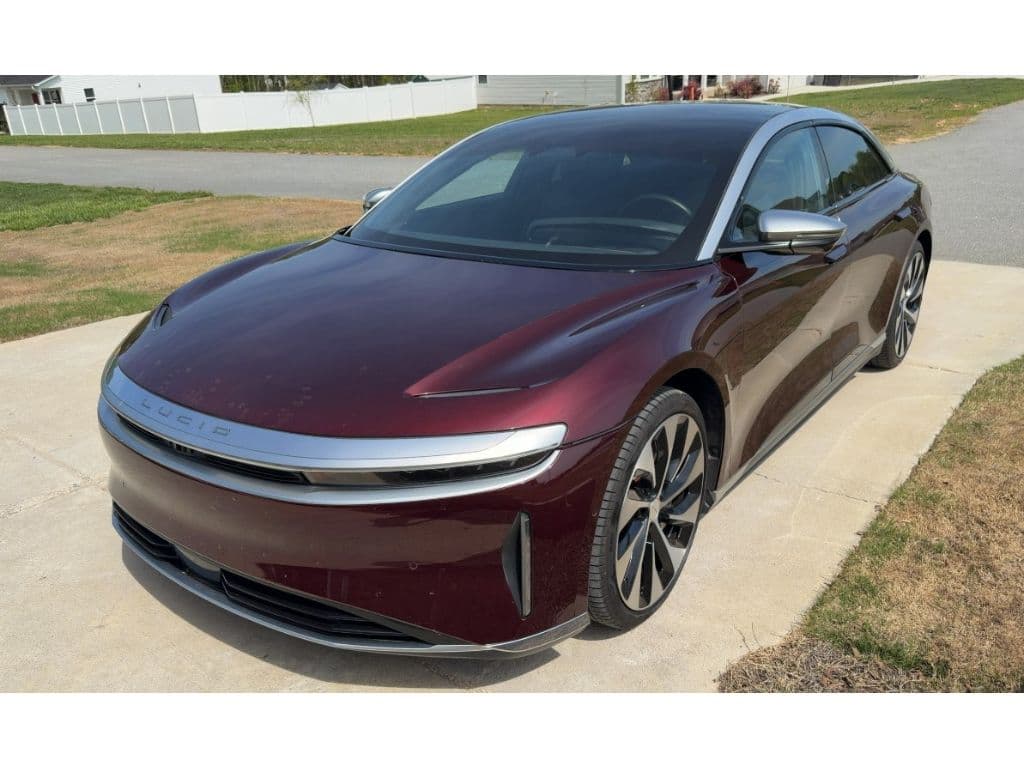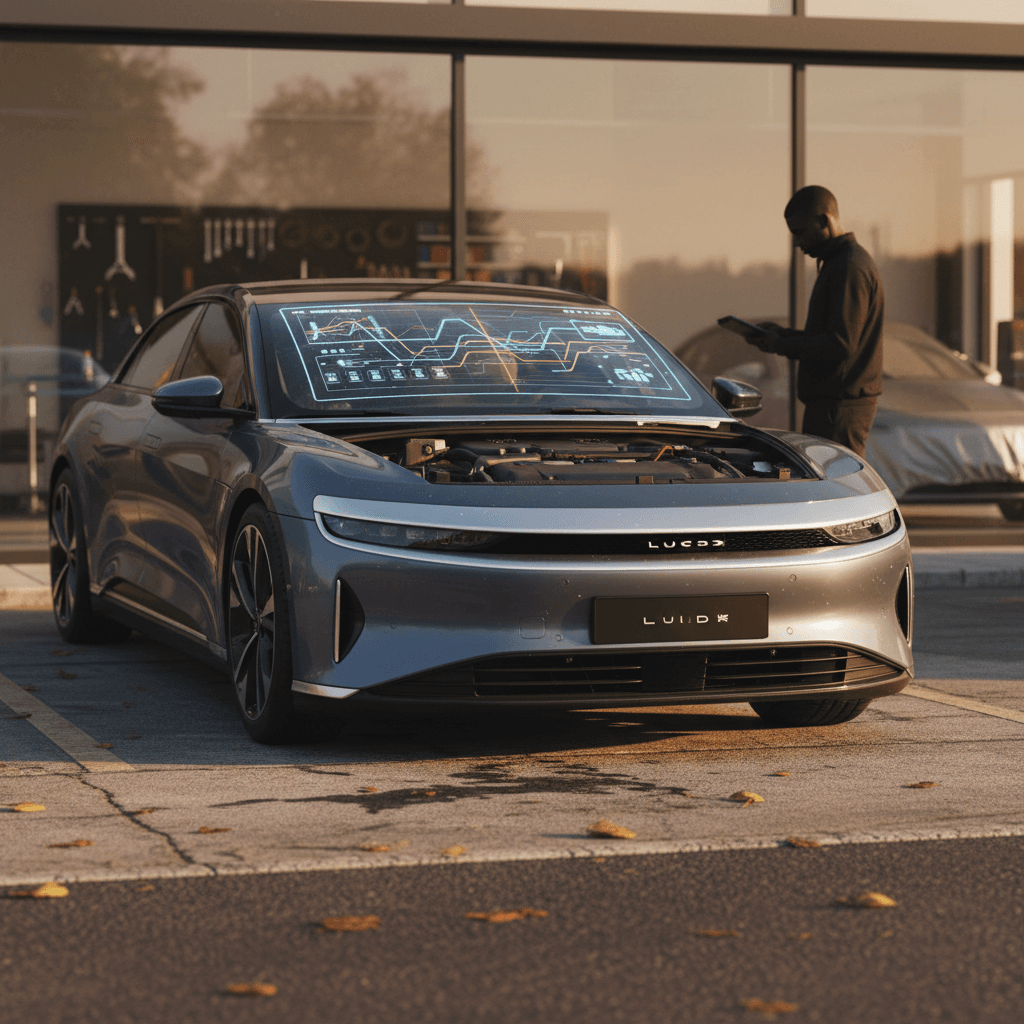
If you’re eyeing a 2025 Lucid Air, you’ve probably heard two very different stories: breathtaking performance and range on one side, and frustrating software bugs and recalls on the other. When people search for 2025 Lucid Air problems, they’re trying to answer one question: is this thing brilliant, or a headache waiting to happen, especially if you’re buying it used?
Quick take
2025 Lucid Air at a glance: strengths and weak spots
2025 Lucid Air reliability snapshot
Put simply, the 2025 Lucid Air is a phenomenal EV wrapped around immature software and young-car teething issues. Owners tend to love how it drives and how far it goes per charge, while grumbling about frozen screens, odd alerts, and getting timely service appointments.
Major 2025 Lucid Air recalls you should know about
Lucid is still a young automaker, and the Air has already picked up several recalls that continue into the 2024–2026 model years. If you’re considering a 2025 car, you want to know that every one of these has been addressed.
Key Lucid Air recalls affecting 2025 models
Always run the VIN on the NHTSA site or with a Lucid service center to confirm a specific car’s recall status.
| Issue | Model years affected | What can happen | How it’s fixed | What to verify on a used 2025 Air |
|---|---|---|---|---|
| Rearview camera image blank or badly delayed (early software) | 2022–2025 | Backup camera may not display or may lag so badly it’s unsafe when reversing. | Over‑the‑air (OTA) software update to version 2.8.0 or later; some cars may also get hardware updates depending on controller version. | Confirm current software version and ask for proof that all camera-related recalls are closed. |
| Rearview camera image intermittently doesn’t appear (later software) | 2022–2026 with AD02 package on software 2.8.0–2.8.16 | Image may fail to display when shifting into reverse, violating rear‑visibility rules. | Another OTA update beyond 2.8.16, pushed automatically or at a service visit. | On a test drive, repeatedly shift into Reverse and make sure the camera comes on instantly every time. |
| Half‑shaft bolt issue on Pure RWD | 2024–2026 Air Pure RWD | Improperly secured bolts can allow a half‑shaft to disconnect, leading to loss of drive power. | Physical inspection and replacement of bolts at a Lucid service center. | If you’re looking at a Pure RWD, ask for paperwork showing the half‑shaft campaign was completed. |
| Rear subframe wiring harness too short (RWD) | 2024–2025 Pure RWD | Harness strain can cut power to the rear drive unit, causing sudden loss of drive. | Service visit to inspect and, if necessary, replace or reroute the harness. | Look for recall documentation and pay attention to any warnings or sudden power loss on a test drive. |
Recall coverage can span multiple model years, so don’t assume a later build is automatically in the clear.
Don’t skip the recall check
Software and electronics: the biggest source of complaints
The most common 2025 Lucid Air problems aren’t blown motors or dead batteries, they’re screens, audio, and the underlying software that ties the whole car together. That’s the trade-off with a new, extremely software‑dependent luxury EV from a young brand.
Common 2025 Lucid Air software & electronics issues
Real‑world complaints from owners, forums, and early reviews.
Frozen or unresponsive screens
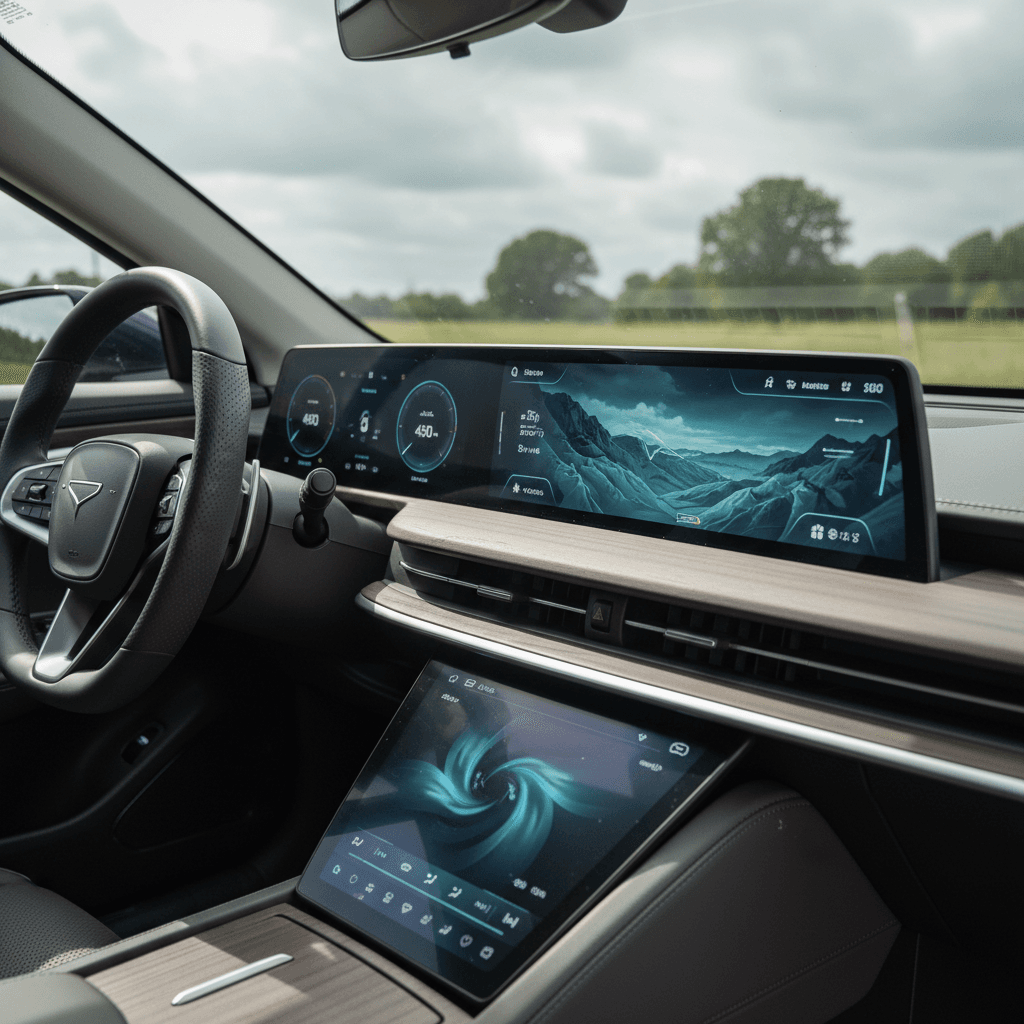
Owners report the lower Pilot Panel and even parts of the upper Glass Cockpit occasionally stop responding mid‑drive. Physical controls like turn signals still work, but climate and media controls can disappear until you perform a reset.
Workaround: a hard reset (brake + steering‑wheel buttons) usually revives the system, but it’s not something you want to be doing regularly in a $100K+ car.
Audio dropouts & Bluetooth quirks
Intermittent loss of sound, music, alerts, and voice guidance, shows up in owner stories. Others mention Bluetooth calls cutting out or behaving strangely with certain phones.
Often, a software reboot or update helps, but repeated problems can make the car feel unfinished.
OTA update hiccups
Because Lucid relies heavily on over‑the‑air updates, the Air sometimes gets new software that introduces fresh bugs. A few 2025 owners have even reported cars that wouldn’t drive until a failed update was corrected.
This is the double‑edged sword of modern EVs: fixes can come wirelessly, but so can new headaches.
How to spot a problem car on a test drive
Driver assistance (DreamDrive): quirks and limitations
Lucid’s driver‑assist suite, DreamDrive and DreamDrive Pro, aims to compete with Tesla Autopilot, GM Super Cruise, and the rest of the luxury EV field. Owners say it can be smooth and confidence‑inspiring, but it’s also been called out for lane‑keeping weirdness and inconsistent behavior on certain software builds.
What owners like
- Adaptive cruise generally works well on clear highways.
- Lane centering can feel natural when conditions are ideal.
- Highway fatigue reduction is real when the system behaves.
What owners complain about
- Occasional “ping‑pong” between lane lines or drifting when the road markings are poor.
- Early software occasionally disenged abruptly, prompting some owners to stop using it.
- False or overly sensitive alerts that nag the driver.
Hands-on, not self-driving
Battery, range, and charging: are they actually a problem?
Here’s the good news: for a car that often gets criticized for reliability, the 2025 Lucid Air’s battery, range, and core powertrain are usually the hero of the story. Lucid built its reputation on efficiency, and owners routinely report highway ranges in the 300–400‑mile ballpark, depending on trim and driving style.
Where the 2025 Lucid Air shines, and struggles, on efficiency
Range is strong; it’s the surrounding ownership experience that can get bumpy.
Long‑distance range
Touring and Grand Touring models can comfortably do long highway stints on a single charge. That makes the Air one of the most relaxed road‑trip EVs, on paper and in the real world.
Fast‑charging reality
When you find a healthy DC fast charger, the Air can pull down strong charging speeds. But as with other non‑Tesla EVs, your experience depends heavily on the health of the DC network you’re using.
Home charging basics
The Air charges like other premium EVs on a Level 2 home charger. If you’re shopping used, check that the previous owner kept charging within recommended limits and didn’t rely on DC fast charging every day.
Battery health on a used Lucid Air
Fit, finish, and comfort issues inside the 2025 Air
Luxury buyers don’t just want speed, they want seats that feel right, materials that justify the price, and a cabin that’s as quiet as it looks expensive. Feedback on the 2025 Lucid Air is mixed here: some owners absolutely love the interior, others say it doesn’t quite match the price tag.
- Some owners complain about seat materials that feel more synthetic than expected at this price, with a few reports of misaligned or oddly shaped seat cushions that are hard to adjust around.
- The dramatic glass roof looks spectacular but can contribute to heat and glare; the built‑in visors don’t work as well as some drivers would like, and there’s no simple way to fully block the glass.
- A few owners mention isolated squeaks, clunks, or knocks from underneath the car that turned out to be hardware (like suspension or harness routing) needing attention at a service visit.
- Others report their cars as flawlessly assembled and extremely comfortable, even on long trips. As with many low‑volume luxury EVs, there’s some variability between individual cars.
Comfort test: don’t just sit, stay a while
How reliability compares to Tesla and legacy luxury brands
Independent reliability ratings currently place the 2025 Lucid Air well below average for its segment. That’s not surprising for a low‑volume, first‑generation luxury EV from a brand that’s still building out its service network.
2025 Lucid Air vs. other luxury EVs on reliability
A high‑level comparison of how the 2025 Air stacks up against key competitors from a reliability and service‑experience perspective.
| Model | General reliability picture | Most common complaints | Service network maturity |
|---|---|---|---|
| Lucid Air (2025) | Rated much worse than average overall. | Software glitches, screen freezes, camera recalls, occasional drivetrain‑related recalls on specific trims. | Limited but growing; fewer locations and longer waits in some regions. |
| Tesla Model S (2025) | Historically below average but improving in some recent years. | Panel gaps and trim, phantom braking, infotainment quirks; fewer fundamental powertrain issues. | Broad but busy; mobile service helps, but appointment slots can still be scarce. |
| Mercedes‑Benz EQE/EQS (2025) | Closer to average for modern luxury cars, though complex electronics still cause issues. | Infotainment overload, squeaks/rattles, occasional 12‑volt and sensor issues. | Large, established dealer network with EV‑trained technicians, though quality varies by dealer. |
Actual owner experience varies widely by individual car and local service support.
Young brand vs. old hands
Shopping used 2025 Lucid Air? 8 things to check
If you’re considering a 2025 Lucid Air on the used market, you’re the one taking on those early‑adopter risks. Do that with your eyes open and you can land an incredible car at a meaningful discount; skip the homework and you can inherit someone else’s headache.
Pre‑purchase checklist for a 2025 Lucid Air
1. Run a full recall and software check
Use the VIN to confirm that all NHTSA recalls are closed, then verify the car is on the latest recommended software. Ask for screenshots or a printout from a Lucid service visit if possible.
2. Test every screen and control twice
With the car parked, run through the entire infotainment system, upper and lower screens, steering‑wheel controls, climate, audio sources, navigation, Bluetooth, CarPlay/Android Auto. Then do it again after a short drive to see if anything glitches when the car warms up.
3. Look for warning lights or odd alerts
Any persistent alerts for driver assistance, powertrain, or cameras deserve investigation before you sign anything. Don’t let a seller wave them away as “just software” without documentation of a fix.
4. Inspect seats, trim, and glass
Check seat alignment, stitching, and comfort, especially if you’re tall or short. Look for rattles, creaks, or knocks over rough pavement. Ask specifically about any repairs to the glass roof or interior panels.
5. Ask about charging habits
How often did the previous owner fast‑charge? Did they regularly charge to 100%, or keep the car between roughly 20% and 80% for daily use? Thoughtful charging is a good sign of an owner who cared about battery health.
6. Get an independent battery and system health report
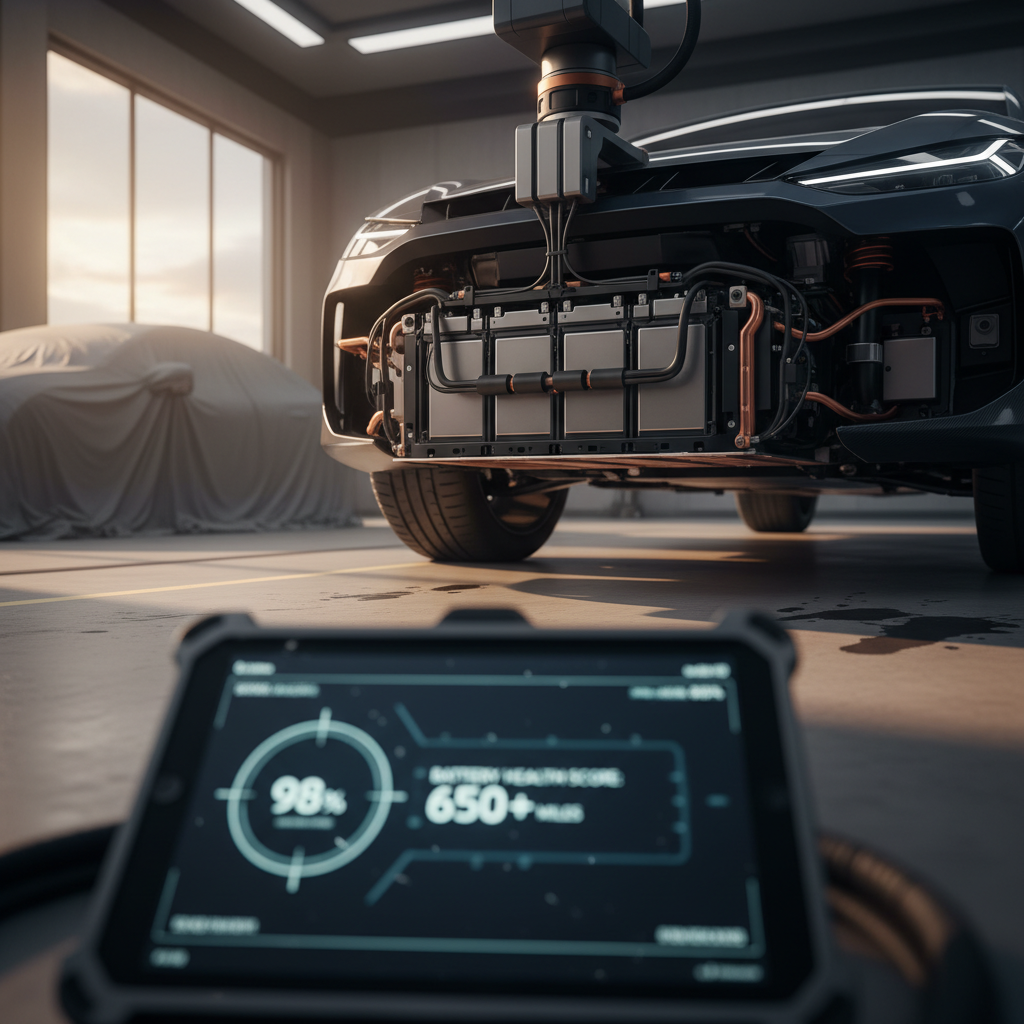
Because Lucid is new, third‑party diagnostics are still evolving, but you should get as much data as possible on pack health, charging history, and error logs. A platform like the Recharged Score can help surface this detail in a clear, buyer‑friendly report.
7. Review service history and response times
Ask to see service invoices and note how long repairs took. Long waits or repeated visits for the same issue can signal a problem car, or a local service center that’s overloaded.
8. Confirm warranty coverage and transfer process
Lucid’s factory warranty is a key safety net on a complex EV. Confirm what’s left on the basic and battery warranties, and make sure you understand how warranty transfer works if you’re buying from a private seller.
Avoid sight‑unseen gambles
How Recharged helps if you’re considering a used Lucid Air
Decoding a young, software‑heavy luxury EV like the Lucid Air isn’t easy, especially if you’re comparing it against Teslas, Mercedes EQ models, or Porsche Taycans. That’s exactly where a specialist marketplace like Recharged is designed to help.
Why shop a used Lucid Air through Recharged?
Less guesswork, more verified data.
Recharged Score battery & system health
Every EV on Recharged, including eligible Lucid Airs, comes with a Recharged Score Report. That means verified battery health, charging behavior, and system diagnostics, so you’re not just taking someone’s word for it.
Fair market pricing & financing
We benchmark pricing against the broader EV market to help you see whether a 2025 Air is actually a deal. You can also get pre‑qualified for EV financing online with no impact on your credit.
Expert EV support & delivery
Recharged’s EV specialists walk you through trim differences, charging gear, and ownership costs, then arrange nationwide delivery or pickup from our Experience Center in Richmond, VA.
Ready to find your next EV?
Browse VehiclesAnd if you already own a Lucid Air and are thinking about moving on, Recharged can help with trade‑ins, instant offers, or consignment, so you capture the most value from a complex, high‑end EV.
FAQ: 2025 Lucid Air problems
Frequently asked questions about 2025 Lucid Air problems
Bottom line: is a 2025 Lucid Air worth the risk?
The 2025 Lucid Air is one of the most compelling EVs on the road from behind the wheel: stunning range, effortless speed, and a uniquely airy cabin. But its young‑brand growing pains and below‑average reliability mean it’s not the right choice for everyone, especially if you’re the type who wants to set‑and‑forget your car.
If you’re willing to live with more software updates, the occasional reset, and a still‑maturing service network, a carefully vetted 2025 Air can be a fantastic, future‑forward luxury sedan, particularly on the used market where early depreciation works in your favor. The key is doing more homework than you would for a mainstream car: confirm recalls, probe the electronics, and get objective data on battery and system health.
And if you’d rather not tackle that alone, browsing used Lucid Air listings on Recharged gives you access to Recharged Score reports, EV‑savvy guidance, financing options, and nationwide delivery. That way, if you decide the 2025 Air’s magic is worth its quirks, you’re stepping into it with your eyes wide open.