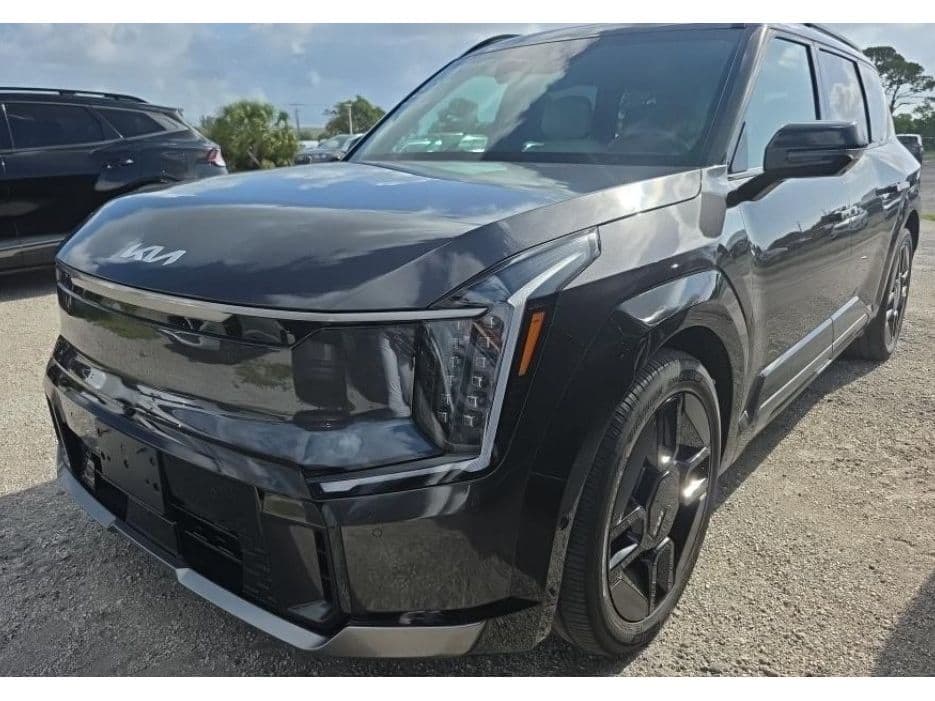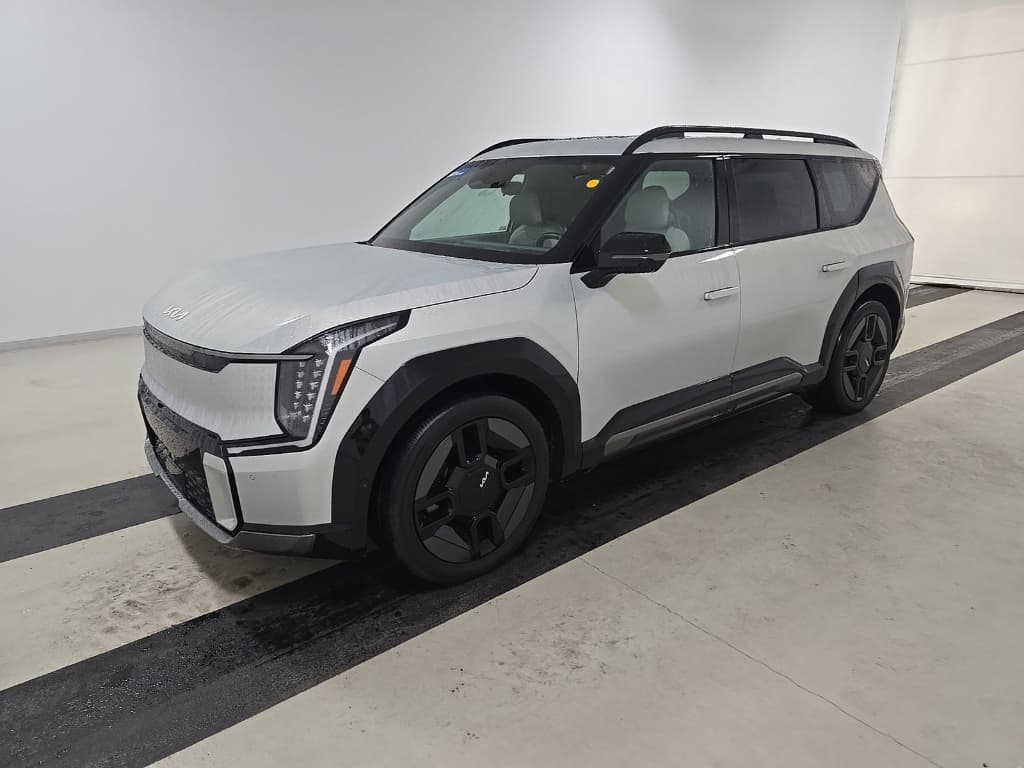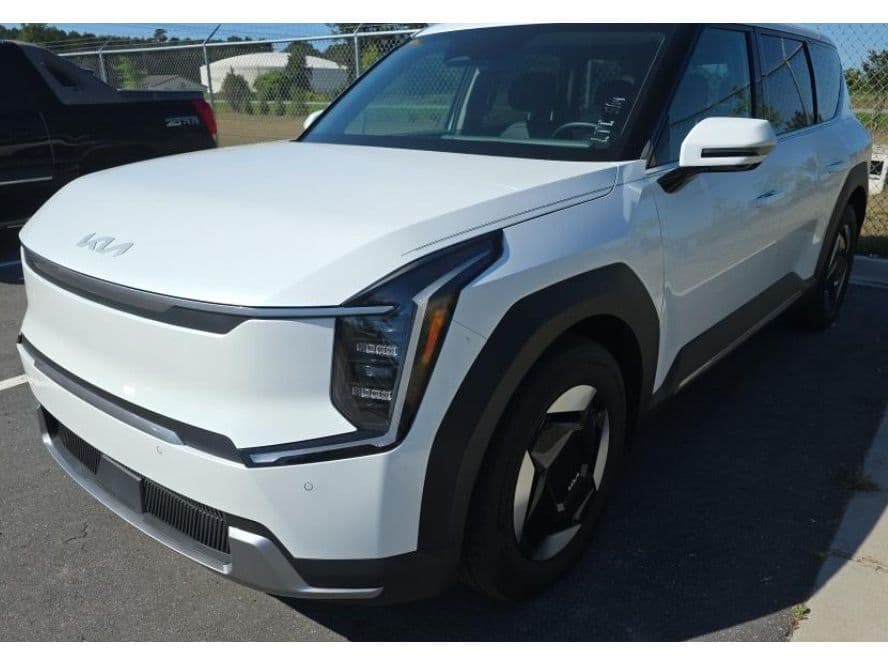
If you’re driving, or thinking about buying, a 2025 Kia EV9, you’ve probably seen headlines about recalls, charging unit issues, and owner horror stories mixed in with glowing reviews. This guide breaks down the real-world 2025 Kia EV9 problems and fixes, what’s specific to the 2025 model year, and what’s mostly early-production 2024 baggage that still matters if you’re shopping used.
Context: New EV, Young Data
Overview: How Worried Should You Be About 2025 Kia EV9 Problems?
What’s going right
- Most owners report smooth drivability, strong range, and quiet comfort once the software is behaving.
- Many 2025 EV9s rolled off the line with updated software that already addresses some 2024 bugs.
- The EV9 benefits from Kia’s existing E‑GMP platform experience (EV6, Ioniq 5), so this isn’t a clean‑sheet drivetrain.
Where the trouble shows up
- Clusters of issues around software, over‑the‑air updates, and Kia Connect.
- Charging and ICCU (integrated charging control unit) problems that can sideline the car in rare but serious cases.
- Early reports of hardware quirks: wiper performance, vibration, alignment, and loose trim on some units.
The 2025 EV9 isn’t a disaster, but it’s also not a “no‑issues” launch. You need to go in with eyes open.
Kia EV9 Early-Run Reliability Snapshot
Major Recalls Affecting the 2025 Kia EV9
By early 2026, the EV9 has already generated multiple U.S. recalls, mostly tied to the 2024 model year. However, some campaigns and their underlying software apply to early‑build 2025 Kia EV9 units as well, especially if your SUV shares components or software branches with 2024 production.
Key EV9 Recalls Owners Should Know About
Check your VIN against Kia and NHTSA databases, this table is an overview, not a substitute for an official lookup.
| Issue | Model Years | Symptom | Risk | Typical Fix |
|---|---|---|---|---|
| Blank instrument cluster at startup | 2024 + one 2025 | Cluster screen intermittently blank when you power on | Driver can’t see speed, warnings, or indicators | OTA update to instrument‑cluster software; dealer reflash if OTA fails |
| Remote Smart Parking Assist (RSPA) software | Primarily 2024, may touch early 2025 | RSPA may not operate as intended | Low‑speed maneuvering risk | Dealer software update to RSPA module |
| Mounting/fastener campaigns | 2024 mainly | Loose seat/wheel or underbody fasteners in rare cases | Physical detachment risk if ignored | Inspect and retorque or replace affected fasteners |
| Shift‑by‑wire logic (regional campaigns) | 2024, select builds | Unexpected shift behavior in isolated cases | Vehicle may not go into or stay in the intended gear | Software update to shift‑by‑wire controller |
Recall coverage can change. Always verify status with Kia or NHTSA before assuming your EV9 is clear.
Don’t Assume 2025 Means "Recall-Free"
Quick Steps to Check Your 2025 EV9 for Recalls
1. Run a VIN check with NHTSA
Use the NHTSA recall lookup with your full VIN to see open safety recalls. If anything shows, it should be repaired free at a Kia dealer.
2. Log into your Kia Owner’s Portal
Kia’s portal will often show outstanding campaigns and OTA eligibility sooner than the app. It’s more reliable than relying on push notifications alone.
3. Verify work in your service history
If the previous owner claims recalls were done, ask for invoices. On a used EV9 bought through Recharged, this kind of history is verified for you whenever possible.
4. Confirm OTA updates applied
If your EV9 supports over‑the‑air updates, check for completed cluster or RSPA updates in the infotainment settings and Kia Connect app.
Software and Tech Glitches: Screens, Apps, OTA Updates
If there’s a defining theme to early EV9 problems, it’s software. Owners of 2024 and 2025 trucks frequently mention quirks with the digital cluster, infotainment screen, Kia Connect app, and OTA updates, most annoying, some serious.
Common EV9 Software Problems and Practical Fixes
Most of these are irritating, not dangerous, but they can sour ownership if they’re constant.
Blank or frozen screens
Some 2024/early 2025 EV9s experience blank instrument clusters at startup or a frozen infotainment screen.
- First line of defense: full system reboot from the settings menu or by shutting the car down, locking, and waiting a few minutes.
- If it recurs, ask your dealer to confirm the latest cluster software recall and reapply the update if necessary.
Kia Connect app glitches
Owners report apps stuck on "update required," remote functions failing, or the car and app desyncing.
- Delete and reinstall the app; then log in again.
- Check your Owner’s Portal to confirm your account and vehicle are properly linked.
- If OTA updates never show as available, ask the dealer to check telematics and perform a hard reset.
OTA updates that fail or cause bugs
A few owners saw new issues after dealer or OTA updates, including cluster warnings and odd behavior.
- If an update fails, schedule a dealer visit; they can manually reflash the affected module.
- After a big update, verify key functions: gauges, cameras, RSPA, and charging timers.
Pro Move: Let Others Beta-Test Big Updates
Charging and ICCU Issues: What We’re Seeing So Far
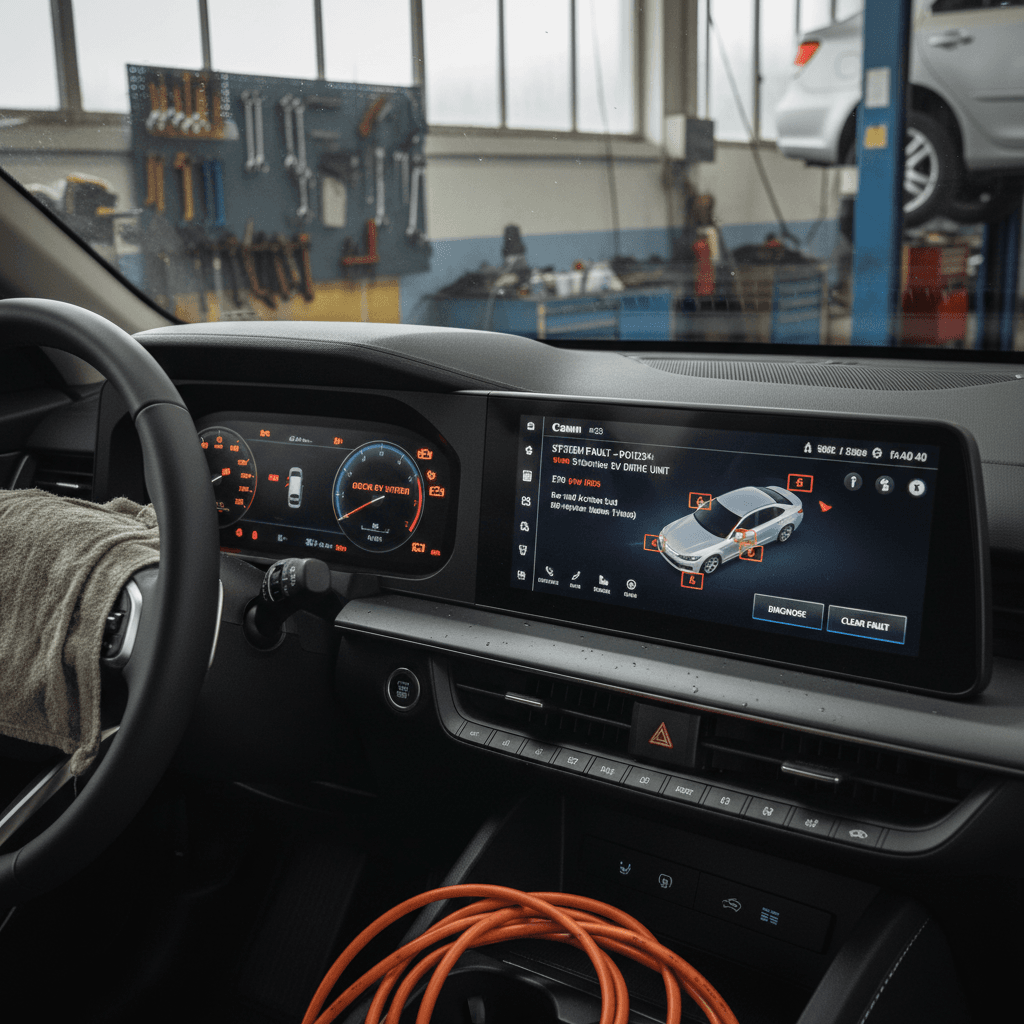
Hyundai, Genesis, and Kia EVs have drawn attention for ICCU (Integrated Charging Control Unit) failures that can strand vehicles or drastically slow charging. The EV9 shares core electrical architecture with other E‑GMP models, which means it lives in the same risk neighborhood, even if failure rates remain relatively low in absolute terms.
Typical charging‑related complaints
- Public DC fast charge sessions that drop out or refuse to start.
- Home Level 2 charging that stops mid‑session or derates to very low power.
- Warning messages about high‑voltage charging components, followed by the car refusing to charge at all.
These symptoms don’t always mean ICCU failure, cables, stations, and software handshakes cause their share of trouble too.
When to suspect an ICCU or vehicle-side problem
- You get similar failures across multiple different DC fast chargers and networks.
- Home charging issues persist after trying another EVSE, outlet, or circuit.
- Dashboard shows clear high‑voltage or charging‑system warnings, not just “charging stopped.”
At that point, you need a dealer to pull diagnostic codes. This is squarely a warranty conversation on a 2025 EV9.
Don’t Keep Driving With High-Voltage Warnings
Simple Triage Before Blaming the Car
1. Try another connector and station
If DC fast charging fails, move to a different stall or another brand of charger. If the problem disappears, it was likely the station, not your EV9.
2. Verify your home circuit
For Level 2 issues, confirm the breaker size, outlet condition, and that nothing else heavy is running on the same circuit. A licensed electrician can rule out household wiring problems.
3. Use a trusted portable EVSE
If you have a portable Level 2 unit, try it on a known‑good 240V outlet. Consistent failure with different EVSEs points back toward the car.
4. Document everything
Take photos of error messages and note dates, locations, and charger brands. Thorough logs can speed diagnosis and, if needed, support a lemon‑law claim.
Drivability, Noise, and Hardware Problems Owners Report
Not every EV9 complaint is software‑deep. A slice of owners report vibration, alignment problems, wiper performance, and trim issues, the kind of bugs that can creep into any high‑volume SUV launch.
Physical EV9 Issues and How Dealers Typically Fix Them
Most of these are fixable under warranty, but don’t ignore them.
Vibration, pull, or odd tire wear
Some owners noticed steering vibration or a pull at highway speeds, sometimes after early services like rotations.
- Ask for a four‑wheel alignment and road‑force balance on all tires.
- In a few cases, defective factory tires caused persistent vibration until replaced.
- Get this documented early; tire wear and alignment can become a finger‑pointing contest later.
Wiper performance and visibility
There are enough complaints about wipers not clearing properly or stopping unexpectedly that regulators have opened a preliminary investigation into 2024–2025 EV9 wipers.
- If your wipers behave erratically, film it and open a case with your dealer.
- Depending on findings, this could become a formal recall or service action.
Loose trim, paint, or door handles
A minority of owners report paint flaking on gloss trim pieces, sticky door handles, or misaligned panels.
- These are mostly cosmetic but should be corrected under the basic warranty if present at delivery or soon after.
- Document with photos and bring it up on your first service visit.
Won’t go into gear or drops to Neutral
There are scattered reports of EV9s refusing to go into gear after startup, or going to Neutral unexpectedly in rare cases.
- If this happens once, log the date and conditions.
- If it happens more than once, request a thorough inspection of the shift‑by‑wire system and software. This is not a behavior to “monitor” indefinitely.
Windshield Wiper and Visibility Concerns Under Investigation
As of early 2026, federal regulators have opened a preliminary evaluation into reports of inoperative windshield wipers on 2024–2025 EV9s. The concern is straightforward: if the wipers fail in rain or snow, you lose forward visibility in seconds.
What EV9 Owners Should Do Right Now
- Test your wipers in different speeds and conditions (mist, low, high, washer) on a clear day.
- Listen for unusual noises, binding, grinding, or squealing can precede failure.
- If the wipers stop working mid‑drive, prioritize safety: slow down, get off the road, and document what happened once you’re parked.
Dealer Support, Wait Times, and Repair Experience
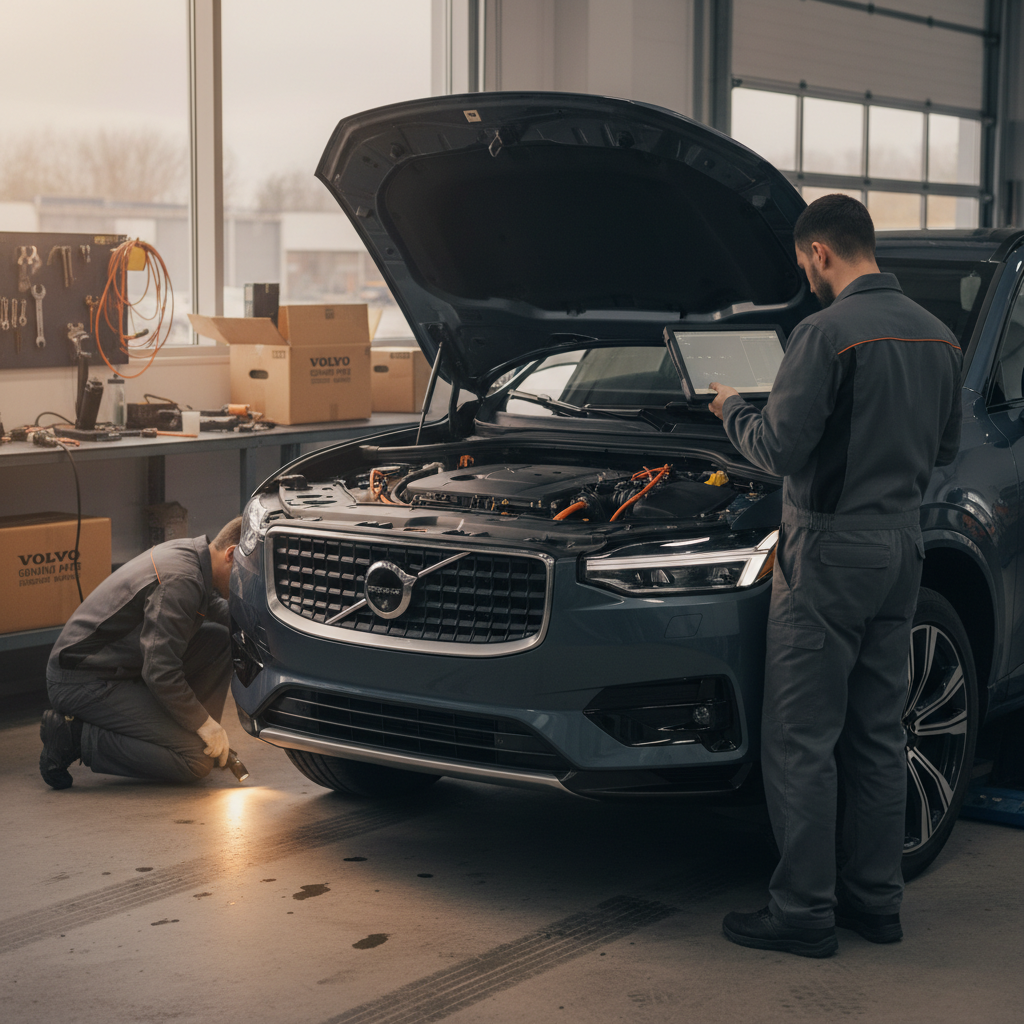
On paper, the EV9 comes with a strong warranty safety net. In practice, some owners are finding that EV‑trained technicians and EV9 parts are still catching up to demand, especially in smaller markets. That can mean several‑week waits for appointments or extended downtime for complex issues.
What we’re hearing from owners
- Service appointments for recalls and software reprograms booked 6–8 weeks out at some Kia stores.
- Cars sitting at dealers while technicians wait on guidance from Kia corporate for rare or complex faults.
- Communication gaps, apps still showing open recalls after work is done, or vague updates on repair timelines.
How to protect yourself
- Keep every service invoice and work order; these documents matter if you ever pursue buyback or lemon‑law options.
- Ask specifically whether your dealer is EV9‑certified and how many EV9s they’ve repaired.
- Escalate politely but firmly to Kia customer care if the vehicle sits for weeks with no clear plan.
When you buy through a specialist used‑EV retailer like Recharged, you also get advocates who understand EV‑specific repair timelines and can help you interpret what’s normal and what isn’t.
Preventive Steps and Quick Checks for Current EV9 Owners
You can’t code your own firmware or redesign the ICCU, but you can reduce headaches by staying ahead of maintenance, documentation, and software housekeeping. Think of this as a 2025 Kia EV9 survival kit for owners who want fewer surprises.
Owner Checklist: Reducing EV9 Headaches
Keep software current, but not blindly
Accept security and safety‑critical updates promptly, but you can wait on non‑critical feature updates until the community has tested them. Ask your dealer what a given campaign actually does before saying yes.
Photograph your dash when faults appear
Any time you see a warning related to charging, high voltage, wipers, or shifting, safely pull over and snap a clear photo. That time‑stamped evidence is gold for diagnosis and, if necessary, dispute resolution.
Log every service interaction
Maintain a simple note on your phone listing date, mileage, concern, and outcome. For repeat issues, this log can be the difference between “no problem found” and a serious warranty repair.
Do a quarterly walkaround
Every few months, check tires for uneven wear, look at wiper blades and arms, inspect trim and paint, and make sure all exterior lights work. Catch small hardware issues while they’re easy to fix.
Verify charging health regularly
At least once a quarter, do a controlled DC fast charge session and a full overnight Level 2 charge. Watch for sudden changes in speed or behavior that could hint at brewing ICCU or battery‑side issues.
Buying a Used 2025 Kia EV9: What to Check First
If you’re shopping for a used 2025 Kia EV9, the good news is that many early problems are software‑fixable and heavily covered by warranty. The risk isn’t so much catastrophic failure as buying a truck that’s behind on recalls, has a sketchy repair history, or shows signs of hard use.
Non‑negotiables before you buy
- Full VIN recall check through NHTSA and Kia; walk away from sellers who won’t share the VIN.
- Service records proving cluster, RSPA, and other software campaigns are up to date, or at least scheduled.
- A clean test drive with no vibration, alignment pull, or unexplained warning lights.
- Working wipers, cameras, ADAS, and charging on both AC and DC during your inspection.
How Recharged approaches used EV9s
At Recharged, every EV9 goes through a battery‑health and systems check before it ever hits the site. The Recharged Score Report includes measured battery capacity, charge behavior, and a look at open recalls and obvious software gaps.
You also get transparent pricing, optional financing, trade‑in support, and nationwide delivery, so you’re not rolling the dice on a random auction flip.
Used 2025 EV9 Inspection Cheat Sheet
Bring this list, on paper or on your phone, when you evaluate a used EV9 in person.
| Area | What to Do | What You Don’t Want to See |
|---|---|---|
| Software & recalls | Check for pending recalls and ask which software updates were last applied. | Seller who “isn’t sure,” missing records, or obvious open campaigns. |
| Cluster & screens | Cycle the car on/off several times, watch for blank or frozen screens. | Any intermittent blackouts, repeated error messages, or flickering. |
| Charging | Test a Level 2 session and, if possible, a public fast charge. | Refusal to start charging across multiple stations, repeated drop‑outs, or HV warnings. |
| Drivability | Highway test for vibration, tracking, braking feel. | Persistent shimmy, pulling, or odd noises from suspension or drivetrain. |
| Wipers & visibility | Run wipers on all speeds and use washer fluid while driving. | Wipers stopping mid‑sweep, failing to start, or leaving large uncleared patches. |
| Cosmetics & trim | Inspect paint, door handles, seals, and interior switches. | Peeling trim, sticky handles, multiple broken interior pieces on a low‑mile truck. |
If a seller won’t let you perform these checks or dodges basic questions, consider that your answer.
FAQ: 2025 Kia EV9 Problems and Fixes
Frequently Asked Questions About 2025 Kia EV9 Problems
Bottom Line: Should 2025 Kia EV9 Problems Scare You Off?
The EV9 is ambitious: a three‑row family EV from a brand still proving itself in the long‑range electric space. The 2025 model year carries forward some of the 2024 software and charging baggage, adds its own growing pains, and lives under an active microscope from regulators and owner communities. That doesn’t make it a lost cause, but it does mean you need to treat software, charging behavior, and wiper performance as serious checklist items, not background noise.
If you already own a 2025 Kia EV9, your best tools are current software, thorough documentation, and a good EV‑literate dealer. If you’re shopping used, pairing that due diligence with a Recharged Score battery‑health report, transparent pricing, and expert guidance can turn a risky‑feeling purchase into a confident one. The technology will keep evolving, but buyers who do the homework, and insist on clean histories, are the ones who come out ahead.