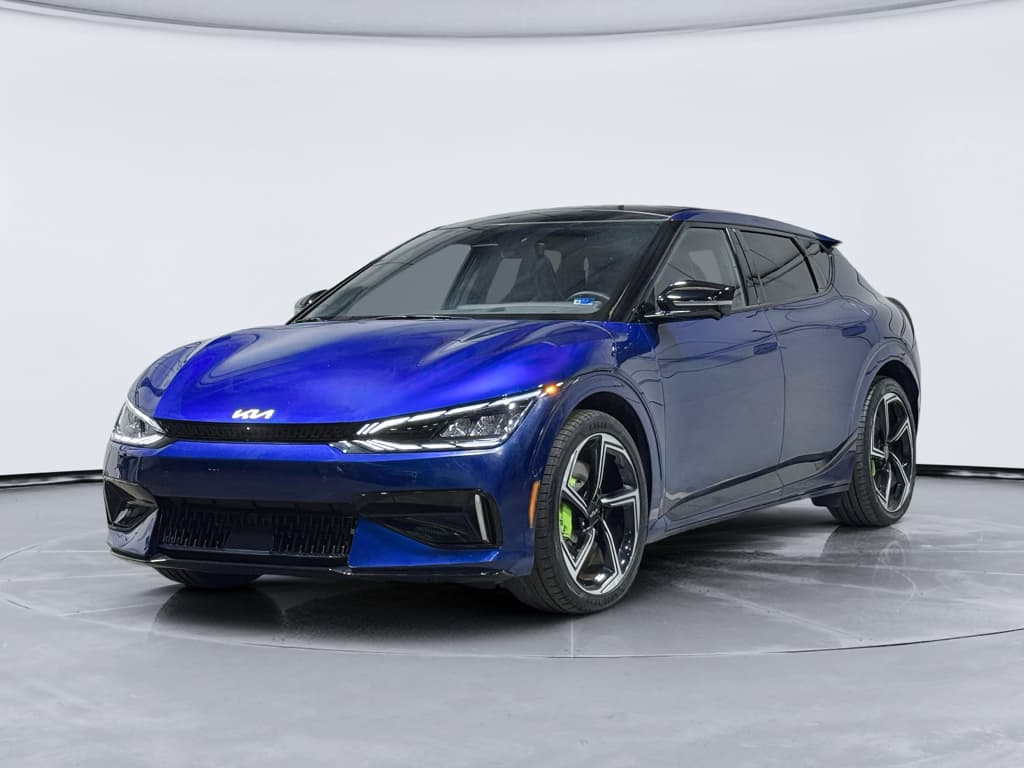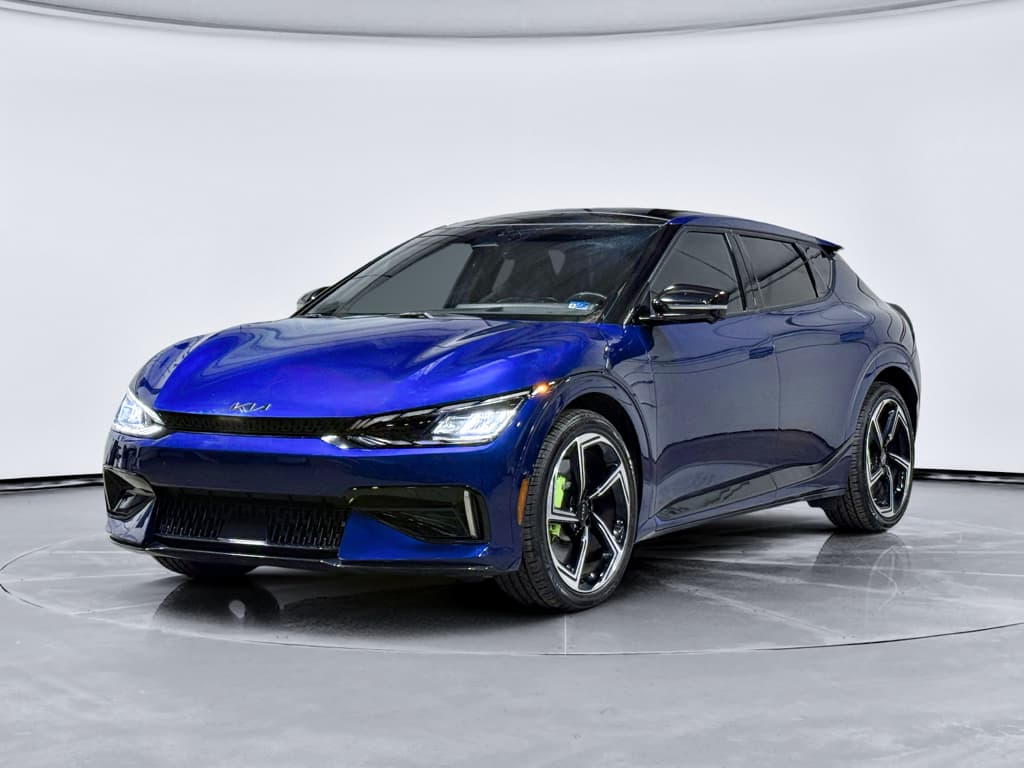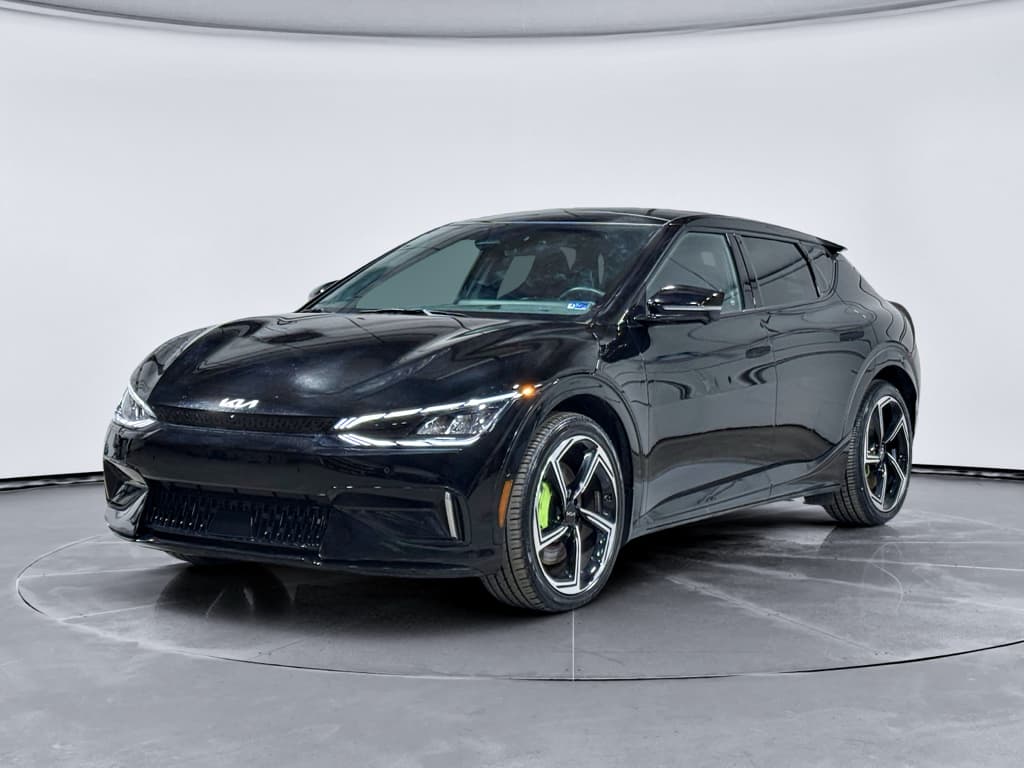
If you’re Googling “2025 Kia EV6 problems”, you’re probably torn between how good the car looks on paper and the nagging stories you’ve heard about 12‑volt batteries, ICCU failures, and software recalls. You’re not wrong to pause. The EV6 is one of the most interesting EVs on the road, and it also carries some baggage from earlier model years.
The short version
Should you worry about 2025 Kia EV6 problems?
Kia did more than just change the headlights for 2025. The facelifted EV6 gets a larger battery pack, updated electronics, and fresh software. On the road, it’s a superb long‑range cruiser; reviewers praise the updated GT as smoother and more refined than ever. Under the skin, though, it’s still very much an E‑GMP‑platform Kia, with the same broad architecture that’s been linked to ICCU failures and 12V battery drama on earlier model years.
The key thing to understand is this: the 2025 EV6 is not a disaster story. But there are a few patterns showing up in owner reports and recall campaigns that you should treat as known risk areas, especially if your money is going into a long‑term purchase or a used 2025 car whose first owner has already lived through the recall phase.
EV6 reliability snapshot (big picture, not panic fuel)
Quick overview: major EV6 issue themes
Main problem areas owners talk about
Not every 2025 EV6 will see these, but they’re the patterns to track.
ICCU & loss of power
12V battery & dead car
Charging & software quirks
How to read this guide
ICCU failures and loss of power
The Integrated Charging Control Unit (ICCU) is the traffic cop between the high‑voltage battery, the onboard charger, and the humble 12V system. When it goes sideways, you can see anything from dash warnings to full‑blown limp mode. Earlier 2022–2024 EV6s had enough ICCU failures that Kia launched recall and service campaigns to update software and, in some cases, replace hardware.
By 2025, Kia had revised the software logic and, according to service bulletins, tweaked how the system manages the 12V battery and charging behavior. Still, early‑build 2025 owners have reported fresh ICCU‑type failures, things like sudden “Check electrical system” messages, reduced‑power operation capped around neighborhood speeds, and dealer diagnoses pointing to a bad ICCU module on cars with barely a thousand miles.
- Warning lights such as “Check electric vehicle system” or high‑voltage battery icons
- Sudden cap on speed (for example, limited to around 40 mph) and reduced power
- Car switching into a limp mode shortly after the warning appears
- Dealer diagnosis of ICCU or charging control unit failure, followed by module replacement
Why this matters
Questions to ask the seller
- Has the car ever shown “Check electrical system” or gone into limp mode?
- Has the ICCU or charging control unit been replaced under warranty?
- Are all recall and service campaigns for the charging system completed?
What a good answer looks like
- Service records showing completed ICCU recall/software updates.
- If the module failed, paperwork for replacement and successful follow‑up.
- No recurring power‑loss complaints or frequent dealer visits for the same issue.
12V battery and “dead car” scenarios
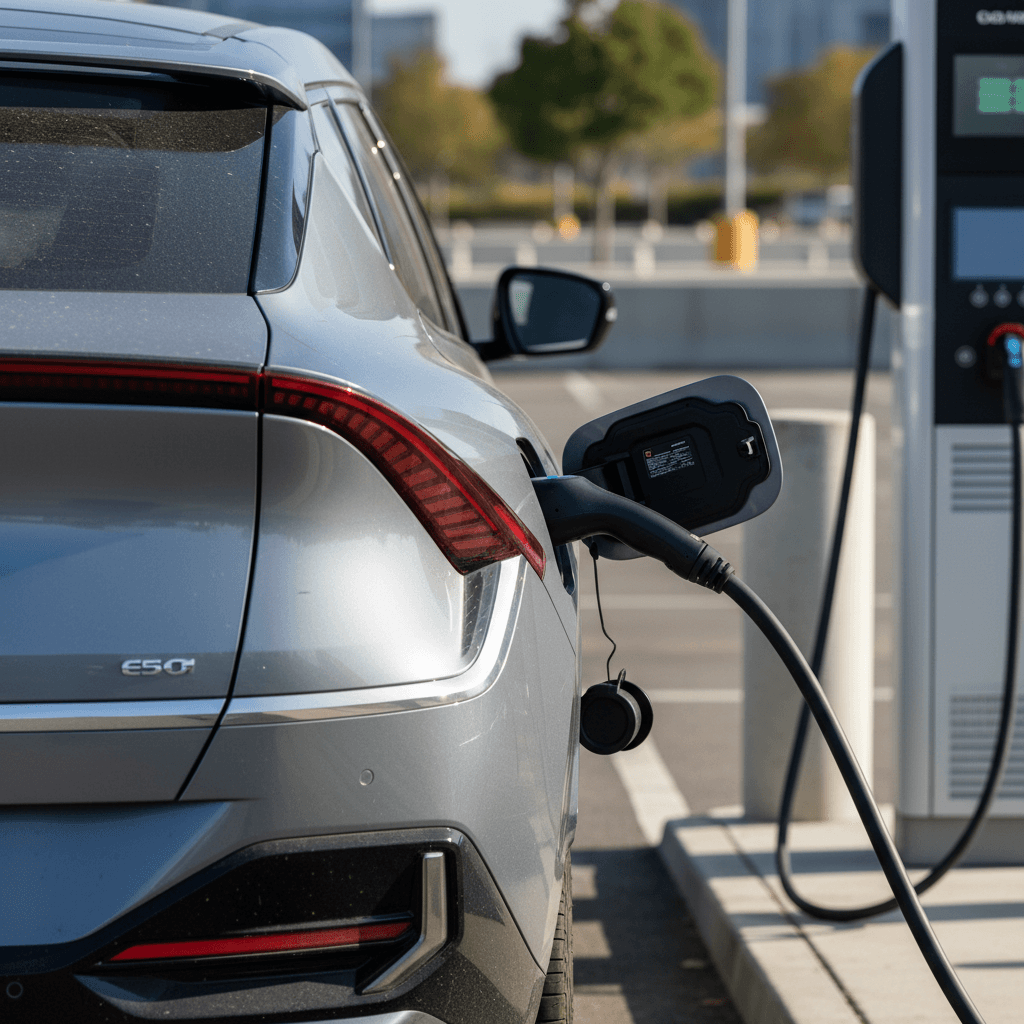
If the ICCU is the traffic cop, the 12‑volt battery is the village it’s trying to protect. The EV6 relies on a small 12V battery to power computers, relays, and basic systems. When that battery is low or mismanaged, the car may simply refuse to boot, regardless of how much charge is in the high‑voltage pack.
On earlier model years, owners reported a cocktail of issues: unexplained 12V drains, warning messages like “12V battery low. Stop immediately.”, repeated jump‑starts, and in some cases the main battery being used constantly to top off a failing 12V, draining several percent of state of charge per day while parked.
Common 12V‑related symptoms on EV6
These patterns come mostly from 2022–2024 cars, but the architecture is similar on 2025.
Car won’t start
Frequent low‑battery alerts
Parked drain
The hidden villains: apps & smart chargers
How to sanity‑check 12V health on a test drive
1. Start it cold
If possible, test the EV6 after it’s been sitting overnight. Slow boot‑up, lots of warnings, or refusal to go into gear are red flags.
2. Watch for warnings
Any messages about <strong>12V battery low</strong> or persistent electrical system errors deserve a follow‑up with a scan tool or dealer inspection.
3. Ask about jump‑starts
A car that’s been jumped multiple times in its short life may have an abused or marginal 12V battery, even if it was later replaced.
4. Review software and recalls
Make sure the charging/ICCU recall software updates are done; they change the way the car maintains the 12V battery over time.
The good news
Charging quirks and public fast‑charging issues
On paper, the 2025 Kia EV6 is a fast‑charging star: an 800‑volt architecture and a larger battery pack that still promises stout DC fast‑charge performance. In the real world, owners of earlier years have seen a more complicated picture, especially at public DC stations.
- Occasional failures to initiate a DC fast‑charge session on the first try
- Charge curves that don’t match the brochure, slower speeds when the battery is cold or the station is overloaded
- Inconsistent behavior with certain third‑party networks that may be more about the station than the car
- Home Level 2 charging working flawlessly while road‑trip fast charging proves finicky
Road‑trip charging hacks for EV6 owners
Software glitches and driver tech annoyances
Kia has been aggressive with software in the EV6, over‑the‑air (OTA) updates, a deeply networked infotainment system, and a suite of driver‑assist features. The upside is that Kia can improve behavior after the fact. The downside is that updates sometimes introduce new ghosts even as they exorcise the old ones.
Common software and tech complaints
Annoyances more than dealbreakers, but worth knowing about.
Infotainment & app weirdness
Driver‑assist behavior
Updates: fix or cause? Both.
How 2025 differs from 2022–2024 EV6 models
For 2025, Kia didn’t just bolt on prettier daytime running lights. The EV6 gets a facelift with a larger battery (up to roughly 84 kWh in long‑range trims), a slightly longer estimated range, and refinement updates, particularly in the hot‑rod GT, which testers say is a calmer, more polished cruiser even as power climbs.
Where 2025 is better
- Bigger battery & range: More usable miles and slightly lighter pack in some trims.
- Charging tweaks: Updated charge curves and higher peak DC rating on certain versions.
- Refined tuning: Less road noise, smoother damping, more relaxed GT behavior.
Where risks carry over
- Same basic platform: E‑GMP architecture, including ICCU and 12V management family.
- Software stack: Continues to evolve via OTA and dealer updates, for better and worse.
- Parts & support: Some replacement components (like ICCU modules or 12V batteries) can see backorders if there’s a wave of failures.
What this means for reliability
What this means if you’re buying a used EV6
If you’re shopping a used 2025 Kia EV6, you’re threading a needle. On one side: a fantastic electric crossover with serious range, DC fast‑charging chops, and a cabin that feels properly modern. On the other: the risk of inheriting someone else’s unresolved electrical saga, plus the usual questions about battery health and depreciation that apply to any used EV.
This is exactly the gap a platform like Recharged is built to close. Every EV we list comes with a Recharged Score battery health and pricing report, so you’re not guessing about pack condition or paying new‑car money for a car with old‑car electrons. And because we live and breathe EV quirks, our specialists know to look for EV6‑specific red flags like ICCU fault codes, unfinished recalls, and repeated 12V faults in the service history.
Why battery health matters more than any single recall
Checklist before you buy a 2025 Kia EV6 used
Pre‑purchase checklist for a 2025 Kia EV6
1. Pull the full recall & service history
Use the VIN to confirm all ICCU/charging‑related recalls and service campaigns are completed. Ask the dealer for printed service records; with Recharged, this is part of our intake process.
2. Ask directly about ICCU and 12V issues
Has the car ever gone into limp mode, thrown a <strong>“Check electrical system”</strong> warning, or needed repeated jump‑starts? If yes, what was fixed, and when?
3. Inspect 12V battery age and condition
A 12V battery that’s been deeply discharged multiple times may be living on borrowed time. If it’s original and the car has a history of electrical warnings, budget for replacement or negotiate accordingly.
4. Test DC fast charging and Level 2
If possible, verify that the car starts a DC fast‑charge session cleanly and behaves normally on a Level 2 charger. Intermittent failures at public stations can hint at deeper issues.
5. Verify current software version
Confirm the car is on the latest stable software release. Ask what changed at the last update, especially around charging behavior and 12V management.
6. Get a real battery health report
A proper high‑voltage battery diagnostic, like the <strong>Recharged Score</strong>, gives you pack health, usable capacity, and insight into how the car was treated. This is your leverage in pricing and peace of mind.
7. Drive it like you’ll use it
Don’t just loop the block. Use highway speeds, stop‑and‑go, and parking‑lot low‑speed maneuvers. Watch for warnings, reduced power, or odd behavior as systems warm up.
8. Understand the warranty safety net
Make sure remaining Kia basic and powertrain/battery warranties line up with your ownership horizon. If you’ll run out soon, factor that into price and your tolerance for risk.
FAQ: 2025 Kia EV6 problems
Frequently asked questions about 2025 Kia EV6 problems
Bottom line: is the 2025 Kia EV6 too risky?
The 2025 Kia EV6 is not a rolling catastrophe; it’s one of the most compelling EVs on sale, period, quick, comfortable, stylish, and now even more capable with its updated battery and refinement tweaks. But it does live in the shadow of its own family history: ICCU failures, 12V battery frustrations, and software updates that sometimes fix one thing while jostling another.
If you understand those patterns and go in with your eyes open, a 2025 EV6, especially a used one, can be a smart buy rather than a leap of faith. The formula is simple but non‑negotiable: verify recalls, interrogate the service history, test the charging behavior, and demand hard data on battery health.
That’s where a partner like Recharged earns its keep. Every EV6 we list includes a Recharged Score battery health report, fair‑market pricing analysis, and EV‑specialist support for questions that stump ordinary dealers. We can help you trade in, finance, or have the right EV6 delivered to your driveway, without you having to become an overnight expert in ICCU fault trees and 12V charge algorithms.
So no, the 2025 Kia EV6 isn’t too risky. But in a market this complex, you’re better off with more information, not less, and with people in your corner who know exactly where the bodies are buried in the wiring diagram.