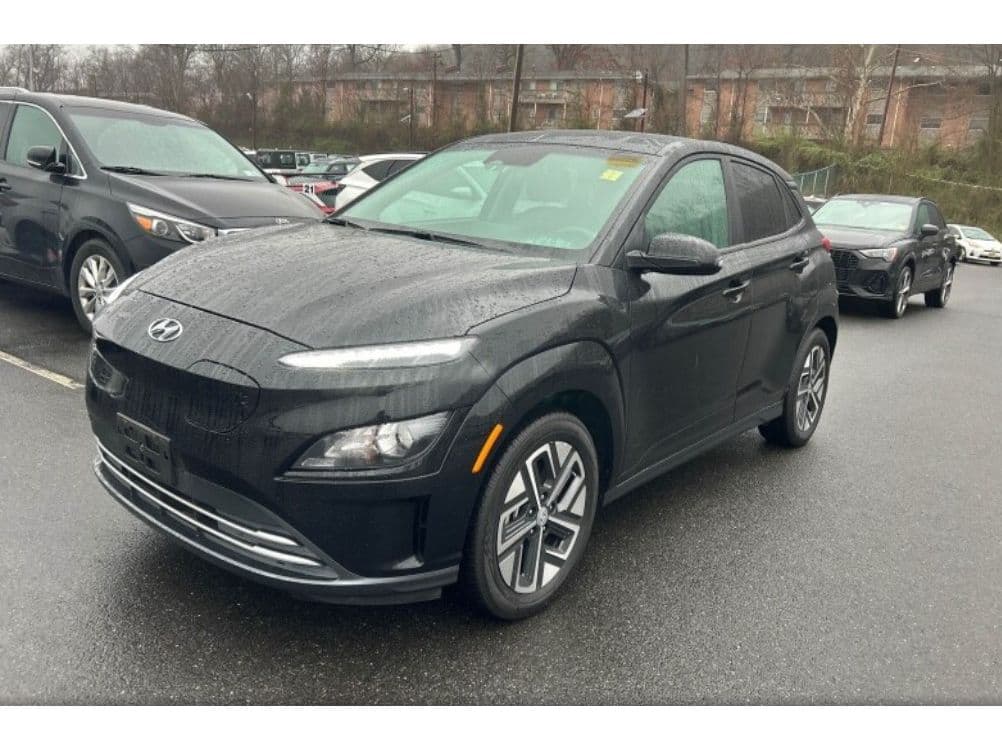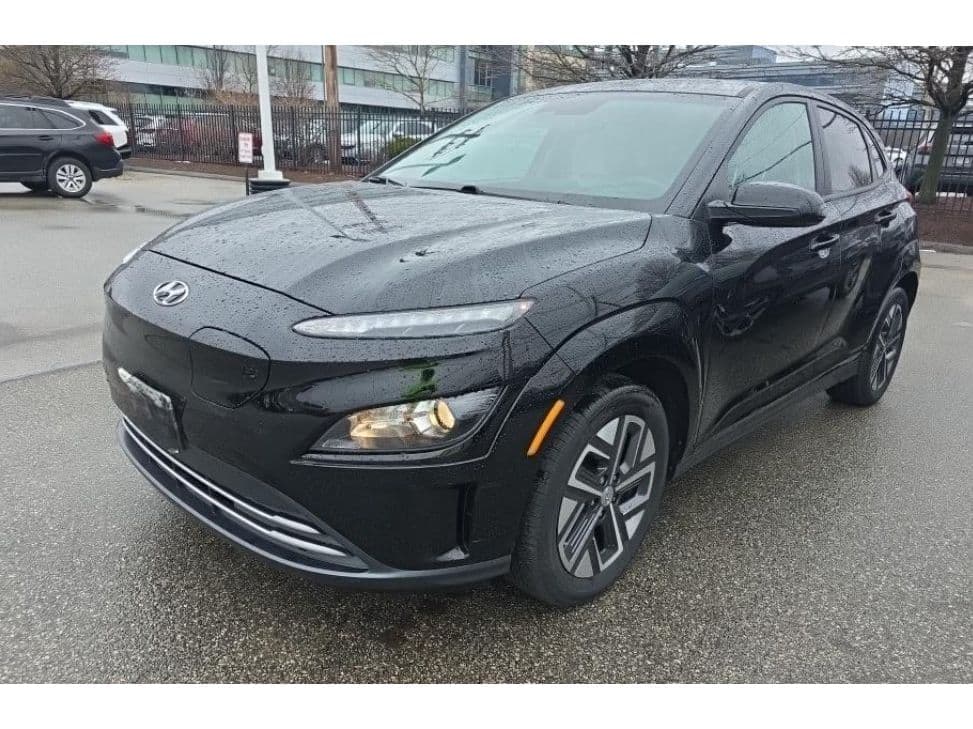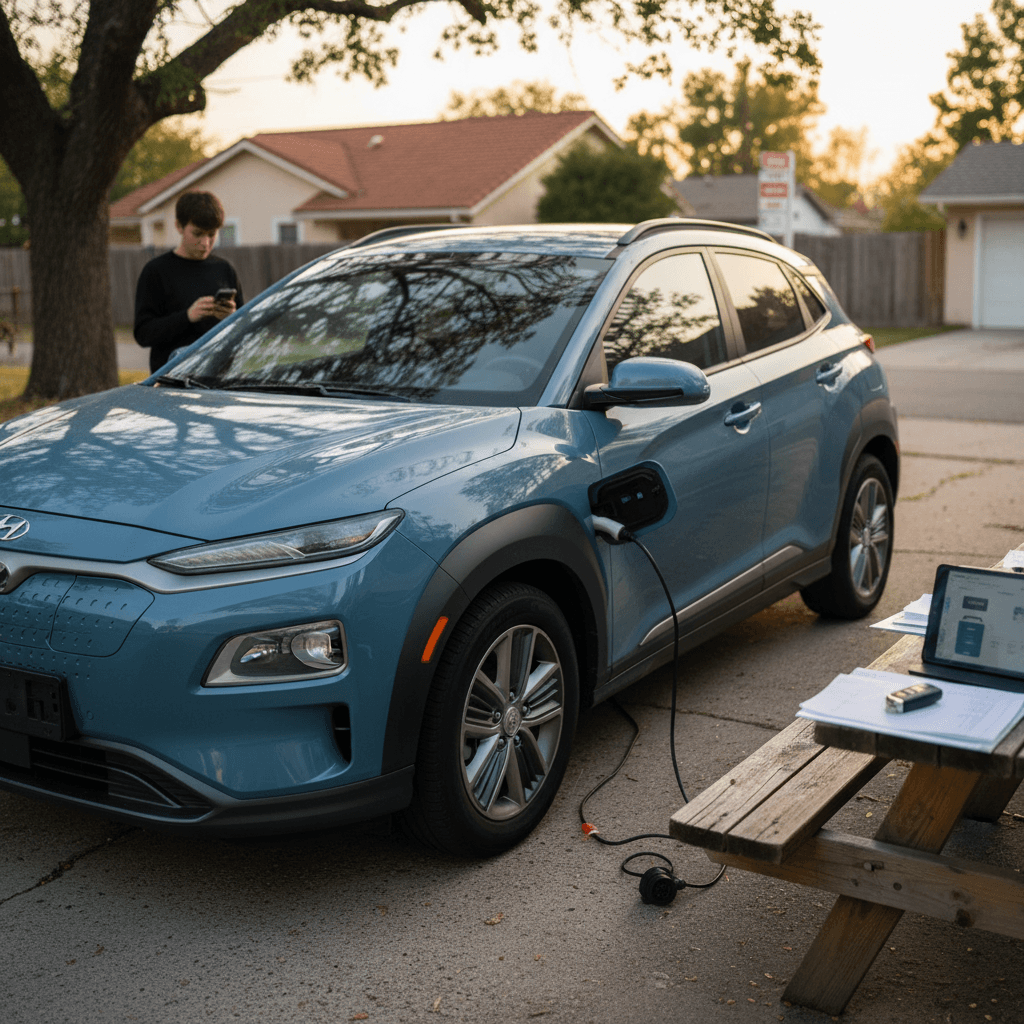
If you’re eyeing a **used 2025 Hyundai Kona Electric**, you’re shopping in a sweet spot: newer second‑generation tech, real‑world range that works for daily driving, and pricing that’s often thousands below a brand‑new EV. But this little electric crossover isn’t perfect, and the 2025 model year has some quirks you’ll want to understand before you sign anything.
Used‑Buyer Focused
2025 Kona Electric at a Glance for Used Buyers
2025 Hyundai Kona Electric Highlights
Quick Pros and Cons for Used 2025 Kona Electric Shoppers
Where this subcompact EV shines, and where it makes you compromise
What You’ll Probably Love
- Useful real‑world range for commuting and errands, especially with the larger pack.
- Compact footprint that’s easy to park, with a much roomier cabin than the first‑gen Kona EV.
- Modern interior with dual screens, good driver‑assist tech, and an overall upscale feel.
- Strong warranty backing the battery, which transfers to subsequent owners in most cases.
- Often aggressive discounts when new mean softer used prices versus some rivals.
Where to Be Cautious
- DC fast‑charging speeds are merely okay, not road‑trip‑hero level.
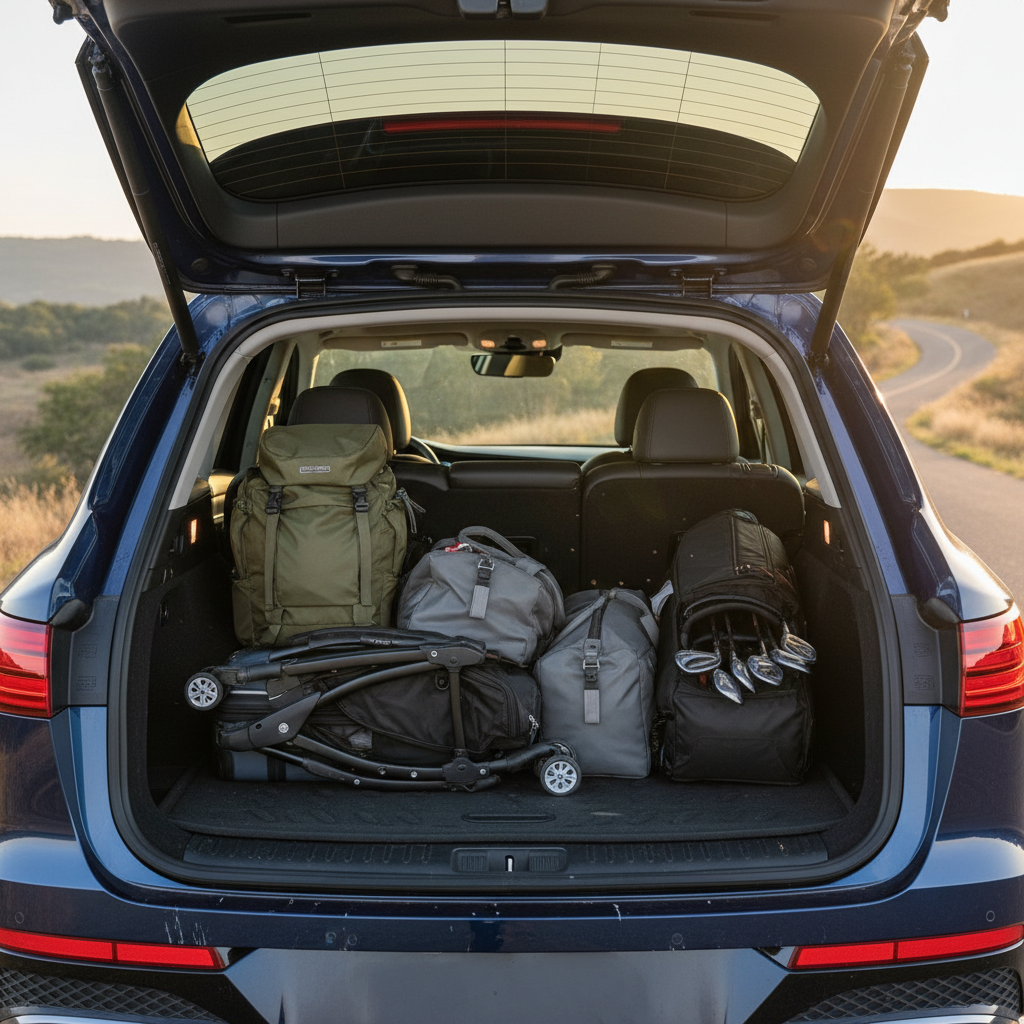
- Subcompact cargo space: fine for couples, tighter for families with gear.
- Limited model‑year run: 2025 is likely the last before a pause in U.S. sales, so long‑term parts/support picture is evolving.
- Ride and road noise can feel busier than larger, more expensive EVs.
What Changed for 2025 vs. 2024 Kona Electric?
The 2024 model year launched the **second‑generation Kona Electric** in the U.S. The 2025 Hyundai Kona Electric is essentially a **light update**, not a full redesign. That’s good news if you’re shopping used: you’re getting nearly the same hardware as a 2024 but often at a lower price simply because of model‑year depreciation.
- Same basic battery and motor options as 2024 (a standard pack and a larger Long Range pack, depending on market).
- Slight trim and equipment reshuffling, features like driver‑assistance, interior materials, and convenience tech move around the lineup.
- Software and infotainment refinements; you’ll see over‑the‑air update capability on properly equipped cars.
- Exterior and interior styling carry over; this is still the bold, futuristic‑looking second‑gen Kona, not the earlier stubby first‑gen model.
A Note on Future Model Years
Trims, Powertrain and Key Specs
Exact trim names vary a bit by region and over the model year, but most U.S.‑market **2025 Kona Electric** examples you’ll see on the used market will follow this pattern: a lower‑priced standard battery model and a more common **Long Range front‑wheel‑drive** version.
2025 Hyundai Kona Electric Key Specs (U.S. Overview)
The specifics can vary by trim and region; always confirm exact specs on the vehicle you’re considering.
| Item | Standard Battery Model* | Long Range FWD |
|---|---|---|
| Battery capacity (usable, approx.) | Mid‑40s kWh range | Mid‑60s kWh range |
| EPA combined range | Lower 200s miles (est.) | Around 261 miles |
| Motor output | Approx. 133 hp | 201 hp |
| Drive configuration | Front‑wheel drive | Front‑wheel drive |
| On‑board AC charger | ~10.5 kW | ~10.5 kW |
| DC fast‑charge peak | Up to ~83 kW (US) | Up to ~83 kW (US) |
Use this table as a high‑level guide, then verify details on the window sticker or build sheet for any used Kona Electric.
Specs Vary, Verify Before You Buy
Real‑World Range and Charging Experience
On paper, the **Long Range 2025 Kona Electric** sits around **261 miles of EPA‑rated range** in U.S. trim. In the real world, that usually translates to 200–240 miles on the highway and a bit more in city driving if you’re gentle with the accelerator and climate control.
What Range You Can Expect Day to Day
Numbers are approximate and depend heavily on driving style and weather
Summer City & Suburbs
Driven mostly below 50 mph, you can often see 240–270 miles between full charges on the larger pack.
Mixed Commuting
Suburban mix with some freeway? Plan on roughly 210–240 miles per full charge in normal temps.
Cold‑Weather Highway
At winter highway speeds, especially below freezing, it’s safest to budget 150–190 miles per full charge.
Watch the Guess‑O‑Meter
Home and Level 2 Charging
With its ~10.5 kW on‑board charger, the Kona Electric is well‑matched to a 40‑ to 48‑amp Level 2 home charger. On a typical 240‑volt setup, you’re looking at roughly:
- 6–7 hours from about 10% to 100% on the larger pack.
- Comfortably adding 25–35 miles of range per hour of charging in the common 30‑ to 40‑amp range.
If you’re charging overnight in a driveway or garage, this is more than enough to wake up full every morning.
DC Fast Charging
Here’s where the Kona Electric is good, but not class‑leading. Hyundai quotes about 10–80% in roughly 43 minutes on a sufficiently powerful DC fast charger under ideal conditions. In reality, owners often see:
- Peak rates around 70–80 kW in the U.S.
- Slower speeds if the battery is very cold or very hot.
- Best results starting a fast charge around 10–30% state of charge.
For road trips, that means you’ll spend longer at chargers than drivers in some 800‑volt EVs, but it’s manageable if you plan stops around meals or breaks.
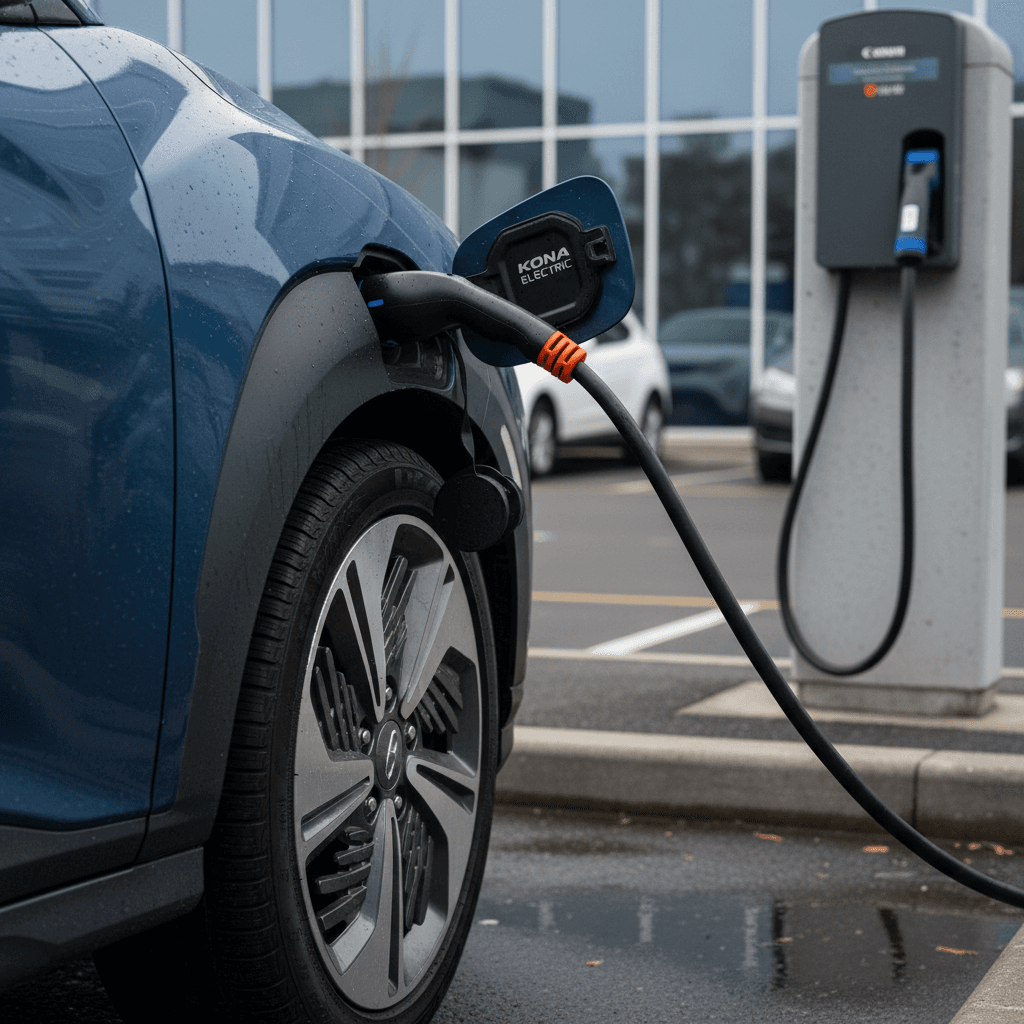
Don’t Daily‑Drive to 100%
Battery Health and Warranty on a Used 2025 Kona Electric
If you’re buying a used EV, the battery is the whole ballgame. Hyundai designed the Kona Electric’s pack for a service life of at least **10 years or 100,000 miles** in the U.S., with a typical minimum capacity threshold around **70%** under its EV system warranty. That warranty usually **transfers to subsequent owners**, which is a big part of this car’s appeal on the used market.
What Protects You as a Used 2025 Kona Electric Owner
Warranty is only half the story, condition matters too
EV Battery Warranty
Most U.S. 2025 Kona Electrics carry a 10‑year/100,000‑mile high‑voltage battery warranty starting from the original in‑service date. It typically covers defects and unusual degradation, not normal wear.
Transferability
Hyundai’s EV battery coverage generally transfers to subsequent owners, but the fine print can vary by year and region. Always confirm coverage by VIN, Recharged can help decode this as part of a Recharged Score report.
Real‑World Degradation
Owner reports from earlier Kona EVs suggest **modest degradation** when charged reasonably (often well under 10% capacity loss by 70–80k miles). Driving style, climate, and charging habits still matter.
Battery‑Health Checks to Do Before You Buy
1. Confirm Remaining Warranty
Ask for the original in‑service date and mileage, then verify **warranty expiration**. A 2025 Kona Electric first sold in late 2025 might have battery coverage well into the 2030s.
2. Review Charging Habits
If you can speak with the previous owner, ask how they charged: Mostly Level 2 at home? Regular 100% fast charges? You’re looking for **sensible habits**, frequent fast‑charging to 100% is a yellow flag, not an automatic deal‑breaker.
3. Look for Battery Reports
Dealers and some independent shops can pull a **battery health report**. At Recharged, every Kona Electric gets a **Recharged Score** with verified battery metrics so you’re not just trusting the dash range estimate.
4. Drive From High to Medium State of Charge
On a long test route, start above 60% and watch how quickly the percentage falls. It shouldn’t plunge dramatically under normal driving; big swings can be a sign of software issues or an unhappy pack.
5. Check for Warning Lights or Messages
Ensure there are **no EV system warning lights** and scroll through the vehicle info screens. Anything mentioning reduced power, limited charging, or service required deserves professional diagnosis.
Driving Impressions, Comfort and Practicality
Slip into a 2025 Kona Electric and you’ll notice how far Hyundai has come since the first generation. The second‑gen car is longer and wider, with **more rear legroom and a more open cabin**, but it still feels tidy in tight parking lots. For a used buyer, that means you’re getting a car sized like an urban runabout with the freeway stability of a bigger crossover.
Performance and Ride
- The **Long Range 201‑hp motor** gives the Kona Electric a quick, linear shove off the line. You won’t win drag races against high‑end EVs, but merging and passing are confident.
- Steering is light but accurate, making the car feel easy in town and relaxed on longer drives.
- The ride leans firm, especially on larger wheels. You’ll feel sharp potholes more than in a heavier, more expensive EV, but it never feels sloppy.
Noise and Refinement
- Like most subcompact crossovers, **road and tire noise** rise with speed. It’s perfectly livable, but if you’re coming out of a luxury sedan, set expectations.
- The second‑gen cabin design, with its horizontal dash and dual screens, feels modern and upmarket for the price.
- Hyundai’s driver‑assist tech, adaptive cruise, lane‑keeping, blind‑spot monitoring, is generally intuitive, but test all of it on your drive to be sure sensors and cameras are happy.
Practical Everyday Use
Where the 2025 Kona Electric fits in your life
Passenger Space
The second‑gen Kona Electric offers **noticeably better rear legroom** than the old car. Two adults can sit back there comfortably; three across is tight but workable for short trips.
Cargo and Flexibility
Cargo space is respectable for a subcompact SUV. The rear seats fold nearly flat, but if you regularly haul strollers, large dogs, or big sports gear, you’ll want to try a load‑up test.
Visibility and Parking
Large windows, helpful cameras, and a short overall length make this a **stress‑free city car**. If you live in dense neighborhoods, the Kona’s size is a real asset.
Ownership Costs, Incentives and Used Pricing Context
If you’re coming from a gas Kona, or any small crossover, the 2025 Kona Electric can dramatically lower your **fuel and maintenance bills**. Electricity is usually cheaper per mile than gasoline, and EVs have fewer moving parts to service. The Kona Electric needs tires, brake fluid, cabin filters, and occasional inspections, but no oil changes or transmission flushes.
Factor in Home Charging
- 2025 Kona Electric models often sold new with **manufacturer rebates or dealer discounts** to offset limited federal tax credit eligibility. That means lower original transaction prices, and faster used‑market depreciation you can take advantage of.
- Insurance costs vary by region, but the Kona’s subcompact footprint and strong crash‑test performance generally keep it competitive with similarly sized crossovers.
- Incentives for **used EV purchases** (including some state rebates or tax credits for pre‑owned electrics) can stack on top of a good purchase price, check current programs in your state before you buy.
Common Complaints and What to Check on a Test Drive
Every EV has its nitpicks, and the 2025 Kona Electric is no exception. The good news is that most of the common complaints are things you can **spot and evaluate** on a careful test drive or pre‑purchase inspection.
Owner Pain Points to Keep an Eye On
Use these as a punch‑list when you inspect a used 2025 Kona EV
Cold‑Weather Range Drop
Like all EVs, the Kona Electric loses range in cold weather, often 25–40% in real use. On your test drive, ask yourself whether your **winter commute** still fits comfortably within its reduced range with some buffer.
Fast‑Charging Speed Expectations
Some owners are surprised the Kona doesn’t charge as quickly as newer 800‑volt EVs. If you plan frequent road trips, do a real DC fast‑charge test or at least review logs from the car to **set realistic expectations**.
Lane‑Keeping Behavior
Hyundai’s lane‑centering and assistance can feel a bit assertive or “ping‑pongy” to some drivers. On your highway drive, turn the system on and see if you like how it behaves, this is highly personal.
Wheels, Tires, and Ride
Larger wheels with low‑profile tires look great, but they emphasize bumps and potholes. Inspect the tires for **uneven wear or sidewall damage**, especially on cars living in rough‑road cities.
Always Get an EV‑Savvy Inspection
Who a Used 2025 Kona Electric Is (and Isn’t) For
Great Fit If…
- You want an affordable, modern EV with real range but don’t need a huge SUV.
- Your daily driving is mostly commuting, errands, and moderate weekend trips under 200 miles round‑trip.
- You value a small footprint for city parking but want more room than a tiny hatchback.
- You prefer a car that still has **substantial battery warranty remaining** and proven Hyundai reliability.
Look Elsewhere If…
- Regular cross‑country road trips are your reality; you’ll want an EV with **faster DC charging and a larger battery**.
- You need full‑size SUV space for big families, three rows, or serious towing.
- You’re extremely sensitive to ride firmness and road noise and expect a luxury‑car quiet cabin.
- You want the very latest 800‑volt platform and bidirectional charging tricks today, not “good enough” mainstream tech.
Used 2025 Kona Electric Buyer Checklist
Quick Walk‑Through Before You Make an Offer
Confirm Trim, Battery and Options
Is it the standard‑battery or Long Range model? Which safety and tech packages does it have? Cross‑check the VIN details with the window sticker or an online build sheet so you know exactly what you’re paying for.
Check Service and Software History
Ask for maintenance records and confirm that any **recalls, software updates, or service campaigns** have been completed, especially those related to the EV system or charging.
Inspect Charging Equipment
Make sure the **charge port door operates smoothly**, the pins are clean, and the seller includes the original portable Level 1/Level 2 cable if equipped. Test plugging into a Level 2 charger if possible.
Drive a Mixed Route
Your test loop should include stop‑and‑go, 45–55 mph roads, and a short highway stint. Listen for squeaks, rattles, and wind noise, and see how the driver‑assist systems behave.
Review Battery and Range Behavior
Start your drive with at least 60% charge and watch how it drops over 15–20 miles. Combine that with the odometer reading and any available battery report to judge **likely real‑world range**.
Price Against the Market
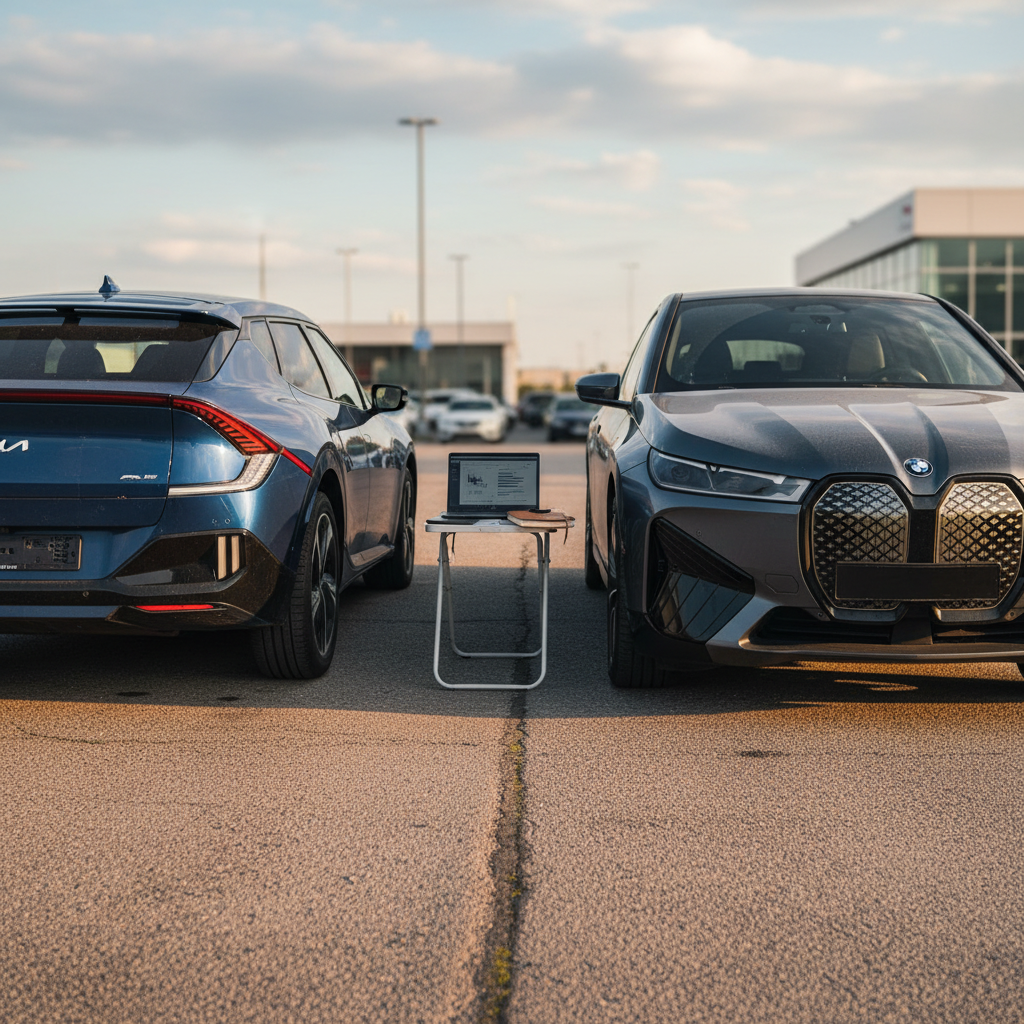
Compare the asking price to similar mileage 2024–2025 Kona Electrics, plus alternatives like the Chevy Bolt EUV or Nissan Ariya. A **Recharged listing** will already be benchmarked against fair‑market used EV pricing, and includes a Recharged Score so you can compare battery health across cars, not just miles.
FAQ: 2025 Hyundai Kona Electric as a Used EV
Frequently Asked Questions
Bottom Line: Is a Used 2025 Kona Electric a Smart Buy?
For many buyers, the **2025 Hyundai Kona Electric** hits a sweet balance: enough range for real‑world driving, a cabin that feels thoroughly modern, and a warranty that still has years to run on the most expensive component in the car. It isn’t the quickest‑charging EV on the interstate, and it’s not the roomiest family hauler, but as a subcompact crossover that makes daily electric driving simple and affordable, it’s a compelling used‑market choice.
If that sounds like your life, more commuting and city runs than cross‑country cannonballs, a used 2025 Kona Electric deserves a test drive. And if you want to skip the guesswork, browse Kona Electric listings on **Recharged**, where every car comes with a **Recharged Score battery‑health report, transparent pricing, financing options, trade‑in support, and nationwide delivery** to get you into the right EV with confidence.