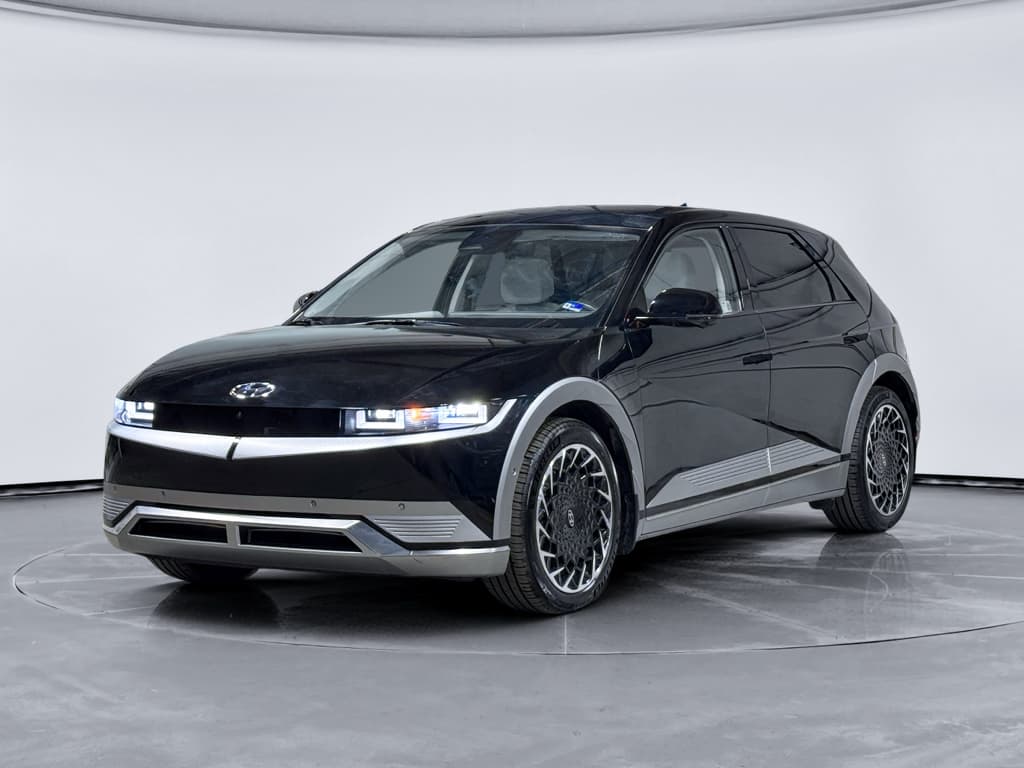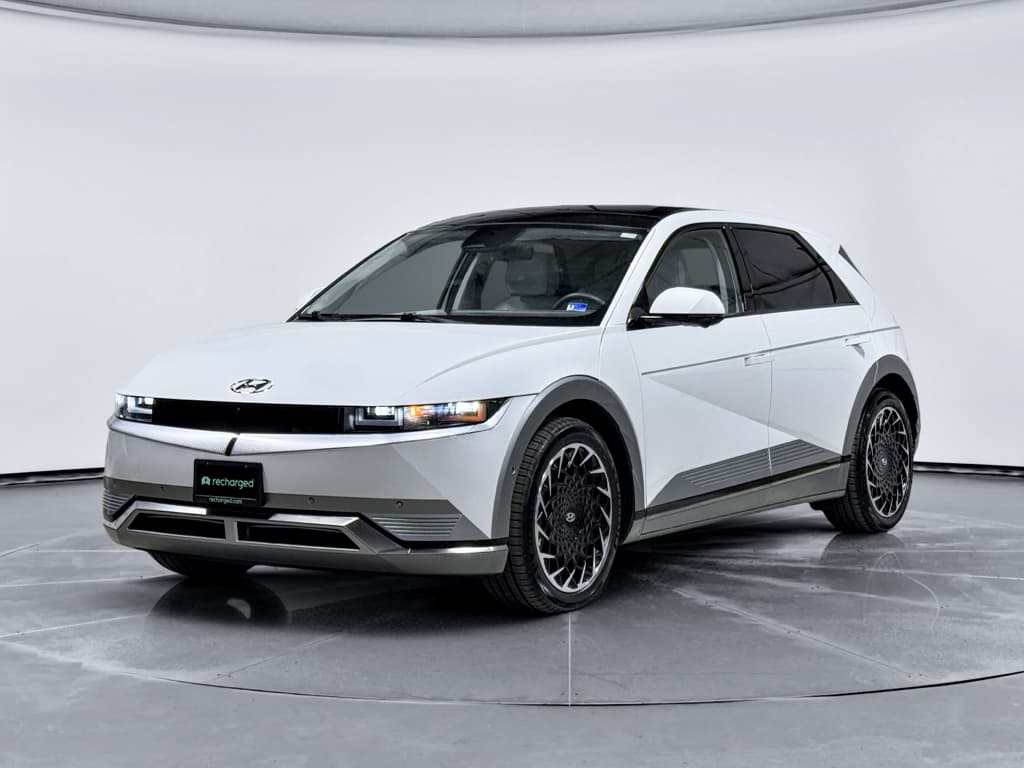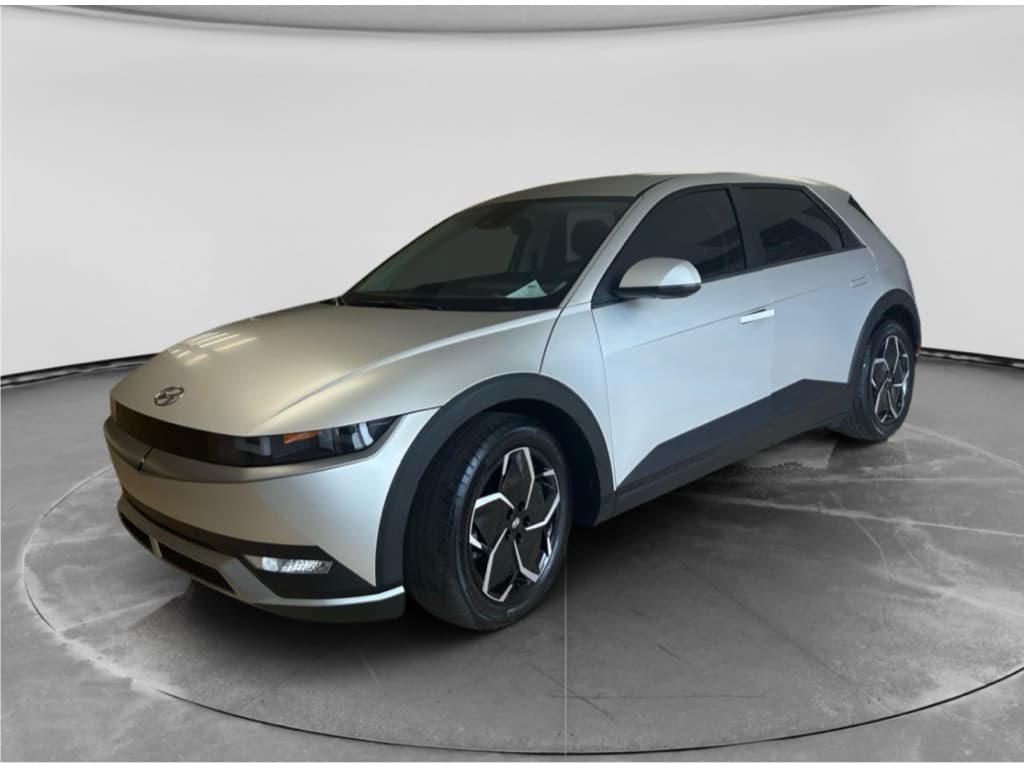
The 2025 Hyundai IONIQ 5 doesn’t reinvent one of the most acclaimed EVs on the market, it sharpens it. A bigger battery, faster charging, a new off-road‑flavored XRT trim, the high‑performance IONIQ 5 N, and a switch to Tesla’s North American Charging Standard (NACS) plug all arrive for 2025. If you’re cross‑shopping electric SUVs or wondering how this affects used IONIQ 5 values, this review walks you through what actually matters.
At a glance
2025 Hyundai IONIQ 5 overview: what’s new this year
- Larger batteries across the lineup (up to 84.0 kWh long‑range)
- Estimated range increases of roughly 15–20 miles depending on configuration
- New XRT trim with higher ride height, tougher styling and standard AWD
- IONIQ 5 N performance halo model with over 600 hp and track‑ready hardware
- NACS (Tesla) charge port on 2025 IONIQ 5 in North America, with a CCS adapter included
- Chassis tweaks, extra sound insulation and updated driver‑assist tech
- Interior updates including revised steering wheel, button layout and software
Hyundai didn’t need to overhaul the IONIQ 5. It was already an award‑winner with fast 800‑volt charging and a roomy cabin. Instead, the 2025 model is about polishing the formula: more range, better access to charging networks, and more distinct personalities at the top and bottom of the lineup (XRT for adventure, N for performance). For shoppers, that means more choice, and for used‑market buyers, it means earlier model years are starting to look like quietly good values as incentives grow and newer trims grab attention.
Battery, range and efficiency: how far will it really go?
2025 IONIQ 5 range & charging highlights
Most 2025 IONIQ 5 models use a new 84.0‑kWh long‑range battery, an upgrade from the 77.4‑kWh pack many earlier models carried. Hyundai and independent testers peg maximum range for the most efficient rear‑wheel‑drive trims in the low‑to‑mid‑300‑mile territory, while dual‑motor all‑wheel‑drive versions slip closer to the mid‑200s to 280‑mile range depending on wheels and options. A smaller Standard Range battery also grows, from 58 to around 63 kWh, adding roughly 20 miles of range versus prior years while keeping entry price lower.
Real‑world range tip
Efficiency remains a strong suit. Even the 2025 IONIQ 5 N, the performance flagship with more than 600 horsepower, is rated in the low‑80s MPGe city and low‑70s MPGe highway, while mainstream trims fare better. For most commuters, that translates into comfortable weekly charging at home and confidence on regional trips, especially now that NACS access opens one of the largest fast‑charging networks in the country.
Charging & NACS: using Tesla Superchargers and beyond
Where the 2025 IONIQ 5 can plug in
NACS is standard, but you’re not locked out of CCS or home charging.
Tesla Superchargers & Destination
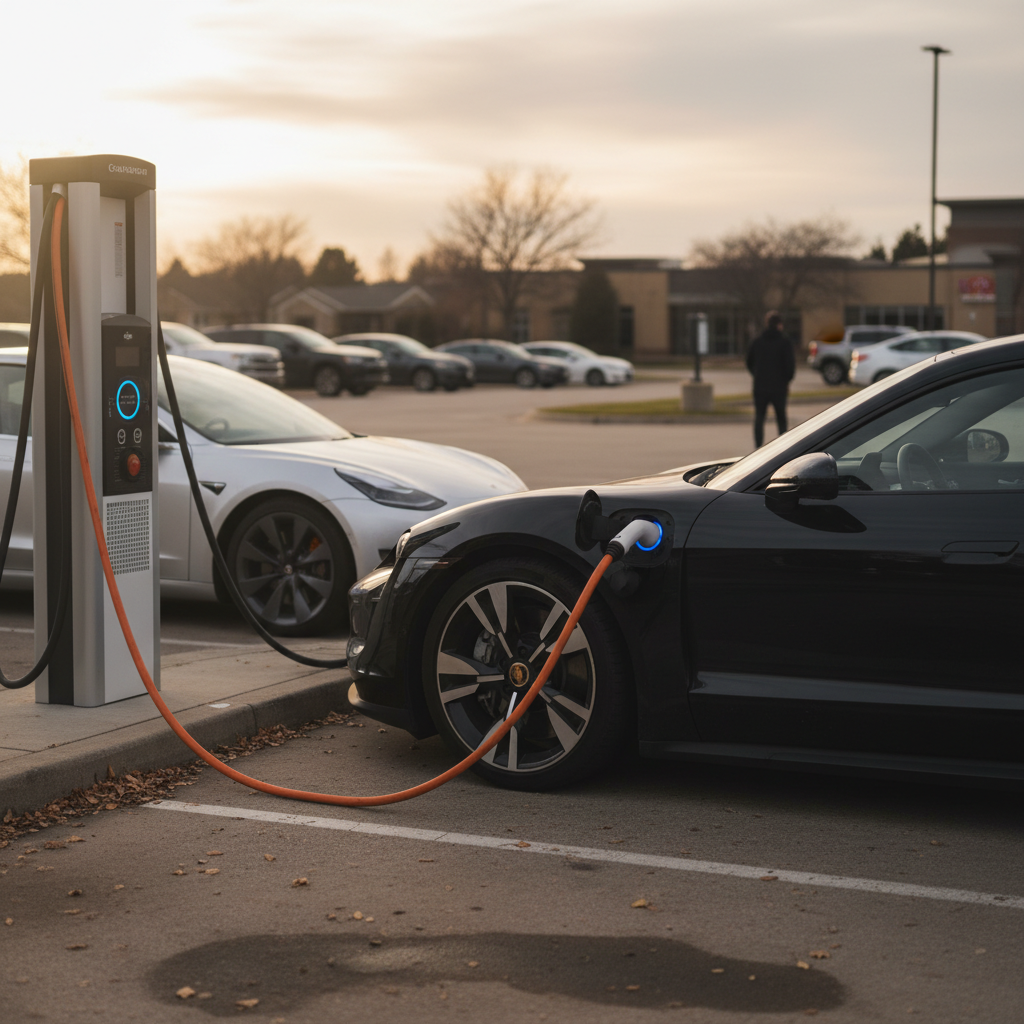
The 2025 IONIQ 5 is Hyundai’s first U.S. model with a standard NACS (Tesla) charge port. That means you can plug directly into many Superchargers and Tesla Destination Level 2 stations without a separate adapter.
CCS public fast charging
Hyundai includes a CCS adapter, so you can still use non‑Tesla fast‑charging networks like Electrify America and EVgo. That flexibility matters on long road trips.
Home & workplace Level 2
At home, the IONIQ 5 charges on a typical 240‑volt Level 2 setup, replenishing a nearly empty pack in roughly 8–9 hours. For many owners, that’s plug in at night, wake up to a full battery.
The big charging story for 2025 is that NACS port. Earlier IONIQ 5s relied on CCS, which meant juggling adapters to tap into Tesla’s network. The 2025 model flips that: NACS is native, and an included CCS adapter keeps non‑Tesla stations on the menu. Underneath, the IONIQ 5 still uses an 800‑volt electrical architecture, one of the few in its price class, which lets it pull serious power from a strong DC fast charger and add a meaningful chunk of range in about 20 minutes.
Supercharger caveat
For home charging, you’ll want at least a 40‑amp Level 2 solution to take full advantage of the IONIQ 5’s onboard charger. Recharged can help you compare used EVs that match your daily driving and home‑charging setup, and our advisors can talk through what sort of home charging makes sense before you buy.
2025 IONIQ 5 trims, pricing and key features
2025 Hyundai IONIQ 5 U.S. trim snapshot
Approximate starting MSRPs and highlights for core trims. Exact pricing varies by market and incentives.
| Trim | Drivetrain | Battery | Approx. starting MSRP* | Highlights |
|---|---|---|---|---|
| SE Standard Range | RWD | ~63 kWh | Low–mid $40Ks | Most affordable entry point, smaller battery, good for shorter commutes. |
| SE Long Range | RWD | 84 kWh | High $40Ks | Best value for range; strong efficiency and simpler spec. |
| SEL | RWD or AWD | 84 kWh | Low–mid $50Ks | More comfort and tech; popular sweet spot for families. |
| Limited | RWD or AWD | 84 kWh | Mid–high $50Ks | Fully loaded; panoramic roof, advanced driver aids, upscale interior. |
| XRT | AWD | 84 kWh | Mid–high $50Ks | Rugged styling, higher ride height, all‑terrain tires, tow package. |
| N | AWD (dual‑motor) | 84 kWh | Mid–high $60Ks | Over 600 hp, track‑tuned hardware, N‑specific tech and styling. |
Pricing excludes destination, taxes and local incentives. Always verify current numbers with a dealer or pricing guide.
About pricing
If you’re range‑focused, the SE Long Range and SEL RWD are the clear value plays. The Limited piles on luxury and tech, while the XRT and N chase very different niches: one for outdoorsy buyers who want a tougher stance and towing, the other for enthusiasts who care as much about lap times and soundtracks as kilowatts. For shoppers considering certified‑pre‑owned or a used IONIQ 5 from a marketplace like Recharged, the expanding trim spread in 2025 means more variation in equipment and resale values a few years down the road.
Driving experience: comfort, handling and performance
Comfort & refinement
Hyundai has retuned the 2025 IONIQ 5’s suspension and added structural reinforcements, along with more sound insulation around the rear motor. On the road, that translates into a more composed ride over broken pavement and less whine from the drivetrain at highway speeds.
The seating position is upright and SUV‑like, visibility is good, and the cabin stays quiet enough to feel premium compared with many rivals. The result is a relaxed, almost lounge‑like driving experience in the mainstream trims.
Acceleration & handling
Even the single‑motor rear‑drive versions feel quick, with roughly 225 horsepower moving a relatively light EV platform. Dual‑motor all‑wheel‑drive models add punch, targeting the sub‑5‑second 0–60 mph bracket that used to belong only to performance cars.
Steering is accurate if not especially talkative, and body motions are well controlled. The IONIQ 5 won’t be mistaken for a sports car in SE or SEL guise, but it’s confident and predictable, which is exactly what most families want.
Daily‑driver sweet spot
IONIQ 5 N and XRT: performance and adventure spinoffs
Two new bookends define the 2025 IONIQ 5 family: the rugged XRT and the track‑focused IONIQ 5 N. They share the same basic shell and battery tech as regular models but deliver very different stories from behind the wheel.
XRT vs N: which special IONIQ 5 fits you?
Both stretch the IONIQ 5 formula, but in opposite directions.
IONIQ 5 XRT: trail‑ready commuter
- Higher ride height, underbody cladding and blacked‑out trim
- Standard dual‑motor AWD and all‑terrain‑style tires
- Improved approach/departure angles for light off‑pavement use
- Tow package available, solid fit for small campers or utility trailers within rating
Think of XRT as an IONIQ 5 built for gravel roads, ski parking lots and rough winters, not rock‑crawling.
IONIQ 5 N: track‑day EV
- Dual‑motor setup with up to around 641 hp using N Grin Boost
- 0–60 mph in the low‑3‑second range, plus advanced cooling and braking
- N e‑Shift and N Active Sound+ simulate gearshifts and engine noise for engagement
- Stiffer suspension, wider stance and unique aero/bodywork
This is Hyundai’s halo car, closer in spirit to a performance coupe than a family crossover.
Performance comes with tradeoffs
Interior, tech and practicality for daily life
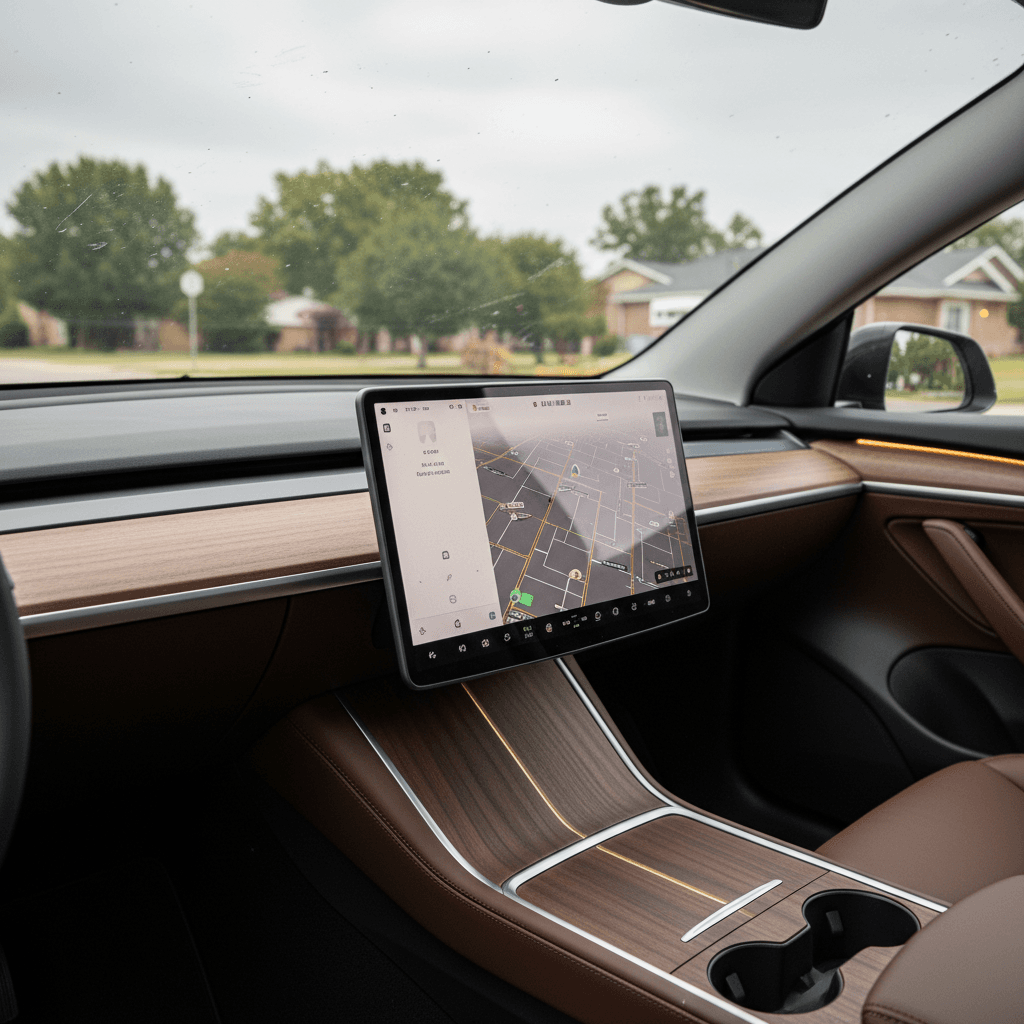
Inside, the 2025 IONIQ 5 keeps the living‑room‑on‑wheels vibe that helped make earlier models stand out. A flat floor, generous legroom in both rows and sliding rear seats give you flexibility that feels closer to a midsize SUV, even though the footprint is more compact. For 2025, Hyundai revises the steering wheel to add IONIQ‑family pixel lighting, reorganizes the center controls, and moves the wireless phone charger into a more usable spot.
- Dual 12.3‑inch displays with updated navigation and infotainment software
- Physical buttons for core climate and seat‑heat functions (a small but meaningful usability win)
- Available head‑up display with augmented‑reality turn guidance on higher trims
- Plenty of USB‑C ports and available 110‑volt outlet for laptops or camping gear
- Vehicle‑to‑load (V2L) capability, so the IONIQ 5 can power tools, tailgates or emergency home loads with the right adapter
Family‑friendly layout
How the 2025 IONIQ 5 stacks up against rivals
2025 IONIQ 5 vs key EV rivals
High‑level comparison of where the IONIQ 5 shines in a crowded EV‑SUV field.
| Model | Max est. range | DC fast‑charge speed | Charging standard | Interior space feel | Notable strength |
|---|---|---|---|---|---|
| Hyundai IONIQ 5 (2025) | Low–mid 300s mi (RWD LR) | 10–80% ~20 min (800 V) | NACS + CCS adapter | Roomy, lounge‑like | Fast charging, value, bold design |
| Tesla Model Y | Up to mid‑300s mi | Strong but voltage‑limited | NACS | Minimalist but tighter in back | Supercharger integration, software |
| Ford Mustang Mach‑E | Up to low‑300s mi | Improving, 400‑V | NACS (starting) / CCS | Sportier cockpit | Styling, driving feel |
| Kia EV6 | Similar to Ioniq 5 | 10–80% ~18–20 min (800 V) | NACS (phasing in) / CCS | Sportier, lower roof | Design, performance options |
Specs are generalized; individual trims may differ. Always compare specific configurations.
Among compact electric crossovers, the IONIQ 5 continues to stand out on charging speed, interior space, and value. The 2025 updates keep it competitive with Tesla’s Model Y on range while matching or exceeding most rivals at the plug. Its biggest drawbacks are more subjective: the styling is bold enough to polarize, and some shoppers may prefer a more traditional crossover shape or a more familiar brand badge.
What the 2025 changes mean for used IONIQ 5 shoppers
Any time an automaker bumps battery size, adds trims and starts talking about NACS, used‑market dynamics shift. On the IONIQ 5, the 2025 changes are meaningful, but they don’t suddenly make a 2022 or 2023 car obsolete. Instead, they create tiers, and opportunities for value‑minded buyers.
Shopping a used IONIQ 5 in a 2025 world
How the new model year reshapes the used landscape.
Earlier battery packs
Pre‑2025 IONIQ 5s with the 77.4‑kWh pack still deliver excellent range for most drivers. Unless you routinely push to the limits, the difference from the 84‑kWh pack may feel small in day‑to‑day use.
Charging standards
Earlier U.S. cars use CCS ports. That’s not a deal‑breaker, especially with adapters and an expanding CCS network, but it’s worth factoring into your road‑trip plans versus a 2025 car with native NACS.
Pricing & incentives
Deep incentives on new 2025 models and the arrival of the IONIQ 5 N can push used prices down. That’s good news if you’re willing to accept slightly older tech for a lower payment.
How Recharged helps on the used side
If you’re cross‑shopping a used IONIQ 5 with other pre‑owned EVs, prioritize battery health, charging history, and how closely a car’s trim and equipment actually match your needs. A lightly optioned SEL with a strong battery can be a smarter buy than a loaded Limited that’s fast‑charged hard and often.
2025 Hyundai IONIQ 5 buying checklist
Key questions to answer before you sign
1. How much range do you really need?
Map your typical weekly driving, including occasional longer trips. If you rarely exceed 150–200 miles in a day, a rear‑drive long‑range model is often more than enough and may be cheaper than AWD or N variants.
2. Do you care more about comfort or performance?
SE, SEL and Limited trims prioritize comfort and everyday usability. The XRT and especially the IONIQ 5 N lean into specific lifestyles (adventure and track driving). Avoid over‑buying performance you won’t use.
3. What’s your charging situation?
If you have off‑street parking, plan a Level 2 home charger. If you rely on public infrastructure, look closely at NACS vs CCS access in your area and how that lines up with a 2025 vs earlier IONIQ 5.
4. New vs used: which makes more sense?
Run total‑cost‑of‑ownership numbers, not just monthly payments. Between tax credits, dealer discounts and falling used prices, a lightly used IONIQ 5 on Recharged may deliver similar tech with a lower upfront cost.
5. How important are advanced driver‑assist features?
Decide whether you want Hyundai’s higher‑end driver‑assist suites and parking aids. They’re not all standard, so confirm exactly which features a given VIN has before you buy, especially on used cars.
6. Will you tow or go off‑pavement?
If you tow or regularly drive on rough roads, look for AWD models with the appropriate tow rating, or consider the XRT. For city commuting, rear‑drive trims are often smoother and more efficient.
2025 Hyundai IONIQ 5 FAQ
Frequently asked questions about the 2025 IONIQ 5
Bottom line: is the 2025 IONIQ 5 a good buy?
Hyundai’s 2025 updates don’t change what the IONIQ 5 is at its core: a sharply styled, practical electric crossover that charges quickly and feels more expensive inside than its price suggests. What they do is bring the hardware in line with where the EV market is headed, bigger battery, better fast‑charging access via NACS, and a lineup that stretches from value‑oriented SE to off‑road‑flavored XRT and track‑ready N.
If you’re shopping new, a 2025 SE or SEL Long Range is one of the most well‑rounded electric SUVs in the segment. If you’re browsing used, earlier IONIQ 5s remain smart buys, especially when you can see verified battery health and fair‑market pricing through a Recharged Score Report. Either way, the IONIQ 5 has matured into exactly what many EV shoppers say they want: an electric SUV that feels normal in all the right ways, and quietly advanced where it counts.