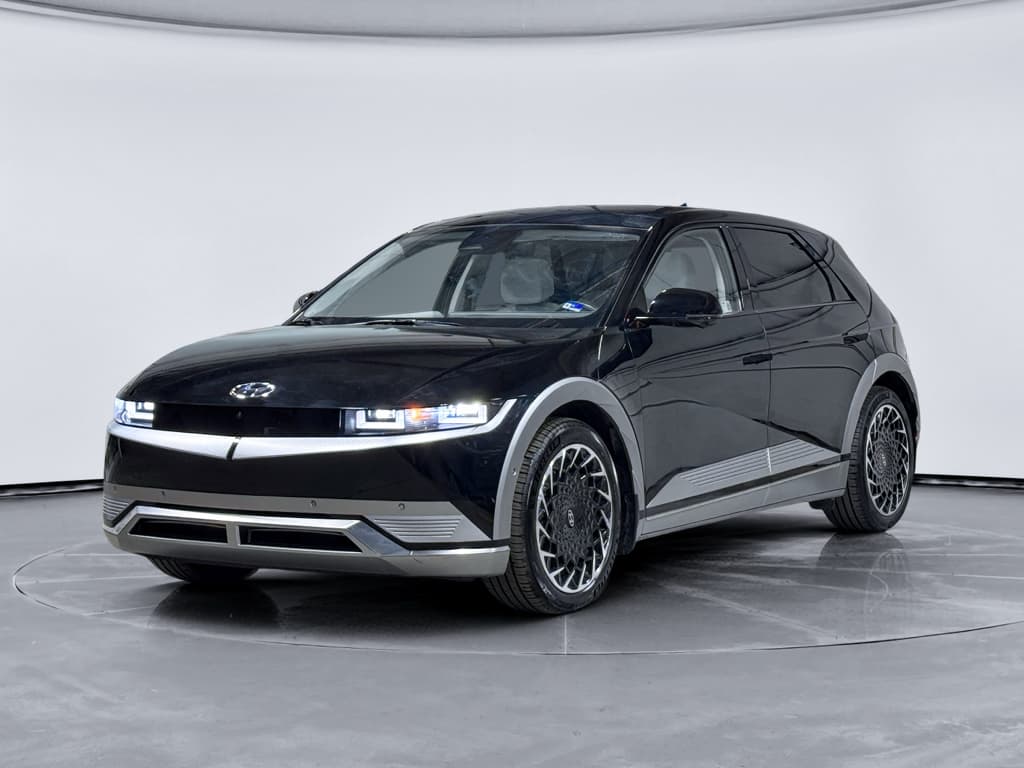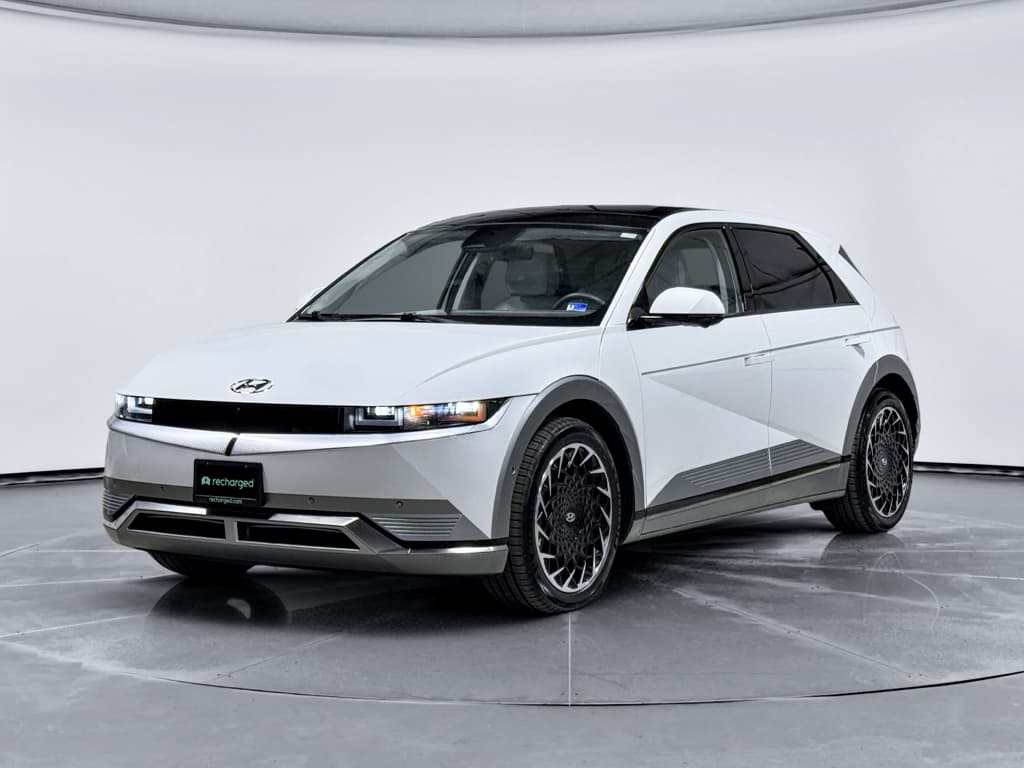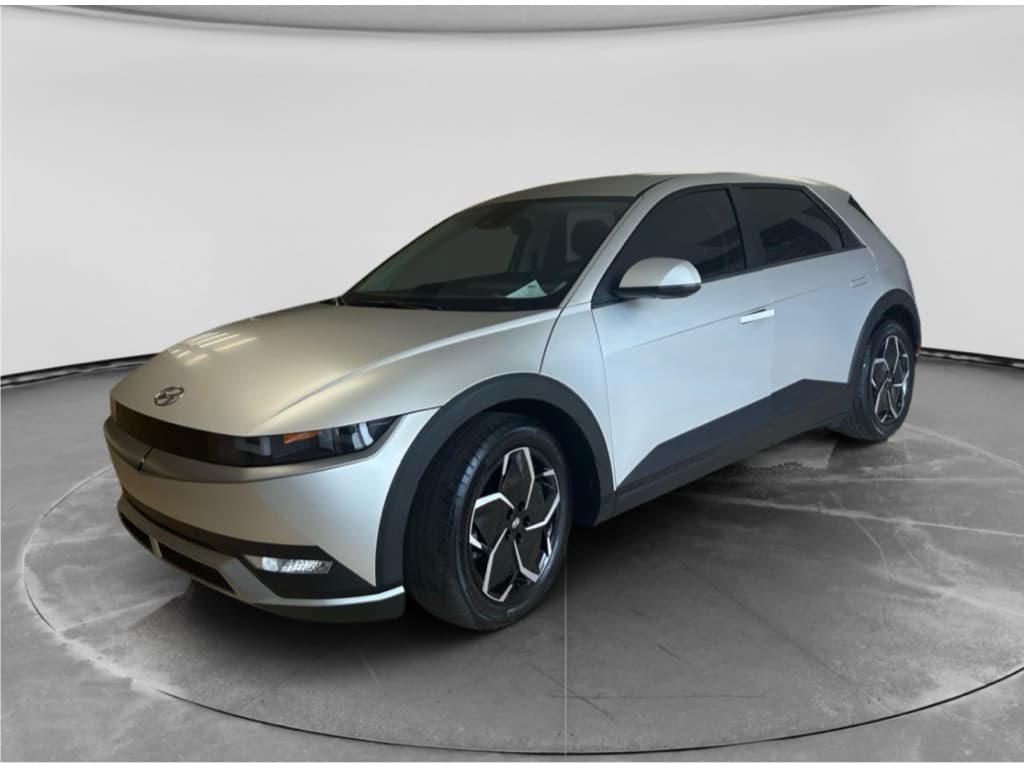
If you’re eyeing the 2025 Hyundai IONIQ 5, you’re probably hearing two very different stories: raves about its design, efficiency and fast charging, and rumblings about electronics problems and long wait times for parts. When people search for 2025 Hyundai IONIQ 5 reliability, they want to know which story is closer to reality, especially if they’re considering a used example.
Big picture
Overview: How reliable is the 2025 Hyundai IONIQ 5?
2025 IONIQ 5 reliability snapshot
Stepping back, the 2025 Hyundai IONIQ 5 is not a disaster by any stretch, but it’s also not a paragon of bulletproof reliability. Independent reliability data for the specific 2025 model year is still emerging, but survey and recall patterns from 2022–2024 cars show two realities: most owners log tens of thousands of miles with only minor issues, while an unlucky subset encounter charging electronics failures, 12V battery problems, or software glitches serious enough to sideline the car for weeks.
If you’re cross‑shopping other used EVs, the IONIQ 5 sits somewhere in the middle of the pack: generally more solid than many early‑generation start‑up EVs, but with more headaches than long‑running platforms from brands that have had extra time to debug their hardware and software. That doesn’t mean you should avoid it, but it does mean you want to understand its specific weak points before you buy, especially if you’re shopping used.
What’s new for the 2025 IONIQ 5, and why it matters for reliability
From a hardware standpoint, the 2025 IONIQ 5 is an evolution of the 2022–2024 models rather than a clean‑sheet redesign. It continues to use Hyundai’s E‑GMP 800‑volt platform, similar battery packs, and the same general ICCU (Integrated Charging Control Unit) architecture that manages DC fast charging and DC‑to‑DC conversion for the 12V system.
- Continuing 800‑volt architecture and high‑power DC fast charging (up to 350 kW peak under ideal conditions).
- Incremental software and feature updates, including over‑the‑air update capability for more modules.
- Ongoing running changes to address ICCU and charging‑related recall campaigns from earlier model years.
- Refinements to driver‑assist and safety systems that helped the 2025 model achieve an IIHS Top Safety Pick+ rating.
Why this matters for reliability
Known reliability issues: ICCU, 12V battery, charging and software
The headline reliability concerns with the IONIQ 5 aren’t about the big traction battery failing; they’re about the electronics and supporting systems wrapped around it. When you hear negative owner stories, they usually fall into a few buckets:
Most common IONIQ 5 reliability complaints
What tends to go wrong, and how serious it is
ICCU failures
The Integrated Charging Control Unit (ICCU) manages DC‑to‑DC conversion and fast charging. In some 2022–2024 cars it has failed outright, leaving the car unable to charge, stuck in limp mode, or completely dead. Owners report long wait times for replacement units when parts are scarce.
For a 2025 car, verify whether all ICCU‑related recalls and TSBs have been done and ask for documentation.
12V battery behavior
Unlike gas cars, EVs use a small 12V battery to boot up the main systems. On some IONIQ 5s, the 12V battery can drain unexpectedly or fail to charge properly if the ICCU or software isn’t behaving. Symptoms include warning lights, no‑start conditions, or the car randomly going into "turtle" mode.
Charging quirks
Owners have reported situations where the vehicle refuses to initiate DC fast charging at certain stations, or cuts a session short. Many of these are interoperability quirks between networks, but some trace back to ICCU issues or out‑of‑date software.
Software and UX bugs
The IONIQ 5’s infotainment and driver‑assist systems are generally well‑liked, but some owners mention slow boot‑up, random error messages, or assists that need calibration. These are annoying more than catastrophic, but they’re the kind of glitches that color owners’ views of reliability.
The ICCU/12V combo is the big watch‑out
On top of these model‑specific concerns, Hyundai recently announced a software‑related recall covering multiple 2025 models, including the IONIQ 5, for an instrument‑cluster error that can prevent speed and warning lights from displaying correctly. In practical terms, this is fixed with a software update, sometimes delivered over the air, but it’s a reminder that even basic functions are now software‑dependent.
Battery life, degradation and real‑world range
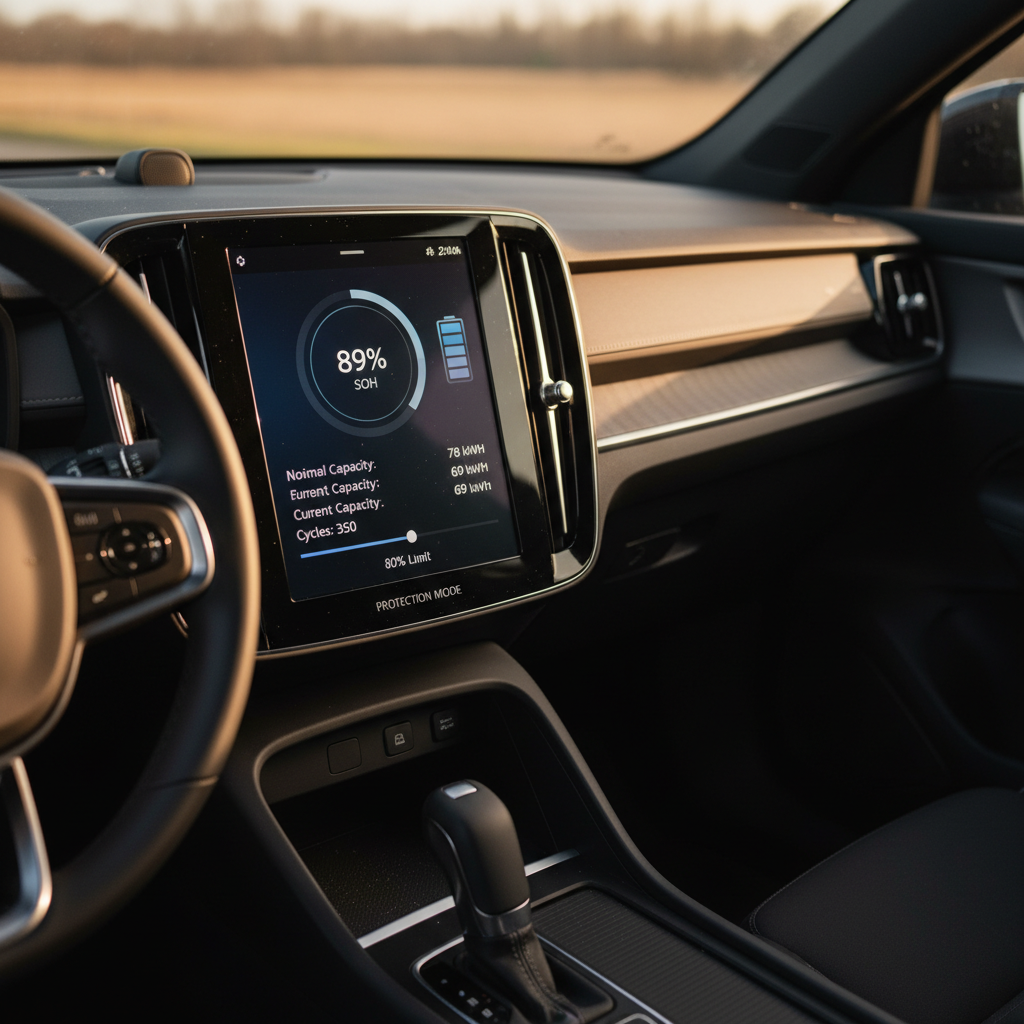
The question most EV shoppers care about is simple: will the battery last? On that front, the IONIQ 5’s track record is encouraging. High‑voltage battery failures on this platform are rare compared with the number of cars on the road, and long‑term fleet data so far suggests modest degradation for drivers who charge reasonably and avoid chronic 100% DC fast charges.
- Typical real‑world range for a dual‑motor IONIQ 5 hovers around 230–260 miles in mixed driving, less in cold climates or at sustained highway speeds.
- Owners in moderate climates who mostly AC charge at home often report only single‑digit percentage loss in usable range over the first 2–3 years.
- The 800‑V architecture keeps DC fast‑charging sessions relatively efficient, which reduces heat stress, one of the main drivers of battery wear.
Battery warranty basics
From a reliability perspective, that means the bigger near‑term risk is getting stranded by supporting electronics, not waking up one day to a dead traction battery. Still, if you’re buying used, it’s smart to look at objective battery‑health data rather than relying on the in‑car range estimate alone.
How Recharged helps on battery health
Ready to find your next EV?
Browse VehiclesSafety, crash performance and security vulnerabilities
Reliability isn’t just about whether the car starts; it’s also about how predictably it protects you. On the passive‑safety front, the 2025 IONIQ 5 performs very well. The Insurance Institute for Highway Safety (IIHS) lists the 2025 IONIQ 5 as a Top Safety Pick+ under its stricter 2025 criteria, reflecting strong crash performance and robust active‑safety tech like automatic emergency braking and lane‑keeping systems.
Where the IONIQ 5 has drawn scrutiny is in digital security. In Europe and the UK, reports surfaced of IONIQ 5s being stolen in seconds using high‑end key‑emulation devices that spoof the digital key signal. Hyundai has responded with a mix of software and hardware security upgrades in those markets, sometimes offered as a paid upgrade, but the episode underscores that modern EVs are computers on wheels, and vulnerabilities can show up years after launch.
Security isn’t the same as mechanical reliability
Warranty coverage on the 2025 IONIQ 5
One reason many shoppers are willing to roll the dice on a relatively new EV platform like the IONIQ 5 is Hyundai’s warranty coverage. Exact terms vary by market, but in the U.S. you can expect coverage along these lines:
Typical 2025 Hyundai IONIQ 5 warranty coverage (U.S.)
Always confirm the exact terms for the specific vehicle and region you’re buying in.
| Coverage type | Typical term | What it covers |
|---|---|---|
| Basic bumper‑to‑bumper | 5 years / 60,000 miles | Most components other than wear items; excludes cosmetic damage and routine maintenance. |
| Powertrain | 10 years / 100,000 miles (original owner) | Electric drive units, reduction gear and related hardware. |
| High‑voltage battery | 8 years / 100,000 miles (approx.) | Defects and, in many regions, excessive loss of capacity below a specified threshold. |
| Corrosion | 7 years or more (varies) | Perforation rust on body panels from the inside out. |
| Roadside assistance | 5 years / unlimited miles (typical) | Towing for breakdowns, including EV‑specific support in many markets. |
Warranty can mitigate, but not erase, reliability concerns, especially for used buyers.
Used buyers: pay attention to transferability
How the 2025 IONIQ 5 compares to other EVs
Versus Tesla Model Y
The Tesla Model Y has the benefit of years of production refinement and a huge on‑road fleet, and its battery and motor systems have proven robust. However, Tesla’s build‑quality quirks and frequent software changes create their own reliability headaches. The IONIQ 5 generally offers better traditional warranty coverage and a more conventional service network, but its ICCU/12V issues are more likely to immobilize the car when they crop up.
Versus VW ID.4, Nissan Ariya & others
Against mainstream rivals like the ID.4 or Ariya, the IONIQ 5 stacks up well in day‑to‑day dependability, and its 800‑V fast‑charging is a clear advantage for road‑trip usability. That said, many competitors haven’t had quite the same concentration of ICCU‑style failures. If your tolerance for surprise breakdowns is low, that history is worth weighing, even if updates have reduced the risk in newer builds.
How to think about the tradeoffs
Checklist for buying a used Hyundai IONIQ 5
Pre‑purchase checks for a used IONIQ 5
1. Verify recall and software history
Ask for a printout or screenshot showing that all ICCU‑related recalls, charging updates, and cluster/instrument‑panel software campaigns have been completed on the specific VIN.
2. Inspect charging behavior in the real world
If possible, test the car at a DC fast‑charging station and a Level 2 charger. Confirm that it initiates charging cleanly and sustains expected power rather than dropping off unexpectedly.
3. Get objective battery‑health data
Don’t rely on the dashboard’s projected range alone. Use a third‑party battery test, or buy from a retailer like <strong>Recharged</strong> that includes a verified battery‑health report, to understand remaining capacity before you commit.
4. Evaluate 12V system health
Ask for service records showing any 12V battery replacements or ICCU work. During the test drive, pay attention to odd warning lights, intermittent no‑start conditions, or the car dropping into low‑power mode.
5. Check safety and ADAS functionality
Confirm that lane‑keep assist, adaptive cruise, blind‑spot monitoring and automatic emergency braking all work as expected, with no persistent warning messages or disabled‑system icons.
6. Review warranty transfer status
Have the seller or a Hyundai dealer confirm what portions of the original warranty transfer to you and until when. This directly affects your long‑term risk profile.
Buying used through Recharged
Ownership tips to maximize reliability
If you already own a 2025 IONIQ 5, or you’re about to, the way you use and maintain it can meaningfully influence your real‑world reliability experience. You can’t change the hardware design, but you can tilt the odds in your favor.
Practical habits that help your IONIQ 5 age well
Most of these take minutes to set up and then fade into the background.
Prioritize Level 2 home charging
Frequent DC fast charging is fine for road trips, but day‑to‑day charging is easier on the battery when done at home on a Level 2 setup. It also gives you a reliable baseline to notice if the car starts behaving oddly at public fast chargers.
Stay current on updates
Make sure over‑the‑air updates are enabled where available, and don’t ignore dealer notices about software campaigns. Many ICCU and charging issues are mitigated by updated calibrations and monitoring logic.
Manage temperature extremes
In very hot or very cold climates, avoid leaving the car at 100% charge for long periods, and use pre‑conditioning while plugged in when possible. Reducing thermal stress helps the big battery and electronics over the long haul.
Take warning lights seriously
If you see repeated charging errors, 12V battery messages, or reduced‑power warnings, schedule service promptly. Catching a marginal ICCU or 12V battery early can keep you from getting stranded later.
Keep clean service records
Use the same dealer or trusted EV‑specialist shop where possible, and keep digital or paper records. This not only helps with warranty claims but boosts resale value when you eventually sell or trade in.
Plan for downtime risk
Because some parts have had long lead times in the past, build a little slack into your life: know your towing coverage, have a backup transportation plan, and keep important long trips on the radar so you can address issues ahead of time.
2025 Hyundai IONIQ 5 reliability FAQ
Frequently asked questions about 2025 IONIQ 5 reliability
The 2025 Hyundai IONIQ 5 is one of the most compelling EV crossovers on the road, blending standout design, rapid DC fast charging and strong safety scores. Its reliability story is more nuanced: the high‑voltage battery and motors are proving durable, but ICCU and 12V quirks have created real pain for a subset of owners. If you go in with clear eyes, verifying recalls, testing charging behavior, and insisting on objective battery‑health data, the IONIQ 5 can be a rewarding, future‑proof daily driver. And if you’d rather not navigate that complexity alone, buying a used IONIQ 5 through Recharged gives you transparent diagnostics, expert guidance and nationwide support from a team that lives and breathes EVs.