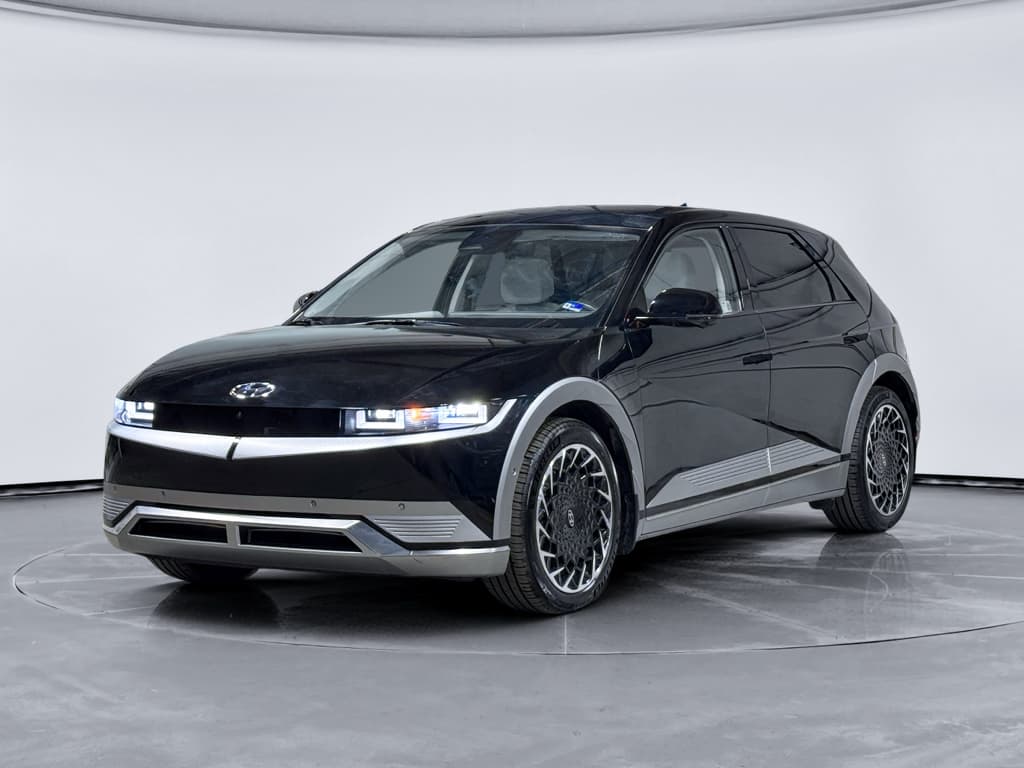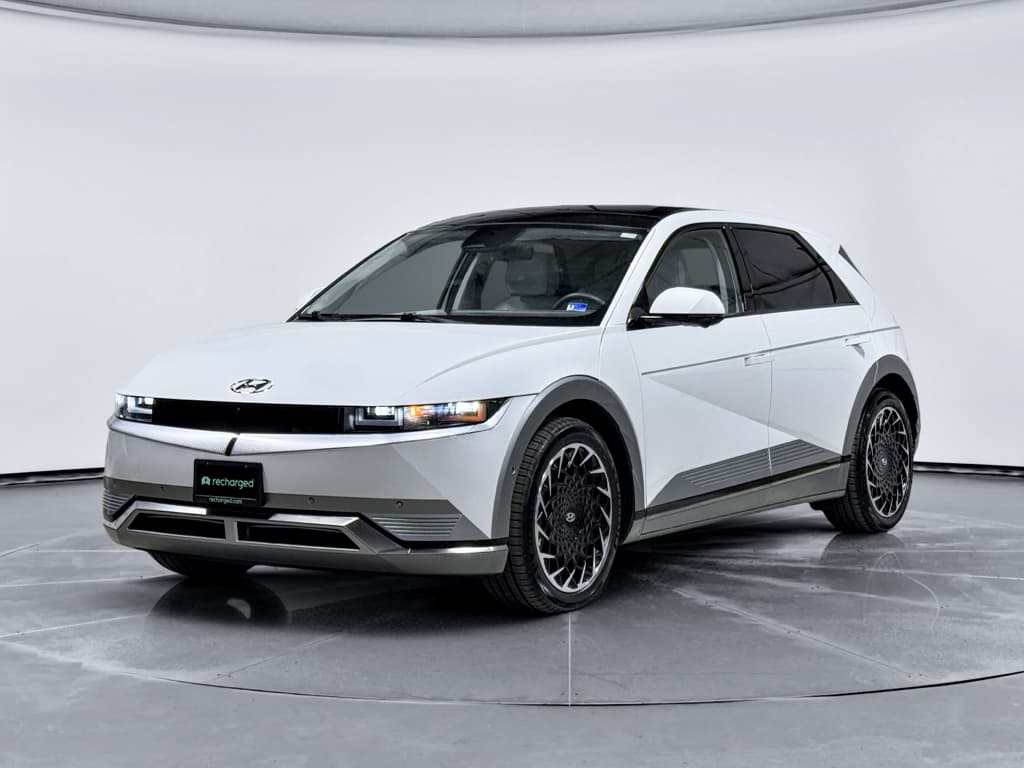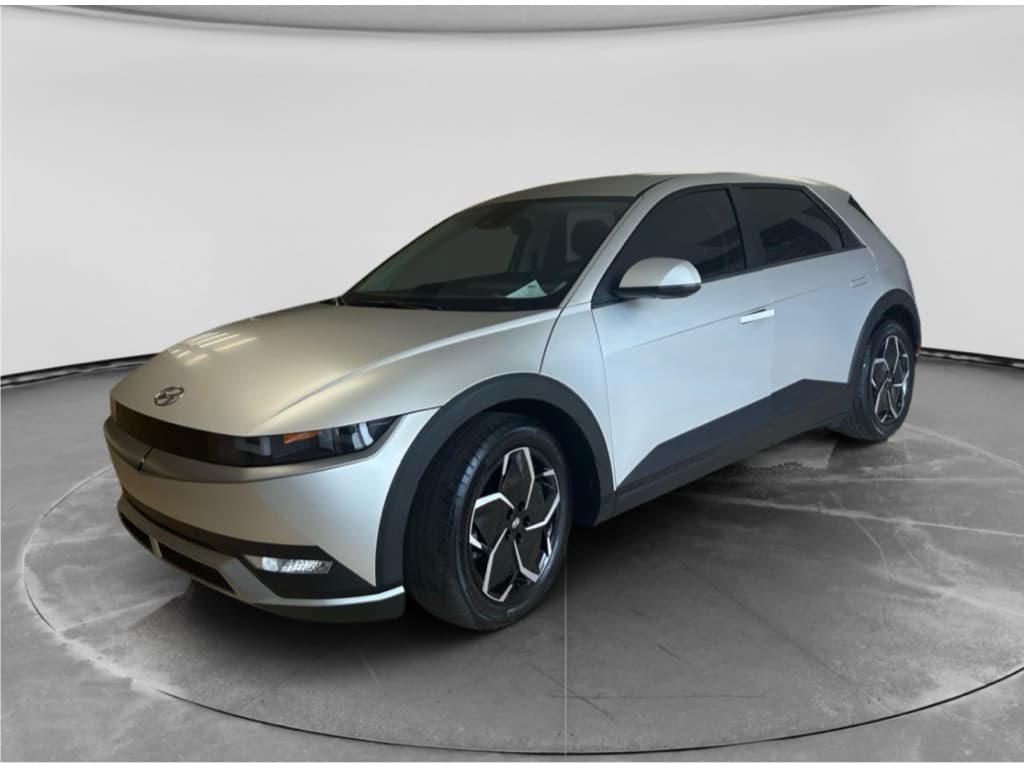
The 2025 Hyundai Ioniq 5 builds on one of the most talked‑about EVs of the last few years. If you’re researching 2025 Hyundai Ioniq 5 problems and fixes, you’ve probably seen stories of charging headaches, random warning lights, and even a few recalls. The reality is more nuanced: the 2025 Ioniq 5 is still a strong EV, but there are patterns you should understand, especially if you’re buying used.
Quick take
Overview: How Reliable Is the 2025 Hyundai Ioniq 5?
Early reliability data and owner reports suggest the 2025 Ioniq 5 lands in the middle of the EV pack: not a disaster, but not trouble‑free either. Complaints are heavily clustered around electrical and software behavior, climate control that occasionally misbehaves, charging that stops early, and a handful of drivetrain‑adjacent control modules that can fail on a small number of cars.
2025 Ioniq 5 Reliability Snapshot
What’s New on the 2025 Ioniq 5, and Why It Matters for Problems
The 2025 model year is more than a paint‑color update. Hyundai added a larger battery on some trims, tweaked the interior controls, and, most visibly, introduced the high‑performance Ioniq 5 N. Those changes matter, because they drive a few of the 2025‑specific issues.
- Updated battery and software logic: can slightly change charging behavior and state‑of‑charge estimates versus earlier years.
- More physical buttons and interface tweaks: good for usability, but adds more low‑level software integration that can glitch.
- Launch of the Ioniq 5 N performance model: brings unique performance software (like Left‑Foot Braking logic) and its own recall history.
- Ongoing over‑the‑air and dealer software updates: many fixes arrive quietly, so service history matters more than model year alone.
Model year vs. build date matters
The Biggest 2025 Hyundai Ioniq 5 Problems
If you zoom in on 2025 model‑year complaints, a few themes repeat across owner forums, NHTSA filings, and early long‑term tests. Here are the headline issues you’re most likely to encounter:
Most-Discussed 2025 Ioniq 5 Problem Clusters
What owners actually talk about, and what’s usually fixable
Level 2 Charging Quirks
Interrupted or slow home charging sessions, especially at max current on certain wallboxes. Often traced to software settings, charger compatibility, or rare hardware faults.
ICCU & 12V Battery Failures
A small but visible number of 2025 owners report Integrated Charging Control Unit (ICCU) or 12V battery issues that leave the car unresponsive until repaired.
Instrument & Screen Glitches
Blank or frozen instrument clusters, random messages, and occasional infotainment reboots, some tied to formal recalls or technical service bulletins.
Ioniq 5 N Braking Software
The 2025 Ioniq 5 N launched with a Left‑Foot Braking software bug that required a recall and dealer update to restore proper braking feel and safety margins.
Climate Control Oddities
Automatic climate control not responding as expected, or the cabin taking longer than expected to heat or cool, usually fixable with software updates or sensor checks.
Comfort & Usability Complaints
Seat comfort, occasional rattles, and fussy driver‑assist beeps aren’t "failures," but they’re common quality‑of‑life complaints that show up in reviews.
Problem patterns vary by trim
Charging, ICCU, and 12V Battery Issues
Charging behavior has been the number‑one discussion point for Ioniq 5 owners since 2022, and 2025 is no exception. The underlying hardware is capable and fast, but the combination of software logic, wallbox compatibility, and legacy bugs can create real‑world headaches.
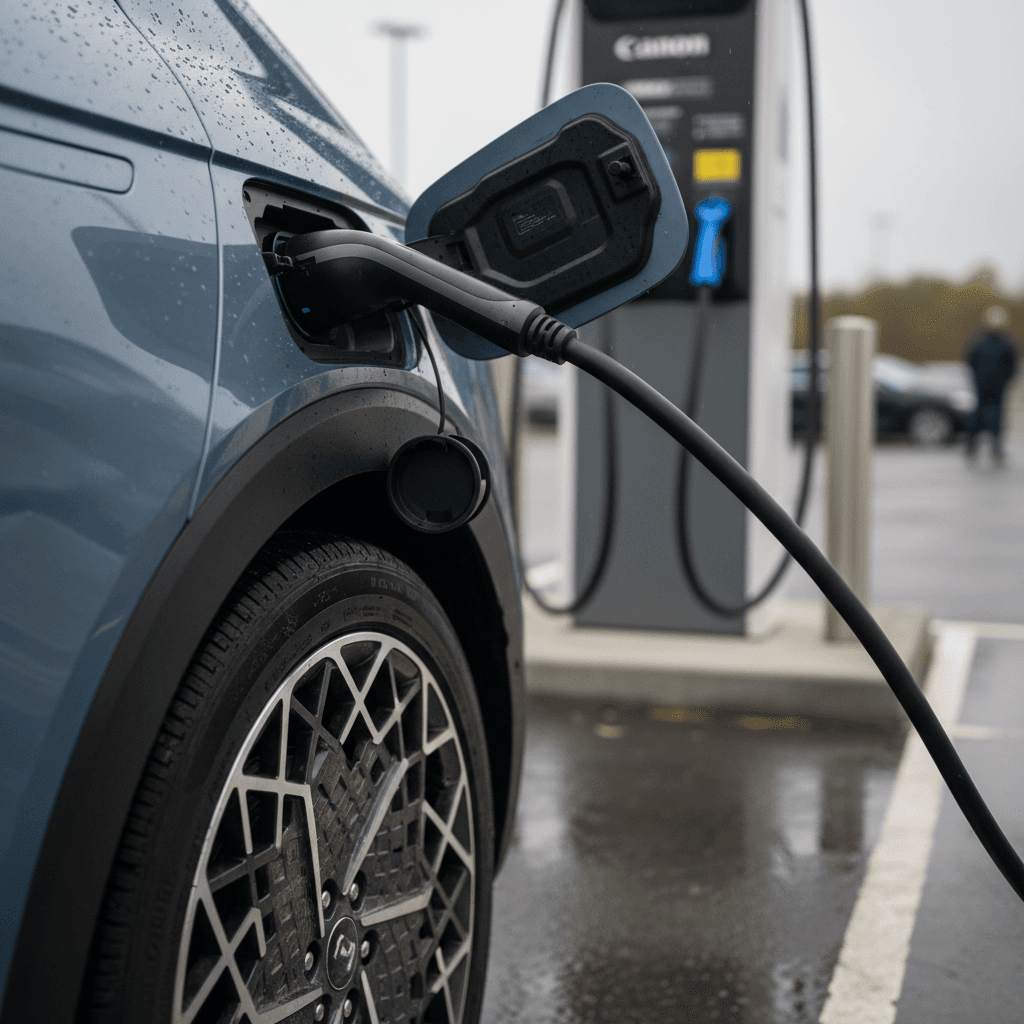
Interrupted or Slow Level 2 Charging
Owners of 2025 cars occasionally report that home charging sessions stop early or the car refuses to draw full current from a Level 2 station. In real‑world stories, that might look like a car set to charge to 100% but stalling in the 70–85% range and displaying “charging complete,” or a car that ramps down to a trickle without a clear error message.
- Charge limit or schedule set in the infotainment system or app, even if the owner forgot they enabled it.
- EVSE (charger) compatibility issues, especially with smart wallboxes that manage load or use Wi‑Fi scheduling.
- High ambient temperatures triggering a protective reduction in charge power.
- Less commonly, a fault in the onboard charger or ICCU that needs diagnosis.
Easy first checks for charging weirdness
ICCU and High-Voltage Charging Failures
A small but concerning pattern across Ioniq 5 model years is failure of the Integrated Charging Control Unit (ICCU). On 2025 models, owner anecdotes describe cars that suddenly refuse to fast‑charge, or won’t charge at all on any AC or DC station, sometimes after a stretch of normal behavior. In those cases, the dashboard may light up with powertrain or charging warnings, and the car can end up on a flatbed.
When the ICCU fails, the fix is typically a warranty replacement of the module plus associated wiring checks. It’s not a DIY job; you’ll need a Hyundai dealer or an EV‑specialist shop. The key point for shoppers is that you want to know if an older 2025 has already had an ICCU replacement and whether any open campaigns exist on that VIN.
12V Battery Draining or Failure
Another recurring theme across Ioniq 5 years, including 2025, is an unexpectedly weak 12V battery. Even though this is an EV, the small 12V battery still powers the computers, locks, and contactors that connect the high‑voltage pack. When it’s weak or failing, the car can appear “dead” even with plenty of charge in the traction battery.
- Car won’t "start" or shift out of Park after sitting, despite a healthy main battery state of charge.
- Random warning lights or a flurry of error messages on startup that disappear after a restart.
- Charging sessions that won’t initiate because the car never fully “wakes up” when plugged in.
Don’t ignore 12V symptoms
2025 Ioniq 5 Recalls and Service Campaigns
By spring 2026, several 2025 Ioniq 5 recall actions and campaigns have shown up in the U.S. and other markets. Exact coverage can vary by build date and trim, so always run a VIN check on NHTSA’s site or through Hyundai. Here are the big buckets to know about.
Key 2025 Hyundai Ioniq 5 Recalls & Campaign Themes
Representative issues affecting some 2025 vehicles. Always verify coverage by VIN.
| Issue | Likely Affected | Typical Symptom | Fix Type |
|---|---|---|---|
| Ioniq 5 N Left-Foot Braking Software | 2025 Ioniq 5 N | Reduced or inconsistent braking performance when using left‑foot braking. | Dealer software update to braking/ESC control logic. |
| Instrument Cluster / Panel Display Software | Select 2025 Ioniq 5 builds | Blank, frozen, or partially missing instrument cluster information while driving. | Dealer software update or, rarely, cluster replacement. |
| Suspension Component Manufacturing Defect | Very small batch of 2025 Ioniq 5s | Unusual noises, poor tracking, or instability from one corner of the car. | Inspection and replacement of affected suspension components. |
| ICCU / Charging-Related Campaigns | Certain 2023–2025 E‑GMP EVs including Ioniq 5 | Charging errors, reduced DC fast‑charge speed, or failure to charge. | Combination of software updates and, if needed, hardware replacement. |
Recall details, like affected build dates and exact symptoms, are VIN‑specific. Use this table as a directional guide, not a substitute for an official lookup.
How recalls work with used EVs
Comfort, Software Glitches, and Day-to-Day Complaints
Not every “problem” is a failure. A lot of 2025 Hyundai Ioniq 5 feedback is about how the car feels to live with more than outright breakdowns. That’s still important if you’re planning to keep the car for years.
- Automatic climate control that doesn’t always hit the requested temperature quickly, or cycles air in a way some owners find odd.
- Occasional software hiccups, CarPlay drops, frozen or laggy infotainment, and rare black‑screen events that clear with a restart.
- Driver‑assist systems (lane‑keeping, forward collision warning) that feel over‑protective, beep frequently, or intervene more aggressively than some drivers like.
- Seat comfort complaints on longer drives, especially for taller or shorter‑than‑average drivers who struggle to find a perfect position.
Annoyance but Not a Dealbreaker
- Occasional infotainment reboot or lag that resolves after a restart.
- Climate control that takes a bit longer than you’d like to settle in.
- Driver‑assist beeps that can be dialed back in the settings menus.
Worth a Closer Look
- Frequent, reproducible black‑screen issues in the cluster or center display.
- Climate system that fails to heat or cool at all.
- Warning lights that appear with software glitches, not just cosmetic hiccups.
How to Diagnose and Fix Common 2025 Ioniq 5 Issues
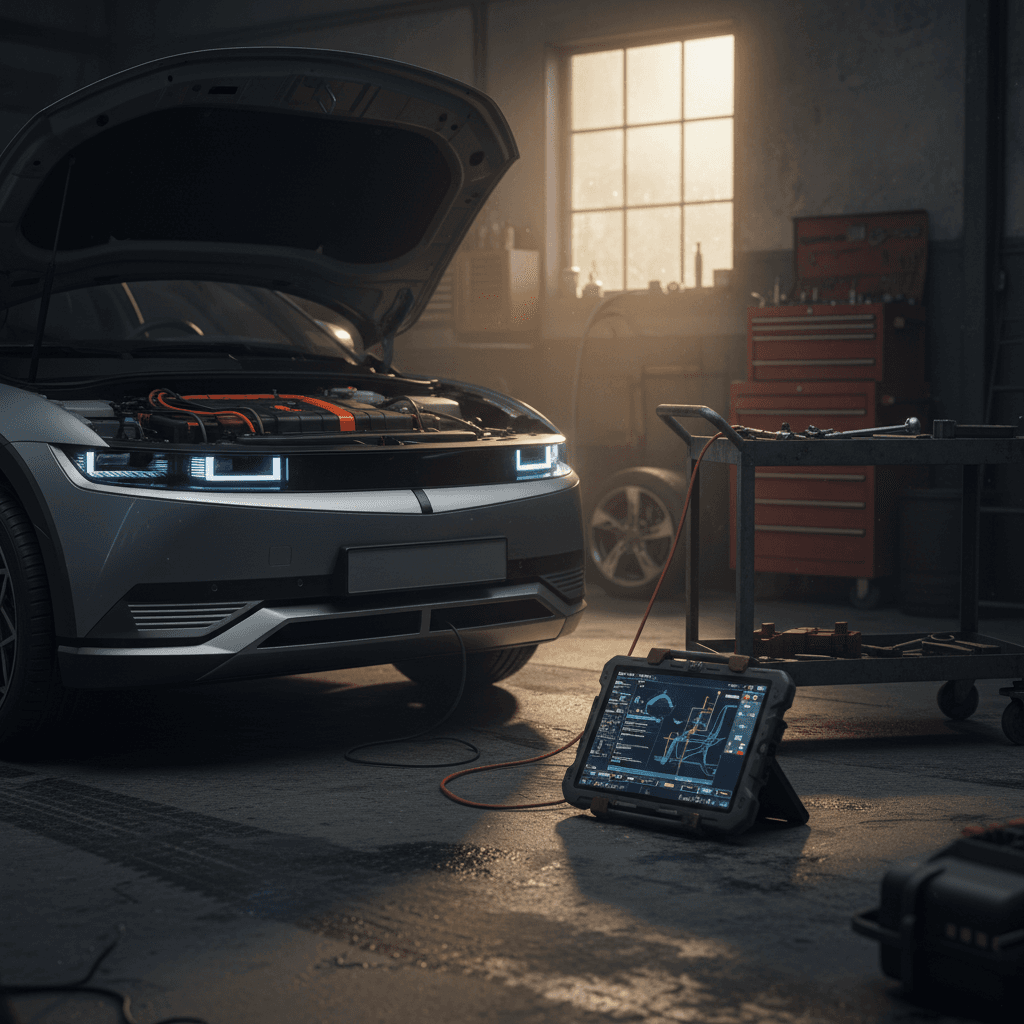
For most owners, the big question isn’t "Will the 2025 Ioniq 5 ever have a problem?" It’s what happens when it does. The good news: plenty of common issues have well‑established diagnostic paths and fixes. Here’s how to approach them methodically.
Step-by-Step: Basic Diagnosis Before the Dealer Visit
1. Capture symptoms and conditions
Write down exactly what happened, when, and at what state of charge or temperature. Photos of the instrument cluster or app messages are gold when you talk to a service advisor.
2. Try a second charger or outlet
If you have charging problems, test with a different Level 2 station or a reputable public charger. If the issue disappears, it may be the wallbox, not the car.
3. Disable all charging schedules and limits
In the car’s EV menu and the Hyundai app, set charging to "immediate" and the limit to 100%. That alone can solve mysterious early cutoff complaints.
4. Check for software updates
From the infotainment settings or the MyHyundai app, verify that the car is on the latest software. Many 2025 fixes arrive as silent over‑the‑air or dealer‑applied updates.
5. Test or replace the 12V battery
If you’re out of warranty and see random warnings or no‑start events, have the 12V battery load‑tested. A weak 12V can masquerade as a much bigger electrical problem.
6. Pull a vehicle health report
Use the MyHyundai app or a dealer visit to pull a diagnostic report. If you’re buying used, tools like the <strong>Recharged Score battery and systems report</strong> can show whether charging and battery behavior look healthy.
Where Recharged fits in
Ready to find your next EV?
Browse VehiclesBuying a Used 2025 Ioniq 5: Problems Checklist
If you’re shopping the used market, the right inspection questions turn "I’ve heard these have issues" into "I know exactly what I’m getting." Use this 2025‑specific checklist before you sign anything.
2025 Ioniq 5 Used-Buy Checklist
Confirm recall and campaign status
Run the VIN through an official recall tool and ask for service records. You want documented completion of any Ioniq 5 N braking, instrument‑cluster, or charging‑related campaigns where applicable.
Ask about charging behavior
Have the seller describe how they charge: at home, at what speed, and on which brand of charger. Any history of sessions stopping early, refusing to charge, or needing to "fiddle" with settings should be explored.
Inspect for 12V and ICCU history
Look for service records mentioning 12V battery replacement, ICCU codes, or "no‑start" situations. A properly fixed ICCU issue is better than an unresolved intermittent problem.
Test DC fast charging
If possible, do a short DC fast‑charge test. You’re looking for normal ramp‑up of power and no sudden dropouts or strange error messages around 30–70% state of charge.
Check interior tech behavior
During the test drive, cycle the infotainment, cluster views, climate control, and driver‑assist settings. You shouldn’t see freezing screens, persistent error messages, or obviously non‑functional buttons.
Evaluate ride and noises
On a mixed road loop, listen for clunks, rattles, or instability from the suspension, especially if the car is in the small build batch linked to 2025 suspension recalls.
When a Problem Is a Dealbreaker vs. a Negotiating Chip
Not every flaw should send you running. With the 2025 Hyundai Ioniq 5, the trick is separating annoyances you can live with from structural risks that could cost you thousands or leave you stranded.
Usually a Negotiating Chip
- Open recall that just needs a dealer visit.
- Minor infotainment lag with no warning lights.
- Original 12V battery on a low‑mileage car that tests slightly weak, budget a replacement.
- Minor interior rattles or trim issues that don’t affect safety.
Often a Walk-Away Signal
- Repeated charging failures across multiple stations with no documented fix.
- Instrument cluster or main display that blanks out regularly while driving.
- Serious brake or steering issues not clearly tied to and resolved by a recall.
- Salvage or flood history, especially given the Ioniq 5’s complex electronics.
If you’re not sure, get help
FAQ: 2025 Hyundai Ioniq 5 Problems and Fixes
Frequently Asked Questions
Looking across owner reports and early reliability data, the 2025 Hyundai Ioniq 5 is still one of the more compelling mainstream EVs, it just asks you to be smart about software, charging, and recalls. If you understand the common 2025 Hyundai Ioniq 5 problems and fixes, you can separate noisy anecdotes from real red flags, use issues as fair negotiating leverage, and end up with a practical, quick‑charging EV that fits your life. And if you’d rather let someone else sweat the diagnostics, shopping a used Ioniq 5 through Recharged gives you a battery‑health report, recall visibility, and EV‑specialist support from first click to driveway delivery.