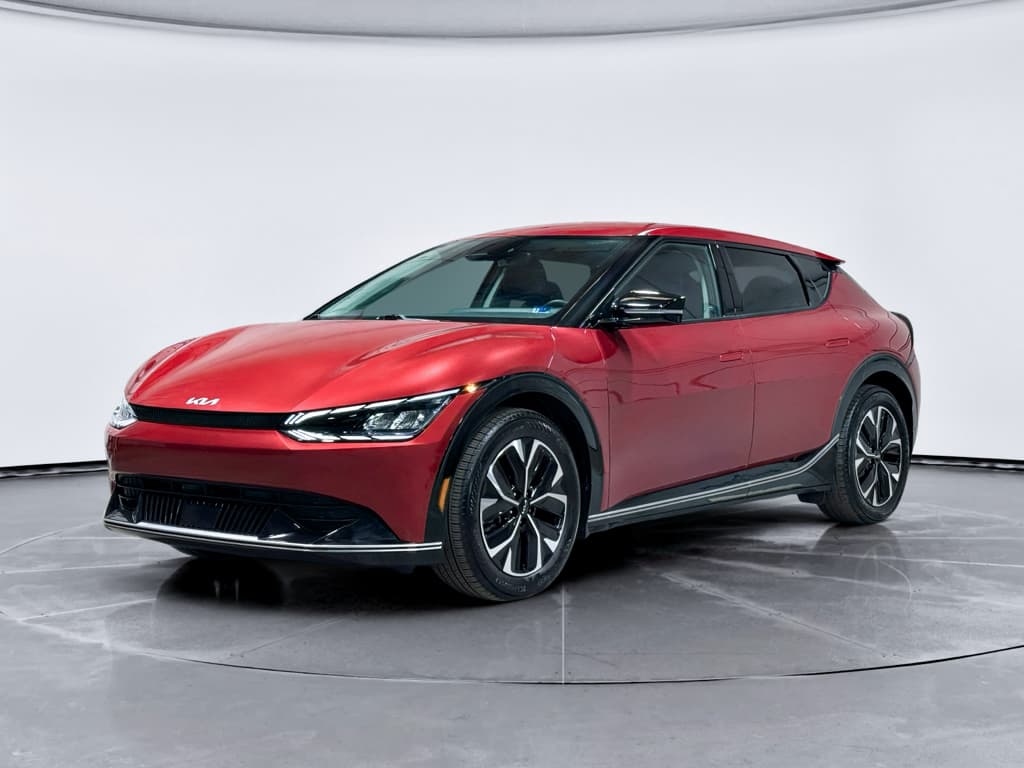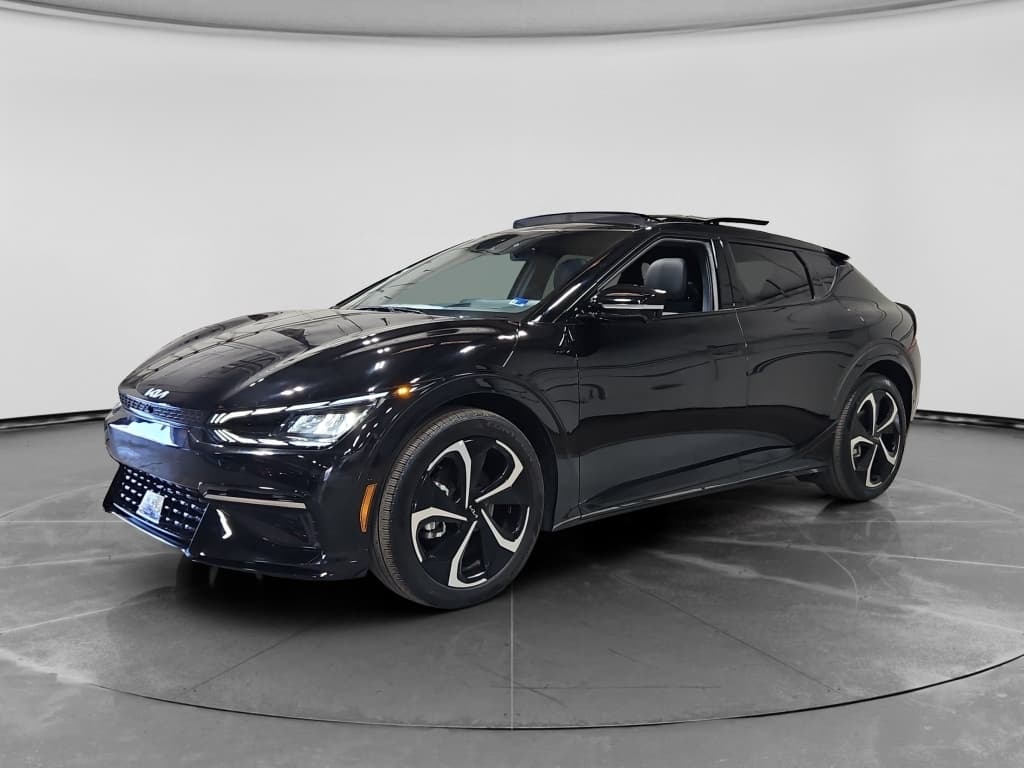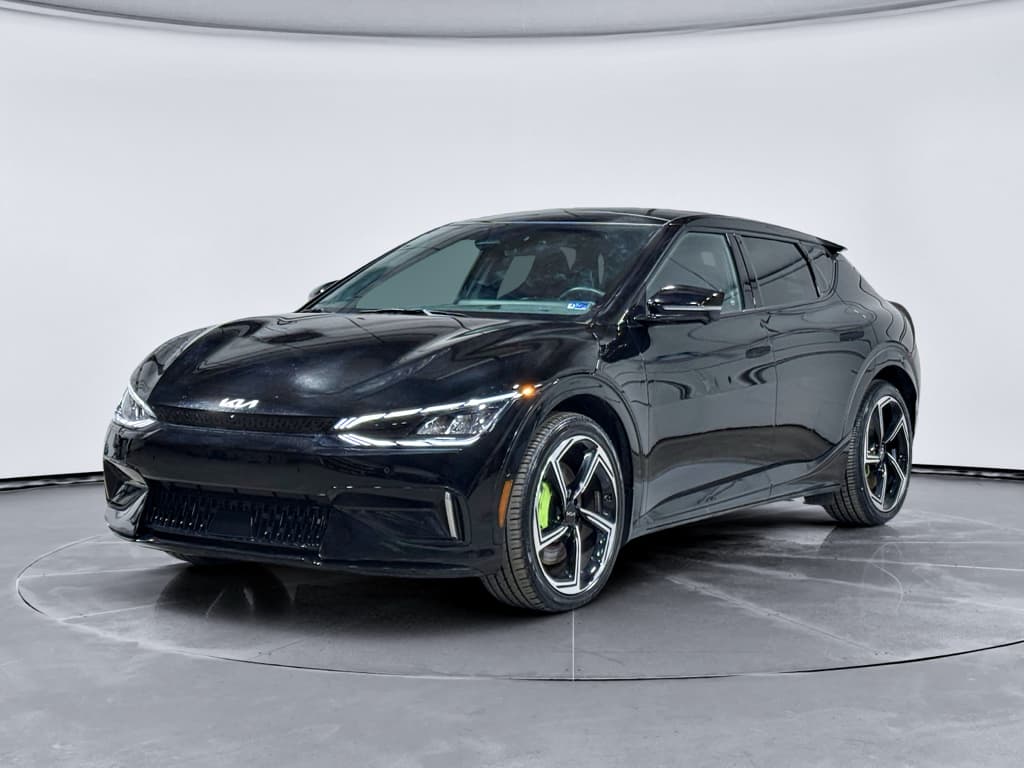
If you own a Kia EV6 in 2026, you’ve probably noticed the headlines about falling EV prices and ugly trade‑in offers. The good news is that your Kia EV6 trade in value in 2026 isn’t a single magic number, it’s a range, and you have more control over where you land in that range than most dealers will ever admit.
Why EV6 Trade‑Ins Feel All Over the Map
Kia EV6 Trade‑In Value in 2026: Quick Overview
Kia EV6 Value Snapshot (Early 2026, U.S.)
Exact numbers will always depend on your trim, mileage, options, battery health, and local market, but these ballparks line up with public data from pricing guides and what we see day‑to‑day at EV‑focused retailers.
Typical 2026 Kia EV6 Trade‑In Ranges
Let’s anchor things in reality. In early 2026, major pricing guides and dealer auctions are telling a similar story for U.S.‑market EV6s:
Approximate 2026 Kia EV6 Trade‑In Ranges (U.S.)
Illustrative ranges for average‑mileage, clean‑title U.S. EV6s at mainstream dealers in early 2026. Your offers may be higher or lower based on region and battery health.
| Model year & trim (examples) | Typical miles in 2026 | Rough dealer trade‑in range | Notes |
|---|---|---|---|
| 2022 EV6 Light / Wind RWD | 30k–45k | $18,000–$24,000 | First model‑year cars hit hardest by early‑EV price drops but still attractive if well‑equipped and clean. |
| 2022–2023 Wind / GT‑Line AWD | 25k–40k | $22,000–$28,000 | Sweet‑spot trims with strong equipment; battery and tire condition make or break high offers. |
| 2023–2024 EV6 GT‑Line AWD | 15k–35k | $25,000–$32,000 | Sportier spec keeps demand up, but high original MSRPs mean bigger dollar depreciation. |
| 2024 EV6 Light / Wind (most trims) | 10k–25k | $24,000–$30,000 | Many came with big incentives; that’s already baked into what dealers are willing to pay. |
| 2025 EV6 (early used) incl. GT | Under 20k | $28,000–$40,000+ | Still relatively new; trade‑in offers vary wildly as the market figures out 2025 pricing and NACS‑equipped demand. |
These are broad reference ranges, not quotes. Always check live offers for your specific car.
Don’t Treat These Ranges as Gospel
The more unique your EV6 is, very low miles, rare color, or a loaded GT‑Line or GT, the less the generic “book” fits. That’s when shopping your car to multiple buyers (including EV specialists) really pays off.
What Dealers Look At (Beyond Year and Miles)
How Dealers Decide What Your EV6 Is Worth
They’re not guessing, they’re protecting a margin.
1. Market Days’ Supply
2. History & Condition
3. Battery & Charging Behavior
The Dealer’s Math
From a dealer’s chair, your EV6 is a spreadsheet: auction benchmarks, reconditioning costs, and expected sale price. They want enough margin to cover repairs, floorplan interest, and the risk the EV sits unsold.
That’s why the first offer is often conservative. It’s easier for them to come up if they have to than to explain why they’re dropping a number once you’re in the showroom.
Your Reality as an Owner
You remember the MSRP, the tax credit drama, and every payment you’ve made. But the market doesn’t care what you paid; it cares what someone will pay now for a used EV6 like yours.
The win for you is closing that gap, pushing dealers and specialists to pay closer to what they’ll actually be able to sell the car for.
How Depreciation Has Hit the EV6
The EV6 launched into a shifting market. Tesla price cuts, changing tax credits, and a wave of off‑lease EVs have all pushed used prices down faster than many buyers expected.
- Pricing guides in 2024–2025 already showed used 2024 EV6s retailing in the low‑to‑mid $20,000s for base trims and low $30,000s for GT‑style models.
- Independent analyses of EV depreciation have regularly flagged the EV6 as a steeper‑than‑average depreciator in the first 3–4 years, especially compared with some Teslas and hybrids.
- At the same time, cost‑of‑ownership studies put the EV6 among the better EVs for long‑term running costs, which helps shore up demand on the used side even as prices soften.
Think in Percentages, Not Just Dollars
The 2026 twist is that new‑EV discounts and fresh tax credits can suddenly make a brand‑new EV6 only a few thousand dollars more than a used one. When that happens, trade‑in values get dragged down, often quickly.
Battery Health: The Trade‑In X‑Factor
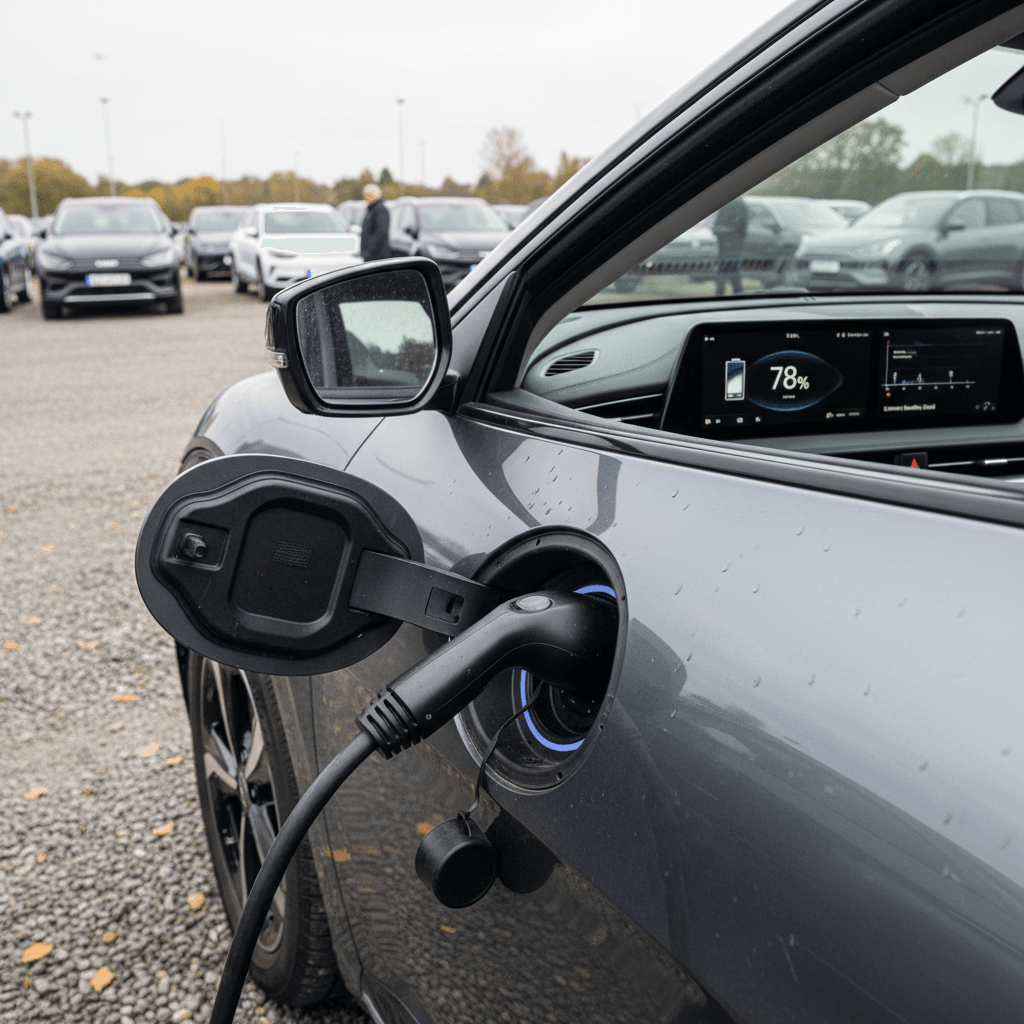
On a gas car, a dealer might glance at the dipstick and call it good. On an EV6, the battery pack is the car. It’s usually 30–40% of the vehicle’s value all by itself, and dealers know that.
What Buyers Read Into Your EV6’s Battery
1. State of Health (SOH)
This is a snapshot of how much usable capacity your pack still has compared with new. A pack at, say, 92–95% SOH on a 3‑year‑old EV6 is a confidence builder. Slide closer to the low‑80s and offers start getting cautious.
2. Fast‑Charging Behavior
If the car still pulls close to its expected peak DC fast‑charge rate and doesn’t suddenly taper to a trickle, that suggests healthy cells and good thermal management.
3. Warning Lights & Error Codes
Any battery, charging, or high‑voltage warnings are red flags. Even if the car seems to drive fine, a dealer will assume the worst and price in the possibility of an expensive repair.
4. Charge Habits in the History
Always‑at‑100% charging, lots of very high‑power DC charging, or extended time sitting at full charge in hot climates can all age a pack faster than gentle at‑home Level 2 charging.
Where Recharged’s Battery Report Helps
How to Estimate Your Kia EV6 Trade‑In Value at Home
You don’t need to walk into a dealership blind. With a little homework, you can narrow your EV6’s likely 2026 trade‑in value to a pretty tight band before anyone runs your credit.
- Look up your EV6 on 2–3 pricing guides using your exact year, trim, and approximate miles. Use both trade‑in and private‑party numbers.
- Search local listings (dealers and private sellers) for similar EV6s, then knock 10–15% off those asking prices to approximate what they’re really transacting for.
- Adjust up or down for mileage: roughly speaking, being 10,000 miles under or over the "average" for your year might swing the number by $750–$1,500.
- Be honest about condition. Curb‑rash on 20‑inch wheels, a cracked windshield, worn tires, or aftermarket tint will all give dealers an excuse to lowball.
- Factor in battery health. If you’ve had a recent battery or range report (or an EV‑savvy buyer like Recharged has scanned the car), use that to nudge your expectations up or down.
Don’t Anchor on the Highest Online Number
7 Ways to Boost Your EV6 Trade‑In Offer
Practical Moves That Move the Needle
None of these are glamorous, but together they can be worth real money.
1. Clean Like It’s a Photoshoot
2. Fix Small, Obvious Stuff
3. Gather Service & Warranty Records
4. Get 3–4 Offers in 48 Hours
5. Time It Around Incentive Swings
6. Separate Trade‑In From Purchase
7. Bring Battery Data
A Realistic Goal
Trade‑In vs. Selling Your EV6 to an EV Specialist
Traditional trade‑ins are convenient: hand over the keys, sign some papers, drive away in something new. But with a modern EV like the Kia EV6, that convenience can cost you thousands if your buyer doesn’t really understand electric cars.
Conventional Trade‑In
- Pros: Fast, simple paperwork, possible tax advantage if your state taxes the difference between trade and new car.
- Cons: Appraisers may undervalue EVs, assume worst‑case battery risk, and rely heavily on generic guides.
- Best for: Heavily used, rough‑condition EV6s you just want to move on from with minimal hassle.
Selling to an EV Specialist (like Recharged)
- Pros: Buyers who understand EV demand, battery health, and options can often pay closer to true retail value.
- Cons: Not every market has a local EV specialist, though many (including Recharged) offer nationwide digital intake.
- Best for: Clean‑title, well‑maintained EV6s with decent range where battery health is a selling point, not a question mark.
Watch Out for the "EV Penalty"
How Recharged Handles Kia EV6 Trade‑Ins
Recharged was built around used EVs, so the Kia EV6 lives right in our wheelhouse. When you sell or trade an EV6 with us, the process looks a little different from a traditional dealer, on purpose.
What to Expect When You Sell or Trade an EV6 with Recharged
More data, less guessing.
1. Digital Appraisal, On Your Couch
2. Recharged Score Battery Health Check
3. Flexible Selling Options
Ready to find your next EV?
Browse VehiclesBecause we specialize in EVs, the same battery that worries a traditional lot is an opportunity for us to showcase your car with a transparent Recharged Score Report when it goes to its next owner. That lets us pay closer to what the EV6 is actually worth, not just what a generic depreciation table says.
Thinking About Your Next EV Already?
Kia EV6 Trade‑In FAQ for 2026
Frequently Asked Questions About Kia EV6 Trade‑In Value (2026)
Bottom Line: Making 2026 Market Volatility Work for You
The 2026 market hasn’t been gentle to new‑EV buyers, and Kia EV6 owners have felt more than their fair share of depreciation pain. But the story isn’t just about what you’ve "lost" on paper, it’s about how you exit this car and get into what’s next without leaving easy money on the table.
Do your homework on real‑world values, get multiple offers, and treat battery health like the headline, not the fine print. Whether you choose a quick dealership trade, a private sale, or a purpose‑built EV marketplace like Recharged, the goal is the same: turn your EV6 into the strongest possible down payment on the next chapter of your electric life.