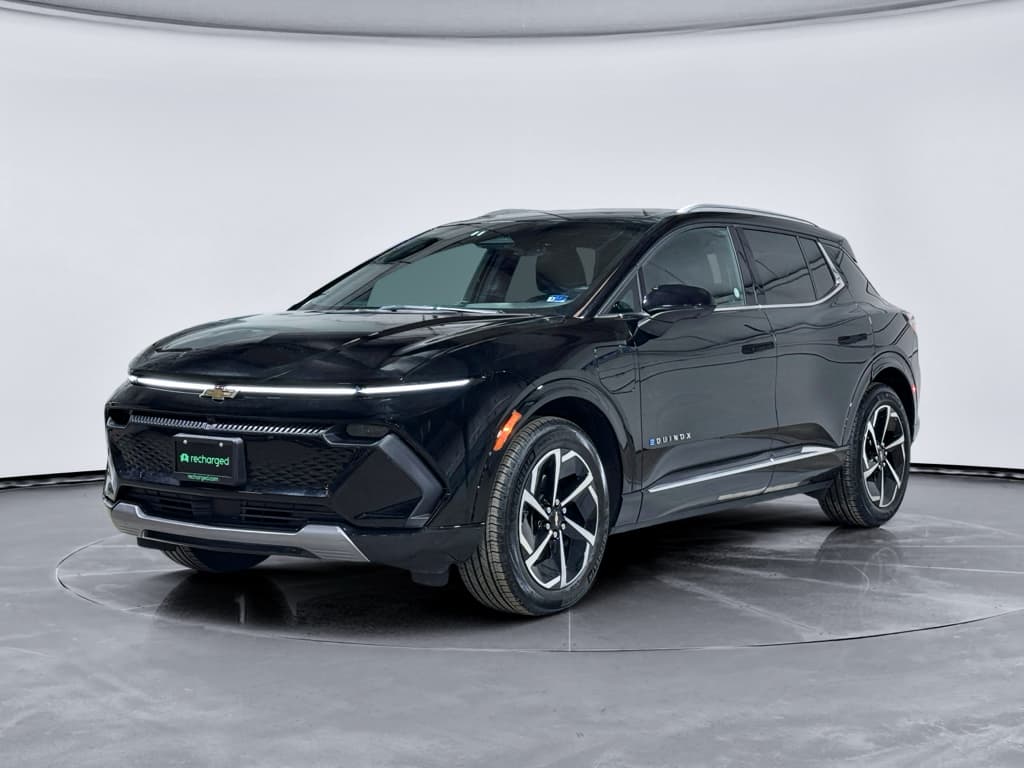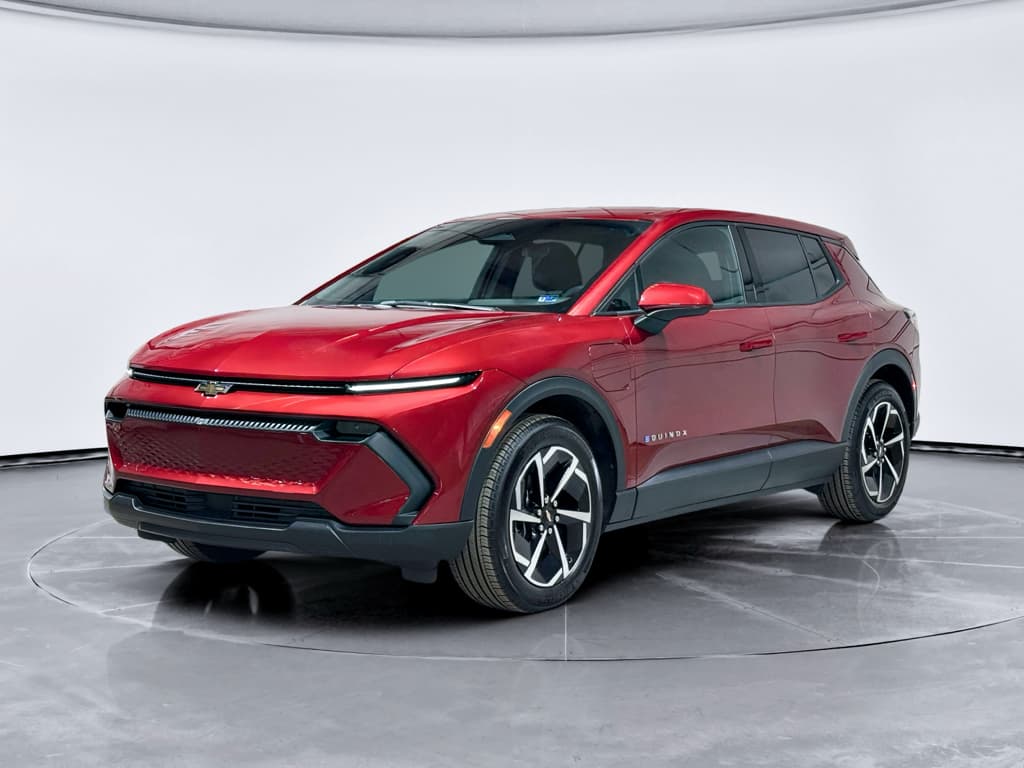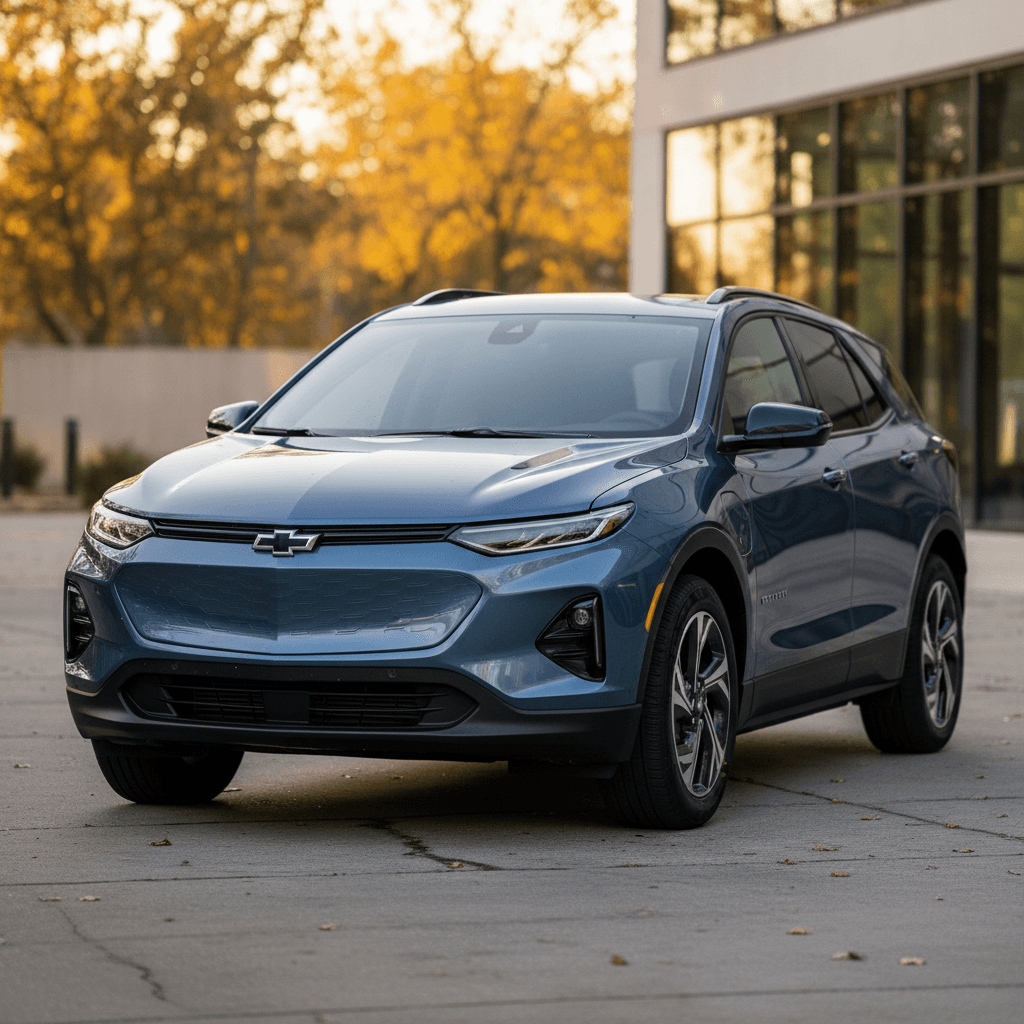
If you’re eyeing a 2025 Chevy Equinox EV, you’re probably wondering whether this affordable electric SUV is a smart long‑term bet or a science experiment on wheels. It rides on GM’s new Ultium platform, follows some rocky early EV launches, and yet early owner reports paint a more nuanced picture: solid fundamentals, some annoying bugs, and a recall or two you’ll want to know about before you sign anything.
What this guide covers
2025 Equinox EV reliability in context
The Equinox EV is Chevrolet’s compact Ultium‑based electric SUV. It shares its basic architecture with the Blazer EV and Cadillac Optiq, but arrives after GM already tripped over early software and quality issues on those models. In a sense, the Equinox EV is the second draft, not the rough opening night.
Key 2025 Equinox EV reliability facts so far
In early testing, reviewers have generally praised the Equinox EV’s powertrain smoothness and refinement. The drivetrain itself hasn’t been the weak point so far; instead, most complaints revolve around software, minor components, and a few specific hardware campaigns. That’s fairly typical for first‑wave EVs from legacy automakers.
Think of it as a second‑generation Ultium
Early reliability data and owner experiences
Because the Equinox EV only hit U.S. driveways in 2024 and 2025, long‑term data is thin. Review outlets and owner forums show a split personality: many owners report thousands of trouble‑free miles, while a smaller but vocal group has dealt with clustered electronic issues and lengthy dealer stays while parts or EV techs were available.
What early owners are saying
Patterns emerging from first‑year 2024–2025 Equinox EVs
“Drives great, no issues so far”
Plenty of owners report 4,000–20,000+ miles with no mechanical failures. Many praise the smooth ride, strong acceleration for the price, and solid range even in cold climates.
“Love it, but… software quirks”
Others describe minor but recurring glitches: random error messages that clear themselves, 5G/telematics hiccups, warning chimes, or infotainment reboots, annoying rather than catastrophic.
“Outlier horror stories”
A smaller number of owners have had stacked failures, charging module replacement, image processing module issues, Super Cruise faults, leading to weeks in the shop and, in some states, lemon‑law buybacks.
Predicted vs actual reliability
Recalls and technical bulletins affecting the 2025 Equinox EV
Recalls are part of any new model’s story. For the 2025 Chevy Equinox EV, the early campaigns have been focused and fixable rather than structural disasters, but you absolutely want to confirm they’ve been handled before you buy, especially on a used example.
Known campaigns impacting 2025 Equinox EVs
This table summarizes the most relevant recall and service‑action themes as of early 2026. Exact eligibility varies by VIN, build date, and trim.
| Issue | Model years affected | Symptoms | Remedy |
|---|---|---|---|
| Continental tire tread issue | 2025–2026 Equinox EV, Cadillac Optiq | Possible vibration, noise, bulges, or abnormal tread wear on specific 21-inch Continental CrossContact tires | Dealers inspect DOT code and replace affected tires free of charge. |
| Drive motor power distribution module program | Select 2025 Equinox EV & Blazer EV | Potential drive‑module fault in a limited VIN range; may cause warning lights or reduced performance in rare cases | Customer satisfaction program: dealers update/replace module as needed at no cost. |
| 12V battery / telematics failures (service bulletins & case‑by‑case repairs) | Primarily early‑build 2024s, some 2025s | Dead car, inability to shift to neutral, loss of OnStar and navigation, no response to start button | Updated parts, firmware, and 12V battery replacements; in some regions, dealers are still ramping up EV service capacity. |
Always run the VIN through the NHTSA recall lookup and GM’s own tools before purchase.
Don’t ignore EV‑specific recalls
Common issues to watch for on the Equinox EV
Every model has its quirks. The Equinox EV’s early pattern isn’t catastrophic failures of the Ultium battery or motors, but a constellation of comfort, software, and component issues that can add friction to ownership if you land on the wrong side of the quality‑control bell curve.
- Windshield glare from the dash: That decorative grate across the dashboard may look cool at auto‑show lighting levels, but in real sun it can reflect sharply into the windshield, especially driving east–west. Chevrolet has released mitigations and some dealers offer dash mats or treatments.
- Rattles and interior buzzes: A portion of owners report headliner or dash rattles. Not universal, but worth listening for on any test drive, especially on coarse pavement.
- Telematics / 5G module glitches: Some cars lose data connectivity or OnStar functions, affecting built‑in Google Maps and remote features. Often resolved with software updates or module replacement, but it can mean days in the shop if your dealer is backed up.
- 12‑volt battery failures: A handful of Equinox EVs, especially early 2024 builds, have gone completely dead, sometimes leaving the car stuck in Park until towed on dollies. GM has been addressing this with updated parts; still, ask any seller about 12V battery replacements and related work.
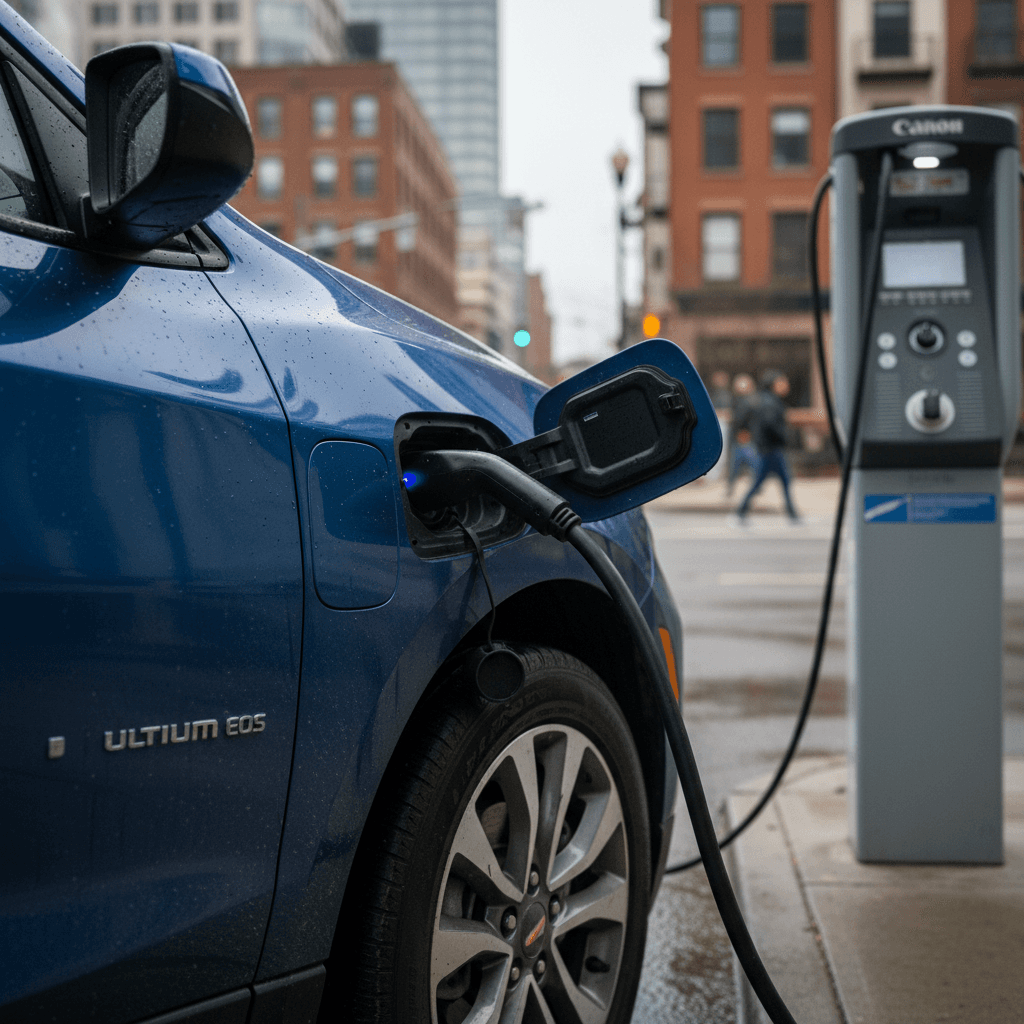
- Charging‑system hiccups: Individual cases of slow DC charging or high‑voltage fault codes that later clear or require port/module replacement. These are still the exception, but if you fast‑charge a lot, you’ll want to verify healthy, repeatable charge behavior on the exact car you’re buying.
What’s *not* showing up yet
Battery health, range, and Ultium durability
The Equinox EV’s Ultium pack is the most expensive single component in the vehicle, so its long‑term health matters far more than a glitchy screen or a rattling headliner. The good news: GM has years of EV battery experience behind it (Volt, Bolt, Lyriq), and so far the Equinox EV’s packs are behaving predictably.
Real‑world range and efficiency
- EPA ratings: Up to about 319 miles for front‑wheel‑drive Equinox EVs with the larger pack, and around the mid‑280s for eAWD versions.
- Highway reality: Independent testing has shown real‑world highway range closer to the mid‑200s, which is normal once you add speed, weather, and climate control into the mix.
- Efficiency: Expect roughly 2.7–3.1 mi/kWh in mixed driving, less frugal than a Chevy Bolt EUV, but in line with larger compact SUVs.
Battery degradation expectations
- We don’t yet have 8‑year data for Equinox EV packs, but Ultium chemistry and thermal management are designed for gradual degradation over time, not sudden cliff‑edge drops.
- GM’s 8‑year/100,000‑mile battery warranty offers a safety net against manufacturing defects, which is reassuring if you’re buying used in a few years.
- The biggest real‑world risk right now isn’t chemistry failure; it’s how quickly GM and dealers can diagnose and replace faulty modules if they do appear.
How to treat the Equinox EV’s battery kindly
Software, infotainment, and driver‑assist reliability
If there’s a true wild card in 2025 Chevy Equinox EV reliability, it isn’t the hardware, it’s the software stack. The Equinox EV ditches Apple CarPlay and Android Auto in favor of Google‑built‑in apps, puts a 17.7‑inch display front and center, and layers in optional Super Cruise. All of that means more lines of code between you and your commute.
How the tech stack behaves in the real world
The good, the bad, and the occasionally bricked
Infotainment & Google built‑in
Pros: Crisp graphics, native Google Maps, and Spotify integration. You get EV‑aware routing and charge‑stop planning without a phone.
Cons: Some owners deeply miss CarPlay/Android Auto, and a subset see frozen screens, lag, or connection glitches after over‑the‑air updates.
Telematics & connectivity
5G modules occasionally misbehave, losing connection, misreporting data, or breaking remote functions. Many of these cases are fixed with software patches or module swaps, but they highlight that connectivity is a reliability dimension now, not just a convenience feature.
Driver assistance & Super Cruise
Baseline Chevy Safety Assist (automatic emergency braking, lane‑keep assist, etc.) has been largely drama‑free. Super Cruise, where fitted, can be spectacular when it works and stubborn when it doesn’t, needing calibration, software updates, or map data alignment.
Why software reliability matters more than you think
How reliability impacts cost of ownership
On paper, the Equinox EV promises relatively low running costs: no oil changes, far fewer moving parts than a gas Equinox, competitive efficiency, and strong federal and state incentives for new buyers. Reliability is the variable that determines whether those savings are effortless… or eaten by rental cars and time off work.
Where the Equinox EV can save you money
- Energy vs fuel: Even with average U.S. electricity prices, per‑mile energy costs typically undercut a comparable gas SUV.
- Routine maintenance: No engine oil, timing belts, or smog checks. Brake wear is often lower thanks to regenerative braking.
- Warranty buffer: The powertrain and battery coverage shield you from the most expensive failures during the first years of ownership.
Where reliability can bite
- Dealer delays: In some regions, EV‑certified techs are scarce. A relatively simple module swap can turn into weeks of downtime if parts or labor are backed up.
- Out‑of‑warranty electronics: Once you’re beyond basic coverage, complex electronics can be pricey to diagnose and replace.
- Resale value: Perception of “finicky” software can pressure used prices if issues become widely publicized, even if your individual car behaves well.
How Recharged can help manage reliability risk
Ready to find your next EV?
Browse VehiclesShopping a 2025 Equinox EV used: inspection checklist
By the time 2025 model‑year Equinox EVs start showing up in meaningful numbers on the used market, the question won’t be “Is this model reliable in theory?” It’ll be, “Is this specific VIN a hero car or a headache?” Here’s how to tilt the odds in your favor.
Pre‑purchase reliability checklist for a used 2025 Equinox EV
1. Run a full VIN recall and service history check
Confirm all tire and drive‑module campaigns have been completed, and look for patterns like repeated visits for telematics or charging‑system faults. Multiple visits for the same issue can be a red flag.
2. Inspect tires and wheels carefully
If the vehicle has 21‑inch wheels, look closely for uneven wear, bulges, or vibration on a test drive. Ask the seller whether any recall‑related tire replacements were performed and request documentation.
3. Test both Level 2 and DC fast‑charging
If possible, plug into a Level 2 station and a DC fast‑charger during your test window. Watch for error messages, unusually slow charging, or the car stopping a session prematurely.
4. Stress‑test the software and screens
Spend time with the infotainment: load Google Maps, stream audio, adjust settings, and check for laggy response, reboots, or frozen screens. Make sure OTA‑update history is available and current.
5. Check for windshield glare and interior noises
Drive in a variety of lighting if you can. Look for distracting reflections off the dash and listen for rattles from the headliner, dash, or doors. These won’t strand you, but they will annoy you.
6. Ask directly about 12V battery or “dead car” incidents
Has the vehicle ever been completely unresponsive, needed a tow, or had the 12V battery replaced? If so, ask for paperwork and make sure the underlying cause, not just the symptom, was addressed.
Equinox EV reliability vs rival electric SUVs
If you’re cross‑shopping the Equinox EV, you’re almost certainly looking at alternatives like the Hyundai Ioniq 5, Kia EV6, Tesla Model Y, or Ford Mustang Mach‑E. Each has its own reliability baggage, none is immaculate, and each brand stumbles in its own characteristic way.
How the 2025 Equinox EV stacks up on reliability factors
High‑level comparison of reliability themes, not a verdict on every individual car.
| Model | Reliability vibe (early years) | Typical pain points | Where Equinox EV is better / worse |
|---|---|---|---|
| Chevy Equinox EV | Mixed but improving | Software quirks, telematics issues, 12V failures on some early builds, tire recall on certain 21-inch setups | Better: Pricing, value, simple cabin. Worse: Dealer EV expertise is inconsistent; less range/efficiency than some Korean rivals. |
| Hyundai Ioniq 5 / Kia EV6 | Generally good but not perfect | High‑voltage charging hardware issues on some cars, occasional software bugs, dealer learning curve | Equinox lags in charging speed and polish but can compete on purchase price and simplicity of options. |
| Tesla Model Y | Mechanically stout, build quality variable | Panel gaps, interior squeaks, occasional suspension and HVAC frustrations; OTA software usually strong | Equinox has a more traditional dealer network and conventional interior; Tesla wins on charging network and software maturity. |
| Ford Mustang Mach‑E | Uneven early years, improving | 12V battery issues, software glitches, some charging‑system complaints | Equinox’s Ultium platform feels more refined in ride quality; Mach‑E counters with sportier dynamics and a more established track record. |
“Better” and “worse” here refer to patterns, not guarantees. A well‑sorted Equinox EV can outlive a poorly cared‑for rival, and vice versa.
The Equinox EV’s place in the pack
2025 Chevy Equinox EV reliability FAQ
Frequently asked questions about Equinox EV reliability
Bottom line: Is the 2025 Equinox EV a safe bet?
The 2025 Chevy Equinox EV isn’t the horror story some early GM EV skeptics predicted, nor is it the unbreakable appliance you never think about again. It’s a well‑mannered, genuinely pleasant compact EV whose reliability story so far is defined by software polish and dealer capability more than by its motors or battery.
If you value value pricing, a conventional crossover feel, and Ultium hardware that seems fundamentally sound, the Equinox EV can be a smart choice, especially if you go in with clear eyes about potential tech quirks and make recall history a condition of sale. If you’re the type who breaks out in hives at the thought of service appointments or glitchy screens, leasing or choosing a more mature rival might help you sleep better.
Either way, the key is to judge the individual car, not just the badge. When these start appearing on the used market in bigger numbers, look for EV‑specific inspection data, especially verified battery health and charging behavior. That’s exactly the gap Recharged was built to fill, so when you’re ready to explore used EVs, you can spend your time comparing great options instead of worrying what’s hiding under the floor.