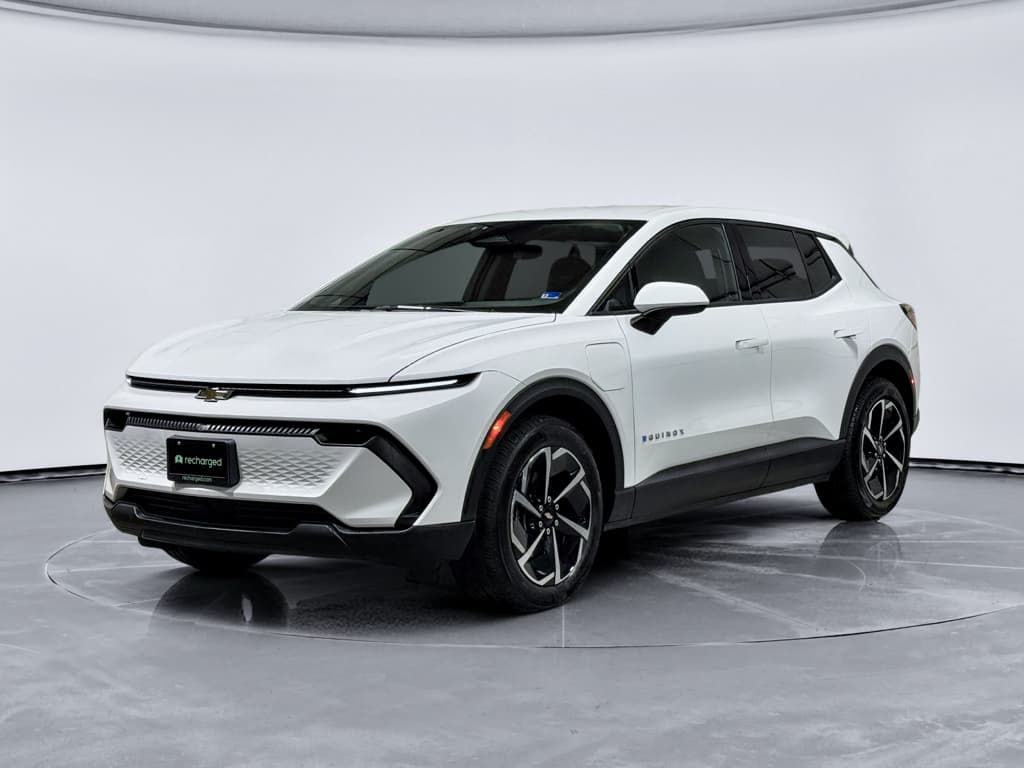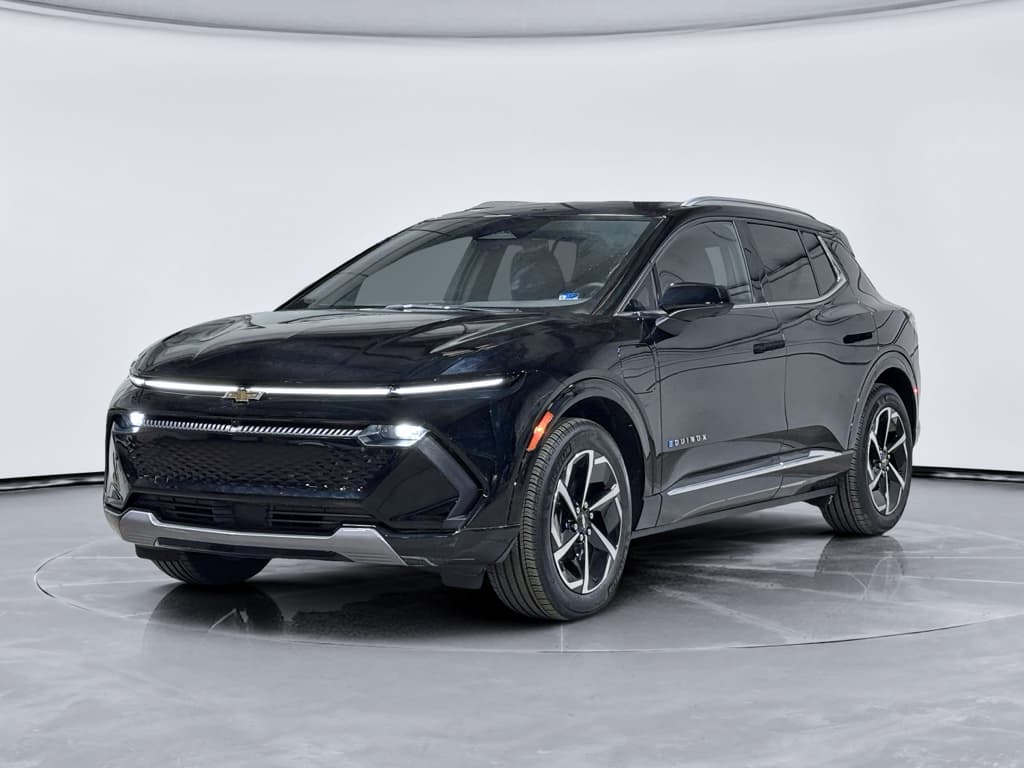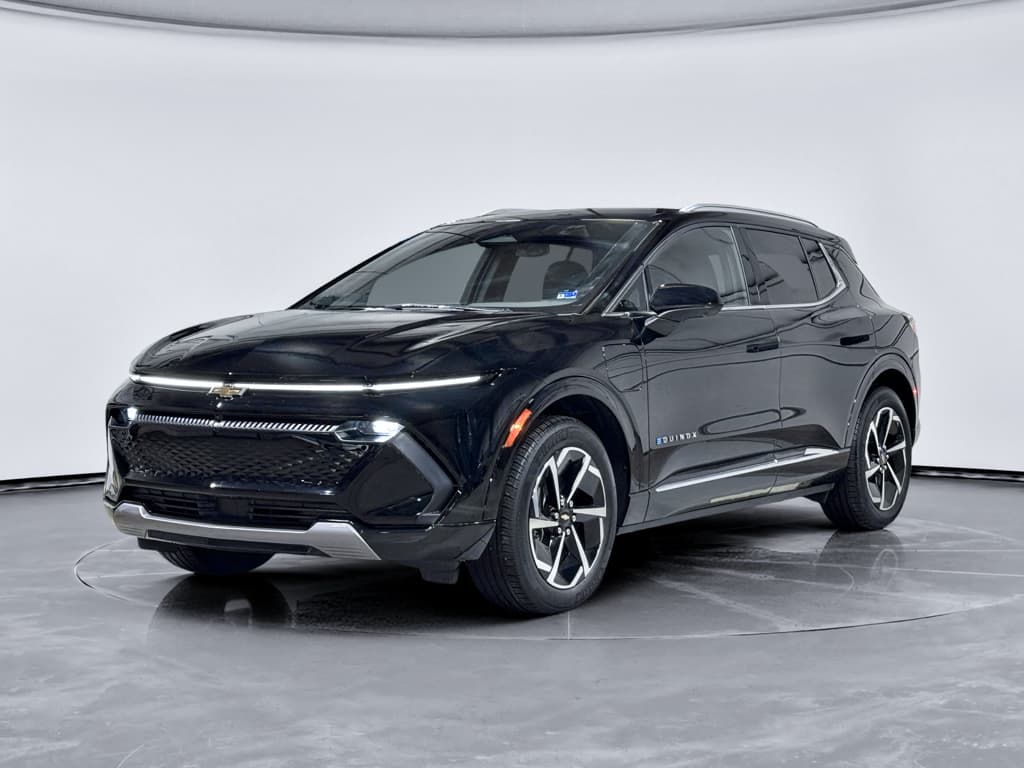
The 2025 Chevrolet Equinox EV is designed to be the no-drama, mainstream electric SUV that finally makes sense for a lot of American households. It promises up to around 300 miles of range, a starting price in the mid-$30,000s before incentives, and room for a family without the premium-brand markup. This 2025 Chevrolet Equinox EV buying guide walks you through trims, range, charging, pricing, tax credits, and whether you should buy new now or consider one used in a few years.
Quick Take
2025 Chevrolet Equinox EV at a Glance
2025 Equinox EV Key Numbers
On paper, the 2025 Equinox EV sits right in the sweet spot of the market: a compact, two-row crossover with usable 300-mile-class range, standard DC fast charging, and a price that undercuts many rivals. It’s built on GM’s Ultium platform, which also underpins the Blazer EV and Cadillac Lyriq, but tuned here for efficiency and value rather than headline-grabbing performance.
Trim Levels and Key Differences (LT vs RS)
For 2025, Chevy simplifies the Equinox EV lineup around LT (comfort/value oriented) and RS (sportier styling) trims, each available with front-wheel drive and, on many configurations, optional eAWD. Exact names and packages can vary by region and over the model year, but the shopping decisions boil down to styling, equipment, and whether you want the larger battery and/or all-wheel drive.
LT vs RS: Which 2025 Equinox EV Trim Fits You?
Same core platform, different personality and equipment
LT: Value & Comfort
The LT trims are aimed at shoppers who prioritize value and comfort over sporty looks.
- More conventional front-end styling
- Cloth or leatherette seating depending on package
- Strong standard safety tech and big infotainment screen
- Generally lower pricing, easier to keep under tax-credit MSRP caps
RS: Sportier Look & Features
The RS adds a more aggressive appearance and extra tech, especially in higher trims.
- Sportier exterior details and wheels
- Flat-bottom steering wheel and RS-specific interior cues
- Often bundles larger wheels and more options
- Can push price closer to or above your budget if you get carried away with packages
Trim-Picking Tip
Typical 2025 Equinox EV Trim Progression
Exact equipment varies by package and region, but this gives you a sense of how trims step up.
| Trim | Powertrain | Battery/Range Target | Key Highlights |
|---|---|---|---|
| LT FWD (standard battery) | Single-motor FWD | Mid 200-mile range class | Entry price; good for shorter commutes and second-car duty. |
| LT FWD (large battery) | Single-motor FWD | ≈300-mile range class | Best all-rounder for most buyers; mixes value and range. |
| LT eAWD | Dual-motor eAWD | Lower range than FWD | More traction and power, at the cost of range and price. |
| RS FWD/eAWD | Single- or dual-motor | Similar to LT equivalents | Sportier styling and added tech/features; pricing generally higher. |
Always confirm the window sticker and Chevy’s build-and-price tool; trims and equipment can shift mid-year.
Watch Wheel Size & Packages
Battery, Range, and Real-World Performance
The 2025 Equinox EV uses GM’s Ultium battery architecture with a usable capacity in the mid‑80 kWh range on long‑range trims. In practice, that supports EPA-estimated ranges around 280–300 miles for front‑wheel‑drive models, depending on trim and wheel/tire choice, with somewhat lower ratings for eAWD versions.
What Influences Equinox EV Range?
- Drive type: FWD trims generally go farther per kWh than eAWD versions.
- Wheel and tire choice: Larger wheels and stickier tires hurt efficiency.
- Speed: Highway driving at 75–80 mph uses noticeably more energy than city or mixed driving.
- Weather: Cold climates reduce range; heat pumps and preconditioning help but don’t eliminate the effect.
Realistic Daily Expectations
- Most owners see 3.0–3.5 miles per kWh in mixed driving if they aren’t driving aggressively.
- That translates to roughly 240–280 real-world miles on a full charge in normal conditions for long-range FWD trims.
- Plan conservatively for winter: assume 25–35% less range on the coldest days if you rely heavily on cabin heat.
Battery Warranty
Charging: Home Setup and Public Fast Charging
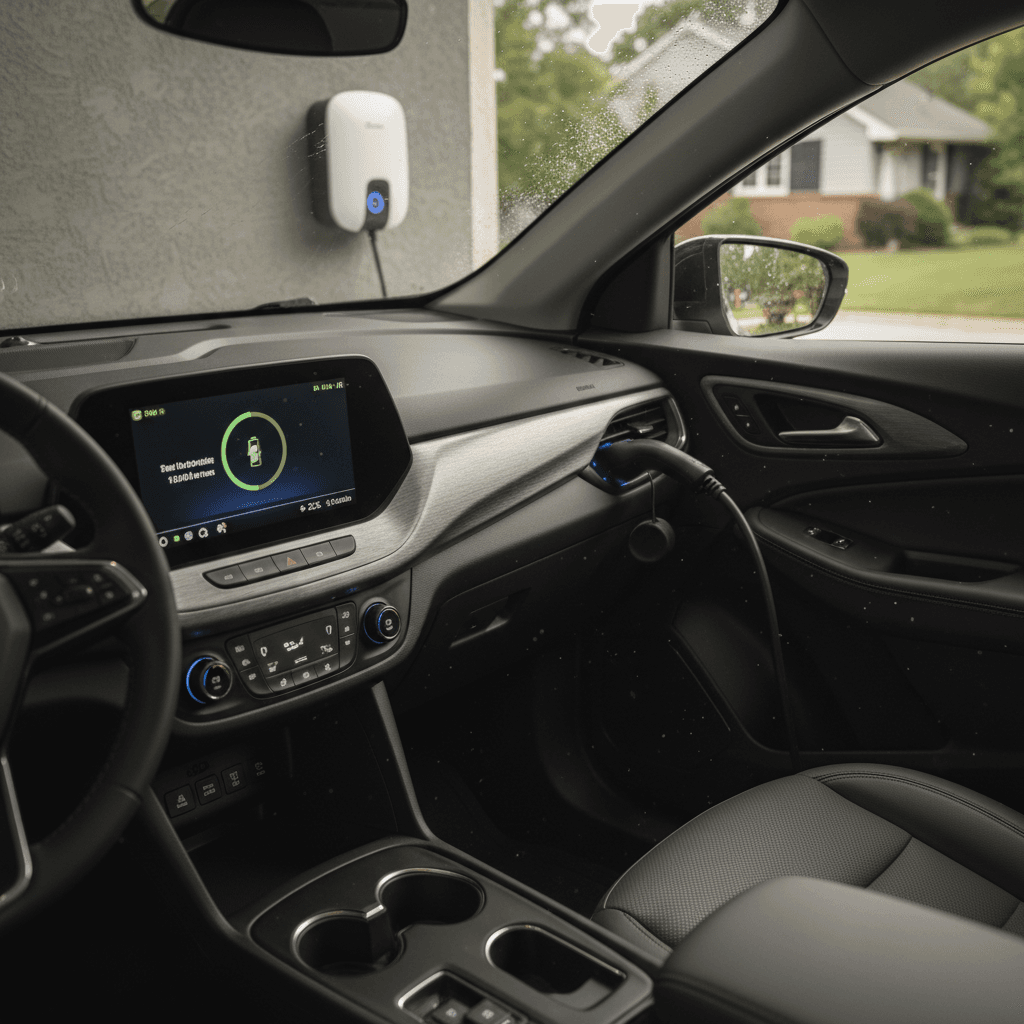
The 2025 Equinox EV is set up to make daily charging as routine as plugging in your phone. Every trim supports Level 1 (120V), Level 2 (240V), and DC fast charging, but how fast it charges in the real world depends on your home electrical setup and the charger you use.
Equinox EV Charging Options Explained
Match your charging setup to your driving habits, not just the spec sheet
Level 1 (120V)
Uses a standard household outlet.
- ~3–5 miles of range per hour
- Works for very light daily driving (under ~30 miles/day)
- Good backup but slow for road-trip recovery
Level 2 (240V)
Where most owners land.
- 11.5 kW onboard charger standard on most trims
- Typically 25–35 miles of range per hour
- Full charge overnight with a 40–48A circuit
DC Fast Charging
For road trips, not daily use.
- Up to 150 kW peak on compatible stations
- Chevy targets ~70 miles in about 10 minutes under ideal conditions
- Best used from ~10–60% to maximize speed
Home Charging Setup Tip
By 2025, GM and other automakers are transitioning to the NACS (Tesla-style) charging connector for fast charging and, over time, Level 2 as well. Depending on build date and region, your Equinox EV may use a CCS connector with an adapter strategy, or come natively with the NACS port. When you’re signing the paperwork, ask your dealer directly which connector your specific VIN uses and what adapters, if any, are included.
Fast-Charging Reality Check
Pricing, Options, and Total Cost of Ownership
Chevy positions the 2025 Equinox EV as one of the more affordable compact EV SUVs. As of early 2025, base LT FWD pricing sits in the mid‑$30,000s before destination, options, and incentives, with well‑equipped long‑range LT and RS models climbing into the low‑ to mid‑$40,000s. Dealers will layer on fees, market conditions, and local incentives, so your real transaction price may differ from the MSRP on Chevy’s website.
Typical 2025 Equinox EV Price Ranges (Before Incentives)
Approximate price bands for guidance only; always check local inventory and offers.
| Configuration | Typical MSRP Band | Who It Fits |
|---|---|---|
| LT FWD, standard battery | ≈ mid‑$30,000s | Budget-conscious buyers with shorter commutes or a second car in the household. |
| LT FWD, large battery | ≈ high‑$30,000s to low‑$40,000s | Best value mix of price and range for most single‑EV households. |
| LT eAWD | ≈ low‑ to mid‑$40,000s | Snow‑belt and mountain‑region drivers who need extra traction. |
| RS FWD/eAWD, optioned | ≈ low‑ to mid‑$40,000s+ | Shoppers who care about style and tech packages more than rock‑bottom pricing. |
Use these as ballparks, not quotes, regional pricing, dealer fees, and incentives can move the numbers several thousand dollars either way.
Where EVs Save You Money
- Energy cost: Per mile, home electricity is usually cheaper than gasoline, especially with off‑peak rates.
- Maintenance: No oil changes; fewer moving parts than a gas SUV.
- Brakes: Regenerative braking reduces wear on pads and rotors.
Where Costs Can Sneak Up
- Insurance: Can be higher than a comparable gas Equinox; shop multiple quotes.
- Home charging: A 240V install can run a few hundred to a few thousand dollars depending on panel capacity and wiring distance.
- Depreciation: EV values are still finding equilibrium; a big tax credit on new models can pressure used prices.
Lease vs Buy Considerations
Tax Credit and Incentives for the 2025 Equinox EV
As of early 2025, the 2025 Chevrolet Equinox EV generally qualifies for the federal Clean Vehicle Tax Credit of up to $7,500, provided you and the specific vehicle meet IRS rules. Those rules changed with the Inflation Reduction Act and have been updated again heading into late 2025, so it’s important to understand the timelines.
Key Steps to Confirm Your Equinox EV Tax Credit
1. Confirm the federal timeline
Federal rules currently allow the new EV tax credit for qualifying vehicles placed in service through September 30, 2025. If you’re taking delivery near that date, timing really matters.
2. Check VIN eligibility
Use the official government VIN lookup tools to confirm that your specific Equinox EV build qualifies. Final assembly location and battery content sourcing both matter.
3. Stay under MSRP caps
The federal credit only applies if the vehicle’s MSRP stays under the SUV price cap. Be careful with RS trims and big option bundles that can push the sticker too high.
4. Verify your income eligibility
Your modified adjusted gross income must be below IRS thresholds for your filing status to claim the new EV credit. Check recent guidance or talk to a tax professional if you’re unsure.
5. Understand point-of-sale vs tax return
Depending on the latest IRS implementation, you may be able to transfer the credit to the dealer at point of sale or claim it on your tax return. Clarify which applies before you sign.
6. Layer in state and utility incentives
Many states and utilities offer extra rebates for EVs or home chargers. Check your state energy office and power company websites; these can stack on top of the federal benefit.
Important: Rules Are Actively Changing
How the Equinox EV Compares to Other Compact EV SUVs
The compact EV SUV space is increasingly crowded. The Equinox EV isn’t the most futuristic or the quickest, but it does something arguably more important: it targets mainstream pricing with competitive range. That’s exactly where many households are most sensitive to monthly payment and feature trade‑offs.
Equinox EV vs Popular Alternatives (Conceptual Comparison)
Where Chevy’s compact EV SUV stands out, and where rivals still lead
Vs Tesla Model Y
- Equinox EV undercuts many Model Y configurations on price.
- Model Y still has a stronger fast‑charging ecosystem and more performance options.
- Chevy offers a more traditional dealership experience, good or bad depending on your perspective.
Vs Hyundai Ioniq 5 / Kia EV6
- Hyundai/Kia boast ultra‑fast charging speeds, but pricing can creep higher.
- Equinox EV counters with straightforward trims and strong range per dollar.
- Some shoppers may prefer GM’s cabin layout over the more futuristic Korean interfaces.
Vs Nissan Ariya & VW ID.4
- Ariya and ID.4 have been on the market longer and may be easier to find used.
- Equinox EV brings a newer platform and, in many cases, better tax credit eligibility in 2025.
- All three target similar two‑row family buyers; small differences in cargo and rear-seat space matter, so sit in each if you can.
In a segment where a lot of EVs chase tech headlines, the Equinox EV leans into something more boring but arguably more important: making the price‑to‑range equation pencil out for regular households.
Buy New in 2025 or Wait for a Used Equinox EV?
Because the 2025 Equinox EV is still early in its lifecycle, you’re looking primarily at new inventory plus a trickle of lightly used off‑lease or demo units. That will change rapidly over the next 2–4 years as early adopters churn and leases mature. The decision to buy new now versus waiting for used is really about incentives, depreciation, and your appetite for first‑wave technology.
Reasons to Buy New in 2025
- Access to federal tax credit: New Equinox EVs can qualify for the full $7,500 credit through September 30, 2025 if rules and your income allow.
- Latest software and hardware: Early model‑year quirks are more likely to be ironed out.
- Full battery warranty term: You start the 8‑year/100,000‑mile clock at zero.
Reasons to Wait for Used
- Depreciation discount: EVs often see steep early‑year depreciation, especially when new‑car incentives are large.
- More data on durability: By 2027–2028 we’ll have a much clearer picture of long‑term battery health and reliability trends.
- Lower monthly payment: Buying used through a specialist like Recharged with transparent battery health data can be easier on your budget.
How Recharged Fits In
Ready to find your next EV?
Browse Vehicles2025 Equinox EV Buying Checklist
Before You Sign for a 2025 Equinox EV
Decide on your real range needs
Map your weekly driving and typical road trips. If you rarely exceed 150 miles in a day, the smaller battery or FWD long‑range trim may be enough, and cheaper.
Pick FWD vs eAWD intentionally
If you live in a mild‑climate metro area, FWD will likely be fine and more efficient. Snow states and rural areas might justify eAWD, but know you’re trading away some range.
Prioritize battery and wheels over cosmetics
A long‑range battery and efficient wheel/tire package will affect your ownership experience more than a particular trim badge or cosmetic bundle.
Get a home-charging quote before delivery
Talk to an electrician about panel capacity and outlet location so you know whether a simple 240V plug or a more involved upgrade is needed, and what it will cost.
Verify tax credit and incentives in writing
Have the dealer clearly show how any federal or state incentives are being applied, and keep documentation. Do not assume every salesperson understands the latest EV rules.
Test the tech and ergonomics
Spend time with the infotainment, driver-assistance features, cargo area, and car seats if you have kids. Day‑to‑day usability matters more than 0–60 specs.
Plan your exit
Think about whether you’ll keep the Equinox EV for 8–10 years or swap out in 3–4. That should influence whether you buy, lease, or plan to trade into a used EV later, potentially on a marketplace like Recharged.
Frequently Asked Questions
Common 2025 Equinox EV Buyer Questions
Bottom Line: Who the 2025 Equinox EV Is For
The 2025 Chevrolet Equinox EV doesn’t exist to win drag races or tech‑spec bragging rights. It exists to make the math work for ordinary families who want an electric SUV that feels familiar, goes far enough, and doesn’t blow up the monthly payment. If you can install 240V home charging, qualify for incentives, and pick your trim with your head rather than your Instagram feed, it’s one of the more rational EV choices on the U.S. market right now.
If you’re leaning toward buying new in 2025, focus on the right battery, drive configuration, and total cost, including charging setup and insurance, before you fall in love with a specific RS appearance package. And if you’d rather let someone else absorb the steepest depreciation, keep an eye on the used market: platforms like Recharged are built to make used EV buying far more transparent, with verified battery health, fair pricing, and EV‑specialist support from first click to delivery.