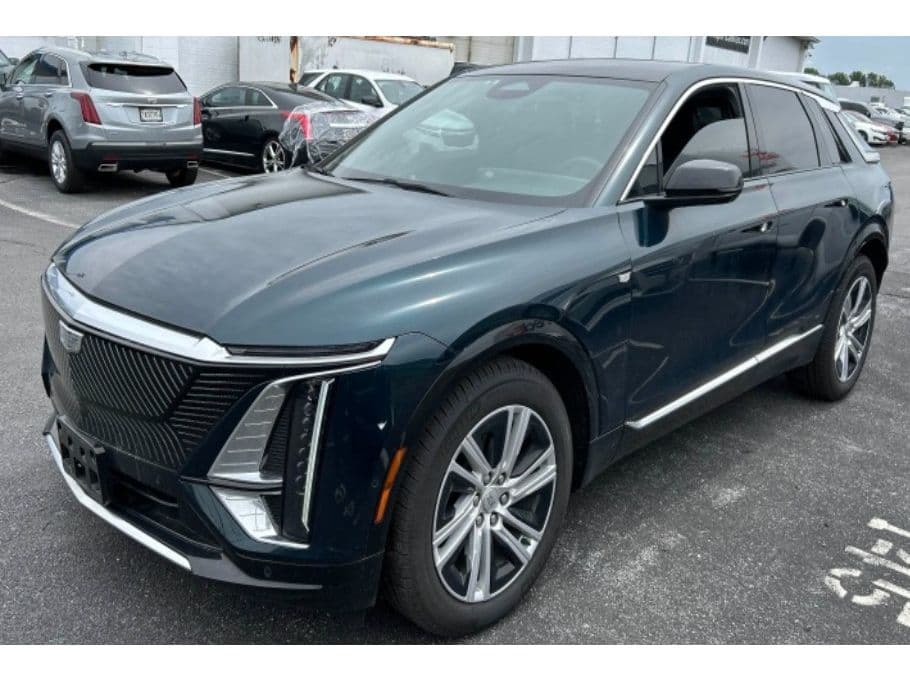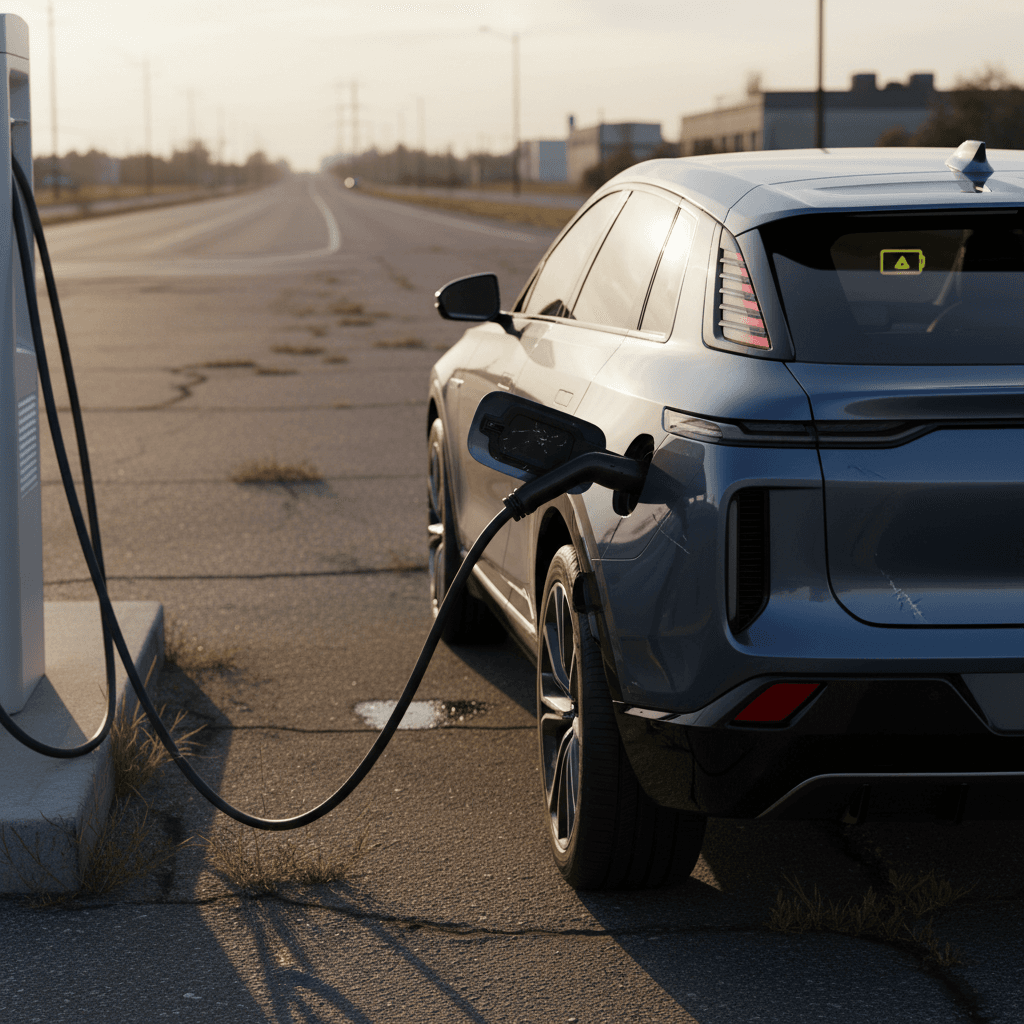
If you search for the 2025 Cadillac Lyriq reliability rating, you’ll find a confusing split‑screen: glowing road‑test reviews on one side and horror‑story ownership posts and “Do Not Buy” warnings on the other. The truth, as usual, lives in the messy middle, and that’s exactly where this guide is going to park for a while.
Key takeaway up front
Overview: 2025 Cadillac Lyriq reliability rating at a glance
2025 Lyriq reliability snapshot
So where does that leave the 2025 Lyriq? The short version: it’s not a reliability disaster across the board, but it is a risky bet compared with more mature luxury EVs. If you’re buying used, you need to be choosy about build date, recall status, and dealer history, and you should go in with your eyes wide open on electronics and service experience.
How major reliability groups rate the Cadillac Lyriq
Let’s translate the alphabet soup, Consumer Reports, J.D. Power, owner forums, into something actionable for a 2025 shopper. Because the Lyriq is still young, most “2025” ratings are actually predictions based on 2023–2024 data plus early 2025 feedback.
Cadillac Lyriq reliability picture (through early 2026)
Approximate positioning of the Lyriq in major reliability conversations, using public reporting and 2023–2024 data to inform 2025 predictions.
| Source | Model years referenced | What they say about reliability | What that implies for a 2025 Lyriq |
|---|---|---|---|
| Consumer Reports | 2023–2025 estimates | Ranks the Lyriq among the least reliable new vehicles, with major dings for battery, powertrain electronics, and in‑car tech. | 2025 is unlikely to be magically trouble‑free; expect below‑average reliability and a higher chance of electronics glitches. |
| J.D. Power | 2024 quality & reliability | Gives the Lyriq a “fair” quality and reliability score in the low‑to‑mid 50s out of 100, worse than most established luxury rivals. | Suggests that even as Cadillac improves build quality, the Lyriq still trails segment leaders on defect counts. |
| Owner reviews (KBB, Edmunds, forums) | 2023–2025 | Polarized. Many 5‑star reviews praising comfort and design; a visible minority report repeat visits for screens, sensors, and software. | If you get a good one, you’ll love it. If you get a bad one, you’ll become an unpaid beta tester for GM’s software team. |
| Brand context | 2024–2025 brand rankings | Cadillac’s overall brand reliability hovers around average to below average in recent reports, with EVs dragging scores down. | The Lyriq isn’t an outlier in a bulletproof brand; it’s a brand‑new EV from an automaker still climbing the reliability curve. |
Exact numerical scores change year to year; treat these as directional, not gospel.
Why 2025 ratings are “predicted”
What changed for 2025, and why it matters for reliability
You can’t talk about the 2025 Cadillac Lyriq reliability rating without talking about how different it is from the troubled early builds. Cadillac hasn’t torn the car down to the studs, but the 2025 model year quietly folds in running changes aimed at de‑bugging the formula.
2025 Lyriq updates that touch reliability
Not a redesign, but a lot of small moves that matter.
More mature software
By 2025, many of the ugliest software bugs from 2023–2024, frozen screens, random rebooting, odd charging behavior, have been targeted with updates. That doesn’t mean perfection, but it does mean you’re less likely to hit version‑1.0 gremlins.
Running hardware tweaks
GM regularly revises parts mid‑cycle: connectors, modules, wiring harness routing. You won’t see this in the brochure, but cars built later in the production run often have fewer infant‑mortality failures.
Lessons from early recalls
Recalls on displays, braking behavior, and electric‑drive components forced GM to find root causes. 2025 builds generally ship with those fixes baked in, but you still need to confirm recall completion on any individual vehicle.
Build date matters more than model year
Common 2025 Cadillac Lyriq problems to watch for
Because 2025 is still fresh metal, we extrapolate from 2023–2024 repair trends, NHTSA filings, and early‑build owner comments. The pattern is painfully on‑brand for a modern luxury EV: the propulsion hardware is mostly stout; the screens and software are divas.
- Display and infotainment glitches – The Lyriq’s sweeping OLED panel is gorgeous and, in early years, temperamental. Owners have reported blank instrument clusters, freezing center screens, laggy response, and failed over‑the‑air (OTA) updates. A large recall addressing display failures on 2023–2024 vehicles shows how serious this can be; 2025s share much of that hardware and code base.
- Quirky charging behavior – Some Lyriqs have thrown error messages at public DC fast chargers, stopped a session mid‑stream, or charged more slowly than advertised. In many cases, software updates have improved compatibility, but this is still a known friction point versus Tesla or Hyundai/Kia.
- Brake and driver‑assist calibration – Earlier model years saw recalls and Technical Service Bulletins around low‑speed braking feel and certain advanced driver‑assistance system (ADAS) behaviors. A 2025 should ship with the latest calibrations, but if the car feels grabby, inconsistent, or throws ADAS warnings, insist the dealer scan it and check for software updates.
- Interior rattles and trim quirks – Cadillac has stepped up its game, but you can still find squeaks, misaligned trim, and sunroof or hatch rattles that show up once the car has a few thousand miles on rough pavement.
- Dealership/service experience – This isn’t a component failure, but it matters. Many Cadillac stores only have one or two Lyriq‑certified technicians. Owners who draw the short straw on a buggy car can end up waiting weeks for parts, appointments, or answers. The reliability of the hardware and the reliability of the support structure are two different things, and you feel both.
When to walk away
Recalls affecting the 2025 Lyriq so far
By early 2026, the recall story for the Lyriq is mostly about 2023–2024 vehicles, but 2025 is not untouched. GM and the National Highway Traffic Safety Administration (NHTSA) have already flagged at least one compliance issue specific to 2025 builds, and more campaigns are always possible as miles accumulate.
Selected Lyriq‑related recalls relevant to 2025 shoppers
This is not an exhaustive list, always run an official VIN check, but it highlights patterns that matter when evaluating a 2025 Lyriq.
| Recall focus | Approx. affected years | Why it matters for 2025 shoppers | Your move |
|---|---|---|---|
| Display / instrument cluster going blank | Mostly 2023–2024 | Affects driver awareness of speed and warning lights. Even if your 2025 VIN isn’t in this campaign, it shares a similar screen architecture. | Confirm the display recall is closed on any earlier Lyriq you’re cross‑shopping, and stress‑test the screens on a long test drive. |
| Brake behavior at low speeds | Mostly 2023–2024 | Low‑speed stopping feel and calibration issues can erode driver confidence, especially in stop‑and‑go traffic. | On a 2025 test drive, pay attention to smoothness in parking lots and traffic; ask the dealer to confirm the latest brake software is installed. |
| Electric drive / propulsion issues | Select 2023–2024 | A small number of vehicles saw power‑loss or propulsion warnings tied to drive components and controllers. | If you’re coming out of a 2023–2024 Lyriq into a 2025, verify that your old car had its drive‑system campaigns completed before trade‑in; it affects resale value. |
| Head‑restraint compliance (FMVSS 202a) | Early 2025 | A federal compliance issue with certain head restraints on 2025 Lyriqs, not life‑or‑death, but still a required fix. | Ask for written proof that any 2025 you’re considering has had all safety and compliance recalls completed. This is easy work a conscientious seller has already done. |
Use this table as a conversation starter with a seller or dealer, not a substitute for an official recall lookup.
How to run a quick recall and campaign audit
2025 Lyriq reliability vs other luxury EVs
Context is everything. If you only read about the Lyriq, you might think it’s uniquely cursed. In reality, many first‑ and second‑generation luxury EVs are wrestling with similar demons: high‑complexity electronics, immature software, and dealer networks still learning how to be IT help desks on wheels.
Tesla Model Y / Model X
- Pros: Massive charging network, efficient drivetrains, relatively mature EV tech.
- Cons: Build quality and fit‑and‑finish complaints remain common; service centers can be overloaded in some markets.
- Reliability: Mixed but trending better. Still not Corolla‑level, but you’re buying into an ecosystem that’s been debugging since 2012.
Hyundai Ioniq 5 / Kia EV6 / Genesis GV60
- Pros: Strong early reliability reports, very fast DC charging, solid warranties.
- Cons: Fewer U.S. dealers with deep EV experience; some software and recall blips of their own.
- Reliability: Generally above average so far, and less drama in owner forums than most comparably new EVs.
Where the Lyriq fits in the reliability pecking order
Among luxury EVs, it’s neither the worst nor the safe default choice.
Riskier than most gas luxury SUVs
Compared with an RX, GLE, or X5, the Lyriq’s predicted reliability is clearly worse. If your top priority is hassle‑free ownership, an ICE luxury SUV, or a hybrid from a Japanese brand, is still the lower‑risk play.
Mid‑pack among first‑gen EVs
Stacked against other all‑new EV platforms, the Lyriq is in crowded company. Rivian and some German luxury EVs also struggle with early reliability. That doesn’t excuse the issues, but it does frame them.
High satisfaction if you avoid a bad build
Owners who get a relatively glitch‑free Lyriq rave about comfort, design, and quietness. That “lottery ticket” aspect is what makes due diligence so important when you’re shopping.
Battery health and the Ultium platform
Underneath the drama about screens and software is the most important single question for any used EV buyer: is the battery pack holding up? The Lyriq rides on GM’s Ultium platform, a modular battery and motor system shared with the GMC Hummer EV and other future GM EVs.
- Early Ultium batteries have not shown systemic rapid degradation – We’re still in the opening chapters, but there isn’t widespread evidence of Lyriq packs cratering to 60–70% capacity in a few years. Most owners report range that roughly tracks expectations for mileage and climate.
- Cooling and thermal management matter – GM’s liquid‑cooled pack and thermal management strategy are designed to protect longevity, but repeated hot‑weather fast charging and extended high‑SOC (state of charge) storage can still accelerate wear, just like on any modern EV.
- Battery‑related recalls and bulletins – Technical bulletins have touched on pack diagnostics and control modules, but we haven’t seen a mass battery replacement campaign akin to early Nissan Leaf or Chevy Bolt crises. That’s good news, but the sample size is still small.
- Capacity warranties help, but aren’t everything – GM backs the Lyriq’s battery with a long warranty, but fighting for coverage on borderline cases can still be stressful. Documentation and testing matter.
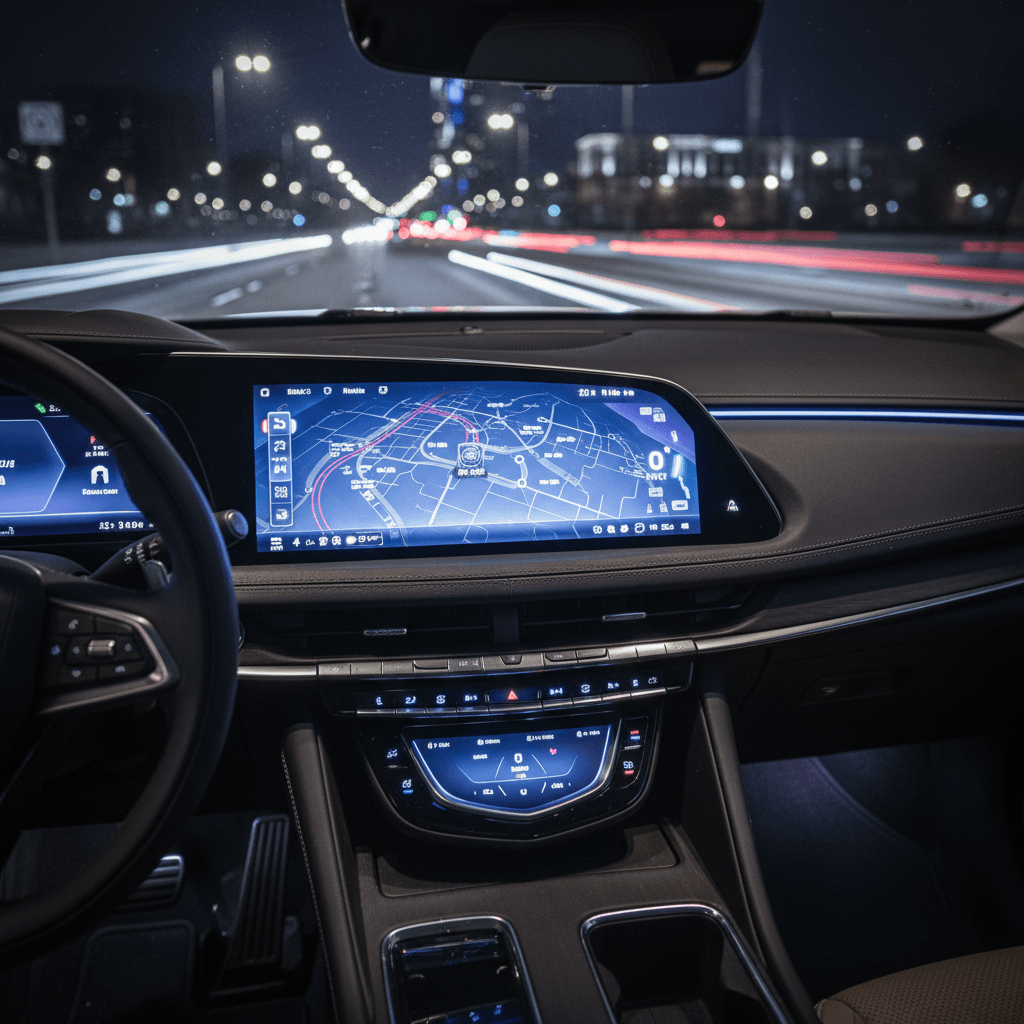
How Recharged evaluates Lyriq battery health
Buying a used 2025 Lyriq: reliability checklist
If you’re shopping a used 2025 Lyriq, especially off‑lease around 2027–2028, you’re not just buying a car, you’re buying someone else’s beta‑test history. Here’s how to stack the odds in your favor.
9 reliability checks before you buy a 2025 Lyriq
1. Pull the full recall and campaign history
Run the VIN on NHTSA’s site and ask a Cadillac dealer to print the completed and open campaign list. Any seller who can’t or won’t provide this is saving you time: move on.
2. Ask for software‑update records
Many issues are fixed, or at least improved, by software. Ask when the car last had a full software update and whether any OTA updates failed or required dealer intervention.
3. Stress‑test the screens and audio
On the test drive, deliberately push the infotainment system: rapid input changes, navigation, phone pairing, CarPlay/Android Auto, and drive‑mode changes. Any freezing, random reboots, or audio cut‑outs are red flags.
4. Do a mixed‑condition brake and ADAS test
Find a safe route with parking‑lot speeds, stop‑and‑go traffic, and a highway section. Check for smooth, predictable braking and reliable behavior from adaptive cruise and lane‑keeping.
5. Plug into at least one DC fast charger
If possible, test the car at a nearby public fast charger. Watch for error messages, aborted sessions, or dramatically slower‑than‑expected charge rates in mild temperatures.
6. Inspect for water leaks and trim issues
Check the cargo area, underfloor storage, and door sills for signs of water ingress. Listen for rattles over rough surfaces during your drive, particularly from the panoramic roof and hatch area.
7. Review service history for repeat offenders
A thick stack of visits for the same issue, screen blackouts, no‑start incidents, propulsion warnings, suggests a problem car. Occasional software updates or one‑off repairs are normal; repeated mysteries are not.
8. Evaluate your local dealer’s EV capability
Call the service department you’ll actually use. Ask how many Lyriq‑certified techs they have, typical wait times, and whether they’ve handled complex EV diagnostics. A great car with bad support is still a bad ownership experience.
9. Consider third‑party coverage or buy from an EV specialist
If you’re worried about out‑of‑warranty electronics, it may be worth exploring extended coverage, or buying from a seller like <strong>Recharged</strong> that specializes in EVs, discloses battery health and pricing up front, and can help you navigate post‑sale issues.
When the 2025 Lyriq still makes sense
Given the noise around reliability, why would anyone sign up for a 2025 Lyriq? Because for the right buyer, at the right price, with the right due diligence, it still delivers a uniquely compelling experience: American‑luxury design, a quiet and composed ride, and a cabin that feels properly special in a way some rational‑to‑a‑fault rivals don’t.
Good candidates for a 2025 Lyriq
- You prioritize comfort, style, and quiet over maximum range or track‑day handling.
- You have another vehicle in the household and can tolerate occasional service downtime.
- You live near a Cadillac store with demonstrated EV competence.
- You’re shopping used and can secure a meaningful discount versus a new or nearly new alternative.
Who should probably skip it
- You need bulletproof, set‑and‑forget transportation for long solo trips.
- You don’t have convenient access to a capable Cadillac service center.
- You’re anxious about software bugs or hate spending time at dealerships.
- You can get into a more reliable luxury EV (or a proven hybrid) for similar money.
How Recharged can tilt the odds in your favor
Ready to find your next EV?
Browse VehiclesThe 2025 Cadillac Lyriq is not the safe, boring pick in the luxury EV parking lot, and its reliability rating reflects that. You’re trading some risk in electronics and service headaches for a genuinely distinctive, comfortable electric SUV that many owners adore once the bugs are worked out. If you do your homework on recalls, software, and battery health, and if you buy from someone who’s already done a lot of that homework for you, the Lyriq can be a calculated gamble rather than a blind leap.