If you’re eyeing a 2024 Volvo XC40 Recharge, you’re probably drawn to its upscale cabin, punchy acceleration, and Volvo’s safety-first reputation. But how does 2024 Volvo XC40 Recharge reliability really stack up once the new-car sheen wears off, especially if you’re thinking about buying one used?
Big Picture
Overview: How Reliable Is the 2024 XC40 Recharge?
2024 XC40 Recharge Reliability Snapshot
Traditional reliability scores for the XC40 Recharge are a bit of a split personality. Owner reviews of recent model years skew positive on comfort, performance, and perceived quality, with many drivers happily recommending the car. At the same time, independent rating agencies and safety organizations flag the broader XC40/XC40 Recharge line as below average for reliability, mainly because of repeated software updates, camera glitches, and more recently a significant brake‑system software recall affecting 2023–2024 XC40 Recharge models.
The smartest way to think about the 2024 XC40 Recharge: the underlying hardware, battery pack, motors, structure, has proven generally robust. Most headaches come from electronics, driver‑assist systems, and software. If you’re shopping used, your job is to figure out whether a given car has had those headaches already sorted, or if you’re about to inherit them.
Strengths: Where the XC40 Recharge Does Well
XC40 Recharge Reliability Strengths
The parts that tend to just work
Safety Engineering
EV Hardware
Daily Usability
When Reliability Looks Boring (In a Good Way)
Known Issues on the 2024 Volvo XC40 Recharge
When reliability does wobble on the XC40 Recharge, it usually shows up in a few familiar ways. Not every 2024 car will experience these, but they’re the patterns to look for, especially on a used example that’s changed hands.
Common 2024 XC40 Recharge Issues
What tends to go wrong and how serious it is
| Area | Typical Symptom | How Serious? | What To Ask/Do |
|---|---|---|---|
| Brakes / One-Pedal Drive | Soft or inconsistent pedal feel in heavy regen, warning messages, recall notices | High | Confirm brake‑system recall software is applied; test panic stops in a safe area. |
| Rear Camera / Parking Cameras | Black screen or “camera unavailable” message when shifting to Reverse | Medium–High | Ask for proof of rear‑camera software recall; test all camera views during your drive. |
| Infotainment System | System restarts, freezes during navigation, slow responses, random behavior | Medium | Check for latest software version; verify navigation, CarPlay/Android Auto, and cameras after a full drive. |
| Charging / Range Estimation | Inconsistent charging at specific home chargers, range estimate bouncing around | Low–Medium | Test the charger you plan to use; monitor for error messages; confirm no open charging‑related campaigns. |
| Front Suspension Clunks (some owners) | Metallic clunk over sharp dips or potholes | Medium | Have a shop inspect front strut bearings and control‑arm bushings; listen closely on a rough‑road test. |
Use this as a shortlist for test drives and pre‑purchase inspections.
Software Can Mask, or Fix, Problems
Safety Recalls and Brake Concerns
If you remember one reliability section about the 2024 XC40 Recharge, make it this one. In 2025, Volvo and U.S. regulators flagged a brake‑system software defect affecting several EV and plug‑in hybrid models, including 2023–2024 XC40 Recharge vehicles. Under certain conditions, typically extended downhill driving with aggressive regenerative braking or one‑pedal mode, the system could lose normal brake function until the driver made a very hard pedal application or conditions changed.
Volvo’s fix has been an over‑the‑air and dealer‑installed software update to the brake control module, plus guidance not to use one‑pedal drive or “B” mode until the update is complete. Separate recalls have covered rear‑camera image loss, again solved via software updates. The upshot: an updated XC40 Recharge can be perfectly safe, but an un‑updated one deserves extra scrutiny.
Brake & Safety Recall Checklist for a Used XC40 Recharge
1. Run a VIN recall search
Use the NHTSA recall lookup or Volvo’s own site to check the specific VIN for open campaigns, focusing on brake‑system and rear‑camera recalls.
2. Ask for proof of updates
Request dealer invoices or service records showing that recall software was applied. A generic “multi‑point inspection” isn’t enough, look for recall codes.
3. Test one‑pedal drive after confirming updates
In a safe, traffic‑free area, enable one‑pedal driving and make a few firm stops. The car should slow predictably, without any warning messages or brake fade.
4. Verify rear‑camera function
Engage Reverse multiple times, trying tight parking maneuvers. The image should appear instantly and stay on, with no black screens or error icons.
5. Don’t ignore warning lights
If the dash throws brake or stability warnings during your test drive, walk away unless a Volvo specialist can verify the fix on the spot.
No Update? No Deal.
Infotainment and Electronics Reliability
The XC40 Recharge runs Google‑built infotainment (Android Automotive), which looks slick and integrates apps like Google Maps natively. In reality, this is where many owners report the most day‑to‑day frustrations: random reboots, temporary loss of cameras, slow screen transitions, or Apple CarPlay and Android Auto that work beautifully one day and flake out the next.
Typical Owner Complaints
- Random restarts of the center screen, sometimes several times in a single trip when navigation and cameras are in heavy use.
- Camera glitches where the 360° view or rear camera shows a black screen with warning icons before returning to normal.
- Connectivity quirks, including CarPlay dropping out, the Volvo app temporarily losing connection, or keyless entry being finicky until a restart.
What Usually Helps
- Latest software: Most dealers report that each major update squashes some bugs and occasionally introduces new minor ones, but overall things improve.
- Reboots and resets: A full infotainment reset can clear short‑term glitches, though it shouldn’t be a weekly ritual.
- 12‑volt battery health: Low 12‑volt voltage in any EV can cause odd electrical behavior, something a service department can easily test.
On Your Test Drive
Battery Health, Range and Charging Longevity
Volvo doesn’t publish long‑term degradation data, but so far the XC40 Recharge battery pack has not generated the kind of headline‑making failures seen with some early EVs from other brands. Range in the real world tends to land a bit below the official rating, think in the low‑200‑mile ballpark depending on wheel size, weather, and driving style, but owners aren’t reporting catastrophic drops as the miles add up.
- Moderate, mixed use of DC fast charging appears fine, but frequent 0–100% fast charges in hot weather will age the pack faster, just like any EV.
- Keeping daily charging around 70–90% instead of 100% helps long‑term battery health, especially if the car spends nights plugged in.
- Letting the pack sit at an extremely low state of charge for days is hard on the cells; try not to leave it near 0% for long.
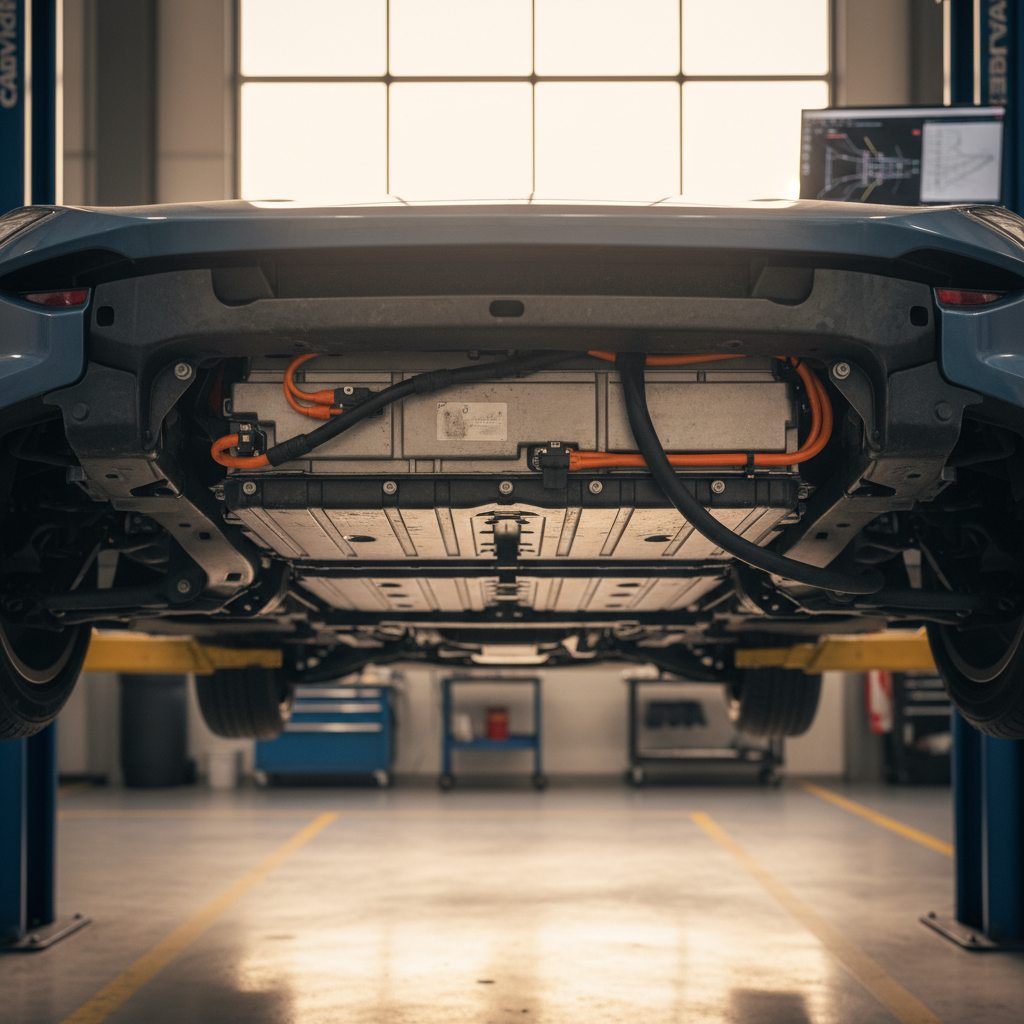
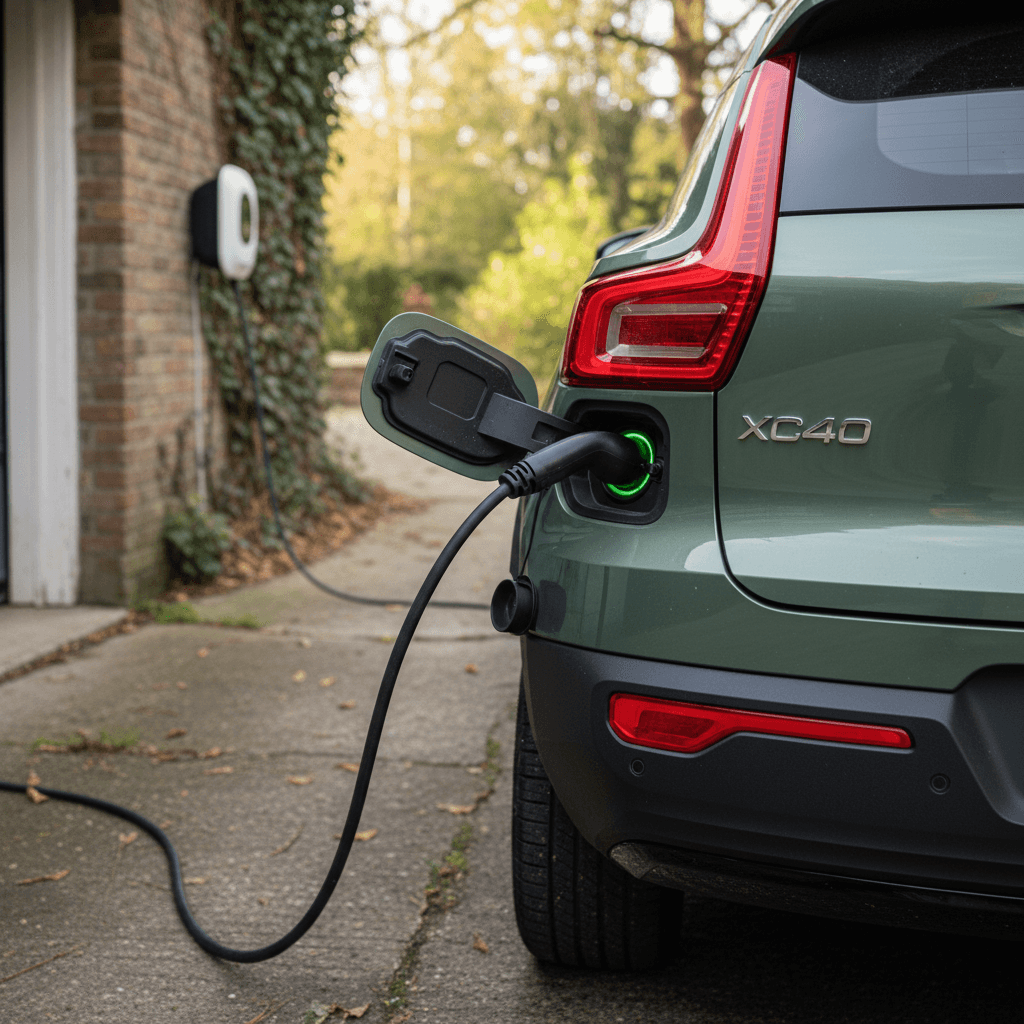
Volvo’s own guidance for the XC40 Recharge mirrors broader EV best practices: prioritize AC Level 2 charging for everyday use, reserve DC fast charging for trips, and avoid parking the car long‑term at a full or empty battery. Do that, and the battery should behave like most modern packs, losing a bit of range over time but remaining very usable well past the warranty window.
Battery Warranty Snapshot
Ownership Costs and Warranty Coverage
Day‑to‑day running costs for a 2024 XC40 Recharge are low by luxury‑SUV standards. There’s no engine oil to change, no spark plugs, and far fewer moving parts than a gas XC40. Your main ongoing costs will be electricity, tires (the XC40 is heavy and torquey), brake fluid, and periodic inspections of the cooling system and suspension.
XC40 Recharge Reliability & Ownership Costs at a Glance
Where your money is likely, and unlikely, to go
| Component | Typical Concern Level | Comments |
|---|---|---|
| High-voltage Battery | Low–Medium | Few failures reported; long warranty coverage, but replacement is expensive out of warranty. |
| Electric Motors / Drivetrain | Low | EV drivetrains are mechanically simple; failures are rare so far. |
| Brakes (hardware) | Low–Medium | Brake pads last a long time thanks to regeneration, but recall‑related software must be current. |
| Suspension & Tires | Medium | Heavy curb weight can wear tires and front‑end components faster, especially on rough roads. |
| Infotainment & Electronics | Medium–High | Biggest wild card. Expect occasional software updates and the possibility of dealer visits for persistent glitches. |
Actual costs will vary, but this gives a directional view for most owners.
Leaning Toward a Used XC40 Recharge?
Used 2024 XC40 Recharge: Reliability Checklist
Shopping the used market adds a layer of complexity: you’re not just choosing a model, you’re choosing how carefully a specific car was maintained and updated. Here’s a reliability‑focused checklist you can work through, or hand to a technician or an expert‑guided service like Recharged.
Pre‑Purchase Reliability Checklist
1. Pull a full service and recall history
Ask the seller for all Volvo dealer invoices and confirm that major recalls, especially brake‑module and camera software, have been performed. If anything is missing, budget time and money to catch up.
2. Run an EV‑specific scan and battery report
A general OBD scan isn’t enough. You want a high‑voltage battery health report, charging‑system check, and module scan for stored faults. Recharged’s <strong>Score Report</strong> is an example of the kind of documentation you’re looking for.
3. Test one‑pedal driving and braking
After confirming the brake recall update, do several firm stops with one‑pedal engaged. Pedal feel should be consistent, with no warning messages or unexpected loss of braking power.
4. Stress‑test infotainment and cameras
Drive at least 20 minutes using Google Maps, then toggle to the 360° camera, switch apps, and connect your phone. Watch for reboots, lag, or black camera screens.
5. Listen for suspension noises
On a rough road, pay attention to clunks or metallic bangs from the front end, especially over dips. Have any suspicious noises checked on a lift before purchase.
6. Confirm charging behavior
If possible, charge the car at home‑style Level 2 and a DC fast charger. You’re looking for stable charging, sensible charge rates, and no error messages on the screen or charger.
How the XC40 Recharge Compares to Rival EVs
In the compact luxury EV SUV crowd, the 2024 Volvo XC40 Recharge squares off against models like the Tesla Model Y, Mercedes‑Benz EQB, Genesis GV60, and Audi Q4 e‑tron. Each has its own reliability personality:
Versus Tesla Model Y
Tesla tends to do well on battery and drivetrain durability, but build quality and rattles are common complaints. The XC40 Recharge usually feels more solid and refined inside, but its infotainment bugs and recall history keep its reliability score from being clearly better.
Versus Audi Q4 e-tron & Mercedes EQB
German rivals lean on proven MQB‑derived or shared platforms and traditional dealer networks. They haven’t escaped software headaches either, but they’ve generally avoided the same level of high‑profile brake‑recall drama.
Versus Genesis GV60 & Kia EV6
Hyundai‑Kia’s dedicated EV platform (E‑GMP) has earned praise for reliability, charging speed, and efficiency. The XC40 Recharge can match the premium feel, but not always the set‑it‑and‑forget‑it simplicity of those drivetrains.
Where the Volvo Lands
Is the 2024 Volvo XC40 Recharge a Good Long-Term Bet?
Taken as a whole, the 2024 Volvo XC40 Recharge is not a disaster, and it’s not a reliability superstar. It’s a modern, software‑heavy EV whose durability story depends heavily on updates and prior care. Get a good one, and you’ll enjoy a refined, quick, safe compact SUV that asks relatively little of you beyond tires, electricity, and the occasional software patch. Get a neglected one, and you could be chasing warning lights and infotainment ghosts while you wait for the next download.
If you’re the kind of driver who values safety engineering, comfort, and a more traditional luxury‑SUV feel in an EV, the XC40 Recharge can absolutely be worth it, as long as you’re willing to be picky. Focus on cars with clean recall histories, documented software updates, and a recent EV‑specific health check. And if you’d rather not shoulder that detective work alone, working through a specialist used‑EV retailer like Recharged, with verified battery health reporting, fair‑market pricing, and expert guidance, can turn a complicated decision into a confident one.