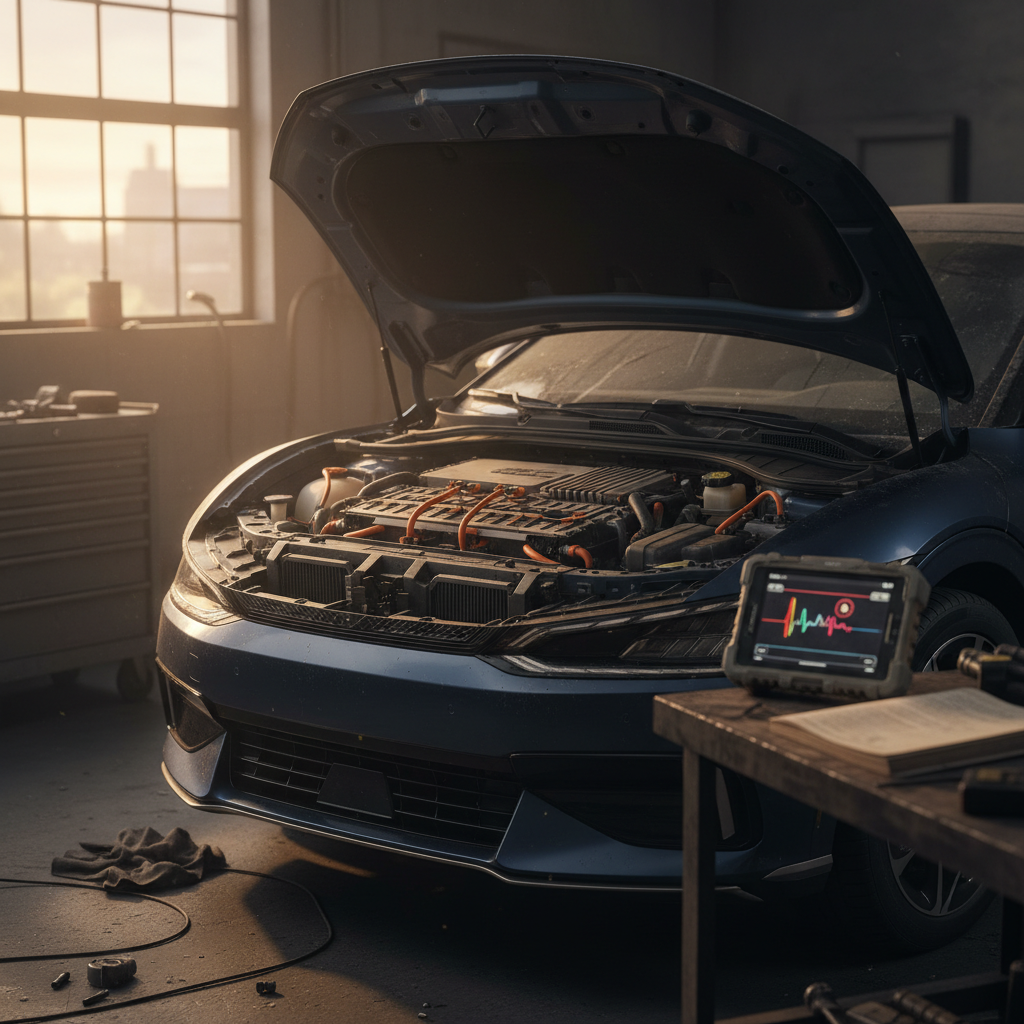
If you’re looking at a Chevy Blazer EV, the first long-term question is obvious: how long will the battery last, and how much of that risk does Chevrolet absorb? The good news is that Chevy Blazer EV battery warranty details are relatively straightforward, but there are important caveats, especially if you’re buying used.
Quick snapshot
Chevy Blazer EV battery warranty overview
The Blazer EV rides on GM’s Ultium platform, and its warranty follows the pattern GM uses for its other modern EVs. At a high level, you’re getting:
- 8 years/100,000 miles (whichever comes first) of limited warranty coverage on the propulsion battery and related high-voltage components.
- 3 years/36,000 miles bumper‑to‑bumper coverage on nearly everything else.
- 5 years/60,000 miles powertrain coverage.
- Roadside assistance and courtesy transportation for up to 5 years/60,000 miles on most new Chevrolets, with EVs often called out separately in Chevy Complete Care materials.
- Rust‑through corrosion coverage for 6 years/100,000 miles.
Key Chevy Blazer EV warranty numbers
Remember the clock starts at in‑service date
Core Chevy Blazer EV battery warranty terms
On Chevy’s EV ownership and model pages, the Blazer EV’s battery coverage is summarized simply: “8-year or 100,000‑mile battery limited warranty”. Here’s what that actually means in practice:
How the Blazer EV battery warranty is structured
The basics stay the same across trims and model years (so far).
Time and mileage limits
The Blazer EV battery is covered for 8 years from in‑service date or 100,000 miles, whichever happens first. Hit either limit, and the battery warranty expires.
Defect, not wear‑and‑tear
The warranty is designed to cover defects in materials or workmanship, things that fail prematurely or abnormally, not normal aging, abuse, or damage from outside events.
What “limited” really means
The Blazer EV battery warranty is a limited warranty. Chevy has discretion in how it fixes problems, repairing individual modules, replacing larger sections, or, in rare cases, installing a new pack. They don’t promise a brand‑new battery every time something goes wrong.
Ultium components covered with the pack
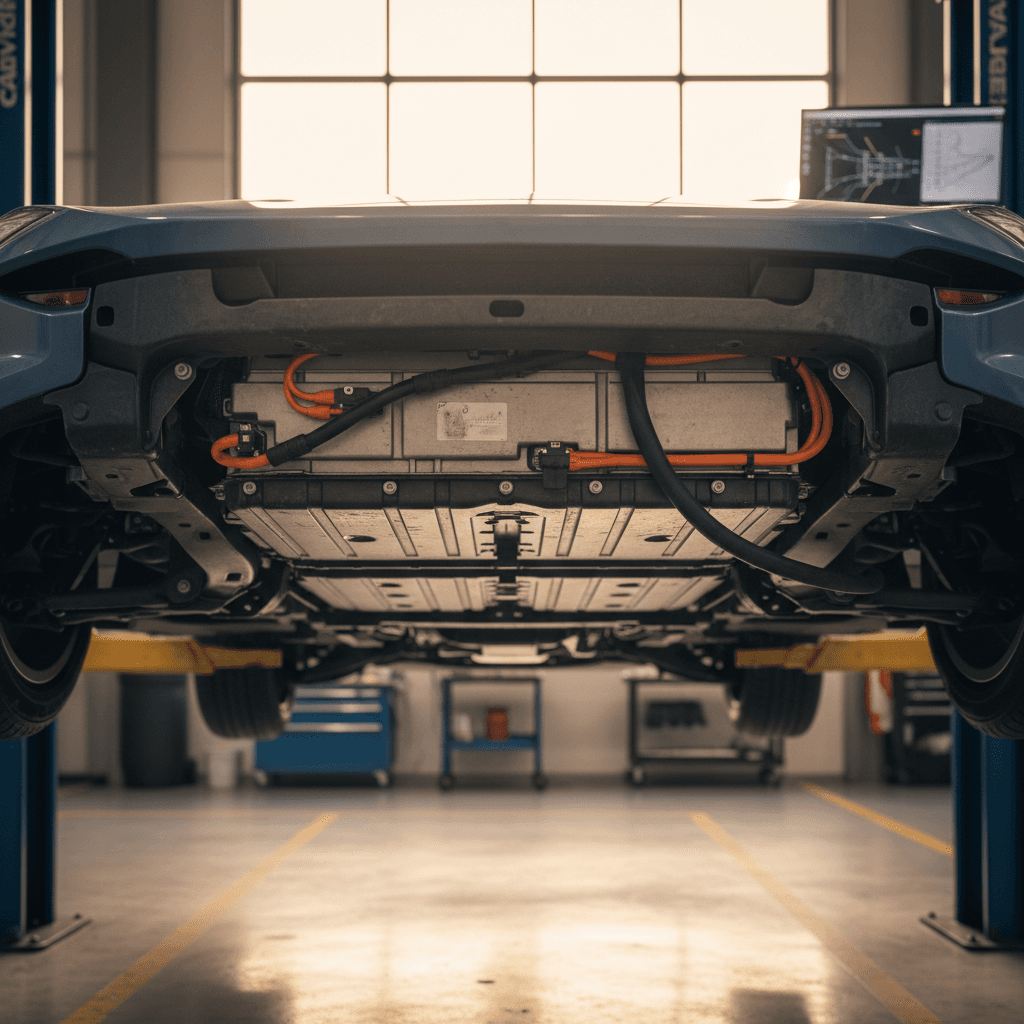
GM’s language on other Ultium EVs makes clear that high‑voltage components tied to propulsion are included: battery pack, internal modules, battery control hardware, and often other drive electronics directly related to the pack.
What the Blazer EV battery warranty actually covers
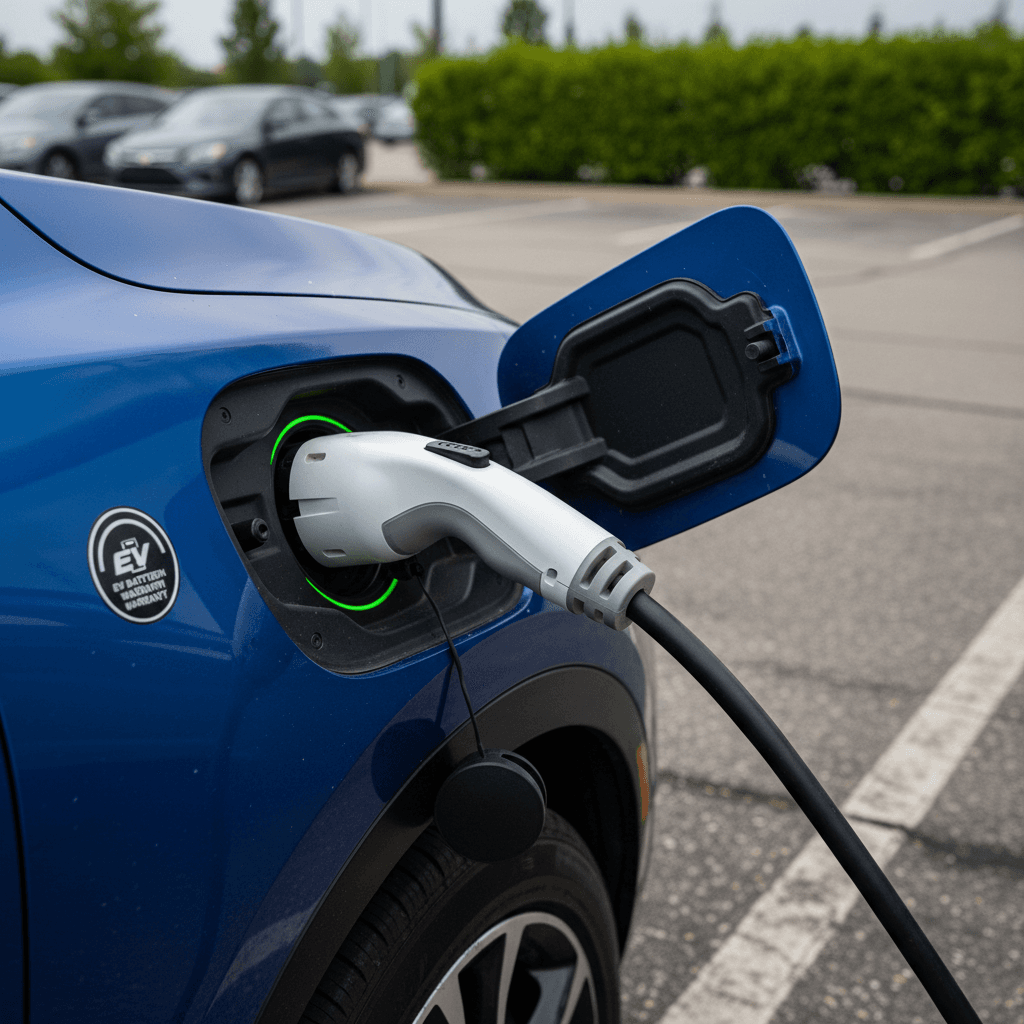
Chevrolet doesn’t publish a Blazer‑EV‑only warranty booklet yet, but based on Chevrolet’s EV warranty language and dealer listings for new Blazer EVs, you can reasonably expect the battery warranty to cover:
- The high‑voltage battery pack and internal modules if they fail due to a defect.
- Associated high‑voltage wiring and connectors tied directly to the pack and propulsion system.
- Battery pack electronic controllers and thermal‑management hardware when a defect in those systems causes a covered failure.
- Diagnostic time and labor required to complete warranty repairs (when performed by a Chevrolet EV dealer).
- Towing to the nearest Chevy EV dealer when the vehicle is undriveable due to a covered battery or EV propulsion issue, typically under roadside assistance coverage.
Good news for long‑term owners
What isn’t covered (and common misconceptions)
The fine print matters. Many EV owners assume the battery warranty is a blanket guarantee against any future range loss or charging hiccup. It isn’t. Here are areas where coverage is more limited, or nonexistent:
Common Blazer EV battery warranty misunderstandings
Where owners are most likely to be surprised.
Normal range loss
All lithium‑ion batteries lose capacity over time. Chevy, like most brands, does not treat gradual, expected degradation as a defect. There’s no public promise that your Blazer EV will retain a specific percentage of capacity at 8 years.
Damage from abuse
Physical damage to the pack (crash, road debris, improper lifting), submersion in water during flooding, or tampering with high‑voltage systems will typically void coverage for that damage.
Charging network issues
Problems caused by a faulty public charger, like intermittent faults that don’t damage the pack, usually aren’t a battery warranty issue. You might get software updates, but not a new pack.
- Wear items and unrelated components, tires, brake pads, suspension, and infotainment problems sit under other parts of the warranty (or outside warranty entirely), not the battery coverage.
- Owner‑caused software or hardware mods, aftermarket tuning, unauthorized high‑voltage work, or DIY “repairs” can give Chevy grounds to deny related claims.
- Using the wrong fluids or not following service bulletins, if ignoring recommended coolant changes or ignoring recall work leads to a failure, Chevy may decline coverage.
Always read the actual booklet
Blazer EV battery warranty vs. regular Chevy warranty packages
It helps to see the Blazer EV battery warranty in the context of the rest of the vehicle’s coverage. For 2024–2025 Blazer EVs, the pattern mirrors Chevrolet’s other models:
How the Blazer EV’s battery warranty fits into Chevy’s coverage stack
Approximate coverage terms based on Chevrolet communications and dealer listings for new Blazer EVs.
| Coverage type | Typical term | Mainly covers | Notes |
|---|---|---|---|
| Bumper‑to‑bumper | 3 years / 36,000 miles | Most vehicle components | Same term as gas Chevrolets |
| Powertrain | 5 years / 60,000 miles | Motor(s), drive systems, transmission‑equivalent parts | EV propulsion overlaps partly with battery coverage |
| High‑voltage battery & EV components | 8 years / 100,000 miles | Ultium battery, internal modules, select EV propulsion electronics | Focus is on defects, not normal capacity loss |
| Corrosion perforation | 6 years / 100,000 miles | Rust‑through body panels | Cosmetic rust without perforation may not be covered |
| Roadside assistance | 5 years / 60,000 miles (typical) | Towing, lockout, jump‑starts, some EV‑specific help | Terms can vary slightly by model year and program |
Always verify exact coverage for the model year and VIN you’re considering.
Dealer fine print backs it up
Degradation, capacity loss, and “normal wear”: the gray area
The biggest unanswered question on most modern EVs is how automakers draw the line between normal capacity loss and a warrantable defect. Chevy hasn’t publicly committed to a specific percentage of minimum capacity, unlike some rivals, which means a few practical realities for Blazer EV owners:
- Some range loss is expected. It’s normal for an EV to lose a few percent of capacity in the first couple of years, then slow down. That alone usually isn’t a warranty claim.
- Sudden, large drops may be different. If your real‑world range plunges unexpectedly over a short period, that’s more likely to trigger deeper diagnostics and, if a defective module is found, warranty work.
- GM can update software. Automakers sometimes refine battery‑management software to balance longevity and range. A software update that changes displayed range isn’t automatically a sign of a failed pack.
- Documentation helps. Keeping records of range, charging behavior, and any dealer visits makes it easier to argue your case if you think you have a genuine defect.
Use professional battery health reports
New vs. used Chevy Blazer EV: how warranty transfers
For most modern Chevrolets, including Ultium EVs, the battery warranty is fully transferable to subsequent owners. That’s a big deal if you’re shopping used, especially for a vehicle as new as the Blazer EV, where nearly all examples on the road today are still inside that 8‑year/100,000‑mile window.
If you’re the first owner
- You get the full 8 years/100,000 miles of battery coverage from the in‑service date.
- All other new‑vehicle coverages (3/36 bumper‑to‑bumper, 5/60 powertrain, roadside assistance) start at that same date.
- Resale value benefits because the next owner can still enjoy the remaining battery warranty.
If you’re buying used
- You receive whatever time and mileage is left on the original battery warranty, there’s no new 8‑year clock.
- Confirm the original in‑service date and current mileage so you know exactly how much coverage remains.
- Ask for documentation of any prior battery or high‑voltage repairs done under warranty.
Don’t assume CPO equals extra battery coverage
How GM’s EV Protection Plan fits in
Separately from the factory warranty, Chevrolet markets an EV Protection Plan, an extended‑service contract that can add coverage for thousands of components after the original bumper‑to‑bumper warranty expires. It’s an optional product, not part of the standard Blazer EV warranty.
What GM’s EV Protection Plan typically adds
High‑level look at how it complements the factory warranty.
Longer component coverage
Depending on term, the plan can cover up to 96 months/100,000 miles of repair protection on many parts, with several deductible options.
More than just the battery
Coverage usually focuses on mechanical and electrical components beyond the basic warranty, not on extending the 8‑year battery limit itself.
Roadside & extras
Plans commonly bundle roadside assistance, towing reimbursement, and other perks designed to reduce out‑of‑pocket surprise costs.
Shop plans like you’d shop financing
Five ways to protect your Blazer EV battery (and warranty)
Warranty is your safety net; battery habits are your first line of defense. A few simple practices will help your Blazer EV’s pack age gracefully and make any future warranty discussion easier.
Practical Blazer EV battery care tips
1. Avoid living at 0% or 100%
Short‑term trips to low or high state of charge are fine, but don’t leave the pack parked at either extreme for days. Use charge‑limit settings for daily driving, and reserve full charges for road‑trips.
2. Favor AC charging at home
Let DC fast charging do what it does best, road trips. For regular use, Level 2 home charging is easier on the pack and typically cheaper per kWh.
3. Keep software up to date
Battery‑management updates often arrive via software. Accept updates promptly and have any recall or service campaigns performed; ignoring them can hurt performance and may complicate future warranty claims.
4. Watch temperature extremes
The Ultium pack has liquid thermal management, but physics still matters. Whenever possible, park in shade in extreme heat and in a garage in severe cold to reduce stress on the cells.
5. Document issues early
If you notice sudden range drops, charging anomalies, or warning lights, get them documented at a Chevy EV dealer while <strong>still under warranty</strong>. Early paper trails help if problems escalate later.
Shopping for a used Blazer EV? Warranty questions to ask
Because Blazer EVs are so new, many used examples will still have most of their battery warranty left. That’s a huge advantage, if you verify the details. Here’s what to ask before you sign anything:
Used Chevy Blazer EV battery‑warranty checklist
Questions that can save you thousands later.
| Question to ask | Why it matters | Where to verify |
|---|---|---|
| What is the in‑service date? | Defines when the 8‑year clock started and when it ends. | Warranty booklet, Carfax/AutoCheck, dealer service system. |
| How many miles are on the odometer? | Shows how much of the 100,000‑mile limit is already used. | Vehicle itself and listing details. |
| Any prior battery or high‑voltage repairs? | Repaired packs can be fine, but you want to know history and parts used. | Service records, prior owner documentation. |
| Any open recalls or service campaigns? | Unfinished campaigns might impact performance or safety, and can often be done at no cost. | NHTSA lookup by VIN, Chevy owner portal, dealer. |
| Is the seller providing a battery health report? | Gives an objective view of remaining capacity and helps price the vehicle fairly. | Third‑party reports like the Recharged Score, dealer EV diagnostics. |
You can adapt this checklist for any Ultium‑based Chevy EV.
How Recharged helps here
Ready to find your next EV?
Browse VehiclesChevy Blazer EV battery warranty FAQ
Frequently asked questions about Blazer EV battery coverage
Bottom line: how confident should you feel?
The Chevy Blazer EV battery warranty isn’t flashy, but it’s solid: 8 years or 100,000 miles of coverage on the Ultium propulsion battery and key EV components, stacked on top of traditional bumper‑to‑bumper and powertrain protection. You’re not getting a guarantee that range will stay brand‑new forever, and you’ll still want to treat the pack well, but you’re also not flying without a net.
If you’re buying new, focus on understanding the timelines and keeping up with software updates and service campaigns. If you’re shopping used, press for documentation: in‑service date, mileage, prior EV repairs, and ideally a professional battery‑health report. That’s exactly where a platform like Recharged can simplify things, every EV we sell comes with a Recharged Score Report that spells out battery health and remaining warranty, so you know what you’re taking on before you ever click “buy.”