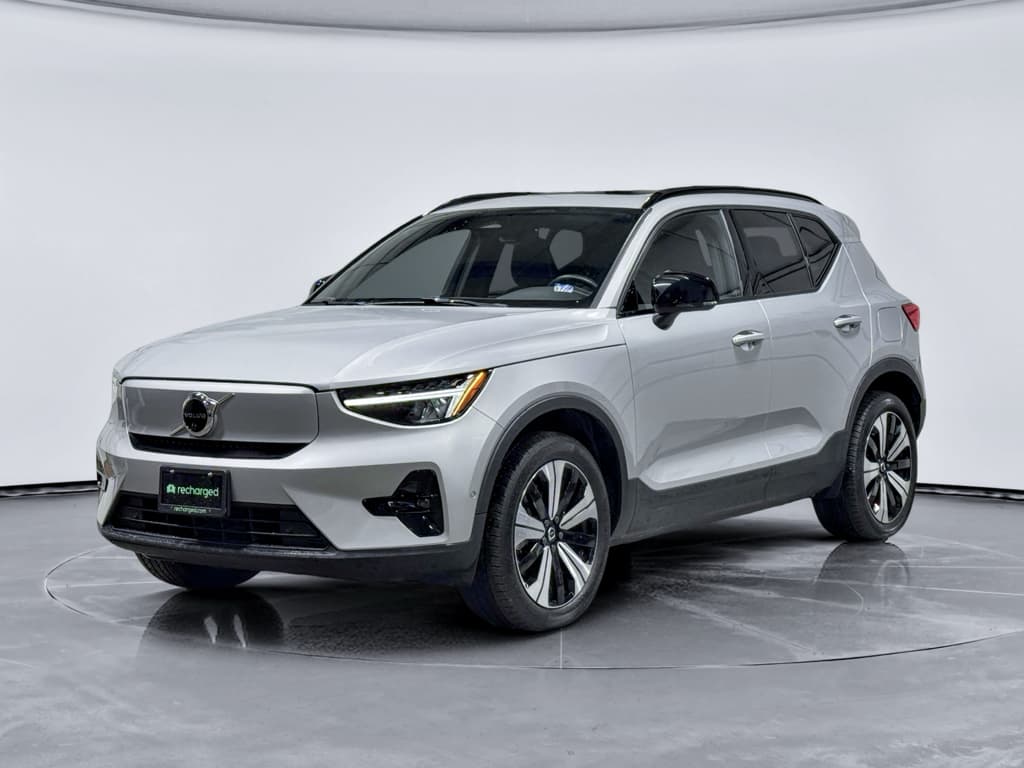
If you’re shopping for a small, stylish electric SUV, the 2024–2025 Volvo EX30 is almost certainly on your list. It promises big‑car safety in a tiny footprint, punchy performance and Scandinavian design at a price that undercuts many rivals. This Volvo EX30 buying guide breaks down trims, range, charging, ownership costs and early used‑market behavior so you can decide whether it’s the right EV for you, whether you’re buying new or eyeing an early off‑lease example.
Model‑year context
Why the Volvo EX30 is a big deal
Volvo EX30 at a glance
The EX30 sits at the intersection of several trends: downsized EVs, premium design and a move toward tech‑heavy cabins. It’s built on Geely’s SEA platform and shares components with the Smart #1, but wrapped in a distinctly Volvo package: calm styling, strong safety story and a minimalist cabin dominated by a central touchscreen.
Who the EX30 suits best
Volvo EX30 trims and which one fits you
Exact trim names and equipment vary slightly by market and model year, but U.S. shoppers will generally see three main flavors built around two powertrains. Here’s how to think about them when you’re cross‑shopping new or used.
Volvo EX30 trim and powertrain overview (2024–2025 style lineup)
Representative snapshot of how EX30 configurations are typically packaged. Always confirm final specs and pricing for your specific model year and market.
| Variant | Drivetrain | Approx. EPA range | Character | Best for |
|---|---|---|---|---|
| Single Motor Extended Range (Core/Plus) | RWD, ~268 hp | ~260–275 mi (wheel‑ and spec‑dependent) | Balanced efficiency and performance, simpler spec | Commuters and first‑time EV buyers wanting value |
| Single Motor Extended Range (Ultra) | RWD, ~268 hp | Similar to Plus; slightly lower with larger wheels | Loads of tech and safety, premium interior | Tech‑focused buyers who still want max range |
| Twin Motor Performance (Ultra / Cross Country) | AWD, ~422 hp | ~250–255 mi EPA | Very quick, more grip, often better‑equipped | Performance‑minded drivers and colder‑climate owners |
Use this as a directional guide when comparing EX30 listings on dealer sites or used‑EV marketplaces.
Single Motor Extended Range (RWD)
This is the sweet spot for most buyers. You get rear‑wheel drive, solid acceleration, lower purchase price and the best rated range. Fewer components also tend to mean fewer things to go wrong long‑term, which matters if you’re thinking about resale or buying used.
Twin Motor Performance (AWD)
The dual‑motor configuration adds a front motor for all‑wheel drive and serious punch. 0–60 mph drops into the mid‑3‑second range. You’ll trade some range and pay more up front, but if you value snow traction or quick acceleration on on‑ramps, this is the one to target.
Trim names vs hardware
Range: real‑world vs EPA
On paper, the EX30’s range numbers look competitive for a small SUV. In the U.S., official EPA estimates cluster around the mid‑200‑mile mark depending on wheels, trim and drivetrain. Real‑world results, though, can swing significantly based on how and where you drive.
What range you can realistically expect
EPA ratings are a starting point, not a promise.
City & suburban driving
Driven mostly in town at moderate speeds, many owners of Single Motor Extended Range cars see something close to EPA numbers in mild weather. Expect roughly 230–260 miles between charges if you’re gentle with the throttle.
Highway at 70–75 mph
At U.S. freeway speeds, especially with the Twin Motor Performance, you can see range drop notably. Independent 70–75 mph tests have pulled the AWD car down closer to ~160–190 miles before a fast charge, depending on conditions.
Cold weather & heavy loads
Winter temps, roof boxes, aggressive acceleration or lots of elevation can cut range further. If you live in a colder climate, build in a 20–30% buffer over what you think you need on paper.
Battery size & efficiency
If you’re comparing the EX30 to a Tesla Model Y or Hyundai Kona Electric, think of it this way: the Volvo generally offers enough range for daily use and regional road trips, but you’ll stop slightly more often on long highway hauls, and you’ll want to plan charging more deliberately.
Charging speeds, plugs and road‑trip viability
Charging is where the EX30 quietly over‑delivers for its price class. It supports up to roughly 11 kW AC at home and around 130–150 kW DC fast‑charging on a capable public charger, depending on variant and conditions. That’s competitive with most small EVs and good enough for practical road trips if you plan your stops.
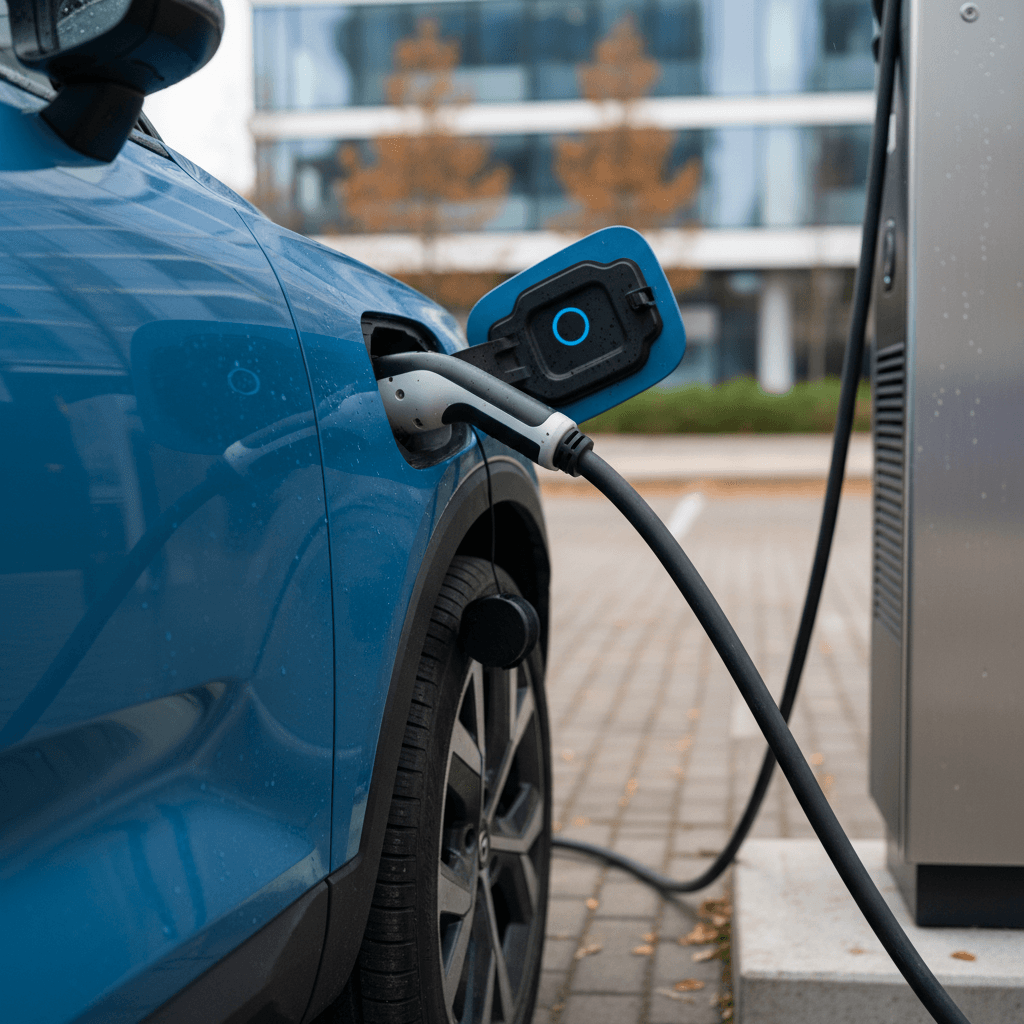
Volvo EX30 charging snapshot
Approximate figures; your results will vary based on temperature, state of charge, charger quality and software updates.
| Scenario | Power & connector | Typical result |
|---|---|---|
| Home Level 1 (120V) | Included portable charger, ~1–2 kW | Useful for ~3–5 miles of range per hour. Emergency or overnight top‑offs only. |
| Home Level 2 (240V) | Up to 11 kW onboard AC charger | Roughly 25–35 miles of range per hour; full charge from low in ~7–9 hours. |
| Public DC fast charge | Peak ~130–150 kW (CCS) | 10–80% in about 25–30 minutes on a strong charger in mild temperatures. |
Use these numbers for trip‑planning and home‑charging expectations, not as guarantees.
Plan to fast‑charge 10–60% for speed
- In North America, early EX30s use the CCS fast‑charging standard, so you’ll rely on networks like Electrify America, EVgo and ChargePoint rather than Tesla Superchargers (until NACS adapters or ports arrive on later model years).
- The EX30 supports battery preconditioning when you set a DC fast charger as your destination, helping you hit closer to peak charge rates.
- If you live in an apartment or rely heavily on public infrastructure, check your local DC network quality, consistent 100 kW+ sites make the EX30 much easier to live with.
Home charging isn’t optional
Interior space, tech and everyday usability
Step inside the EX30 and you’ll get a very different vibe than a traditional Volvo SUV. There’s a single, portrait‑style touchscreen in the center, running a Google‑based interface, and no traditional instrument cluster in front of the driver. Materials skew toward recycled and textured finishes rather than glossy wood or leather.
Living with an EX30 day to day
Strengths and compromises you’ll notice after the test drive.
Front comfort
Typical Volvo: comfortable, supportive seats with good ergonomics. The driving position is excellent for a small SUV and visibility is strong despite the thick-ish rear pillars.
Rear seat & cargo
Back‑seat space is tight for adults, especially for taller passengers. Cargo capacity is fine for grocery runs and short trips but limited compared with a Model Y or ID.4.
Tech & UX
Built‑in Google apps, strong voice control and a clean layout, but nearly everything runs through the central screen. If you dislike touch‑only climate controls, test this thoroughly before you buy.
As a commuter
For a single driver or couple, the EX30 shines. It’s easy to park, quick to merge, and its compact size makes downtown garages and tight driveways much less stressful. If your commute is under 50–60 miles a day and you can charge at home, it’s hard to beat for convenience.
As a family car
If you regularly carry two adults and kids or bulky strollers, you may outgrow the EX30 fast. Rear‑facing child seats can be a squeeze behind tall front passengers, and the cargo area is modest. For young urban families with one child it can work; for two or more, consider stepping up to a larger EV SUV.
Safety, recalls and what to look for
Safety is core to Volvo’s pitch for the EX30. It packs advanced driver‑assistance features like Pilot Assist (on higher trims), lane‑keeping support, automatic emergency braking, blind‑spot monitoring and a full suite of airbags and structural reinforcements, despite its small size.
Safety tech by trim
Recalls and software updates
On the road, reviewers consistently praise the EX30’s ride and handling balance. It feels solid and grown‑up at highway speeds for such a small footprint, which should be reassuring if you’re downsizing from a larger SUV.
Pricing, incentives and early used‑market trends
Pricing has been a moving target. When Volvo first previewed the EX30, headlines focused on an aggressively low advertised base price. In practice, early U.S. cars have mostly been better‑equipped Plus and Ultra trims, often optioned into the low‑to‑mid‑$40,000s for Single Motor ER and higher for Twin Motor Performance. Recent model‑year updates have nudged prices around as Volvo responds to demand and competitive pressure.
- Some early configurations have qualified for state and local EV incentives, but federal tax‑credit eligibility has varied based on final assembly, battery sourcing and constantly evolving rules.
- If you’re shopping new, ask the dealer to break out any purchase or lease incentives clearly, and compare effective monthly cost against similar EVs like the Hyundai Kona Electric, Kia Niro EV or Tesla Model Y.
- Leasing can sometimes unlock credits that aren’t available on a straight purchase, as the leasing company may pass along part of a commercial clean‑vehicle credit.
Early depreciation watch
Market dynamics like this are exactly why Recharged focuses on transparent pricing and battery‑health data. When EX30s begin hitting the U.S. used‑EV market in larger numbers, you’ll see Recharged Score reports that show verified pack health and fair‑market pricing, helping you understand whether a particular car’s discount reflects normal depreciation, or underlying issues.
Volvo EX30 vs. other small EV SUVs
If you’re cross‑shopping, you’re probably looking at the Tesla Model Y (or possibly Model 3), Hyundai Kona Electric, Kia Niro EV, Chevy Equinox EV or Volkswagen ID.4. The EX30 carves out a niche as a premium‑feeling, very compact SUV that’s quicker than most of those alternatives but smaller inside.
How the EX30 stacks up against key rivals
High‑level comparison for typical trims; specifics vary by model year, battery and wheel choice.
| Model | Size & space | Performance feel | Charging & range | Pricing tendency |
|---|---|---|---|---|
| Volvo EX30 | Smallest footprint, tightest rear seat, modest cargo | Very quick in Twin Motor, lively even in Single Motor | Solid DC speeds, mid‑pack real‑world range | Often undercuts premium rivals but can climb with options |
| Tesla Model Y | More interior and cargo space | Quick, especially in Long Range and Performance | Strong Supercharger network, efficient at highway speeds | Sticker can be higher, but aggressive discounts and used supply help |
| Hyundai Kona Electric | Similar or slightly more space, more conventional cabin | Adequate but not thrilling acceleration | Good efficiency, improving DC charging on newer models | Often strong value with discounts and incentives |
| Kia Niro EV | Practical packaging, more usable rear seat | Comfortable rather than sporty feel | Solid range, charging speeds vary by generation | Value‑oriented pricing, especially used |
| VW ID.4 | Noticeably larger, more family‑friendly | Smooth but heavier feel | Charging infrastructure improving, mixed early‑software history | Good lease deals; used prices softening in many areas |
Use this matrix to frame test drives and quote comparisons.
Where the EX30 wins
Buying a used EX30: what really matters
Because the EX30 is still relatively new, most "used" examples will be low‑mileage cars coming off early leases, demos or short‑term ownership. That’s an opportunity, but only if you’re methodical about what you check.
Key checks for a used Volvo EX30
1. Battery health and fast‑charging history
Ask for a <strong>battery‑health report</strong> or have one generated. Frequent DC fast‑charging isn’t automatically bad, but you want to know whether usable capacity has dropped more than expected. Every EX30 sold on Recharged includes a Recharged Score battery‑health assessment so you’re not guessing.
2. Recall and software status
Confirm all recall campaigns and software updates have been completed. Early owners report that some bugs, especially infotainment quirks, improve significantly with later software.
3. Wheel and tire choice
Large 20" wheels look great but can hurt range, ride comfort and tire replacement costs. For mixed use and highway trips, 19" wheels often hit the best compromise.
4. Charging behavior test
If possible, plug the car into both a Level 2 charger and a DC fast charger during your test drive. Look for normal ramp‑up to expected speeds and no unexpected error messages or charge interruptions.
5. Interior wear and build quality
Because the EX30 uses more minimalist and recycled materials, check for scuffs, rattles and panel fit issues. A short drive over broken pavement can reveal squeaks or buzzes you might miss on a smooth loop.
6. Driver‑assistance feature demo
Ask the seller to demonstrate Pilot Assist, adaptive cruise, lane‑keeping and parking aids on a safe route. Make sure they function smoothly, since radar or camera misalignment can be costly to diagnose.
Lean on a structured inspection
Step‑by‑step Volvo EX30 buying checklist
Buying path: new vs. used EX30
If you’re buying new
Clarify priorities: range, performance, budget or tech, rank them before you configure anything.
Decide between Single Motor ER (value and range) and Twin Motor Performance (power and AWD).
Test drive both a <strong>Plus</strong> or similar mid trim and an <strong>Ultra</strong> to feel the difference in tech and features.
Ask the dealer to show you current incentives, lease specials and any loyalty or conquest offers.
Price out home‑charging installation if you don’t already have a 240V outlet.
If you plan to keep the car long‑term, consider more conservative wheel sizes and options that support resale, like safety and driver‑assist packages.
If you’re buying used
Set a target build: ideally Single Motor Extended Range for range value, unless you truly want AWD performance.
Check VIN for recalls, warranty status and in‑service date to understand remaining factory coverage.
Review a <strong>battery‑health report</strong> and charging history. If the seller doesn’t have one, factor that uncertainty into your offer, or buy from a source that does, like Recharged.
Do a thorough test drive that includes highway speeds, rough pavement and at least one fast‑charging session if possible.
Compare pricing to similar EX30s and rival EVs using fair‑market tools. Rapid depreciation can be your friend, but unusually cheap cars deserve extra scrutiny.
If you have a trade‑in, get an instant offer or trade value from multiple sources. A marketplace like Recharged can streamline trade‑in, financing and delivery in one digital flow.
Volvo EX30 FAQ
Frequently asked questions about the Volvo EX30
Is the Volvo EX30 right for you?
The 2024–2025 Volvo EX30 is one of the most interesting new EVs on the road: small but surprisingly refined, quick yet efficient enough for daily duty, and priced to undercut many premium rivals. It’s not the right answer if you need maximum space or iron‑clad charging convenience everywhere you go, but it’s a compelling choice if you value design, safety and performance in a compact footprint.
If you’re looking to sidestep first‑year pricing swings and want more transparency around long‑term ownership, keep an eye on the used market. As EX30s start to appear on Recharged, you’ll see Recharged Score battery diagnostics, fair‑market pricing, trade‑in options and nationwide delivery backed by EV‑specialist support, so you can bring a promising new model into your life with a lot less uncertainty.