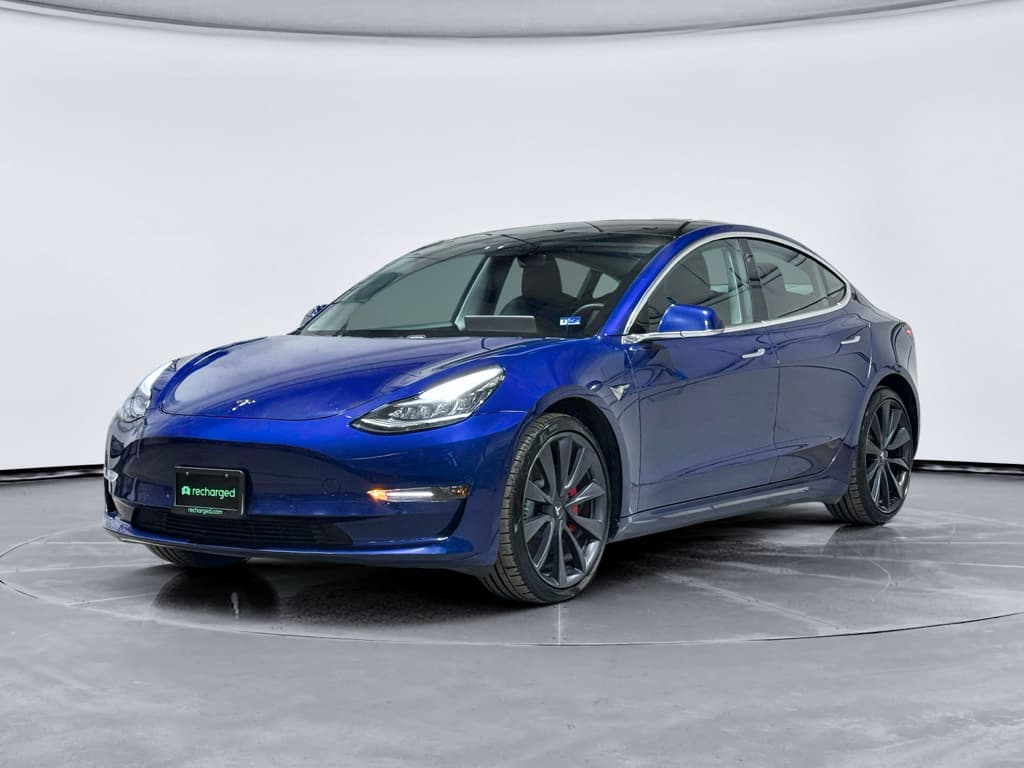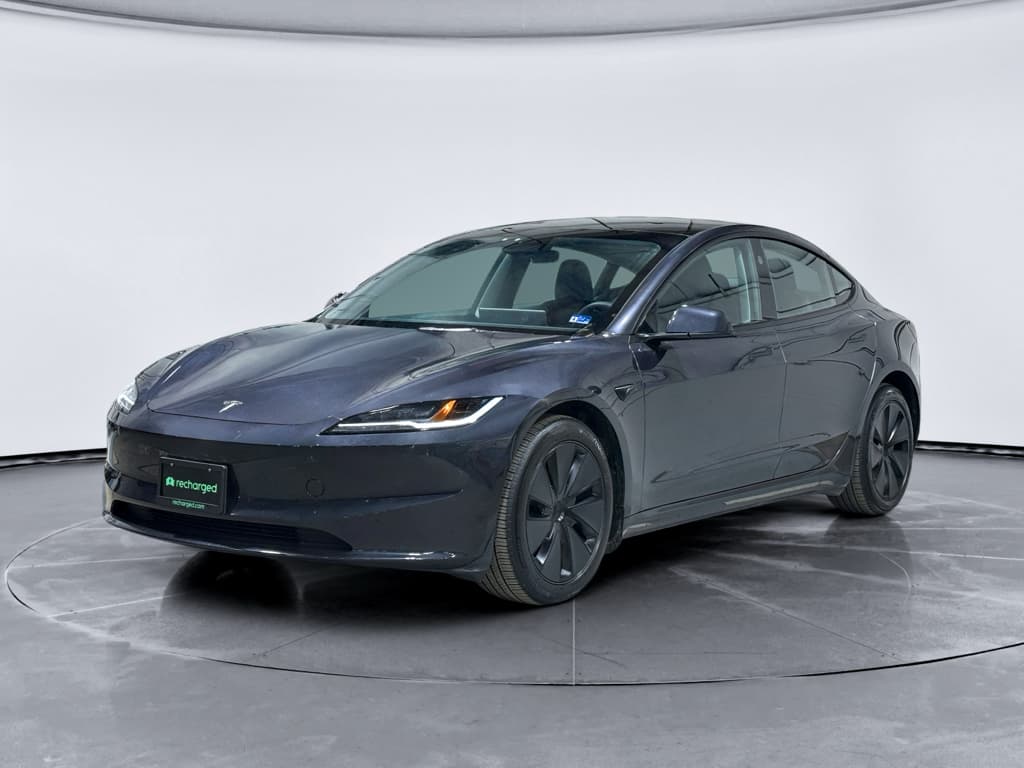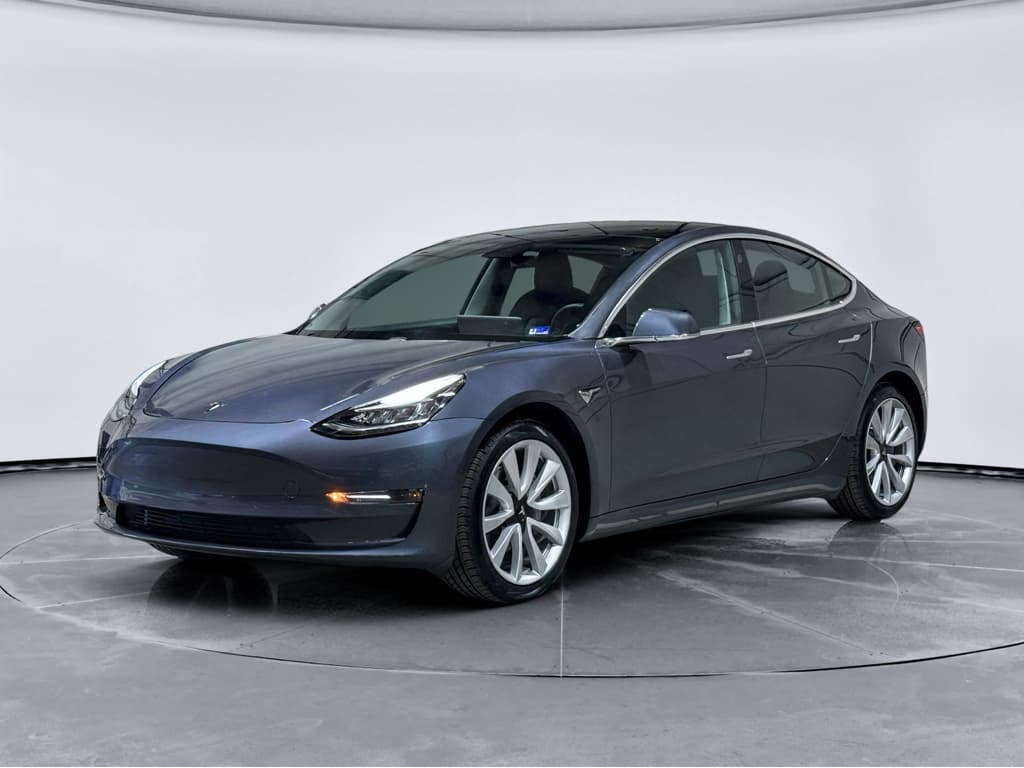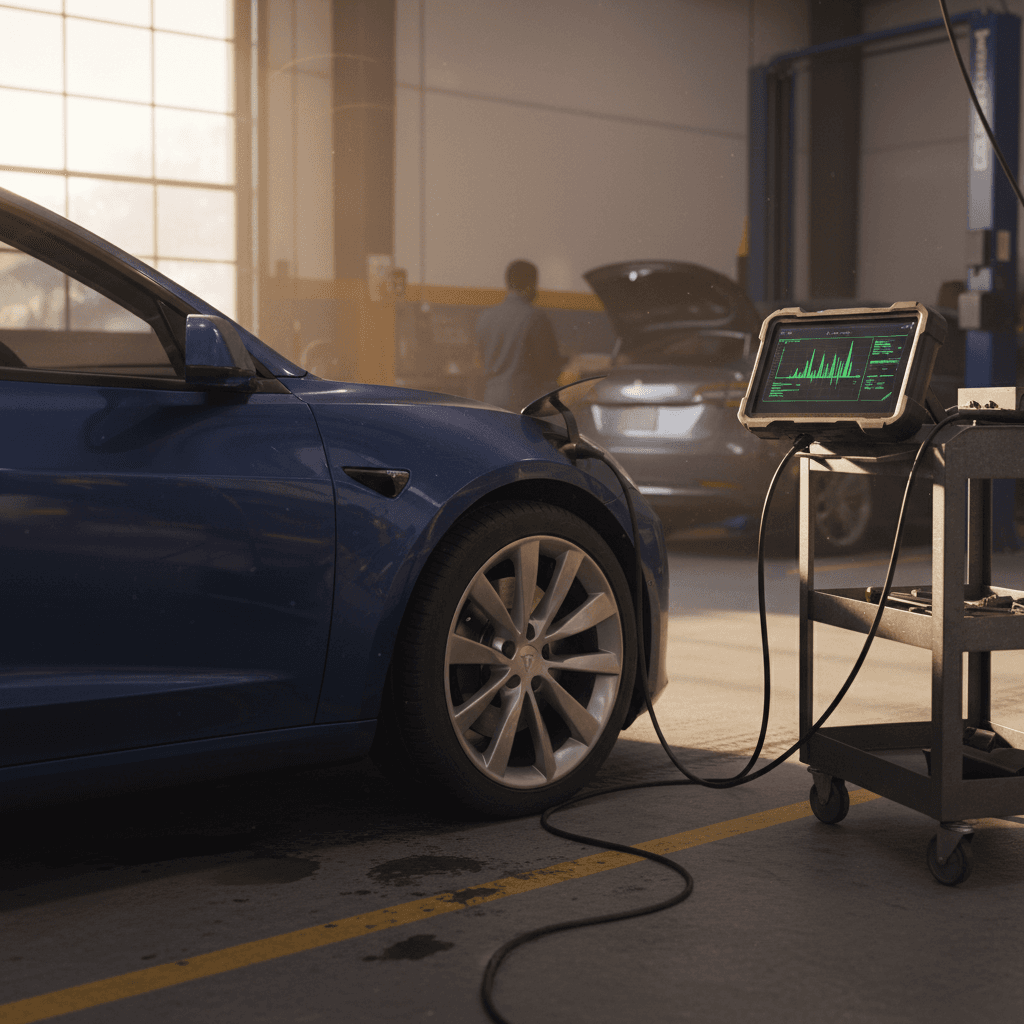
If you’re shopping the used EV market, a 2019 Tesla Model 3 can look like a sweet spot: modern tech, strong range, and prices well below new. But reliability questions, from early build-quality issues to long-term battery health, can make you pause. This guide breaks down 2019 Tesla Model 3 reliability in plain English so you know what’s normal wear, what’s a red flag, and how to protect yourself when you buy.
Quick take
2019 Tesla Model 3 reliability at a glance
2019 Model 3 reliability snapshot
High‑level, the 2019 Model 3’s powertrain and battery pack have aged far better than early Internet horror stories might suggest. Where owners tend to report issues is around paint, trim, water leaks, door handles, climate system quirks, and infotainment hardware or software. That makes a good pre‑purchase inspection critical if you’re targeting this year.
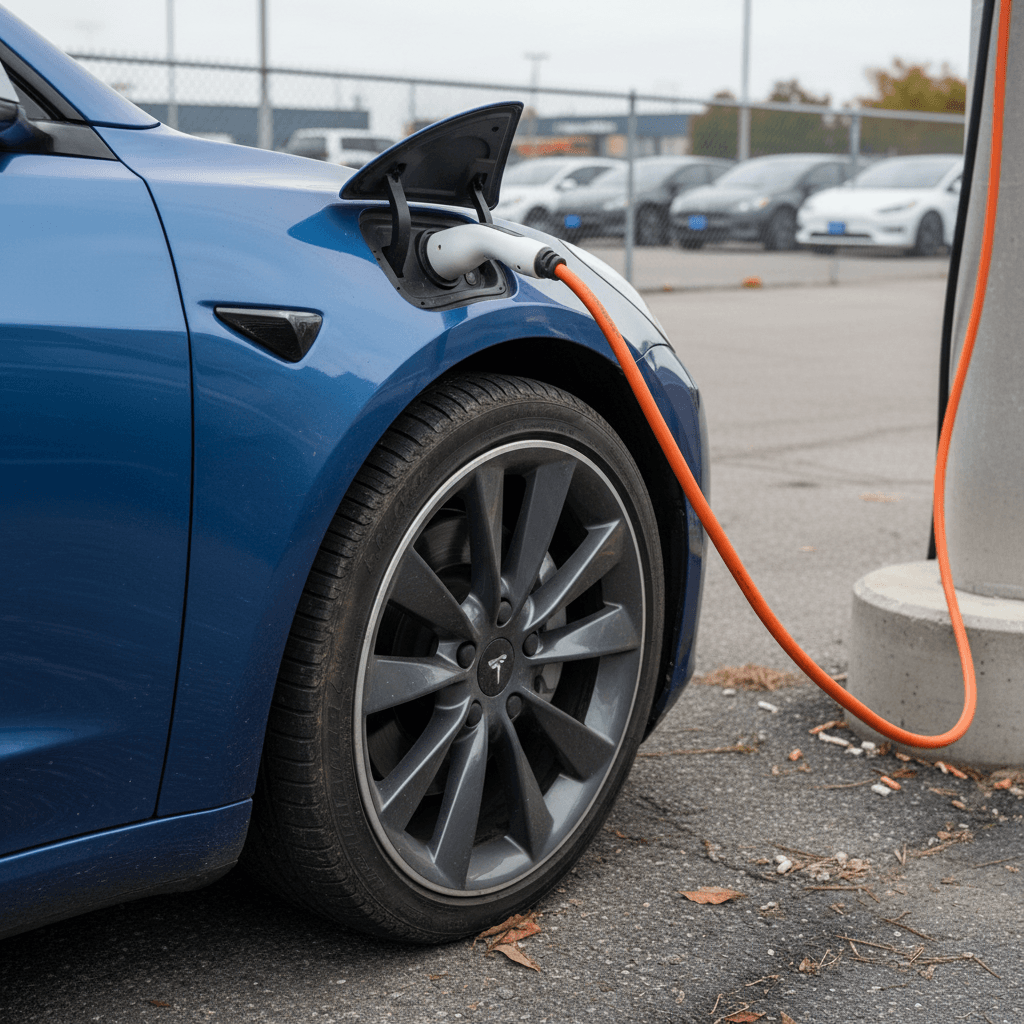
How reliable is the 2019 Tesla Model 3 today?
Back when the 2019 Model 3 was new, major surveys painted a mixed picture. Some owner‑survey data put the Model 3 in “below average” territory for reliability among 2019 vehicles, driven by body hardware and paint complaints, squeaks and rattles, and in‑car electronics issues. At the same time, overall owner satisfaction was extremely high, which tells you people liked the car enough to live with the flaws.
Where 2019 Model 3s tend to be strong
- Battery & motor: Very few high‑voltage pack or drive‑unit failures relative to the number on the road.
- Day‑to‑day running: Simple EV powertrain, no oil changes, and far fewer moving parts than a gas sedan.
- Software support: Over‑the‑air updates have fixed bugs, added features, and even tweaked efficiency.
Where issues are more common
- Fit and finish: Paint defects, panel gaps, loose trim, and interior squeaks are widely reported on early Model 3s.
- Body hardware: Door handles, trunk seals, window regulators, and sunroof/roof glass stress cracks show up in owner reports.
- Electronics: Touchscreen glitches, backup camera issues, and sensor faults can crop up, especially on higher‑mileage cars.
How to read the mixed reviews
Common 2019 Tesla Model 3 problems
Not every 2019 Model 3 will suffer these issues, but patterns have emerged from owner forums, reliability surveys, and shop experience. Use this list as a checklist when inspecting a used car.
Most-reported trouble spots on 2019 Model 3s
From minor annoyances to repairs that can sting your wallet
Exterior & body
- Paint and clearcoat: Thin paint, stone chips, and early clearcoat wear on high‑mileage cars.
- Panel alignment: Uneven gaps around doors, trunk, and charge port.
- Glass issues: Occasional stress cracks in rear glass or windshields, sometimes tied to body flex or impact.
Water leaks & wind noise
- Door and trunk seals: Misaligned or compressed weatherstripping leading to water in the trunk or rear footwells.
- Wind noise: Whistling at highway speed from mirror or window seals.
In-car electronics
- Touchscreen glitches: Random reboots, lag, or frozen display.
- Cameras & sensors: Backup camera intermittently failing, parking sensor warnings.
- Connectivity: Bluetooth dropouts or LTE connectivity quirks.
Climate system
- A/C performance: Refrigerant leaks and failed condensers reported by some owners in hot climates.
- HVAC noise: Clicking or whirring from the blower motor on older cars.
Charging & charge port
- Charge port door: Sticking or failing to open/close automatically.
- Home charging issues: Occasional failures to start charging traced to wall connector, wiring, or software rather than the car.
Suspension & noises
- Clunks & rattles: From control arms, bushings, or interior trim on rough roads.
- Tire wear: Aggressive alignment or cheap replacement tires can cause uneven wear and extra noise.
Don’t ignore minor water leaks
Battery life and degradation on 2019 Model 3s
Battery health is the heart of any used EV decision. The good news: real‑world data from early Model 3 owners, many with 60,000 to 80,000 miles, shows moderate and fairly predictable degradation, rather than catastrophic failures. Owners commonly report 2018–2019 Long Range cars at roughly 85–90% of original capacity by the time they’ve crossed that mileage band.
- Early in life, most Model 3 packs lose a few percent of range quickly, then the curve tends to flatten.
- By year five or six, many Long Range cars are showing 10–15% less range than new, depending on climate and usage.
- High‑mileage highway cars that were frequently fast‑charged can show more loss; garage‑kept commuter cars charged mostly at home AC often fare better.
Battery warranty for 2019 Model 3
How to quickly gauge battery health on a test drive
Simple battery checks before you buy
1. Check rated range at high state of charge
Ask the seller to charge the car to 90–100% before you arrive. Compare the displayed rated range to the trim’s original EPA estimate (for many 2019 Long Range cars, that was around 310 miles). A number 10–15% lower can be normal; much lower deserves deeper inspection.
2. Review charging habits
Ask whether the car lived on home Level 2 charging or relied heavily on DC fast chargers. Occasional fast charging is fine, but near‑daily DC fast charging can accelerate degradation in hot climates.
3. Look for battery warnings
On the drive, watch for any battery, power‑limited, or charging‑system warnings. Even intermittent alerts are a red flag on a used EV.
4. Use a third-party health report when possible
Tools like the Recharged Score analyze real battery data instead of guesswork. A quantified health report is far better than relying on the dash estimate alone.
Recalls, software fixes, and remaining warranty
The 2019 Model 3 has been covered by numerous recalls, ranging from hardware items like suspension components and trunk harnesses to software‑only fixes for Autosteer behavior or warning‑light font size. The upside with Tesla is that many safety‑related issues were resolved over the air, without a service visit. The downside is that you can’t assume every prior owner stayed on top of appointments for the hardware campaigns.
Key recall themes affecting 2019 Model 3s
Exact campaign IDs change over time, but these categories show up repeatedly for 2017–2019 Model 3s.
| Area | Typical Issue | What to verify on a used car |
|---|---|---|
| Suspension | Front control arm or suspension fasteners that can loosen or fail over time. | Listen for clunks over bumps, check alignment, and confirm recall completion paperwork. |
| Trunk & wiring harness | Wiring harness in the trunk lid that can fatigue and affect rearview camera or trunk functions. | Test the trunk, camera, and all rear lighting functions repeatedly. |
| Autosteer / FSD behavior | Software behavior not meeting updated safety expectations. | Confirm the car is on current software and that any Autosteer recalls show as completed in the app. |
| Warning lights display | Brake and ABS warning icons not meeting font‑size standards. | Check that the software is up to date; this one is typically fixed via OTA update. |
Always run a VIN check with NHTSA and confirm recall completion in the Tesla app or service history.
Always check recall status by VIN
Maintenance and running costs vs gas sedans
Even if a 2019 Model 3 has a few quirks, its total running costs can still undercut a comparable gas luxury sedan. There’s no engine oil, spark plugs, or traditional automatic transmission to service, and regenerative braking often stretches brake pad life well past what you’d expect on a BMW 3 Series or Audi A4.
Where 2019 Model 3s save you money
Reliability isn’t just about breakdowns, it’s also about ongoing costs
Fewer routine services
- No oil changes or timing belts.
- Simpler driveline means fewer fluid services.
- Most software issues are resolved by updates, not shop visits.
Wear items still matter
- Tires wear faster on EVs due to weight and torque.
- Cabin air filters and brake fluid still need periodic replacement.
- Out‑of‑warranty electronics (screen, MCU) can be pricey if they fail.
How Recharged helps with true cost of ownership
Ready to find your next EV?
Browse VehiclesHow to inspect a used 2019 Model 3 before you buy
A focused inspection is the difference between landing a solid 2019 Model 3 and inheriting someone else’s headaches. Here’s a practical checklist tailored to this model year.
Used 2019 Model 3 inspection game plan
1. Start with the high-voltage basics
Check state of charge and rated range, look for any battery or drive‑unit alerts on the dash, and listen for unusual whines or grinding during acceleration and regen.
2. Scan panel gaps and paint
Walk the car slowly, paying attention to consistency at the hood, trunk, doors, and charge port. Look for mismatched paint shades or overspray that can signal prior body repair.
3. Check for water intrusion
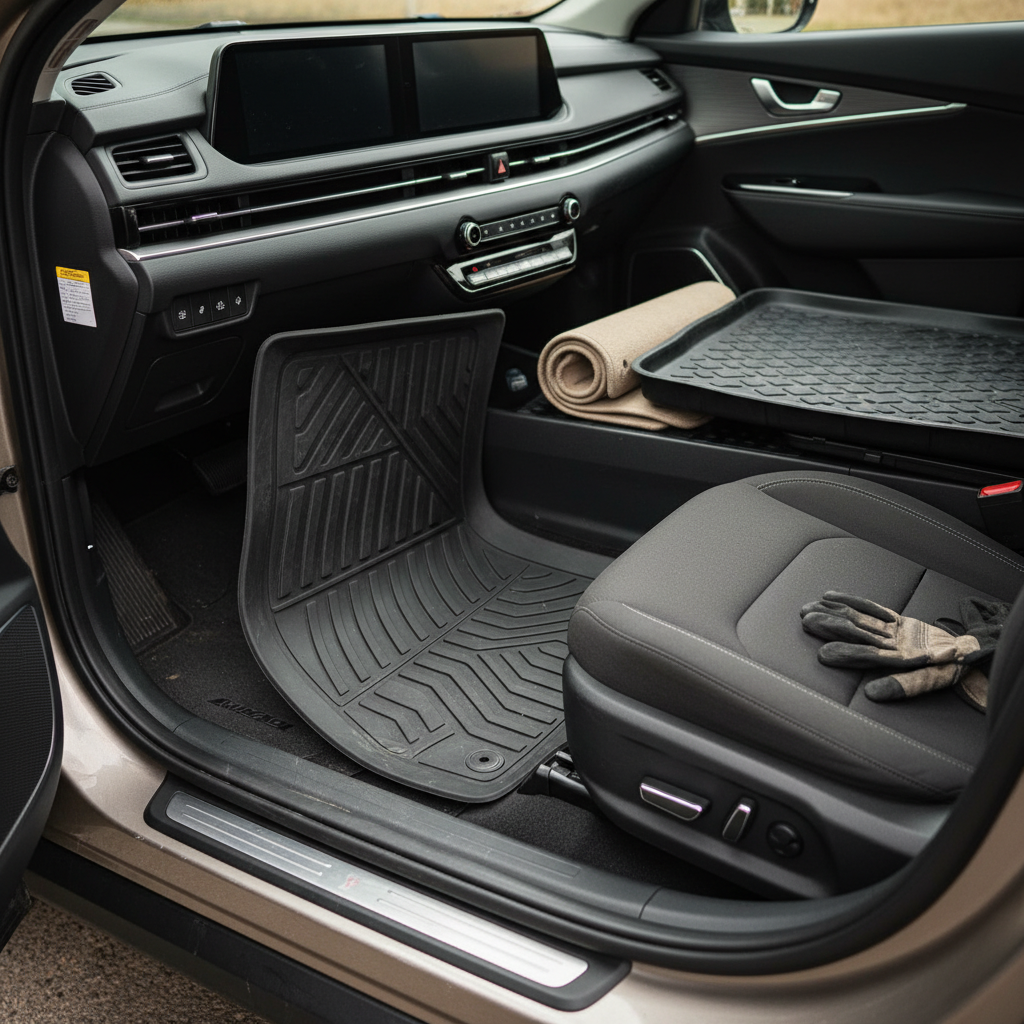
Inspect the trunk well, lift up rear floor mats, and check the frunk. Any dampness, mildew smell, or water marks on trim should prompt more questions.
4. Stress-test electronics
On the test drive, try everything: touchscreen functions, cameras, parking sensors, audio, HVAC modes, seat heaters, window operation, and mirrors. Intermittent issues are easiest to catch when you’re purposely cycling all features.
5. Drive over imperfect pavement
Seek out a rough road and listen: clunks from the front could signal worn suspension components; persistent rattles may point to loose interior trim that can be annoying to chase down.
6. Review service and software history
In the Tesla app or service records, confirm recall completion, prior repairs, and evidence of regular software updates. Gaps may signal an owner who didn’t stay engaged with maintenance.
7. Get a professional EV inspection or Recharged Score
If you’re new to EVs, lean on specialists. A third‑party EV inspection or a Recharged Score battery health scan gives you leverage when negotiating, and peace of mind when you drive away.
2019 Model 3 reliability vs other used EVs
When you stack the 2019 Model 3 against other compact luxury sedans, gas or electric, it lands in an interesting middle ground. It’s not Toyota‑Camry bulletproof, but it’s also not as trouble‑prone as some early luxury EVs or complex gas cars loaded with turbos and eight‑speed transmissions.
2019 Tesla Model 3
- Strengths: Solid battery and motor record, simple drivetrain, broad fast‑charging access.
- Weaknesses: Build quality quirks, service experience varies by region, high dependence on electronics.
Comparable gas sedans
- Strengths: Mature platforms, wide dealer service network, predictable maintenance schedules.
- Weaknesses: More moving parts to fail long‑term, engines, transmissions, emissions systems.
Other 2018–2020 EVs
- Strengths: Some (like Leaf or Bolt) have simpler interiors and fewer gadgets to break.
- Weaknesses: Shorter range, weaker fast‑charging, and in a few cases more serious battery defect histories than the Model 3.
Match the car to your use case
When a 2019 Model 3 is a smart buy, and when to walk away
The reliability story with any seven‑year‑old car is more about the specific vehicle in front of you than the name on the trunk. That’s especially true for a 2019 Tesla Model 3, where build quality and owner care vary widely.
Green flags vs red flags on a 2019 Model 3
Use this as a quick gut‑check while you shop
Green flags – worth serious consideration
- Documented service history, including completed recalls and software updates.
- Battery health that aligns with mileage (roughly 10–15% range loss at 60k–80k miles).
- Minimal water intrusion, no musty smells, clean under‑trunk and under‑mat areas.
- Previous owner mostly charged at home, garage‑kept in a moderate climate.
- Recharged Score or other third‑party battery report confirming strong pack health.
Red flags – consider walking away
- Multiple unexplained warning lights, especially battery, drive‑unit, or charging system alerts.
- Evidence of serious water leaks or corrosion around wiring and connectors.
- Rough, noisy suspension and visible uneven tire wear combined with unclear alignment history.
- Significant range loss vs original EPA estimate without clear explanation.
- Seller unwilling to share service history, Tesla app screenshots, or allow an independent inspection.
If you find a 2019 Tesla Model 3 that clears the red‑flag list and shows healthy battery data, you’re looking at an EV that can realistically deliver several more years and tens of thousands of miles of relatively low‑drama driving. At Recharged, every 2019 Model 3 we list comes with a Recharged Score battery health report, transparent pricing, and EV‑specialist support, which helps turn a complicated reliability question into a straightforward yes‑or‑no decision.