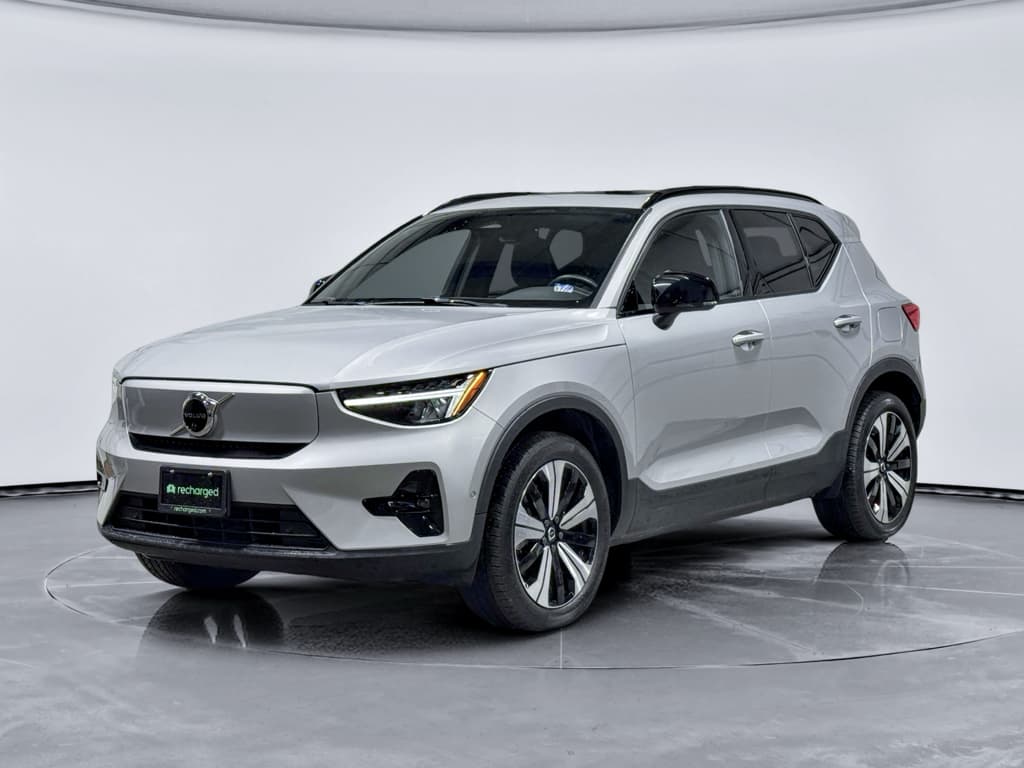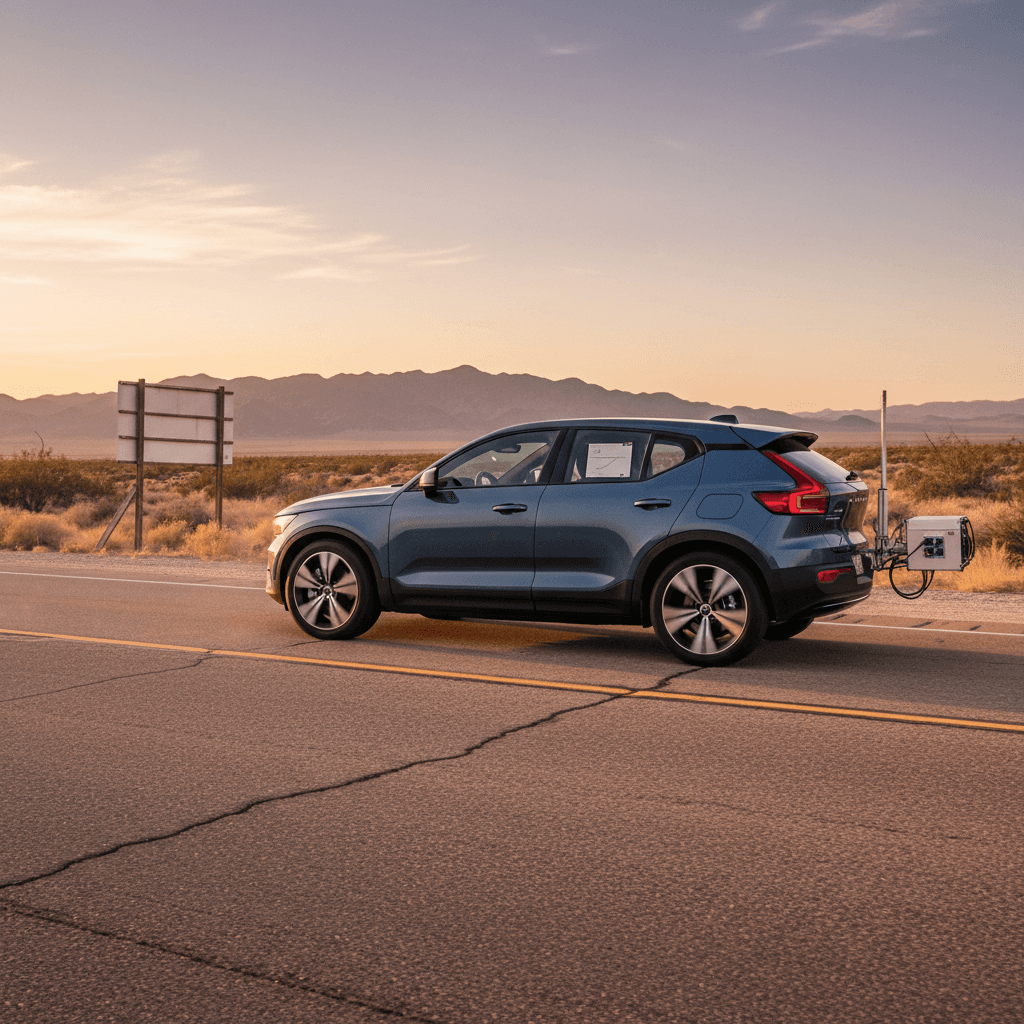
If you’re looking at a 2024 Volvo C40 Recharge, you’ve probably noticed the big headline number: up to 297 miles of EPA‑rated range for the Single Motor model. The obvious next question is what every EV shopper asks: how far does it really go in the wild, especially at highway speeds and in less‑than‑perfect weather? This 2024 Volvo C40 Recharge range test breakdown brings together official data and independent testing so you know what to expect in daily driving and on a road trip.
Key takeaway
2024 C40 Recharge range at a glance
2024 Volvo C40 Recharge range snapshot
For 2024, Volvo reworked the powertrains in its compact EVs. The Single Motor C40 Recharge switches to rear‑wheel drive with a more efficient 185 kW motor and an upgraded ~82 kWh battery (about 78–79 kWh usable). The result is that headline 297‑mile EPA estimate. The Twin Motor AWD model retains a smaller usable pack (around 75 kWh) but gets new, more efficient motors and software that can disengage the front motor when it’s not needed, bumping EPA range to roughly 257 miles.
Trim matters
EPA ratings vs real‑world range tests
EPA ratings are a useful comparison tool, but they don’t tell the whole story, especially for taller, less aerodynamic SUVs like the C40 Recharge. Independent testers who’ve driven the C40 and its XC40 sibling on fixed‑speed highway loops have consistently reported highway results that lag well behind the EPA window‑sticker numbers.
What the EPA says
- C40 Single Motor (RWD): ~297 miles combined EPA range.
- C40 Twin Motor (AWD): ~257 miles combined EPA range.
- EPA cycle mixes city and highway and allows for lower speeds and some stop‑and‑go driving.
What highway tests show
- MotorTrend’s 70 mph road‑trip test saw a C40 Twin Motor run out of usable energy around 172 miles.
- Car and Driver’s 75 mph test of the closely related XC40 Single Motor returned roughly 190 miles versus its 293‑mile EPA rating.
- The gap between lab ratings and real‑world highway results is larger than in many rival EVs.
Watch the highway penalty
How highway range tests are run
Different outlets use different procedures, but most serious 2024 Volvo C40 Recharge range tests follow a similar pattern: charge the vehicle to 100%, set cruise control at a fixed speed (usually 70 or 75 mph), run an out‑and‑back loop to cancel out wind and elevation, and drive until a set battery‑depletion threshold, often around 95% of usable capacity, is reached. That protocol isolates aero drag and efficiency at speed, something the EPA’s mixed cycle doesn’t fully capture.
- Start with a full, preconditioned battery and note odometer and state of charge (SoC).
- Drive a highway loop at a steady 70–75 mph using cruise control, replicating typical road‑trip speeds.
- Avoid drafting or heavy traffic that could skew results; repeat the loop in both directions to cancel wind and grade.
- Continue until the car reaches a low‑state‑of‑charge cutoff, often just above 0% indicated, to avoid stressing the pack.
- Divide miles driven by usable kWh consumed to get an efficiency figure in mi/kWh, then compare that to EPA numbers.
Why this matters to you
Single Motor vs Twin Motor: which C40 goes farther?
On paper, the Single Motor C40 Recharge is the clear efficiency champ: it uses a more energy‑dense 82 kWh pack (about 78–79 kWh usable) and drives only the rear axle. That’s why it earns the 297‑mile EPA sticker. The Twin Motor retains a smaller usable battery and adds the drag and consumption penalties of powering both axles, even with software that shuts off the front motor when cruising.
2024 Volvo C40 Recharge: Single vs Twin Motor range profile
Key differences that affect range and efficiency in daily use.
| Spec | Single Motor (RWD) | Twin Motor (AWD) |
|---|---|---|
| Usable battery capacity | ~78–79 kWh | ~75 kWh |
| EPA combined range | ~297 miles | ~257 miles |
| Typical highway range @ 70–75 mph (real‑world tests & extrapolation) | ~190–210 miles in mild weather | ~160–180 miles in mild weather |
| Drivetrain losses | Lower (one motor) | Higher (two motors, more weight) |
| Best use case | Longer daily commute, light road‑trip duty | Snow‑belt traction, performance feel, shorter hops |
Actual numbers will vary by wheel size, climate and driving style, but this is how the two configurations generally compare.
Which C40 Recharge is better for your range needs?
Think about where you drive, not just the spec sheet.
Single Motor: commuter & efficiency pick
If you mostly do suburban and city driving with occasional highway trips, the Single Motor C40 makes the most sense.
- Highest EPA rating and best efficiency.
- Simpler drivetrain, slightly less weight.
- Range deficit vs rivals still exists, but it’s the best C40 configuration for stretching miles.
Twin Motor: traction & confidence pick
If you live in a snow‑belt state or regularly drive on unplowed roads, the Twin Motor’s AWD may trump range concerns.
- Noticeably better traction in snow and heavy rain.
- Still respectable range for regional travel.
- Be prepared for more frequent fast‑charge stops on long trips.
City commute range vs road‑trip range
Like most EVs, the 2024 Volvo C40 Recharge is happier in the city than on the interstate. Stop‑and‑go traffic, moderate speeds and regenerative braking all work in your favor, allowing you to get closer to, or even slightly exceed, the EPA rating in temperate weather. On the highway, the tall, boxy shape and coupe‑like roofline work against it.
Typical urban/suburban use
- Speeds mostly under 55 mph.
- Frequent opportunities for regen braking.
- Less aero drag, so consumption stays low.
- Single‑motor owners in mild climates can realistically see 240–260 miles from a full charge in mixed use.
Typical road‑trip use
- Steady 70–75 mph highway, limited regen.
- Wind, elevation and cold all hit efficiency.
- Expect roughly 60–70% of EPA range, especially in colder months.
- Plan legs around 150–190 miles between DC fast charges, depending on trim and conditions.
Good news for daily drivers
How weather and driving style impact C40 range
Two C40 Recharge owners can see very different range numbers on the same day. That’s because climate control, speed and elevation changes matter as much as the battery spec. Volvo does include a heat pump on U.S.‑spec C40s, which helps in winter, but you’ll still see noticeable winter‑range losses, as with any EV.
Biggest real‑world range killers (and how to fight them)
1. Cold temperatures
Below about 40°F, expect the battery to be less efficient and cabin heating to draw significant power. Precondition the C40 while it’s plugged in and use seat/wheel heaters instead of cranking the HVAC.
2. High sustained speeds
Jumping from 65 to 75 mph can cut range by double‑digit percentages. If you’re trying to make a long leg between chargers, settling in at 68–70 mph can meaningfully extend your usable miles.
3. Aggressive acceleration
The Twin Motor’s instant torque is fun, but repeated full‑throttle launches add up. Smooth acceleration and using one‑pedal or high‑regen modes when available will keep consumption in check.
4. Big elevation changes
Climbing eats energy; descending gives some back but not all. When planning mountain drives, be conservative on uphill legs and use the C40’s trip‑computer consumption data as you go.
5. HVAC and accessories
Heated seats, defrosters, lights and audio all sip from the same battery. They’re minor individually, but in very cold or very hot weather, climate control can be a major demand.
Don’t ignore winter margins
Charging speeds, efficiency and trip planning
Range is only half the story; how quickly the C40 Recharge recovers miles at a charger matters just as much on a long run. The updated 2024 models can accept up to 200 kW on a DC fast charger in ideal conditions, taking the battery from 10% to 80% in about 28 minutes Plan around the car’s strengths, not just the map pin. The C40 charges fastest at lower states of charge. On dense corridor networks, it’s often quicker overall to take more frequent, shorter sessions from 10–60% than to sit from 10–100%. On routes with lots of CCS fast‑charge options, you can drive shorter legs and maintain a comfortable buffer, which offsets the C40’s below‑class‑leading range. If your route planner or third‑party app supports it, navigating to a DC charger ahead of arrival helps warm the pack. A warm battery charges faster and more consistently. Because the 2024 C40 Recharge got meaningful efficiency and range updates, it’s becoming a compelling used‑EV candidate. But as with any pre‑owned EV, the real question is: how healthy is the battery, and how much real‑world range does this particular car still deliver? That’s where standardized diagnostics and transparent reporting are worth their weight in kWh. Every EV sold through Recharged comes with a Recharged Score Report that includes verified battery health and range‑relevant data, not just a guess from the dash. Looking across the available 2024 Volvo C40 Recharge range tests, a clear pattern emerges. The updated Single Motor model delivers respectable real‑world miles in mixed driving and can be a very easy commuter if you charge at home. The Twin Motor adds useful all‑weather capability but trades away some efficiency and highway range. On long road trips at American interstate speeds, both versions lag behind the class leaders, so you’ll want to plan conservative legs between chargers. If that trade‑off suits your driving pattern, and you value Volvo’s design, safety focus and compact footprint, the 2024 C40 Recharge can still be the right EV, especially as depreciation brings used examples into more accessible price brackets. When you shop through Recharged, you get transparent battery‑health data, fair‑market pricing and EV‑specialist guidance, so you can buy a C40 Recharge with a clear, realistic picture of the range you’ll see on your own roads.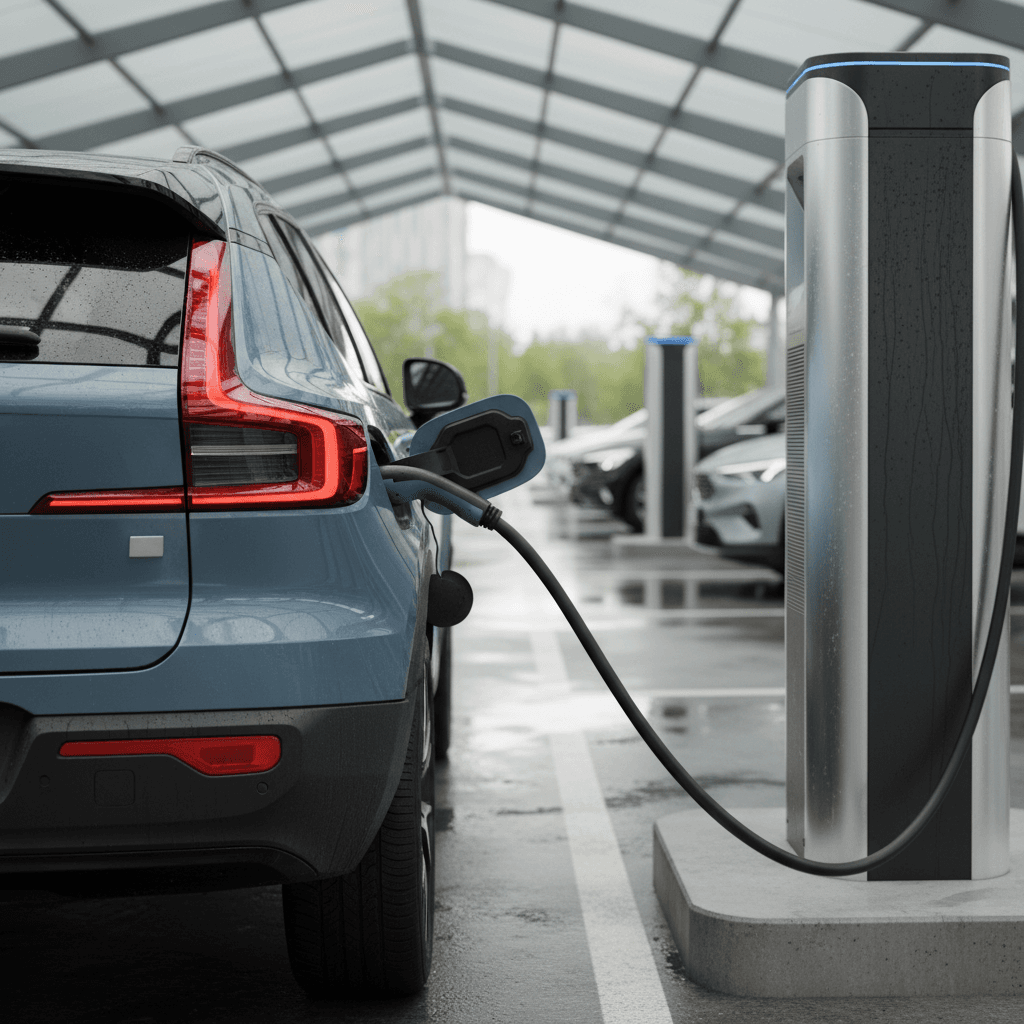
Turn C40 charging stops into efficient road‑trip legs
Aim for 10–60%
Use charger‑rich corridors
Precondition when possible
Fast‑charging on a used C40
Shopping used? Range and battery checks that matter
What to look for on a test drive
How Recharged helps you de‑risk a used C40
Why this matters on a used EV
2024 Volvo C40 Recharge range: FAQ
Frequently asked questions about 2024 C40 Recharge range
Bottom line: what to expect from C40 Recharge range