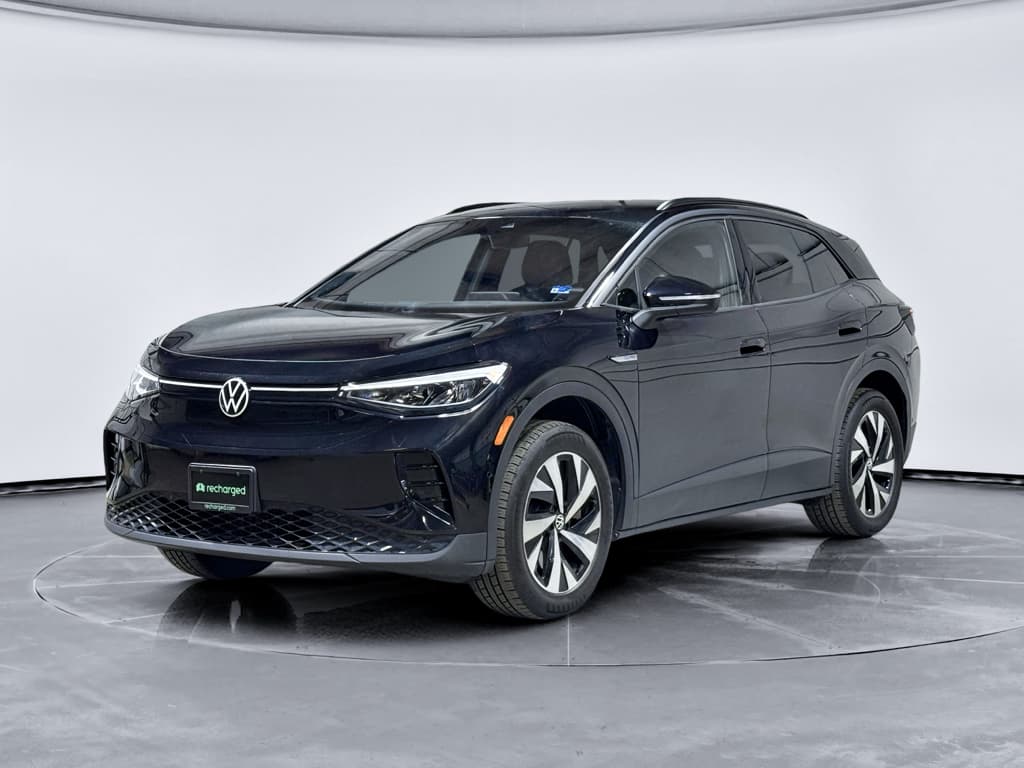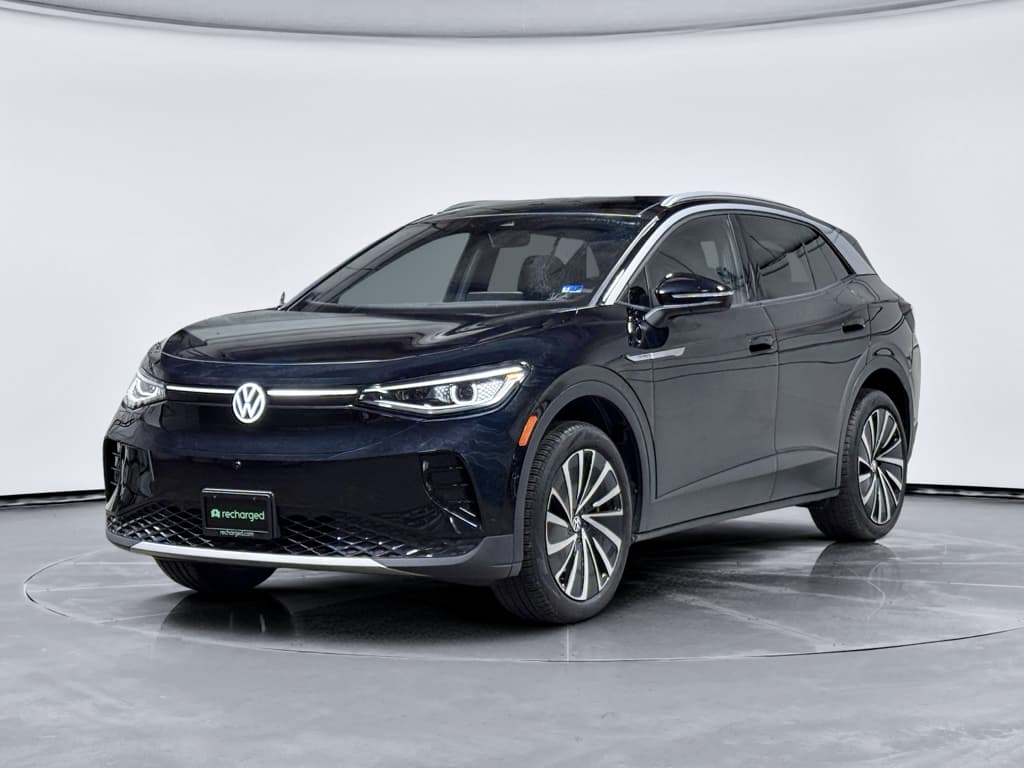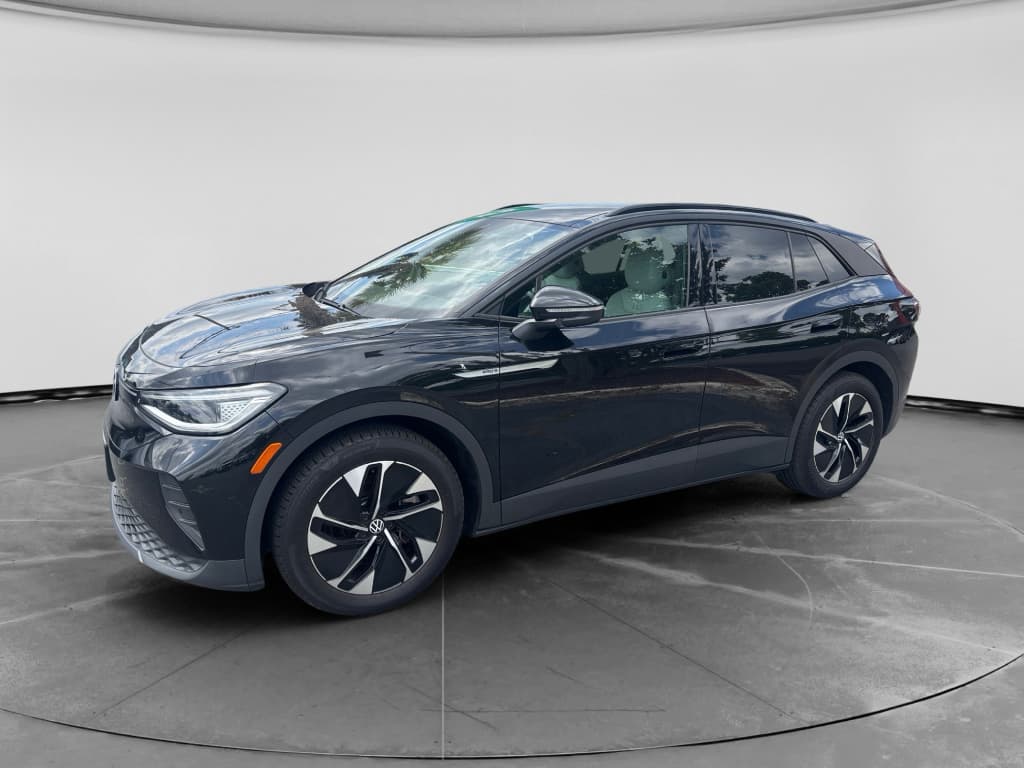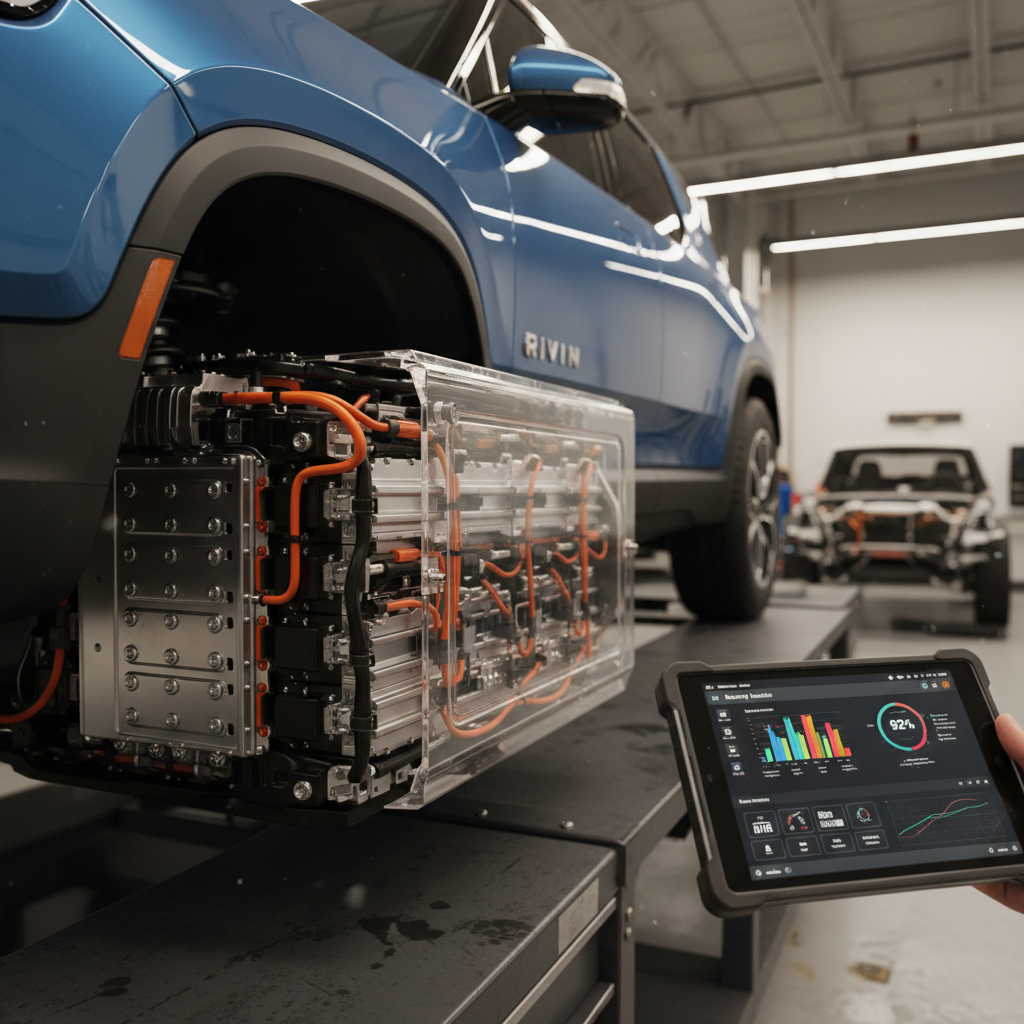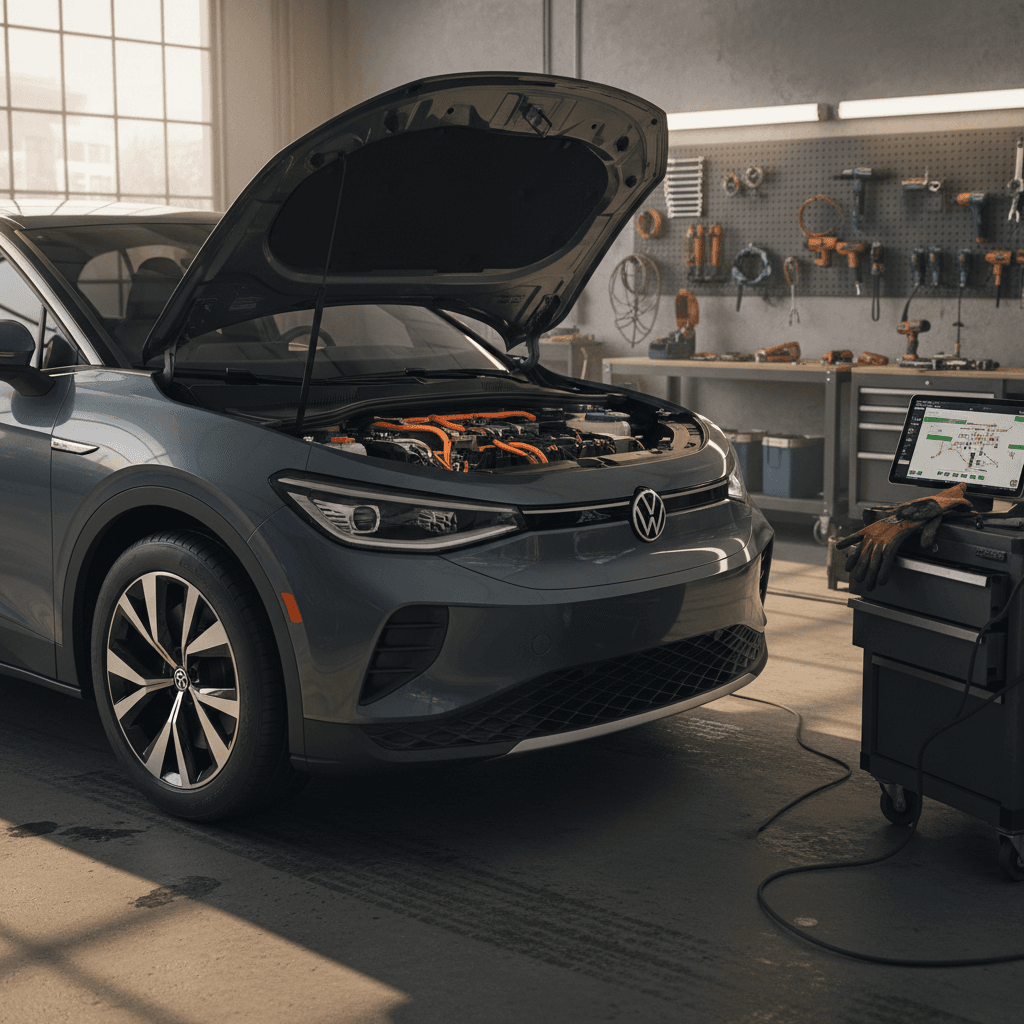
If you own, or are thinking about buying, a 2024 Volkswagen ID.4, you’ve probably heard about recent battery fire‑risk campaigns and software fixes. This 2024 Volkswagen ID.4 recalls list pulls together the major U.S. recall actions that touch the 2024 model year, explains what each one actually means, and shows how to check that your SUV is up to date.
Scope of this guide
Overview: 2024 Volkswagen ID.4 recalls at a glance
Key recall themes for the 2024 Volkswagen ID.4
At a high level, 2024 ID.4 recalls concentrate on the high‑voltage battery pack and on software that controls the instrument cluster and warning displays. The big headline in 2025–2026 has been the possibility of battery overheating and fire, but there’s also at least one broad software campaign that touches 2024‑model vehicles.
Model‑year vs. build‑date matters
Recall timeline for the 2024 ID.4
Major U.S. recall actions that can include 2024 ID.4s
Approximate timing and focus of the main campaigns that touch the 2024 model year. Always confirm applicability with a VIN lookup.
| Approx. launch | NHTSA campaign / VW code | Affects 2024 ID.4? | Primary issue | Remedy type |
|---|---|---|---|---|
| Late 2024 | 24V-651 (VW 919A predecessor) | Some overlap via software lineage but primarily 2021–2023 | Instrument cluster/center display may not boot or may reset, potentially hiding speed or rear‑camera image | Dealer software update |
| Late 2025 | 25V836 (VW 93EV or similar battery campaign) | Yes – specific 2023–2024 VINs | High‑voltage battery issue identified in limited batch of packs | Pack inspection and replacement or repair |
| Early 2026 | 26V030 (VW 93EA) | Yes – 2023–2025 ID.4, including many 2024s | Missing or incorrect battery self‑discharge detection software could allow overheating and fire risk | Software update to battery management plus charging/use restrictions until fixed |
Timeline is simplified for shoppers; exact build ranges and dates are defined in each official NHTSA recall report.
Why you see different campaign numbers
High-voltage battery fire‑risk recall (26V030 / VW 93EA)
The most significant recall touching the 2024 ID.4 is a high‑voltage battery campaign launched in early 2026, known within NHTSA’s system as 26V030 and internally at Volkswagen as campaign 93EA. It applies broadly to 2023–2025 ID.4s built at the U.S. plant, which includes a large share of 2024‑model vehicles.
What the 26V030 / 93EA battery recall covers
Why it exists, what VW is doing, and what it means for everyday use.
The defect
The affected ID.4s may be missing or running incorrect self‑discharge detection software in the high‑voltage battery management system. In rare fault conditions, that can allow excessive heat buildup in the pack.
The risk
Without the proper software safeguards, a damaged cell or internal short could lead to thermal runaway and a battery fire, including while the vehicle is parked and charging.
The remedy
Volkswagen’s fix is a software update to the battery control system, installed at a dealer. In some edge cases, additional inspection or hardware repair may be required.
Temporary use restrictions are serious
Practically, this recall can be disruptive. If you normally charge your 2024 ID.4 in a garage under a bedroom, outdoor charging and charge‑level limits may feel like a significant lifestyle change. Still, it’s critical to follow the guidance until the update is installed.
Owner checklist for the high‑voltage battery recall
1. Run a VIN recall check
Use NHTSA’s recall lookup or Volkswagen’s owner portal to confirm whether 26V030 / 93EA applies to your 2024 ID.4 and whether it’s still open.
2. Ask dealer about wait times
Because this is a large campaign, some dealers are scheduling battery‑software appointments several weeks out. Get on the calendar as soon as possible.
3. Follow all interim instructions
If your letter or dealer advises outdoor parking or charging limits, treat those as non‑negotiable safety steps until the fix is done.
4. Document everything
Keep copies of recall letters, texts, and repair orders. For used‑vehicle shoppers, this documentation helps prove that the recall has been properly addressed.
Misaligned battery electrode recall (small 2023–2024 batch)
Separate from the software‑only campaign, Volkswagen also launched a much smaller recall covering roughly a few hundred 2023–2024 ID.4s built with a manufacturing defect in certain battery cells. In those vehicles, a misaligned electrode inside the pack could increase the risk of an internal short and fire.
Who is affected?
This cell‑manufacturing recall is tied to a specific batch of high‑voltage battery packs. Only a limited VIN range of 2023–2024 ID.4s is involved, so many 2024‑model vehicles are unaffected.
Because the population is small, you’re unlikely to stumble across one by accident, but if you do, you’ll want proof that the pack has been inspected or replaced.
What dealers do
Dealers follow a VIN‑based inspection protocol. If your 2024 ID.4 falls in the affected range, they may:
- Inspect the battery pack or specific modules, and
- Replace the entire pack or modules if the defect can’t be ruled out.
Either way, the work is performed at no cost to you as part of the recall.
Good news for used‑EV shoppers
Instrument cluster & display software recalls (24V-651 / 919A)
While earlier software recalls like 919A officially applied to 2021–2023 ID.4s, owners and technicians have noted that similar software fixes and updates continue to roll forward into newer builds, including 2024‑model vehicles. The root issue: instrument clusters and center screens that may fail to boot, reset intermittently, or hide required safety information such as vehicle speed or rear‑camera view.
Common symptoms software recalls aim to fix
Even if a campaign code doesn’t explicitly say “2024,” newer builds often receive the same software remedies.
Blank or frozen cluster
The digital instrument panel may stay black or freeze after startup, leaving you without speed or warning‑light info.
Center display reboot loops
The infotainment screen may restart over and over, which can temporarily remove the backup camera image or settings.
Non‑compliant warnings
Because U.S. safety rules require certain information to be visible, a non‑functioning screen can trigger a safety recall even if the underlying car still drives "normally."
Over‑the‑air vs. dealer visits
How serious are the 2024 ID.4 recalls?
Battery fire‑risk recalls: high priority
Anything involving the high‑voltage battery and fire risk deserves immediate attention. Even if the statistical risk is low, the potential consequences, damage to your home, vehicle, and personal safety, are severe.
That’s why you’ll see strong interim instructions like parking outdoors and limiting charging until the software fix is in place.
Display/software recalls: moderate, but not optional
Cluster and infotainment recalls may feel like “annoyances,” but they still matter. Losing speed display or rear‑camera feed can raise crash risk and puts the car out of technical compliance with federal safety rules.
You shouldn’t ignore them, but they don’t carry the same overnight‑parking urgency as battery‑fire campaigns.
Safety vs. resale value
What 2024 ID.4 owners should do right now
Four steps to get your 2024 ID.4 recall‑clean
1. Run a VIN check with NHTSA and VW
Search your VIN on the NHTSA website and in Volkswagen’s owner portal. This will show <strong>all open recalls and service campaigns</strong>, including battery and software items.
2. Prioritize battery‑related campaigns
If your VIN shows recalls tied to the high‑voltage battery (like 26V030 / 93EA), schedule that work first and follow all interim instructions until the fix is done.
3. Bundle recalls with scheduled service
Ask your dealer to perform any outstanding recalls at the same time as routine maintenance or warranty work. It minimizes downtime and extra trips.
4. Keep digital and paper records
Save recall letters and repair orders. If you later sell or trade the car, especially through a digital retailer like <strong>Recharged</strong>, that documentation helps validate that recall work is up to date.
Ask for a detailed repair order
Shopping for a used 2024 ID.4? Recall checklist
The 2024 ID.4 can be an appealing used‑EV buy: updated hardware versus early model years, but often priced below newer 2025–2026 examples. However, the recent wave of recalls means you’ll want to do a little extra homework before signing a contract.
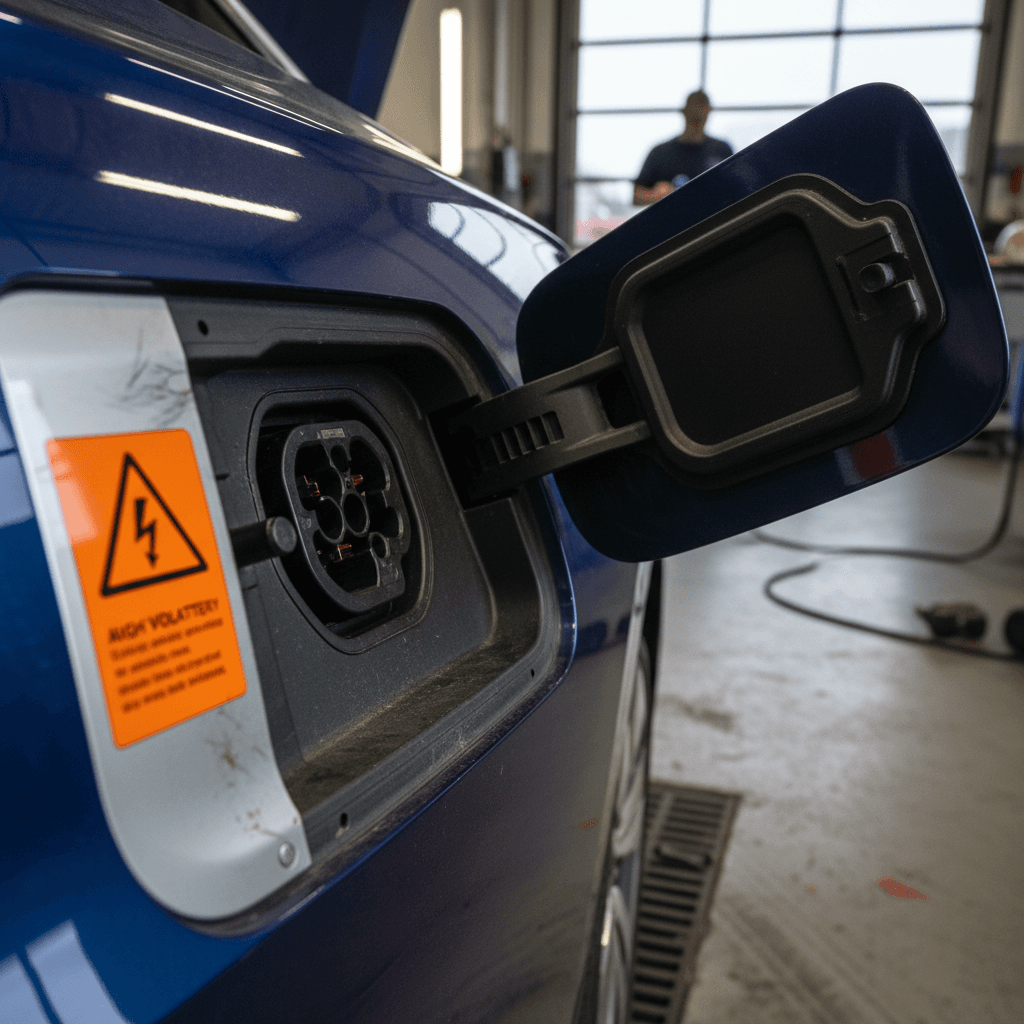
Used‑buyer checklist: 2024 Volkswagen ID.4 recalls
1. Pull a fresh VIN recall report
Before you talk price, run the VIN through both NHTSA and Volkswagen’s recall tools. Print or save the results so you know which campaigns are open, and which are already completed.
2. Match paperwork to campaigns
Ask the seller for <strong>dealer repair orders</strong> showing completion of any battery‑ or software‑related recalls. The campaign numbers on those forms should match what you saw in the VIN report.
3. Ask where the car is usually charged
For vehicles still under a battery recall, a history of overnight charging inside a tightly packed garage may raise extra caution. If remedies are done and documented, indoor charging should be fine again.
4. Consider how recalls affect timing
If a 2024 ID.4 you love still has open recall work, decide whether you’re comfortable buying now and scheduling the fix yourself, or whether you’d rather have the seller complete it before delivery.
5. Use recall status in price negotiations
Completed battery‑safety work can be a selling point. Open high‑priority recalls, on the other hand, may justify asking for a price adjustment or additional assurances.
How Recharged handles recall‑heavy models
Ready to find your next EV?
Browse VehiclesRecalls vs. warranty vs. Recharged Score: what’s the difference?
Recalls
A safety recall is ordered or overseen by NHTSA when a defect creates an unreasonable safety risk or violates a federal standard. Repairs are performed for free, whether you’re the first owner or the third.
Recalls follow the VIN, not the owner, and remain open until the repair is recorded as complete.
Warranty
Your 2024 ID.4 also has a factory warranty that covers certain failures and defects for a limited time and mileage. Warranty work can fix a lot of issues that never rise to the level of a recall.
Unlike recalls, warranties do expire, and coverage may differ between basic and battery components.
Recharged Score
At Recharged, every EV we list, including the ID.4, comes with a Recharged Score that measures battery health, pricing fairness, and overall vehicle condition.
We use advanced diagnostics to estimate usable battery capacity, then combine that with history and market data, so you see far beyond the raw recall list.
How this helps you shop smarter
FAQ: 2024 Volkswagen ID.4 recalls
Frequently asked questions about 2024 ID.4 recalls
Bottom line: Is a 2024 ID.4 still a safe bet?
The recent high‑voltage battery and software recalls have given some shoppers pause, but a 2024 Volkswagen ID.4 with completed recall work is still a fundamentally solid, family‑ready EV. In many ways, recall campaigns show the system working as intended: when automakers and regulators find problems, they push fixes out into the field.
If you already own a 2024 ID.4, your job is straightforward: run a VIN check, prioritize battery‑related campaigns, and keep records of everything. If you’re shopping used, combine that same recall due‑diligence with a close look at battery health and condition. Platforms like Recharged can streamline that process with transparent Recharged Scores, verified service history, and EV‑specialist support from first click to delivery.
Handled thoughtfully, the current wave of recalls doesn’t have to scare you away from the 2024 ID.4. Instead, it can help you separate risky, poorly documented examples from the well‑maintained, recall‑clean SUVs that are worth a closer look.