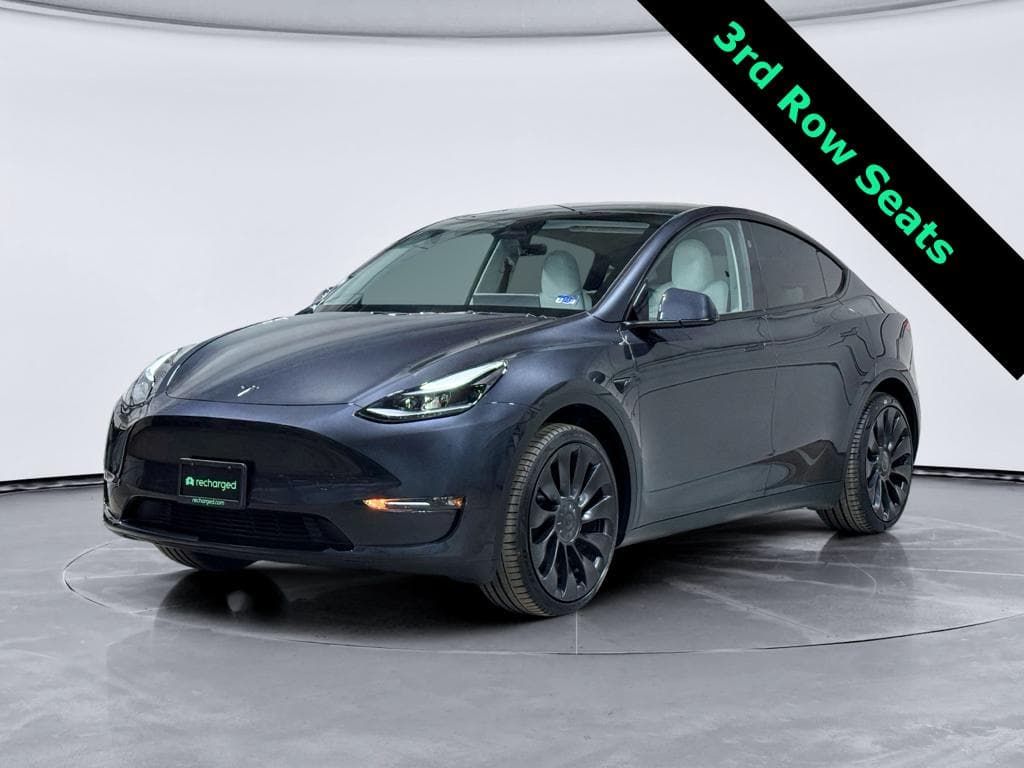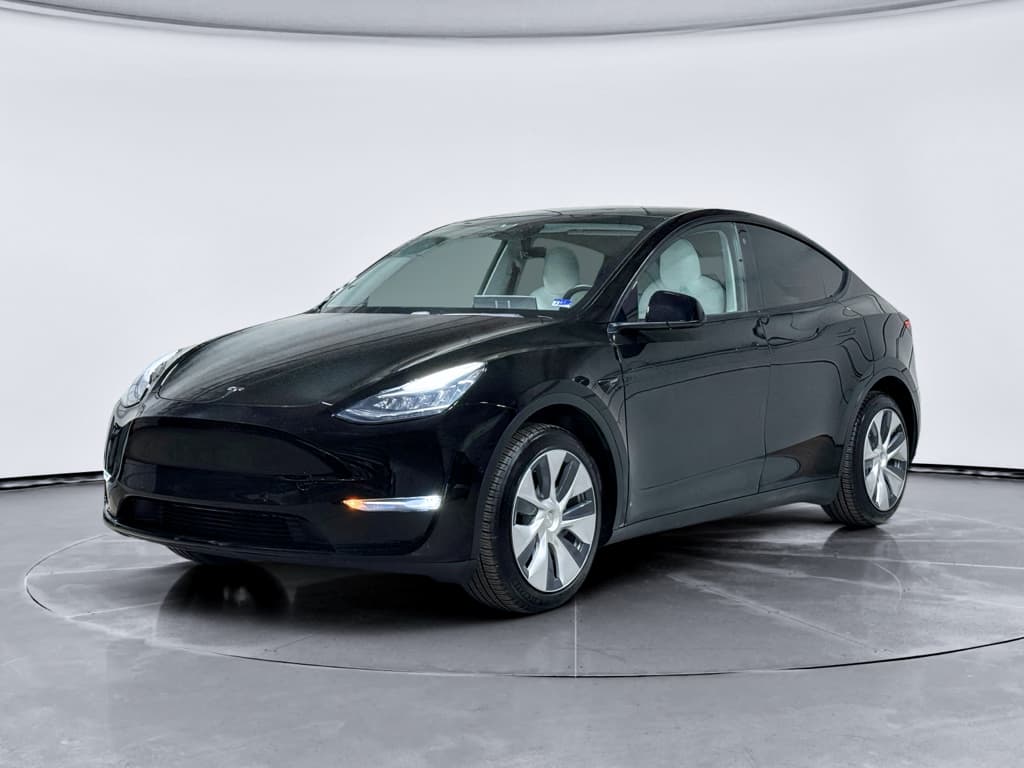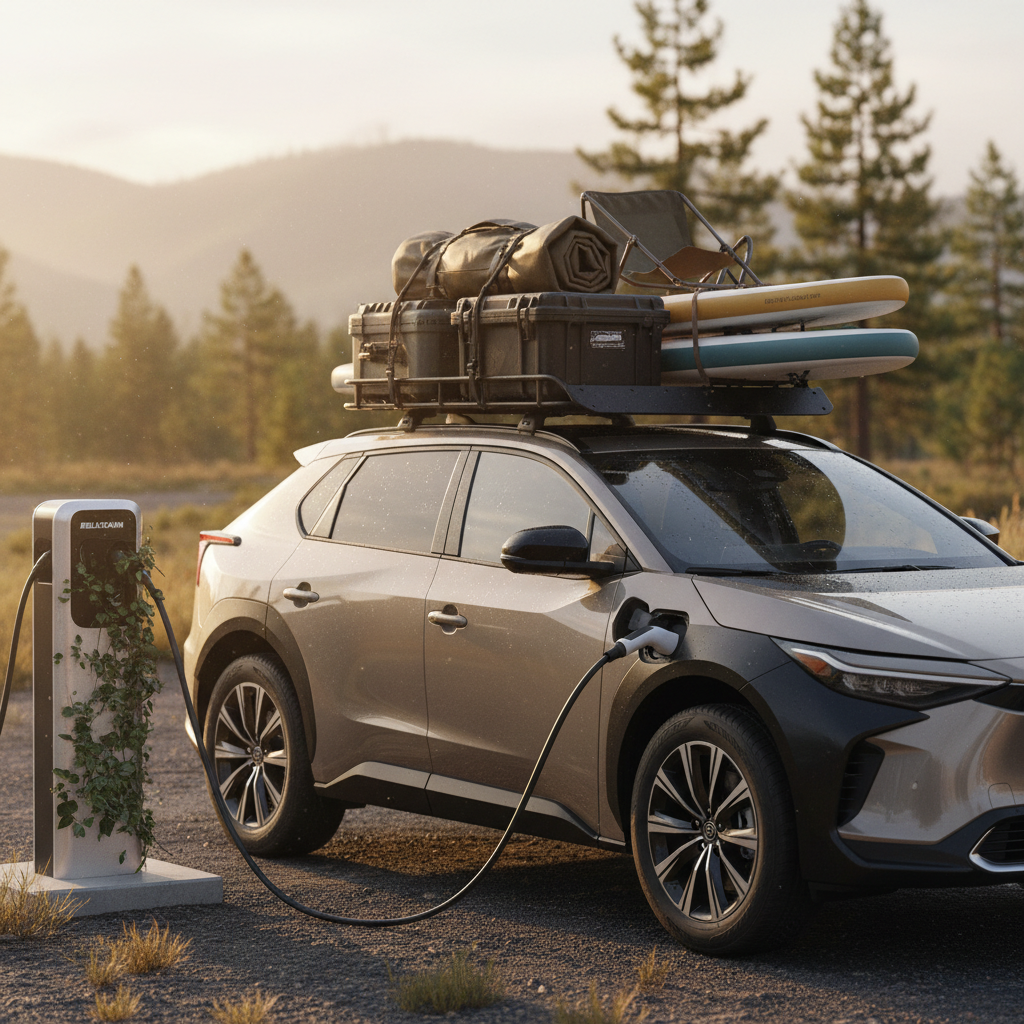
The 2024 Tesla Model Y isn’t the newest EV on the block, but it’s still the benchmark every other electric SUV is measured against. It’s been the world’s best‑selling vehicle recently and continues to post huge numbers in 2024, thanks to strong range, simple trims, constant over‑the‑air updates, and aggressive pricing. If you’re considering a new or used Model Y, you need to know what Tesla actually delivered for the 2024 model year, and where competitors have started to catch up.
At a glance
2024 Tesla Model Y overview
2024 Tesla Model Y: Key numbers
For 2024, Tesla positions the Model Y as a mainstream family EV rather than a niche tech toy. It shares its platform and much of its hardware with the Model 3 sedan, but adds a higher seating position, hatchback practicality and available all‑wheel drive. Shoppers typically cross‑shop it with compact gasoline SUVs like the Toyota RAV4 and Honda CR‑V, as well as EVs such as the Hyundai Ioniq 5, Kia EV6, Ford Mustang Mach‑E and Volkswagen ID.4.
Tesla doesn’t follow traditional model‑year changeovers, but vehicles titled as 2024 Model Y in the U.S. market share a consistent feature set: dual‑motor all‑wheel drive on most units, a large centralized touchscreen in place of a traditional gauge cluster, standard Autopilot driver‑assist, and access to Tesla’s Supercharger network. A rear‑wheel‑drive base model appears in some markets, often with a slightly smaller battery and lower price.
What’s new for the 2024 Tesla Model Y?
Tesla’s running‑change strategy means you won’t see a traditional facelift every three or four years. Instead, software and small hardware changes roll in quietly. For 2024‑titled Model Y vehicles sold in the U.S., updates are relatively subtle compared with earlier years, especially with a more significant refresh coming later. Still, there are a few trends that matter to buyers:
- Pricing adjustments throughout late 2023 and 2024 made the Model Y more competitive versus gas crossovers and rival EVs, especially after federal EV tax‑credit rules shifted.
- Tesla continued to refine its Autopilot and Full Self‑Driving (FSD) software, with over‑the‑air updates improving lane‑keeping behavior, visualizations, and driver‑monitoring logic.
- Interior tweaks, including optional new wheel designs, minor trim/color updates, and small fit‑and‑finish improvements from newer factories, help address some early build‑quality concerns.
- Behind the scenes, Tesla keeps adjusting battery chemistry and motor hardware for cost and efficiency, which can slightly change real‑world range or fast‑charging behavior by production batch.
How to confirm equipment
Range, battery and charging performance
Range is the number that sells EVs, and it’s a big reason the 2024 Tesla Model Y still dominates. Exact EPA ratings vary with wheel size and whether you choose a rear‑drive or dual‑motor version, but most 2024 models land somewhere in the mid‑200s to low‑300s for rated miles on a full charge.
Approximate 2024 Model Y trims and range
These figures are representative of typical 2024 Model Y configurations; exact ratings vary by wheel size and market.
| Trim (typical U.S.) | Drivetrain | EPA‑rated range* | 0–60 mph (approx.) |
|---|---|---|---|
| Base / RWD (where offered) | Single motor, rear‑wheel drive | ~260 mi | ~6.0 sec |
| Long Range AWD | Dual motor, all‑wheel drive | ~310–330 mi | ~4.7 sec |
| Performance AWD | Dual motor, all‑wheel drive | ~280–300 mi | ~3.5 sec |
Always check the Monroney label or Tesla’s order page for the exact EPA rating on a specific vehicle.
Real‑world range reality check
Battery capacity sits in the mid‑70s to low‑80s kWh usable for most 2024 cars, depending on variant and battery supplier. The Model Y remains one of the most efficient EVs in its class, so you get strong range from a pack that isn’t oversized, a factor that helps with both cost and weight.
Charging: Home and road‑trip behavior
At home, the Model Y supports Level 2 AC charging up to roughly 11 kW, which translates to about 30–40 miles of range added per hour from a 240‑volt, 48‑amp circuit. Many owners fully recharge overnight. On the road, the SUV taps into Tesla’s dense Supercharger network, which is being opened up gradually to non‑Teslas as more automakers adopt Tesla’s NACS connector.
Supercharging strengths
- High power: Depending on the site, peak rates around 170–250 kW are common, especially at newer V3 stations.
- Simple experience: Plug in and walk away; billing and authentication happen automatically through your Tesla account.
- Network density: In much of the U.S. and Europe, Superchargers are placed on major travel corridors, making road‑trip planning straightforward.
Charging tradeoffs
- Shared stalls: Power can taper if you share a cabinet with another car at busy sites.
- Cold‑weather prep: For best speeds in winter, you’ll want to pre‑condition the battery before arriving at a fast charger.
- Peak pricing: Supercharging rates vary widely by location and time of day, so road‑trip energy can cost more than home charging.
On-road performance and driving experience
Even in its more affordable trims, the 2024 Model Y is quick. Instant torque from the electric motors makes merging and passing effortless, and the low center of gravity from the battery pack keeps body roll in check. Dual‑motor versions add strong all‑weather traction and the kind of punch that used to be reserved for performance SUVs.
How the 2024 Model Y drives
Strengths and weaknesses behind the wheel
Acceleration
Even the Long Range AWD has sports‑sedan thrust from 0–60 mph. The Performance variant is legitimately fast, with launch control‑like sprints that can surprise passengers.
Ride & handling
Steering is quick and direct, and the Y feels lighter on its feet than many gas crossovers. However, the ride can feel firm or choppy over broken pavement, especially on larger wheels.
Noise & refinement
The cabin is generally quiet at city speeds, though wind and tire noise are more noticeable on the highway than in some luxury‑branded rivals. Over‑the‑air tweaks to suspension and traction behavior help, but this isn’t the softest‑riding EV.
Heat pump advantage
Interior space, tech, and build quality
Open the door of a 2024 Tesla Model Y and you’re greeted by a minimalist interior: a single 15‑inch touchscreen in the center of the dash handles almost everything, from navigation and climate control to wiper settings. A panoramic glass roof helps the relatively narrow cabin feel airy, and the hatchback layout delivers a generous cargo area for the footprint.
2024 Model Y interior highlights
Key measurements and usability notes for families and commuters.
| Area | Comment | Practical takeaway |
|---|---|---|
| Front seating | High seating position with good outward visibility, manually adjustable steering column via on‑screen controls. | Easy to live with once you adapt to the screen‑first interface. |
| Rear seating | Plenty of legroom for adults; headroom is adequate but not class‑leading because of the sloping roofline. | Comfortable for two adults or three kids across for road trips. |
| Cargo space | Large rear hatch opening and split‑fold rear seats; deep under‑floor storage and small front trunk. | Swallows strollers, luggage, and Costco runs more easily than many sedans. |
| Cabin storage | Open center console, wireless phone charging pads, and door pockets. | Enough small‑item storage for daily family use. |
Exact dimensions vary slightly by market and seating configuration, but the Model Y is solidly in compact‑SUV territory.
Build quality still varies
Infotainment and software experience
On the tech front, Tesla’s strength shows. The 2024 Model Y runs an evolved version of Tesla’s in‑house software with snappy responses, crisp mapping, and a robust native trip planner that factors in charging stops and real‑time Supercharger availability. Built‑in streaming apps, games, and frequent over‑the‑air updates keep the cabin feeling current, though traditionalists may miss Apple CarPlay or Android Auto, neither is offered.
Safety ratings and driver-assistance tech
Safety is one of the Model Y’s calling cards. The SUV has earned strong crash‑test scores and top marks for its active safety systems. The 2024 Tesla Model Y with all‑wheel drive continues to perform well in independent testing, including advanced ratings for front crash prevention and pedestrian detection.
2024 Model Y safety highlights
Where Tesla’s compact SUV stands out, and where it raises questions
Passive and active safety
- Rigid battery structure and low center of gravity contribute to excellent crash performance.
- Standard active safety features include automatic emergency braking, lane‑keeping assist, blind‑spot monitoring via camera views and chimes, and adaptive cruise control.
- Multiple agencies continue to give the Model Y top marks in crashworthiness and crash‑avoidance tests.
Autopilot & FSD considerations
- Every Model Y includes Autopilot, which combines adaptive cruise and lane‑centering on highways.
- Optional “Full Self‑Driving” adds features like automatic lane changes, traffic‑light recognition, and limited city‑street automation, but still requires full driver attention.
- High‑profile crashes and regulatory scrutiny mean shoppers should treat these systems as advanced driver aids, not self‑driving replacements.
Driver-assistance isn’t self-driving
Cost of ownership and resale value
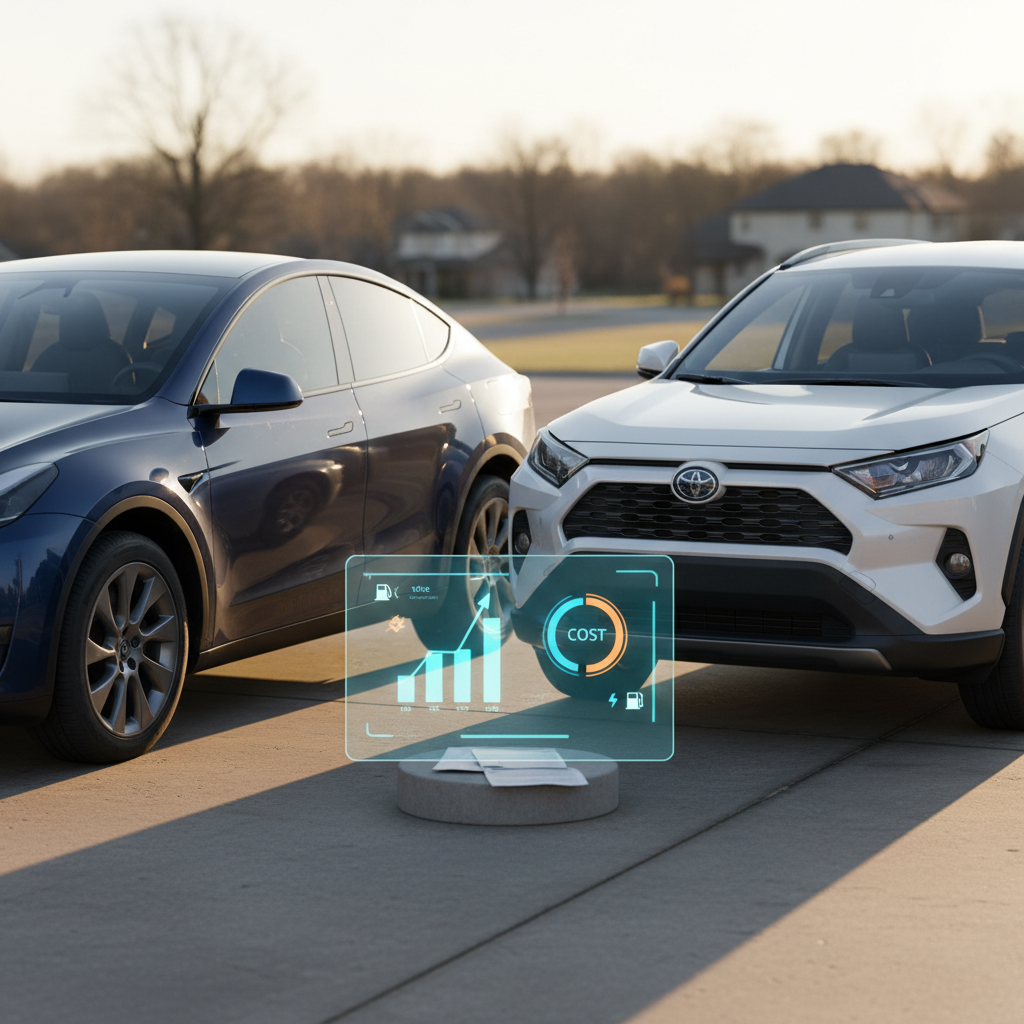
On paper, a 2024 Tesla Model Y often stickers higher than a comparable gas crossover. But ownership math looks different when you factor in fuel, maintenance and resale. Electricity is generally cheaper per mile than gasoline, and the Model Y’s simple powertrain eliminates oil changes, timing belts, and transmission service. Brakes often last longer thanks to regenerative braking.
Running costs
- Energy: Home charging on a typical residential rate often costs the equivalent of paying roughly $1–$1.50 per gallon of gas, depending on your local utility.
- Maintenance: Cabin air filters, brake fluid checks, tires and wiper blades make up most routine service. There’s no traditional engine to service.
- Insurance: Premiums can be higher than equivalent gas SUVs, especially for Performance models; shop quotes before you buy.
Resale and depreciation
- The Model Y has been one of the strongest‑resale EVs globally, helped by demand and brand recognition.
- Price cuts on new Teslas can cause used values to adjust downward quickly, but also improve affordability for second owners.
- Battery health is a key variable; a well‑cared‑for pack should retain a large majority of its capacity after 5–8 years, but usage and climate matter.
How Recharged helps with cost clarity
Ready to find your next EV?
Browse Vehicles2024 Model Y vs key rivals
In 2020, Tesla’s compact SUV largely had the field to itself. By 2024, rivals have arrived with compelling styling, roomier cabins and strong tech of their own. Here’s how the Model Y conceptually stacks up against some of the most common alternatives U.S. shoppers consider.
Model Y vs other electric SUVs
Where Tesla leads, and where competitors catch up
Hyundai Ioniq 5 / Kia EV6
Both Korean cousins offer bold styling, super‑fast 800‑volt DC charging, and comfortable rides. They can feel more refined on the highway, but don’t match the Model Y’s Supercharger access or software polish.
Ford Mustang Mach‑E
Ford’s EV brings a familiar badge and a more traditional cockpit with a digital gauge cluster. Range and performance are competitive, but charging networks and software updates still lag Tesla in consistency.
Volkswagen ID.4 & others
The ID.4, Nissan Ariya and similar EV crossovers generally prioritize comfort and simplicity over outright performance. They can undercut the Model Y on price but often deliver shorter range and less engaging dynamics.
How to comparison-shop smartly
Buying a used 2024 Tesla Model Y
Because Tesla sells in high volume and has already produced more than a million Model Ys globally per year, used supply is growing quickly. A 2024‑titled Model Y hitting the used market today is likely coming off a short‑term lease, fleet duty, or an early trade‑in from shoppers chasing the latest refresh. That’s good news if you want nearly new tech without taking the full brunt of first‑year depreciation.
Used 2024 Model Y: What to check before you buy
1. Battery health and fast-charging history
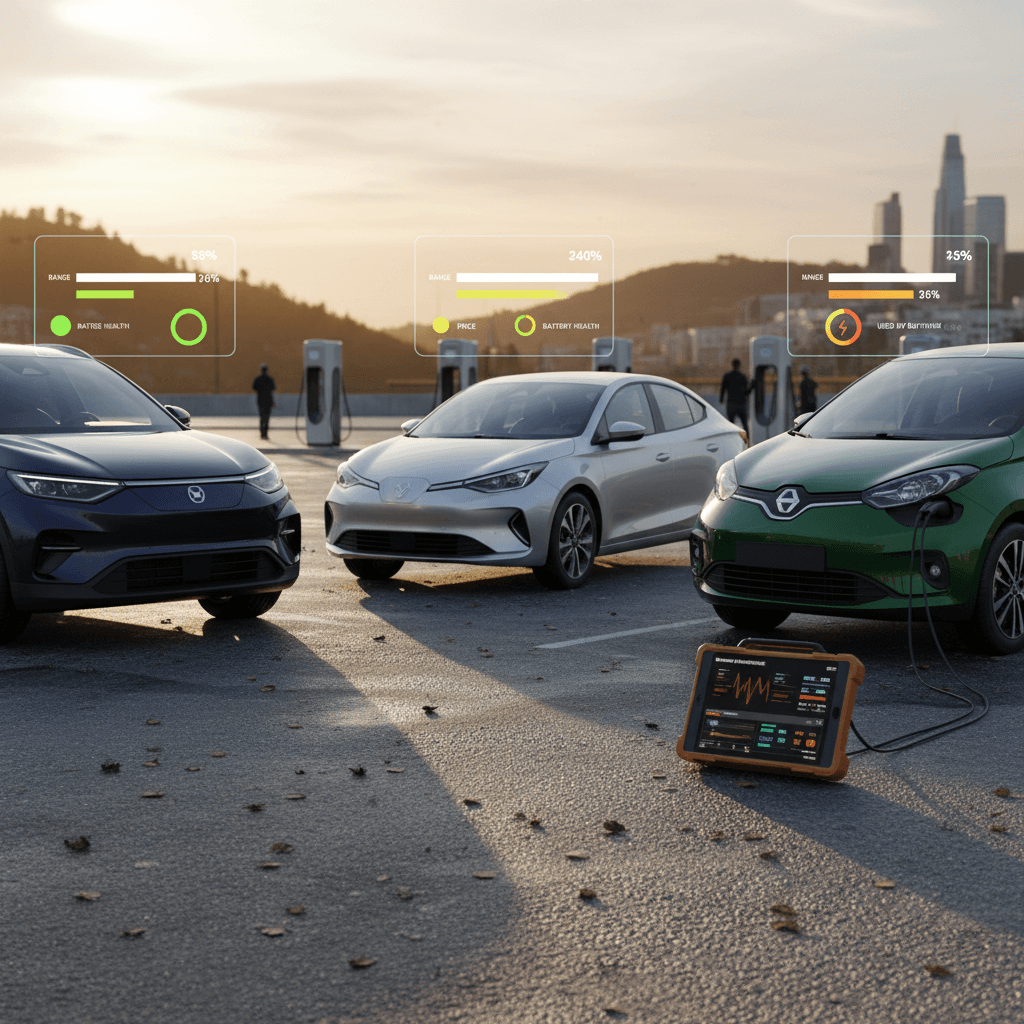
Ask for a battery‑health report or at least review the estimated range at 100% charge to spot unusual degradation. Heavy fast‑charging and sustained high states of charge can stress the pack over time.
2. Software and feature set
Confirm which driver‑assistance and connectivity features are active on that specific VIN. FSD capability and premium connectivity can transfer or be removed, depending on Tesla’s policies and prior ownership.
3. Accident and repair history
As with any used vehicle, pull a history report and look for structural repairs. Because Teslas use a lot of aluminum and complex sensors, some collision repairs can be costly or require specialized shops.
4. Wheels, tires and suspension wear
Inspect for curb rash on the wheels, uneven tire wear, and any clunks or rattles over bumps. Performance models on large wheels can go through tires quickly.
5. Build quality and water leaks
Check panel alignment, door and hatch seals, and the glass roof area for signs of water intrusion. Look for wind noise on a test drive and moisture odors in the cabin or cargo wells.
6. Charging equipment included
Verify which charging cables and adapters are included, Mobile Connector, home charging hardware, or any third‑party Level 2 units, so you know what you’ll need to add after purchase.
Why buy a used Model Y through Recharged?
2024 Tesla Model Y: Pros and cons
2024 Model Y pros
- Strong real‑world range relative to rivals, especially in Long Range trim.
- Access to Tesla’s Supercharger network, still the most reliable fast‑charging ecosystem in North America.
- Quick performance and confident handling; Performance trim is genuinely quick.
- Efficient packaging with generous cargo space for the footprint.
- Robust software and OTA updates that keep the car feeling current.
- Historically strong resale value, which helps offset upfront pricing.
2024 Model Y cons
- Firm ride quality, especially on larger wheels and Performance models.
- Inconsistent build quality and finish compared with established premium brands.
- No Apple CarPlay or Android Auto, which will bother some shoppers.
- Autopilot/FSD controversy and ongoing regulatory scrutiny that can confuse buyers.
- Price volatility; Tesla’s occasional cuts on new vehicles can impact used values.
Taken in full, the 2024 Tesla Model Y still delivers one of the best all‑around EV packages on the market: efficient, quick, relatively practical and backed by the most mature fast‑charging network. It’s no longer the only compelling choice, rivals have improved quickly, but it remains a smart, future‑ready pick if you understand its ride‑quality and build‑quality quirks. If you’re shopping used, pairing a 2024 Model Y with a detailed battery‑health report, like the Recharged Score, is the most reliable way to get the upside of Tesla ownership without unwelcome surprises down the road.