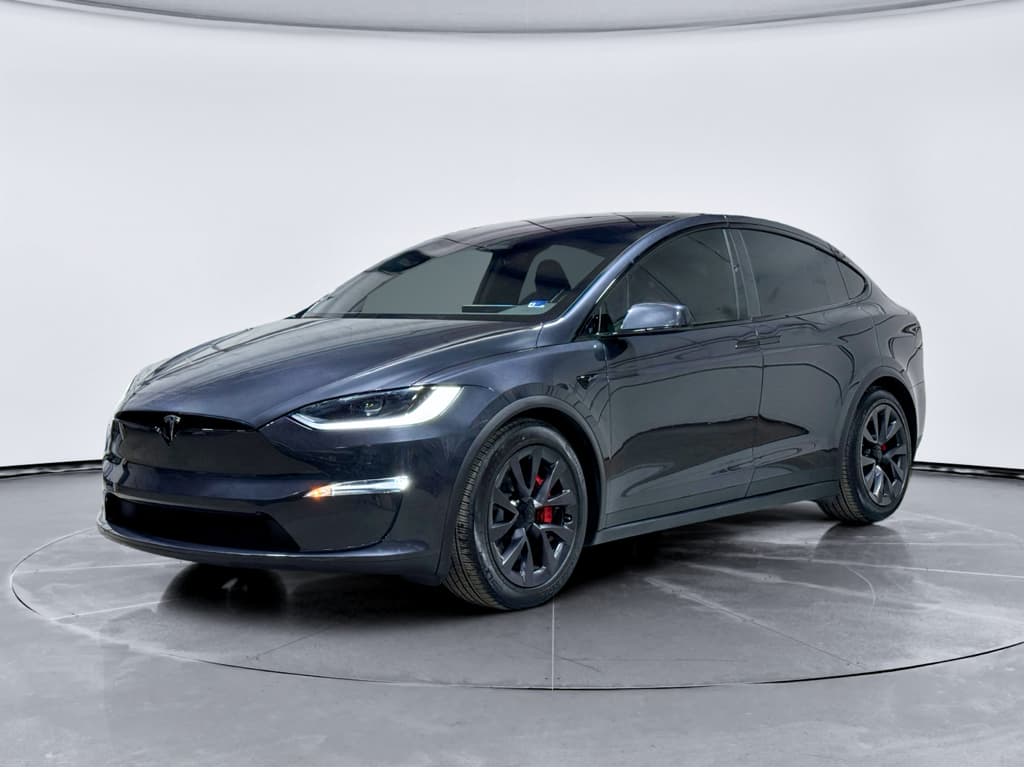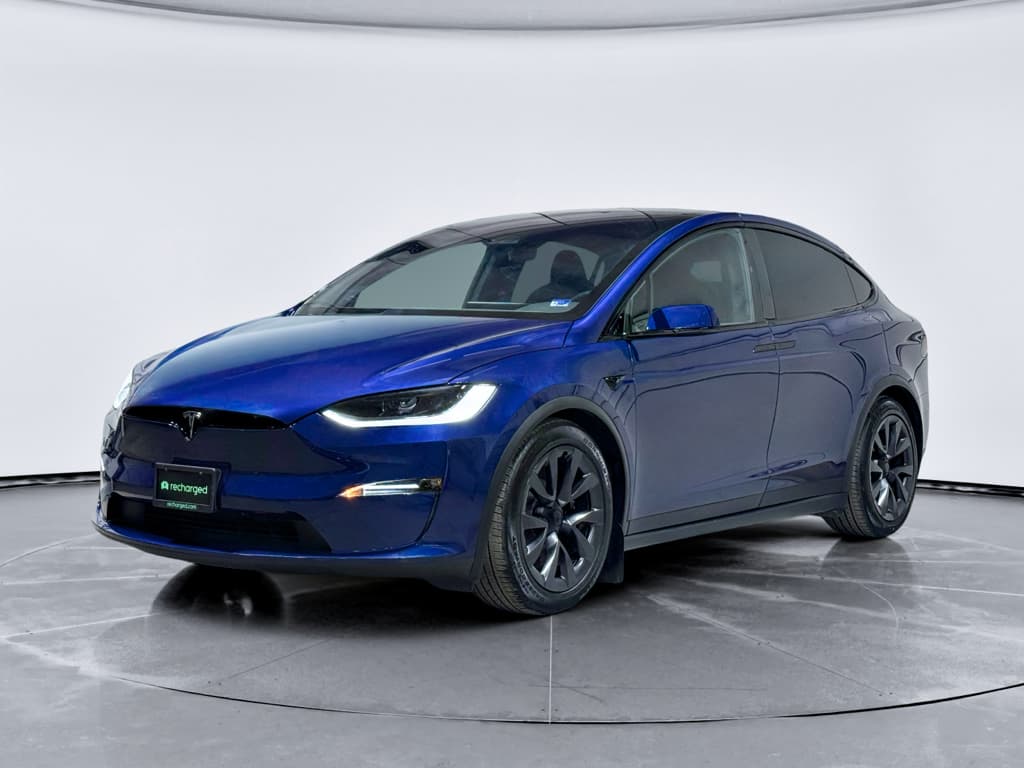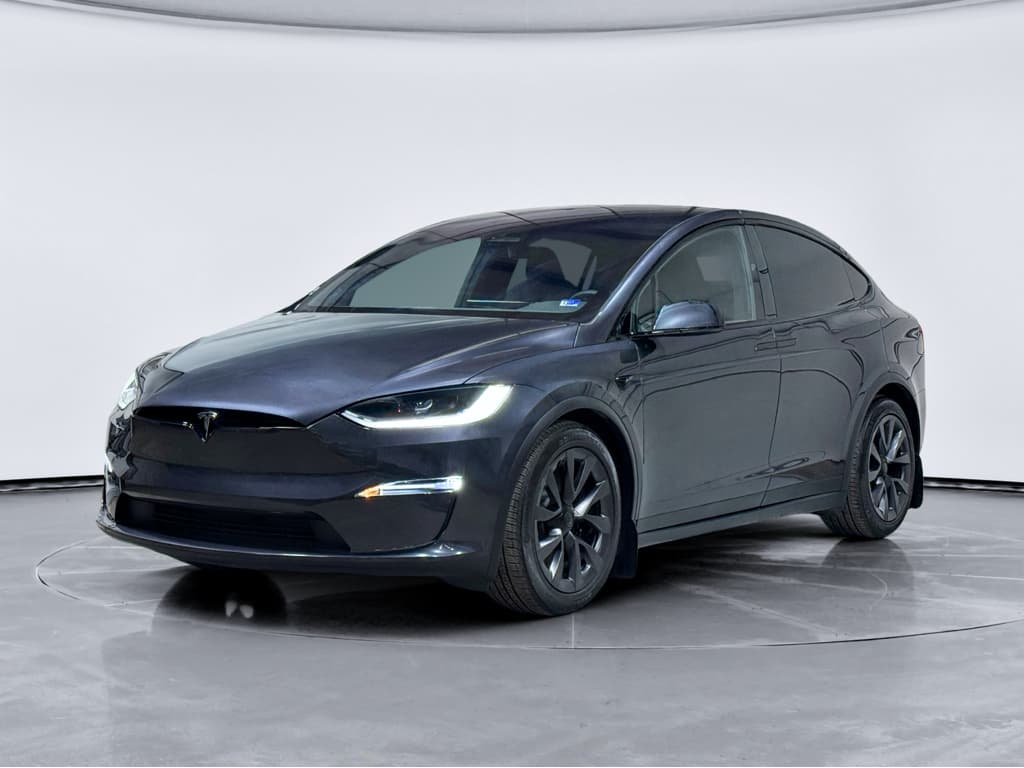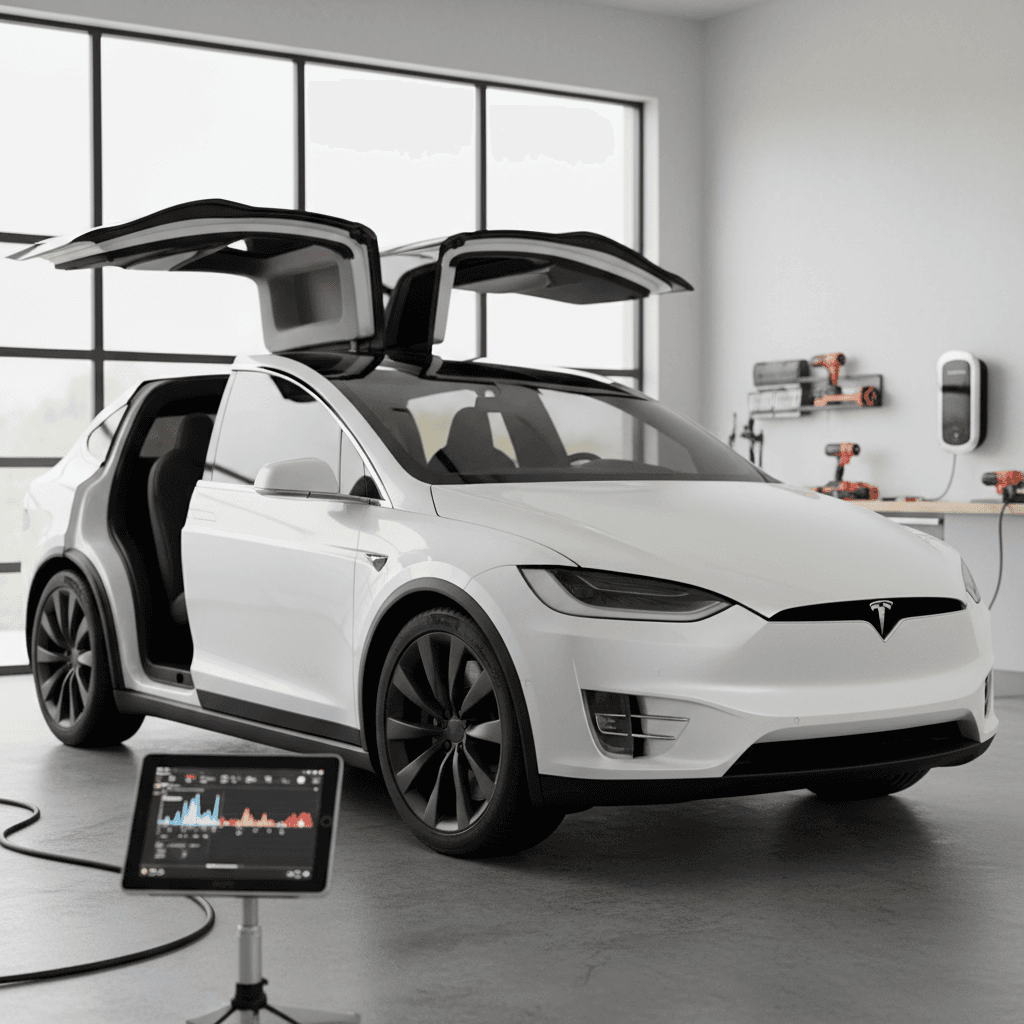
If you’re eyeing a 2024 Tesla Model X, you’re probably wondering whether its reliability rating lives up to its eye‑catching doors and long‑range battery. The short answer: the 2024 Model X scores **below average for overall reliability** with major testing organizations, but it also has some clear bright spots, especially in battery and powertrain durability, that make it a compelling used EV if you shop carefully.
Key takeaway on reliability
Overview: How reliable is the 2024 Tesla Model X?
The 2024 Tesla Model X is still a first‑generation design that’s been refined repeatedly since its 2016 debut. That long production run has helped, but this big SUV still carries a reputation for being **one of Tesla’s less reliable models**. Testing organizations and owner surveys consistently place it **below average** for dependability, especially compared with the Model 3 and Model Y.
2024 Tesla Model X reliability snapshot
That mix, **strong battery and drivetrain, but fussy hardware and software**, is why you see such split opinions. Some 2024 owners report essentially trouble‑free miles, while others collect service appointments for doors, trim, and warning lights. If you’re shopping used, the trick is separating the first group from the second before you sign paperwork.
Expert reliability ratings at a glance
Different organizations score reliability in different ways, but they tend to agree on the 2024 Model X: **it’s better than the earliest years, yet still not a reliability champ.** Here’s how the landscape looks when you pull the numbers together:
How major sources rate Tesla Model X reliability
Summary of how the Model X family, and by extension the 2024 model year, performs in well‑known reliability rankings.
| Source | Model/Year Scope | Reliability Summary | Notes |
|---|---|---|---|
| Consumer-oriented testing orgs | 2024 Model X | Below average | Subscriber surveys highlight issues with body hardware and in‑car electronics. |
| Kelley Blue Book owner ratings | 1st‑gen Model X | ≈4.7 / 5 (owners) | Owner scores are high overall but mix experience with performance and tech, not just repairs. |
| Independent EV surveys | Recent Model X | High satisfaction, mixed quality | Owners praise charging and performance but often mention fit‑and‑finish and service frustrations. |
| Tesla brand ranking | All models | Improving but still mid‑pack | Brand scores have risen as Model 3/Y improve, but X and S still drag reliability down. |
Scores are directional, not a substitute for each provider’s full methodology.
How to read these ratings
Where the 2024 Model X tends to have issues
Modern Teslas don’t usually strand people with blown engines or failed transmissions. Instead, reliability complaints on the 2024 Model X cluster around **body hardware, cabin electronics, and software quirks** that chip away at the ownership experience and can be pricey to fix out of warranty.
Common 2024 Model X trouble spots
The issues most likely to show up on a reliability report
Body hardware & doors
Falcon‑wing doors, frameless front doors, and complex seals give the Model X its drama, but also its headaches.
- Misaligned panels or uneven gaps
- Wind noise or water leaks from seals
- Door handles or latching sensors misbehaving
In‑car electronics
The Model X relies heavily on screens and modules.
- Center display reboots or freezing
- Glitches with cameras or parking sensors
- Occasional lag in HVAC or seat controls
Software & warning lights
Because so much is software‑defined, bugs show up as alerts.
- Random error messages that clear with updates
- False warnings from driver‑assist systems
- Backup camera or visibility alerts tied to software
Why this matters on a used X
Recalls and safety concerns for the 2024 Model X
The Model X has lived through a **long list of recalls**, many of them software‑only campaigns that Tesla fixed with over‑the‑air updates. Others involved physical components and required service visits. If you’re shopping a 2024, you want to know two things: **what’s been recalled, and whether those fixes were actually completed** on the specific SUV you’re looking at.
Recent recall themes affecting 2016–2024 Model X
Not a complete list, but a snapshot of the types of issues that can show up on a 2024 Model X CARFAX or NHTSA record.
| Recall Type | Model Years Affected (incl. 2024) | What can happen | Typical fix |
|---|---|---|---|
| Backup camera / computer software | 2023–2025 | Rearview image may fail to display in Reverse. | Software update or, in some cases, replacing the car computer. |
| Instrument cluster font / warnings | Earlier Teslas through 2024 | Overly small warning text can make info harder to read. | Over‑the‑air software update adjusting display. |
| Autopilot / FSD behavior | 2016–2024 | Driver‑assist may not react properly in certain conditions, raising crash risk if the driver isn’t attentive. | Software updates plus revised warnings and driver‑monitoring behavior. |
| Hood latch or open‑hood detection | 2013–2024 select vehicles | System may not properly detect or warn if hood is open while driving. | Software updates and, in some recalls, inspecting or replacing hardware. |
Always run a VIN check with NHTSA or a vehicle history report to confirm recall status.
Non‑negotiable step: check recall completion
Battery and drivetrain reliability: the good news
Here’s where the 2024 Tesla Model X redeems itself. While door seals and software updates may get old, the **high‑voltage battery pack and dual‑motor drivetrain have a strong track record** so far. Compared with many gas luxury SUVs, you’re far less likely to face catastrophic mechanical failures.
- Most owners report minimal battery degradation in the first 3–5 years when the vehicle is charged reasonably (not living at 100% and fast‑charging every day).
- The permanent‑magnet motors and single‑speed gearbox are mechanically simple compared with a multi‑gear automatic transmission.
- Regenerative braking reduces wear on traditional brake components, so pads and rotors can last significantly longer than on a comparable gas SUV.
- Unlike some rivals, the Model X doesn’t have a separate plug‑in hybrid powertrain to maintain, everything is designed as a full battery‑electric system from day one.
Why this matters for a used buyer
Owner experience: build quality, software and service
Scroll through Model X owner forums and you see two recurring themes. First, many drivers **love** the way the 2024 Model X drives: effortless torque, quiet cabin, roomy three‑row interior, and seamless charging on Tesla’s network. Second, they’re often **less in love** with build consistency and the service experience.
What owners praise
- Performance: Instant torque and smooth acceleration, even in the non‑Plaid variants.
- Charging experience: Easy access to Tesla’s Supercharger network and solid route planning.
- Cabin design: Huge windshield, roomy three‑row layout, and kid‑friendly access via falcon‑wing doors.
- Software features: Frequent over‑the‑air updates and a constantly evolving interface.
What drives them crazy
- Fit and finish: Panel gaps, paint blemishes, and trim alignment can vary more than in German rivals.
- Door behavior: Automatic opening/closing can misbehave in tight garages or sloped driveways.
- Service delays: App‑only scheduling and limited service centers can mean waiting for appointments.
- Software regressions: An update fixes one issue but occasionally triggers another minor annoyance.
How Recharged helps here
2024 Model X vs. older years: which is more reliable?
If you’ve heard horror stories about early Model Xs, you’re not imagining things. The 2016–2018 trucks were some of the most problem‑prone Teslas ever built, largely thanks to first‑generation falcon‑wing door hardware and early air‑suspension components. By comparison, the 2024 Model X is **noticeably improved, but still not on the same reliability footing as a Model 3 or Model Y.**
Model X reliability evolution by era
How the 2024 Model X compares with earlier years if you’re deciding which used example to chase.
| Model X Era | Typical Price (used, rough) | Reliability Picture | Who it suits |
|---|---|---|---|
| 2016–2018 (early builds) | Lowest | Most problem‑prone: door mechanisms, early suspension, numerous TSBs and recalls. | Only for bargain hunters with strong local Tesla service and a big repair budget. |
| 2019–2021 (pre‑refresh) | Lower‑mid | Some improvements, but still below average; age and miles now a factor. | Buy only with excellent records and a very thorough inspection. |
| 2022–2023 (refresh) | Mid | Better build quality, but many of the same trouble spots (body hardware, electronics). | Good mix of newer tech and lower price if you can verify a clean history. |
| 2024+ (latest builds) | Highest | Best so far, yet still rated below average; benefits from the newest hardware and software revisions. | Best bet if you want a Model X and care about reliability, especially if you can stay under warranty. |
Later is generally better for build quality, but price and warranty coverage matter just as much.
Warranty timing matters as much as model year
Should you buy a used 2024 Tesla Model X?
The 2024 Tesla Model X is not the right EV for someone who wants set‑it‑and‑forget‑it simplicity. If your top priority is “never see a service bay,” you’ll likely be happier in a simpler two‑row EV crossover from a more conservative brand. But if you want **three rows, serious performance, access to Tesla’s charging network, and you’re willing to manage some quirks**, a carefully vetted 2024 Model X can be a satisfying choice.
Who the 2024 Model X fits well
- You need a three‑row electric SUV with real highway range.
- You’re comfortable with software‑centric tech and frequent updates.
- You value performance and charging convenience more than perfect interior trim.
- You plan to own it mostly while under factory battery and basic warranty.
Who should probably skip it
- You rank absolute reliability over everything and keep vehicles 10+ years.
- You live far from a Tesla service center or mobile service coverage.
- You’re highly sensitive to rattles, wind noise, or panel alignment.
- You don’t want to think about software updates or driver‑assist behavior changes.
Buying through Recharged
Ready to find your next EV?
Browse VehiclesChecklist: what to inspect on a used Model X
Because the 2024 Tesla Model X reliability rating is dragged down by repeatable patterns, you can tilt the odds in your favor by methodically checking the known trouble spots. Use this checklist when you’re test‑driving and reviewing inspections.
Used 2024 Model X reliability checklist
1. Verify all recalls and software updates
Ask the seller for documentation showing that all open recalls have been completed and the vehicle is running the latest stable software. If you’re at a Tesla service center, they can confirm this by VIN.
2. Test every door repeatedly
Open and close both front doors, falcon‑wing doors, and the rear hatch multiple times on level ground and on a slight slope. Listen for binding, watch for misalignment, and make sure sensors don’t randomly stop operation.
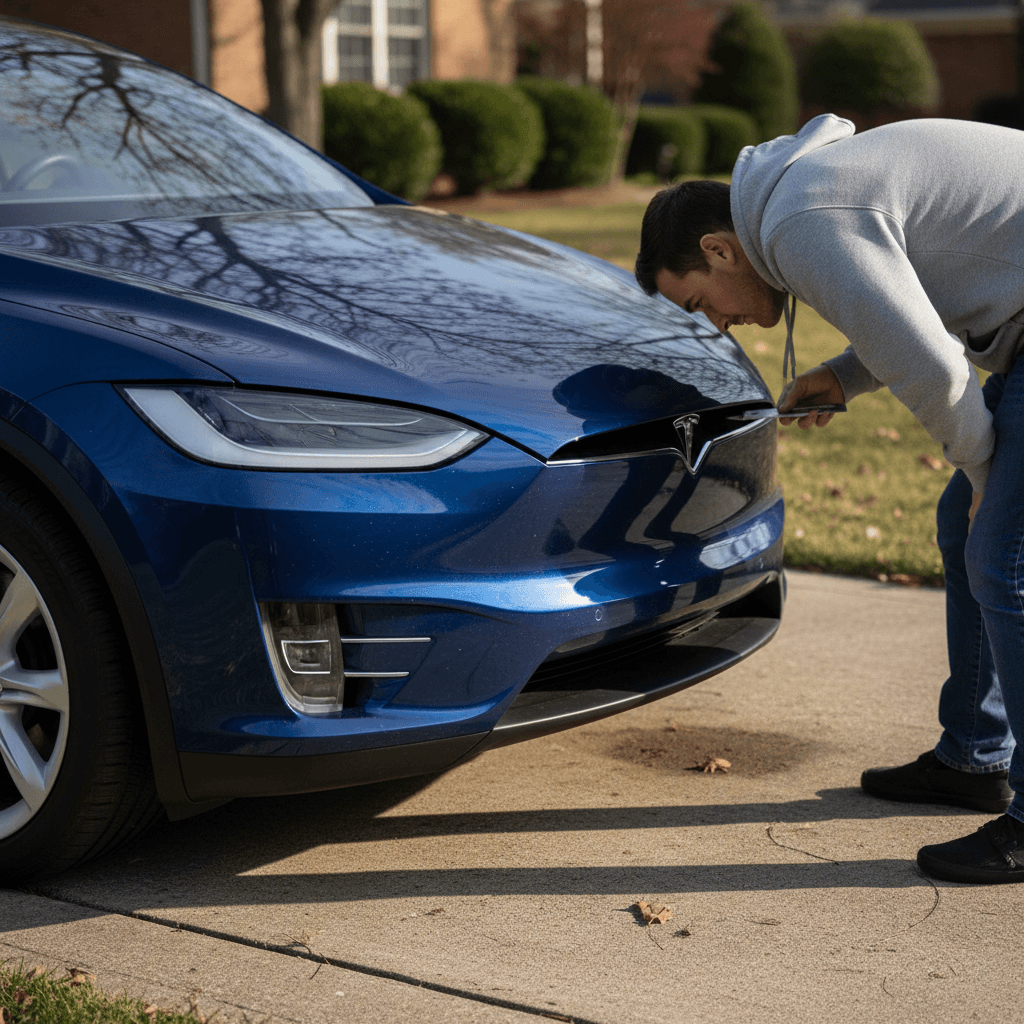
3. Inspect panel gaps, seals and glass
Walk the vehicle and compare gaps from side to side. Look closely at weather seals around the falcon‑wing hinges, windshield edges, and glass roof for cracks, lifting, or water traces.
4. Stress‑test the infotainment system
During your drive, run navigation, music streaming, climate control, and camera views all at once. Watch for freezes, reboots, or persistent lag, especially when shifting into Reverse, where you rely on the camera view.
5. Check for suspension noises or harshness
On a rough road, listen for clunks, rattles, or knocking from the front or rear. Try several ride‑height settings on the air suspension if equipped and verify the height changes promptly and evenly.
6. Get a battery health and charging report
Ask for data on recent DC fast‑charging sessions, state‑of‑charge patterns, and any battery‑related alerts. A professional scan, like the Recharged Score evaluation, can reveal hidden faults or unusual degradation early.
7. Review service history for repeat issues
Multiple visits for the same door, suspension, or electronics problem are a red flag. Look for evidence that parts, not just software, were replaced when needed.
FAQ: 2024 Tesla Model X reliability
Common questions about the 2024 Model X
Bottom line: is the 2024 Model X right for you?
The 2024 Tesla Model X reliability rating is a mixed bag: **below average on paper, but with crucial strengths in battery and drivetrain durability** that you won’t see in many gas‑powered luxury SUVs. If you’re drawn to its space, performance, and charging advantages, the realistic path is not to chase perfection, but to find a well‑cared‑for example with clean history, up‑to‑date recalls, and strong battery health.
Take your time, use a structured checklist, and lean on objective data rather than just a quick test drive. And if you’d like help decoding scan reports, warranty coverage, or total cost of ownership, a Recharged EV specialist can walk you through real‑world pros and cons before you commit to that set of falcon‑wing doors in your driveway.