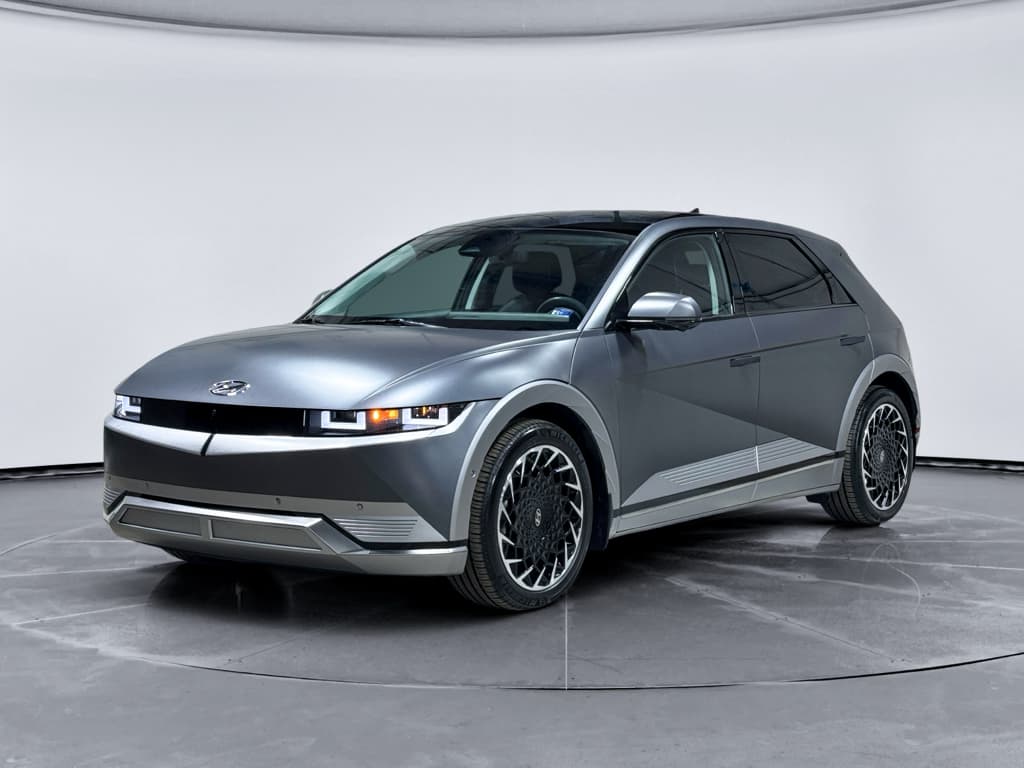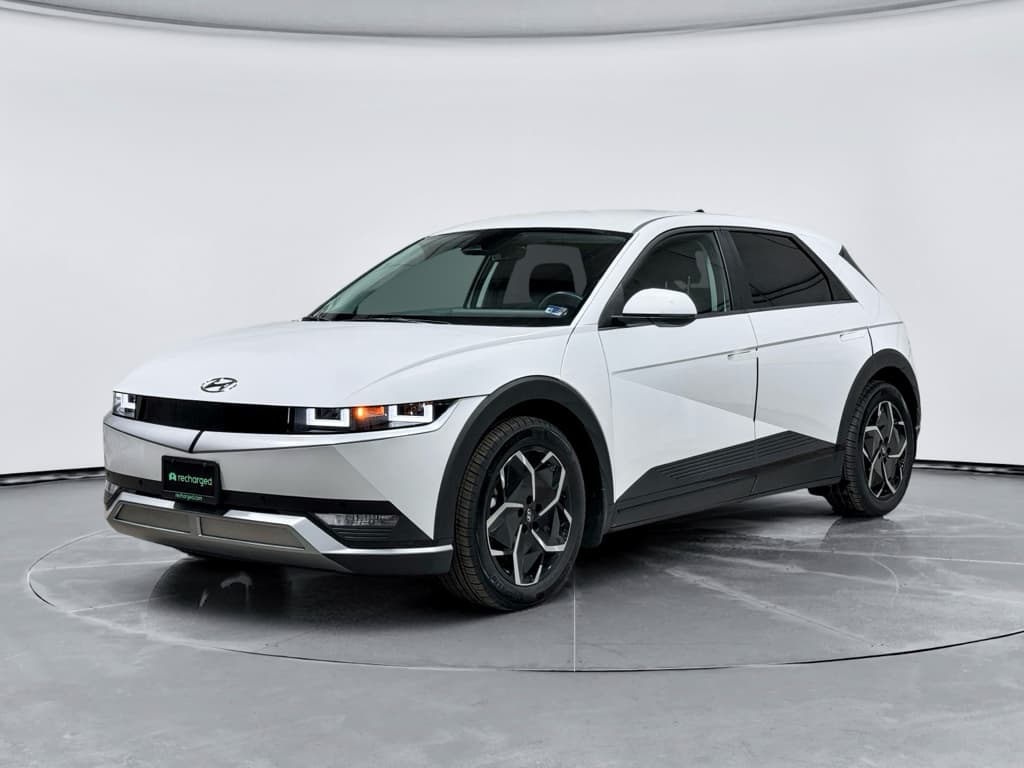
If you own a Hyundai Kona Electric, its **Kelley Blue Book (KBB) value** is more than just a number on a screen. It’s the baseline for what dealers will offer you, what private buyers expect to pay, and whether that used Kona EV you’re eyeing is actually a good deal. The twist? With EVs, the story behind that KBB value, battery health, incentives, and fast‑moving tech, is often more important than the sticker price itself.
KBB Value = Starting Point, Not Final Answer
Why Hyundai Kona Electric KBB Value Matters
The Kona Electric sits in a curious middle ground: it’s not a halo EV like a Tesla, but it’s not a penalty box either. It has decent range, a crossover body style Americans will happily overpay for, and a Hyundai badge associated with long warranties. That means its **KBB value** and overall resale story are better than some EV horror tales, but still subject to the brutal math of electric‑car depreciation.
- KBB value shapes **trade‑in offers** and instant‑cash quotes.
- Private buyers often cross‑check your asking price against **KBB and Edmunds**.
- Lenders and insurers look at book values when deciding **loan amounts and payouts**.
- For used shoppers, a realistic KBB‑style value tells you whether that "deal" is actually fair.
Don’t Compare Gas Kona to Kona Electric
Quick Look: Kona Electric KBB-Style Values by Year
Exact KBB numbers shift weekly based on auctions and retail sales, but you can sketch a usable map of where Hyundai Kona Electric values tend to land in the real world. Below is an illustrative snapshot of what buyers and sellers are seeing in the U.S. for typical‑mileage, clean‑condition examples:
Hyundai Kona Electric: Approximate 2025–2026 Value Ranges (U.S.)
Illustrative, rounded value bands based on recent KBB‑style pricing, third‑party data, and market behavior. Your actual number will vary by mileage, options, and condition.
| Model year | Typical trim examples | Dealer retail range* | Likely trade‑in range* |
|---|---|---|---|
| 2024 | SE / SEL / Limited | $21,000–$25,000 | $17,000–$22,000 |
| 2022–2023 | SEL / Limited | $17,000–$22,000 | $12,000–$17,000 |
| 2020–2021 | SEL / Ultimate | $14,000–$19,000 | $10,000–$15,000 |
| 2019 | SEL / Limited | $12,000–$17,000 | $8,000–$13,000 |
Use this table as a sanity check against live KBB, Edmunds, and marketplace listings.
About Those Asterisks
How KBB Calculates Hyundai Kona Electric Values
Kelley Blue Book is essentially a sophisticated rumor mill with data science. It hoovers up auction results, dealer transactions, asking prices, and macro trends, then distills all that noise into a few tidy numbers: **trade‑in**, **private‑party**, and **typical dealer listing price**.
The Three KBB Values That Matter for Your Kona EV
Same vehicle, three different realities
Trade‑in value
What a dealer is likely to offer when you swap your Kona Electric for another vehicle. Convenience tax is baked in; it’s almost always the lowest number.
Private‑party value
A realistic middle ground for selling your Kona EV yourself. More work, more paperwork, more strangers in your driveway, but usually the best net return.
Dealer retail value
What you’ll see on the windshield at a lot. Includes reconditioning, overhead, and profit margin. This is the number many buyers confuse with "what my car is worth."
For the 2024 Hyundai Kona Electric, KBB’s used **Fair Purchase Price** nationally has been landing in the low‑ to mid‑$20,000s depending on trim, against original MSRPs in the mid‑$30,000s to low‑$40,000s. That’s a steep haircut in one model year, but it’s very much in line with the current EV market.
What Your Kona Electric Is Worth in 2025–2026
Hyundai Kona Electric Value & Depreciation at a Glance
If you bought a 2020 Kona Electric SEL for around $38,000 out the door and look it up on KBB or Edmunds today, you’ll likely see a **dealer retail** number hovering somewhere in the mid‑$15,000s and a **trade‑in** figure closer to $11,000–$13,000. That feels brutal, but it’s completely normal in a segment where **battery tech and incentives keep leap‑frogging yesterday’s cars**.
Mentally Separate MSRP From Real Cost
KBB vs Reality: How Dealers, Auctions, and Online Buyers Price Kona EVs
Where KBB Gets It Right
- It tracks national trends, including the broad EV slump in used values.
- It distinguishes between trade‑in, private‑party, and dealer retail.
- Updates weekly, so it reflects big market moves reasonably quickly.
Where KBB Lags for EVs
- It can’t “see” your actual battery health, only age and mileage.
- It averages across regions where **charging access and incentives** differ wildly.
- It doesn’t know if your car can still use **free DC fast‑charging perks** or has had battery recalls resolved.
In practice, wholesalers, online buyers, and dealers are increasingly leaning on **EV‑specific data** when they decide how far to deviate from book value. A Kona Electric with a healthy pack and documented service history might sell **above** its KBB line; a car that’s seen nothing but DC fast chargers and already shows noticeable range loss will be quietly written down.
Where Recharged Fits In
Ready to find your next EV?
Browse Vehicles6 Factors That Move Hyundai Kona Electric KBB Value Up or Down
The Real Value Drivers Behind a Kona Electric KBB Number
Book value is the headline; these are the footnotes that matter
1. Mileage & usage pattern
EVs are sensitive to mileage, but how the miles were driven matters too. A 40‑mile daily commute on Level 2 charging is far easier on a Kona EV than constant DC fast‑charge road‑trips.
2. Charging history
Frequent DC fast charging can accelerate battery wear. You won’t see this in KBB’s form, but informed buyers will price it in if they get battery data.
3. Battery health & warranty
A Kona with strong range and plenty of battery warranty remaining feels very different to buyers than one that’s near the warranty cliff.
4. Model year & facelift
The refreshed 2024 Kona Electric looks and feels more modern inside. Design changes alone can nudge perceived value beyond what KBB’s curve predicts.
5. Zip code & incentives
In EV‑friendly states with dense public charging and local rebates, clean used Kona Electrics can command stronger prices than in charger deserts.
6. Condition & options
Cosmetics still matter. SEL or Limited trim, clean wheels, and a tidy interior will help you negotiate above whatever line KBB spits out.
Battery Health: The Silent Driver of Kona EV Value
When you talk about **Hyundai Kona Electric KBB value**, you’re really talking about **battery value** with a crossover wrapped around it. For most buyers, the question behind the question is: “How much real‑world range am I actually getting for this money?” If the answer is “about what it delivered new,” the car feels fairly priced. If the answer is “20% less than advertised,” every KBB number suddenly looks too high.
Quick Battery-Value Checklist for a Kona Electric
1. Compare indicated range to original EPA ratings
At 100% charge, does the estimated range still sit near the original 258–261‑mile window (depending on year and battery)? A modest drop is normal; a dramatic one is a negotiation lever.
2. Look for battery or BMS recall history
Early Kona Electrics had high‑profile battery recalls. A replaced pack with documentation can actually be a **value booster**, especially if the new pack carries fresh warranty coverage.
3. Ask how the car has been charged
Home Level 2 most nights with occasional DC fast charging is ideal. A car that lived on 150‑kW fast chargers every other day is more likely to show premature degradation.
4. Get a third‑party battery scan
A professional battery health report, like the Recharged Score battery diagnostics, turns fuzzy impressions into hard numbers you can use when you negotiate.
The Biggest EV Pricing Mistake
How to Use KBB, Edmunds and Recharged Together
Think of KBB and Edmunds as the **macro lens** and Recharged as the **microscope**. The pricing guides tell you where the market sits for an average Kona Electric. The battery scan and condition report tell you where *this particular* car belongs within that range.
Step 1: Get a KBB range
Look up your Kona Electric on KBB with the correct trim, mileage, and zip. Write down the trade‑in and private‑party ranges.
Step 2: Cross‑check with Edmunds
Use Edmunds’ appraisal tool to sanity‑check those numbers. If one guide is an outlier, you’ll know immediately.
Step 3: Layer in Recharged data
If you’re buying or selling through Recharged, use the Recharged Score Report to see verified battery health, real transaction comps, and expert notes that explain why a given car sits above or below book value.
Buying Privately? Borrow the Playbook
Tips to Boost Your Kona Electric Resale Value
You can’t rewrite the depreciation curve, but you can absolutely decide whether you ride the top of the Kona Electric’s value band or sink to the bottom of it when it’s time to sell or trade.
Five Smart Moves That Help Your Kona Beat Its KBB Value
Little disciplines, big resale payoff
1. Baby the battery
Live between 20% and 80% state of charge for daily use, avoid chronic high‑power DC fast‑charging, and keep the car out of extreme heat when you can. Future buyers will pay more for a pack that still behaves like new.
2. Document everything
Keep records of software updates, recall work, and every scheduled service visit. A clean paper trail reassures buyers and lets you argue for the top of the KBB range.
3. Fix small cosmetic issues early
Scuffed wheels, curb‑rashed bumpers, and a coffee‑stained interior drag value down fast. A couple of strategic reconditioning steps can be worth thousands in perceived value.
4. Time your sale smartly
EV values are seasonally and politically sensitive. Listing your Kona Electric in spring, when road‑trip plans and tax‑refund money collide, generally beats dumping it in the dead of winter.
5. Price with a story
Don’t just quote KBB. Explain how you charged, how you used the car, and back it up with range screenshots and service records. You’re selling confidence as much as a crossover.
6. Consider multiple exit paths
Get side‑by‑side quotes: KBB trade‑in, instant‑cash offers, local dealer bids, and marketplaces like Recharged. The spread between lowest and highest can easily top $2,000.
FAQs: Hyundai Kona Electric KBB Value
Common Questions About Hyundai Kona Electric KBB Value
Should You Buy or Sell a Used Kona Electric Now?
If you’re selling a Hyundai Kona Electric in 2025–2026, the **KBB value is your negotiation floor, not your destiny**. Walk in with live KBB and Edmunds numbers, a clean car, and proof of good battery health, and you’re in a strong position to beat the book, especially in EV‑friendly regions. If you’re buying, treat KBB as guardrails. You want a price that respects the guide values but also rewards a healthy battery and honest history.
Recharged was built for exactly this moment in the EV market. Every Kona Electric we list comes with a **Recharged Score battery‑health diagnostic, fair‑market pricing, and EV‑specialist support**, so you can skip the guesswork and focus on whether the car actually fits your life. Whether you’re trading in, taking an instant offer, consigning, or financing your next EV, you can use KBB as the compass, and let Recharged handle the map and the terrain.