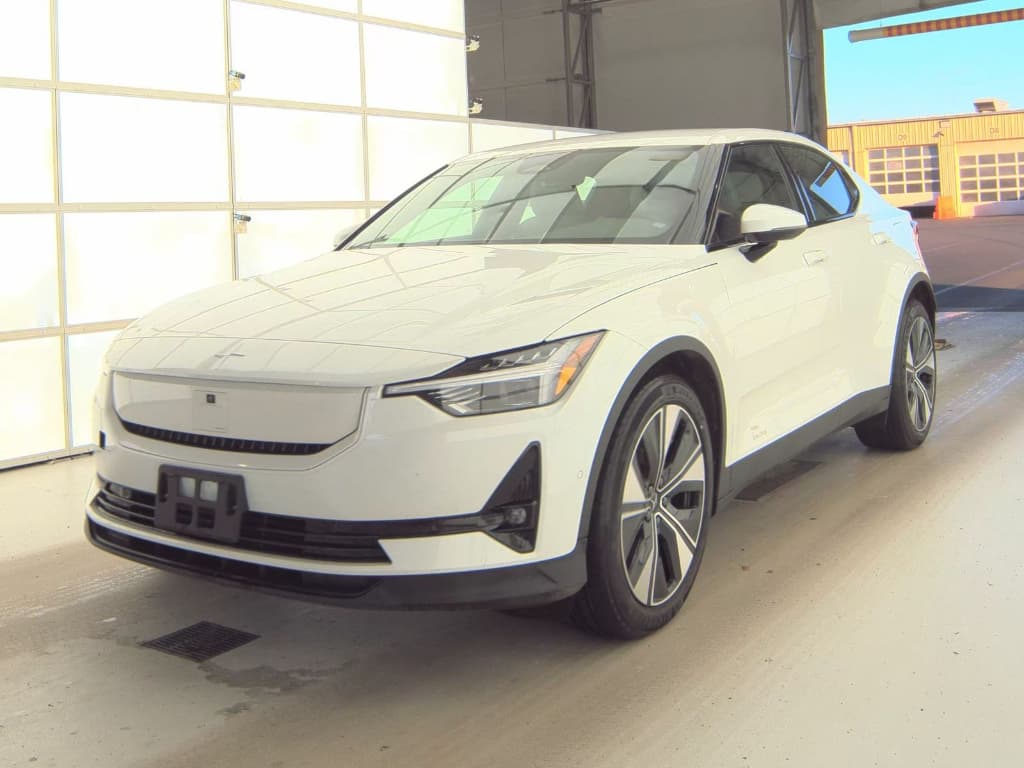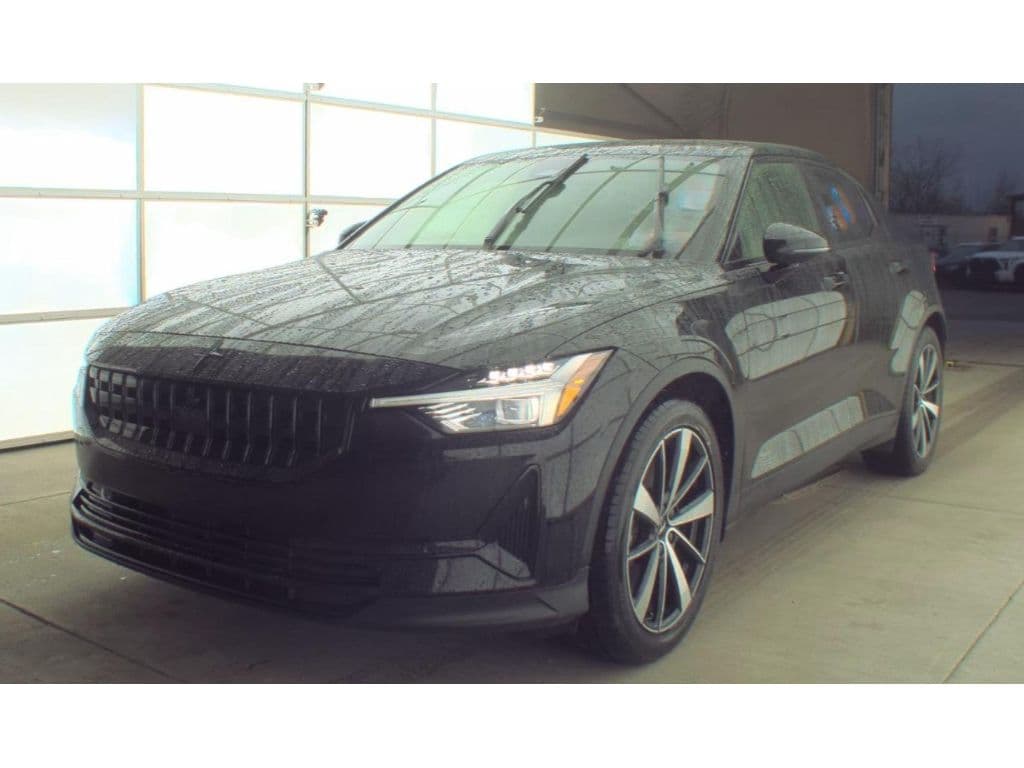
If you’re drawn to the clean Scandinavian design and fun driving dynamics of the 2024 Polestar 2, you’re not alone. But before you sign a finance contract or pick one up used, it’s smart to look closely at 2024 Polestar 2 reliability, especially because this is still a relatively young brand with a complex software-driven EV.
Quick take
2024 Polestar 2 reliability overview
2024 Polestar 2 reliability at a glance
Independent data and owner reviews paint a consistent picture: the 2024 Polestar 2 is not a disaster, but it’s also not a benchmark for trouble‑free ownership. Many drivers report only minor annoyances, while others have struggled with repeat shop visits for software, camera, axle, or suspension issues. That spread is exactly why it’s important to understand the common problem areas, and how to shop smart if you’re considering a used example.
How reliable is the 2024 Polestar 2?
Broadly, you can think of the 2024 Polestar 2 as mechanically decent but digitally fragile. The underlying platform and electric drive system are shared with Volvo, and many owners have racked up tens of thousands of miles with only minor repairs. At the same time, survey data and online owner communities report an above‑average number of issues tied to software, cameras, and some drivetrain components.
- Third‑party reliability scores for the Polestar 2 are below average versus other premium EVs and compact luxury cars.
- Owner ratings on enthusiast forums and mainstream review sites tend to be polarized, many 5‑star reviews, but also a meaningful number of 1‑ and 2‑star reliability horror stories.
- Most problems show up early in ownership, so a carefully inspected used Polestar 2 that’s already had fixes done can be a safer bet.
How to interpret the mixed data
Common 2024 Polestar 2 problems
Because the Polestar 2 launched globally in 2020, we now have several years of real‑world data across 2021–2025 model years. Many issues reported on earlier cars still appear on 2023 and 2024 models, though some have improved with updates. Below are the big three reliability buckets you should know about for the 2024 car.
Software and infotainment bugs
Owners consistently report that the Polestar 2’s Android Automotive–based infotainment can be slow, glitchy, or crash unexpectedly, even on newer cars. Common complaints include laggy menus, frozen screens, audio apps that refuse to load, and intermittent failures of the 360° and backup camera views. Some drivers mention rebooting the system regularly just to keep everything functioning.
- Center screen freezing, blacking out, or rebooting while driving.
- “Camera temporarily unavailable” messages when shifting into reverse, sometimes tied to recall‑related issues.
- Connectivity drops affecting navigation, Google Assistant, or the Polestar app (often linked to the telematics module).
- Bugs with phone‑as‑key, scheduled charging, and CarPlay/Android Auto stability.
Why this matters
Drivetrain, suspension, and noise issues
Mechanical complaints on the 2024 Polestar 2 are less common than software gripes, but when they appear they can be expensive. A recurring theme in owner forums is clunking or knocking from the rear motor area or axles, sometimes diagnosed as a failing rear drive unit (ERAD) or worn axle components. Others report creaks and thumps from the front suspension, as well as premature strut or bearing wear.
- Rear‑axle clunks, especially when taking off from a stop or transitioning between acceleration and regen.
- Front suspension noises over bumps or during steering input, occasionally traced to struts, mounts, or bushings.
- Clicking or knocking when braking or making tight turns, sometimes chalked up to driveline lash, or, in more serious cases, to failing components.
- HVAC system clicks or rattles that dealers sometimes dismiss as “normal,” leading to frustration when they persist.
Don’t ignore drivetrain noises
Battery, charging, and 12V issues
The Polestar 2’s high‑voltage battery pack itself has not been a major failure point based on current data. Most owners report stable range and normal degradation so far. However, there are still charging‑system and 12‑volt battery quirks to be aware of:
- Occasional difficulty initiating DC fast‑charging sessions at specific stations, requiring cable reseats or moving stalls.
- Warning messages about the charging system or battery management that clear after a restart but erode confidence.
- Unexpected 12‑volt battery failures that can leave the car completely immobilized until jump‑started or towed.
- Connectivity issues that interfere with scheduled charging or remote pre‑conditioning.
Good news on the main battery
Recalls affecting the 2024 Polestar 2
Like many early‑generation EVs, the Polestar 2 has seen multiple recalls across model years. One of the biggest campaigns to affect 2024 cars in the U.S. involves the rearview camera display.
Key recall activity relevant to 2024 Polestar 2 models
This is not an exhaustive list; always check the VIN with NHTSA or a Polestar retailer for a full recall history.
| Recall focus | Model years affected | Typical symptom | Remedy |
|---|---|---|---|
| Rearview camera image may fail or flicker | 2021–2025 | “Camera temporarily unavailable” or blank screen when reversing | Software update to keep continuous communication between camera and infotainment unit and add automatic reset. |
| Early drivetrain and powertrain software issues (global) | Early 2021–2022 production | Warning messages, possible loss of drive under rare conditions | Software updates applied during service visits or OTA campaigns. |
| Telematics/connectivity (various campaigns) | 2021–2024 | Loss of LTE, app connectivity, or emergency functions | Module replacement or software updates, depending on VIN. |
Software‑driven recalls are common on modern EVs. The upside: many fixes can be delivered over the air or with a simple dealer visit.
How recalls affect used buyers
Warranty coverage and roadside assistance
If you’re looking at a 2024 Polestar 2, new or used, you’ll want to understand what’s still covered. While exact terms can vary slightly by market and when the car was first sold, U.S.‑market Polestar 2s generally come with:
- New‑vehicle limited warranty of 4 years/50,000 miles (whichever comes first) covering most components.
- High‑voltage battery warranty of around 8 years/100,000–150,000 miles against excessive capacity loss or defects (check the specific car’s documentation).
- Roadside assistance for 4 years from first registration, available 24/7 across the continental U.S. and Canada for breakdowns or immobilization.
- Additional corrosion and emissions coverage, which are usually less of a factor on a relatively new EV.
Roadside assistance is a real safety net
What to check on a used 2024 Polestar 2
- In‑service date (this starts the 4‑year clock).
- Current mileage relative to warranty limits.
- Battery warranty transferability and terms.
- Documented warranty repairs or goodwill adjustments.
How Recharged helps
Every used EV on Recharged includes a Recharged Score Report with verified battery health and a review of key systems. That means fewer surprises after you buy, and clearer insight into how a previous owner treated the car.
2024 Polestar 2 vs. competitors on reliability
Cross‑shopping a 2024 Polestar 2 usually means you’re also looking at cars like the Tesla Model 3, Hyundai Ioniq 6, Kia EV6, or Volvo C40/EX30. In that field, the Polestar 2 tends to land in the lower half of the pack on predicted reliability, but it’s not alone in having software headaches.
Where the 2024 Polestar 2 stands among rivals
A high‑level look at reliability trade‑offs versus popular alternatives.
2024 Polestar 2
- Below‑average predicted reliability scores.
- Strong build quality feel; software is main weak spot.
- Service network is smaller, which can amplify frustrations.
Tesla Model 3 (2024)
- Also mixed on reliability, but larger service footprint.
- Frequent over‑the‑air updates can fix (or introduce) bugs.
- More mature fast‑charging ecosystem in North America.
Hyundai Ioniq 6 / Kia EV6
- Generally better predicted reliability and warranty terms.
- Some early build and software issues, but fewer drivetrain complaints.
- Stronger dealer network coverage for most U.S. buyers.
Remember: a model’s reputation ≠ your car’s reality
Reliability checklist for buying a used Polestar 2
If you’re eyeing a 2024 Polestar 2 on the used market, you’re in the sweet spot: depreciation has softened prices, but most cars still have factory coverage left. Use this checklist to tilt the odds in your favor.
Used 2024 Polestar 2 reliability checklist
1. Pull a full service and recall history
Ask the seller for dealer service records and verify recall completion by VIN. You’re looking for evidence that camera, drivetrain, and telematics campaigns have been addressed, and that any repeated issues were properly fixed, not just cleared with a reset.
2. Inspect infotainment behavior cold and warm
Start the car from a cold boot and pay attention to how quickly the system loads. Test navigation, EV menus, CarPlay/Android Auto, and camera views. Any freezes, black screens, or persistent “camera unavailable” messages are red flags that warrant diagnosis before purchase.
3. Listen for drivetrain and suspension noises
On a test drive, do multiple gentle launches from a stop, tight parking‑lot turns, and medium‑speed braking. Listen for clunks or knocks from the front and rear. A quiet car is a good sign; repeated noises deserve a professional inspection.
4. Check charging behavior at Level 2 and DC fast
If possible, plug into both a home‑style Level 2 charger and a public DC fast charger before you buy. Confirm that the car initiates and maintains a charge without repeated errors or aborted sessions.
5. Ask about 12V battery age and replacement
Frequent minor electrical glitches or a no‑start situation can stem from a weak 12‑volt battery. On a 2024 car approaching its third birthday, a pre‑emptive replacement isn’t a bad idea, and documented replacement is a small plus in a used‑car listing.
6. Get an independent EV‑savvy inspection
Because the Polestar 2 is still rare in some markets, not every shop is comfortable with it. Seek out an EV‑experienced technician or buy from a retailer that already performs high‑voltage and software diagnostics, like Recharged, where every vehicle receives a Recharged Score battery health assessment.
Should you buy a 2024 Polestar 2 used?
Reasons to say yes
- Distinctive design and interior that feel more premium than many rivals.
- Strong performance, especially on dual‑motor versions, with enjoyable handling.
- Solid high‑voltage battery track record so far and long battery warranty coverage.
- Used pricing can be attractive versus new EVs with similar performance.
Reasons to be cautious
- Below‑average predicted reliability scores from major rating agencies.
- Documented issues with software, cameras, connectivity, and some driveline components.
- Limited service‑center network in much of the U.S., which can mean longer waits.
- Brand uncertainty worries some buyers who prioritize long‑term parts and support.
If you’re the type of driver who values design and driving feel over absolute bulletproof simplicity, a carefully vetted 2024 Polestar 2 can still be a satisfying choice. The key is to treat reliability as a car‑by‑car question, not a purely model‑level verdict. A well‑maintained car with clean history, quiet drivetrain, and fully updated software is a much safer bet than a cheaper car with incomplete records and recurring camera or connectivity complaints.
How Recharged can de‑risk a used Polestar 2
Ready to find your next EV?
Browse VehiclesBottom line: the 2024 Polestar 2 sits in the middle ground on reliability. It’s not the horror story some critics make it out to be, but it’s also not as low‑drama as the best‑in‑class EVs. If you go in with open eyes, lean on warranty coverage, and take the time to find the right example, potentially with third‑party verification like the Recharged Score, you can enjoy what the Polestar 2 does best: providing a refined, engaging electric driving experience that stands apart from the usual crowd.