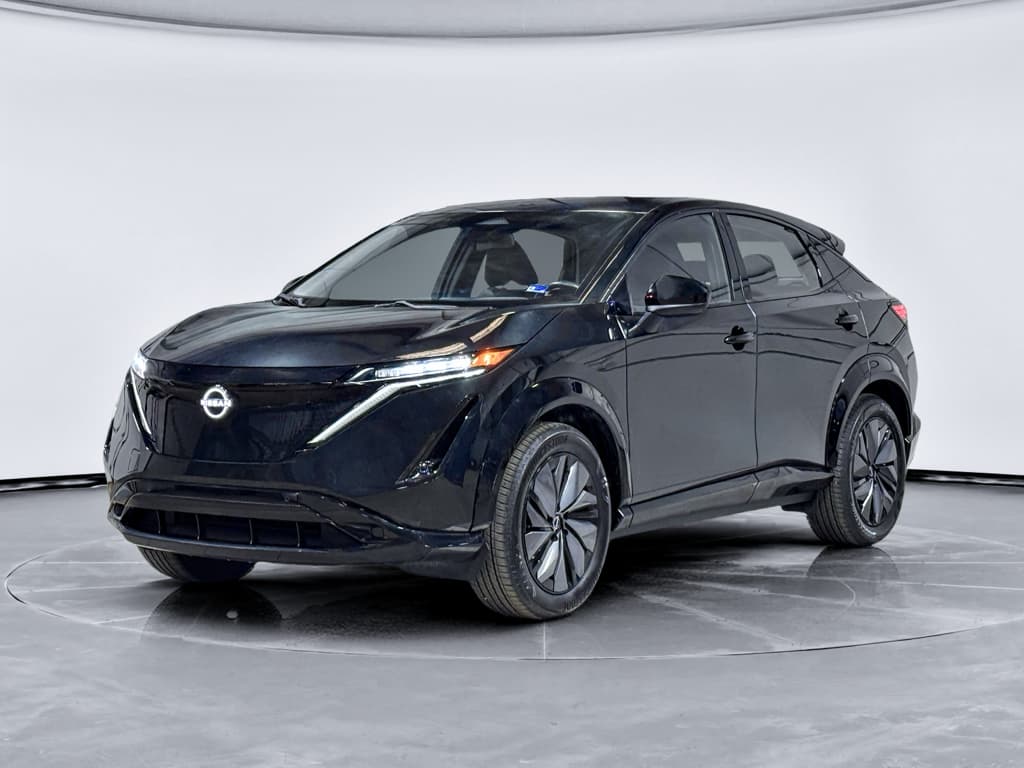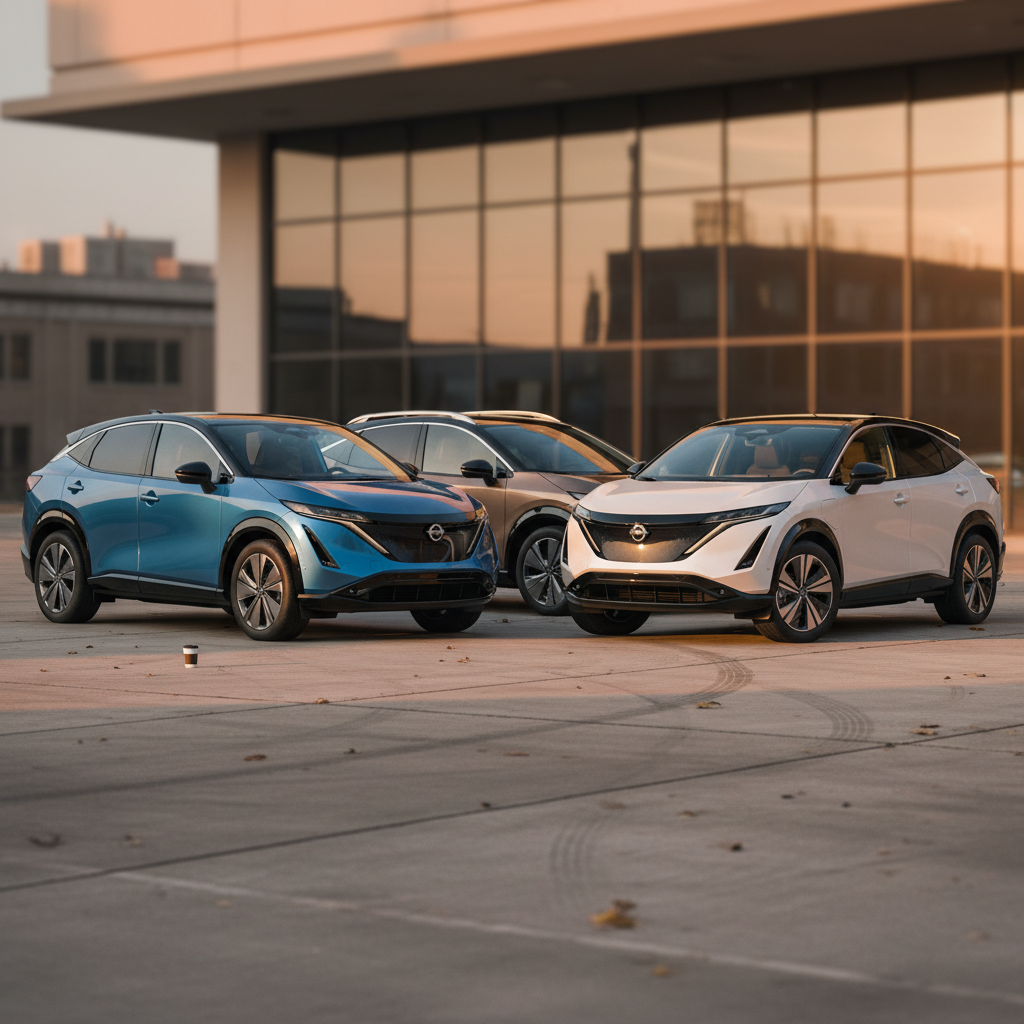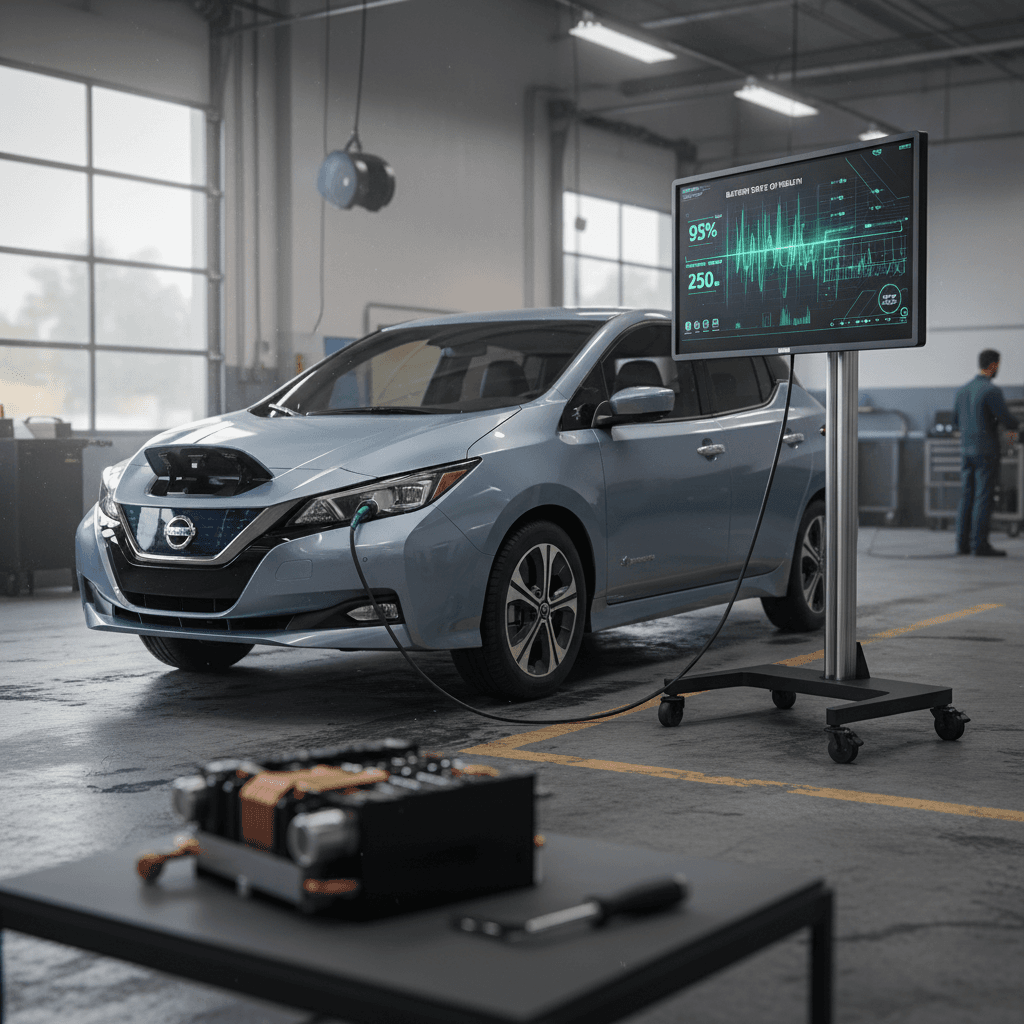
If you’re shopping for an affordable EV, you’ve probably noticed that the 2024 Nissan Leaf reliability rating looks better than its aging design and modest range might suggest. The Leaf won’t grab headlines like a Tesla, but when you dig into owner scores and repair data, you see a familiar pattern: simple hardware, few major failures, and an older battery design that demands realistic expectations.
Quick take
2024 Nissan Leaf reliability overview
2024 Nissan Leaf reliability at a glance
Strip away the marketing and the 2024 Leaf is an honest car. Underneath the hatchback body you get a relatively simple electric drivetrain, no dual‑motor complexity, and a battery pack that Nissan has been iterating on for over a decade. That stability is a big reason owner‑reported reliability scores are solid, even as newer EVs chase range and performance with more complicated hardware and software.
Think “appliance,” not “gadget”
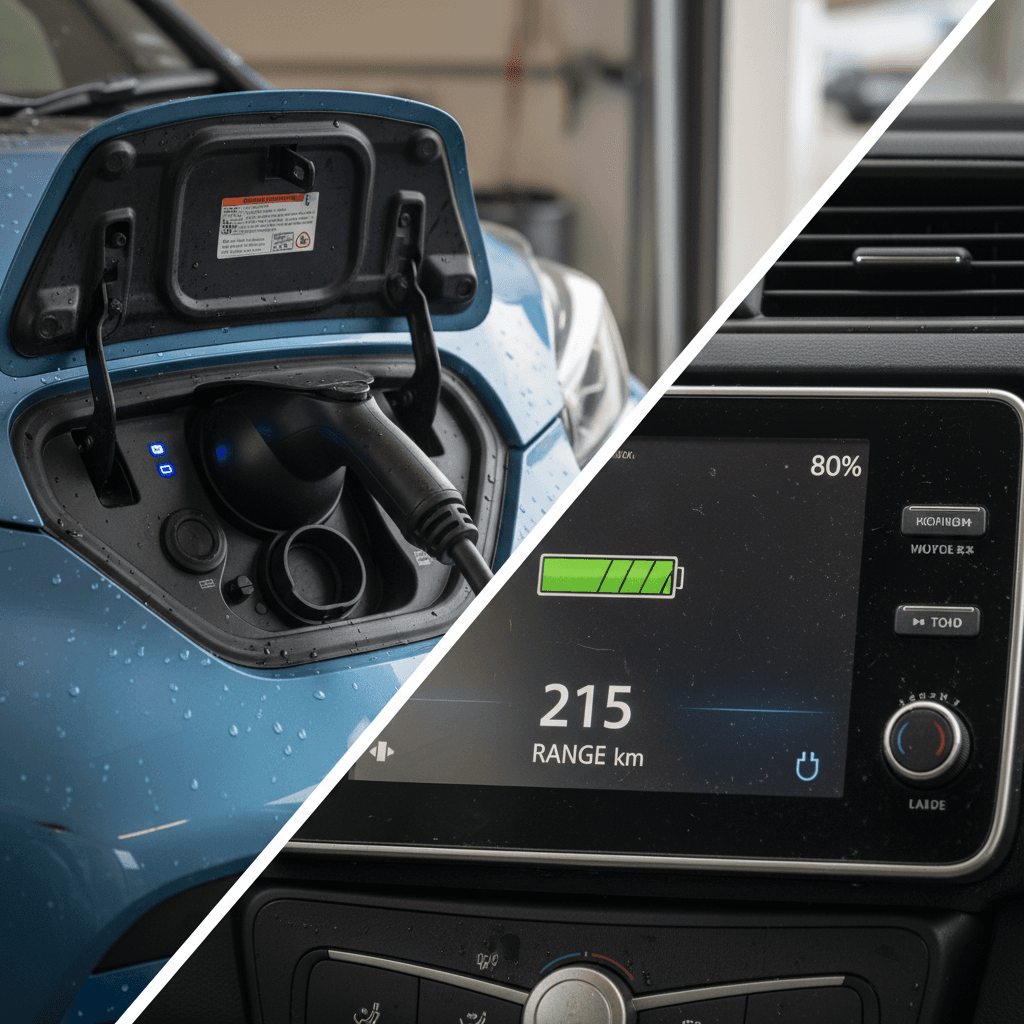
How the 2024 Nissan Leaf reliability rating stacks up
2024 Nissan Leaf reliability ratings from major sources
Owner sentiment and expert reliability ratings show a consistent picture: solid dependability with caveats around aging tech and range.
| Source | Metric | Score / Rating | What it means |
|---|---|---|---|
| Kelley Blue Book owners | Overall owner rating | ≈ 4.1 / 5 | Majority of owners are happy; reliability and build quality are bright spots. |
| Kelley Blue Book owners | Reliability sub‑score | ≈ 4.4 / 5 | Drivers rate the Leaf’s reliability higher than its value and tech features. |
| RepairPal | Long‑term reliability | 4.5 / 5 (ranked #1 of 6 alt‑fuel cars) | Few serious mechanical issues and lower‑than‑average repair frequency and cost. |
| Consumer Reports | Predicted reliability | About average | Not flawless, but better than many newer EVs with more complex systems. |
| The Car Guide | Expert reliability | 8 / 10 | Reviewers consistently flag the Leaf as dependable but behind the curve on range. |
Scores current as of early 2026; always check for the latest updates before you buy.
Different organizations use different scoring systems, but they’re all circling the same conclusion: the 2024 Leaf is more dependable than the average EV, and roughly average compared with all 2024 vehicles, including gas cars. That’s a meaningful distinction in a segment where many first‑ and second‑generation EVs are still working through teething problems.
Where the Leaf looks strong
- Simpler hardware: One motor, modest power, and proven components mean fewer failure points.
- Stable design: The current‑gen Leaf has been around since 2018 with incremental updates, not clean‑sheet redesigns.
- Known issues: Common problems are well‑documented, and fixes are familiar to independent shops and dealers.
Where rivals may struggle
- New platforms: Fresh EV architectures often uncover quirks in software, charging, and thermal management.
- Complex drivetrains: Dual motors, adaptive air suspensions, and steer‑by‑wire systems add complexity and cost.
- Software‑heavy UX: More screen‑driven interfaces can mean more glitches over a 6–10‑year ownership window.
Battery health, degradation and range realities
For any EV, especially a Leaf, battery health is the real backbone of reliability. A Leaf that starts every time but has lost 30% of its usable range isn’t doing its job for most owners. Nissan has improved chemistry and thermal management over time, but the Leaf still relies on air‑cooled packs and an architecture that dates back to the car’s pioneering days.
- Most 2024 Leafs use a 40 kWh pack rated for up to 149 miles of EPA range.
- Leaf Plus models carry a 62 kWh pack with up to 212–226 miles of EPA range, depending on trim and wheels.
- In mild climates with moderate use, many Leafs retain strong capacity through the first 5–7 years.
- In very hot or very cold climates, or with frequent fast‑charging and highway use, degradation can show up earlier.
Air‑cooled pack trade‑offs
Real‑world signals your Leaf’s battery is aging
These behaviors show up in older Leafs more often, but they’re worth watching even on newer cars as mileage climbs.
Noticeably shorter range
Cold‑weather “cliffs”
Slow DC charging
Battery‑friendly habits
At Recharged, this is where our Recharged Score battery health report comes in. Every Leaf we sell gets a pack health check and detailed range expectation based on real‑world testing, not just the dashboard’s bar display. That’s especially important if you’re comparing a 40 kWh Leaf that will mostly do local errands versus a 62 kWh Leaf you plan to use for longer drives.
Common 2024 Nissan Leaf issues owners report
The 2024 Leaf doesn’t have a long rap sheet of catastrophic failures, but it isn’t perfect either. Most of the annoyances we see fall into a handful of categories: 12‑volt battery and electronics quirks, brake‑system oddities, and the usual EV‑era software gremlins.
Most common problem areas on recent Leafs
These patterns show up across late‑model Leafs, including 2024s, and earlier years with similar hardware.
12‑volt battery & warning lights
Brake noises and ABS warnings
Charging quirks
Battery behavior in edge cases
Don’t ignore real battery fault codes
Relative to gas compacts, these issues are still rare and typically less expensive to address than an engine or transmission failure. But they do shape the ownership experience, and they’re why a quick pre‑purchase scan and test drive matter more than just looking at the number of capacity bars.
Maintenance and long‑term ownership costs
One reason the 2024 Nissan Leaf reliability rating looks good in aggregate is that when something does go wrong, it’s usually not a $7,000 transmission or a turbo failure. EVs eliminate oil changes, timing belts, and exhaust systems. You still have wear items, tires, brake fluid, cabin filters, and the Leaf adds a few EV‑specific line items to the mix.
Leaf maintenance: what you should actually plan for
1. Tires and alignment
The Leaf is relatively heavy for its size because of the battery. Expect slightly faster tire wear than a similar gas hatchback, especially if you do a lot of city driving with sharp turns and instant torque.
2. Brake service
Because regenerative braking handles a lot of deceleration, pads can last a long time. But rotors may rust if the car sits, and the brake system still needs periodic fluid changes and inspections.
3. 12‑volt battery replacement
Budget to replace the 12‑volt battery every 3–5 years. It’s a modest cost but a common trigger for weird warning lights if you wait too long.
4. Cabin air filter & basic inspections
Like any car, the Leaf needs cabin filters, wiper blades, and periodic checks of suspension, steering, and HVAC performance.
5. High‑voltage system checks
Under warranty, Nissan will check the traction battery if you report range loss or warnings. Out of warranty, a specialist EV shop, or a seller like Recharged that performs deep diagnostics, is your friend.
Total cost picture
How reliable is a used Nissan Leaf?
Shopping used is where the Leaf’s story gets more nuanced. Mechanically, even high‑mileage Leafs tend to hold up well: motors, gearboxes, and power electronics have far fewer catastrophic failures than many gasoline drivetrains. Where things diverge is how the battery has been treated and what climate the car has lived in.
Used Leaf strengths
- Lower parts count: Fewer systems that can wear out or leak compared with a gas car.
- Decent track record: A decade of fleet and private use has surfaced most design weaknesses.
- Simple to live with: No complicated air suspensions, dual‑motor setups, or exotic features to age poorly.
Used Leaf watch‑outs
- Unknown battery history: Fast‑charge‑heavy or hot‑climate use can accelerate degradation.
- Older chemistries: Early Leafs in particular are known for faster capacity loss.
- Out‑of‑date software: Some owners skip software updates that can improve charging behavior or fix bugs.
How Recharged derisks used Leafs
What to check before you buy a Leaf
Whether you’re buying a new 2024 Leaf or a used example from earlier years, you can dramatically improve your odds of a trouble‑free experience by doing a few specific checks up front. Think of this as translating the abstract reliability rating into a concrete inspection checklist.
Pre‑purchase checklist for 2024 and used Leafs
1. Verify battery health, not just bars
Use a proper battery health report (like the Recharged Score) or an EV‑savvy shop to check state of health. The dash’s bar display is a rough indicator, not a full diagnostic.
2. Test range on your route
If possible, do a long test drive that mirrors your daily use, speeds, terrain, and temperature. Watch how quickly the state of charge drops and whether estimates seem consistent.
3. Scan for stored fault codes
Even if no warning lights are on, a scan can reveal intermittent EV system or battery codes that suggest deeper issues.
4. Check 12‑volt battery age
Ask when the 12‑volt battery was last replaced. If it’s 4+ years old, factor a replacement into your first‑year budget.
5. Inspect brakes and tires
Look for uneven tire wear, seized calipers, or heavily rusted rotors, especially on cars that have sat for long periods.
6. Confirm recall and software history
Ask for dealer service records, recall completion, and software updates. Up‑to‑date cars generally behave better and are easier to support.
Remote‑buying advantage
When the 2024 Leaf is (and isn’t) a smart choice
All reliability ratings live in context. A car that’s bulletproof on a 30‑mile round‑trip commute might feel unreliable if you expect it to handle 250‑mile winter road trips with no planning. The 2024 Leaf is no exception.
Is a 2024 Nissan Leaf a good fit for you?
Match your use case and expectations to what the Leaf actually does well.
Great choice if…
- You drive short to medium daily distances, commuting, school runs, errands.
- You have access to reliable home or workplace charging.
- You value predictable, low running costs more than cutting‑edge tech.
- You live in a moderate climate or can garage the car.
Look elsewhere if…
- You routinely need to drive 150–200+ miles in a single stint, especially in cold weather.
- You rely heavily on DC fast‑charging for daily use.
- You want the latest driver‑assist, infotainment, or long‑range tech.
- You live in an area with minimal CHAdeMO fast‑charging support, since networks are shifting toward CCS and NACS.
If you stay inside its envelope, the 2024 Nissan Leaf is quietly one of the more reliable and cost‑effective ways to go electric. Owner scores and independent ratings back that up. The key is to buy the right example, new or used, with a verified healthy battery and to be realistic about its range and charging limitations. Working with a seller that specializes in EVs, like Recharged, can turn that homework into a straightforward, transparent process rather than a leap of faith.