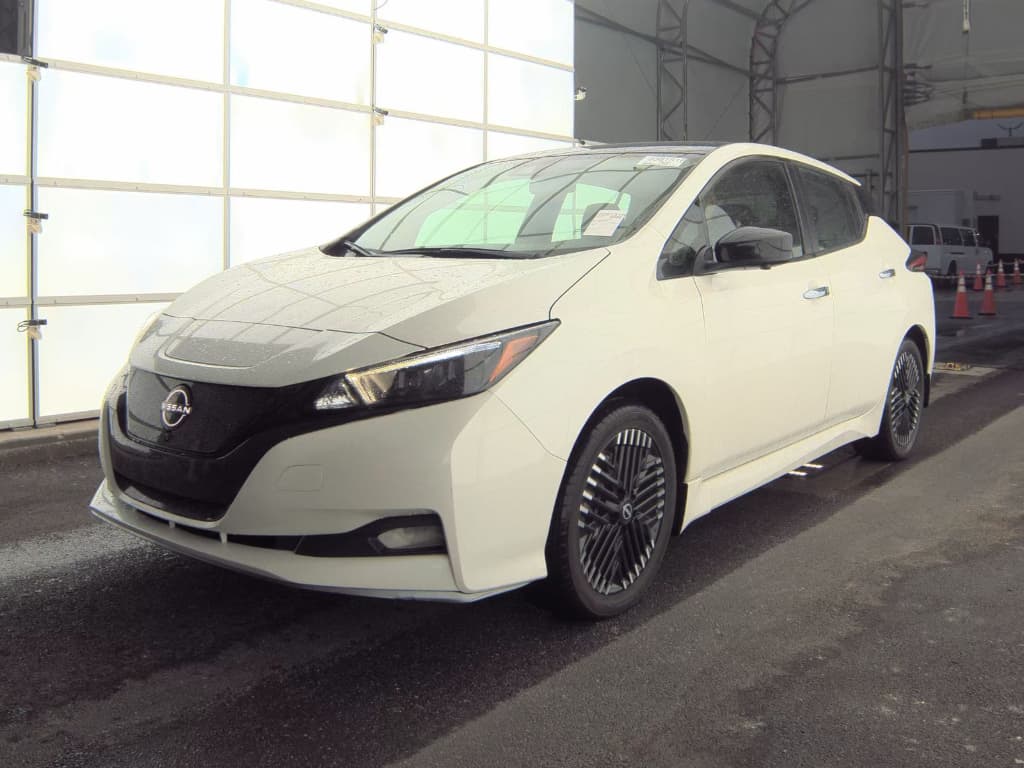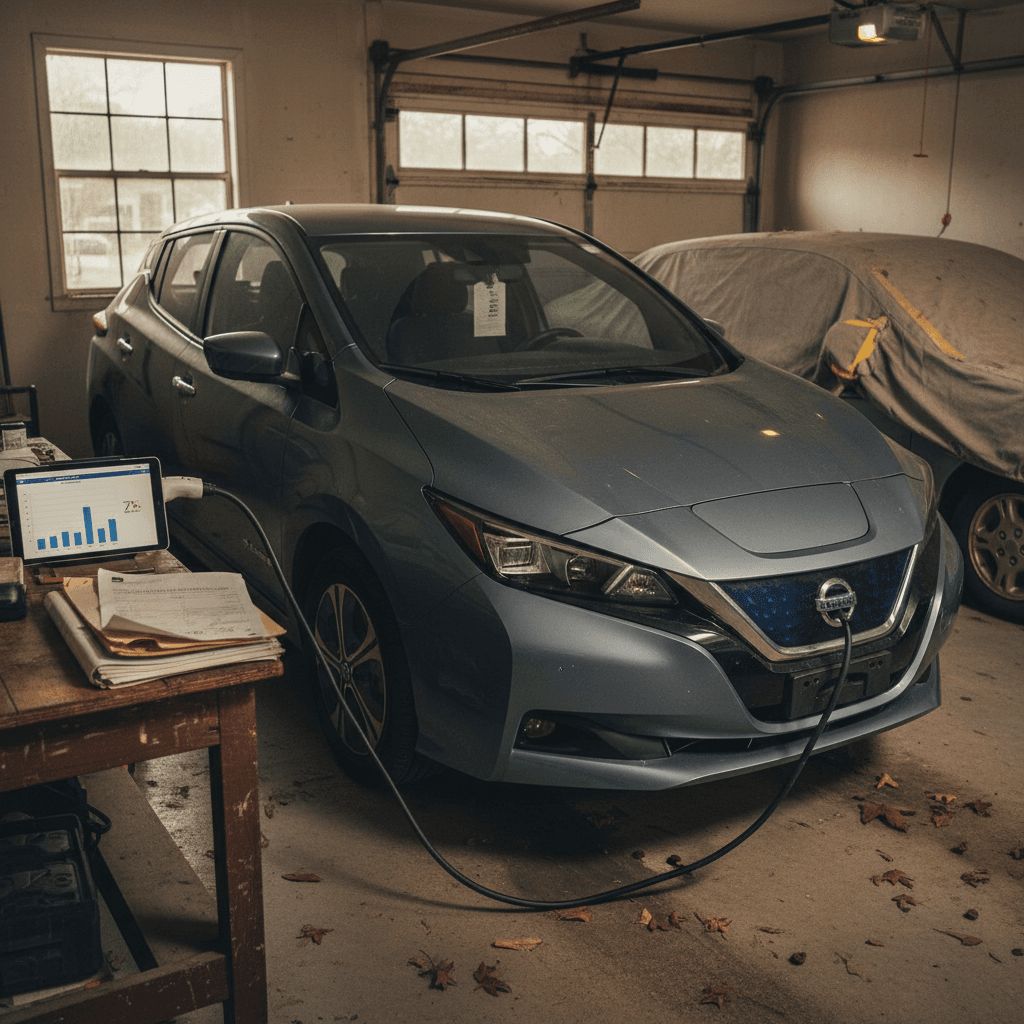
If you’re looking at a budget‑friendly EV, the **2024 Nissan Leaf** is hard to ignore. It’s one of the least expensive new electric cars sold in the U.S., and used examples are already showing up at attractive prices. But the Leaf also has a long history, and shoppers understandably ask: *what are the real 2024 Nissan Leaf problems*, and are they deal‑breakers if you plan to keep the car for years?
Quick take
Overview: Should You Worry About 2024 Nissan Leaf Problems?
Across surveys and owner feedback, 2018–2024 Leafs tend to rate **above average for day‑to‑day dependability**, with relatively few breakdown‑level failures reported compared with similarly priced EVs. One large UK reliability survey found that only about 11% of 2018–2024 Leafs had any issue at all, and most faults were minor items like interior trim, non‑drivetrain electrics, or brakes that were fixed within a day. Where the Leaf draws criticism isn’t so much catastrophic failures as **design trade‑offs**: - Air‑cooled battery packs that can suffer more noticeable **range loss in hot climates and under repeated fast charging**. - The outgoing **CHAdeMO DC fast‑charging standard**, which is steadily being replaced by CCS and Tesla’s NACS plugs in North America. - A handful of **software and recall items** on recent model years that owners need to make sure have been addressed. If you understand those trade‑offs and buy the right car for the right use case, a 2024 Leaf can still be a smart, low‑cost EV, especially as a used purchase from a seller who has documented battery health.
2018–2024 Nissan Leaf Reliability Snapshot
How Reliable Is the 2018–2024 Leaf Overall?
The current‑generation Leaf (internal code ZE1) dates back to the 2018 model year. That means the **2024 Leaf shares most of its underlying hardware and design** with 2018–2023 cars, so it makes sense to look at that whole run together when you’re worried about problems.
Common Problem Areas on 2018–2024 Leafs
Where issues tend to show up, most are inconvenient, not catastrophic
Brakes & regen feel
Non‑motor electrics
Battery & range
Brand‑wide, Nissan doesn’t sit at the top of the reliability charts, but the **Leaf itself often scores better than the company average**. The big question isn’t “will it constantly break?”, it’s **“how will the battery and charging limitations affect my daily life?”** That’s where you need to pay close attention, especially if you’re shopping used.
Used‑EV shopper tip
Battery and Range Issues on the 2024 Nissan Leaf
Battery behavior is the single biggest long‑term concern with any Leaf, including the 2024 model. Unlike most modern EVs, the Leaf’s pack is **air‑cooled**, not liquid‑cooled. That design saves cost but can make the battery more sensitive to **high heat and repeated DC fast‑charging**, especially in hot‑weather states like Arizona, Nevada, Texas, and parts of California.
- Earlier Leafs earned a reputation for **rapid degradation in extreme heat**, and while chemistry has improved, the underlying thermal approach is the same.
- Owner reviews of recent Leafs mention **real‑world range well below the EPA estimate** on highway trips or in cold or very hot weather.
- Some owners note that **range drops more quickly as the pack ages** than in comparable EVs with liquid cooling.
Hot‑climate caution
2024 Leaf Battery, Range & What Owners Report
How the official numbers stack up to real‑world experiences.
| Trim | Battery | EPA range (mi) | Typical owner range (mixed) | Common complaints |
|---|---|---|---|---|
| Leaf S | ~40 kWh | ~149 | 120–150 | Range drops quickly at highway speeds; winter range can feel tight |
| Leaf SV Plus | ~60 kWh | ~212 | 170–200 | Thermal management struggles on repeated fast charges; range dips more in extreme temps |
EPA range is a lab number; actual range depends heavily on climate, driving speed, and charging habits.
How Recharged looks at Leaf battery health
Charging Limitations: CHAdeMO and Road Trips
If there’s one **built‑in design problem** with the Leaf in 2026, it’s the fast‑charging standard it uses. All U.S.‑spec Leafs, including the 2024 model, rely on **CHAdeMO** for DC fast charging. When the Leaf launched, that was cutting‑edge. Today, CHAdeMO is the format the industry is quietly moving away from.
- Most new public fast‑charging sites are built with **CCS and NACS (Tesla)** connectors, not CHAdeMO.
- Some networks are already **removing CHAdeMO plugs** or limiting them to a single port per site.
- There is **no widely available CHAdeMO‑to‑CCS or NACS adapter** from Nissan, so you’re largely stuck with whatever CHAdeMO stations already exist.
Why this matters for 2024 Leaf owners
Where CHAdeMO isn’t a big problem
- You mostly **charge at home** and use the Leaf for a predictable commute.
- Your area still has a **decent number of CHAdeMO sites** and you rarely road‑trip.
- You treat DC fast charging as a **backup**, not a routine.
Where CHAdeMO is a deal‑breaker
- You need regular **long‑distance travel** and must rely on public fast charging.
- You drive in regions where infrastructure has already **shifted to CCS and NACS**.
- You want to keep the car for **10+ years** and worry about shrinking CHAdeMO support.
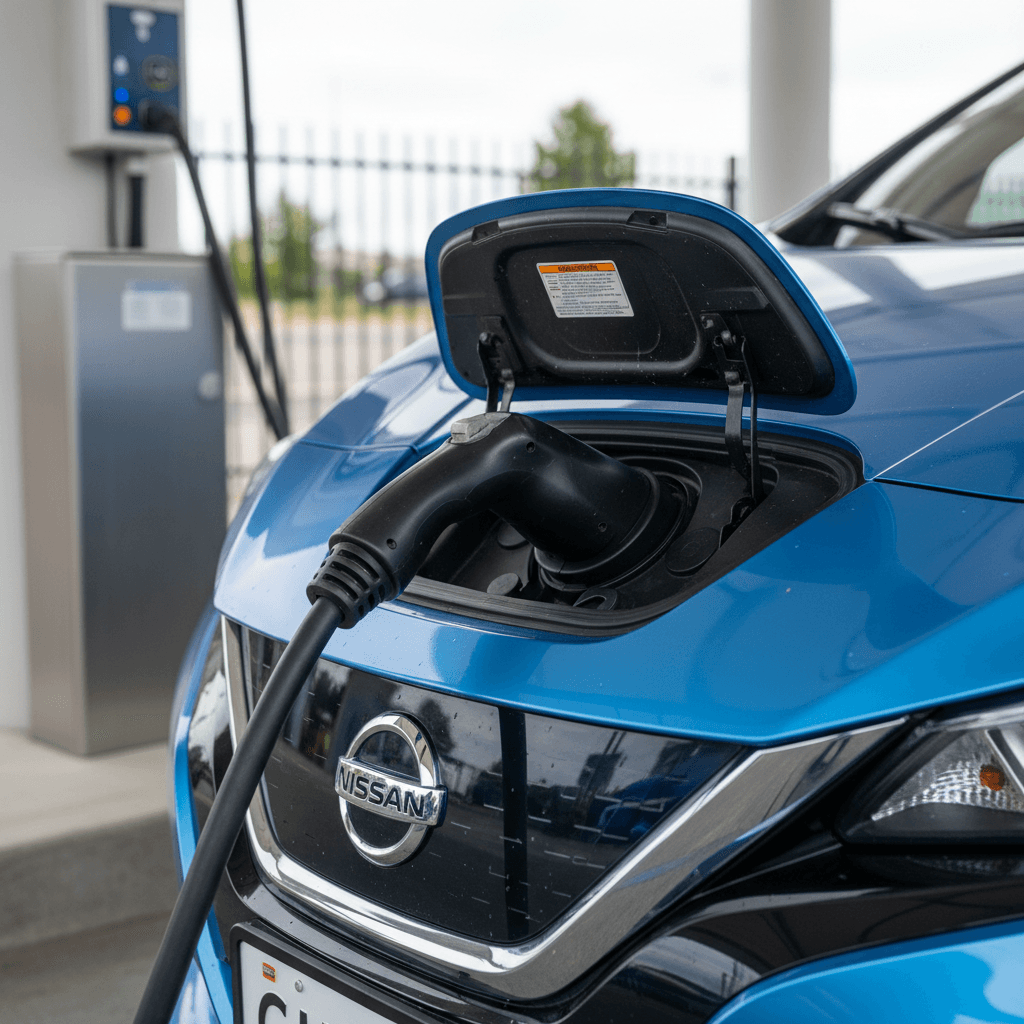
Software and Electrical Gremlins
Like most modern EVs, the Leaf relies heavily on software. That’s good news when fixes can be rolled out via updates, but it also means **some high‑profile problems have been software‑related rather than mechanical**.
- A recall on 2018–2023 Leafs addressed a **potential unintended acceleration** behavior if certain drive modes were changed right after cruise control was turned off. The fix is a reprogrammed vehicle control module.
- Another recall on 2018–2022 Leafs involved **rearview camera wiring** in the hatch that could cause blurriness, distortion, or a blank screen as the harness flexed over time.
- Owners occasionally report **random warning lights or charging‑system messages** that require a dealer visit to diagnose, usually resolved with software updates or minor electrical repairs.
Good news for 2024 buyers
Known Recalls Affecting Recent Leafs
The **2024 Leaf specifically** has not been the subject of major, high‑profile hardware recalls as of early 2026, but it’s closely related to cars that were. That means recall status matters when you’re shopping used.
Key Recent Leaf Recall Issues to Ask About
These campaigns primarily affect 2018–2023 Leafs but can impact the service history and software state of a 2024 car.
| Issue | Affected model years | Symptom or risk | Remedy |
|---|---|---|---|
| Unintended acceleration software bug | 2018–2023 | Car may continue to accelerate briefly if drive modes are changed right after cruise control is disengaged | Dealer reprograms vehicle control module |
| Rearview camera harness wear | 2018–2022 | Blurry, distorted, or blank rearview camera image | Revised harness routing / repair when available |
| Battery fire risk during Level 3 charging | 2019–2022 | Excess lithium deposits in certain packs could overheat during DC fast charge | Software update to prevent charging if overheating is detected; owner guidance to avoid Level 3 until updated |
Always run the VIN through the NHTSA recall tool or ask the seller for proof of completed campaigns.
How to check recall status
What 2024 Leaf Owners Actually Complain About
When you read through owner reviews for the **2024 Nissan Leaf**, a pattern emerges. The majority of owners are **happy daily drivers** who appreciate the car’s low running costs and simple driving experience. Consumer‑review averages hover around **4.1 out of 5 stars**, with more than 80% of owners saying they’d recommend the car. But the minority of 1‑ and 2‑star reviews are very clear about their pain points.
Common 2024 Leaf Complaints From Owners
These aren’t universal, but they come up often in low‑rating reviews.
Range falls short of expectations
Thermal management struggles
Not road‑trip friendly
“If this vehicle truly got 150 miles per full charge, as advertised, there wouldn’t be a problem. It gets far less, and on any trip where you have to charge it to get home it starts gulping electricity, because of poor battery thermal management.”
Balance the bad with the good
What to Check Before You Buy a Used 2024 Leaf
If you’re shopping a 2024 Leaf, especially used, your goal isn’t just to avoid lemons. It’s to **buy the right Leaf for your usage pattern** and avoid cars that have been driven or charged in ways that accelerate battery wear.
Pre‑Purchase Checklist for a 2024 Nissan Leaf
1. Get a real battery‑health reading
Don’t rely only on the 12 little “capacity bars” in the gauge cluster. Ask for **scan‑tool data or a third‑party battery report** that shows usable capacity in kWh or state of health (SoH). Recharged includes this in every Recharged Score Report.
2. Review charging history
Ask how the car was charged. A Leaf that lived on **Level 2 home charging** is usually a safer bet than one that fast‑charged on CHAdeMO several times a week, especially in hot climates.
3. Check for rapid range drop
On a test drive, start with a full charge and watch how quickly the **projected range** falls at highway speeds. A healthy 2024 Leaf should still feel predictable and match the seller’s claimed range in normal driving.
4. Verify recall and software updates
Ask for service records showing completed **recalls and control‑module updates**. If those are missing, plan a visit to a Nissan dealer or buy from a retailer (like Recharged) that confirms campaign status for you.
5. Inspect charging hardware
Look closely at the **charge port door, CHAdeMO connector, and onboard charger behavior**. Plug into Level 2 and, if possible, a CHAdeMO fast charger to confirm normal speeds and that no error messages appear.
6. Look for water intrusion & electrical oddities
Lift the cargo floor, check for **damp carpet or corrosion** around harness connectors, and take note of any sporadic warning lights, infotainment glitches, or camera issues that might hint at wiring problems.
Leverage professional inspections
When the Leaf Is Still a Great Choice
Despite its quirks, the **2024 Nissan Leaf solves a very real problem**: how to get into an electric car without spending Tesla‑money. For the right driver, it’s not just adequate, it’s a sweet spot.
Who the 2024 Leaf Fits Best
If most of these sound like you, its “problems” may not be problems at all.
Short‑range daily commuter
Budget‑first EV shopper
Mild‑climate driver
Urban/suburban household runabout
Where Recharged adds value with a Leaf
Ready to find your next EV?
Browse VehiclesFAQ: 2024 Nissan Leaf Problems & Ownership
Frequently Asked Questions About 2024 Leaf Problems
Bottom Line: How to Shop a 2024 Leaf Smartly
The **2024 Nissan Leaf’s problems** are less about dramatic failures and more about design decisions that were forward‑thinking a decade ago and conservative today. Modest range, air‑cooled batteries, and CHAdeMO fast charging limit how well a Leaf fits into a road‑trip‑heavy lifestyle, but for short‑range commuting and local errands, it remains one of the **most affordable ways to drive electric**.
If you’re considering a used 2024 Leaf, focus on three things: **battery health, charging reality in your area, and how far you truly need to drive on a daily basis**. Get hard data on the pack, verify recalls and software updates, and be honest about your use case. Do that, and you can enjoy years of low‑stress electric miles at a price many newer EVs can’t touch. Recharged was built to make that process easier: we combine verified **battery diagnostics, transparent pricing, financing, trade‑in options, and nationwide delivery** with EV‑savvy guidance from first click to final signature. Whether you end up in a Leaf or another used EV, the goal is simple, match you with the car that fits your life, not just your budget.