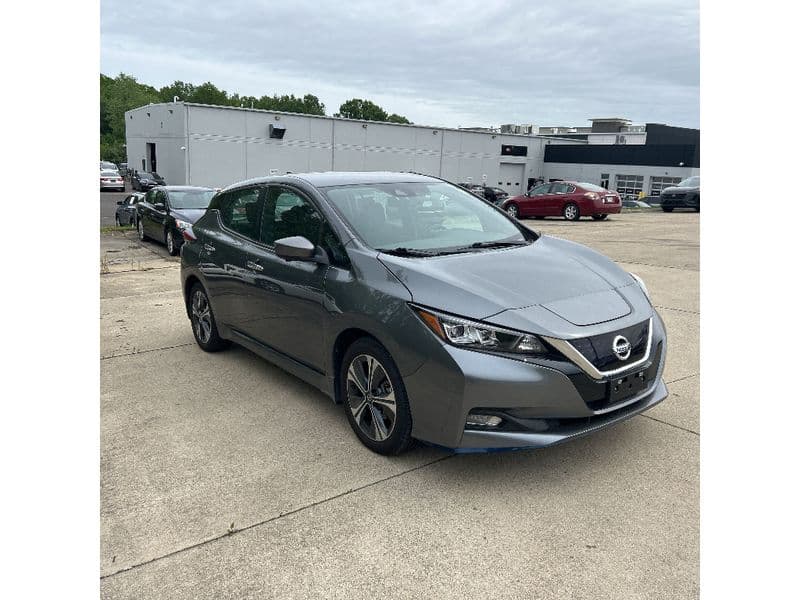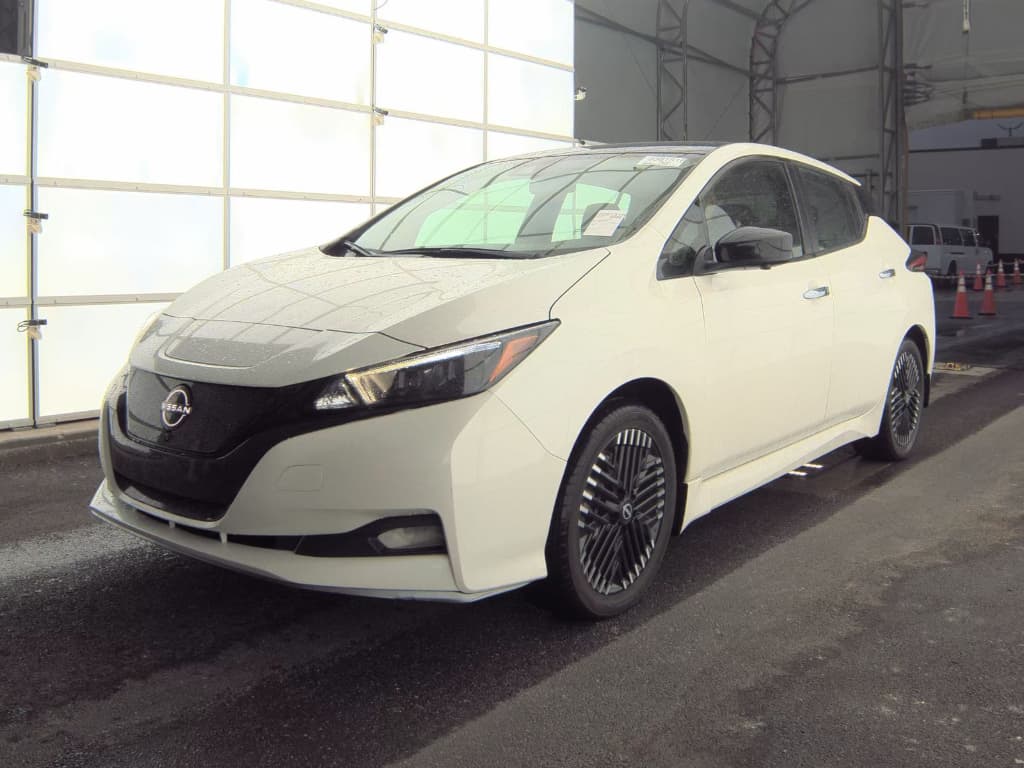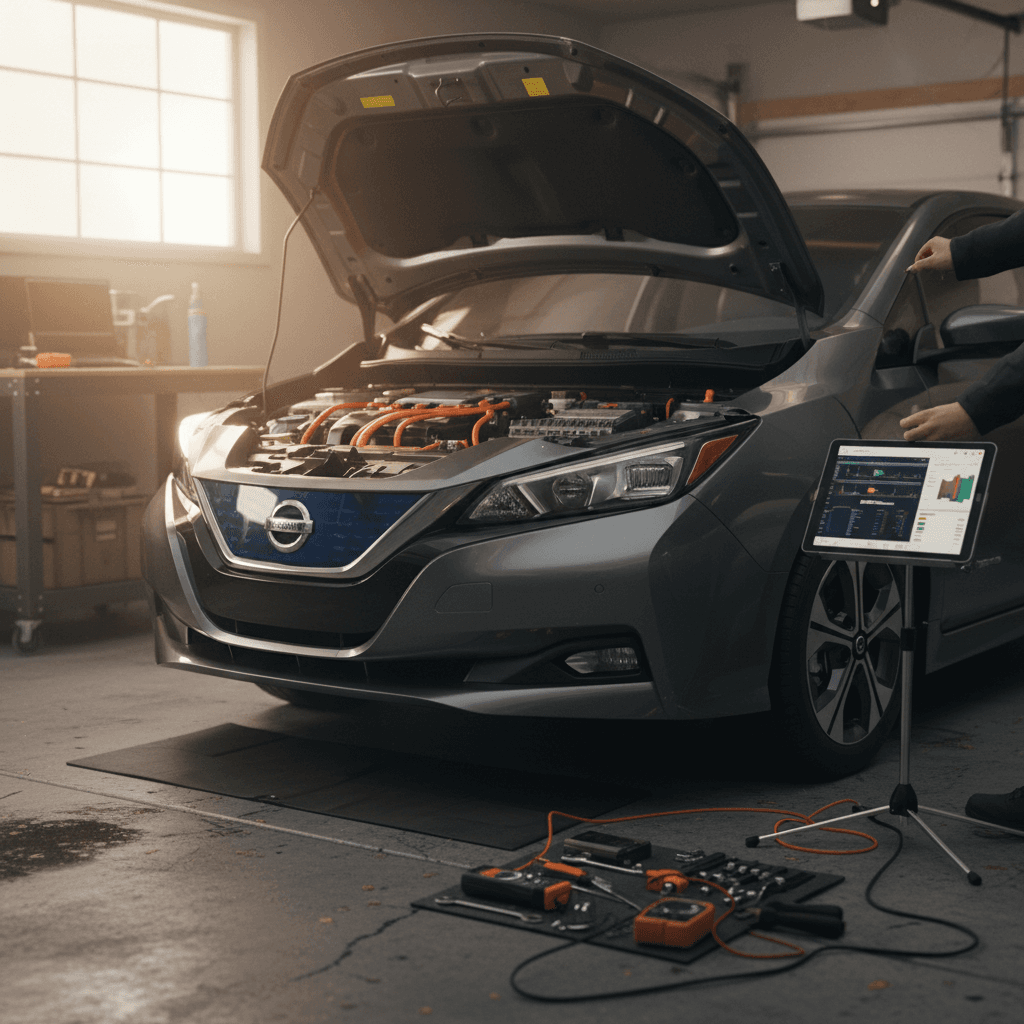
If you’re eyeing a 2024 Nissan Leaf, or you already have one in your driveway, you’re probably wondering what problems to expect and how hard they are to fix. The good news: the 2024 Leaf has a mostly solid reputation so far. But it does carry some long‑running Leaf quirks around battery behavior, charging, and software that you should understand, especially if you’re shopping used.
Quick take
2024 Nissan Leaf reliability in a nutshell
2024 Leaf reliability snapshot
On paper, the 2024 Leaf looks like a safe bet. It’s the tail end of a long‑running model with most early‑generation bugs already flushed out. Independent reliability ratings and owner scores for the second‑generation Leaf (2018–2025) land around average to above‑average, and the 2024 doesn’t appear to be an outlier.
Where you still need to pay attention is the same place Leafs have always demanded respect: the battery pack and charging behavior. Unlike many newer EVs, the Leaf’s pack is passively cooled, and the car still uses the older CHAdeMO fast‑charge standard. That combination doesn’t make the 2024 Leaf a ticking time bomb, but it does shape the kinds of problems owners run into, and how you should drive and charge it.
Tip for shoppers
Big picture: should you worry about 2024 Leaf problems?
Why the 2024 Leaf is still a solid choice
- Proven platform with over a decade of real‑world data behind it.
- Relatively simple EV hardware compared with newer, more complex models.
- Low everyday running costs and minimal routine maintenance.
- Lots of used inventory at attractive prices as Nissan winds the Leaf down.
Where problems tend to show up
- Battery degradation in hot climates or heavy fast‑charge use.
- Charging annoyances due to limited CHAdeMO infrastructure.
- Occasional warning lights or limp‑mode events traced to relays or control modules.
- Minor fit‑and‑finish complaints (rattles, camera/sensor glitches, infotainment quirks).
If you’re used to gas cars, even a small EV issue can feel mysterious. The key with the 2024 Leaf is recognizing the difference between **normal EV behavior** (like faster range loss in winter) and **real problems** (like a bad cell causing the car to hit turtle mode on the highway). The rest of this guide walks through the most common 2024 Leaf problems and fixes, with an eye toward what you can live with, what you can prevent, and what should send you straight to a Nissan service bay, or to a used‑EV expert like Recharged for a second opinion.
Battery health & degradation on the 2024 Leaf
Let’s start where every Leaf conversation eventually lands: the battery. The 2024 Leaf comes with either a 40 kWh pack (Leaf S) or a 62 kWh pack (Leaf SV Plus). Both use passive air cooling instead of the liquid‑cooled systems you’ll find in many rivals. That design is simple and cheap, but it also means the pack is more exposed to heat and hard use.
- Gradual capacity loss over time (fewer miles per charge).
- Faster apparent range loss in cold weather or at highway speeds.
- Occasional weak‑cell behavior on some packs, especially heavily fast‑charged or hot‑climate cars.
Heat is the real enemy
Common 2024 Leaf battery complaints (and what they really mean)
Not every scary symptom is a dying pack
“My range dropped overnight”
Likely cause: Temperature swing or more highway driving, not sudden failure.
Fix: Compare range at the same temp and driving mix. Use ECO mode and moderate speeds to verify.
Losing bars on the dash
Likely cause: Genuine long‑term degradation as the pack ages.
Fix: Track loss over months. If you’re under Nissan’s battery warranty and capacity loss is severe, a dealer evaluation may trigger a pack repair or replacement.
Turtle mode on hills
Likely cause: Weak cells being stressed under heavy load, sometimes tied to bad modules.
Fix: Have the pack scanned with a Leaf‑specific tool. This is not a “wait and see” situation, get it documented under warranty ASAP.
How to prevent 2024 Leaf battery problems
1. Avoid living at 100%
Try to charge to 80–90% for daily use and only top to 100% right before a longer trip. Parking at full charge in summer heat is one of the quickest ways to stress the pack.
2. Be gentle with fast charging
Level 3 (CHAdeMO) charging is fine occasionally, but don’t rely on it daily. Back‑to‑back fast‑charge sessions on a hot day are especially punishing for a passively cooled battery.
3. Watch your bars, not just miles
The Leaf’s capacity bars on the dash tell you more about long‑term battery health than the estimated range. Track them a few times a year so you notice changes early.
4. Use a battery‑health app
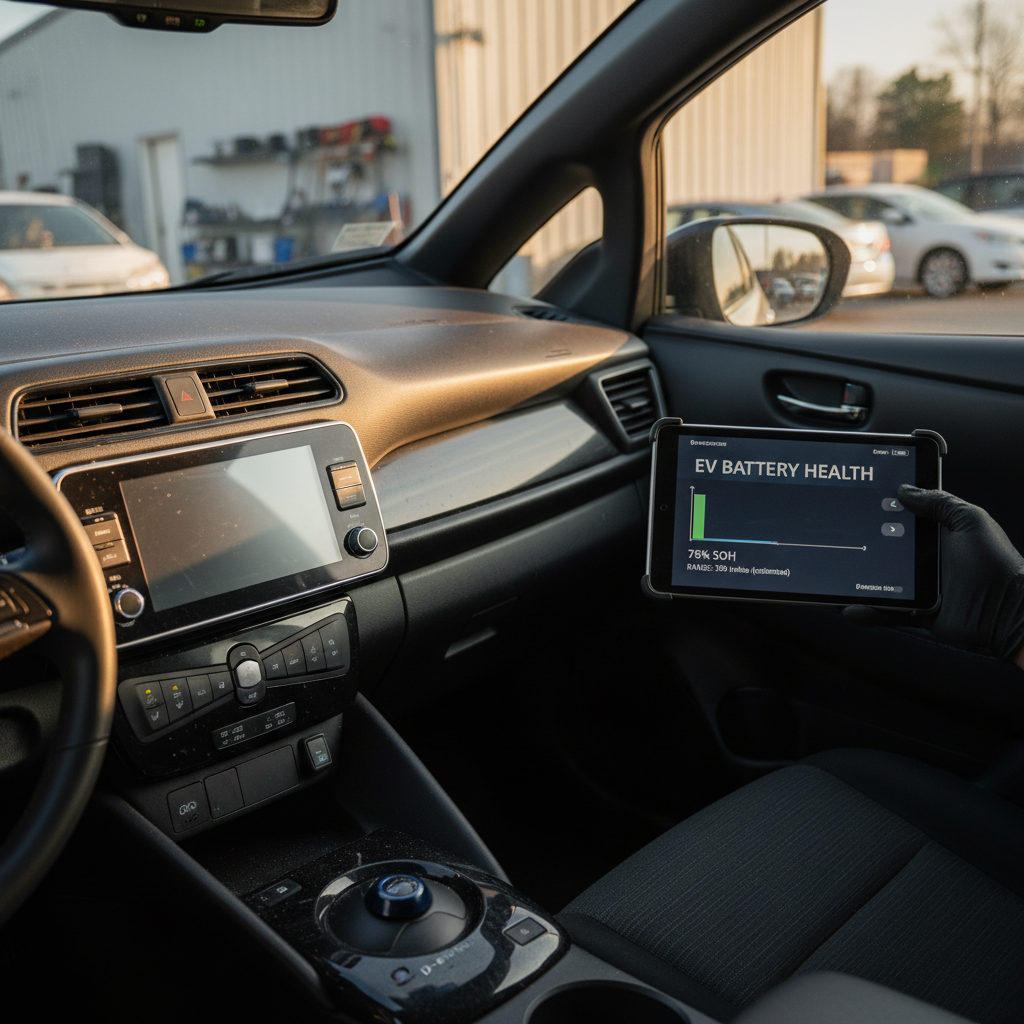
A Leaf‑specific OBD app can show cell balance and state of health. If you’re buying used, this is one of the easiest ways to spot a future problem hiding in plain sight.
5. Park smart
Whenever possible, park in shade or a garage, especially in hot climates. Your pack will thank you over the long haul.
How Recharged helps on battery health
Ready to find your next EV?
Browse VehiclesCommon 2024 Leaf charging issues and fixes
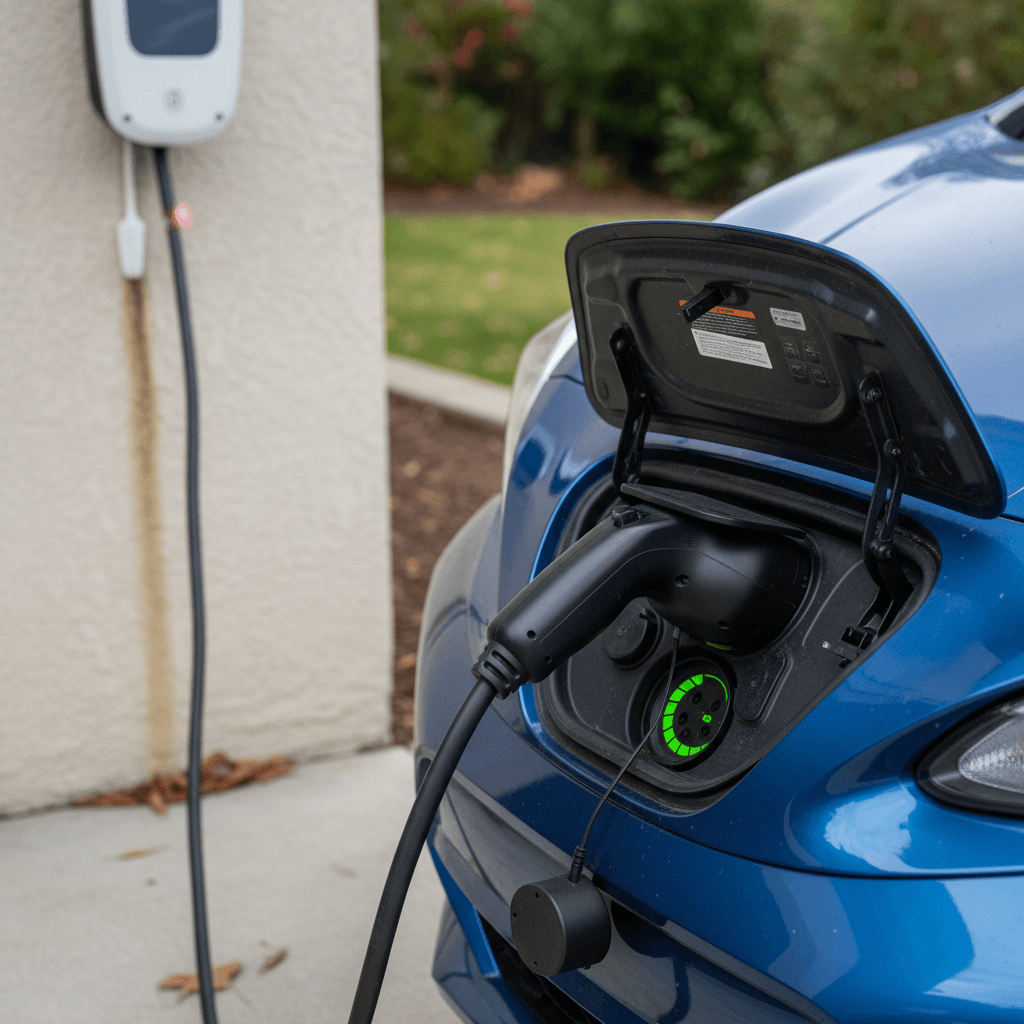
The 2024 Leaf’s **J1772 port for Level 2** and **CHAdeMO port for DC fast charging** are old news in the EV world, and that’s part of the problem. As more networks move toward the new NACS/Tesla‑style connector, CHAdeMO locations are thinning out. Most charging “problems” owners report fall into three buckets: hardware, charging‑station compatibility, or user‑interface confusion.
2024 Leaf charging problems and quick fixes
Start with the simple stuff before assuming a major fault.
| Symptom | Most likely cause | What to try first | When to call a dealer |
|---|---|---|---|
| Car won’t charge on Level 2 at home | Tripped breaker, bad EVSE, timer settings | Try another outlet or public L2; disable charge timers; check breaker | If the car refuses multiple proven-good stations |
| Public DC fast charger won’t start | CHAdeMO station error or account issue | Try another plug or brand; reboot app; verify account and session type | If *no* DC chargers work and you see warning lights |
| Charge stops at ~80% on fast charge | Normal behavior to protect battery | Restart session or finish at home on Level 2 if you need the extra charge | If sessions end early at low SOC (40–50%) repeatedly |
| Car charges very slowly | Cold battery, low‑power station, or weak circuit | Check station power rating; warm up pack with a short drive; verify outlet amperage | If the car never draws more than a trickle on any station |
Always test with at least two different charging stations or cables before blaming the car.
Know your plug
One recurring owner story involves a brand‑new Leaf that suddenly refuses to charge or throws a “Service EV System” warning. In many of those cases, the culprit ends up being a faulty relay, wiring harness, or onboard charger module, not the main high‑voltage battery. Those parts are covered under warranty, but they can take time to source.
Charging safety reminder
Software glitches, warning lights & limp mode
Modern EVs are rolling computers, and the Leaf is no exception. The 2024 car benefits from years of refinement, but owners still report occasional **phantom warning lights, camera issues, and rare limp‑mode incidents** where the car limits power and shows “Service EV System.”
Typical 2024 Leaf electronic issues
Annoying more often than dangerous
Service EV System / limp mode
Some 2024 owners have seen limp mode on low‑mileage cars, sometimes traced to a bad relay, sensor, or wiring, not the battery itself.
What to do: Note conditions (speed, temp, SOC), pull over safely, power cycle the car. If it returns, get it towed or driven gently to a dealer immediately for diagnosis and documentation.
Camera & 360° view glitches
Intermittent failures of the front or around‑view cameras show up as blank screens or warnings.
What to do: Clean the lenses, confirm it’s not a simple obstruction, then schedule a visit. Camera modules and wiring are warranty items on a 2024 Leaf.
Infotainment & Bluetooth bugs
Occasional freezing, dropped Bluetooth connections, or slow navigation responses.
What to do: Reboot the head unit, delete and re‑pair your phone, and check for software updates during service visits.
Random dash lights that clear
Brief traction control, ABS, or other icons that pop up and vanish after a restart.
What to do: If they don’t repeat, note it and move on; if they do, especially with drivability changes, have the codes read and stored.
A note on app and connectivity issues
Comfort & build-quality complaints owners mention
Most 2024 Leaf complaints aren’t the kind that strand you, they’re the things that make a cheap EV feel, well, cheap. That can matter a lot if you’re commuting every day.
- Road and wind noise at highway speeds compared with newer, more insulated EVs.
- Firm seats that some drivers find uncomfortable on longer trips.
- Interior rattles or squeaks on rough pavement.
- Occasional HVAC quirks, like slow defrost or inconsistent automatic climate behavior.
Test drive the way you actually drive
One minor but real annoyance reported by some recent‑model owners is HVAC software updates related to defroster performance. These typically show up as service campaigns rather than full recalls and are fixed with a software flash at the dealer.
Recalls, safety campaigns & over-the-air updates
As of April 2026, there are **no widely reported NHTSA safety recalls specifically targeting the 2024 Leaf**. However, earlier second‑generation Leafs (2019–2022) have faced software‑based recalls related to DC fast charging and battery overheating, and Nissan has a history of issuing running updates as issues crop up.
Don’t assume “no news” means “no recalls”
How to stay on top of 2024 Leaf recalls and campaigns
Two quick checks can catch most issues before they become headaches.
| Check | Where to go | What you’ll see | How often |
|---|---|---|---|
| NHTSA recall lookup | Official NHTSA VIN lookup site | Any open federal safety recalls tied to your VIN | Before purchase, then twice a year |
| Nissan recall & service campaign check | Nissan owner portal or dealer service desk | Safety recalls plus non‑safety service campaigns and software updates | At every service visit or at least yearly |
Both checks are free and take just a few minutes.
If Nissan extends the existing DC fast‑charging and battery‑management recalls to cover more years, or issues a new one that touches 2024 cars, you want to be first in line. These repairs are free, but they can take time if parts or software updates are back‑ordered.
DIY fix or dealer visit? How to decide
Good DIY territory
- Checking and resetting home breakers or trying a different outlet.
- Turning off charge timers and re‑trying a stalled charge session.
- Cleaning camera lenses and parking sensors.
- Rebooting the infotainment system and re‑pairing Bluetooth devices.
- Monitoring battery health with a Leaf‑friendly OBD app.
Dealer or EV specialist only
- Repeated Service EV System messages or limp‑mode events.
- Rapid, repeatable range loss that doesn’t track with temperature or driving style.
- Any signs of burning smells, smoke, or abnormal heat around the battery or charging port.
- Persistent charging failures across multiple, known‑good stations.
- Airbag, ABS, or other critical safety warning lights that won’t clear.
Where Recharged fits in
Buying a used 2024 Leaf: problems checklist
Shopping used is where knowing the common 2024 Nissan Leaf problems and fixes really pays off. Here’s how to separate the good commuters from the future headaches.
Pre‑purchase checklist for a used 2024 Leaf
1. Verify battery health the right way
Don’t rely on the dashboard range estimate alone. Check the capacity bars and, ideally, scan the pack with a Leaf‑specific OBD app or review a third‑party battery report like the Recharged Score.
2. Drive it fully warmed up
Take at least a 20–30 minute test drive that includes hills and highway speeds. Watch for warning messages, sudden power limits, or turtle mode when the battery is above 20%.
3. Test multiple chargers
If possible, plug into a home Level 2, a workplace or public Level 2, and a CHAdeMO fast charger. You’re checking both the car and the cable ports for fussy behavior.
4. Listen for rattles, feel for shudders
On rough pavement and at highway speeds, listen for interior rattles and feel for any vibrations. Annoyances here won’t strand you, but they can wear you down on a long commute.
5. Scan for stored codes
Even if the dash is clear, ask the seller or dealer to scan for stored fault codes. Intermittent issues often leave a trail that tells you more than a 10‑minute test drive will.
6. Run the VIN for recalls & campaigns
Before you sign, run the VIN through NHTSA and Nissan’s recall tools. Confirm that any applicable safety recalls or software campaigns have been completed.
7. Review charging and usage history
Ask how the car was used. A low‑mileage Leaf that spent its life fast‑charging in desert heat is very different from one that commuted gently in a mild climate.
8. Factor battery warranty into the price
The Leaf’s battery warranty typically runs 8 years or 100,000 miles for capacity. A 2024 Leaf sold in 2024 still has plenty of coverage left; that should show up in the price and your peace of mind.
2024 Nissan Leaf problems: FAQ
Frequently asked questions about 2024 Nissan Leaf problems
Bottom line: when a 2024 Leaf is a smart buy
The story of 2024 Nissan Leaf problems and fixes is less about horror‑story failures and more about understanding what this car is built to do. Treat it as a reasonably priced, short‑to‑medium‑range commuter that likes Level 2 charging and doesn’t love heat, and it can serve faithfully for years. Ignore its battery and charging quirks, and you’ll be the owner grumbling on forums about range and “mystery” warning lights.
If you’re shopping used, focus on battery health, charging behavior, and recall status. That’s where the meaningful differences live between two otherwise identical 2024 Leafs. A strong pack, clean history, and solid test drive are worth far more than a fancy trim badge.
And if you’d rather not decode all of that alone, a marketplace like Recharged is designed for exactly this moment. With expert EV support, transparent pricing, financing options, trade‑in help, and battery‑health data baked into every Recharged Score Report, you can pick the right 2024 Leaf, and skip the guesswork that turns small EV quirks into big headaches.