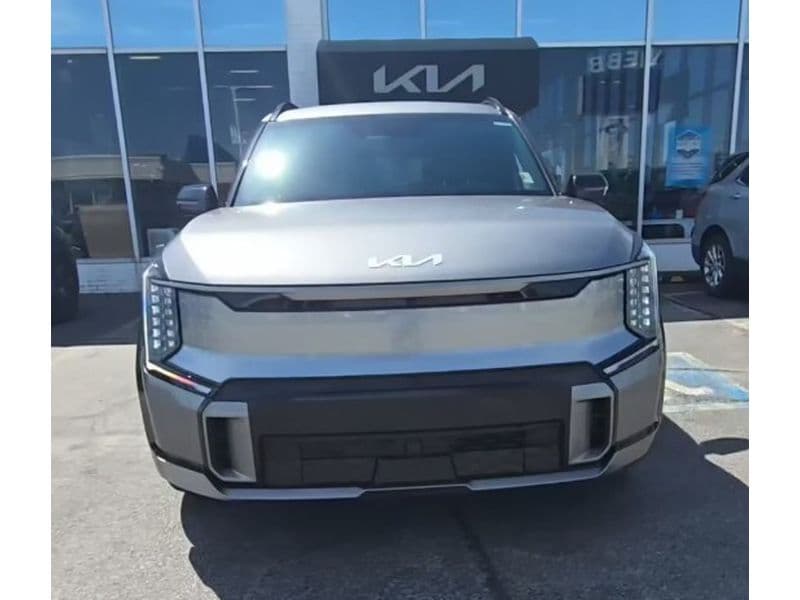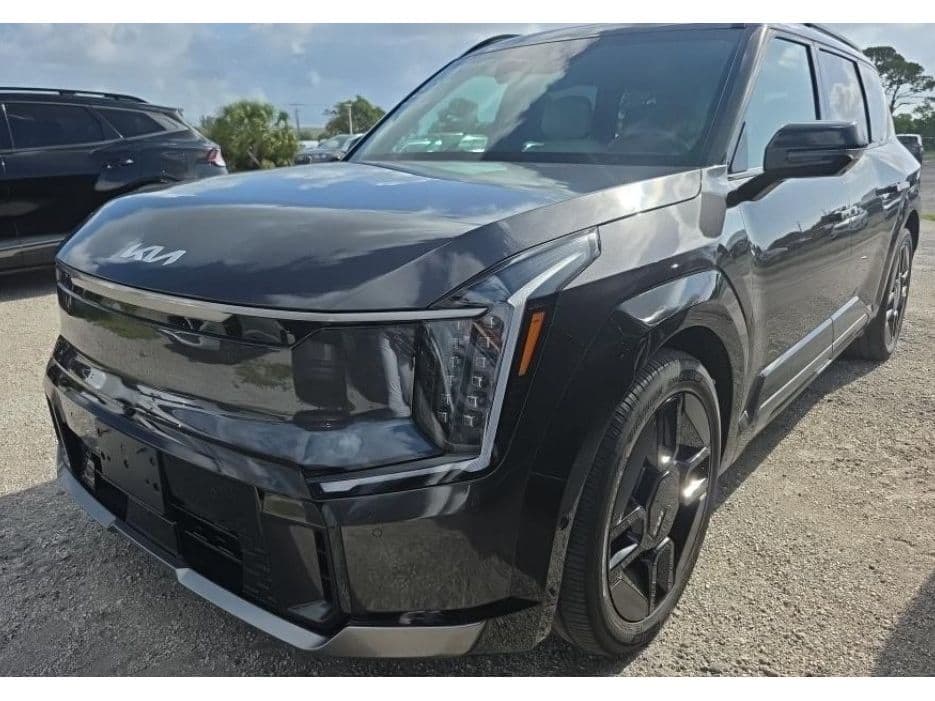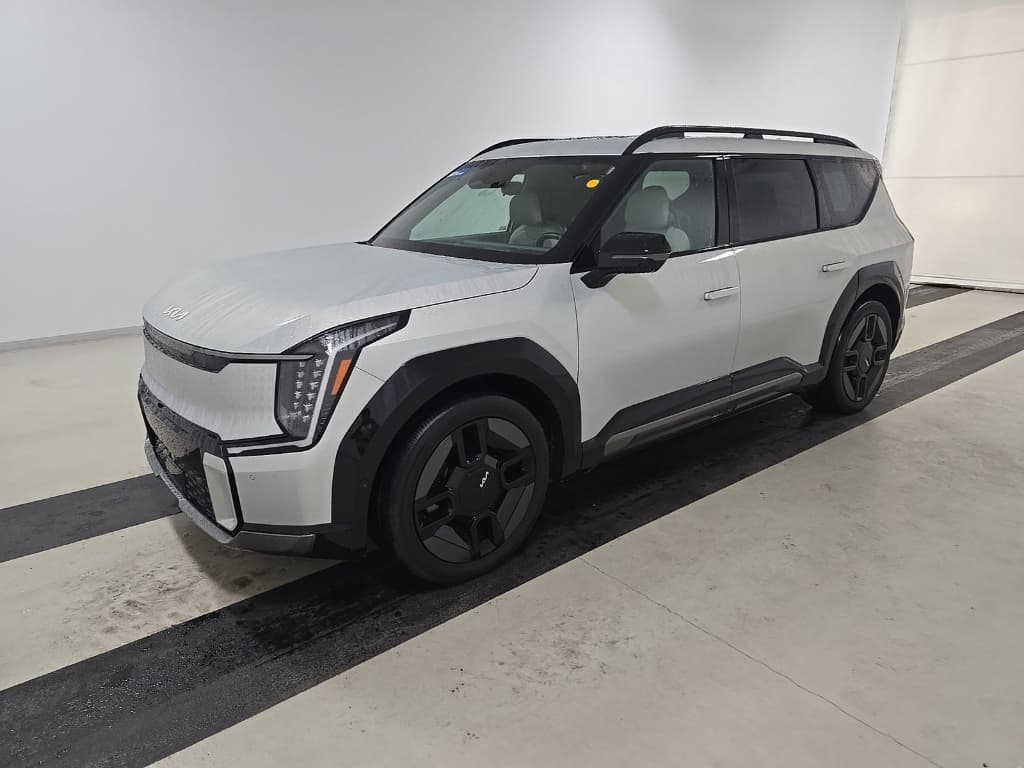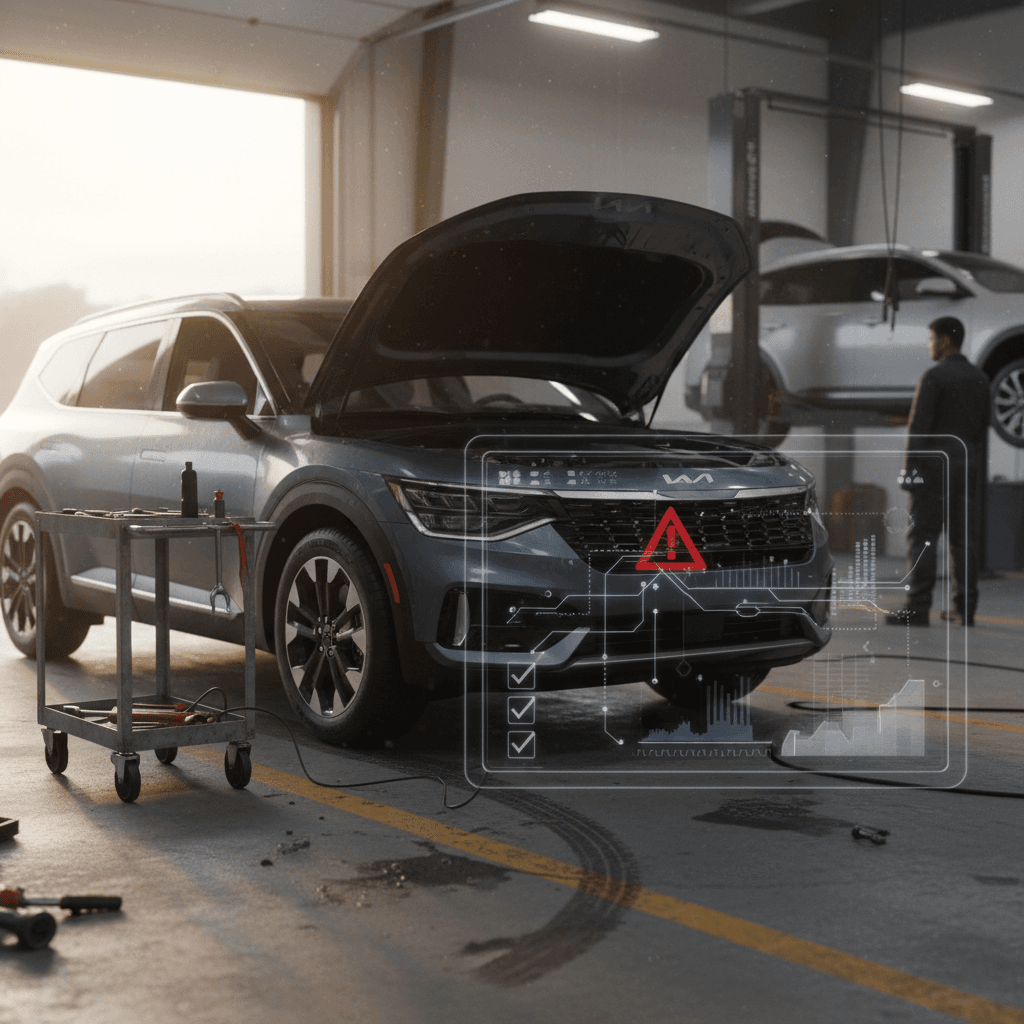
If you own or are considering a 2024 Kia EV9, you’ve probably heard that this new three-row EV has already seen multiple recalls. The good news: most 2024 Kia EV9 recalls are software- or hardware-fixable issues that dealers repair free of charge. This guide walks you through the known 2024 Kia EV9 recalls list, explains what each campaign does, and shows you how to verify that any EV9, new or used, has been properly fixed.
Quick context
Overview: Why 2024 EV9 recalls matter
The 2024 EV9 is Kia’s flagship electric SUV, packed with software, sensors, and advanced seating hardware. Recalls on a model like this usually address one of three things: safety‑critical hardware (for example, seat bolts), visibility and warning systems (instrument cluster, airbags, seat belts), or control software (body control, driver aids, charging). As of early 2026, NHTSA data and owner reports indicate that the 2024 EV9 has been subject to several safety recalls and multiple technical service campaigns.
2024 Kia EV9 recall snapshot
Important
2024 Kia EV9 recalls list at a glance
Kia and NHTSA have issued multiple campaigns affecting the 2024 model‑year EV9. Terminology, internal codes, and timing can vary, but for a practical owner’s view you can group them into the following main buckets:
Key 2024 Kia EV9 recalls and campaigns
High‑level summary of major recall themes affecting the 2024 EV9. Exact campaign numbers can vary; always verify against NHTSA and Kia by VIN.
| Recall theme | Model years affected | Primary risk if not fixed | Typical remedy |
|---|---|---|---|
| Instrument cluster blank/black screen (software) | 2024–2025 EV9 | Driver can’t see speed, warning lights, or gear selection, raising crash risk. | Instrument cluster software update, often via over‑the‑air (OTA) or at dealer. |
| Seat mounting bolt inspection/repair | 2024–2025 EV9 | Loose or missing seat bolts may reduce crash protection for second/third‑row occupants. | Dealer inspects seat mounting hardware; tightens or replaces bolts as needed. |
| Body Domain Controller / body control logic | Primarily 2024 EV9 (select trims) | Central controller malfunction may disable functions like key recognition, locking, and some safety systems. | Dealer replaces or reprograms Body Domain Controller (BDC); resets keys and calibrations. |
| Remote Smart Parking Assist & driver-assist logic | 2024 EV9 (mostly higher trims) | Driver‑assist features may not work as designed, increasing the risk of minor collisions. | Software update to parking, camera, and driver‑assist modules. |
| Misc. software campaigns (cluster logic, walk‑away lock, charging behavior) | 2024 EV9 | Annoyances or edge‑case safety issues: unexpected resets, alerts, or feature quirks. | Dealer or OTA updates to multiple ECUs to improve logic and reliability. |
This table is for orientation only. Use official VIN lookup tools to see which recalls apply to your individual 2024 EV9.
About recall IDs
Instrument cluster blank screen software recall
One of the best‑publicized 2024 Kia EV9 recalls addresses a software bug that can cause the instrument cluster to go black at start‑up. When that happens, you lose your speedometer and many warning indicators. That’s a regulatory and safety problem, which is why Kia launched a formal recall rather than a quiet software tweak.
- Applies to many 2024 and 2025 EV9s built during early production windows.
- The problem arises from instrument cluster software logic that can fail to boot correctly, leaving a blank screen.
- Kia’s fix is a software update for the cluster module. In many cases, this can be performed over the air (OTA); otherwise, the dealer completes it in roughly 30–60 minutes.
- Owners typically receive a mailed recall letter and may see a recall notice in the Kia app or on their owner portal.
Owner tip: Verify the cluster update
Seat mounting bolt safety recall
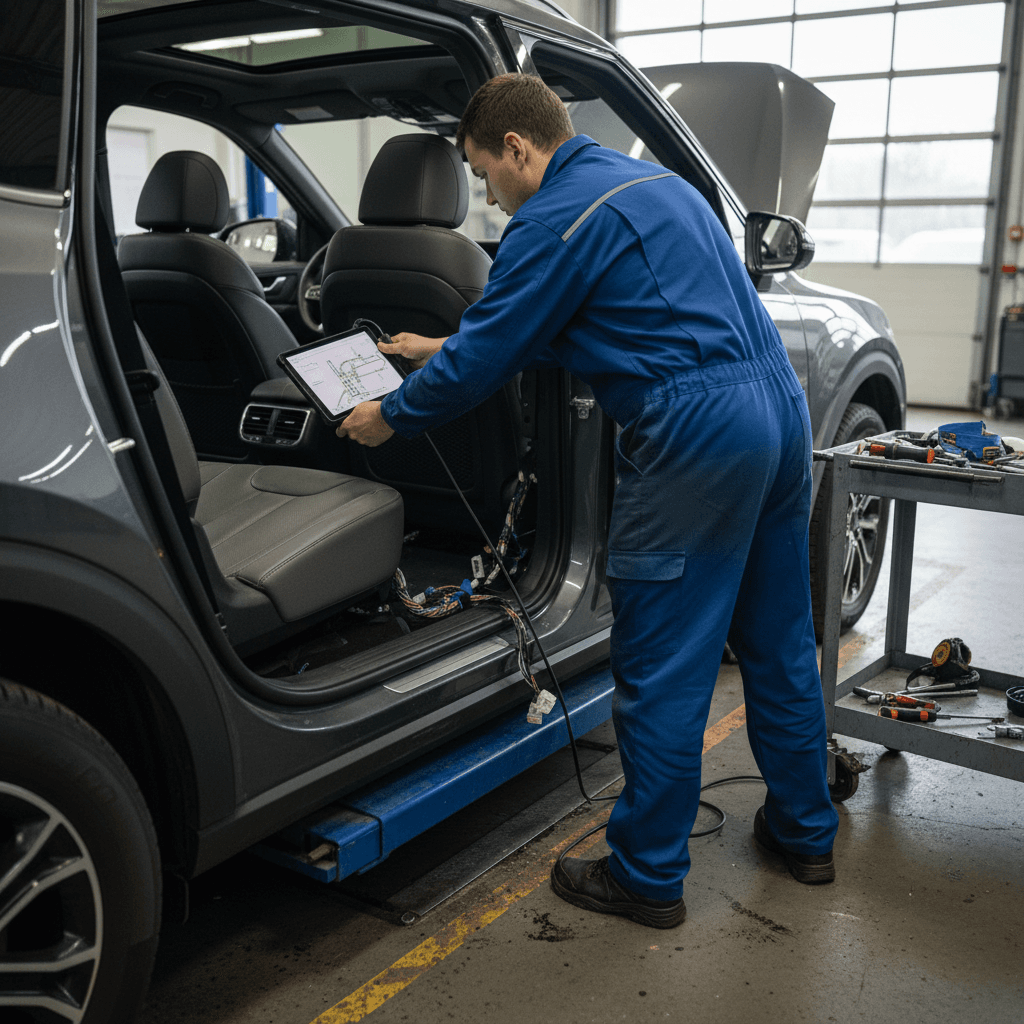
Another major 2024 Kia EV9 recall focuses on seat mounting hardware, particularly in the second and third rows. An assembly‑line error meant some vehicles might have seat mounting bolts that were loose or, in rare cases, missing. In a crash, improperly secured seats could increase injury risk for passengers.
- Covers a large share of 2024 EV9 production and some early 2025 units, especially three‑row configurations.
- Dealers inspect the second‑ and third‑row seat mounting points for proper bolts and torque.
- If hardware is missing or damaged, it’s replaced; if simply under‑torqued, bolts are tightened to specification.
- Most owners report service visits taking from under an hour to a couple of hours, depending on the dealer’s workload.
Don’t put this one off
Other software, body-control and driver-assist updates
Beyond the high‑profile cluster and seat‑bolt campaigns, 2024 Kia EV9 owners have seen multiple software‑driven recalls and service actions. Some are formal safety recalls; others are technical service bulletins (TSBs) or voluntary campaigns that improve behavior without being labeled as recalls in every database.
Common 2024 EV9 software and control campaigns
Exact names and codes vary, but these are the types of fixes you’re likely to see on your service history.
Body Domain Controller (BDC) replacement
On some 2024 EV9s, Kia has replaced the Body Domain Controller, the central computer that coordinates locking, lighting, and other functions, under a recall or campaign.
- Symptoms can include key fob issues, odd locking behavior, or multiple warning messages.
- The fix usually involves swapping the module, programming it, and re‑pairing your keys.
Remote Smart Parking & driver assist logic
Higher‑trim EV9s with Remote Smart Parking Assist (RSPA) and advanced driver aids have received software updates to improve reliability and edge‑case behavior.
- Updates may tweak parking, lane‑keeping, or collision‑avoidance behavior.
- Most are completed in a single dealer visit; some piggyback on other recall work.
Convenience & cluster logic improvements
Owners have reported campaigns that quietly improve features like walk‑away locking, chimes, and cluster messaging.
- These campaigns may be coded as recalls, TSBs, or customer satisfaction programs.
- Even when they’re not safety‑critical, they can make daily use smoother and less glitchy.
The upside of OTA‑capable EVs
How to check your 2024 Kia EV9 for open recalls
Because recall lists change over time, the only way to know which apply to your specific 2024 EV9 is to check it by VIN. You don’t need to guess or rely on dealer promises, both Kia and NHTSA provide free tools that show open safety recalls tied to your vehicle.
Step-by-step: See every open recall on your EV9
1. Locate your 17‑digit VIN
Find the VIN on the lower driver‑side windshield, on the driver‑door jamb sticker, your registration, or your insurance card. You’ll need all 17 characters to search accurately.
2. Run your VIN on NHTSA.gov
Go to the NHTSA recall lookup tool and enter your VIN. It will return all <strong>unrepaired safety recalls</strong> reported to the federal government for your 2024 EV9.
3. Check Kia’s owner portal or app
Log in to Kia’s owner site or app, add your EV9, and look for an alerts or recalls section. Sometimes Kia shows software campaigns there that don’t yet appear in NHTSA’s database.
4. Call your Kia service department
If the online tools are unclear, call a Kia dealer, give them your VIN, and ask for a printout of all open campaigns, recalls, service actions, and TSBs, that apply to your EV9.
5. Confirm completion after service
After any recall visit, keep the repair order. Within days or weeks, re‑run your VIN on NHTSA and check the Kia app to confirm the campaign now shows as completed.
6. Repeat before buying or long trips
Make VIN checks part of your routine before purchasing a used EV9 or taking long family road trips. New recalls can appear at any time.
Pro move for used‑EV shoppers
What 2024 EV9 recalls mean if you’re shopping used
Multiple recalls can look scary on paper, but context matters. The 2024 EV9 is a complex first‑year EV, and early software and assembly issues are not unusual. What matters most for used buyers is whether recalls have been completed, how cleanly the fixes were performed, and whether the vehicle shows signs of recurring problems.
When recalls are a red flag
- Unrepaired seat‑bolt or airbag‑related recalls with no scheduling plan.
- Repeated visits for the same software or controller issue with no clear resolution.
- Dealers who can’t explain what each recall addressed or refuse to show paperwork.
- Warning lights or cluster glitches still present after supposed recall work.
When recalls are a positive sign
- Service records showing timely completion of every safety recall.
- Updates that bring your EV9 up to the latest software level.
- Owners or dealers who can walk you through what was done and when.
- A clean, consistent history in both NHTSA and Kia systems.
How Recharged handles recalled EVs
If you’re comparing a used 2024 EV9 against, say, a used Tesla Model X or Hyundai Ioniq 7, remember that all modern EVs get recalls. A well‑documented EV9 with completed campaigns can be a better long‑term bet than a rival that hasn’t yet had its early problems surfaced and fixed.
Owner tips: before, during, and after recall service
Recall visits don’t have to be a hassle. With a bit of planning, you can minimize downtime and make sure your 2024 EV9 comes back better than it left.
Practical ways to make EV9 recall visits painless
Document your EV9’s behavior in advance
If you’ve seen blank clusters, odd locks, or driver‑assist hiccups, take photos or short videos on your phone. Showing evidence helps technicians duplicate and properly document the issue.
Ask for a full campaign printout
When you schedule your appointment, ask the service advisor to print every <strong>open recall, TSB, and service campaign</strong> tied to your VIN. That way you can knock out multiple items in one visit.
Clarify what is covered at no cost
Recalls must be free, but dealers sometimes suggest extra inspections or services. Politely separate <strong>recall work (free)</strong> from optional maintenance (which may cost money).
Request the old parts if hardware is replaced
If the dealer replaces mounting bolts or control modules, it’s reasonable to ask to see the old parts. You don’t need to keep them, but a quick look confirms the work was actually done.
Test key functions before leaving
On pickup day, check your cluster, driver‑assist, parking features, locks, and seats in the service‑lane parking lot. Report any new warnings or odd behavior immediately.
Re‑check VIN status a week later
Systems don’t always update instantly. Re‑run your VIN through NHTSA and Kia about a week after service to confirm the recall now shows as completed.
Watch for “recall‑adjacent” upsells
FAQ: 2024 Kia EV9 recalls
Common questions about 2024 Kia EV9 recalls
Bottom line: Are 2024 EV9 recalls a dealbreaker?
On paper, the 2024 Kia EV9 recalls list looks long for such a new model. In practice, most of the campaigns are exactly what you’d expect from a first‑generation, software‑heavy EV: early bugs discovered, documented, and fixed at no cost to owners. The one recall you should treat as urgent is the seat‑mounting hardware inspection; everything else is important but not necessarily a reason to panic.
If you already own a 2024 EV9, your job is straightforward: run your VIN through NHTSA and Kia tools, schedule any open recalls, and keep your paperwork. If you’re shopping used, focus less on the presence of recalls and more on how thoroughly they’ve been handled. Platforms like Recharged can simplify that process by pairing verified battery health with transparent recall and service history, so you can bring home a three‑row EV you trust, not one that leaves you guessing about what’s been fixed and what hasn’t.