If you’re hunting for the best used electric car under $10,000, you’re shopping in the most budget‑conscious corner of the EV market. The good news: as of 2025–2026, there are more real options than ever. The trade‑off: almost all of them are older city‑range hatchbacks where battery health matters more than the badge on the hood.
Quick reality check
Why used EVs under $10,000 are finally possible
How cheap used EVs stack up in 2025–2026
Early mass‑market EVs like the 2011–2017 Nissan Leaf, Fiat 500e, Chevy Spark EV, VW e‑Golf, Kia Soul EV, and first‑generation BMW i3 launched with 70–120 miles of EPA range and high MSRPs. A decade later, they sit at the very bottom of the used market, often well under $10,000, because range and fast‑charging performance no longer compete with modern EVs.
At the same time, studies of real‑world fleets show that many EV batteries retain 90% or more of their original capacity after years of use. That means a carefully chosen older EV can still deliver 60–90 miles of usable range, plenty for short daily driving, at a price that now undercuts comparable used gas cars in many parts of the U.S.
Who should, and should not, buy a sub-$10k EV
Great candidates for a sub‑$10k EV
- Short daily commute: Under ~40 miles round‑trip with reliable charging at home or work.
- Second car household: You already have a gas or longer‑range vehicle for road trips.
- Urban or suburban driving: You mostly run city errands, school drop‑offs, and local trips.
- Access to home charging: You can plug into a 120V outlet (Level 1) or 240V outlet (Level 2) nightly.
Think twice if this is you
- Regular long‑distance driver: You often need 150+ miles in a day with little time to charge.
- No dedicated parking: Street parking without reliable charging makes EV ownership frustrating.
- Only car in the household: A 70‑mile EV as your sole vehicle can feel limiting.
- Harsh climate and no garage: Very cold winters plus an older, degraded battery reduce range further.
Don’t skip this step
Best used electric cars under $10,000: quick shortlist
Exact pricing varies by region, mileage, and condition, but as of early 2026 these are the models most U.S. shoppers actually find at or under the $10,000 mark.
Best used electric cars commonly found under $10,000
Typical U.S. asking prices for high‑mileage, older examples in average cosmetic condition. Your local market may be higher or lower.
| Model & years (U.S.) | Typical sub‑$10k years | Realistic range today | Highlights | Watch‑outs |
|---|---|---|---|---|
| Nissan Leaf | 2011–2017 (24 kWh), some early 30 kWh | 40–90 mi | Most common cheap EV, roomy hatchback, simple to drive. | Battery degradation on early packs; limited fast‑charging performance; CHAdeMO network shrinking. |
| Fiat 500e | 2013–2019 (CA/OR mainly) | 55–95 mi | Fun, zippy city car, often very cheap on West Coast. | Tiny back seat and trunk; compliance‑car availability outside CA/OR is thin. |
| Chevy Spark EV | 2014–2016 | 55–90 mi | Surprisingly quick; compact footprint great for cities. | Tight interior; rare outside a few states; CCS fast charging but limited range. |
| VW e‑Golf | 2015–2017 | 60–95 mi | Drives like a normal Golf; comfortable and refined cabin. | Limited availability; earlier 24 kWh cars have short range; CCS only up to modest speeds. |
| Kia Soul EV | 2015–2017 | 70–110 mi | Tall seating, lots of cargo space for size. | Fewer on the market; check battery warranty status and SOH carefully. |
| BMW i3 (BEV) | 2014–2016 (some high‑mile 2017) | 60–110 mi | Premium interior, quirky design, great city dynamics. | Carbon‑fiber body repairs can be costly; short range; check for expensive tire wear. |
| BMW i3 REx | 2014–2016 | 60–90 mi electric + gas backup | Adds small gas range‑extender engine for backup. | More complexity; small gas tank; some states restrict REx use if battery is very degraded. |
All ranges below are realistic, not just original EPA ratings.
Year and battery size matter
Model breakdowns: pros, cons, and real-world range
Nissan Leaf (2011–2017): king of cheap used EVs
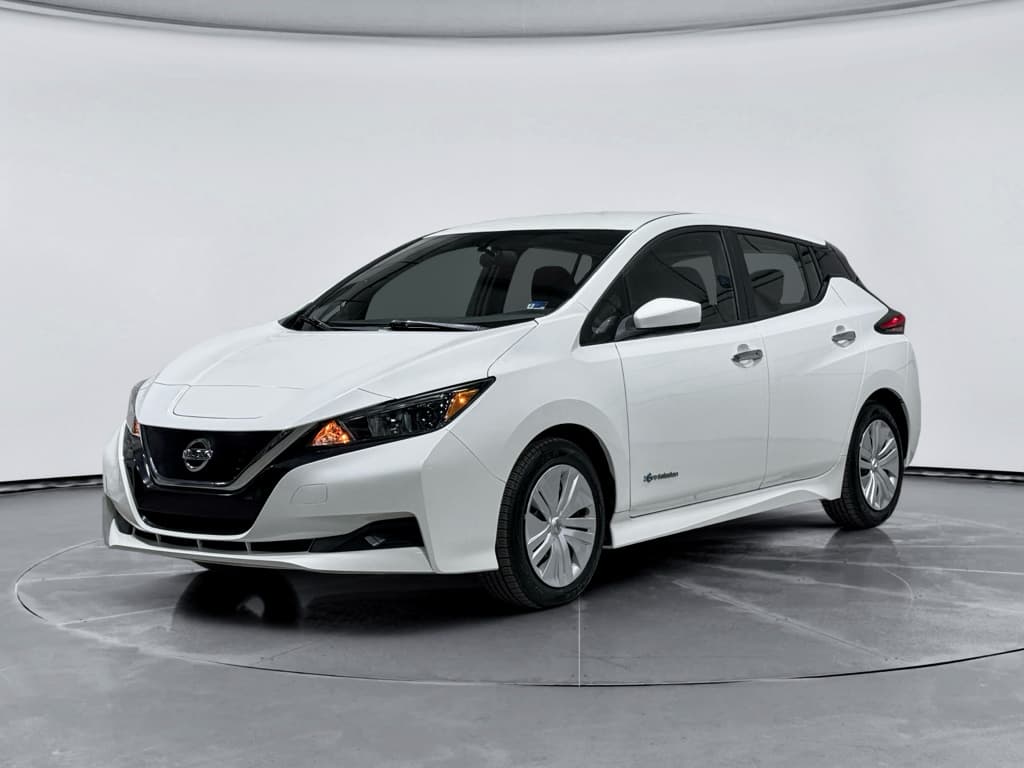
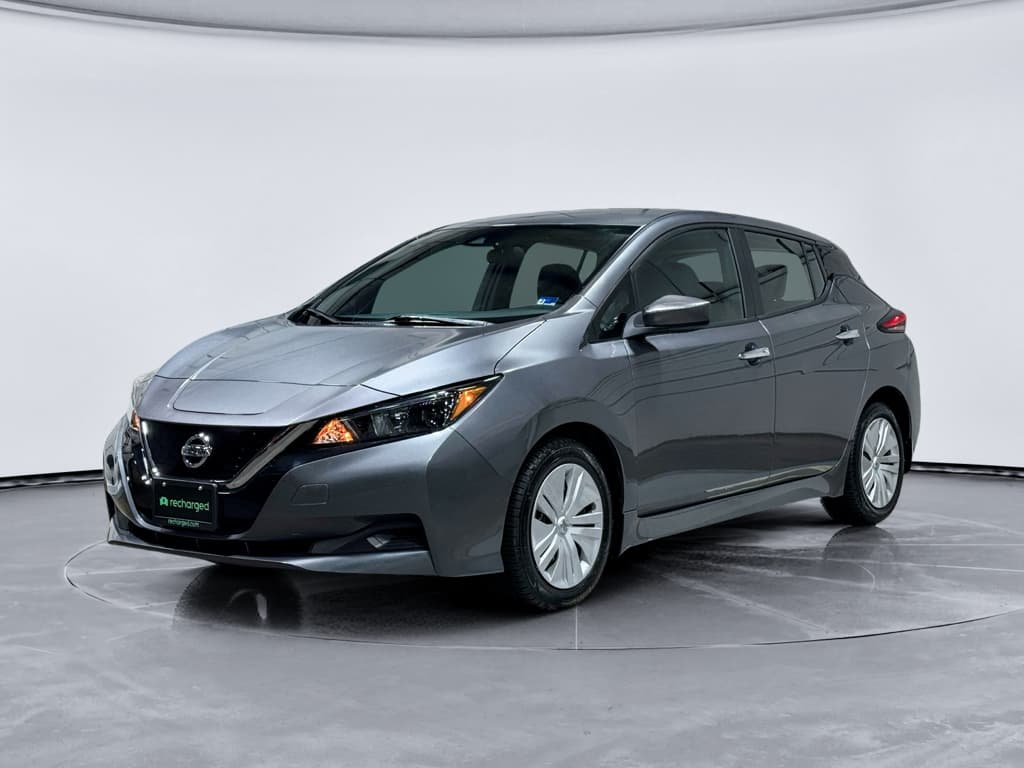
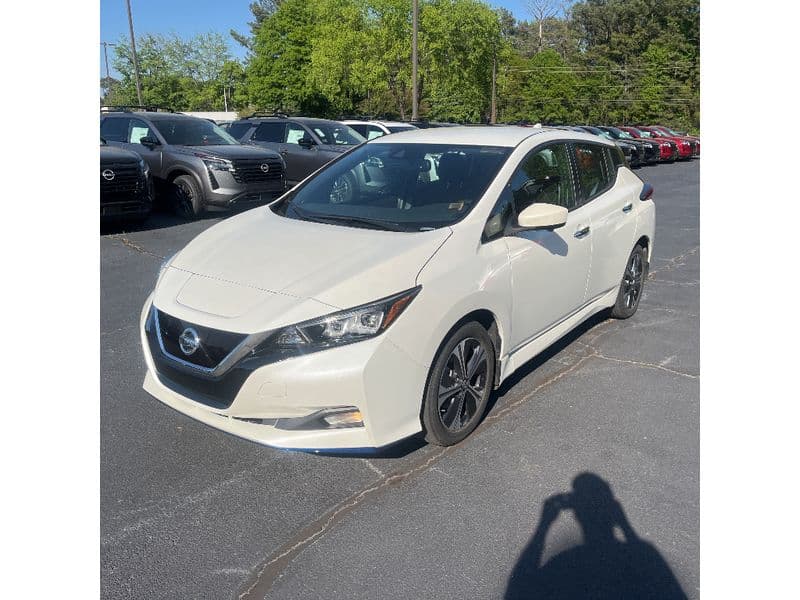
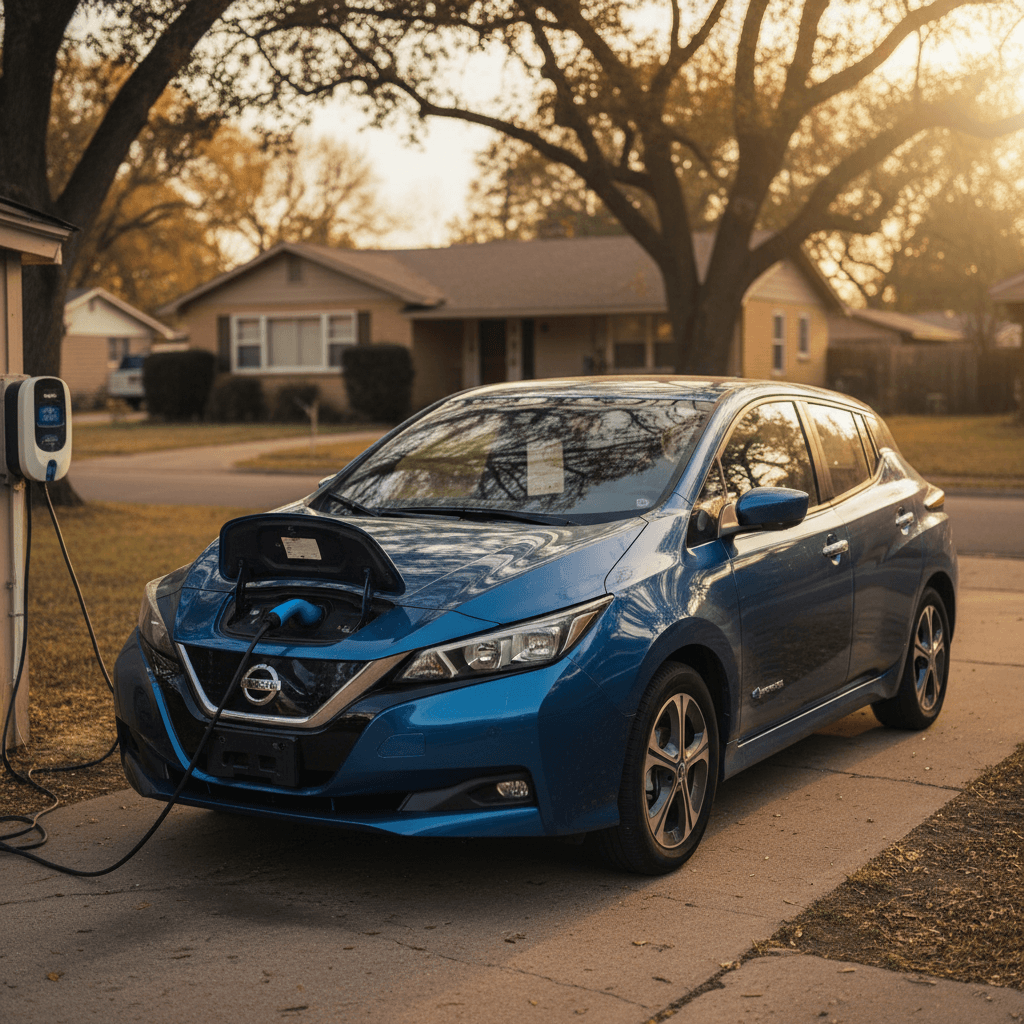
If you ask, “What’s the best used electric car under $10,000?” the honest answer is usually: the Nissan Leaf, provided the battery is healthy enough for your needs. It’s by far the most common sub‑$10k EV in the U.S., with early 24 kWh cars often trading well under $7,000 and some higher‑mile 30 kWh examples creeping under $10,000.
- Pros: roomy hatchback, very simple to drive, inexpensive parts and maintenance, huge used inventory to choose from.
- Cons: early batteries (especially in hot‑climate cars) can be heavily degraded; CHAdeMO fast charging is slowly being phased out in favor of CCS/NACS; limited highway range even when new.
Hot‑climate Leafs need extra scrutiny
Fiat 500e: the bargain electric city car
The Fiat 500e is one of the best pure “city toys” you can buy for under $10k. Originally sold mainly in California and Oregon as a compliance car, many 500e models now show up at auction and on used lots for surprisingly little money.
- Pros: fun to drive, stylish, easy to park, often among the very cheapest EVs available.
- Cons: tiny back seat and trunk, limited range, and scarce dealer support in states where Fiat doesn’t have a large retail footprint.
Chevy Spark EV: tiny, quick, and rare
If you can find one, the Chevy Spark EV is a sleeper hit: it’s tiny but genuinely quick thanks to strong torque and light weight. Most examples live in California and a few other ZEV‑mandate states, and high‑mile cars sometimes fall into the $7,000–$10,000 window.
Range is similar to the Fiat 500e, but the Spark offers CCS DC fast charging, which helps on occasional longer hops, though you’ll still be taking frequent breaks compared with a modern long‑range EV.
VW e‑Golf: feels like a normal car
For shoppers who want an EV that just feels like a regular compact car, the VW e‑Golf is an underrated pick. The driving position, handling, and interior are very similar to a gas Golf, and that familiarity appeals to a lot of first‑time EV drivers.
Earlier 24 kWh cars will often be your only options under $10,000, with realistic ranges in the 60–90‑mile band depending on battery health. Later, higher‑range versions tend to sell above $10k unless mileage is very high.
Kia Soul EV: boxy, practical, and still quirky
The first‑generation Kia Soul EV combines a tall seating position with a big, square cargo area that swallows strollers, gear, or pets more easily than most sub‑$10k EVs. If you need practicality more than style, a healthy Soul EV can be a smart choice.
These are less common than Leafs or 500e models, and values vary widely by region. When one does slip under $10k, it’s usually an older, high‑mileage example, so dig deeply into battery state of health and remaining warranty coverage if any.
BMW i3 (BEV and REx): premium feel on a budget
The BMW i3 stands out because it offers a premium interior, carbon‑fiber‑intensive construction, and a genuinely fun rear‑wheel‑drive chassis. Early 2014–2016 battery‑only (BEV) models and some high‑mile Range Extender (REx) versions are just starting to dip under $10,000 in some U.S. markets.
- Pros: upscale cabin, excellent city maneuverability, distinctive design, relatively efficient.
- Cons: expensive body repairs if it’s ever been in a significant accident, narrow eco‑tires that can be pricey, and short pure‑EV range on the earliest cars. The REx adds complexity and a small gas tank that’s meant as backup, not road‑trip duty.
Battery health: the make-or-break factor on cheap EVs
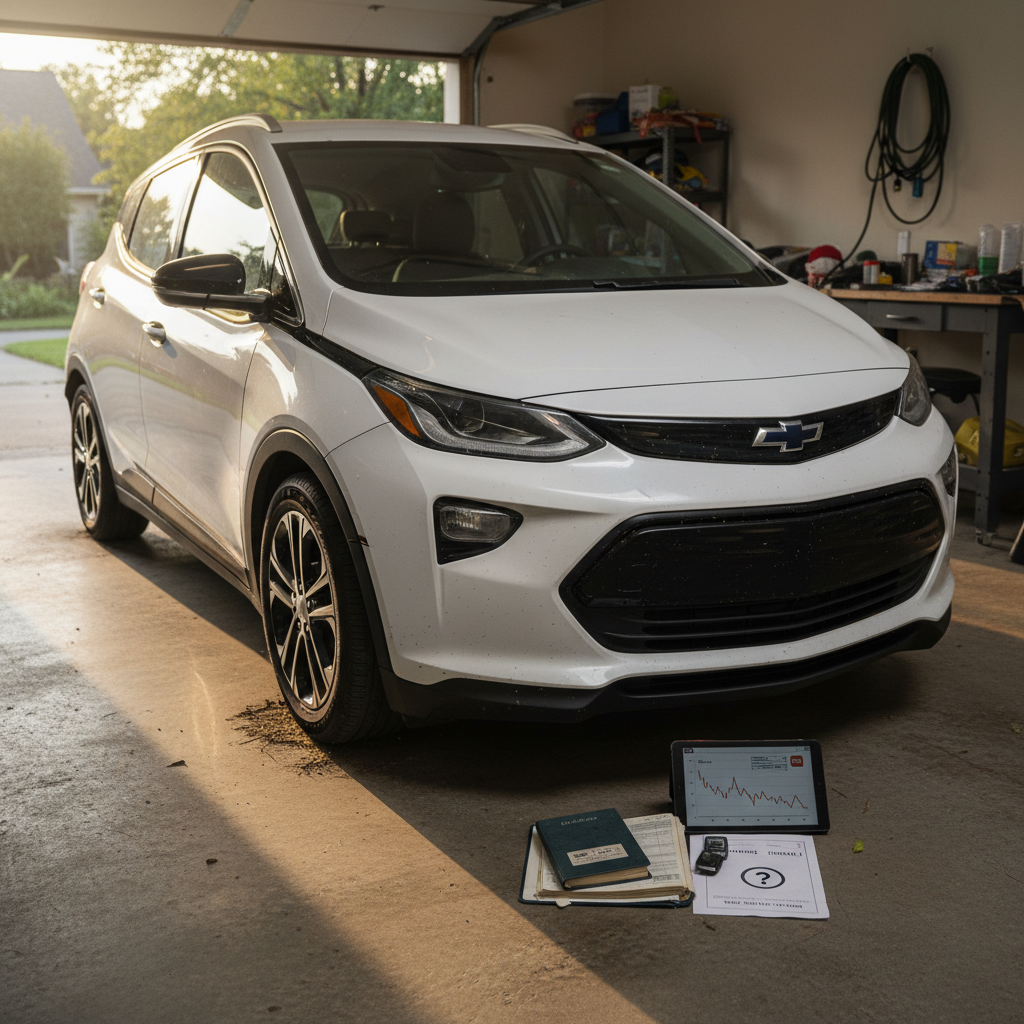
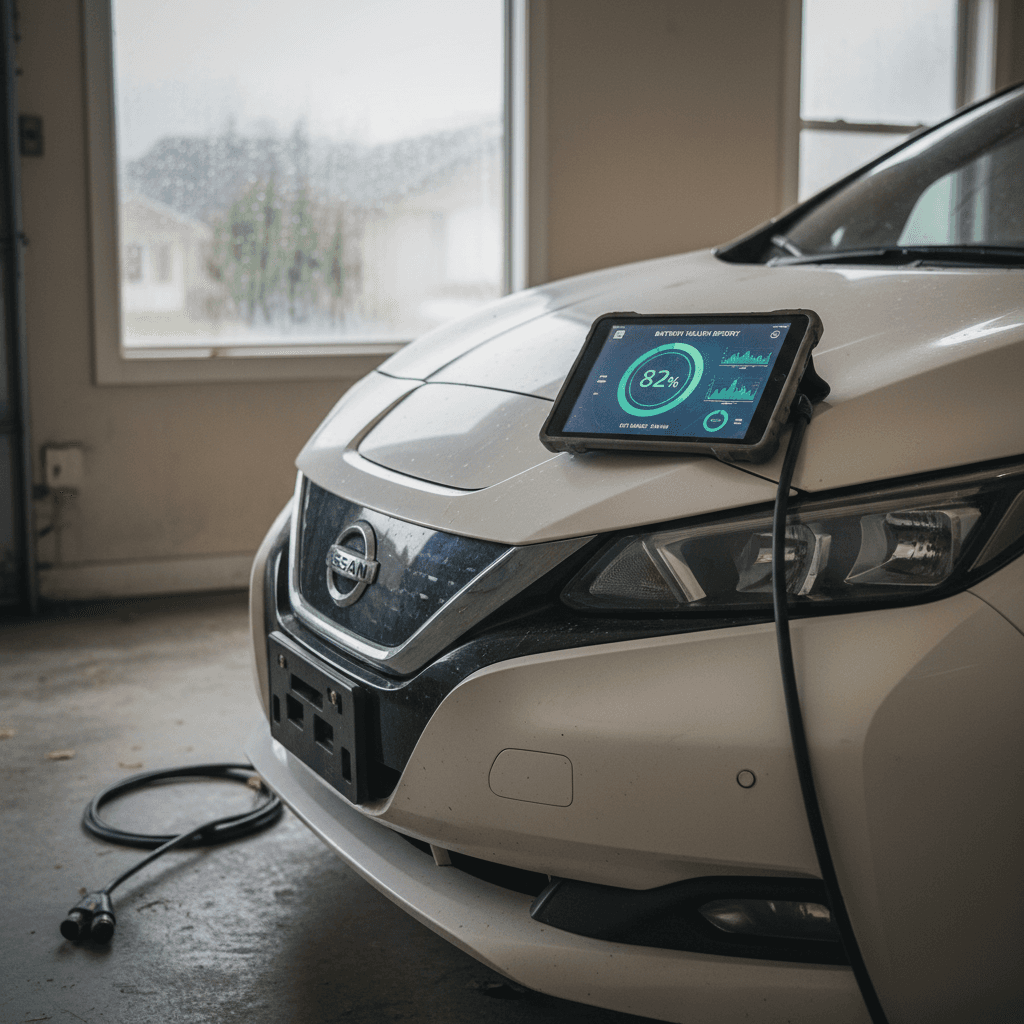
On a $7,500 used EV, the battery pack can represent more than half the car’s value. Unlike a gas car, where you can often nurse a tired engine along, a severely degraded battery turns a cheap EV into an expensive headache or a very short‑range runabout.
Battery health 101 for sub‑$10k EVs
Three things to understand before you buy
1. State of Health (SoH)
Battery state of health is usually expressed as a percentage of original capacity. An EV that started with 24 kWh and now has 19.2 kWh usable is at 80% SoH.
In practical terms, that 20% loss means an 84‑mile EV when new now behaves like a ~67‑mile car.
2. Real‑world range today
Don’t shop by original EPA range. Ask: “How far will this car actually go now?”
- Ask the seller for a full‑to‑empty trip report.
- Check whether range drops sharply in cold weather.
3. Verified reports vs guesses
On older EVs, many sellers simply guess at range. Look for verified battery reports pulled from the car’s data or independent diagnostics, not just a dashboard guess‑o‑meter photo.
What’s an acceptable SoH?
One wrinkle: recent research suggests that many manufacturers’ built‑in battery health readouts are imperfect. That’s why third‑party tools and independent diagnostics are gaining traction in the used market. Platforms like Recharged go further by pairing battery‑health data with a Recharged Score that benchmarks each EV against similar cars, so you’re not interpreting numbers in a vacuum.
Costs beyond the sticker price
Hidden costs to factor into your sub‑$10k EV budget
Home charging setup
At minimum, you’ll need a safe, grounded 120V outlet near your parking spot. Many owners eventually install a 240V Level 2 circuit, which can cost a few hundred dollars in simple cases or more if your electrical panel needs an upgrade.
Battery replacement risk
Full pack replacements on early EVs can still cost several thousand dollars, often more than you paid for the car. Treat a very tired battery as a deal‑breaker unless you’re explicitly buying a short‑range local beater.
Tires, brakes, and suspension
EVs are heavy. Even small ones like the i3 or Soul EV can chew through tires faster than a comparable gas car. Budget for a fresh set if tread is low, and don’t ignore brake and suspension inspections on test drives.
Insurance and registration
Insurance on older EVs is often similar to compact gas cars, but quotes can vary by region. Get a pre‑purchase quote using the exact VIN. Some states still offer reduced registration fees or perks for EVs; others don’t.
Public charging habits
If you’ll rely on public charging, run the math on local network rates. For very cheap, low‑range EVs, high per‑kWh fast‑charging prices can eat into the savings compared with a thrifty hybrid.
Don’t assume you can fast‑charge anywhere
How to shop smart for a used EV under $10k
- Define your minimum acceptable range on a cold day. If you need 60 miles, aim for a car that can do 80+ miles in average conditions to leave a margin.
- Choose a few target models that fit your use case (for example: Leaf or e‑Golf for space, 500e or Spark EV for tiny city runabouts, i3 if you want premium feel).
- Filter listings by charging connector and battery size, not just price and mileage.
- Avoid cars with unclear battery history. If the seller can’t show any battery‑health info or real‑world range evidence, treat that as a red flag.
- On the test drive, start with a near‑full charge and note how quickly the range estimate drops versus miles driven.
- Have the car inspected, ideally with an EV‑savvy technician or a marketplace that provides standardized battery reports and a condition score.
What a good deal looks like
How Recharged helps used EV buyers
Shopping the bottom end of the EV market is where transparency matters most. A pretty $8,000 hatchback with a tired battery is no bargain. That’s why every vehicle sold through Recharged comes with a Recharged Score Report that makes the invisible battery and pricing story visible.
What you get when you buy or sell through Recharged
Designed specifically for modern EV shoppers, not generic used‑car buyers.
Verified battery health
Recharged uses Recharged Score diagnostics to validate battery performance instead of relying only on basic dashboard estimates. You see how a car’s pack compares with similar EVs, so a “good” battery means something concrete.
Fair market pricing
Listings on Recharged are benchmarked against national and regional EV data, so a cheap Leaf or i3 is priced relative to its actual battery health, mileage, and equipment, not just a guess.
End‑to‑end support
From financing and trade‑ins to nationwide delivery and expert EV guidance, Recharged is built around a fully digital experience, plus an in‑person Experience Center in Richmond, VA if you prefer to see and drive cars on site.
Ready to find your next EV?
Browse VehiclesIf you’re considering selling your aging EV instead, Recharged can provide an instant offer or consignment option that reflects your battery’s real value, not just mileage and model year. That makes life easier on both sides of the transaction.
Frequently asked questions
Best used electric car under $10k: FAQs
Bottom line: what’s the best used electric car under $10k?
There isn’t one single “best used electric car under $10,000” for everyone. Instead, there’s a short list of early, small‑battery EVs, Leaf, 500e, Spark EV, e‑Golf, Soul EV, i3, that can be excellent buys when the battery is healthy and the price reflects the range you’re actually getting.
If you mostly drive locally, have access to home charging, and treat a sub‑$10k EV as a commuter or second car, you can cut your running costs dramatically without spending new‑car money. The key is to shop with your eyes open: prioritize verified battery health over shiny paint, understand the limits of older fast‑charging tech, and match the car’s real‑world range to your daily life.
Tools like the Recharged Score Report and EV‑specialist support at Recharged exist to make that process easier. Whether you’re buying, trading in, or selling, leaning on transparent battery data and fair‑market pricing turns the bargain end of the EV market from a gamble into a smart, calculated decision.