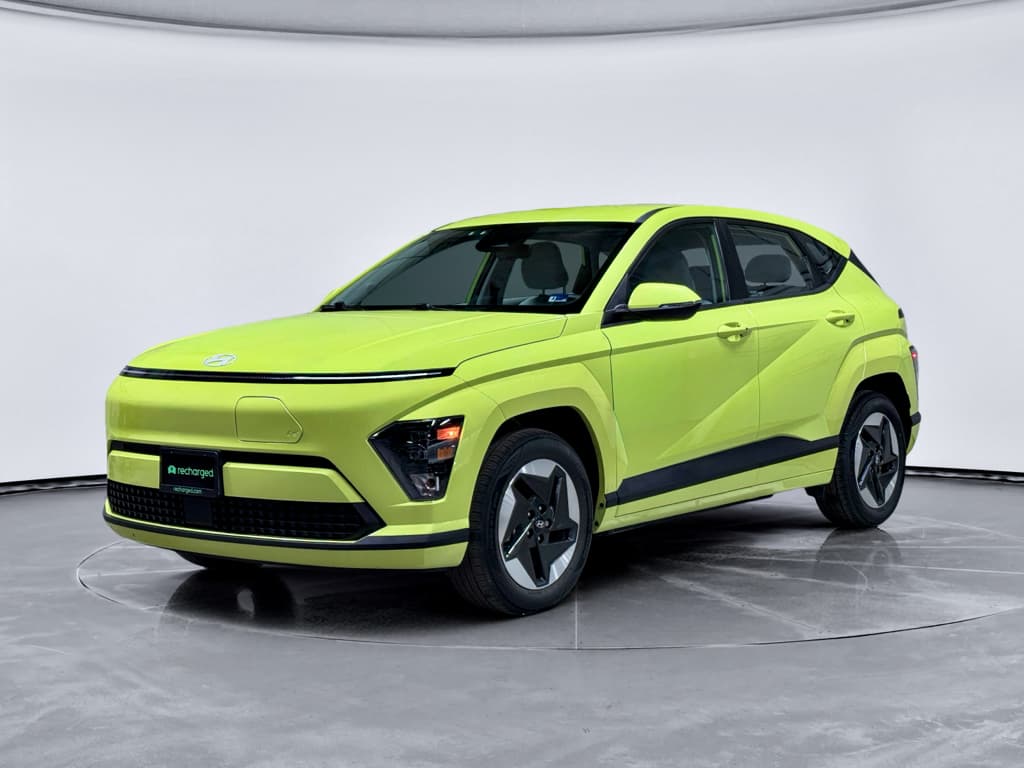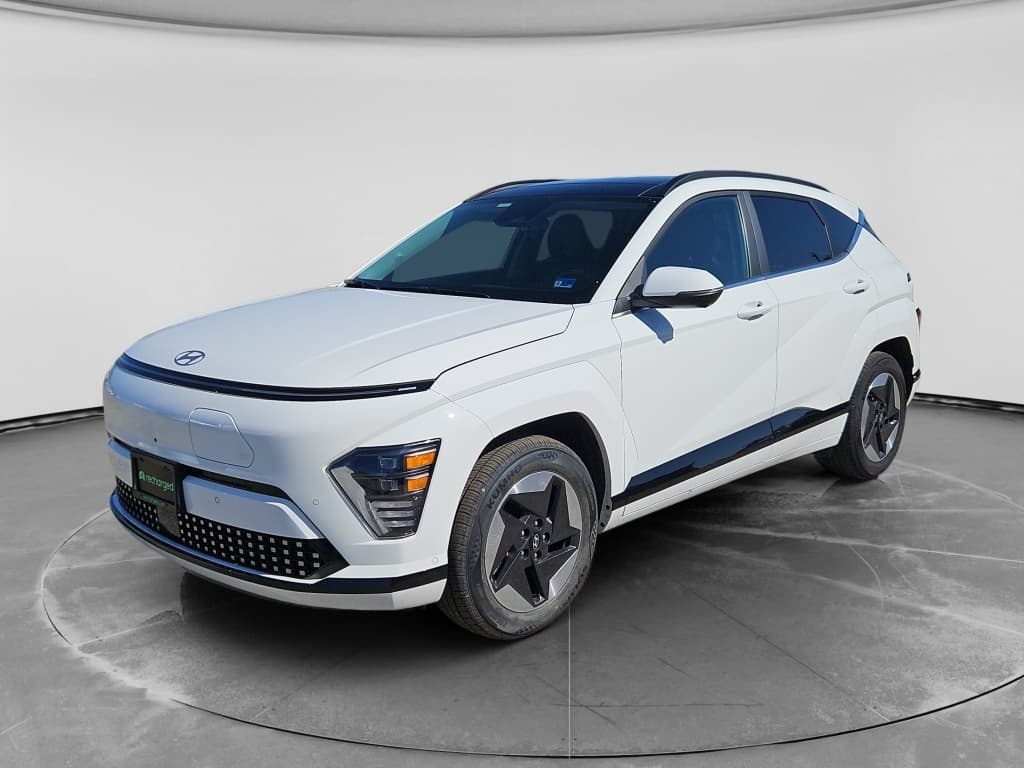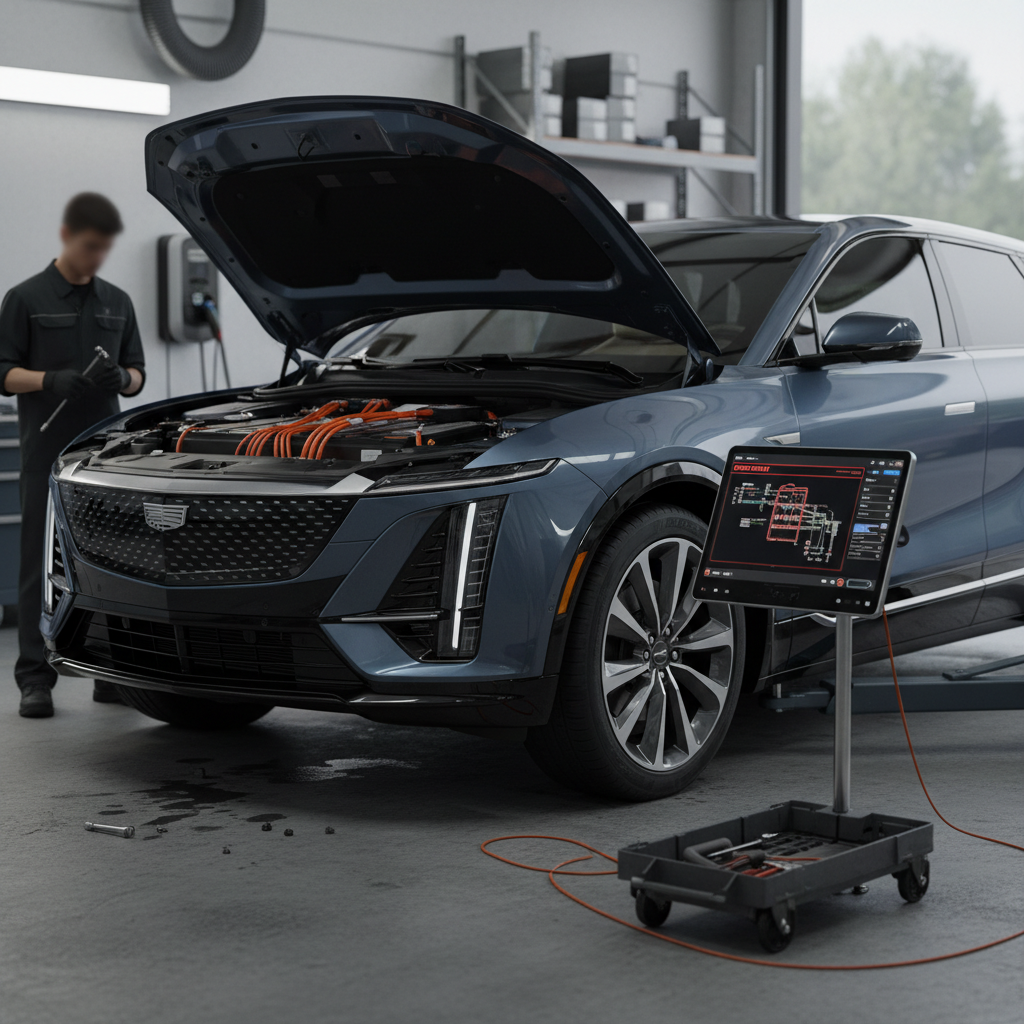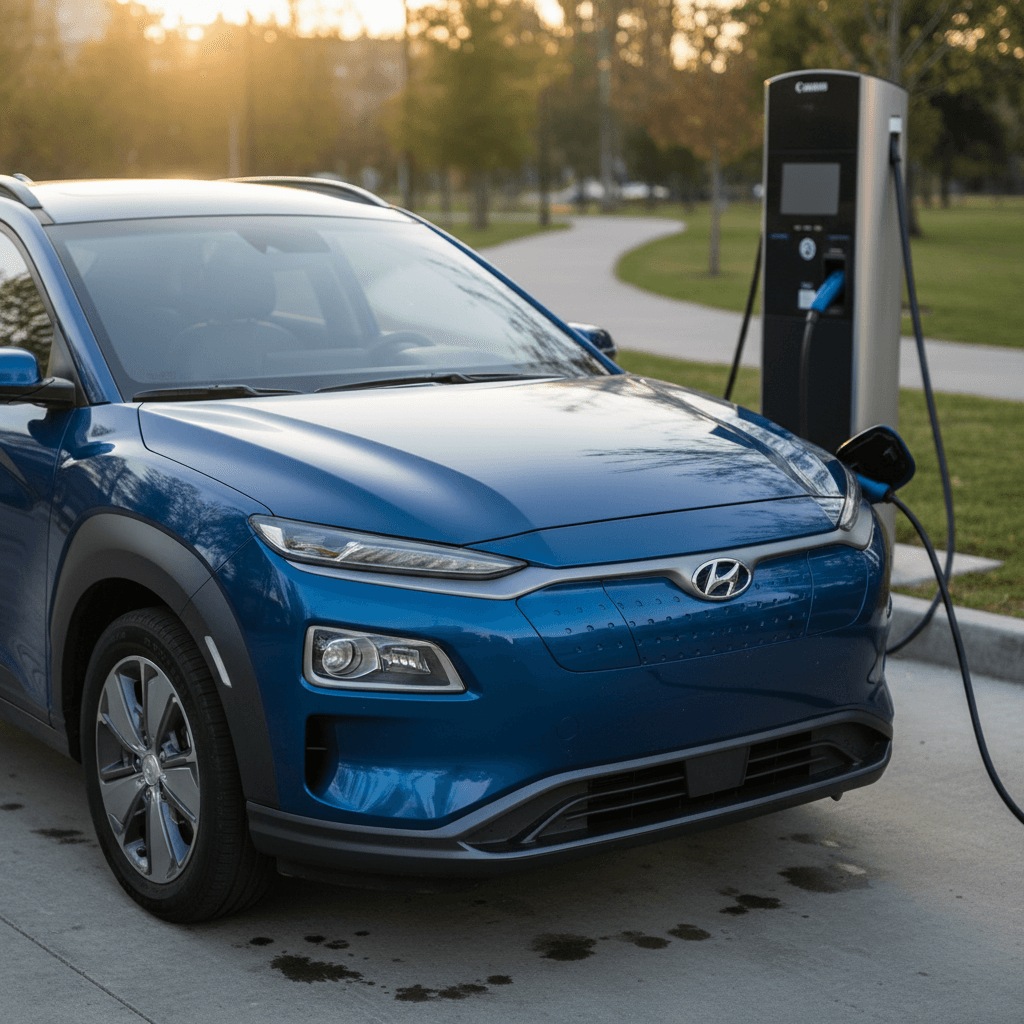
If you want a small, efficient EV that doesn’t scream "tech toy," the 2024 Hyundai Kona Electric is one of the most quietly competent choices on the market. It was fully redesigned for 2024 with more space, more range, and more tech, all while staying relatively affordable in a world where compact EV crossovers increasingly flirt with luxury pricing.
Big picture
2024 Hyundai Kona Electric at a glance
Key 2024 Kona Electric numbers
- Class: Subcompact electric SUV (front‑wheel drive only)
- Seats: 5, with noticeably more rear legroom than the previous generation
- Battery options: 48.6‑kWh (SE) or 64.8‑kWh (SEL, Limited)
- EPA range: About 200 miles (small pack) or 261 miles (large pack)
- Warranty: 5 yr/60,000‑mile basic, 10 yr/100,000‑mile powertrain and EV battery
Where Recharged fits in
Battery, range and real-world efficiency
The 2024 Kona Electric finally gives U.S. buyers a choice of two packs. The SE trim uses a 48.6‑kWh battery and a 133‑hp motor, while SEL and Limited trims upgrade to a 64.8‑kWh pack and a 201‑hp motor. In EPA testing, the small pack is rated at about 200 miles of range, while the larger pack delivers roughly 261 miles on the same 215/60R‑17 tires.
In independent testing, the larger‑battery Kona Electric has turned in real‑world highway range numbers right around 230 miles at 75 mph, and some mixed‑driving tests have seen efficiency of roughly 4.3 miles per kWh. That’s extremely good for a subcompact SUV and means you’re wringing a lot of usable miles out of a relatively modest battery.
- 48.6‑kWh SE: ~200 miles EPA, best for shorter commutes or a second car
- 64.8‑kWh SEL/Limited: 261 miles EPA, a safer bet if you see winter weather or frequent highway trips
- Both packs: Front‑wheel drive only, with 188 lb‑ft of torque for punchy city response
Cold‑weather reality check
Charging speeds and road-trip viability
Charging is an area where the Kona Electric is competent rather than groundbreaking. It uses a conventional 400‑volt architecture, with a peak DC fast‑charge rate of about 100 kW on the larger battery. Under ideal conditions, Hyundai quotes roughly 43 minutes to go from 10% to 80% on a capable DC fast charger.
2024 Kona Electric charging overview
Approximate times on common charging setups (from near empty to ~100% unless noted).
| Charger type | Power | 48.6‑kWh SE | 64.8‑kWh SEL/Limited | Best use case |
|---|---|---|---|---|
| Level 1 (household outlet) | 120V, ~1.4 kW | ~30+ hours | ~40+ hours | Emergency top‑ups only |
| Level 2 home / workplace | 240V, up to 10.8–11 kW | ~5 hours | ~6–7 hours | Overnight charging; ideal for daily use |
| DC fast (max) | Up to 100 kW | 10–80% in ~43 min | 10–80% in ~43 min | Road trips, quick top‑ups |
Actual charging times vary with temperature, state of charge, and charger capability.
Plan your Kona road trips
One quirk is the front‑mounted charging port. It’s convenient for pulling straight into many public chargers, but owners have noted that it tends to collect bugs, salt, and road grime more than a side‑mounted port. It’s not a deal‑breaker, but it’s something you’ll want to keep clean in winter climates.
Trims, pricing and value for money
For 2024, the Kona Electric is offered in three trims: SE, SEL, and Limited. All three are front‑wheel drive and share the same basic platform and body, what changes is the battery, motor output, and feature content.
2024 Kona Electric trims explained
Which version actually makes sense for you?
SE (48.6‑kWh)
Who it fits: Urban drivers with short commutes and reliable home charging.
- 48.6‑kWh battery, 133 hp
- EPA range ~200 miles
- 17‑inch wheels, cloth seats
- Still includes dual 12.3" screens on most builds
Best if you want the lowest price and rarely drive long distances.
SEL (64.8‑kWh)
Sweet spot for most buyers.
- 64.8‑kWh battery, 201 hp
- EPA range 261 miles
- More comfort and convenience features than SE
- Better future resale value thanks to bigger pack
Limited (64.8‑kWh)
Maxed‑out Kona Electric.
- Same battery and range as SEL
- Leather seating, premium audio, more driver aids
- Available surround‑view camera and advanced parking assists
- Highest price, but still under many larger EVs
Pricing & incentives context
When you cross‑shop, remember that the Kona Electric often undercuts bigger EVs on price but also on interior space and charging speed. It’s at its best when you view it as a highly efficient, well‑equipped commuter and city car rather than a one‑EV‑does‑everything solution for a large family.
Interior space, tech and comfort
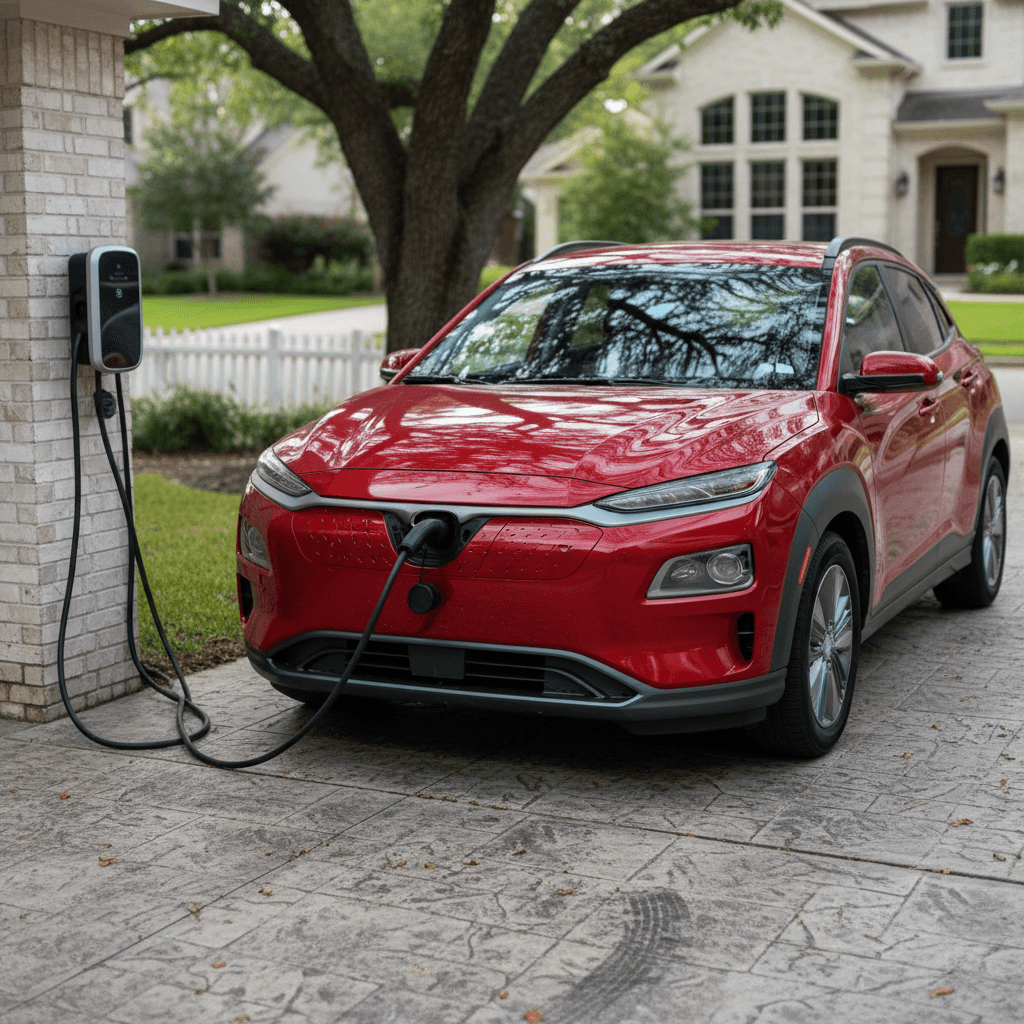
The previous‑generation Kona Electric’s biggest weakness was its tight back seat and modest cargo area. Hyundai addressed that by stretching the new car’s wheelbase to about 104.7 inches and total length to roughly 171.5 inches, freeing up more rear legroom and cargo space without making the vehicle feel bulky in city parking.
Space & practicality
- Comfortable for two adults up front; three in back is tight but workable for short trips.
- Cargo space is competitive for a subcompact: think grocery runs and carry‑on luggage rather than full‑family road‑trip gear.
- Flat load floor and wide hatch opening make it easy to use every cubic inch.
Tech & user experience
- Available twin 12.3‑inch screens offer sharp graphics and simple menus.
- Wireless Apple CarPlay/Android Auto availability varies by trim/software; many cars still require a cable.
- Hyundai’s driver‑assist controls are clear and less intrusive than some rivals.
Everyday livability win
Driving experience and performance
On the road, the 2024 Kona Electric leans more toward "confident appliance" than "hot hatch," and that’s exactly what many buyers want. With the larger battery and 201‑hp motor, independent testing has pegged 0–60 mph at about 7 seconds, which feels brisk in city traffic and plenty adequate for highway merges.
- Instant EV torque makes it easy to dart through gaps around town.
- Ride quality is firm but generally controlled; big potholes can still send a thump into the cabin.
- Steering is light and predictable rather than sporty, which suits the car’s mission.
- Regenerative braking offers multiple levels, including an i‑Pedal mode for near one‑pedal driving.
Handling vs. comfort
Safety, reliability and warranty coverage
Formal crash‑test results for the electric variant are still limited, but the gas‑powered 2024 Kona has earned strong scores from independent agencies, and the EV shares the same basic structure and safety engineering. A full suite of Hyundai SmartSense driver‑assist systems is either standard or available depending on trim.
Key safety and driver‑assist features
Availability varies by trim, but the basics are well covered.
Core safety tech
- Automatic emergency braking
- Lane keeping assist
- Lane following assist
- Driver attention warning
Visibility aids
- Blind‑spot monitoring
- Rear cross‑traffic alert
- Available Blind‑Spot View Monitor (camera feed)
- Available surround‑view camera
Highway helpers
- Adaptive cruise control
- Highway Driving Assist (on higher trims)
- Navigation‑based smart cruise on some builds
Warranty is a strong selling point
How the 2024 Kona Electric compares to rivals
On paper, the 2024 Kona Electric lives in the same neighborhood as small EV crossovers and hatchbacks like the Kia Niro EV, Chevrolet Bolt EUV (now discontinued but widely available used), Nissan Ariya, and Volkswagen ID.4. Each takes a different stance on the classic triangle of range, space, and price.
2024 Kona Electric vs key competitors (high level)
Approximate specs for commonly cross‑shopped EVs. Always verify current figures for the exact model year you’re shopping.
| Model | Class / drive | Max EPA range (approx.) | Battery size (approx.) | Notable strengths |
|---|---|---|---|---|
| Hyundai Kona Electric | Subcompact FWD | Up to 261 mi | 64.8 kWh | Excellent efficiency, strong warranty, right‑sized for cities |
| Kia Niro EV | Compact FWD | ~253 mi | 64.8 kWh | More rear seat and cargo space, close cousin to Kona |
| Chevy Bolt EUV (used) | Subcompact FWD | ~247 mi | 65 kWh | Great value used, but smaller and discontinued |
| VW ID.4 | Compact RWD/AWD | 209–275 mi | 62–82 kWh | More space, higher DC fast‑charge rates, softer ride |
| Nissan Ariya | Compact FWD/AWD | 205–289 mi | 63–87 kWh | Roomier cabin, but pricier and heavier |
Kona Electric shines on efficiency and price; larger rivals win on space and charging speed.
Who should pick the Kona Electric?
Is the 2024 Kona Electric a good used EV bet?
From an ownership‑economics perspective, the Kona Electric is quietly compelling as a used purchase, especially given Hyundai’s long battery warranty and the model’s strong efficiency. Battery‑size options and evolving tax‑credit rules also mean some early buyers may trade out sooner than they otherwise would, seeding the used market with relatively young vehicles.
Checklist for buying a used 2024 Kona Electric
Confirm remaining battery & powertrain warranty
Note the in‑service date and mileage. Hyundai’s 10‑year/100,000‑mile EV battery warranty is a major value lever; the more of it that’s left, the better.
Get a real battery health report
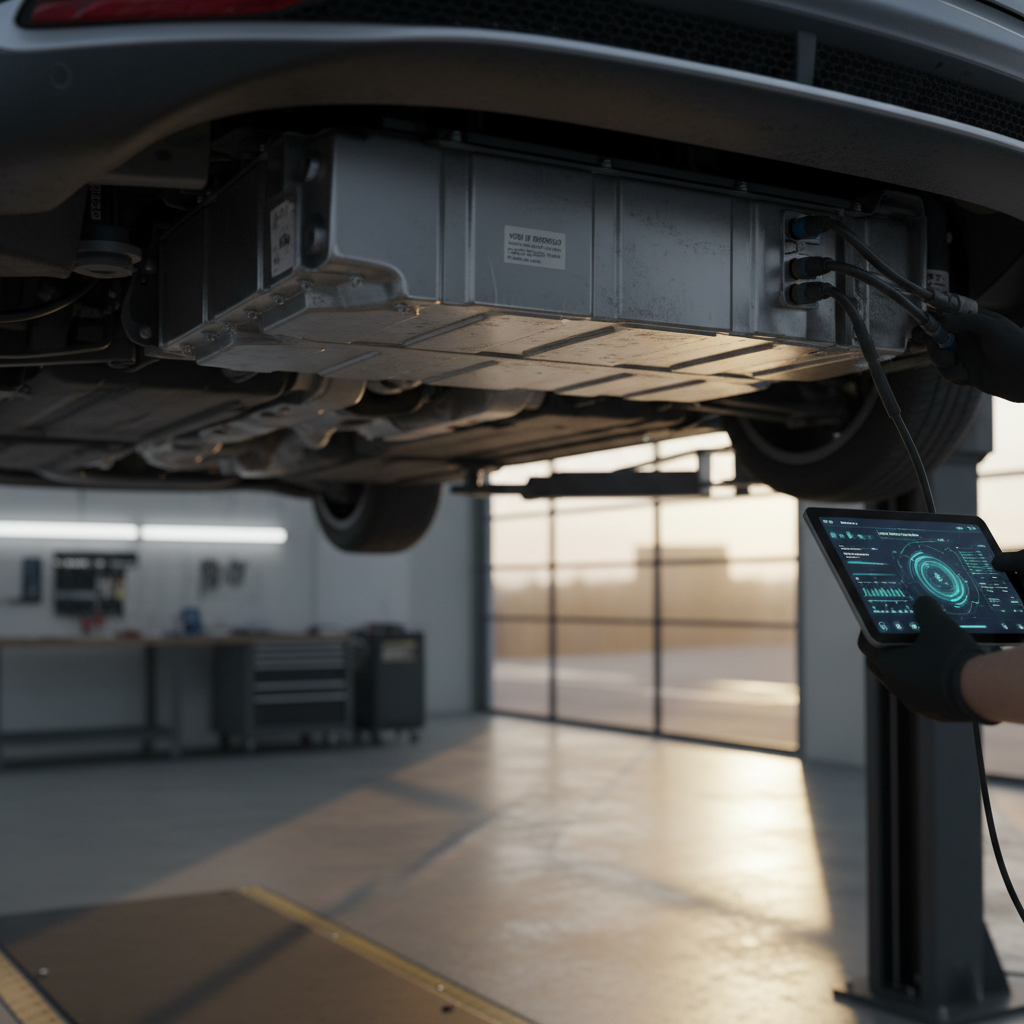
Ask for a <strong>third‑party battery diagnostic</strong>, or shop through Recharged, where every vehicle includes a <strong>Recharged Score</strong> with verified pack health and usable capacity, not just a dash‑display guess.
Check DC fast‑charging history
A car that’s lived on road trips and DC fast chargers isn’t automatically bad, but heavy fast‑charge use can accelerate degradation. Telematics or service history can sometimes hint at usage patterns.
Inspect tires and brakes
EVs are heavy and hard on consumables. Uneven tire wear or cheap replacement tires can hurt efficiency and ride quality.
Test driver‑assist systems
Verify adaptive cruise, lane‑keeping, cameras, and parking aids work cleanly. These are key to the Kona’s value proposition and can be expensive to fix out of warranty.
Confirm charging hardware
Make sure the portable charge cord, any wall‑box documentation, and CCS charging port are present and undamaged. Plug in at Level 2 and, if possible, a DC fast charger during your test.
Watch availability and future support
2024 Hyundai Kona Electric FAQ
Common questions about the 2024 Kona Electric
Bottom line: should you buy a 2024 Kona Electric?
The 2024 Hyundai Kona Electric isn’t the flashiest EV on sale, and that’s precisely its appeal. It trades spec‑sheet heroics for high efficiency, a long warranty, approachable pricing, and compact‑SUV practicality. If you spend most of your time in and around town, value easy parking and low running costs, and don’t need three‑row space, it’s one of the smartest small EVs you can buy.
The key is to be honest about your use case. For heavy road‑trippers, big families, or buyers who want the absolute latest charging tech, a larger EV might be a better match. But for commuters, empty‑nesters, and first‑time EV buyers, a well‑specced 2024 Kona Electric SEL or Limited, especially one with a verified battery health report like the Recharged Score, offers a compelling mix of real‑world range, technology, and total cost of ownership.