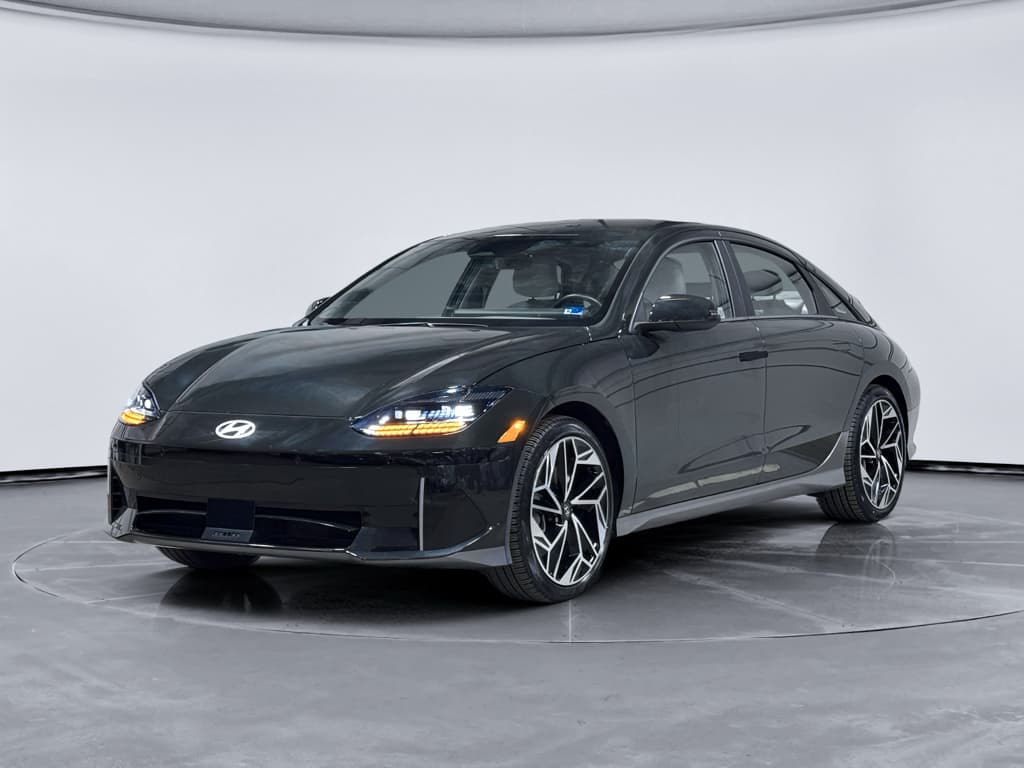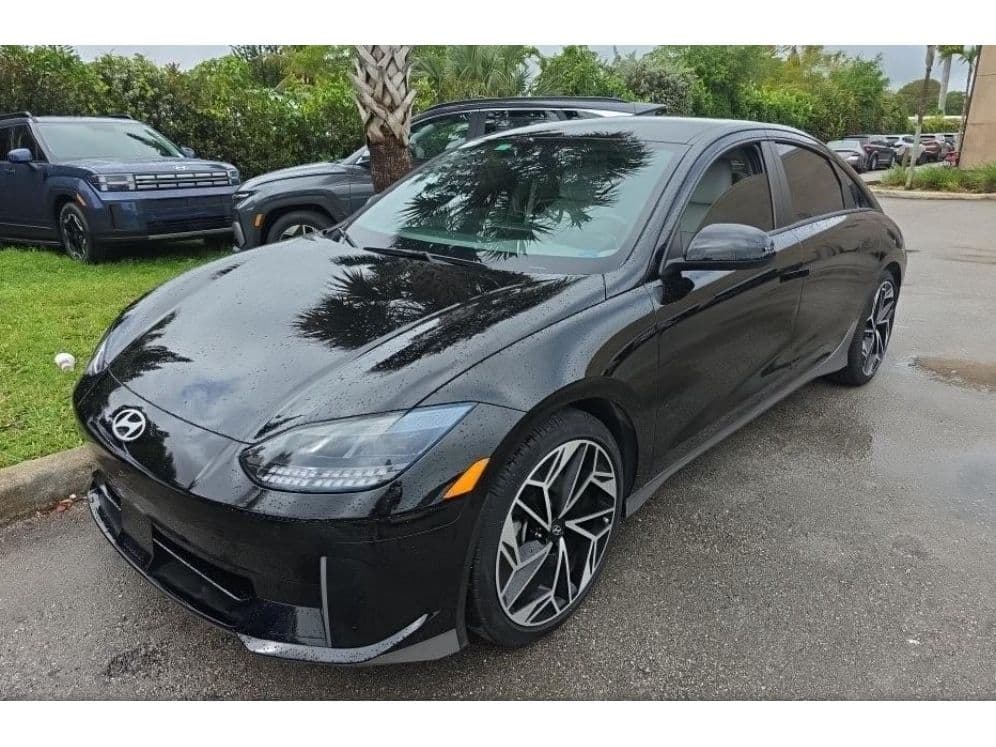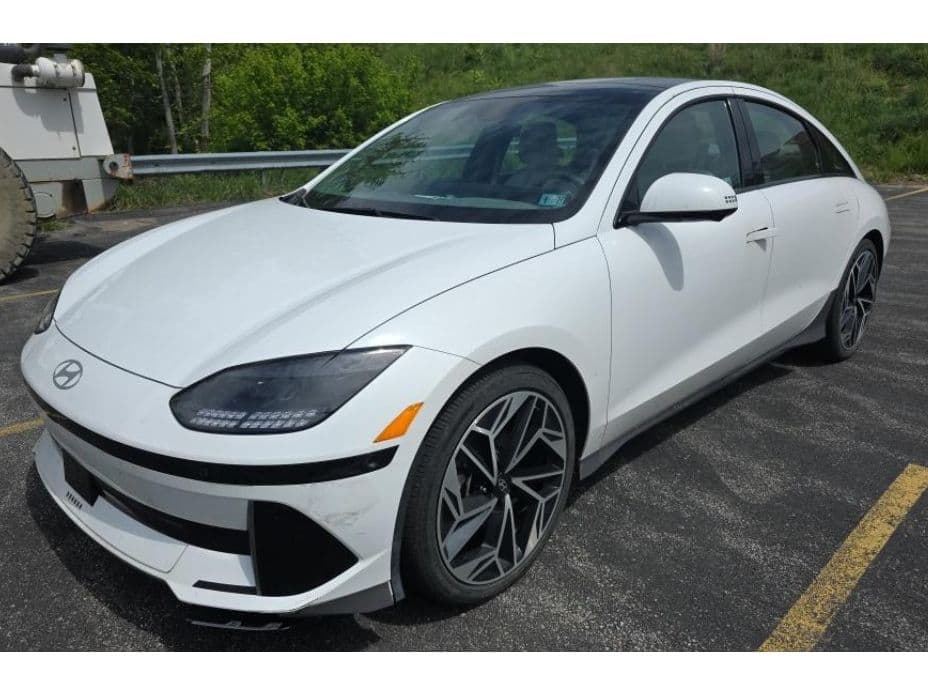
If you own or are shopping for a 2024 Hyundai Ioniq 6, you’ve probably heard about recalls tied to power loss, the Integrated Charging Control Unit (ICCU), and Level 2 charging glitches. This guide pulls together the latest 2024 Hyundai Ioniq 6 recalls list, explains what each campaign actually fixes, and shows you how to check your VIN so you’re not driving around with an unrepaired safety issue.
First things first
Overview: 2024 Ioniq 6 recalls at a glance
Key 2024 Ioniq 6 recall campaigns
Hyundai has issued more than one action that can touch a 2024 Ioniq 6. The big one is the ICCU recall that can cause power loss while driving. There are also campaigns related to Level 2 charging interruptions and software updates that help protect the 12‑volt battery and charging hardware over time.
Safety vs. service campaign
Recall 1: ICCU power-loss recall (sudden loss of drive)
The headline campaign on the 2024 Hyundai Ioniq 6 involves the Integrated Charging Control Unit (ICCU). On affected vehicles, the ICCU can overheat or fail internally. When that happens, the car may lose the ability to maintain the high‑voltage battery’s state of charge and can eventually trigger warning lights and reduced power. In worst‑case scenarios, owners have reported the car losing motive power while in motion and coasting to a stop.
ICCU / power-loss recall details for 2024 Hyundai Ioniq 6
Exact NHTSA and Hyundai campaign numbers can vary slightly by production date. Always verify by VIN on the NHTSA or Hyundai recall portals.
| Item | Details |
|---|---|
| Issue | ICCU internal fault that can blow the high‑voltage fuse, leading to loss of 12V charging support and potential power loss while driving. |
| Symptoms | "Check Electric Vehicle System" message, reduced or no acceleration, multiple warning lights, or the car going into limp mode and then stopping. |
| Risk | Increased risk of a crash if the vehicle loses motive power at speed. |
| Fix | Dealer inspection of the ICCU and related hardware; software update; and, where needed, replacement of the ICCU and associated high‑voltage fuse and hardware. |
| Cost to owner | $0 for recall work at an authorized Hyundai dealer. |
| Coverage | Certain 2023–2024 Ioniq 6 vehicles built between late 2022 and March 2024. Coverage depends on your VIN, not just the model year. |
If your 2024 Ioniq 6 is within the covered build range, this recall is high‑priority and should be completed as soon as possible.
Don’t ignore early warning signs
Hyundai initially tried to handle many ICCU complaints with a software update and targeted repairs, but persistent owner complaints pushed the company toward a broader recall. For 2024 Ioniq 6 owners, that means Hyundai is now on the hook to both reflash software and replace faulty hardware when diagnostics show ICCU or fuse damage. If you buy a used Ioniq 6, confirm this campaign is marked as completed before you sign anything.
Recall 2: AC Level 2 charging interruption / slow charging
A second major campaign aimed at 2023–2024 Hyundai Ioniq 6 models focuses on interrupted or unusually slow Level 2 charging when using a 240‑volt AC charger. Some cars will repeatedly stop a charging session, drop from a normal 32–48 amp rate down to a trickle, or refuse to start AC charging at all.
Level 2 charging interruption campaign (service campaign 9B5 and related bulletins)
Hyundai classifies this as a service campaign/TSB in many documents rather than a formal safety recall, but for owners it feels just as important.
| Item | Details |
|---|---|
| Issue | Vehicle may experience interrupted or significantly reduced charging speed on 240V AC (Level 2) chargers due to ICCU and software behavior. |
| Typical symptoms | Charging session repeatedly aborts, charger cycles on/off, or rate drops far below the station’s rated output. |
| Fix | Updated ICCU and vehicle control software, plus revised repair procedures and hardware checks for vehicles that show related diagnostic trouble codes. |
| Model years covered | 2022–2024 Ioniq 5, 2023–2024 Ioniq 6, and select Kona Electric and Genesis EVs. |
| Owner cost | $0 when performed as part of the official Hyundai campaign. |
| Why it matters | Prevents chronic charging headaches and potential premature wear on charging hardware. It can also reveal early ICCU issues before they become full power‑loss events. |
Even if your car still charges, just slowly, this fix is worth scheduling to avoid getting stuck at a public charger.
How to tell if you’re affected
Recall 3: 12V battery saver & control software update
Separately from the ICCU recall, Hyundai has released software updates that change how the high‑voltage pack supports the 12‑volt battery. Early Ioniq 6 builds were prone to letting the 12V battery discharge when the car sat, especially if owners used connected features or left the car parked for long periods. That could leave the car "bricked", high‑voltage pack still full, but the car won’t wake up because the 12V is dead.
- Updates to the Vehicle Control Unit (VCU) software so the high‑voltage battery can top off the 12V battery more intelligently when parked.
- Revised "battery saver" logic so DC‑DC charging from the main pack can resume even at a lower state of charge than before, reducing the chance of a dead 12V.
- Additional checks during service visits to identify 12V batteries that are weak or failing prematurely.
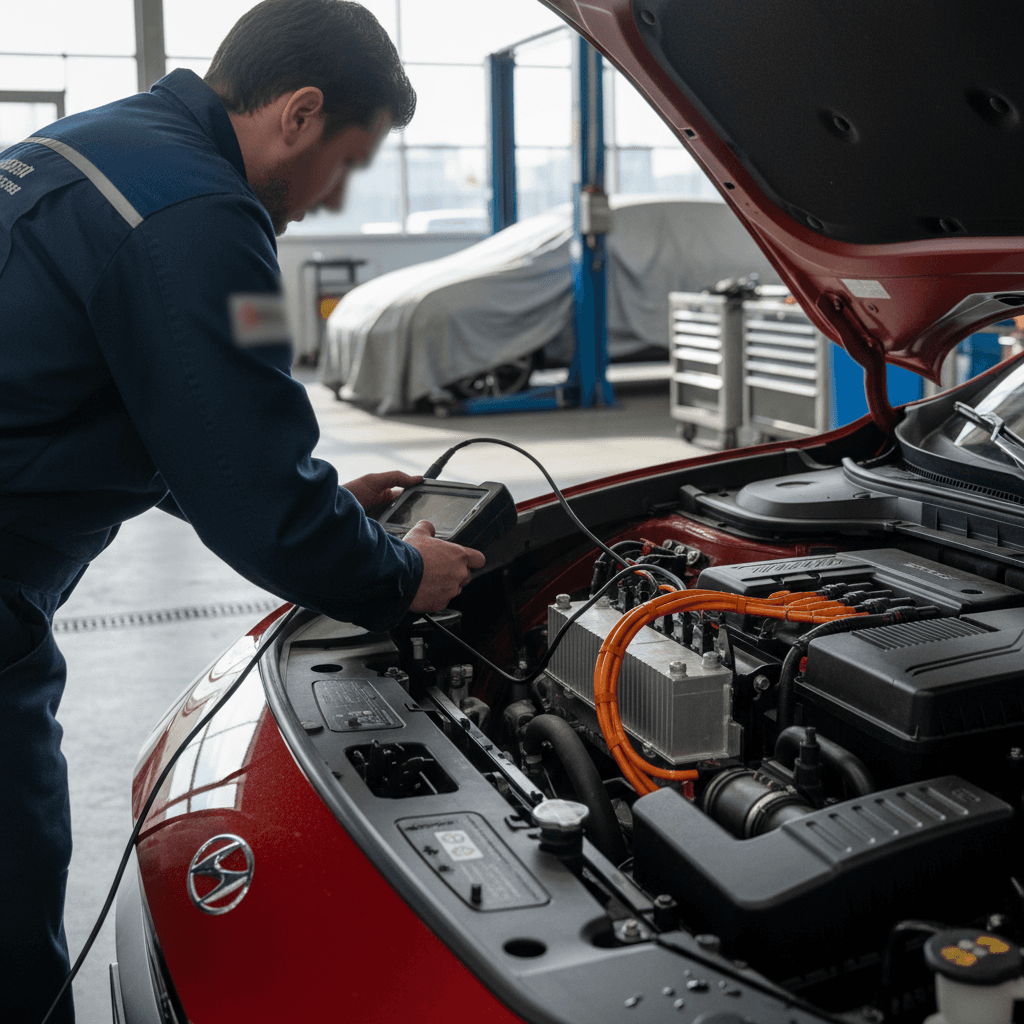
Some of these changes are bundled into service campaigns and TSBs rather than branded as safety recalls, but they’re still important. If your 2024 Ioniq 6 has ever needed a jump or repeatedly shows low‑battery messages even after the ICCU recall, ask the dealer specifically about the latest VCU and 12V management updates.
Other campaigns, TSBs, and service actions
Additional 2024 Ioniq 6 service actions to know
Not every repair item shows up as a formal NHTSA safety recall, but they still matter for long‑term reliability.
Technical Service Bulletins (TSBs)
TSBs are instructions Hyundai sends to dealers when a pattern of complaints or failures emerges. For 2023–2024 Ioniq 6, there are TSBs that:
- Clarify ICCU replacement procedures and high‑voltage fuse handling.
- Update charge‑control and thermal‑management software.
- Guide technicians on diagnosing intermittent charging and 12V issues.
Dealer service campaigns
These are proactive fixes Hyundai pays dealers to perform when your car comes in, often without a mailed recall notice. They may cover:
- Charging behavior tweaks.
- Instrument‑cluster message improvements.
- Minor hardware inspections or fasteners.
Non-safety repairs
Items like early 12V battery replacements or updated relays in the high‑voltage system may be covered under warranty rather than recall. They won’t always show on NHTSA’s site but can show up in a dealer’s internal history or a Recharged Score report on a used car.
Why this matters if you’re shopping used
How to check if your 2024 Ioniq 6 has open recalls
Step-by-step: confirm your recall status by VIN
1. Locate your VIN
Find your 17‑digit VIN on the lower driver’s side of the windshield, on the driver’s door jamb, or on your registration/insurance card.
2. Run your VIN on NHTSA’s website
Go to NHTSA’s official recall lookup site and enter your VIN. It will show all open safety recalls that still need to be completed on your specific Ioniq 6.
3. Check Hyundai’s U.S. recall portal
Hyundai also operates its own campaign lookup page. It may show additional service campaigns and TSB‑related actions that don’t appear as NHTSA safety recalls yet.
4. Call your Hyundai dealer’s service department
Give them your VIN and ask for a printout of all open **recalls, service campaigns, and TSB‑related updates**. Ask which ones require parts and how long the work will take.
5. Confirm completion dates in writing
After the appointment, request a repair order that lists each campaign ID and the date it was completed. Keep this with your service records, it also helps resale value.
6. Recheck after major news
If you hear about a new Hyundai or EV recall in the news, re‑run your VIN. Campaigns roll out in waves, and your car might be added later based on its build date.
Make recall work a one-stop visit
What these recalls mean if you’re buying a used Ioniq 6
Risks if recalls are not done
- Stranding risk: An unrepaired ICCU issue can turn into sudden power loss or a car that refuses to shift into Drive.
- Charging headaches: Unaddressed software and ICCU behavior can mean painfully slow or interrupted Level 2 charging.
- Resale impact: Open safety recalls can spook future buyers and may hurt trade‑in value.
Upsides when recalls are completed
- Improved reliability: Updated hardware and software tend to make later‑built or fully updated cars more dependable.
- Documented service history: Completed campaigns show prior owners kept up with safety work, a good sign in a used EV.
- No cost to you: Even if you’re the second or third owner, Hyundai covers official recall repairs.
From a used‑vehicle market standpoint, the 2024 Ioniq 6 is still an attractive EV, strong range, fast DC charging, and a long battery warranty. But savvy shoppers treat recall completion as part of their due diligence, not an afterthought.
How Recharged handles recall risk
Ready to find your next EV?
Browse VehiclesPractical ownership tips after the recalls
Real-world habits that support your Ioniq 6 after recall work
Recalls fix known defects; smart habits help prevent new problems.
Watch for new warning lights
After the ICCU and charging campaigns, your dash should be largely drama‑free. Don’t ignore:
- Repeated "Check Electric Vehicle System" alerts.
- Sudden range drops.
- Frequent failed charging sessions.
If they return, schedule a checkup, something may still be wrong.
Test multiple chargers
Try your Ioniq 6 on:
- Your home Level 2 unit.
- A different public Level 2 brand.
- A DC fast charger from a major network.
Consistent behavior across stations is a good sign that your car, not the charger, is healthy.
Keep records organized
Scan or photograph every repair order and campaign completion sheet. When it’s time to sell or trade in, a tidy folder of records can make your Ioniq 6 stand out and support a stronger offer.
- Avoid routinely running the battery to 0%, that stresses both the main pack and support systems such as the ICCU and DC‑DC converter.
- If your car will sit for more than a couple of weeks, consider leaving it at 40–60% state of charge and, if possible, plugged into a reliable Level 2 charger.
- Use Hyundai’s connected‑services app to monitor charging sessions after recall work; early hiccups are easier to document if you have screenshots and timestamps.
- Build a relationship with one Hyundai dealer that sees a lot of EV volume. Technicians there will be most familiar with the latest Ioniq 6 campaigns and TSBs.
Be cautious with DIY high-voltage work
FAQ: 2024 Hyundai Ioniq 6 recalls
Frequently asked questions about 2024 Ioniq 6 recalls
Bottom line on 2024 Ioniq 6 recalls
The 2024 Hyundai Ioniq 6 isn’t recall‑free, but that doesn’t automatically make it a bad bet, especially if you’re drawn to its range, fast‑charging capability, and sleek design. The key is knowing what’s on the 2024 Hyundai Ioniq 6 recalls list, verifying every campaign has been completed on your specific car, and paying attention to early warning signs around charging or power delivery.
If you already own a 2024 Ioniq 6, start with a VIN check and get any open ICCU and charging campaigns scheduled. If you’re shopping used, treat recall status and battery health as core parts of your inspection, right alongside price and mileage. And if you’d rather not decode all of that alone, Recharged can pair you with an EV specialist, provide a detailed Recharged Score report, and help you find a used Ioniq 6 that’s already had the heavy lifting done.