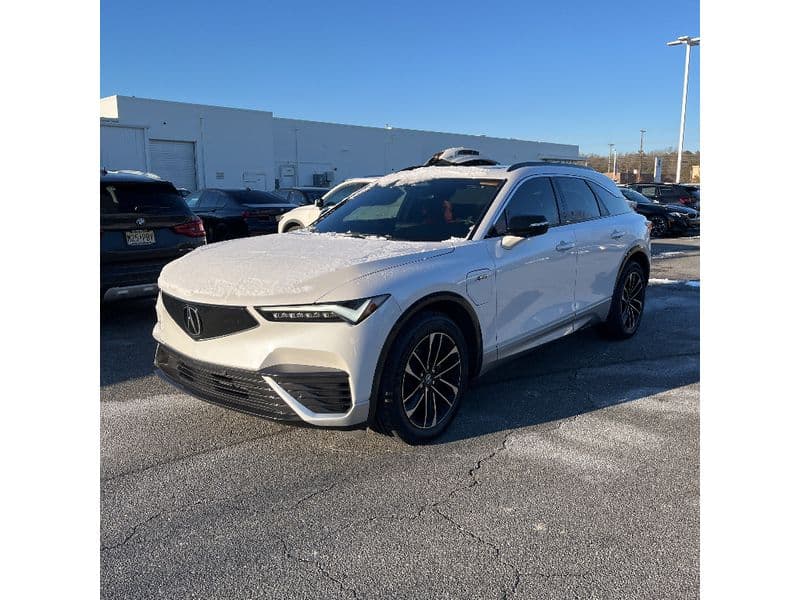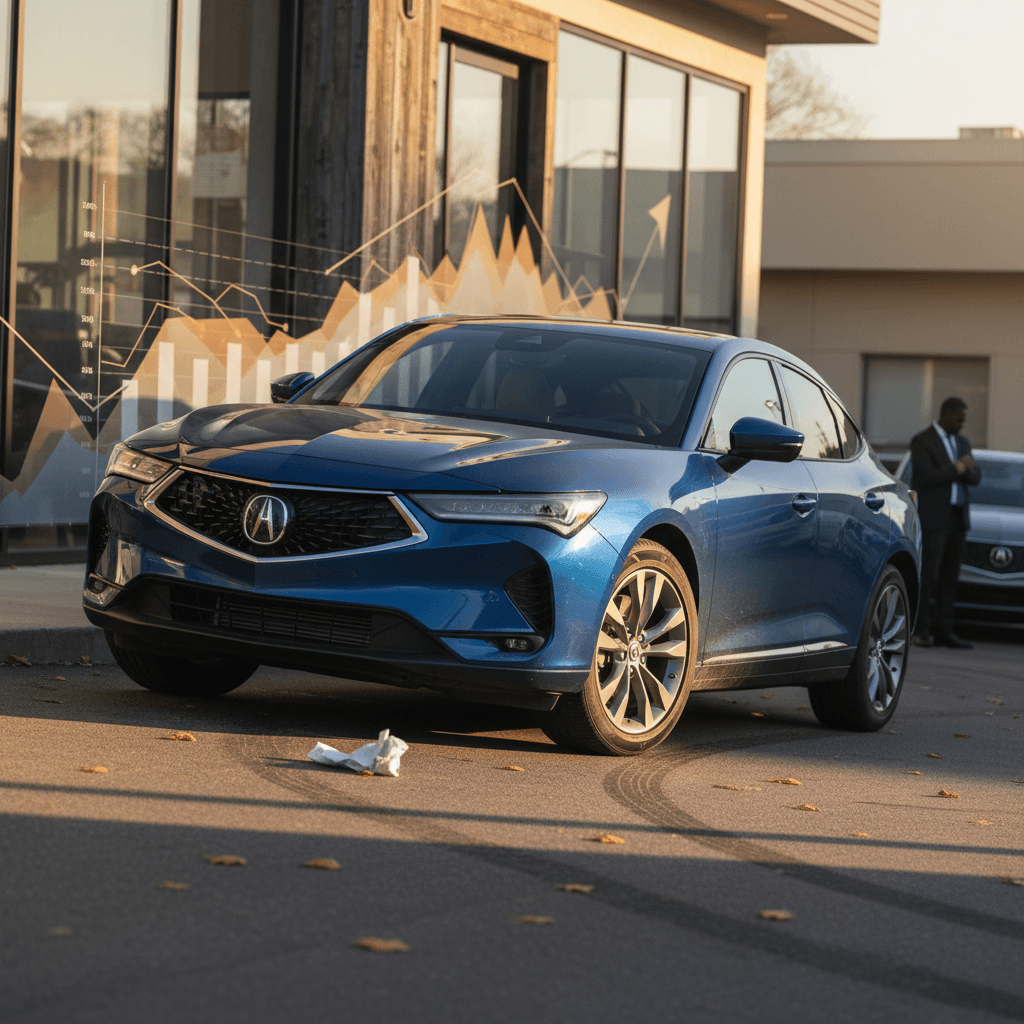
If you’re eyeing Acura’s all-electric ZDX, you’re probably wondering: how fast does the Acura ZDX depreciate, and is it better to buy new or wait for the used market? With any new luxury EV, resale value is a big part of the ownership math, especially when prices start well into premium-SUV territory.
Early-days reality
Acura ZDX depreciation: what to expect
Because the ZDX only recently hit showrooms, anyone quoting exact resale percentages is guessing. But based on how other luxury electric SUVs have behaved, a realistic expectation for an Acura ZDX purchased new might look like this:
- By year 3: often in the ballpark of 40–50% total depreciation from original MSRP, assuming normal mileage and no major market shocks.
- By year 5: closer to 55–65% total depreciation, again similar to other luxury EV crossovers.
- By year 7: 65–75% total depreciation is common territory for high-end EVs, though well‑kept examples with strong battery health can stand out.
Treat projections as guardrails, not guarantees
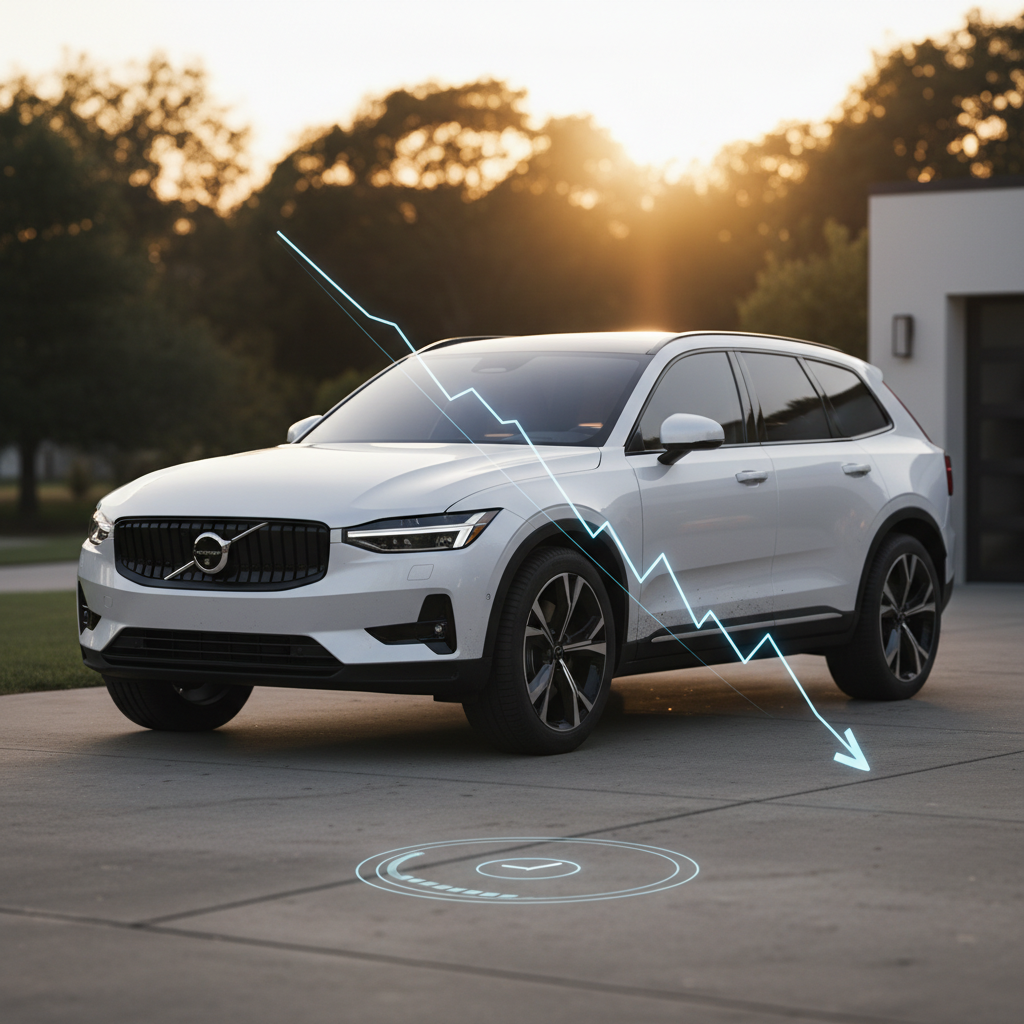
What matters for you is less the precise percentage and more the shape of the curve: luxury EVs tend to lose value more quickly in the first 3–4 years, then level off. That curve is where smart shoppers can take advantage, especially if you’re considering a used Acura ZDX later and can verify that its battery and pricing still make sense.
Why EVs and luxury models can depreciate quickly
To understand how fast an Acura ZDX may depreciate, you need to look at the forces working against (and sometimes for) it. Three main levers drive EV and luxury depreciation:
Key depreciation drivers for the Acura ZDX
Why early buyers take the biggest hit, and how that helps used shoppers
1. Technology pace
EV tech moves quickly: battery chemistry, range, driver-assist, and infotainment all improve each model year.
When a fresh update lands with more range or new features, last year’s model can take a resale hit even if it still drives like new.
2. Luxury price ladders
Luxury buyers often prioritize the latest look and tech, and many lease instead of buying.
That creates a steady stream of off‑lease vehicles in years 3–4, which can push prices down for similar used models.
3. Incentives & interest rates
EV tax credits, rebates, and financing programs change frequently.
If new ZDXs come with aggressive incentives, used prices must adjust to stay attractive, especially when monthly payments are compared side‑by‑side.
Why this is good news if you buy used
Projected Acura ZDX depreciation timeline
Let’s translate big‑picture trends into a rough depreciation roadmap for a new Acura ZDX. These are directional estimates built from comparable luxury EVs (think Cadillac Lyriq, Audi Q8 e‑tron, Mercedes EQE SUV) and Acura’s historic performance on the gasoline side.
Illustrative Acura ZDX depreciation curve
Approximate retained value vs. original MSRP, assuming typical mileage and normal market conditions. These are estimates only, not guaranteed outcomes.
| Age of vehicle | Typical odometer | Illustrative retained value | What it means for buyers |
|---|---|---|---|
| New (Year 0) | 0–5,000 miles | 100% of MSRP | You’re paying full price plus fees, but you’re also the first owner and get full warranty coverage. |
| Year 1 | 10,000–15,000 miles | ~80–85% | Early depreciation shows up quickly, especially if newer tech or incentives arrive. |
| Year 3 | 30,000–40,000 miles | ~50–60% | Sweet spot for many used‑EV buyers: big discount from new but still plenty of warranty life. |
| Year 5 | 50,000–70,000 miles | ~35–45% | Battery health and charging history start to matter more than model‑year bragging rights. |
| Year 7 | 70,000–90,000 miles | ~25–35% | Well‑documented vehicles with strong battery metrics can stand out from the pack. |
Depreciation often front‑loads into the first 3–4 years for luxury EVs like the Acura ZDX.
How this compares to mainstream gas SUVs
Fast facts: Acura ZDX & EV depreciation
Acura ZDX vs Acura RDX and Cadillac Lyriq
Because we don’t yet have seven years of hard data on ZDX depreciation, it helps to triangulate against close cousins: Acura’s gasoline RDX and the Cadillac Lyriq, which shares its Ultium platform with the ZDX.
Acura ZDX vs Acura RDX (gas)
- Brand story: Acura crossovers like the RDX have generally held value reasonably well thanks to Honda/Acura’s reliability reputation.
- EV vs gas: The RDX benefits from familiar tech, wide fueling infrastructure, and a larger used‑buyer pool, factors that typically help depreciation.
- ZDX wildcard: If the ZDX proves similarly durable and Acura backs it with strong software and battery support, its resale curve could trend closer to RDX over time than to some early luxury EVs that fell sharply.
Acura ZDX vs Cadillac Lyriq
- Shared bones: Both ride on GM’s Ultium platform, with similar battery architecture and charging capabilities.
- Brand positioning: Cadillac leans harder into luxury, while Acura typically balances performance and value. That can influence who shops used.
- What to watch: Early Lyriq resale trends will be a strong hint for the ZDX, especially around years 3–5 when off‑lease vehicles hit the market.
Use comparables, but look deeper
How battery health affects Acura ZDX resale value
With an EV like the Acura ZDX, battery health is the new engine condition. Two identical ZDXs, same color, same miles, same options, can be worth noticeably different amounts if one shows stronger battery metrics than the other.
Why the ZDX’s battery matters more than paint or wheels
Battery condition can move value thousands of dollars either way
Range loss over time
As batteries age, usable capacity declines. A ZDX that originally delivered, say, 325 miles of range might be closer to 285–300 miles after several years, depending on use and climate.
Fast‑charging habits
Frequent DC fast charging and high‑heat environments can accelerate battery degradation. Buyers increasingly ask how a used EV was charged, not just how far it was driven.
Warranty and diagnostics
A strong battery warranty and transparent health reports can support higher resale values. They give buyers confidence that the pack isn’t a ticking time bomb.
How Recharged approaches ZDX battery health

Should you lease or buy a new Acura ZDX?
If you’re worried about how fast the Acura ZDX might depreciate, one of the biggest decisions is whether to lease or buy new. Each path handles depreciation differently.
Leasing vs buying a new Acura ZDX
Leasing: let Acura absorb early depreciation
With a lease, Acura’s finance arm (or the lessor) takes the residual‑value risk. Your monthly payment is essentially the projected depreciation plus fees, but you’re not stuck if resale weakens more than expected.
Buying: more long‑term flexibility
Buying a ZDX means you own the asset and ride the full depreciation curve. That can work in your favor if the vehicle holds value better than expected or you plan to keep it well past year 7.
Mileage and wear limits
If you drive more than average, lease mileage penalties can narrow or erase the benefit of letting Acura eat depreciation. High‑mileage ZDXs will be discounted in the used market either way.
Interest rates and incentives
At times, lease programs include subsidized money factors or special EV incentives that don’t appear on purchase loans. In a high‑rate environment, that can tilt the math in favor of leasing.
End‑of‑term options
If the ZDX surprises everyone and holds value unusually well, you can often buy out your lease at a below‑market price. If it underperforms, you just hand back the keys and walk away.
Where used ZDX shoppers can win
Ready to find your next EV?
Browse VehiclesSmart strategy for buying a used Acura ZDX
Because the ZDX is just entering showrooms, the earliest used volume will likely come from service loaners, demos, and early turn‑ins. That means low miles, but not always low depreciation. Here’s how to stack the odds in your favor once used inventory starts to build:
Checklist: buying a used Acura ZDX the smart way
Verify true market pricing
Don’t anchor on original MSRP. Compare asking prices across multiple sources and look at transaction‑level data or fair‑market estimates. Recharged bakes this into every listing so you can see if a price falls in, above, or below the typical band.
Demand real battery‑health data
Ask for a battery‑health report, not just a range estimate from the dashboard. Tools behind the Recharged Score pull pack‑level insights that reveal how a ZDX has actually aged.
Review charging and usage patterns
If available, look for clues about how the vehicle was used: mostly home Level 2 charging vs daily DC fast charging, heavy towing vs normal commuting, extreme heat vs mild climates.
Check software and feature support
Confirm the ZDX you’re considering has the latest software updates and that key driver‑assist and infotainment features still receive support. Over‑the‑air capable EVs can age more gracefully, if updates keep coming.
Factor warranty lifespans into price
Line up the asking price with what’s left on the bumper‑to‑bumper and battery warranties. A slightly more expensive ZDX with several extra years of coverage can be a better value than a cheaper, almost‑out‑of‑warranty example.
Practical ways to slow ZDX depreciation
You can’t change the broader EV market, but you can influence how fast your Acura ZDX depreciates. Most of it comes down to how you treat the battery, how you maintain the vehicle, and when you choose to sell or trade.
Five levers you control as a ZDX owner
Small decisions today can add up to thousands in value later
1. Charge thoughtfully
Favor home or workplace Level 2 charging when possible and avoid living at 100% state of charge. DC fast charge when you need to, not every day.
2. Protect the pack from heat
Whenever practical, park in shade or a garage, and don’t leave the car sitting at full charge during very hot weather.
3. Maintain documentation
Keep service records, software‑update notes, and tire/ brake history. A clean paper trail supports stronger offers from buyers and marketplaces.
4. Preserve cosmetics
Good detailing, paint protection where it makes sense, and prompt repair of dings or wheel rash all keep your ZDX looking like a higher‑value example.
5. Time your exit
If you plan to move on, consider selling around peak demand seasons and before major model‑year updates that significantly increase range or features.
6. Use EV‑savvy channels
Platforms that specialize in used EVs, like Recharged, understand how to price in battery health and incentives, which can surface more competitive offers.
What hurts depreciation the most
Acura ZDX depreciation: FAQ
Frequently asked questions about Acura ZDX depreciation
Bottom line: Is Acura ZDX depreciation a dealbreaker?
Acura’s ZDX arrives at a time when luxury EVs are still finding their long‑term footing on resale value. You should expect sharper early‑year depreciation than with a mainstream gas SUV, and you should assume that years 1–3 will be the steepest part of the curve. But that doesn’t make the ZDX a bad bet, it just means you need to be strategic about how and when you buy.
If you want the latest tech with minimal resale risk, leasing a new ZDX and letting Acura worry about the residual can make sense. If you’re patient and value‑driven, waiting for the first wave of used ZDXs with verified battery health, the kind of vehicles Recharged specializes in, can give you a lot of EV for far less than original MSRP.
Either way, the key is to treat depreciation as a known variable, not a mystery. Understand the likely curve, watch how the market evolves, and use transparent data on battery condition and fair pricing to your advantage. Do that, and Acura ZDX depreciation becomes something you manage, not something that manages you.