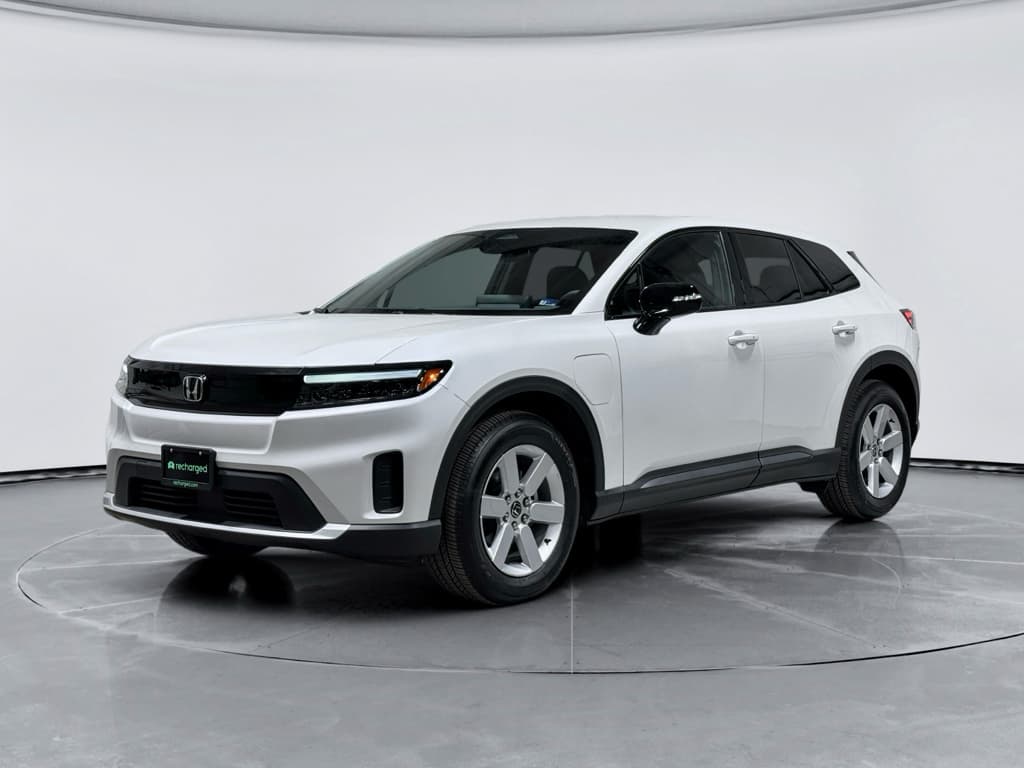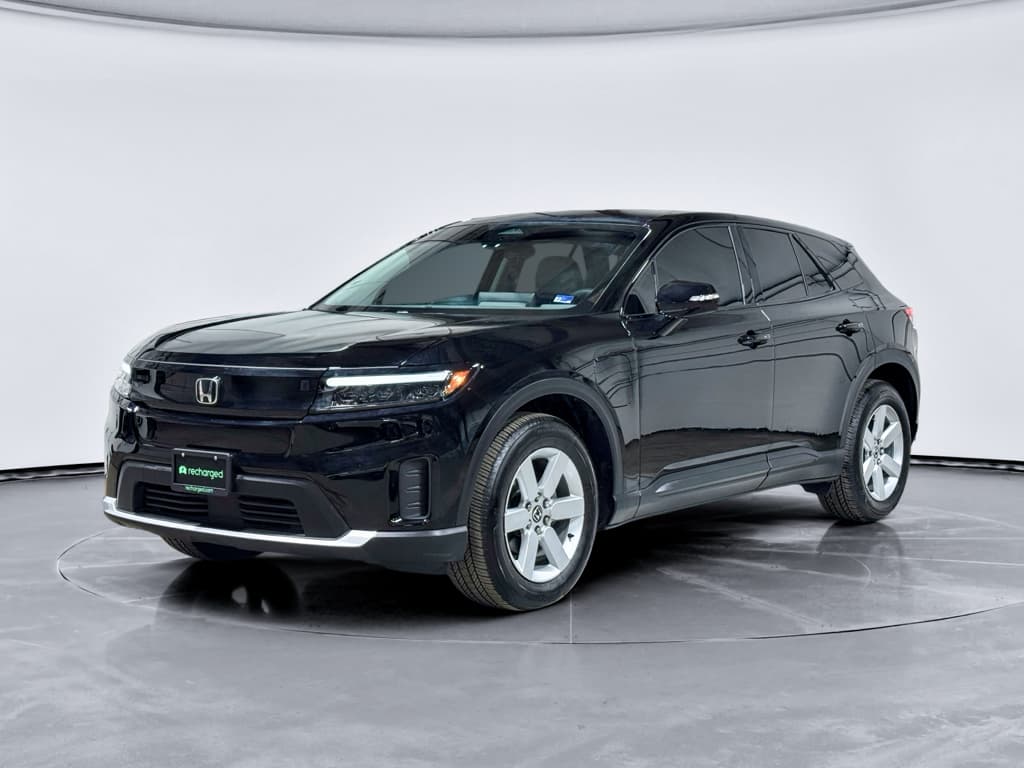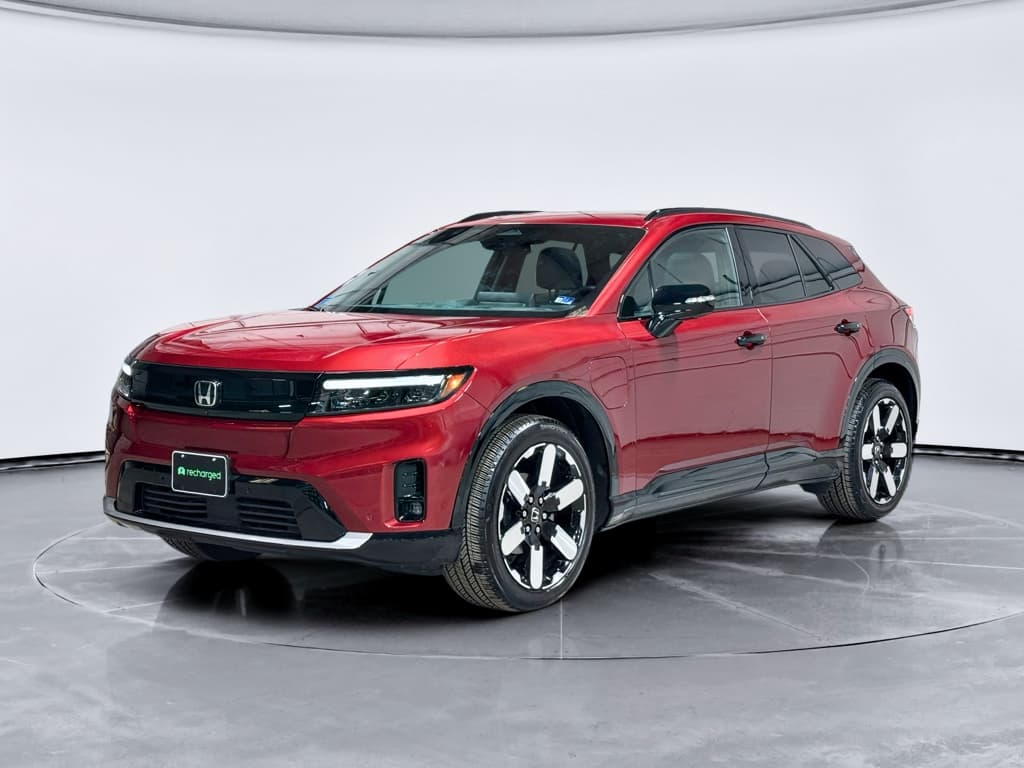
If you’re Googling “2024 Honda Prologue reliability rating”, you’re probably expecting classic Honda dependability in an all‑electric wrapper, and wondering if the early headlines and owner stories back that up. The short answer: the Prologue doesn’t yet match the rock‑solid reputation of Honda’s CR‑V and Accord, but it also isn’t a disaster. It’s a first‑year EV on GM’s Ultium platform with genuinely mixed early data, which you need to understand before you buy, lease, or pick one up used.
Key takeaway up front
How reliable is the 2024 Honda Prologue so far?
Because the Prologue is a **brand‑new EV nameplate that launched for the 2024 model year**, reliability ratings are still based on limited data. But the signals we have as of April 2026 all point in the same direction: the Prologue is **below average for reliability**, and significantly below what most people associate with the Honda badge.
2024 Honda Prologue reliability snapshot
Think of the 2024 Prologue as a car where the average experience is worse than a typical new Honda, but individual outcomes are all over the map. If you get a good one, it can be completely drama‑free. If you get a bad one, you may find yourself on a first‑name basis with the service advisor.
How major rating organizations score the Prologue
The cleanest way to understand the 2024 Honda Prologue reliability rating is to look at how survey‑based outlets score it and then put those scores in context.
2024 Honda Prologue reliability ratings vs the field
How the Prologue stacks up against average new vehicles and mainstream EV rivals on reliability and owner‑reported issues. Scores are simplified for clarity.
| Vehicle | Overall reliability verdict (early data) | Notable reliability notes |
|---|---|---|
| 2024 Honda Prologue | Below average / much worse than average | First‑year EV on Ultium platform, numerous software and HVAC complaints, one suspension recall so far. |
| Average 2024 new vehicle | Average | Modern gas and hybrid crossovers typically score around the middle of the pack. |
| Typical Honda CR‑V (current gen) | Better than average | Mature platform, relatively low complaint rates, strong long‑term track record. |
| Mainstream EV rival (Hyundai Ioniq 5 / Kia EV6) | Average to below average | Strong drivetrains but software, charging, or build‑quality issues keep scores from the top tier. |
Exact numerical scores vary by source and change over time, but the pattern is consistent: the Prologue trails Honda’s own hybrids and several rival EV crossovers on reliability.
Don’t confuse brand with model
Common 2024 Honda Prologue problems & emerging patterns
When you drill into owner complaints, forum posts, and early technical service bulletins, a few themes show up again and again. Not every Prologue will experience these, but they’re the main reasons the 2024 reliability rating is under pressure.
Most frequently reported 2024 Prologue issues
Patterns from owner forums, complaint databases, and early service history
HVAC & heat performance
Multiple owners report weak cabin heat, intermittent heat in very cold weather, or systems that blow cold air unexpectedly. Because the thermal system also manages the battery, HVAC quirks can be more than just a comfort issue, they may impact range and charging behavior.
Infotainment & telematics glitches
Stories of black screens, frozen infotainment, Bluetooth drops, and telematics control module (TCM) faults are fairly common. Some cars spend days at the dealer while modules are diagnosed or swapped, especially when dealers have limited EV software experience.
Suspension recall & noises
A 2024 recall targets the right front lower control arm, which can fracture and lead to a loss of control. Separate from that, some owners mention clunks or squeaks from the suspension over time.
Less common but notable complaints
Issues that show up occasionally in owner reports
Body & trim rattles
First‑year build variation shows up as rattles, wind noise, and squeaks from doors, hatch, or panoramic roof on a subset of vehicles.
Charging quirks
A minority of owners report charging session interruptions, finicky behavior with certain DC fast chargers, or inconsistent charge rates, pretty typical early‑EV fare, but still annoying.
App & remote features
Complaints about the Honda app being slow, buggy, or unreliable are widespread. That doesn’t strand you the way drivetrain issues would, but it does chip away at the ownership experience.
Smart pre‑purchase move
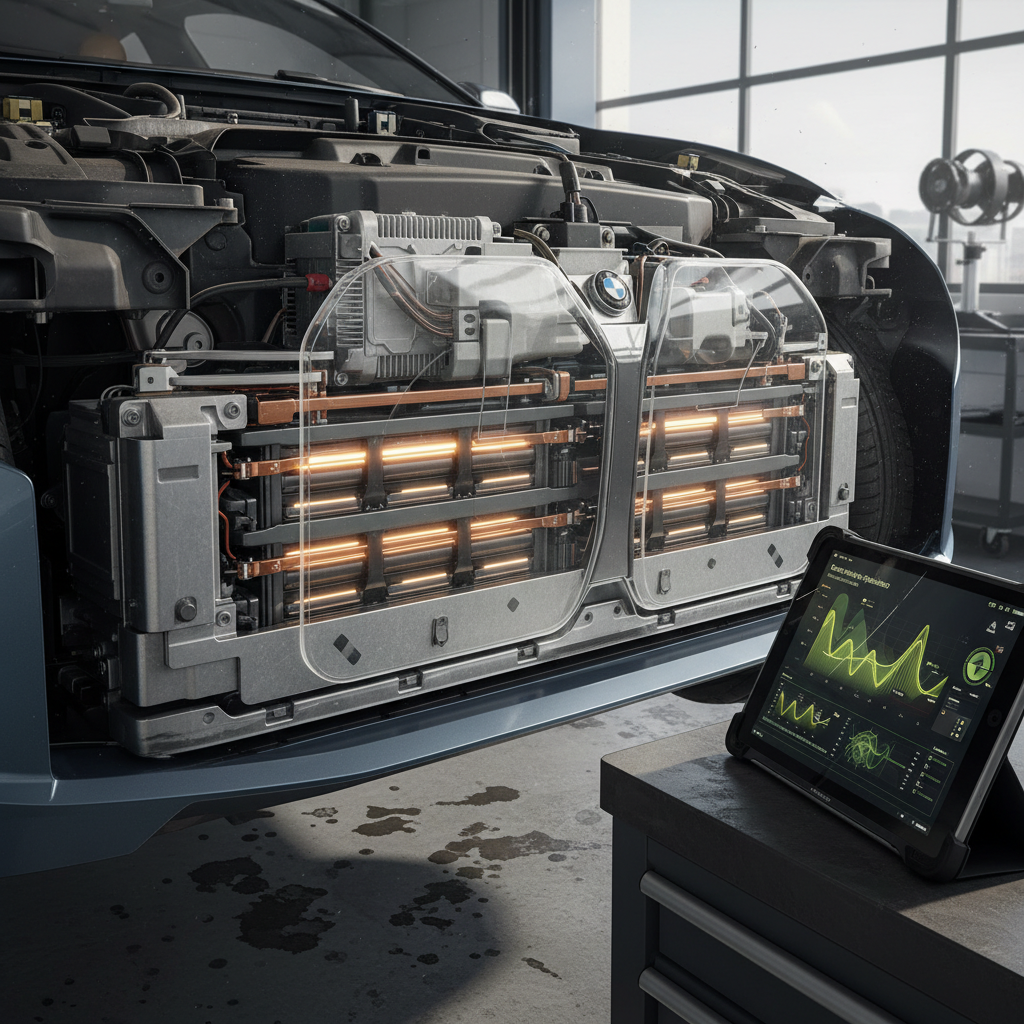
Battery pack and Ultium platform reliability
Under the skin, the Prologue is less Honda and more GM. It uses GM’s Ultium battery and propulsion architecture, shared in various forms with vehicles like the Chevrolet Blazer EV and Cadillac Lyriq. That’s important context, because early Ultium rollouts have had their own teething issues, especially on the software and charging side.
- The Prologue’s high‑voltage pack is covered by an 8‑year/100,000‑mile battery warranty, with Honda specifying that capacity down to 75% is considered normal in that period.
- Ultium packs use large-format pouch cells and a modular structure. That’s good for flexibility, but long‑term real‑world data on degradation is still limited compared with, say, Tesla or Hyundai/Kia.
- Most of the scary stories you see about Ultium, like Blazer EV buy‑backs, are heavily software‑related. The hardware itself hasn’t shown systemic failure patterns yet, but it’s fair to call the tech **“early‑maturity” rather than “proven.”**
So far, there’s **no evidence that the 2024 Prologue’s battery pack is a weak link** in the way some early EV batteries were a decade ago. The bigger question marks are around software robustness and how consistently Honda dealers can diagnose and fix Ultium‑related issues.
Warranty coverage and what it really protects
The good news is that Honda’s warranty strategy for the 2024 Prologue is broadly competitive with other EVs, and in some cases more generous than what you’ll see in the used market if you shop smart.
2024 Honda Prologue warranty overview
Core factory warranties that affect your reliability risk and out‑of‑pocket exposure.
| Component | Coverage | What it means for reliability risk |
|---|---|---|
| New vehicle limited warranty | 3 years / 36,000 miles | Covers most defects in materials and workmanship, this is what pays for a lot of early‑life software and hardware fixes. |
| Powertrain warranty | 5 years / 60,000 miles | Covers major drive components like motors and reduction gear. EV powertrains tend to be robust, but this protects you from big‑ticket failures. |
| High‑voltage battery | 8 years / 100,000 miles (to 75% capacity) | If usable capacity dips below 75% within the term, Honda will repair or replace the pack, key for long‑term ownership or second owners. |
| Corrosion & emissions | Varies by state | Less central to EV‑specific reliability, but still important in rust‑prone or CARB states. |
Exact terms can vary slightly by region and model year change, so always confirm with your dealer or owner’s manual.
Where the Prologue does feel like a Honda
2024 Prologue vs traditional Honda reliability
What people expect from Honda
- Decades of Civics, Accords, and CR‑Vs running 200,000+ miles with basic maintenance.
- Generally above‑average scores in long‑term dependability studies.
- Simple, proven engines and transmissions on mature platforms.
What the 2024 Prologue actually is
- A first‑model‑year EV on a new, shared platform that Honda doesn’t fully control.
- Complex software stack, heavy reliance on over‑the‑air updates and digital features.
- Dealers and technicians are still climbing the EV learning curve.
That gap between **“Honda reputation”** and **“Ultium reality”** is why you see such polarized owner commentary. Long‑time Honda drivers bring high expectations, and when their Prologue behaves like a typical first‑year EV, glitchy but fixable, it feels like a bigger letdown than if the same issues showed up on a new‑to‑market startup brand.
If you want classic Honda bulletproofing…
First‑model‑year EV risk: how worried should you be?
As someone who watches first‑year products for a living, I’d frame the 2024 Prologue as a **classic first‑model‑year EV story**: elevated risk, but not an automatic deal‑breaker if you go in with eyes open.
How to think about first‑year Prologue risk
Accept higher odds of software quirks
Compared with a gas CR‑V, you should assume more trips to the dealer for over‑the‑air update clean‑up, module replacements, or calibration work, especially in the first 12–24 months.
Differentiate annoyances from safety issues
HVAC glitches or a fussy app are annoying but often fixable. A repeated loss‑of‑power or steering/suspension defect is a different conversation entirely and may trigger lemon‑law options in some states.
Watch for pattern failures, not one‑offs
One repair under warranty isn’t a red flag. Three visits for the same issue might be. That’s when you start pressing Honda and your dealer for escalated support or buyback discussions.
Leasing vs buying changes the calculus
If you lease for three years, your main concern is downtime. If you buy, or pick one up used, depreciation, warranty runway, and long‑term battery health become far more important.
Reliability considerations if you’re buying used or leasing
Because the Prologue hit dealerships in 2024 at relatively high MSRPs and then faced discounts and incentives, the used market is already interesting. You’ll see **steep early depreciation**, which can be a gift or a warning sign depending on how you approach it.
Buying a used 2024 Prologue vs leasing new
How reliability risk and cost of ownership play out in each scenario
Leasing a new Prologue
- Pros: Factory warranty covers the whole term, you hand the risk back to Honda at lease‑end, and software tends to get better over time.
- Cons: You still live with any downtime or dealer hassle, and money factor + fees can erase some of the discounts.
Buying a used 2024 Prologue
- Pros: Early depreciation can make pricing attractive. If you find a Prologue with 10k–20k miles and clean service history, you’re letting someone else eat the riskiest months.
- Cons: Shorter remaining bumper‑to‑bumper coverage, and you inherit any unresolved gremlins.
How Recharged can de‑risk a used Prologue
How Recharged evaluates 2024 Honda Prologue reliability
Reliability isn’t a single number; it’s the intersection of hardware durability, software stability, and the quality of support when things go wrong. For the 2024 Honda Prologue, Recharged looks at all three:
- Battery health diagnostics: We use our Recharged Score process to measure real‑world usable capacity and fast‑charging behavior, not just what the dash reports.
- Service and recall history: Vehicles with repeated visits for the same issue, open recalls, or incomplete software campaigns get flagged or excluded from retail inventory.
- Owner‑style and usage: High‑mileage highway commuting with consistent DC fast charging tells a very different story than a short‑trip city car that’s lived at 100% charge in extreme climates.
- Market behavior: Rapid depreciation or unusually high off‑lease volumes can hint at owner dissatisfaction long before official surveys catch up.
Why this matters for you
FAQ: 2024 Honda Prologue reliability rating
Frequently asked questions about 2024 Honda Prologue reliability
Bottom line: Is the 2024 Honda Prologue a reliable bet?
If you went into this expecting the 2024 Honda Prologue reliability rating to match a CR‑V’s, you now know that’s not the story. The Prologue is an ambitious first‑year EV on a young platform, and the reliability picture reflects that: more software and HVAC gremlins than you’d like, one important recall so far, and big swings between “totally fine” and “constantly in the shop” depending on the individual vehicle.
For shoppers who are comfortable with that tradeoff, the Prologue can still be a compelling electric SUV, especially if you lease, or if you buy a used example that’s already demonstrated good behavior and comes with verified battery health and a clean service record. For shoppers who simply want the lowest‑drama path to electrification, a more mature EV platform or a Honda hybrid may be a better fit.
Either way, don’t just look at the badge. Look at the data, the service history, and the specific vehicle in front of you. And if you’d rather have an EV specialist do that heavy lifting, Recharged can help you find a Prologue, or an alternative EV, that fits your risk tolerance, budget, and daily life.