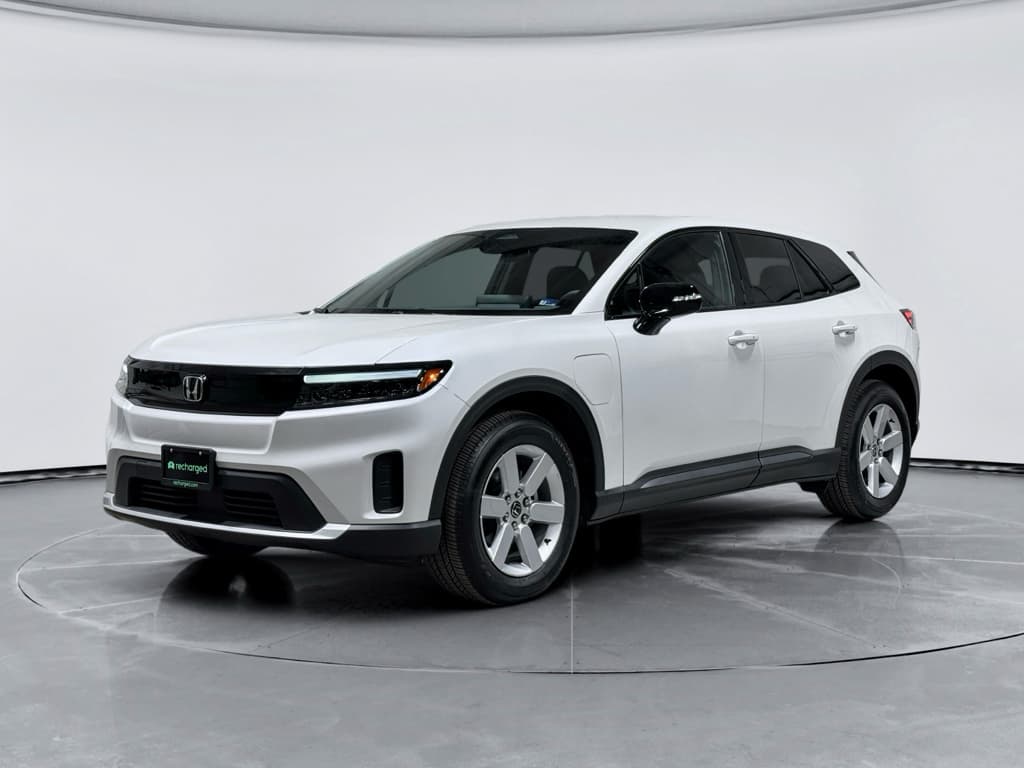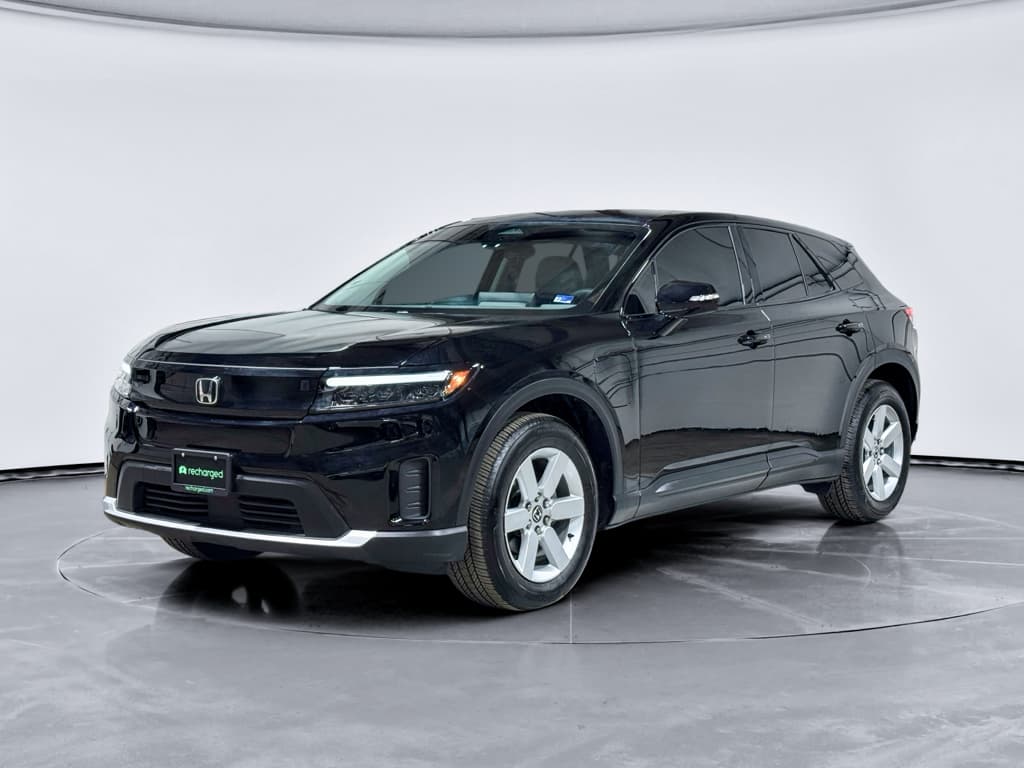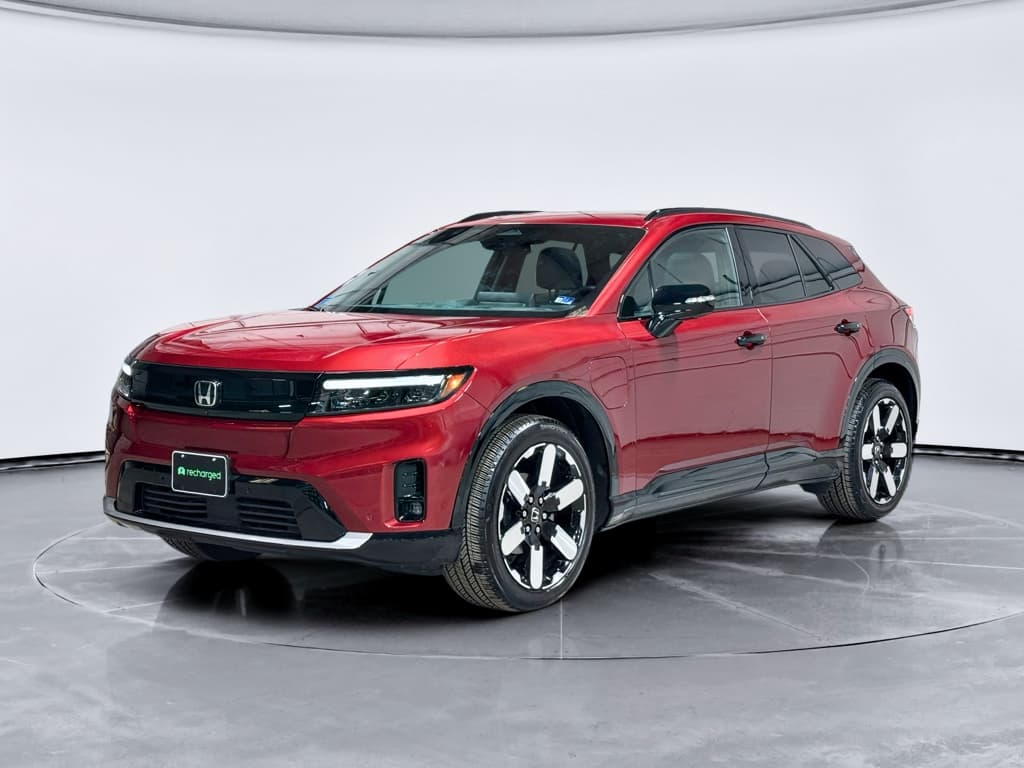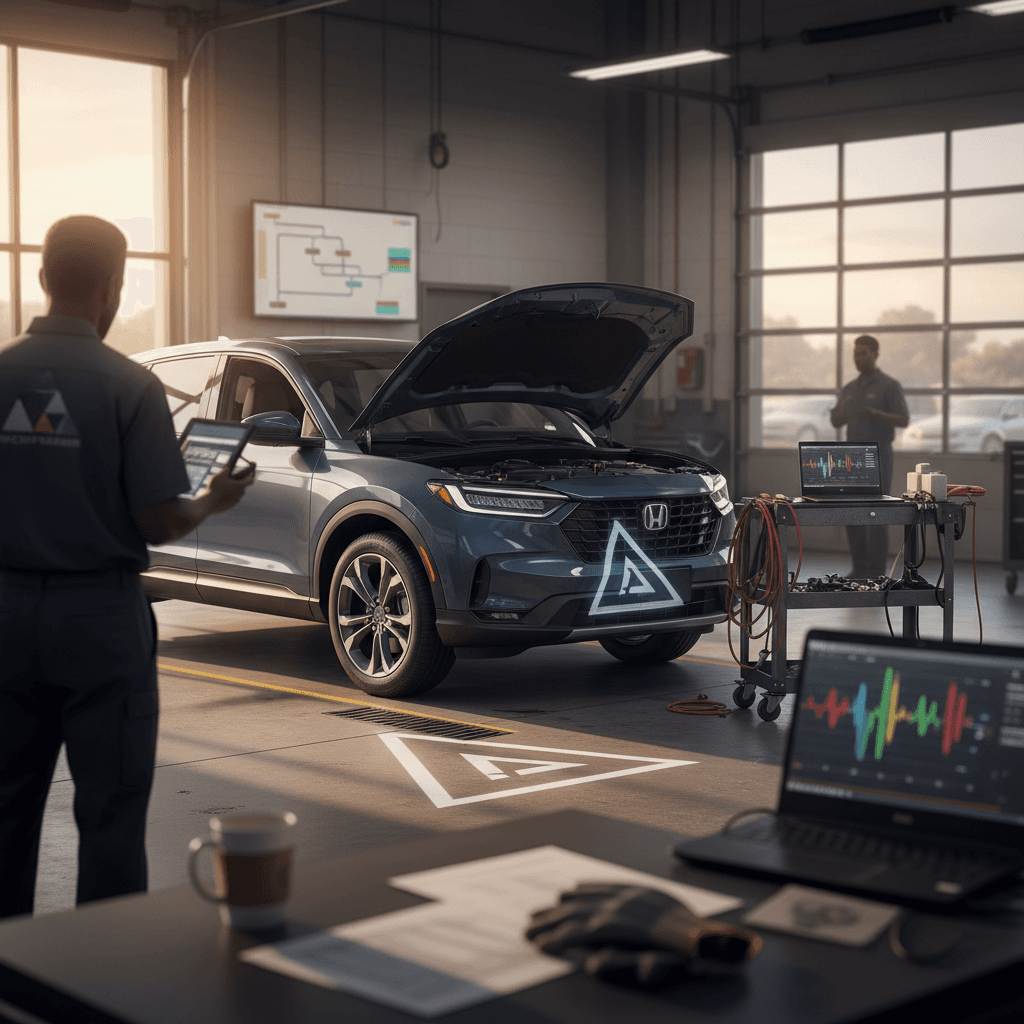
If you drive or are considering a 2024 Honda Prologue, you’ve probably heard about early recalls and software gremlins. This guide pulls together the most current 2024 Honda Prologue recalls list, explains what each campaign fixes, and helps you understand what it means for day‑to‑day safety and for buying a Prologue used.
First things first
Overview: 2024 Honda Prologue recalls so far
The 2024 Honda Prologue is Honda’s first long‑range, Ultium‑based electric SUV, and like most first‑year models, it’s had some teething problems. As of April 10, 2026, there are two major safety recalls on record for the 2024 Prologue in the U.S., along with several technical service bulletins (TSBs) that address software bugs and warning messages without being classified as recalls.
Quick snapshot: 2024 Honda Prologue safety actions
2024 Honda Prologue recalls list (quick reference)
Current 2024 Honda Prologue recalls
A high‑level look at the key recall campaigns affecting 2024 Prologue owners in the U.S.
| NHTSA campaign | Issue | Primary symptoms | Risk level | Fix | Estimated time |
|---|---|---|---|---|---|
| 24V-540 | Right front lower control link may be weaker than spec | Clunking from front suspension, change in steering feel (or no symptom yet) | High – suspension component could fail and affect steering control | Dealer inspects right front lower control link and replaces parts as needed | Typically half‑day; may extend if parts are back‑ordered |
| 26V-112 | Multiple software defects affecting display and driver‑info systems | Blank or frozen screens, missing speedometer or warning lights, odd messages | Medium to high – lack of critical info like speed can increase crash risk | Dealer performs comprehensive software update (radio/control modules and related ECUs) | Plan for most of a day; some dealers ask to keep the car overnight |
Always confirm open recalls for your exact VIN using Honda’s recall lookup or the NHTSA VIN tool before you drive to the dealer.
Recall lists change
Suspension recall: right front lower control link (24V-540)
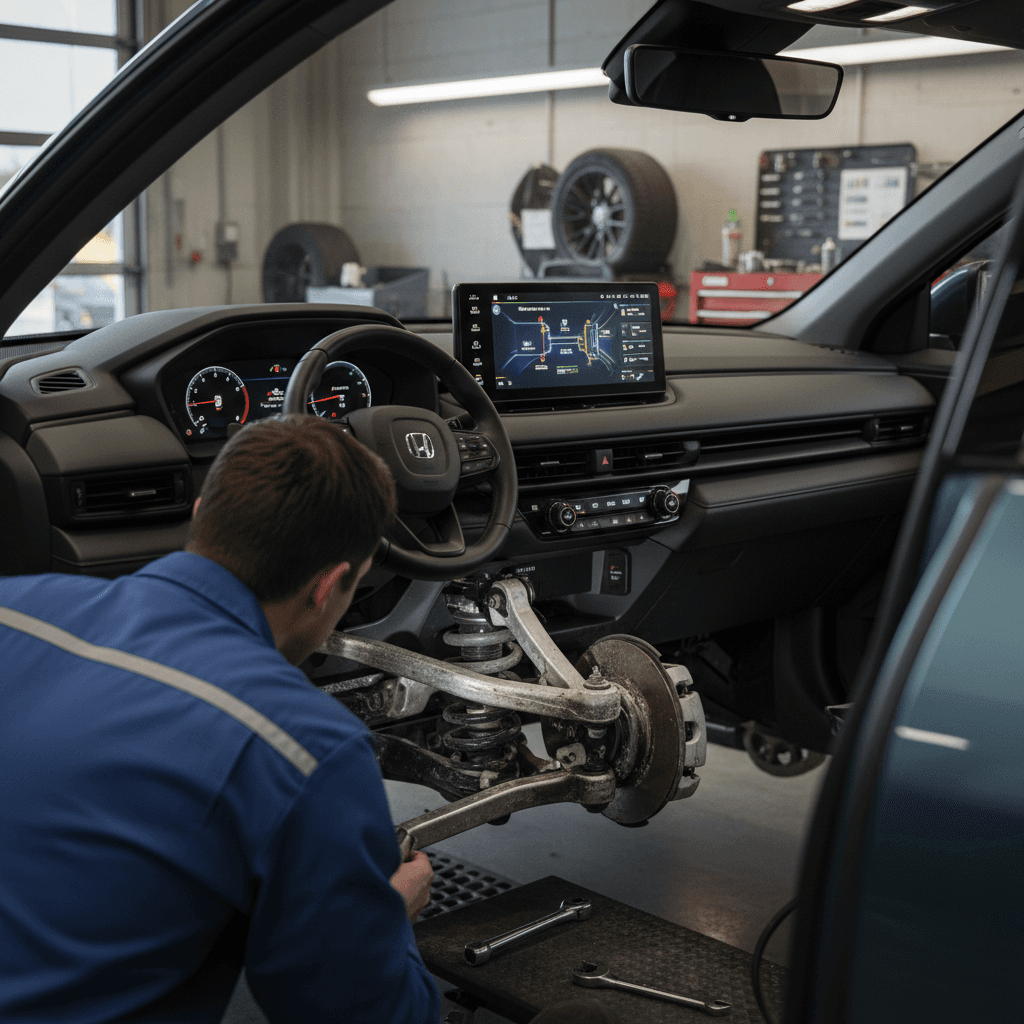
The first big 2024 Honda Prologue recall involves the right front lower control link in the suspension. Honda told federal safety officials that the aluminum used for this part may be weaker than intended on some vehicles. Over time, that can lead to deformation or failure under load.
- Applies to: Certain 2024 Honda Prologue vehicles (production dates vary; check your VIN).
- Primary concern: The right front lower control link may not meet strength specifications.
- What you might notice: Clunks, creaks, changes in steering feel, or pulling under braking, or, in some cases, no symptoms before failure.
- Safety risk: If the part fails while driving, you could lose precise steering control, increasing the risk of a crash.
Don’t ignore suspension noises
Under recall 24V‑540, Honda dealers perform a detailed inspection of the right front lower control link. If it falls into the affected batch or shows any sign of weakness, they replace it (and any related hardware) free of charge. Because this is a structural safety issue, dealers will generally prioritize these appointments and may provide a loaner if parts are delayed.
Software recall: blank or frozen screens (26V-112)
The most widely covered 2024 Honda Prologue recall so far is the multi‑issue software campaign that also includes the Acura ZDX. Honda reported several independent defects inside the Radio Control Module and related software that can cause critical screens to go blank, freeze, or reboot while driving.
- Applies to: Tens of thousands of 2024 Honda Prologue and Acura ZDX EVs built from late 2023 through late 2024.
- Primary concern: Digital instrument cluster and center display can intermittently go dark, freeze, or fail to show essential information.
- What you might notice: No speedometer, missing warning lights, black screen with no backup camera, or system that randomly restarts.
- Safety risk: Driving without a speed display or warning indicators can increase the risk of speeding, missing alerts, or being distracted by malfunctioning screens.
Common owner complaints
- "Service high voltage system" messages that disappear after a restart.
- Center screen reboots multiple times on a single trip.
- Instrument panel briefly goes dark, then comes back.
- Slow or inconsistent responses from the infotainment system.
What the recall actually targets
- Known software defects inside the Radio Control Module.
- Conditions that can blank or freeze the speedometer and warning icons.
- Communication issues between screen hardware and control units.
- Specific failure modes that Honda could reproduce and fix.
Other software quirks may be covered by separate TSBs, even if they’re not part of this recall.
Ask for all updates at once
The fix for 26V‑112 is a comprehensive software refresh. Dealers load updated code into the Radio Control Module and may also update related ECUs so that the displays behave consistently. Real‑world owner reports describe this as a “brain transplant” that can take a few hours, which is why some stores prefer to keep the vehicle for most of the day.
TSBs vs recalls on the Prologue: what’s the difference?
If you read owner forums, you’ll see references to documents like 25‑051 and other codes tied to the “service high voltage system” message and general electrical glitches. Many of these are Technical Service Bulletins (TSBs), not formal recalls.
Recalls vs TSBs on your 2024 Prologue
Both matter, but they’re handled differently.
Safety recall
- Issued when there’s a safety‑related defect or compliance issue.
- Honda must notify owners and perform repairs free of charge.
- Shows up in NHTSA’s VIN lookup and Honda’s recall tool.
- Examples: 24V‑540 suspension, 26V‑112 blank screens.
Technical Service Bulletin (TSB)
- Guidance from Honda to dealers on how to fix known issues.
- Often covers drivability, warning messages, or convenience features.
- May be free if under warranty; often applied proactively during visits.
- Examples: software updates for false high‑voltage warnings or charging quirks.
Why TSBs still matter
How to check if your 2024 Prologue has open recalls
Because recall coverage can vary by build date and region, the only way to know for sure whether your 2024 Honda Prologue is affected is to run your VIN. It takes less than a minute and works whether you own, lease, or are just test‑driving a used Prologue from a dealer or private seller.
Step‑by‑step: check for open Prologue recalls
1. Find your 17‑digit VIN
You’ll see it at the base of the windshield on the driver’s side, on the driver’s door jamb label, and on your registration/insurance card.
2. Use Honda’s recall lookup
Visit Honda’s official recall lookup site, enter your VIN, and confirm your country and contact info. The tool will show any open safety recalls that still need to be performed.
3. Cross‑check with NHTSA
Optionally, plug the same VIN into the U.S. government’s NHTSA recall lookup. It’s a good way to confirm you’re seeing the same campaigns Honda has on file.
4. Save or print the results
If you’re buying a used Prologue, save screenshots of the recall results and ask the seller for service records to prove each recall was completed.
5. Call your Honda dealer
Once you know what’s open, call the service department, read them the VIN, and ask them to confirm open recalls and any TSB‑related updates they can do at the same visit.
Good news for used‑car shoppers
What to do if you own a recalled 2024 Prologue
Owning a vehicle with a recall doesn’t mean you bought a bad car. It means the automaker found a problem and is obligated to fix it. How you respond, and how quickly, matters more than the headline itself, especially with suspension and software issues on a family EV like the Prologue.
- Prioritize safety‑critical fixes first (24V‑540) before long trips or heavy use.
- Schedule the software recall (26V‑112) as soon as convenient; ask the dealer to apply all other updates at the same time.
- If your dealer is booked out, ask to be wait‑listed for cancellations, especially if you’re seeing symptoms.
- Keep all recall paperwork; it can help future resale value and prove the work was done correctly.
- If you feel your Prologue isn’t safe to drive, ask the dealer or Honda customer care about towing and loaner options.
Document symptoms before your visit
Shopping used 2024 Honda Prologue? What recalls mean for you
For used‑EV shoppers, a tidy recall history can actually be a positive sign. It shows that both the manufacturer and previous owner stayed on top of required repairs. What you want to avoid is a Prologue with a long list of open recalls and no service records.
How to evaluate a used Prologue’s recall history
- Run the VIN through Honda and NHTSA recall tools before you make an offer.
- Ask for printed service history showing recall codes (24V‑540, 26V‑112, etc.) and completion dates.
- Look for recent software updates, these can improve charging behavior and driver‑assist performance.
- Be wary if the seller can’t or won’t provide documentation, especially on safety‑critical campaigns.
Where Recharged fits in
At Recharged, every used EV listing comes with a Recharged Score Report that includes verified battery health, pricing analysis, and a check of known recalls and common issues for that model.
If you’re comparing a Prologue to other used EVs, Hyundai Ioniq 5, Chevy Blazer EV, Tesla Model Y, our EV‑specialist team can help you weigh recall history, long‑term reliability, and battery health so you can choose confidently.
Use recalls to your advantage
FAQ: 2024 Honda Prologue recalls and reliability
Frequently asked questions about 2024 Honda Prologue recalls
Bottom line: Is the 2024 Honda Prologue recall history a dealbreaker?
The 2024 Honda Prologue’s recall history tells a familiar story: a first‑year EV platform with early suspension and software problems, followed by over‑the‑air‑style fixes done the old‑fashioned way, at the dealer. Two formal recalls and a stack of TSBs don’t automatically make it a bad bet, but they do mean you should verify recall completion and software levels before you commit, especially on a used example.
If you already own a Prologue, stay proactive: run your VIN, schedule recall work promptly, and keep records. If you’re shopping used, look for a clean service history, ask pointed questions about the 24V‑540 and 26V‑112 campaigns, and lean on EV‑savvy partners when you need a second opinion. At Recharged, our battery‑health diagnostics, recall checks, and EV‑specialist guidance are designed to turn complex stories like the Prologue’s into clear, confident decisions.