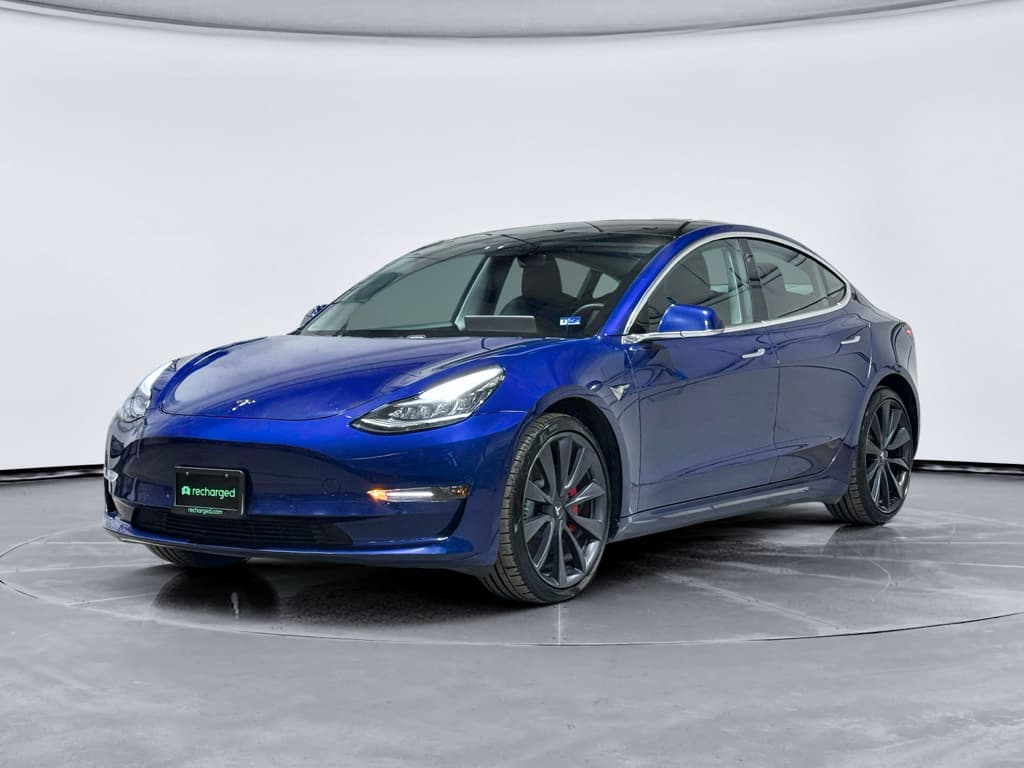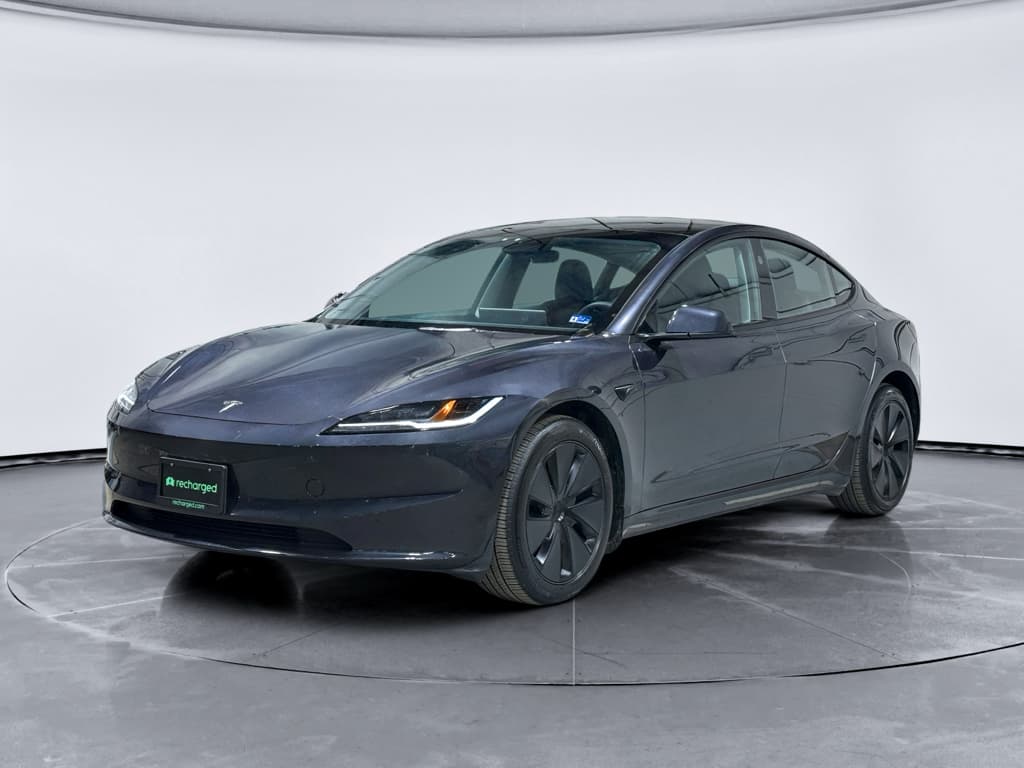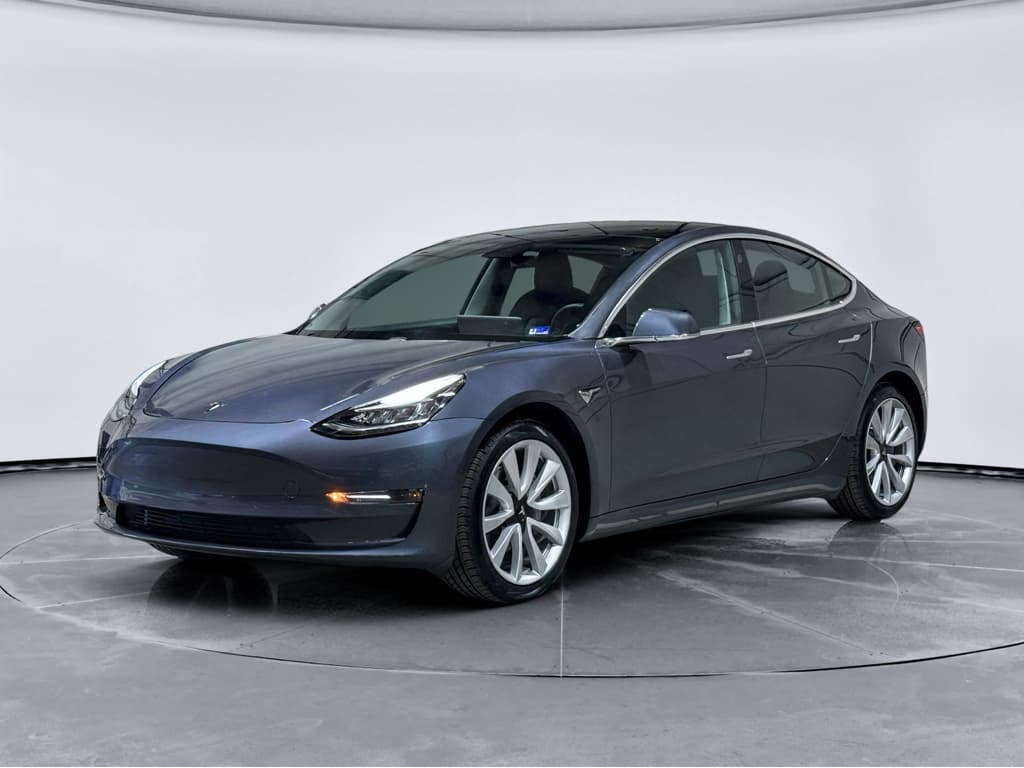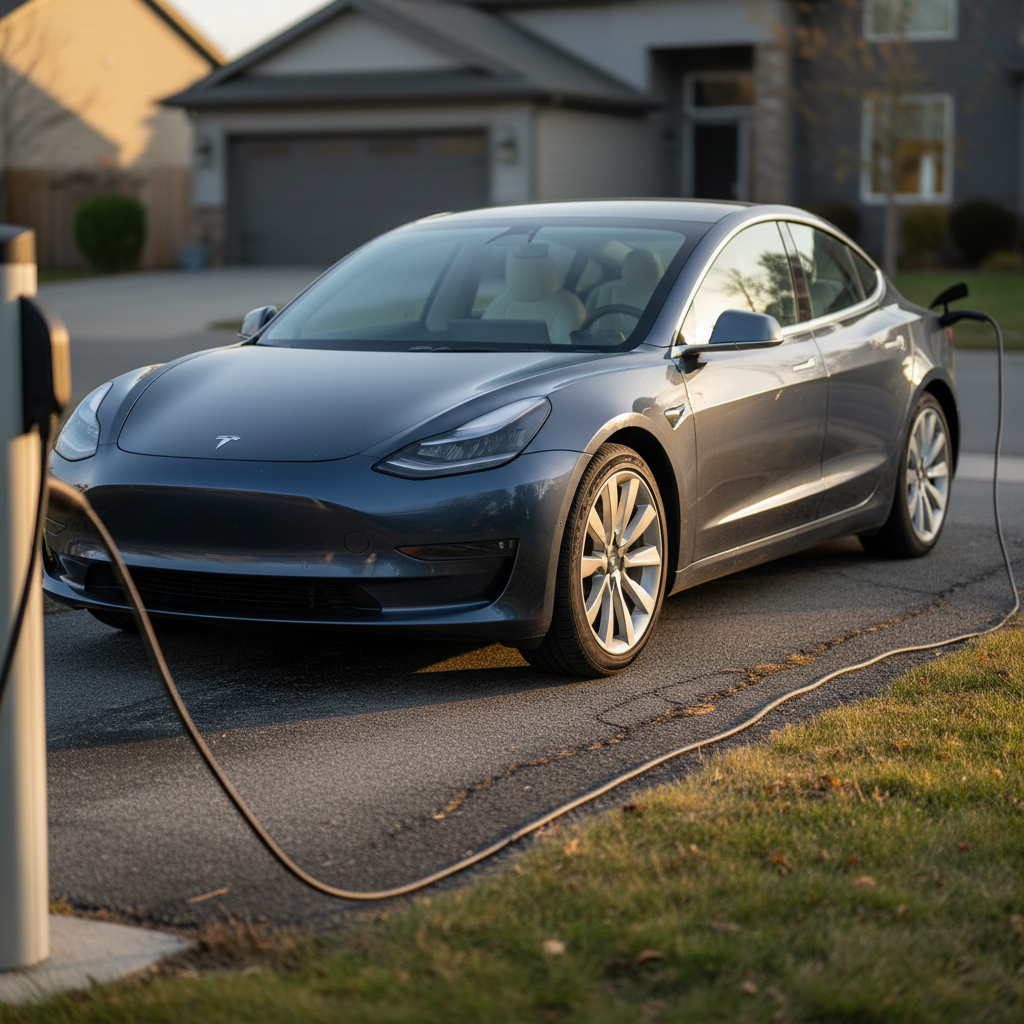
If you own a Tesla Model 3, or you’re thinking about buying one used, resale value in 2025 is front and center. After years of being a resale superstar, the Model 3 has come back down to earth. Prices are more realistic, but that also means more opportunity, if you understand what’s going on and how to play it.
Key takeaway for 2025
Tesla Model 3 resale value in 2025: the short version
Headline numbers for Model 3 value in 2025
Big picture, the Tesla Model 3 resale value in 2025 looks solid but no longer invincible. Early cars that once retained 70–80% of their value now sit much closer to what you’d see from a BMW 3 Series or Mercedes C‑Class. That’s not bad news, it just means the Model 3 has joined the mainstream.
Seller vs. buyer advantage
How the Tesla Model 3 actually depreciates
When you strip away the hype and look at data, the Model 3 shows a clear depreciation pattern. Early in its life, it massively outperformed the EV segment; by 2024–2025, it settled into a more typical luxury‑sedan curve.
Illustrative Tesla Model 3 depreciation curve
Approximate values for a typical well‑kept Model 3 with average U.S. mileage. Actual prices vary by trim, region, and condition.
| Age (years) | Example MSRP* | Typical resale value | Approx. value retained |
|---|---|---|---|
| 1 year | $50,000 | ≈$38,000–$40,000 | ~75–80% |
| 3 years | $50,000 | ≈$25,000–$30,000 | ~50–60% |
| 5 years | $50,000 | ≈$19,000–$23,000 | ~38–46% |
| 7+ years | $50,000 | ≈$12,000–$17,000 | ~25–34% |
These figures are directional, based on multiple market data sources, and meant to show the shape of depreciation rather than quote an exact price for every car.
Don’t over‑interpret any single chart
Independent analyses of Tesla resale value show the Model 3 typically loses around 27–30% in year one and roughly 45–55% by year three when new‑car prices are stable. When Tesla cuts new prices, as it did several times in 2023–2024, that instantly compresses used values too. By year five, many Model 3s have lost around 50–60% of their original MSRP, which is aggressive but no longer shocking for a high‑tech EV.
What used Tesla Model 3s are selling for in 2025
In early 2025, used Model 3 pricing in the U.S. has two stories: a sharp correction from the sky‑high pandemic era, and a modest rebound from the lows of 2024.
Typical 2025 price ranges for used Model 3s
Real‑world asking prices you’re likely to see in the U.S. market
2018–2020 RWD / Standard Range
Rough ballpark: $16,000–$22,000
- Higher‑mileage 2018–2019 cars can dip into the high teens.
- Clean titles and solid battery health push values toward the top of the range.
2020–2022 Long Range / AWD
Rough ballpark: $22,000–$28,000
- Well‑optioned Long Range cars with Autopilot/FSD command a premium.
- Performance variants and low miles can still break $30,000.
2023–2024+ and Performance
Rough ballpark: mid‑$20,000s to low‑$30,000s
- Recent cars are competing directly with discounting on new inventory.
- Buyers expect like‑new condition and clean software history.
Market whiplash is real
Why Model 3 resale value has changed
For several years, Tesla owners could almost assume stellar resale value. In 2025, that assumption doesn’t hold the same way. A few key forces reshaped the Model 3’s position in the used market.
- New‑car price cuts: When Tesla repeatedly lowered new Model 3 prices, it instantly pulled used values down. A buyer won’t pay near‑new money for a 2‑year‑old car when a heavily discounted new one is a few thousand dollars away.
- More competition: Strong rivals like the Hyundai Ioniq 6, Polestar 2, BMW i4, and Model 3’s own sibling, the Model Y, give buyers more options in the $25,000–$40,000 band.
- EV sentiment swings: Political headlines, tax‑credit changes, and worries about charging infrastructure all affect how fast used EVs move. Tesla’s brand, in particular, has seen both surges of enthusiasm and periods of backlash, which you can see reflected in pricing.
- Tech aging: The Model 3 still feels modern, but EV tech, range, driver‑assist systems, infotainment, moves quickly. That puts extra downward pressure on older builds without the latest hardware or software capabilities.
Watch out for policy changes
7 factors that matter most for your Model 3’s value
Not every Model 3 depreciates the same way. Two cars built in the same month can be thousands of dollars apart on the used market. Here are the levers that matter most.
What really moves the needle on Model 3 resale
1. Trim and battery size
Long Range and Performance trims generally hold value better than base rear‑wheel‑drive cars. More range is always easier to sell, especially in colder climates or road‑trip‑heavy regions.
2. Mileage and usage pattern
A 40,000‑mile car looks very different to a buyer than a 90,000‑mile one. Highway‑heavy miles plus consistent charging habits are easier on the battery than short‑trip, frequent fast‑charging use.
3. Battery health and degradation
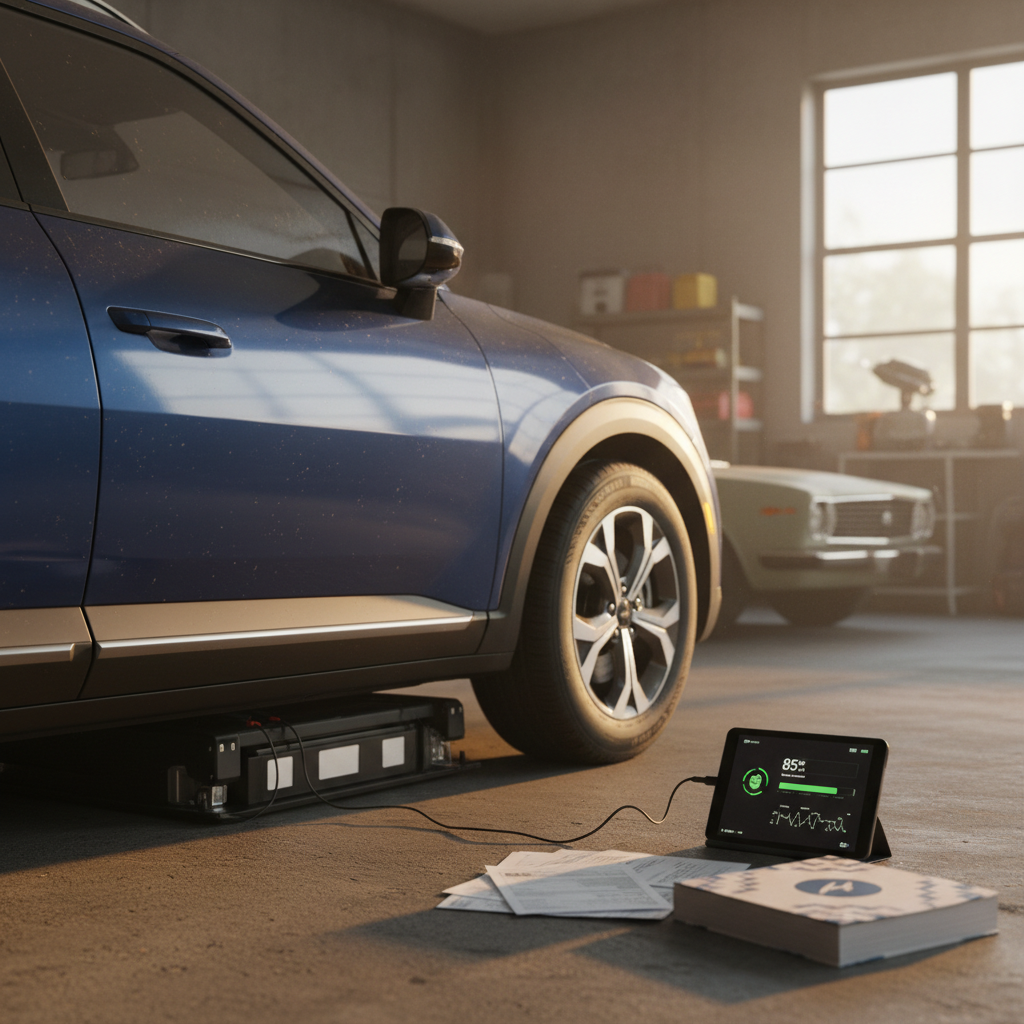
Real‑world range loss is one of the first questions savvy buyers ask. A verified battery‑health report, like the <strong>Recharged Score</strong> you get with every car on Recharged, can shore up buyer confidence and justify a stronger price.
4. Software and options
Autopilot, Enhanced Autopilot, or Full Self‑Driving capability (if transferred) can boost appeal. So can premium wheels, paint colors, and interior packages. Missing basic driver‑assist features, on the other hand, can be a red flag on older builds.
5. Accident, title, and repair history
A clean, well‑documented history sells. Structural repairs, airbag deployments, or salvage/rebuilt titles are major hits to value, especially in an EV where buyers worry about hidden battery damage.
6. Charging history and fast‑charging mix
A car that’s been DC‑fast‑charged heavily for years will make some buyers nervous. Tools that estimate fast‑charging exposure, and the way you’ve used the car, can help explain why your battery may still be healthy.
7. Timing and local demand
Selling in the dead of winter in a cold‑weather state is different from listing a Model 3 right before summer road‑trip season in California. Local incentives, electricity rates, and gas prices all shift what buyers will pay.
Battery health, warranties, and the Recharged Score
For a used EV, battery condition is the new engine compression test. It’s the single biggest unknown that can scare buyers away, or give them the confidence to pay a premium.
How battery health affects resale
- Range is the headline number. If a car that was rated for 310 miles now realistically delivers 255–270 at 100% charge, that’s within the normal ballpark for a several‑year‑old Model 3. Bigger drops raise questions.
- Warranty coverage softens the risk. Most Model 3 variants carry an 8‑year, 100,000–120,000‑mile battery warranty. If you’re selling inside that window, buyers see a safety net that helps support value.
- Documented health beats guesswork. Showing measured battery‑health data is far more persuasive than saying “it feels fine.”
Where Recharged fits in
Every car on Recharged includes a Recharged Score battery and vehicle health report. Our diagnostics go beyond a simple range estimate to look at pack behavior, charging patterns, and real‑world performance.
- Gives buyers hard data instead of vibes.
- Helps sellers justify pricing in a crowded used‑EV marketplace.
- Creates a common language so you’re not haggling in the dark about degradation.
If you’re selling your Model 3, having this level of documentation can be the difference between tire‑kickers and serious offers.
Turn a worry into a selling point
How to maximize your Model 3 resale price
You can’t change the whole market, but you can absolutely influence where your car lands within it. Think of resale value as a range, not a fixed number. Your choices determine whether you’re at the bottom or the top of that range.
Practical steps to protect your Model 3’s value
1. Get ahead of cosmetic repairs
Curb rash on aero caps, dings, and scraped bumpers are easy negotiation tools for buyers. Address the most obvious flaws, get a professional detail, and make sure the interior looks (and smells) like you’ve cared for the car.
2. Gather your documentation
Have service records, recall paperwork, tire receipts, and any glass or bodywork invoices ready. Print out, or be able to show, battery‑health data and current range at 100% charge.
3. Price against current inventory
Don’t just guess. Look at what similar Model 3s are listed for in your region, same model year, similar miles, and trim. If you need to sell quickly, aim for the lower half of that range. If you can wait, price near the top and test the market.
4. Highlight software and features clearly
Spell out exactly what’s active on the car today: Autopilot, Enhanced Autopilot, FSD capability, premium connectivity, and any paid upgrades. In 2025, buyers know these can be turned on or off, so clarity builds trust.
5. Be transparent about fast charging
If the car lived on DC fast chargers, say so, and be ready to show how the battery is still performing. If most of your charging was at home on Level 2, that’s a selling point. Either way, honesty builds confidence.
6. Time your sale strategically
If you can choose when to sell, lean toward spring and early summer, when road‑trip season and tax refunds put more EV shoppers in the market. Avoid listing in weeks when there’s major news about Tesla price cuts or incentive changes.
Think 60–90 days ahead
Best ways to sell or trade your Model 3 in 2025
Once you know roughly what your Model 3 is worth, the next decision is how to turn it into cash, or into your next EV. Each selling path trades price for convenience a little differently.
Selling options for your Model 3
How different paths stack up for price, effort, and risk
Instant offer / trade‑in
Best for: Speed and simplicity.
- Lowest hassle, get a number, sign paperwork, you’re done.
- Offer is usually lower than a well‑executed private sale, but you avoid months of back‑and‑forth.
- At Recharged, we combine instant offers with EV‑savvy pricing so your Model 3 isn’t treated like a generic used car.
Private‑party sale
Best for: Maximizing price if you have time and patience.
- Requires marketing, screening buyers, and meeting for test drives.
- Buyers will expect proof of battery health and a clean history report.
- You carry more risk if paperwork or payment isn’t handled carefully.
Consignment with an EV specialist
Best for: Balancing higher sale price with less work.
- You set a target price and an EV‑focused retailer sells on your behalf.
- Professional photos, listings, and buyer vetting.
- Recharged offers consignment‑style programs plus nationwide visibility and battery‑health reporting.
Where Recharged can help
Model 3 resale value vs other EVs
Even after the recent correction, the Tesla Model 3 still sits near the top of the EV pack for resale value. But the gap has narrowed, and in some model years, it’s closer to a tie with strong competitors than a blowout win.
How the Model 3 stacks up against other used EVs (approx. 5‑year point)
High‑level comparison based on market‑wide studies and recent used‑car data through late 2024 and early 2025.
| Model | Approx. 5‑year value retained | Notes |
|---|---|---|
| Tesla Model 3 | ~40–46% | Better than many mass‑market EVs; now similar to a premium gas sedan. |
| Tesla Model Y | ~40–45% | Similar curve to Model 3, with slightly higher starting prices. |
| Nissan Leaf | ~25–35% | Shorter range and CHAdeMO charging hurt long‑term value. |
| Chevy Bolt EV | ~30–40% | Battery recall and early‑generation image still weigh on values. |
| Hyundai Ioniq 5 / Kia EV6 | ~40–50% (early data) | Strong products; too new for full 5‑year history but holding up well so far. |
These are directional averages, not appraisals. Individual cars can do significantly better or worse depending on condition and specs.
Still a top‑tier EV for resale
FAQ: Tesla Model 3 resale value in 2025
Frequently asked questions
Bottom line: Is a Tesla Model 3 still a smart buy in 2025?
In 2025, the Tesla Model 3 is no longer the resale unicorn it once was, but that’s not a bad thing. Instead, it has matured into what it probably should have been all along: a strong, predictable performer in the used‑car market, with value retention on par with premium compact sedans and better than most early‑generation EVs.
If you already own a Model 3, you can protect your resale value by staying on top of maintenance, documenting battery health, and choosing the right timing and sales channel when you’re ready to move on. If you’re shopping used, the correction in Tesla Model 3 resale value means you can finally buy one at a price that reflects normal depreciation, without sacrificing range, performance, or access to the Supercharger network.
Recharged was built around this new era of EV ownership. With battery‑health diagnostics, the Recharged Score, transparent pricing, and multiple ways to sell or trade your car, we’re here to make sure your next move in the Model 3 market, whether buying or selling, is based on real data, not guesswork.