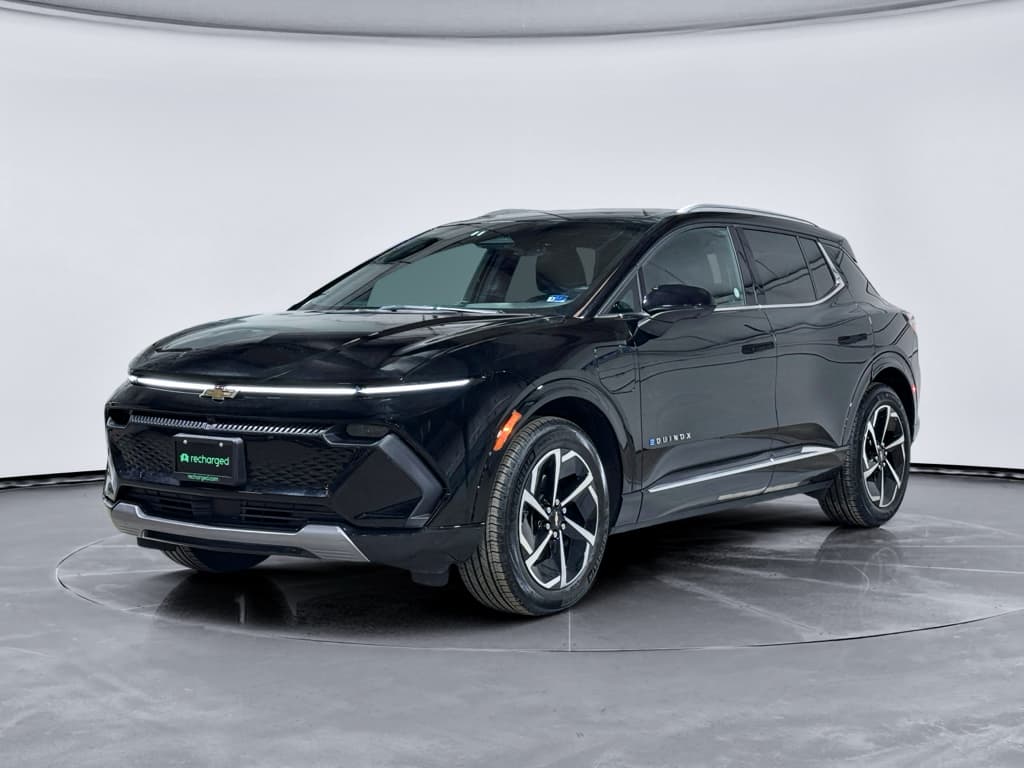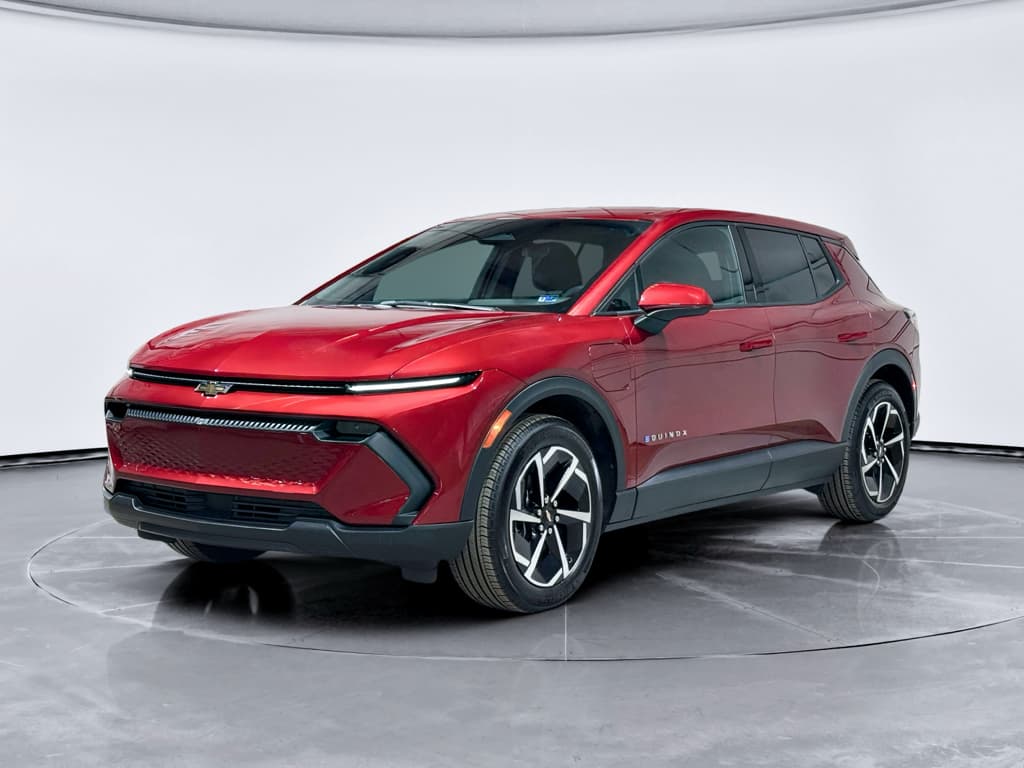
If you’re eyeing a 2024 Chevy Blazer EV, you’ve probably heard the headlines about software glitches, recalls, and a temporary sales halt. That raises a fair question: how good is 2024 Chevy Blazer EV reliability really, especially now that these SUVs are showing up on the used market in 2026?
Quick take
Overview: How Reliable Is the 2024 Chevy Blazer EV?
The short answer: the 2024 Blazer EV is not a reliability leader at this stage, but it isn’t a disaster either. It’s an early Ultium–platform vehicle with a lot of new software, and that shows.
2024 Chevy Blazer EV Reliability Snapshot
In late 2023 GM paused Blazer EV sales after reports of infotainment screens going blank and charging failures, then restarted sales in March 2024 after a major software update and price cut. For shoppers, that means you’re dealing with a vehicle that has already gone through a public debugging phase, but one that still carries more risk than a long‑running, proven model.
Key caution for shoppers
Early Software Issues and the Stop-Sale
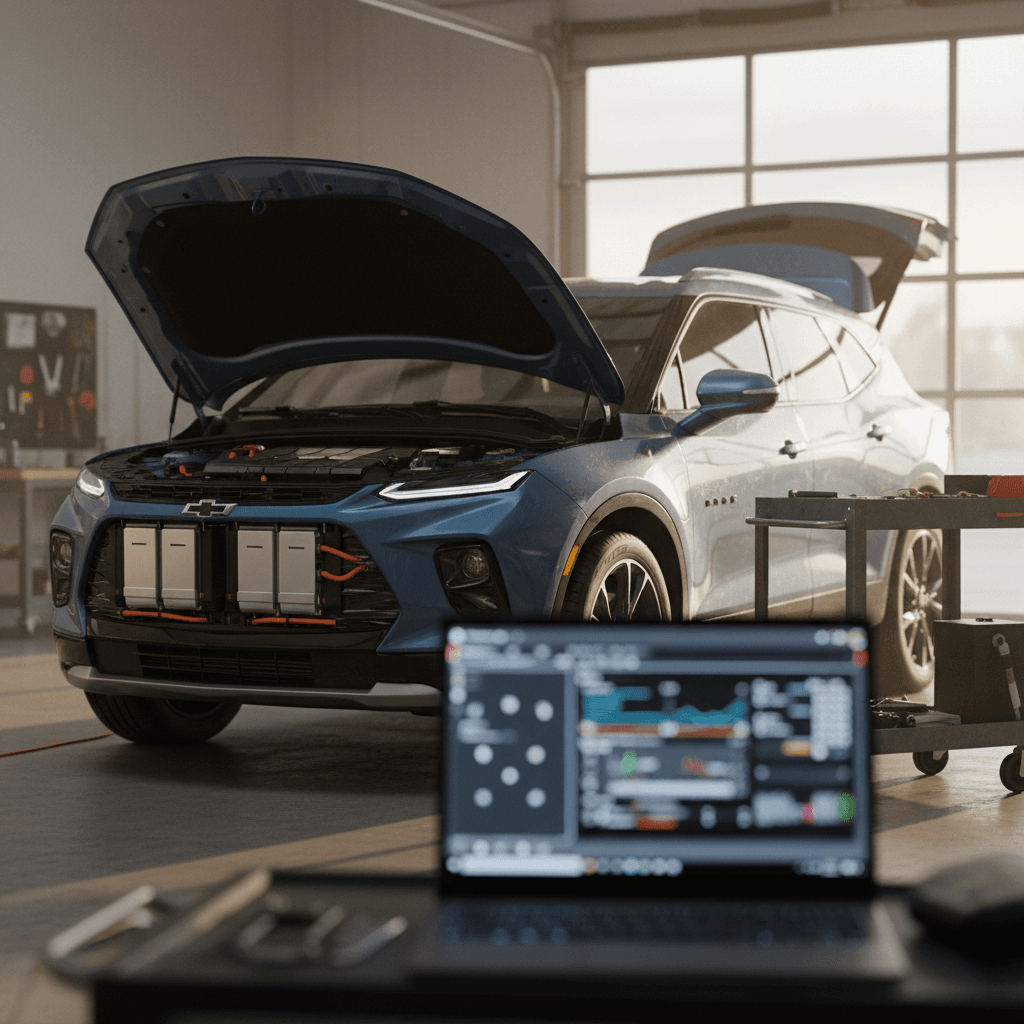
When the Blazer EV first reached customers, the big story wasn’t range or performance. It was software. Owners and reviewers reported problems like blank infotainment screens, frozen displays, bugged navigation, and trouble initiating sessions at some DC fast chargers. GM’s own testing confirmed the issues were software‑driven, not hardware defects in the battery or motors.
- Infotainment screens going black or rebooting while driving
- Glitches in navigation and map functions on longer trips
- Inconsistent communication with some public DC fast chargers
- Error messages and failed charging attempts that could leave drivers stranded
GM responded with an 11‑week stop‑sale over the winter of 2023–2024 while engineers rewrote code and expanded their validation testing. Sales restarted in March 2024 with updated software, revised graphics (including a clearer battery percentage display), and some feature tweaks. Owners who received the updates generally saw improvements, but the episode underscored that the Blazer EV’s biggest reliability question mark is its complex software stack, not its basic mechanicals.
What to ask a seller
Recalls and Known Problem Areas
By early 2026, the 2024 Blazer EV has accumulated multiple recalls. That doesn’t automatically make it a bad vehicle, but it does mean you need to verify that any example you’re considering is fully up to date.
Major 2024 Blazer EV Recalls to Know About
Always run the VIN through the NHTSA recall lookup tool or a Chevrolet dealer before you buy.
| Area | Issue | Risk if Unrepaired | Typical Remedy |
|---|---|---|---|
| Parking brake wiring | Rear parking brake wiring harness may be damaged or corrode | Unintended parking brake activation while driving or loss of parking brake when parked | Dealer inspects and replaces or reroutes harness; adds protective tape or replaces chassis harness |
| Door strikers | Door strikers may fracture on certain 2024 Chevy SUVs including Blazer EV | Door could open unexpectedly while driving, increasing crash/injury risk | Dealer replaces all four door strikers and bolts |
| Suspension / rear drive unit | Structural or component issues in suspension or rear drive unit on a small batch of vehicles | Loss of control or loss of drive power in rare cases | Dealer replaces affected control arms or rear drive unit as specified |
| Electronics / software | Infotainment and charging bugs in early builds (stop‑sale issue) | Loss of screen functions, charging failures, driver distraction | Software updates at dealer and/or over‑the‑air (OTA) where available |
Recall coverage and details can change; this table summarizes major campaigns that have affected many 2024 Blazer EVs.
Non‑negotiable for used buyers
Owner Reviews: What Drivers Are Reporting
Owner feedback on the 2024 Blazer EV is mixed, and that’s exactly what you’d expect when half the story is great performance and the other half is early‑adopter pain.
Real-World Sentiment From Early Owners
Why some owners love their Blazer EV, and why others are frustrated
What happy owners highlight
- Strong performance: quick acceleration and confident highway passing.
- Comfortable ride and cabin: solid highway cruiser for families.
- Styling: many owners pick it primarily for the looks.
- Quiet operation: particularly on RS trims with more insulation.
What frustrated owners report
- Multiple trips to the dealer for software bugs and warning lights.
- Nanny features misbehaving, like over‑active emergency braking or driver‑assist glitches.
- Electrical annoyances, such as ambient lighting that never worked, seats losing memory, or the vehicle not shutting off as expected.
- Slow parts availability and few EV‑trained techs at some dealerships.
Data from major reliability trackers currently pegs the Blazer EV as much less reliable than the average 2024 model year vehicle based on owner surveys. At the same time, owner‑review sites show a split picture: some five‑star reviews highlight trouble‑free ownership and thrilling performance, while one‑star reviews describe cars that spend more time at the dealer than in the driveway.
How to interpret the mixed reviews
Battery, Range and Charging Reliability
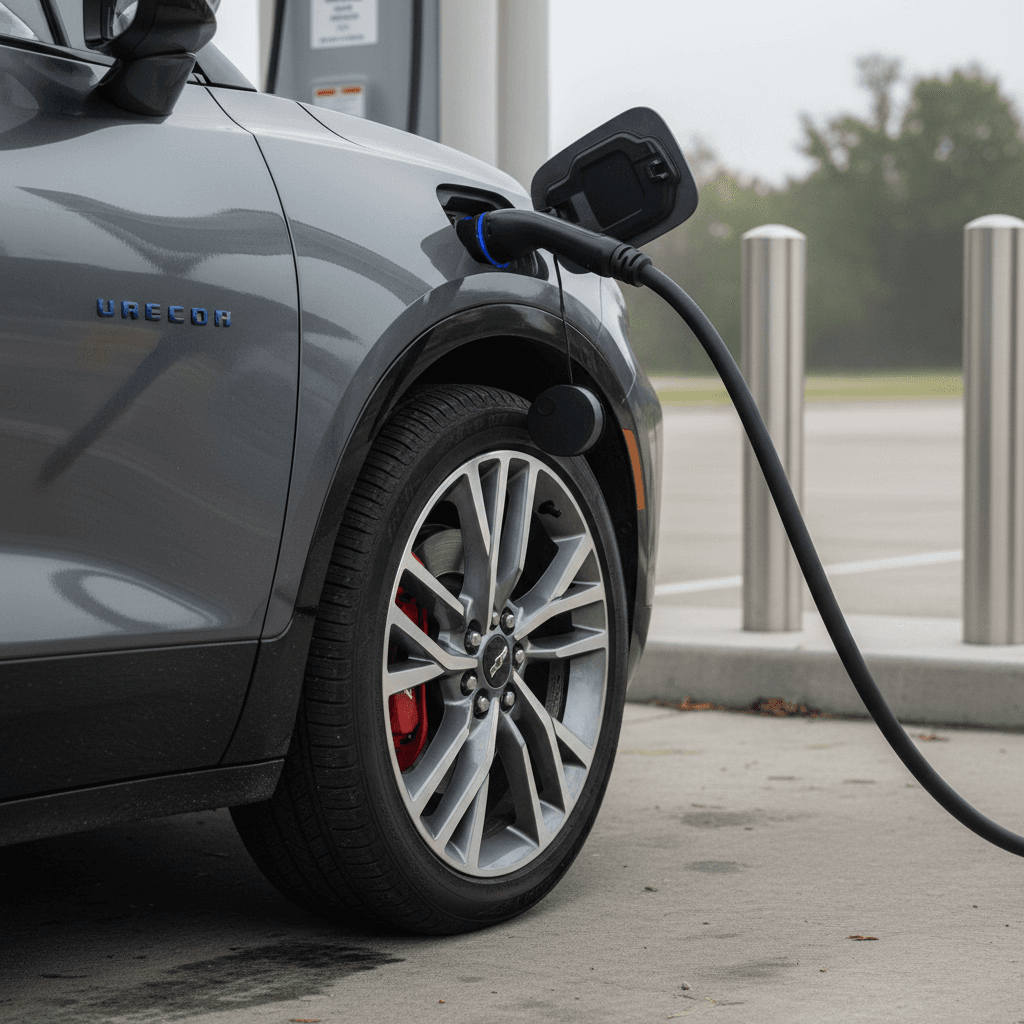
So far, the good news for Blazer EV shoppers is that serious high‑voltage battery failures appear rare. The biggest headaches have involved how the car talks to chargers and how realistic its range and charge‑time expectations are in real‑world use.
- EPA‑rated range for early trims is in the high‑200‑mile neighborhood, depending on configuration.
- Real‑world range will drop in cold weather, at higher speeds, and when fully loaded, just like any EV.
- DC fast‑charging issues in early builds were largely communication/software problems rather than failed battery packs.
- A few owners have reported 12‑volt battery issues (the small battery that powers electronics), usually resolved under warranty.
Blazer EV charging reality check
Daily Driving Experience and In-Car Electronics
Modern EVs live or die by their software experience, and the Blazer EV is no exception. When everything behaves, the large center screen, digital gauges and built‑in Google‑based features give it a premium, high‑tech feel. When things go wrong, that same complexity becomes a liability.
Common positives
- Responsive powertrain: smooth, instant torque makes the Blazer EV feel quick in daily driving.
- Comfortable, quiet cabin: especially on RS trims with upgraded materials.
- Solid driver‑assist suite: adaptive cruise and lane‑keeping can reduce fatigue when they’re dialed in correctly.
Common complaints
- Steep learning curve for the interface and icons.
- Glitchy ambient lighting and secondary features that don’t always work as advertised.
- Occasional false alarms or abrupt actions from automatic emergency braking or other safety systems.
Why software issues matter more on an EV
2024 Blazer EV Reliability vs Other EVs
When you compare the 2024 Blazer EV against other midsize electric SUVs, its reliability lands in the “early adopter” camp rather than the “safe bet” column. Some rivals have had their own growing pains, but they’ve had more time to mature.
How the 2024 Blazer EV Stacks Up on Reliability
High‑level comparison of reliability reputation in early years for popular midsize EV SUVs.
| Model (2024) | Reliability Trajectory | Main Concerns | Best Strengths |
|---|---|---|---|
| Chevy Blazer EV | Below average so far | Software glitches, recalls, electronics gremlins | Performance, styling, strong feature set |
| Tesla Model Y | Mixed but improving | Build quality, minor trim and noise issues | Range, charging network, software updates |
| Hyundai Ioniq 5 | Generally above average | Some 12‑V battery and infotainment quirks | Warranty, charging speed, efficiency |
| Ford Mustang Mach‑E | Average to slightly below | Early build quality and software bugs | Driving dynamics, OTA update pace |
This table is a general guidance tool, not a ranking; individual vehicles can perform better or worse than the trend.
If you want the cutting edge of GM’s Ultium technology and like the Blazer’s design, it can be a compelling choice, as long as you’re comfortable living with more software updates and occasional dealer visits than you might have with, say, an Ioniq 5. If your top priority is a track record of near‑bulletproof reliability, you may want to look at models that have been on the road longer.
Should You Buy a 2024 Blazer EV (New or Used)?
Whether the Blazer EV is a smart buy comes down to your risk tolerance, your local dealer support, and the deal in front of you. The combination of software drama and price cuts means some shoppers will find attractive discounts, especially on 2024 inventory and used examples.
Who the 2024 Blazer EV Does, and Doesn’t, Fit
Match the vehicle’s strengths and weaknesses to your situation
Good fit if…
- You prioritize style and performance over rock‑solid first‑year reliability.
- You have access to a Chevy dealer with EV‑trained technicians.
- You’re getting strong discounts or incentives versus MSRP.
- You’re comfortable relying on software updates and willing to visit the dealer if glitches arise.
Think twice if…
- You want a “set it and forget it” family hauler with minimal shop time.
- Your nearest Chevy store has limited EV experience or long service backlogs.
- You’re sensitive to electronic gremlins and warning lights, even if they’re minor.
- You plan to keep the vehicle long beyond the factory warranty and worry about long‑term complexity.
How Recharged can help
Ready to find your next EV?
Browse VehiclesInspection Checklist for a Used Blazer EV
If you’re shopping used, especially for an early‑build 2024 Blazer EV, go in with a clear inspection game plan. Here are the items I’d put at the top of the list.
Pre-Purchase Checklist for a 2024 Chevy Blazer EV
1. Confirm recall and software update history
Ask the seller for a dealer service printout showing all completed and outstanding recalls and software campaigns for that VIN. If they don’t have it, call a Chevrolet dealer yourself with the VIN.
2. Test DC fast‑charging at least once
If possible, visit a public DC fast charger during your test drive. Start a session, watch how quickly the car ramps up to speed, and make sure there are no error messages or failed attempts.
3. Evaluate the infotainment and driver displays
Spend 10–15 minutes cycling through navigation, audio, settings, and driving modes. Watch for freezes, reboots, or graphics glitches. Confirm the backup camera and sensors work consistently.
4. Check driver‑assist and safety systems
Gently test adaptive cruise, lane‑keeping, and automatic emergency braking in safe conditions. You’re looking for obvious false alarms, abrupt braking, or warning lights that appear after use.
5. Listen for suspension noises and body creaks
Drive over rough pavement, speed bumps, and at highway speed. Any clunks, rattles, or rhythmic noises from underneath deserve investigation, especially given known suspension and body hardware recalls.
6. Review battery health and range expectations
Compare displayed range at a given state of charge with EPA numbers and with similar vehicles. A <strong>Recharged Score battery report</strong> or technician’s scan can give you objective data on pack health and past fast‑charge history.
Consider a professionally vetted vehicle
FAQ: 2024 Chevy Blazer EV Reliability
Common Questions About 2024 Blazer EV Reliability
Bottom Line: Who the Blazer EV Makes Sense For
The 2024 Chevy Blazer EV is a striking, quick, and comfortable electric SUV built on GM’s latest Ultium platform, but it’s also a textbook first‑year vehicle. Reliability so far sits below average, with software and electronics bearing most of the blame and a handful of significant recalls underscoring its growing pains.
If you love the way the Blazer EV looks and drives, have access to a capable Chevrolet dealer, and can secure strong pricing, especially on a used example whose bugs have been worked out, it can be a satisfying choice. If you’re more conservative and want a proven, low‑drama EV experience, there are other midsize electric SUVs with cleaner reliability records right now.
Whichever path you choose, don’t buy blind. A data‑backed inspection, clear recall history, and independent battery‑health report are the difference between spending the next few years enjoying quiet, instant‑torque motoring and spending them negotiating loaner cars at the service desk. That’s exactly why platforms like Recharged exist, to make EV ownership simpler, more transparent, and a lot less of a leap of faith.