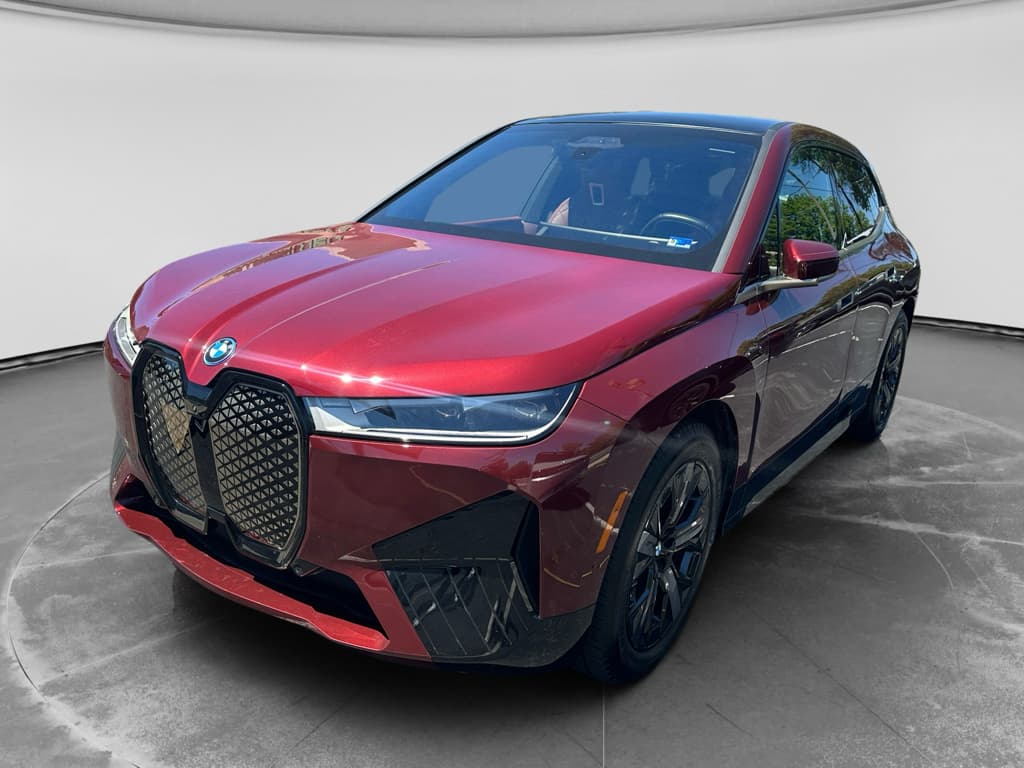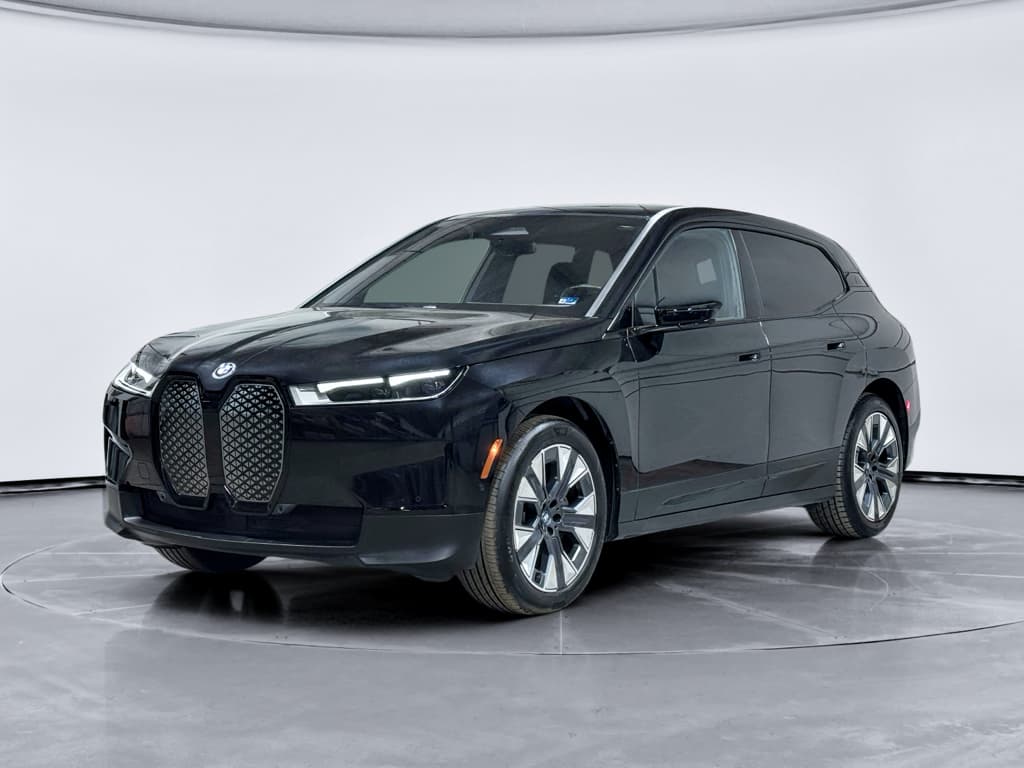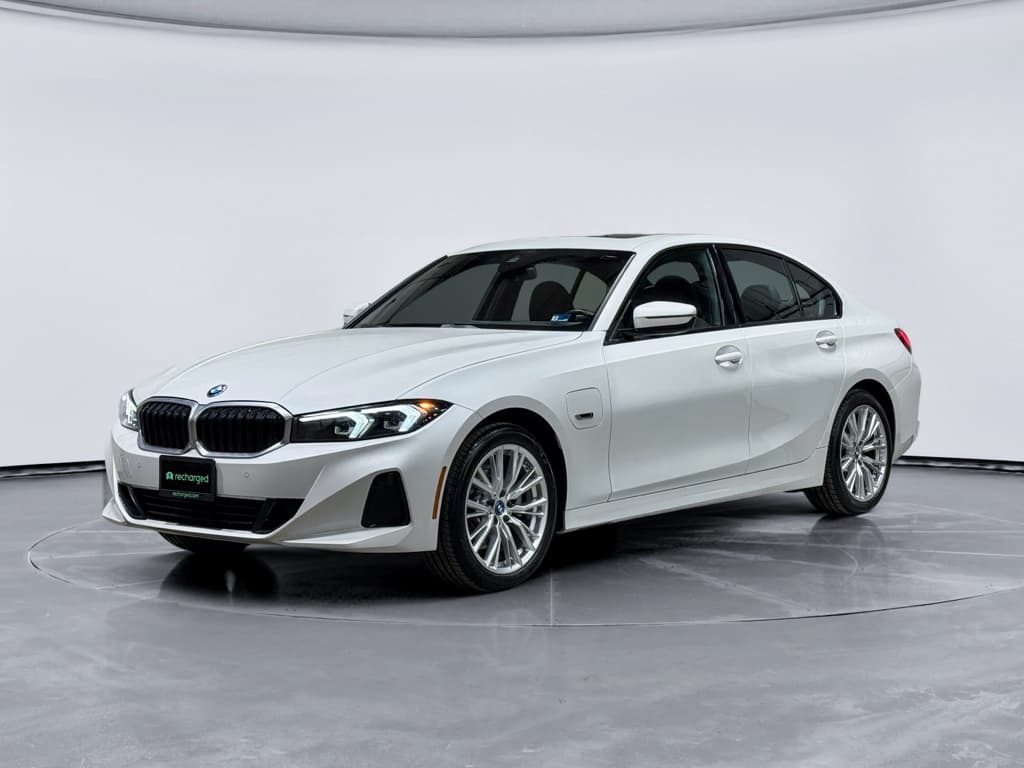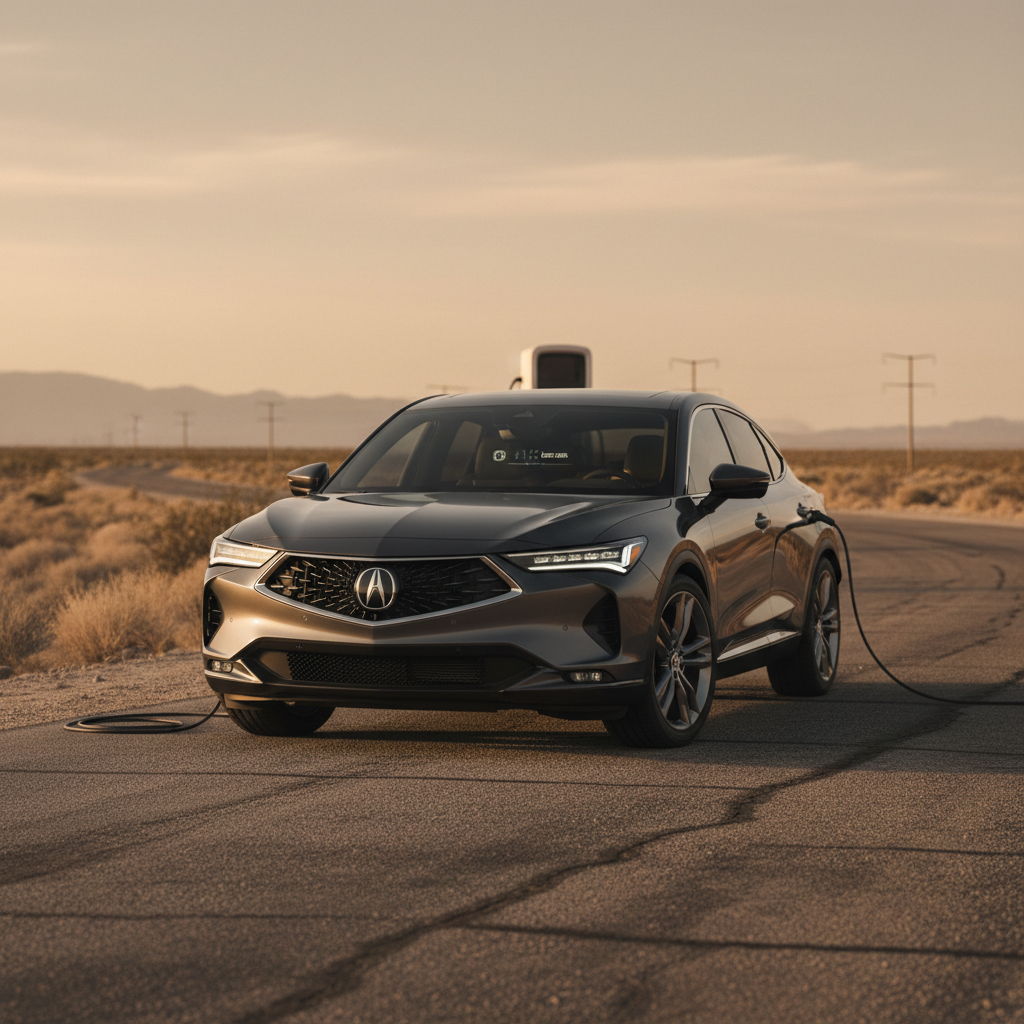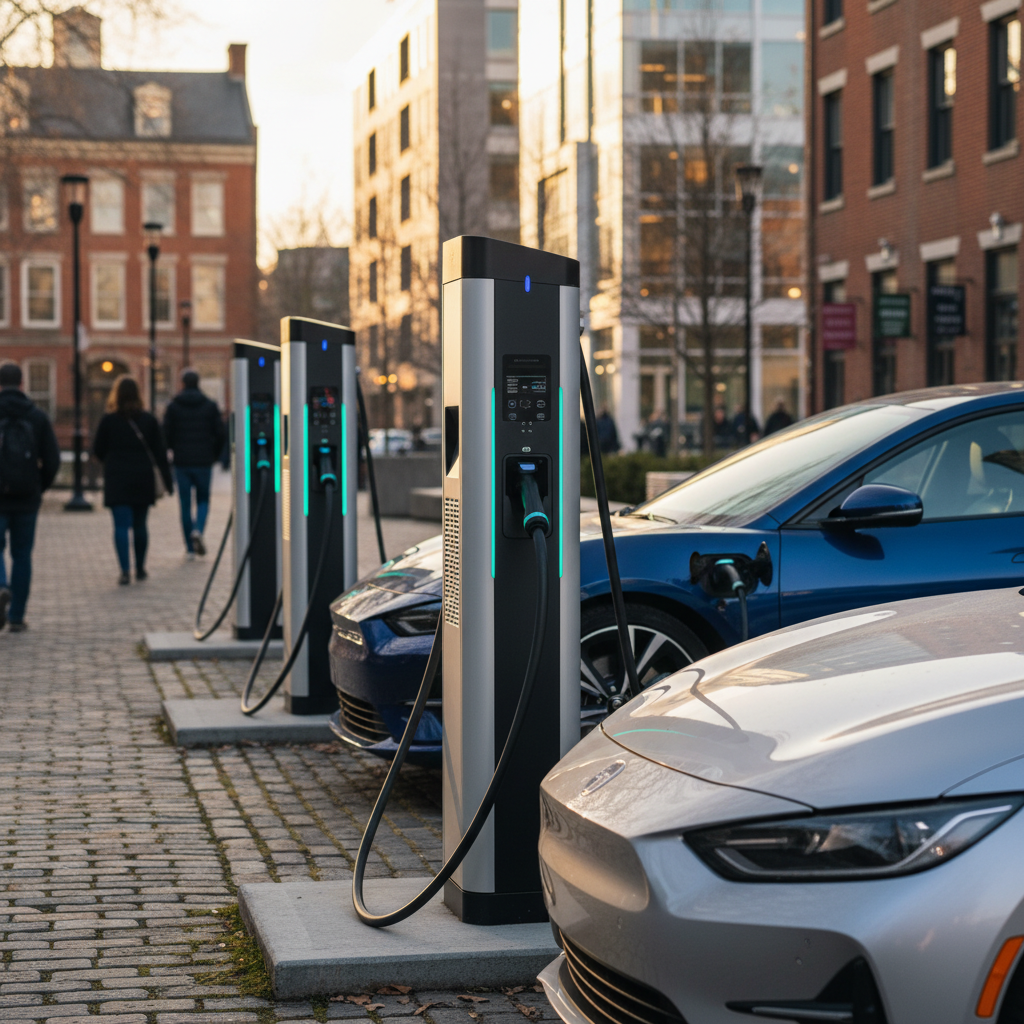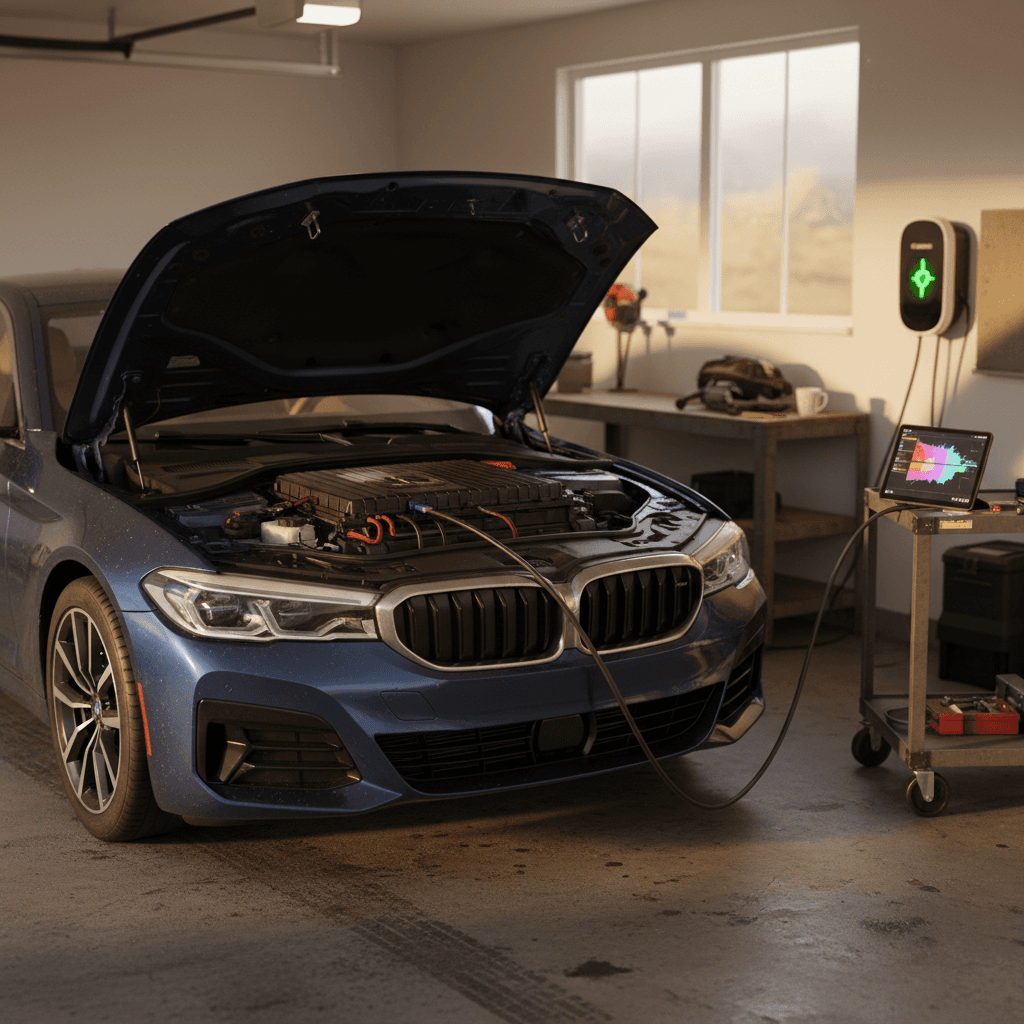
If you’re eyeing a 2024 BMW i5, you’re probably wondering if BMW’s electric 5 Series is as trustworthy as its gasoline predecessors. Early data suggests the 2024 BMW i5 has average overall reliability so far, but that headline hides a more nuanced story that blends software glitches, an unusually high number of recalls, and a powertrain that’s otherwise proving solid for many owners.
Quick reliability snapshot
Overview: How reliable is the 2024 BMW i5?
From a high level, the 2024 BMW i5 lands in the middle of the pack. Consumer-focused testing outlets rate its overall reliability as about average compared with other 2024 vehicles, not a standout but not a disaster either. At the same time, the i5 has already accumulated multiple recalls in its first model year and owners have documented some dramatic software failures online. The key is separating structural problems from teething issues that BMW can address with software and service campaigns.
2024 BMW i5 reliability at a glance
Why recalls matter on an EV
Warranties & coverage that back up the i5
Before we zoom into problem areas, it’s worth understanding how BMW backs the 2024 i5. Warranty coverage is fairly typical for a German luxury brand, and it does a lot of the risk‑management heavy lifting in these first few years.
2024 BMW i5 factory warranties
These are the core warranty coverages that apply to a 2024 i5 when new. On a used car, you’ll get the remaining balance based on in‑service date and mileage.
| Coverage | Term | What it covers |
|---|---|---|
| Basic (bumper-to-bumper) | 4 years / 50,000 miles | Most components, including electronics, infotainment and driver‑assist hardware. |
| Powertrain | 4 years / 50,000 miles | Electric motors, reduction gear, drive units, often overlaps with basic warranty. |
| High-voltage battery | 8 years / 100,000 miles | Battery pack and related components, usually with a capacity‑retention guarantee. |
| Roadside assistance | 4 years / unlimited miles | Towing, lockout, flat tire and similar roadside needs. |
| Corrosion (perforation) | 12 years / unlimited miles | Rust‑through of body panels. |
Always confirm in‑service date and remaining coverage on any individual VIN; CPO and extended plans can add further protection.
Used i5 shopping tip
Recalls, software bugs & “bricked” cars
The most eyebrow‑raising line in the 2024 BMW i5 reliability story is its recall count. By early 2026, the 2024 i5 had around eight separate NHTSA recalls on the books. The themes are familiar to anyone who follows modern EVs: control‑module glitches, propulsion‑system software, braking system control, and steering components that don’t meet spec.
- Electric drive motor software that can shut down the high‑voltage system and cause a loss of drive power.
- Integrated brake system issues that can reduce or eliminate power brake assist and affect ABS/ESC performance.
- Traction‑battery and steering‑component recalls on small numbers of vehicles.
- External pedestrian‑warning sound software that needs updating.
Most of these recalls are addressed with software updates or targeted component replacements, often at the dealer but sometimes over‑the‑air. That’s good news in the sense that you’re not looking at major teardown work on every car, but it also means an un‑updated i5 can behave unpredictably, from throwing warnings to losing drive power.
“Bricked” i5 stories are real, but not universal
Drivetrain & battery reliability so far
Under the skin, the i5 uses a high‑voltage battery around 84 kWh usable and BMW’s fifth‑generation eDrive motors, which are shared across the i4, iX and i7. That’s an advantage: you’re not buying a first‑ever drivetrain, but an evolution of hardware that’s now in hundreds of thousands of vehicles worldwide.
What’s going right
- Motor and inverter hardware have not emerged as systematic weak points; outright motor failures are rare in owner reports.
- The i5’s 400‑volt architecture and 205 kW DC fast‑charge peak are conservative by cutting‑edge standards, which tends to favor long‑term durability.
- BMW’s battery chemistry and thermal‑management strategy are proven in the i4 and iX, which have not shown catastrophic degradation patterns in normal use.
What’s causing concern
- Isolated high‑voltage battery or drive‑train faults have sidelined some cars for weeks while dealers coordinate with BMW engineering.
- A few owners report repeat drive‑train errors around the one‑year mark, sometimes tied to battery modules or contactors.
- Because the i5 is new, there’s still limited hard data beyond the 2–3‑year window, long‑term, 8–10‑year reliability is necessarily an open question.
Don’t confuse software faults with bad hardware
Everyday ownership issues owners report
Beyond big failure stories, 2024 i5 owners are starting to document the smaller annoyances that define day‑to‑day reliability. They won’t strand you, but they do shape how “mature” the car feels compared with a simpler gas 5 Series, or a Tesla that’s had more time to iterate its software stack.
Common 2024 BMW i5 complaints (so far)
Most of these issues are fixable under warranty, but they’re worth asking about on any used example.
Charging flap & port quirks
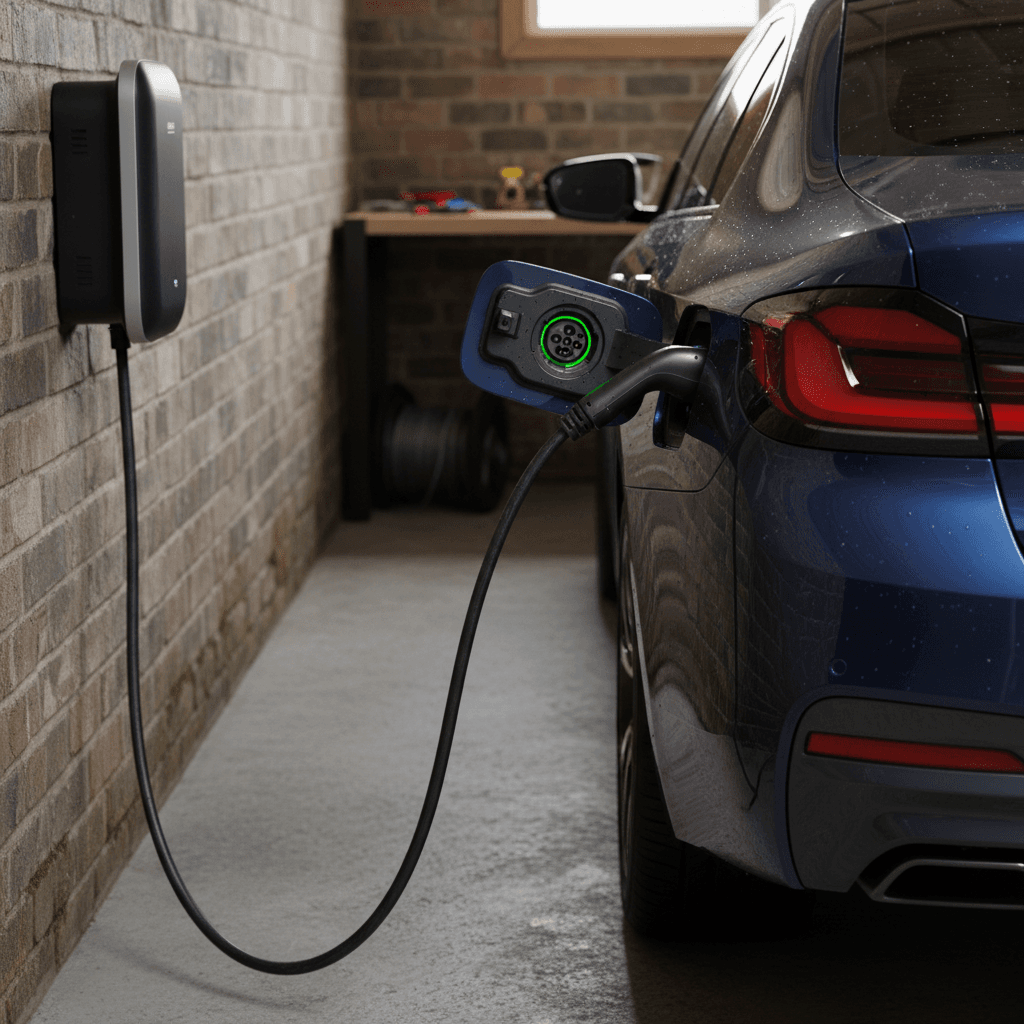
Some owners report the charge‑port door refusing to open or unlock, sometimes requiring part replacement or workaround routines like cycling the car on and off.
Infotainment & CarPlay bugs
Occasional glitches with Apple CarPlay or BMW’s iDrive, including the need to reconnect phones or intermittent warning messages that don’t correspond to real faults.
Random check-control warnings
Isolated owners mention check‑control messages appearing after 10–15 minutes of driving, cleared only by dealer software updates.
Premature tire wear
Like many heavy, powerful EVs, the i5 can chew through rear tires quickly, one owner saw rears worn within ~14 months, especially if driven enthusiastically.
Small hardware gremlins
Individual cases of rear window shades failing, trim pieces going missing, or minor hardware annoyances. These tend to be one‑off defects, not systemic problems.
Cold-weather quirks
In harsher climates, some owners notice more pronounced range loss and the occasional HVAC oddity, such as heat briefly failing on one side before a dealer visit.
The upside: lots of owners report zero drama
Battery life, range fade & fast-charging habits
With roughly two model years on the road, we’re getting the first hints of real‑world battery aging on the 2024 i5. One eDrive40 owner with multiple SoCal road trips under their belt notes they no longer see the 280‑plus miles of real‑world range they enjoyed when the car was new. That’s normal: all lithium‑ion packs lose some capacity in the first few years, then level off.
- BMW quotes up to roughly 295 miles of EPA range for the eDrive40; real‑world highway numbers around 250–280 miles when new are common.
- Early anecdotal reports suggest modest range loss over 1–2 years, not catastrophic drops, but enough that long‑time owners notice.
- Fast‑charging on high‑power DC stations and frequent 100% charges will, over many years, accelerate degradation compared with mostly home Level 2 charging.
How to treat the i5’s battery kindly
How the 2024 i5 compares with rival EVs
If you’re cross‑shopping a 2024 i5 with a Tesla Model S, Mercedes‑Benz EQE, or Genesis Electrified G80, you’re not just comparing 0–60 times and screens. You’re also comparing different reliability philosophies: BMW’s dealer‑centric, software‑plus‑hardware approach versus Tesla’s OTA‑first mindset and Hyundai/Kia’s long warranties.
2024 BMW i5 vs key luxury EV rivals: reliability context
High‑level view of how the i5’s reliability narrative lines up with key competitors for a used‑buyer’s perspective.
| Model | Reliability theme so far | Notable pros | Potential cons for used buyers |
|---|---|---|---|
| BMW i5 (2024) | Average overall with high recall count | Strong battery/motor hardware record; BMW dealer network; refined ride and NVH. | Multiple recalls and some high‑profile software/drive‑train faults; mixed dealer experiences. |
| Tesla Model S (recent) | Spotty build, improving powertrain maturity | Excellent fast‑charging network; strong OTA support. | Panel/fit issues; suspension and interior wear concerns; less traditional dealer support. |
| Mercedes‑Benz EQE | Limited data, moderate complexity | Comfort‑oriented; deep dealer network; long track record with premium sedans. | Complex electronics; early reports of software gremlins; smaller EV sample size. |
| Genesis Electrified G80 | Small fleet, few horror stories | Strong warranty coverage; simpler lineup; good owner satisfaction. | Limited dealer EV expertise in some regions; tiny data sample so far. |
Individual vehicles can be outliers in either direction, always evaluate a specific VIN, not just the badge.
Think in terms of trade-offs, not a perfect score
What to check if you’re buying a used 2024 BMW i5
Because so many 2024 i5 issues are software or control‑module related, the difference between a great used example and a nightmare often comes down to history and documentation. Here’s how to tilt the odds in your favor.
Used 2024 BMW i5 reliability checklist
1. Run a full recall & campaign check
Have a BMW dealer pull the VIN and confirm all open recalls and service campaigns are completed, especially those related to the drive motor, integrated brake system and traction battery.
2. Ask specifically about “no-start” or bricking events
Request service records. Look for prior incidents where the car went inoperable, needed towing, or had high‑voltage or drive‑train errors. A one‑time software update is less worrying than repeated, unresolved faults.
3. Inspect charging hardware & behavior
Test both AC and, if possible, DC fast‑charging. Make sure the charge‑port door opens reliably, the cable locks/unlocks properly, and charging sessions start and stop without cryptic errors.
4. Drive long enough for warning lights to show
Take at least a 20–30 minute test drive so any check‑control messages or drivetrain warnings have time to surface. Cycle through different drive modes and use driver‑assist functions.
5. Evaluate tires, brakes and suspension wear
Check rear tire tread depth; powerful, heavy EVs eat tires quickly. Listen for suspension clunks and feel for brake pulsation that might hint at warped rotors or uneven pad deposits.
6. Verify remaining warranty & consider coverage
Confirm how much factory coverage is left on both the basic warranty and high‑voltage battery. For higher‑mileage 2024 cars, consider adding extended coverage if available.
Leaning on an EV‑specialist inspection
How Recharged looks at BMW i5 battery health
Because the i5 is a relatively new model, you won’t find a decade of degradation data the way you might with a Nissan Leaf or Tesla Model S. That’s exactly where objective testing matters. Instead of guessing from dash‑reported range, Recharged vehicles come with a Recharged Score Report that digs into battery and charging history on each individual car.
What’s in a Recharged Score for a 2024 i5
Turning a new, complex EV into a transparent used‑car purchase.
Verified battery health
We look at usable capacity, balance between modules and any signs that a pack has been stressed by abusive charging patterns.
Charging & software history
Where data is available, we review fast‑charging frequency, charge limits, and confirm important software and recall updates are applied.
Service & recall verification
Our team checks for completed and outstanding recalls, then folds that into the vehicle’s overall reliability profile.
Road-test and systems scan
We test‑drive each vehicle, scan for stored trouble codes, and make sure driver‑assist and infotainment systems function as they should.
Ready to find your next EV?
Browse VehiclesWhy this matters on a first‑wave EV
2024 BMW i5 reliability FAQ
Common 2024 BMW i5 reliability questions
Bottom line: Is the 2024 BMW i5 a safe bet?
The 2024 BMW i5 doesn’t deliver bulletproof, old‑school 5 Series simplicity, but it also isn’t a fragile science project. Its motors and battery pack are part of a growing, proven BMW EV family, and a big slice of its reliability story comes down to software, recalls and how carefully a given car has been maintained and updated.
If you want a quiet, confident luxury EV with genuinely engaging dynamics, the i5 is one of the standouts of its class. As a used buy, it rewards patience and documentation: prioritize cars with complete recall records, no repeated high‑voltage faults, and independently verified battery health. That’s the philosophy behind how Recharged curates 2024 i5s, using our Recharged Score Report, EV‑specialist inspections, flexible financing and nationwide delivery to turn a complex, first‑wave luxury EV into a transparent and manageable ownership bet.